How To Stabilize Your Leaning Palm Tree In Arizona’s Dry Climate
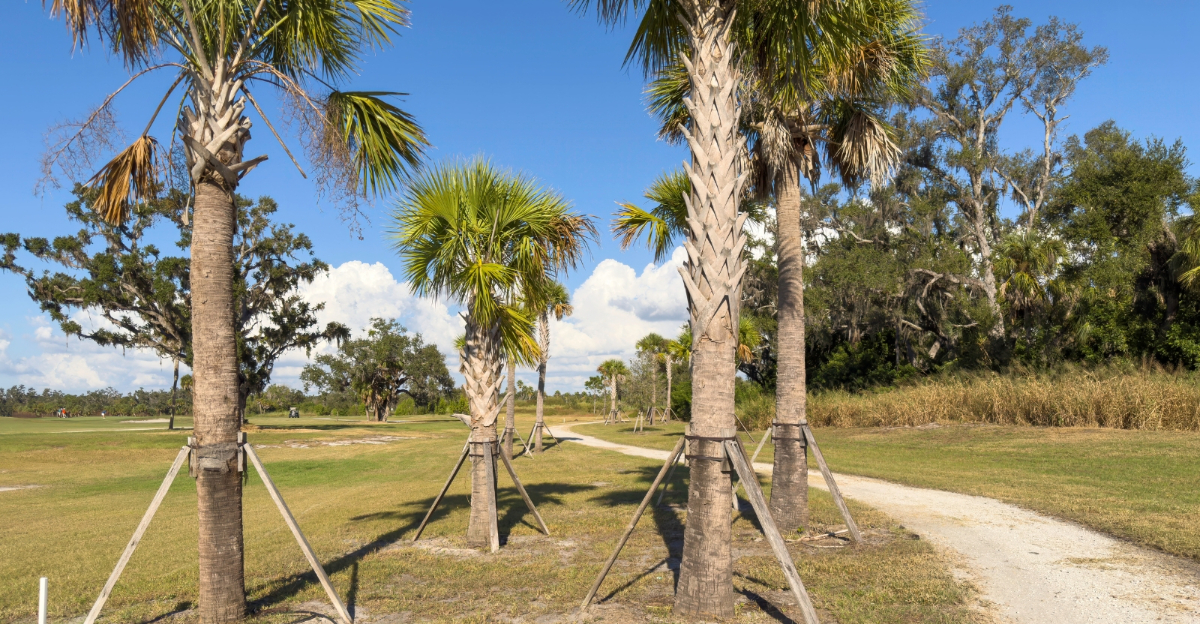
You might notice your palm tree in your Arizona yard starting to lean just a little more each time you walk past it.
At first, it’s easy to brush off, especially when the tree still looks healthy and green.
In Arizona’s dry climate, palms often grow fast above ground while their roots adjust more slowly below the surface.
Not every slight lean is a problem, and some trees naturally settle as they establish themselves.
When the tilt keeps increasing, though, it usually points to how the tree was planted, watered, or supported early on.
Dry soil, strong winds, and uneven moisture can quietly affect stability over time. These factors often work together rather than acting alone.
The key is understanding what’s causing the imbalance before trying to correct it.
With the right approach, stabilizing a leaning palm in Arizona is very doable and can help the tree grow straighter and stronger going forward.
1. Figure Out Why The Palm Is Leaning In The First Place
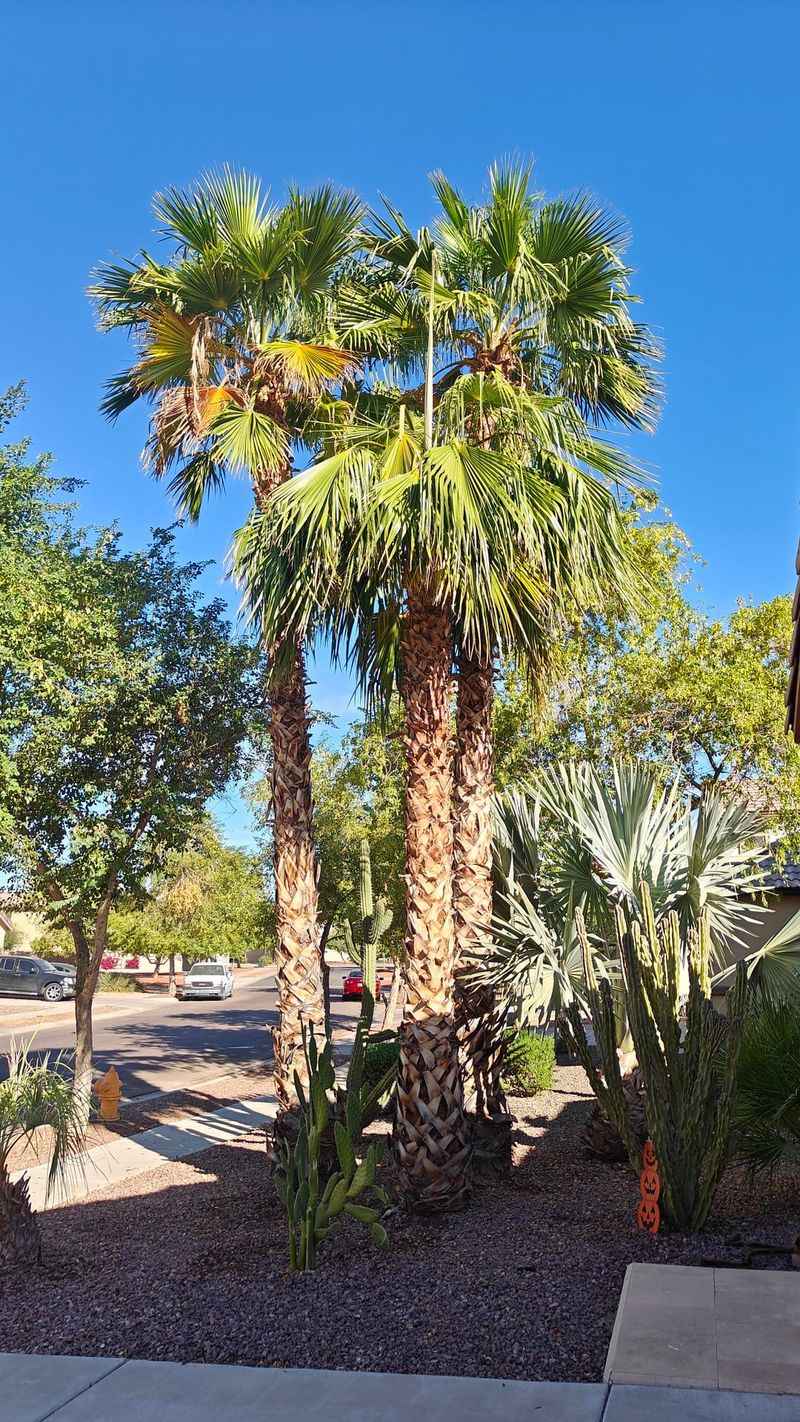
Understanding the root cause saves you time and prevents future problems. Your palm might be tilting because of wind damage, poor soil conditions, or improper planting depth.
Sometimes the issue comes from uneven watering patterns that weaken one side of the root system more than the other.
Arizona’s intense sun can also play a role in how your palm grows. Trees naturally lean toward the light, and if your palm was planted in a shaded spot that later opened up, it may have shifted its weight.
Soil erosion from monsoon rains can expose roots and destabilize the entire tree.
Root rot can also contribute to leaning palms when water sits around the base for too long.
When water sits around the base too long, roots can weaken and lose their grip. This makes the palm vulnerable to tipping, especially during strong winds.
Inspect the trunk carefully for signs of damage or disease. Look for soft spots, discoloration, or unusual growths that might indicate internal problems.
Healthy trunks should feel firm and show consistent coloring from top to bottom.
Check the surrounding soil for compaction or poor drainage. Hard, clay-like soil in Arizona can prevent roots from spreading properly.
This limits the tree’s ability to anchor itself securely.
Consider how long the palm has been leaning. A recent lean suggests a sudden event like a storm, while a gradual tilt points to ongoing issues.
Knowing the timeline helps you choose the right correction method.
Take note of nearby construction or landscaping changes. Digging or grading around your palm can disturb roots and cause instability.
Even adding new plants too close can compete for resources and weaken the palm’s foundation.
Document what you find with photos and notes. This record will help you track progress as you work through the stabilization process.
It also provides valuable information if you need to consult with a tree specialist later.
2. Check Soil Moisture Before Making Any Adjustments
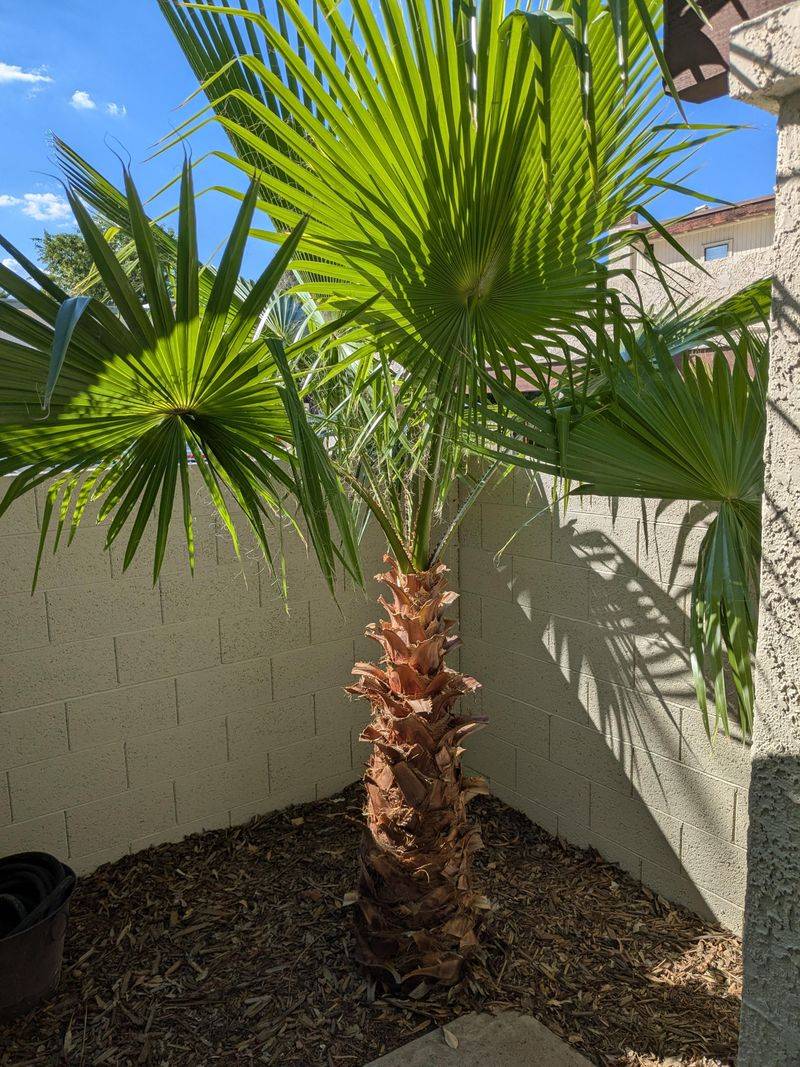
Dry soil can trick you into thinking your palm needs more water when the real issue is deeper. Before you start any physical adjustments, test the moisture level at different depths around the tree.
Your Arizona Garden Changes Every Week. Your Plan Should Too.
Gardening in Arizona changes quickly throughout the season. Every Friday you’ll receive a simple weekly plan showing exactly what to plant, prune, fertilize, harvest, and protect so you never miss the right timing.
Stick a long screwdriver or soil probe into the ground to see how far down the moisture reaches.
Arizona soil often looks dry on the surface but holds water below. This happens because the top layer bakes under the sun while deeper areas stay damp longer.
If you water based only on what you see, you might be overwatering without realizing it.
Overwatered palms develop weak, shallow root systems that cannot support the trunk properly. These roots stay near the surface where oxygen is more available, but they lack the depth needed for stability.
The tree becomes top-heavy and prone to leaning.
Use a moisture meter for more accurate readings if you have one available. These tools give you instant feedback about soil conditions at various depths.
They take the guesswork out of the process and help you make informed decisions.
Feel the soil with your hands at least six inches down. It should be slightly moist but not soggy or bone dry.
The texture should crumble easily without clumping into mud or turning to dust.
Pay attention to how quickly water soaks into the ground when you irrigate. Fast drainage suggests sandy soil that needs more frequent watering, while slow absorption indicates clay content that holds moisture longer.
Arizona yards often have a mix of both, creating uneven conditions.
Wait for the right moisture level before attempting to straighten your palm. Working with soil that is too wet can damage roots and make the lean worse.
Soil that is too dry will not pack properly around the base, leaving the tree unstable.
Check moisture levels weekly during the adjustment period. Consistency is important for root health and recovery.
Your palm needs steady conditions to rebuild its strength and regain its upright position.
3. Straighten The Palm Slowly To Avoid Root Stress
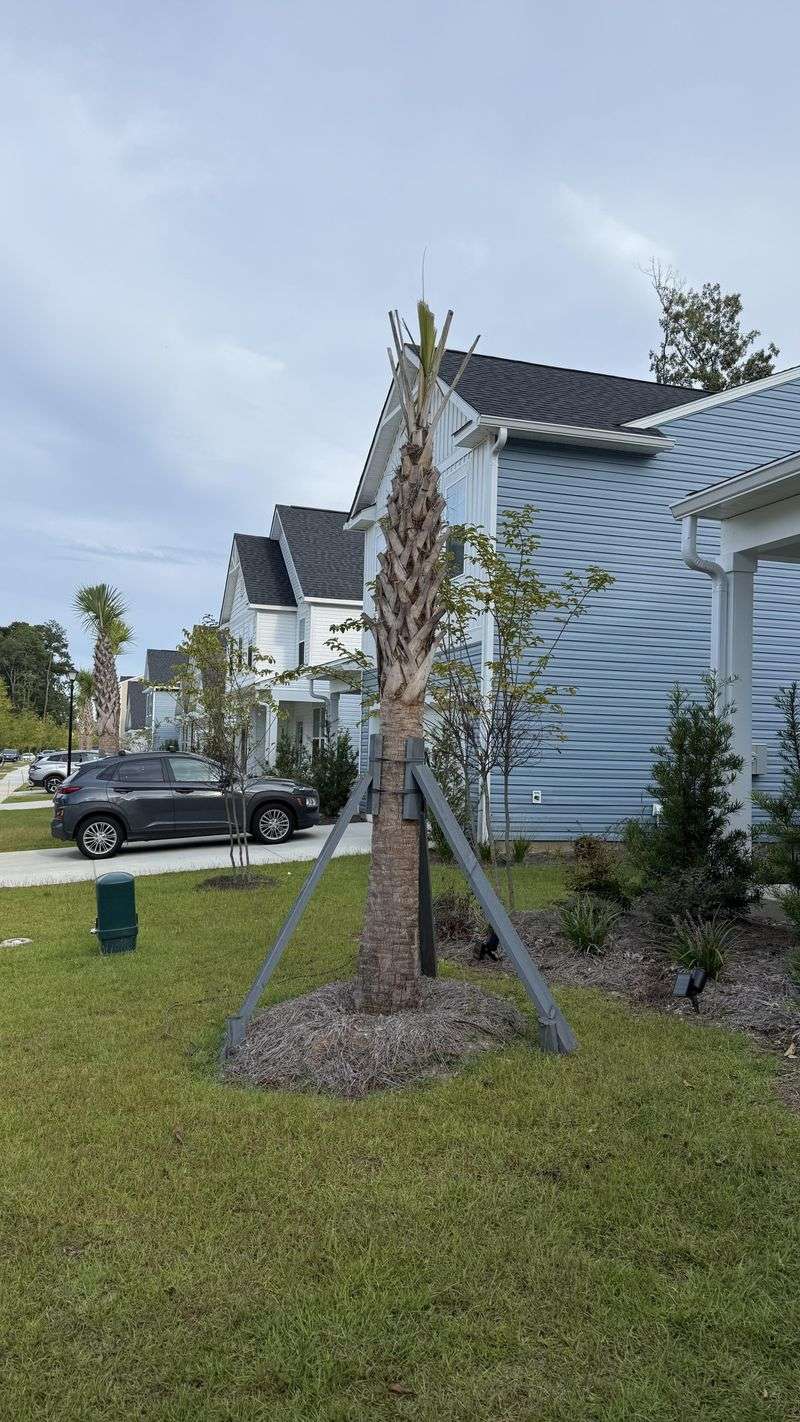
Rushing the straightening process can snap roots and set your palm back months. Roots grow in the direction the tree has been leaning, so they need time to adjust to a new position.
Gradual movement gives them a chance to reorient without tearing or breaking.
Start by moving the trunk just a few inches toward vertical. Secure it in that position for several weeks before making the next adjustment.
This slow approach mimics natural growth patterns and reduces shock to the tree.
Arizona’s dry climate already stresses palm roots, so extra care is essential. Heat and low humidity mean roots have less flexibility than they would in wetter regions.
Gentle handling protects these already-challenged root systems.
Use soft materials like wide straps or old towels to grip the trunk when pulling. Avoid ropes or wires that can cut into the bark and create wounds.
Damaged bark opens the door to pests and disease that thrive in desert conditions.
Work during the cooler parts of the day, either early morning or evening. High temperatures make the trunk more brittle and roots more fragile.
Cooler conditions give you better control and reduce the risk of accidental damage.
Have a helper if possible to distribute the effort evenly. One person can stabilize the base while the other guides the trunk into position.
This teamwork prevents sudden jerks or uneven pressure that could harm the tree.
Listen and watch for signs of resistance as you work. If the palm does not want to move easily, stop and reassess.
Forcing it can cause hidden damage that will not show up until later.
Mark your progress with stakes or tape so you can see how far you have come. Small victories keep you motivated and help you maintain a steady pace.
Your palm will respond better to consistent, patient effort than to one big push.
4. Use Proper Staking That Supports Without Damaging The Trunk
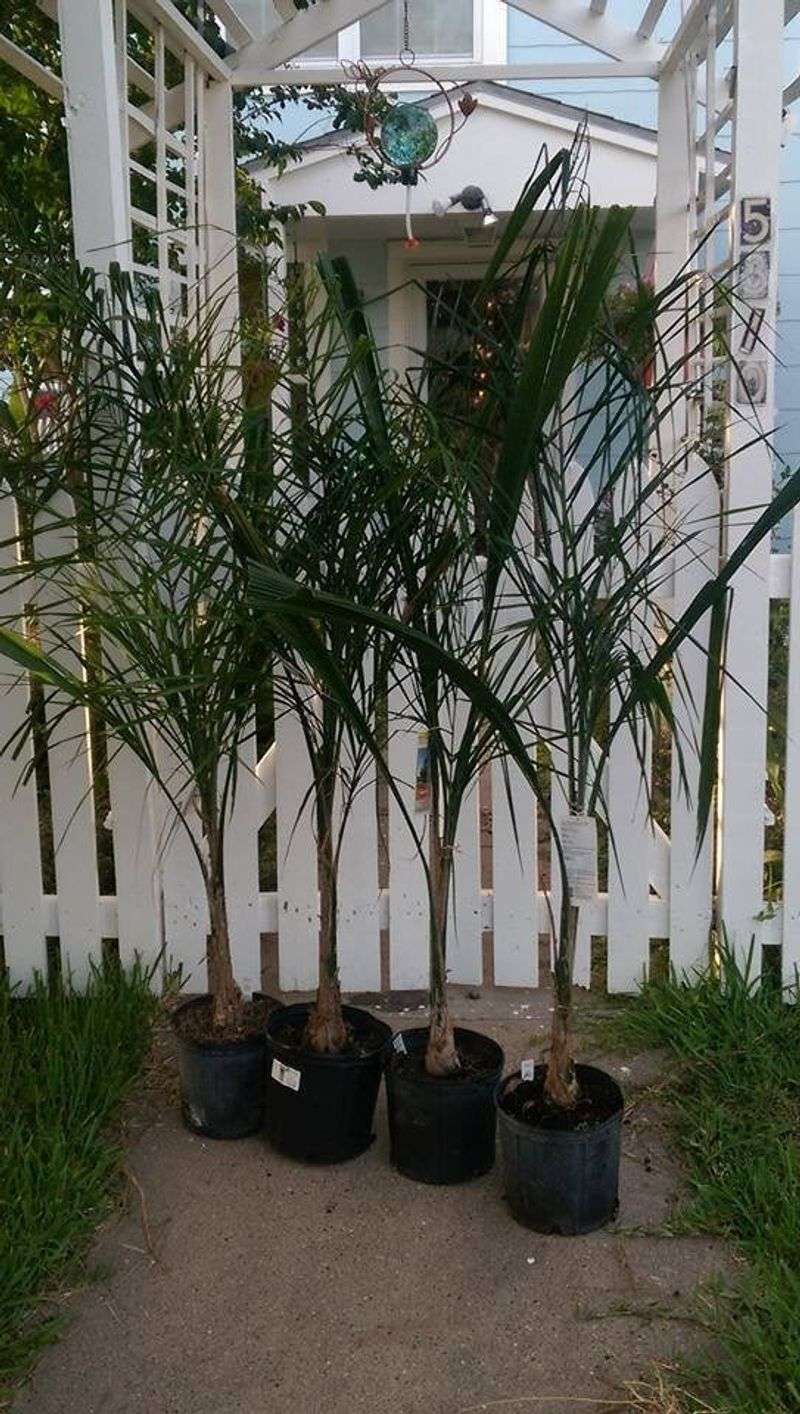
Staking provides the temporary support your palm needs while roots regain their strength. Choose stakes tall enough to support the trunk without forcing it into a rigid, unnatural position.
Shorter stakes will not provide adequate support and can actually increase stress on the lower trunk.
Drive stakes into the ground at least two feet deep for stability. Arizona soil can be hard, so you might need to wet the area first to make driving easier.
Space the stakes evenly around the palm, usually three or four stakes work best for balanced support.
Position stakes about two to three feet away from the trunk. This distance prevents you from damaging roots while still providing effective support.
Stakes placed too close can pierce major roots and undermine your stabilization efforts.
Use flexible materials to connect the stakes to the trunk. Rubber tubing, old garden hose sections, or commercial tree straps all work well.
These materials allow some natural movement while preventing the trunk from rubbing against hard surfaces.
Avoid wire or thin rope that can cut into the bark as the palm sways. Even light wind in Arizona can cause enough movement to create damage over time.
Soft, wide materials distribute pressure and protect the trunk surface.
Secure the straps firmly but not tightly. Your palm needs a little room to move and flex in the wind.
This movement actually strengthens the trunk and encourages roots to grow deeper for natural support.
Check your staking system every few weeks for wear and adjustment needs. Arizona sun can degrade materials quickly, especially plastics and rubber.
Replace anything that shows signs of cracking or weakening before it fails.
Adjust the tension as your palm straightens and stabilizes. What worked at the beginning might be too tight or too loose as the tree recovers.
Regular monitoring ensures your support system evolves with the palm’s needs.
5. Secure The Base With Firm, Well-Packed Soil
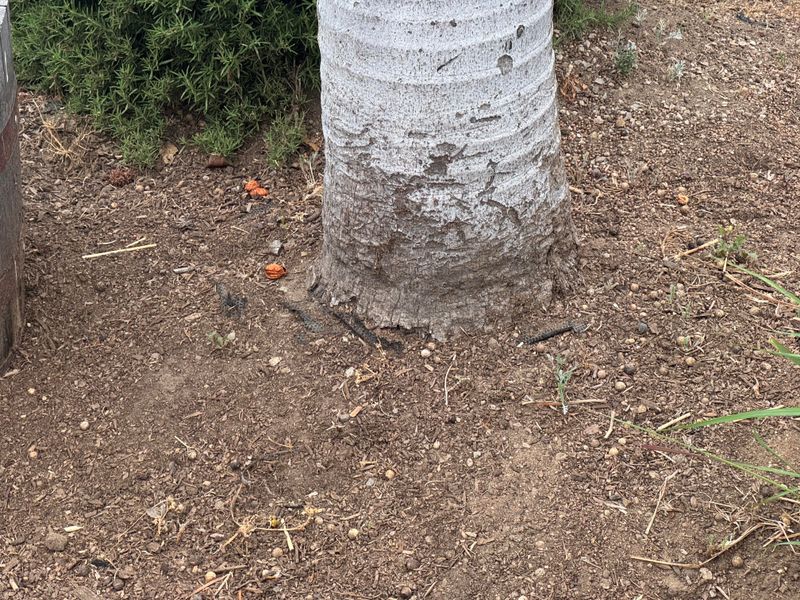
Loose soil around the base cannot provide the anchor your palm needs to stand upright. After positioning the tree, fill any gaps or voids with quality soil that matches your existing ground composition.
Arizona native soil mixed with a small amount of compost works well for most palms.
Add soil in layers rather than dumping it all at once. Pack each layer down firmly with your hands or a tamping tool.
This removes air pockets that can cause settling and create instability later.
Water each layer lightly as you go to help it settle naturally. The moisture helps particles bind together and conform to the root structure.
This creates a solid foundation that will support your palm through Arizona’s windy seasons.
Build up the soil slightly higher than the surrounding grade. This accounts for natural settling that will occur over the next few weeks.
A gentle slope away from the trunk also helps with drainage during monsoon storms.
Avoid piling soil too high against the trunk itself. The original planting depth should remain unchanged to prevent rot and other problems.
Only the area around the roots needs additional soil for stability.
Use your foot to firmly press down the soil around the base. Walk around the tree in a circle, applying steady pressure to compact the ground.
This simple technique creates a remarkably solid base without special equipment.
Test the firmness by trying to rock the trunk gently. If the base moves easily, add more soil and pack it down again.
The trunk should feel solidly anchored with minimal give when you push on it.
Consider adding a ring of larger rocks or pavers around the base for extra weight and protection. This Arizona-friendly landscaping technique helps hold soil in place during heavy rains.
It also creates a visual reminder to keep foot traffic away from the recovery zone.
6. Adjust Watering To Encourage Strong Root Growth
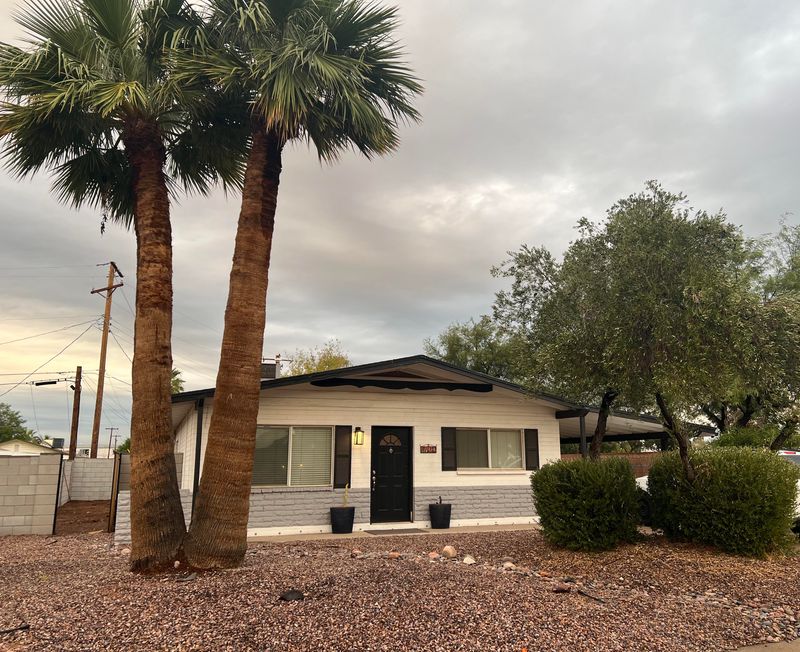
Proper watering makes the difference between a palm that recovers and one that continues to struggle. Deep, infrequent watering encourages roots to grow downward where they provide better stability.
Shallow, frequent watering creates weak surface roots that cannot support the tree’s weight.
Set up a watering schedule based on Arizona’s seasons and your soil type. During hot months, water deeply once or twice a week.
In cooler months, reduce frequency to once every ten to fourteen days.
Apply water slowly so it has time to soak deep into the ground. A soaker hose or drip system works better than overhead sprinklers.
This method delivers moisture directly to the root zone without waste from evaporation.
Water in a circle around the drip line rather than right at the trunk. The drip line is the area beneath the outer edge of the fronds where rain would naturally fall.
This is where the most active roots are located and where they need moisture most.
Water deeply enough that moisture reaches well below the surface, adjusting run time based on your soil type and irrigation system.
Deep watering trains roots to follow moisture downward, creating the deep anchor your palm needs.
Allow the soil to dry out somewhat between watering sessions. This dry period encourages roots to spread out in search of moisture.
It also prevents the soggy conditions that can weaken roots and cause instability.
Add a layer of mulch around the base to help retain moisture. Keep mulch a few inches away from the trunk to prevent rot.
A two to three inch layer is perfect for Arizona conditions and helps regulate soil temperature.
Adjust your schedule based on rainfall, especially during monsoon season. Natural rain can provide much of what your palm needs during wet periods.
Check soil moisture before watering to avoid overdoing it.
7. Remove Supports Once The Palm Regains Stability
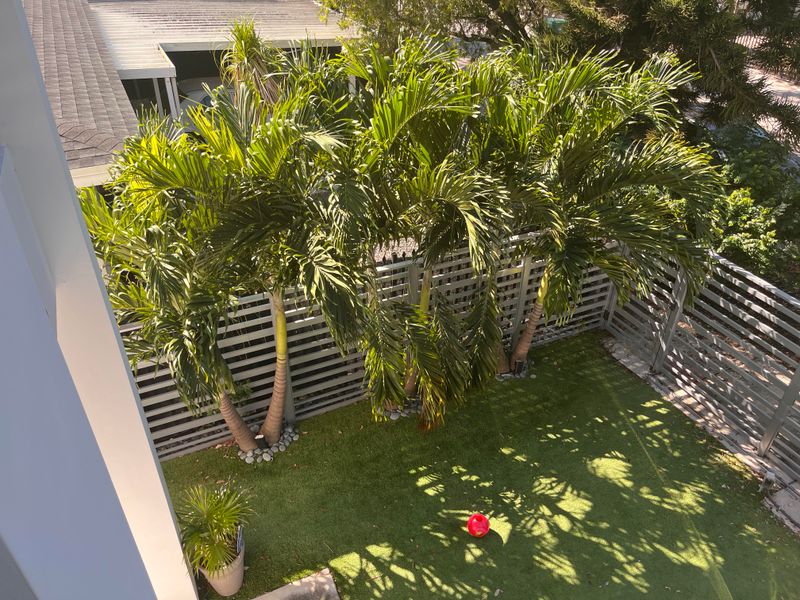
Knowing when to remove stakes is just as important as installing them correctly. Most palms need temporary support until their root systems regain strength and the trunk holds steady on its own.
Leaving stakes in place too long can actually weaken the trunk by preventing natural movement and strengthening.
Test stability before removing any supports. Gently push on the trunk from different directions to see how much it moves.
If the base stays firm and the trunk returns to vertical without help, your palm is probably ready to stand alone.
Choose a calm day for stake removal to avoid immediate stress from wind. Arizona can experience sudden gusts that might catch a newly freed palm off guard.
Mild weather gives the tree a chance to adjust to its independence.
Remove stakes one at a time over several weeks rather than all at once. This gradual approach lets you monitor how the palm responds.
If you notice any renewed leaning, you can quickly reinstall support before the problem worsens.
Take out stakes carefully to avoid disturbing roots that have grown nearby. Pull straight up rather than rocking them back and forth.
Any roots that have wrapped around stakes will need time to redirect their growth.
Inspect the trunk where straps were attached for any signs of damage. Minor indentations will heal on their own as the palm continues to grow.
More serious wounds might need monitoring to ensure they do not become entry points for pests.
Fill in stake holes with soil and pack them down firmly. These voids can collect water and create soft spots around the base.
Proper filling maintains the solid foundation you worked hard to create.
Continue your adjusted watering schedule even after removing supports. Strong root growth remains essential for long-term stability.
Your Arizona palm still needs consistent care to maintain its upright position.