How To Finally Fix Clay Soil In Ohio Before Spring Planting
Ohio gardeners, if your shovel bounces, your boots get stuck, and your beds stay soggy after rain, clay soil is running the show. Spring planting is right around the corner, and planting straight into heavy clay can hold roots hostage and slow everything down.
Many gardeners add the wrong materials, work the soil at the wrong time, or skip prep altogether, then wonder why plants struggle all season. The good news is clay does not have to be your enemy.
With the right approach done before planting, you can improve airflow, help water move better, and give roots room to spread out and grow strong. This is the window where small changes bring big payoffs.
If you want easier digging, healthier plants, and better harvests this year, now is the time to fix the problem instead of fighting it again.
1. Test Your Soil Before Making Changes
Walk out to your garden on a cool March morning and you might notice the ground still holds puddles from last week’s rain. Clay soil in Ohio can be deceptive because it looks fine on the surface but hides problems underneath.
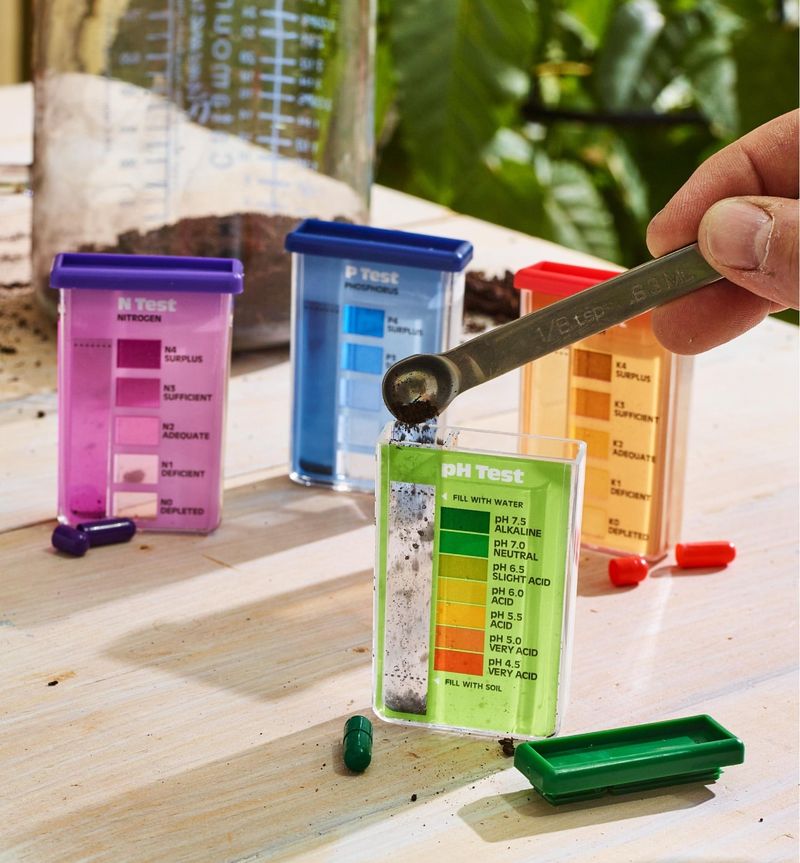
Before you add anything to your beds, testing your soil gives you a clear picture of pH levels, nutrient content, and organic matter percentage.
Ohio State University Extension recommends soil testing every three years. Early spring or fall are ideal times to collect samples.
You can pick up a soil test kit from your local extension office or order one online. The results will tell you exactly what your soil needs instead of guessing and wasting money on amendments that might not help.
Many Ohio gardeners skip this step and end up adding lime when their soil is already alkaline or piling on fertilizer when phosphorus levels are too high. Testing takes the guesswork out of soil improvement.
You will know if your clay needs sulfur to lower pH, compost to improve structure, or specific nutrients to support plant growth.
Once you receive your test results, you can create a targeted plan that addresses your garden’s unique needs. This approach saves time, money, and effort while setting up your beds for successful spring planting.
2. Stop Tilling Wet Clay Soil
Picture this. You are eager to get your garden ready and the calendar says it is time to start working the soil.
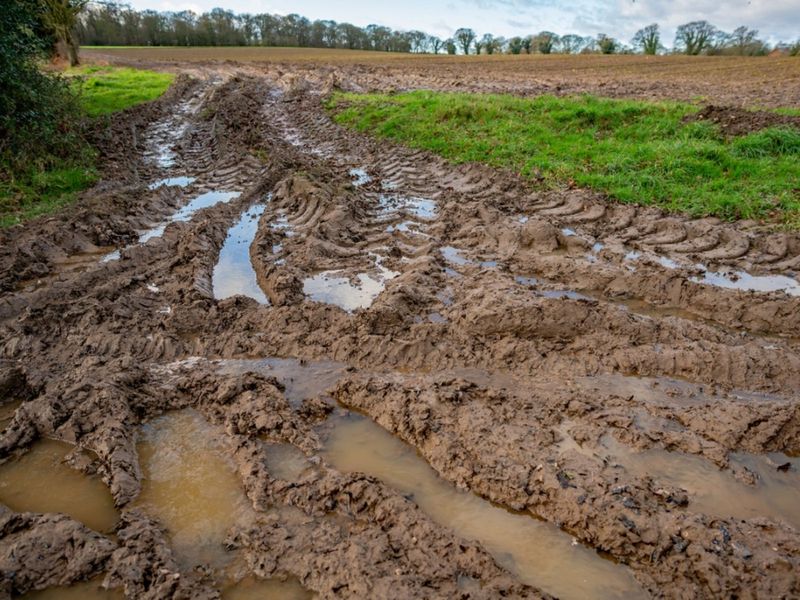
But when you walk outside, your footprints leave deep impressions in the clay and mud cakes onto your boots. This is a clear sign that your soil is too wet to till.
Working clay soil when it is saturated destroys its structure and creates hard, brick-like clods that can take years to break down. Ohio’s spring rains and freeze-thaw cycles leave soil moisture levels high well into April, especially in northern parts of the state.
Tilling wet clay compacts the soil even further, squeezes out air pockets, and makes drainage problems worse instead of better.
The best way to know if your soil is ready is the squeeze test. Grab a handful of soil and squeeze it into a ball.
Your Ohio Garden Changes Every Week. Your Plan Should Too.
Gardening in Ohio changes quickly throughout the season. Every Friday you’ll receive a simple weekly plan showing exactly what to plant, prune, fertilize, harvest, and protect so you never miss the right timing.
Then poke the ball with your finger. If it crumbles easily, the soil is ready to work.
If it stays in a sticky clump or smears across your hand, wait a few more days.
Patience pays off when dealing with Ohio clay. Waiting for the right moisture level protects your soil structure and makes all your other improvement efforts more effective.
3. Use Compost As Your Main Soil Fix
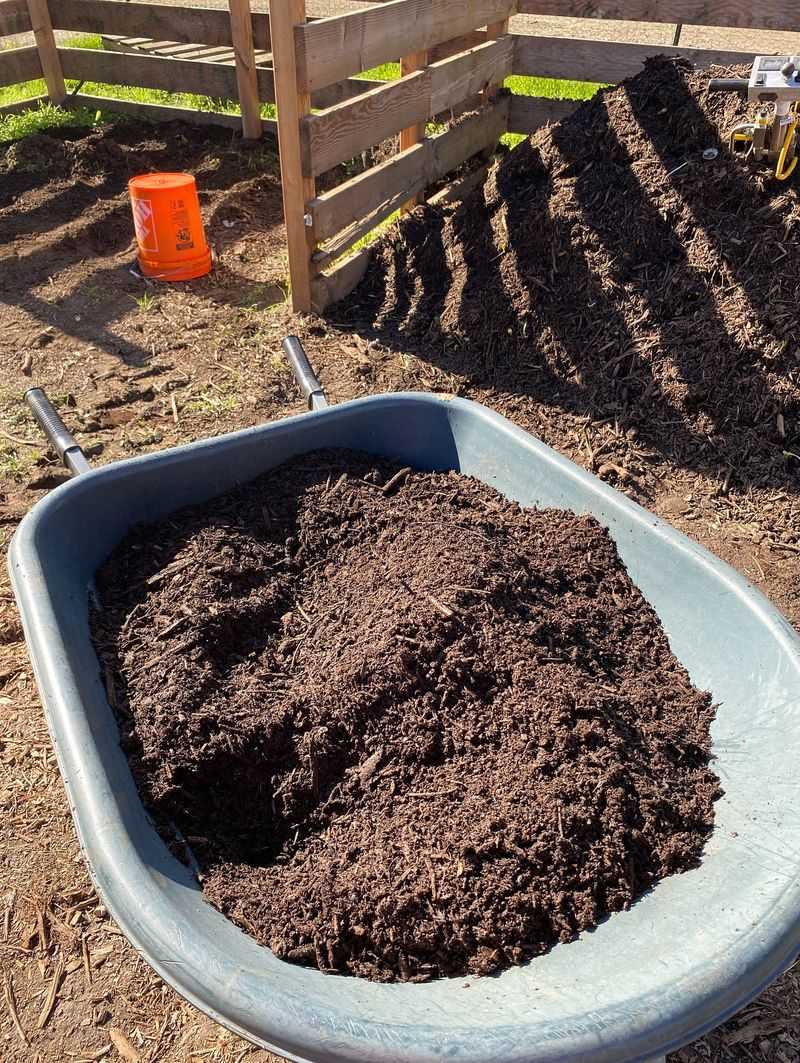
Compost is the single best amendment for Ohio clay soil. It does everything you need in one material.
It loosens heavy soil, improves drainage, adds nutrients, feeds beneficial organisms, and helps the soil hold moisture during dry spells. If you can only do one thing to fix your clay, make it adding compost.
You can make your own compost from kitchen scraps, yard waste, and garden trimmings, or you can buy it in bulk from local suppliers. Many Ohio municipalities offer compost made from yard waste at low cost or even free to residents.
Look for dark, crumbly compost that smells earthy and has no recognizable chunks of the original materials.
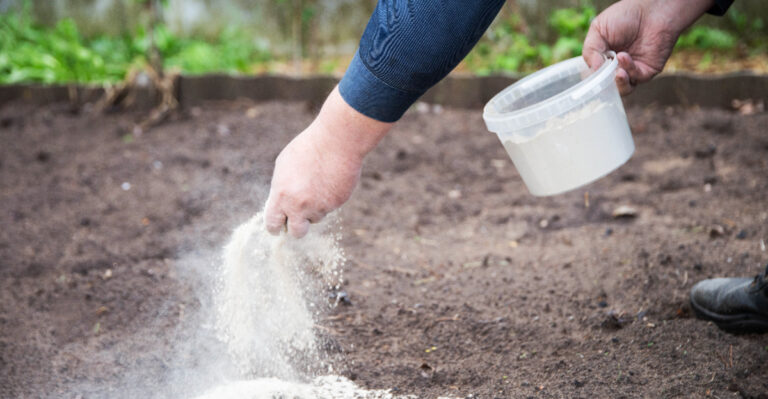
Spread compost generously over your garden beds in early spring once soil is workable, before planting. A two to four inch layer worked into the top several inches of soil makes a noticeable difference in just one season.
You can also use compost as mulch around plants throughout the growing season to continue feeding the soil.
Gardeners across Ohio who rely on compost see their clay soil become easier to dig, their plants grow stronger roots, and their gardens produce better yields. Compost is not a quick fix, but it is the most reliable and affordable way to improve clay soil over time.
4. Avoid Sand And Gypsum Myths
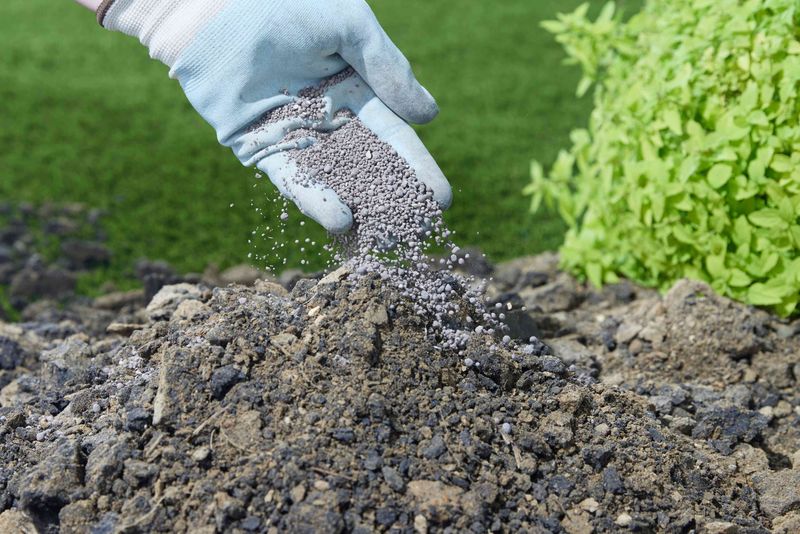
You have probably heard someone say that adding sand will fix clay soil or that gypsum is a miracle cure for drainage problems. These are two of the most common myths in gardening, and both can waste your time and money without improving your soil.
Mixing sand into clay soil without enough organic matter creates something closer to concrete than garden soil. You would need to add massive amounts of sand to change the soil texture, and even then, the results are often disappointing.
Sand alone does not improve soil structure or add nutrients.
Gypsum can help in rare situations, such as when soil has high sodium (sodic soil), which is uncommon in Ohio gardens. But Ohio clay soil rarely has these problems.
Gypsum will not fix compaction, improve drainage, or add organic matter. Soil test results will tell you if gypsum is actually needed, and most Ohio gardens do not require it.
Instead of chasing quick fixes, focus on adding compost and organic matter. These materials address the root causes of clay soil problems and create lasting improvements.
Save your money and energy for amendments that truly work in Ohio conditions.
5. Improve Drainage Without Destroying Structure
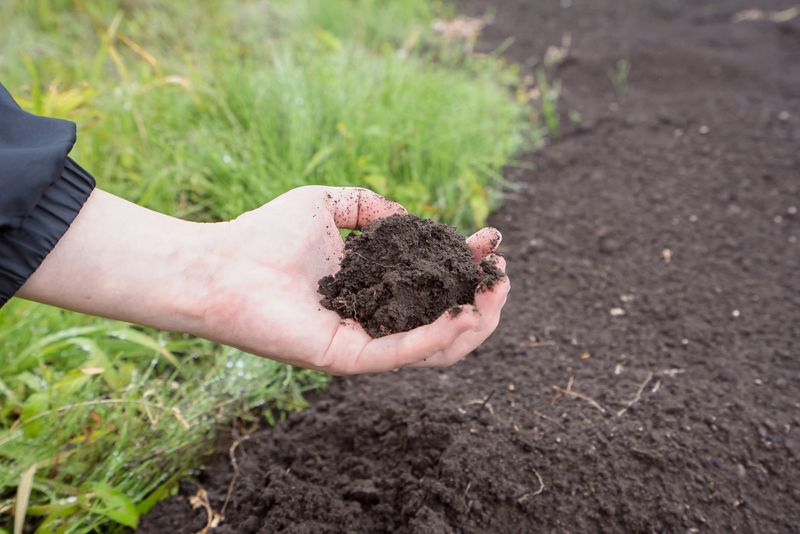
Poor drainage is one of the biggest complaints Ohio gardeners have about clay soil. Water sits on the surface after rain, roots struggle to breathe, and plants develop problems that look like disease but are really just waterlogged soil.
Improving drainage is essential, but you have to do it in a way that protects your soil structure.
Organic matter is the best drainage solution because it creates air pockets and improves soil texture without breaking down the natural structure. Compost, aged manure, and shredded leaves all help water move through the soil more easily while still holding enough moisture for plants to use.
Another effective strategy is to avoid compacting the soil in the first place. Stay off your garden beds when they are wet, use pathways to protect planting areas, and consider permanent raised beds that you never step on.
Compaction squeezes out air and makes drainage worse, so preventing it is just as important as adding amendments.
If drainage is still a problem after adding organic matter, you might need to install a French drain or redirect water away from your garden. But for most Ohio clay soils, consistent organic matter additions will improve drainage enough to grow healthy, productive plants.
6. Build Raised Beds Where Needed
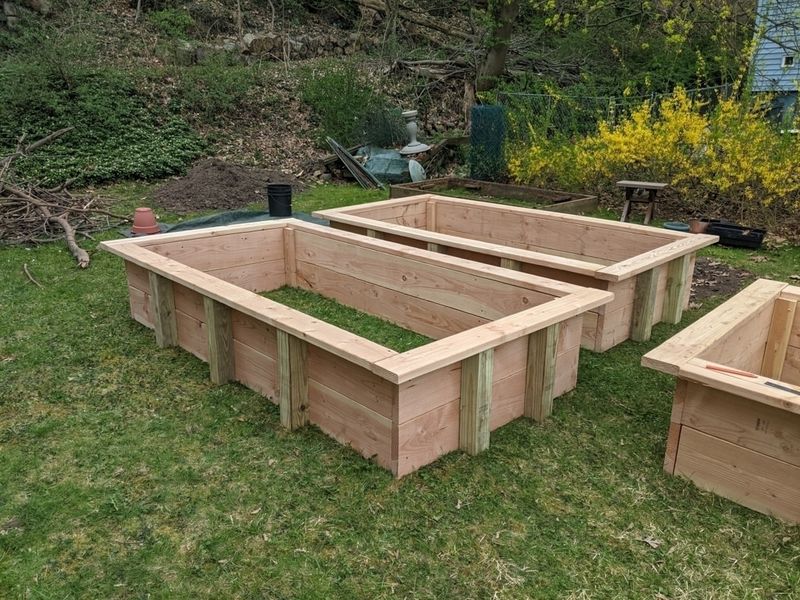
Sometimes the best way to deal with difficult clay soil is to build up instead of digging down. Raised beds give you instant control over soil quality, drainage, and growing conditions.
They warm up faster in spring, drain better after rain, and make gardening easier on your back and knees.
Ohio gardeners in areas with heavy clay or poor drainage often find that raised beds solve problems that years of amending could not fix. You can fill raised beds with a custom soil mix that drains well and supports strong plant growth from day one.
This is especially helpful in northern Ohio where cold, wet spring soils delay planting.
Build your raised beds at least ten to twelve inches tall for most vegetables and herbs. Use untreated wood, composite lumber, or stone to frame the beds.
Fill them with a mix of quality topsoil, compost, and other organic materials. Avoid using native clay soil as the main ingredient because it will compact and create the same problems you are trying to avoid.
Raised beds require an upfront investment of time and materials, but they pay off with easier planting, better drainage, and healthier plants. Many Ohio gardeners start with one or two raised beds and expand over time as they see the results.
7. Layer Mulch To Protect Soil Structure
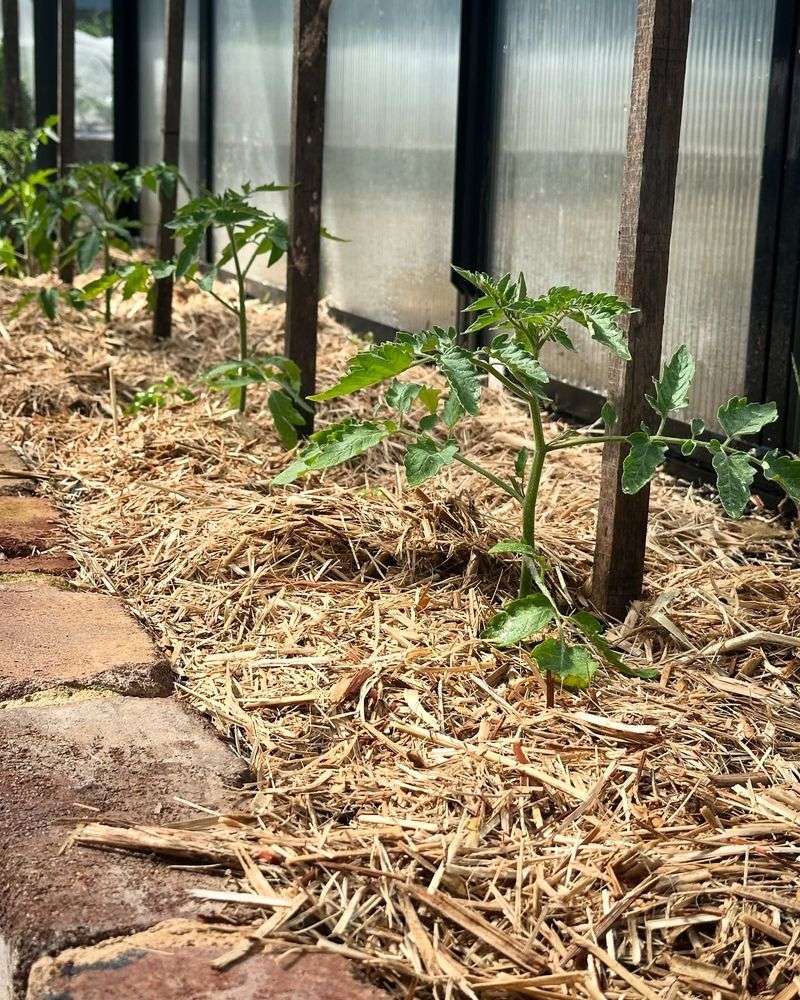
After you have worked hard to improve your clay soil, the last thing you want is for it to compact again or lose all that valuable organic matter. Mulching your garden beds protects your soil structure, keeps moisture levels steady, and continues to feed the soil as the mulch breaks down over time.
Spread a two to three inch layer of organic mulch over your beds after planting. Good options include shredded leaves, straw, grass clippings, wood chips, or compost.
Mulch blocks weed growth, keeps soil temperatures more stable, and prevents heavy rain from pounding the soil surface and causing compaction.
Ohio’s spring rains can be intense, especially in southern parts of the state. Without mulch, raindrops hit bare soil and break apart the structure you have worked so hard to build.
Mulch acts as a protective barrier and allows water to soak in gently instead of running off or puddling on the surface.
As mulch decomposes, it adds more organic matter to your soil and improves structure even further. Refresh your mulch layer once or twice during the growing season to maintain coverage.
This simple practice protects your investment in soil improvement and keeps your garden beds healthy all season long.
8. Grow Cover Crops In Off-Season Areas
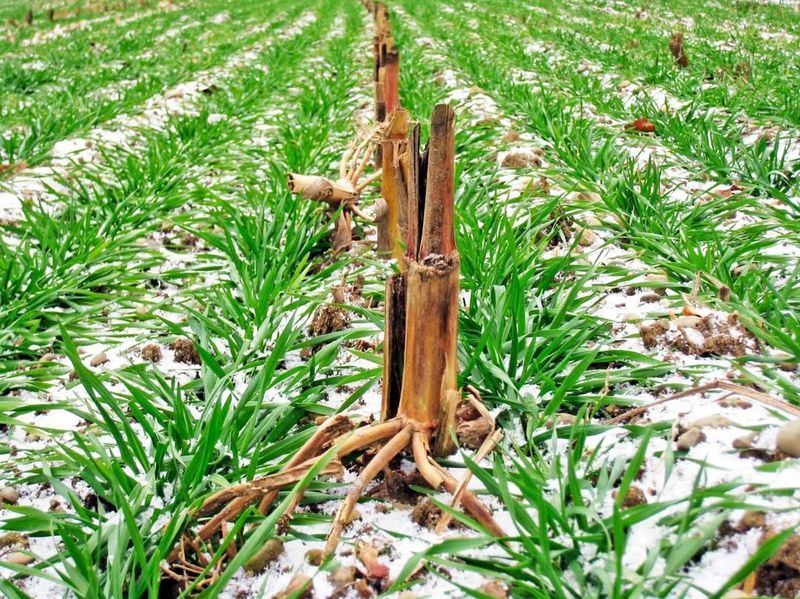
Cover crops are one of the smartest ways to improve clay soil without spending money on amendments. These plants grow during the off-season, protect bare soil from erosion, add organic matter when you turn them under, and improve soil structure with their roots.
Ohio gardeners who use cover crops see noticeable improvements in soil quality year after year.
Plant cover crops in late summer or early fall after you harvest your main crops. Good choices for Ohio include winter rye, crimson clover, hairy vetch, and annual ryegrass.
These crops grow through fall, survive winter, and can be turned under in early spring before you plant your garden.
Cover crop roots break up compacted clay and create channels that improve drainage and air movement. When you cut down the plants and mix them into the soil, they add organic matter and feed beneficial microbes.
This natural process builds soil health without extra work or expense.
Turning under cover crops takes some planning because you need to give them time to decompose before planting. Cut or mow the cover crop before it goes to seed, then wait two to three weeks before planting.
This gives the plant material time to break down and release nutrients into the soil.