Fix Your Leaning Palm Tree Before It Causes Problems In California
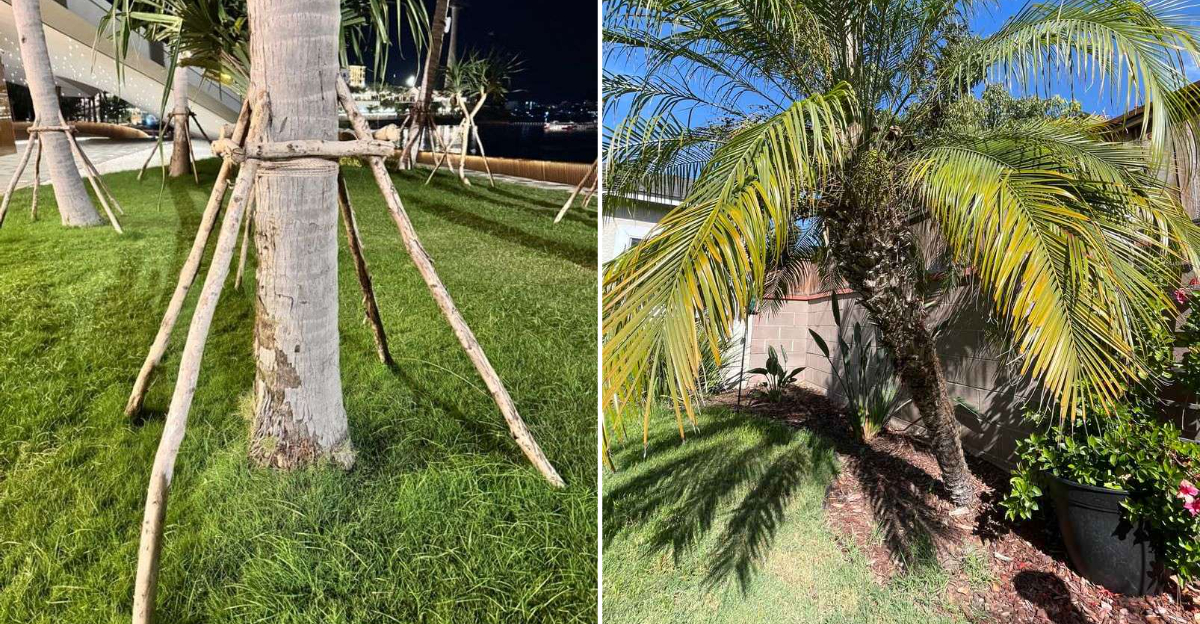
A leaning palm tree might look harmless at first, but it can turn into a serious problem if ignored. Over time, the lean can get worse, roots can weaken, and the risk of falling increases.
That’s not something any California homeowner wants to deal with.
Strong winds, heavy rain, and uneven soil are common reasons palms start to tilt. Sometimes the issue begins right after planting.
Other times it happens slowly and goes unnoticed until the angle becomes obvious.
Fixing the problem early is much easier than waiting. Simple support steps can help the tree settle back into place and grow stronger roots.
Acting fast can also prevent damage to property and nearby plants.
With the right approach, most leaning palms can be corrected and stabilized before bigger issues show up.
1. Assess The Severity
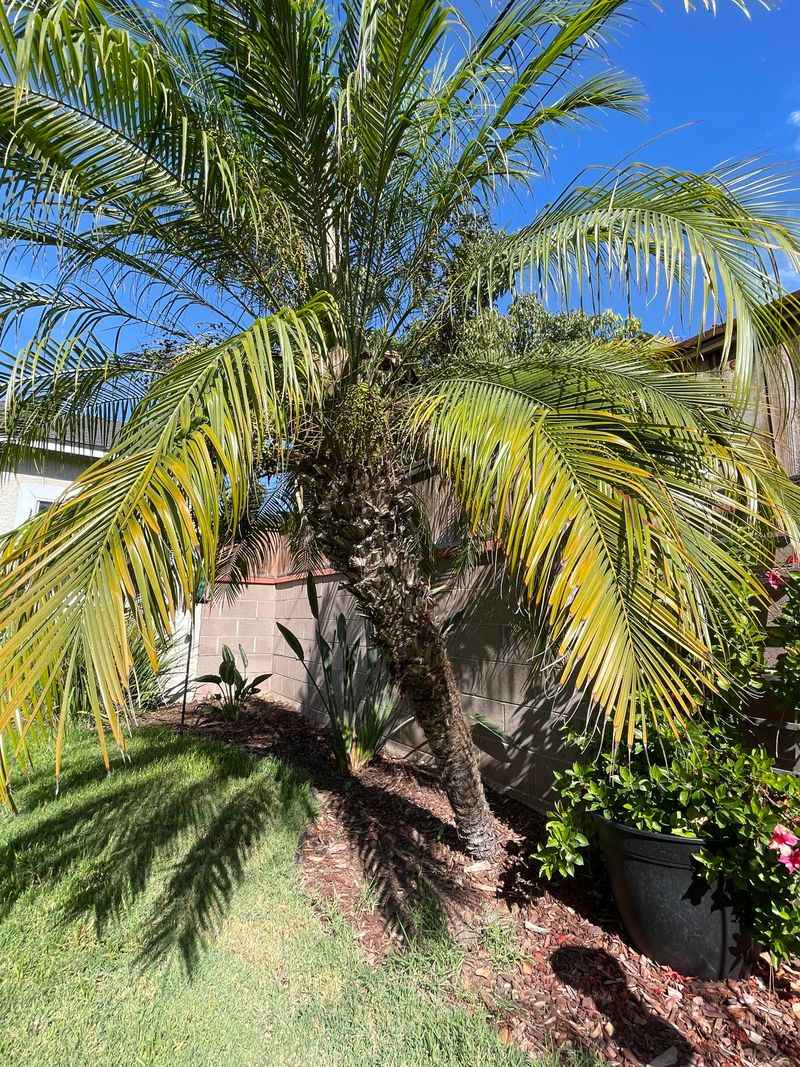
Before you start any corrective work, take time to evaluate how far your palm has tilted and what might be causing it. Stand back and look at the trunk from multiple angles to gauge the degree of lean.
A slight tilt of 5 to 10 degrees may not require immediate action, while a lean of 20 degrees or more could signal root damage or unstable soil that needs prompt attention.
Walk around the tree and check for visible signs of stress, such as exposed roots, cracks in the trunk, or gaps in the soil near the base. In California’s varied terrain, slopes and erosion can worsen a lean, especially after heavy winter rains.
Sandy or clay-heavy soils may shift more easily, contributing to instability.
Document the lean with photos from the same spot every few weeks to track any changes. If the tree is tilting toward a structure, power line, or walkway, consider the potential risk and act quickly.
Knowing the severity helps you decide whether you can handle the fix yourself or if you need professional arborist support.
Avoid guessing or delaying your assessment, as a worsening lean can lead to root failure or sudden toppling during strong Santa Ana winds.
2. Inspect Roots And Soil Stability
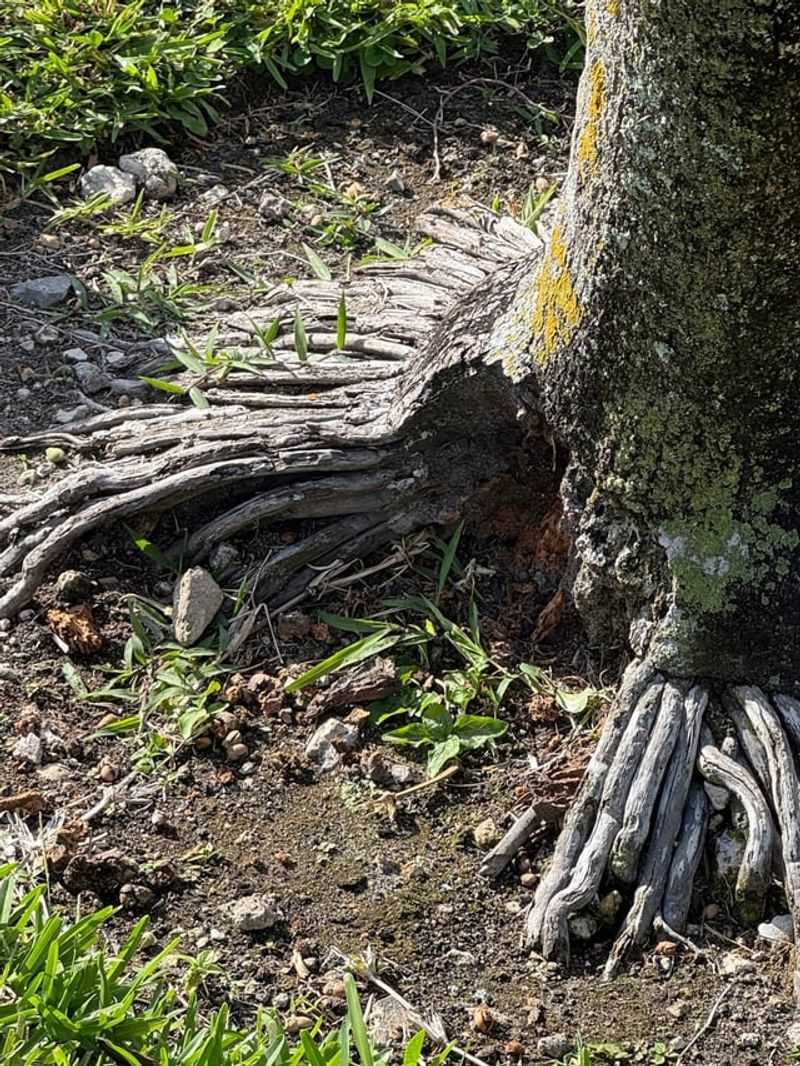
Root health is the foundation of a stable palm tree. Carefully dig away a few inches of soil around the base to expose the uppermost roots and check for rot, damage, or looseness.
Healthy roots appear firm and white or tan, while soft, dark, or mushy roots indicate fungal disease or overwatering. If roots seem shallow or sparse, your palm may lack the anchor it needs to stay upright.
California soils vary widely, from sandy coastal ground to heavy clay in inland valleys. Sandy soil drains fast but offers less grip, while clay can become waterlogged and shift under a tree’s weight.
Test your soil by squeezing a handful; if it crumbles easily, it’s sandy, and if it clumps tightly, it’s clay-heavy. Both types can contribute to leaning if not managed properly.
Look for signs of erosion, such as exposed roots or uneven ground around the trunk. Slopes and runoff from irrigation or rain can wash away soil, leaving the root ball unstable.
Your California Garden Changes Every Week. Your Plan Should Too.
Gardening in California changes quickly throughout the season. Every Friday you’ll receive a simple weekly plan showing exactly what to plant, prune, fertilize, harvest, and protect so you never miss the right timing.
Fill in any gaps with quality topsoil and tamp it down gently to provide better support.
If you find extensive rot or very shallow roots, consult an arborist to determine whether the tree can be saved or if removal is safer.
3. Remove Any Heavy Fronds
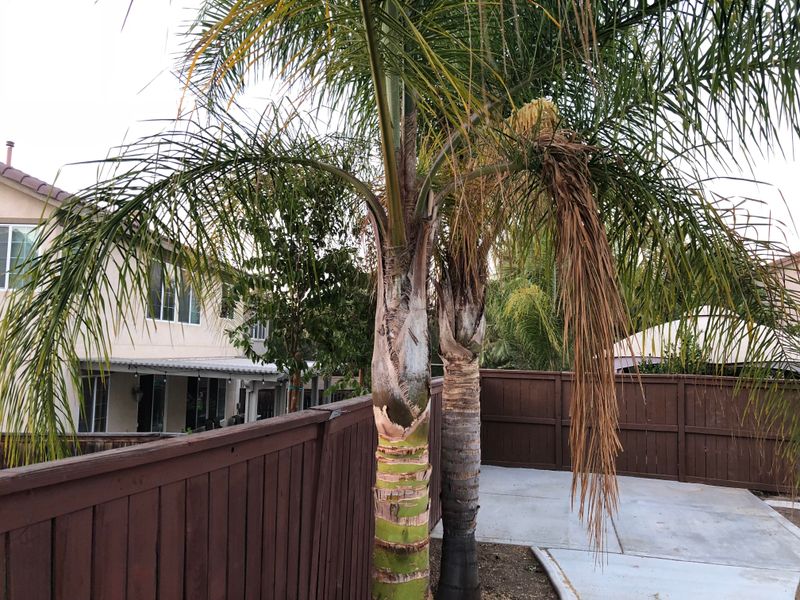
Overgrown fronds add unnecessary weight and wind resistance, making a leaning palm more likely to tip further. Start by trimming off any brown, yellow, or completely dried-out fronds at the base where they meet the trunk.
Use sharp, clean pruning shears or a pole saw for higher fronds, and wear gloves and safety goggles to protect yourself from sharp edges and falling debris.
In California, many homeowners let fronds accumulate into a thick skirt around the trunk, which can weigh hundreds of pounds. This extra load pulls the crown off balance, especially during windy conditions.
Removing this material lightens the tree and reduces the leverage that wind can exert on the trunk.
Be careful not to over-prune; removing too many green fronds weakens the tree’s ability to produce energy through photosynthesis. A good rule of thumb is to keep all healthy green fronds and only cut those that are fully brown or hanging loosely.
Avoid cutting fronds that are still partly green, as they continue to support the tree’s health.
Dispose of trimmings properly, as dried palm fronds can be a fire hazard in California’s dry climate. Bundle them for green waste pickup or chip them for mulch if local regulations allow.
4. Use Proper Support Stakes

Staking or guying provides temporary support while your palm re-establishes its root system. For younger or smaller palms, drive two or three sturdy wooden or metal stakes into the ground around the tree, spacing them evenly.
Attach soft, wide straps or rubber hose sections to the trunk, then secure the straps to the stakes with adjustable tension. This setup gently pulls the tree upright without cutting into the bark.
For larger or more severely leaning palms, a guying system works better. Install three or four ground anchors in a circle around the tree, at least six to eight feet from the trunk.
Attach steel cables or heavy-duty straps to the anchors, then loop them around the trunk using protective padding to prevent damage. Tighten the cables gradually, checking the tree’s position as you go, until it stands nearly vertical.
In California’s windy areas, especially near the coast or in mountain passes, securing your palm properly can prevent further tilting during storm season. Inspect the straps or cables weekly for signs of wear, loosening, or bark damage.
Adjust tension as needed to keep the tree stable but not overly stressed.
Leave the support system in place for six to twelve months, giving the roots time to grow and anchor the tree. Remove it gradually to avoid shocking the palm.
5. Adjust Your Watering
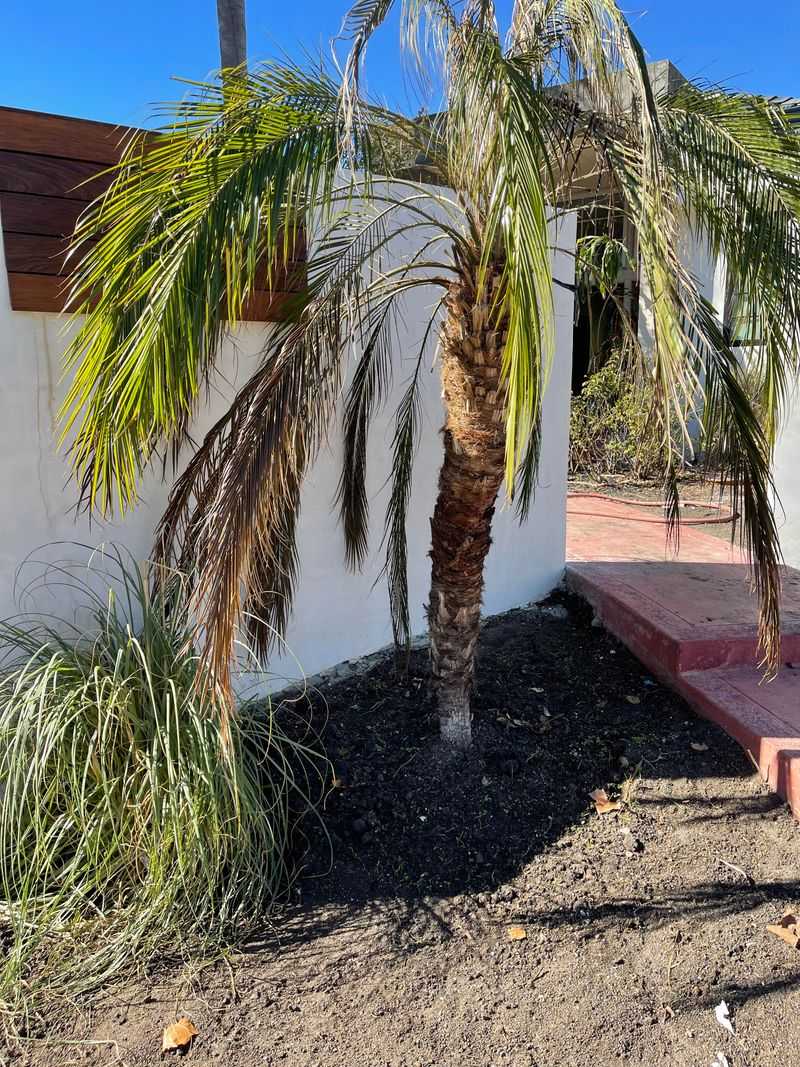
Proper watering encourages deep, strong roots that anchor your palm and prevent future leaning. Many California homeowners overwater their palms, creating soggy soil that weakens root structure and promotes rot.
Instead, water deeply but infrequently, allowing the top few inches of soil to dry out between sessions. This trains roots to grow downward in search of moisture, building a more stable foundation.
During California’s dry summer months, established palms typically need watering once or twice a week, depending on soil type and heat exposure. Sandy soils dry out faster and may require more frequent watering, while clay soils hold moisture longer and need less.
Use a soil probe or your finger to check moisture levels before watering.
For newly planted or recently staked palms, maintain consistent moisture for the first few months to help roots recover and expand. Avoid letting the soil become waterlogged, as this can suffocate roots and worsen the lean.
Mulch around the base with a two-to-three-inch layer of organic material to retain moisture and regulate soil temperature, but keep mulch a few inches away from the trunk to prevent rot.
In winter, reduce watering frequency as rainfall increases and temperatures drop. Overwatering during the rainy season is a common mistake that can destabilize even well-anchored palms.
6. Fertilize Appropriately For Palm Health
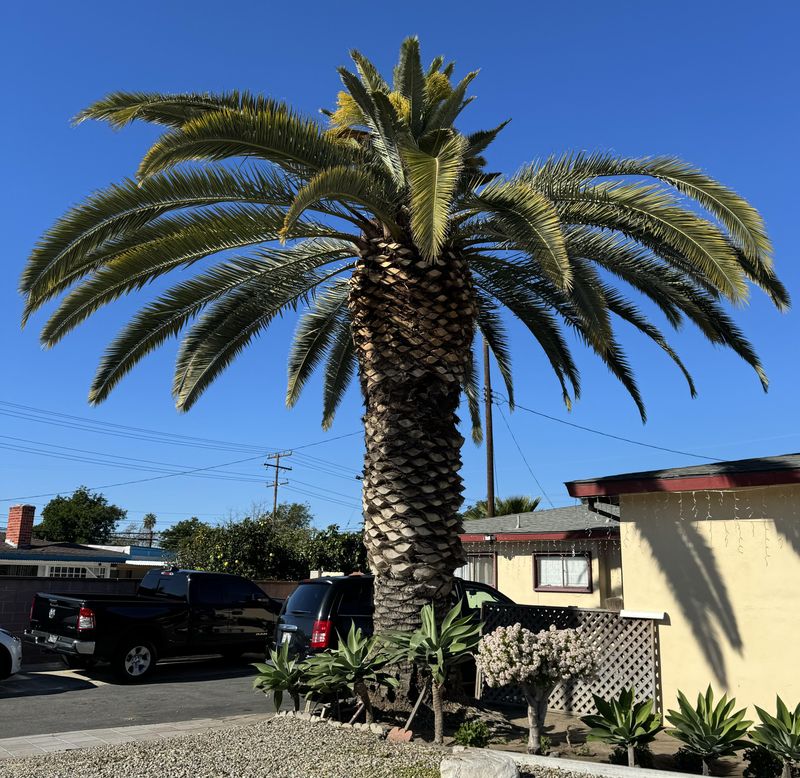
Healthy palms grow stronger roots and resist leaning better than nutrient-starved trees. California soils often lack the micronutrients palms need, such as magnesium, manganese, and iron.
Use a slow-release palm fertilizer formulated with these elements, applying it according to package directions. Spread the granules evenly around the drip line, where the outermost fronds reach, and water them in thoroughly to help nutrients soak into the root zone.
Fertilize established palms three to four times per year, spacing applications evenly from early spring through late summer. Avoid fertilizing in fall or winter when growth slows, as excess nutrients can build up in the soil and harm roots.
For palms recovering from a lean or recent staking, a balanced fertilizer with a ratio like 8-2-12 plus micronutrients supports both root and frond development.
Watch for signs of nutrient deficiency, such as yellowing fronds, stunted growth, or brown tips. These symptoms can weaken the tree and make it more prone to leaning.
Address deficiencies promptly with targeted supplements or a soil test to identify specific needs.
In California’s alkaline soils, iron and manganese can become locked up and unavailable to roots. Choose a fertilizer with chelated micronutrients to ensure your palm can absorb them effectively, promoting vigorous growth and stability.
7. Monitor Make Adjustments
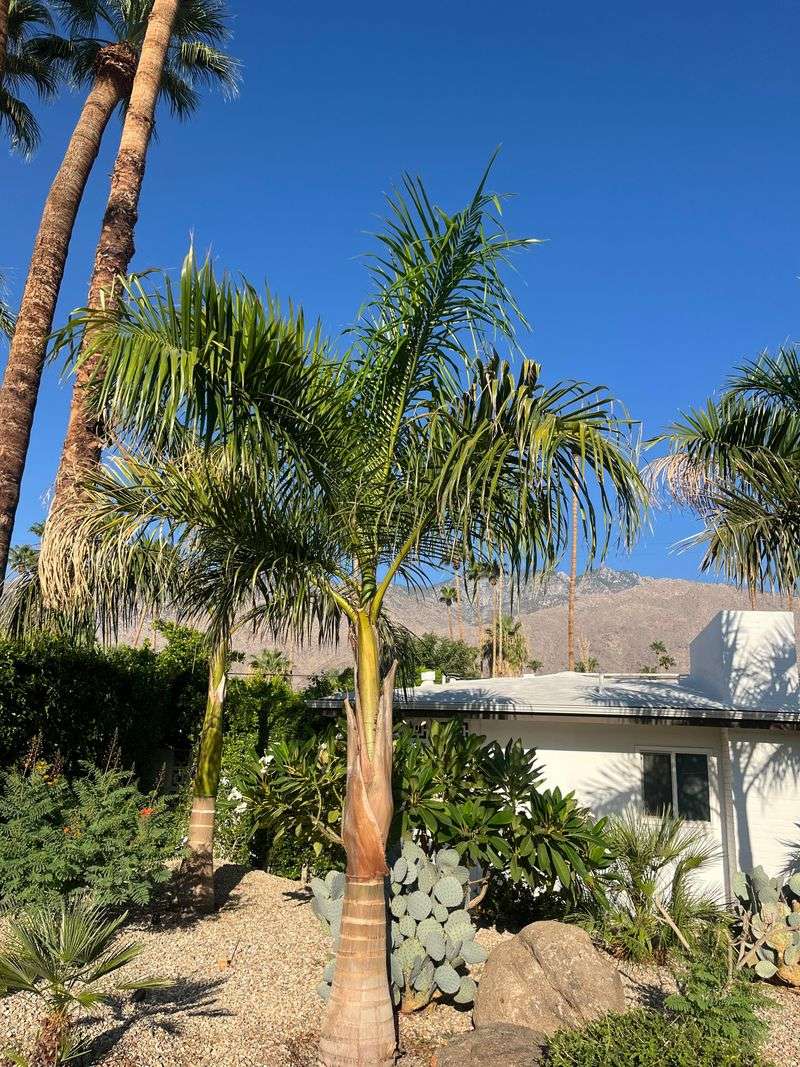
Fixing a leaning palm takes time and patience, so regular monitoring helps you catch problems early and fine-tune your approach. Check the tree’s position weekly for the first few months, using the photos you took during your initial assessment as a baseline.
Look for signs of improvement, such as new frond growth, firmer soil around the base, or a more upright posture.
Inspect your support system frequently, tightening or loosening straps and cables as needed to maintain gentle, steady pressure. If the tree starts leaning in a new direction, adjust the tension on the opposite side to correct the tilt.
Watch for any rubbing or bark damage where straps contact the trunk, and add padding if necessary.
Pay attention to seasonal changes in California’s climate. Winter rains can soften soil and shift the tree’s position, while summer heat and wind can stress the crown and roots.
Adjust your watering, staking, and care routine to match these conditions, ensuring your palm stays stable year-round.
If the lean worsens despite your efforts, or if you notice signs of severe root damage or disease, contact a certified arborist for a professional evaluation. Some palms may be too compromised to save and could pose a danger if left standing.