10 Lawn Mowing Rules Georgia Homeowners Need To Know Before They Cut
I still remember the first time I grabbed my mower in Georgia, thinking a quick trim was harmless. A friendly neighbor stopped me and mentioned some local lawn rules I hadn’t considered.
I was shocked, mowing isn’t always just about neat grass. Across Georgia, there are regulations on timing, height, and even equipment use, designed to protect neighborhoods, wildlife, and the environment.
Ignoring these rules can lead to fines, complaints, or unexpected headaches. From seasonal restrictions to noise ordinances and water conservation guidelines, knowing what’s expected keeps your yard in line and your weekends stress free.
Understanding the local requirements lets you maintain a beautiful lawn without stepping on any legal toes.
Learning the right way to cut your grass now could save you from fines and frustration down the line.
1. Raise Your Mower Height
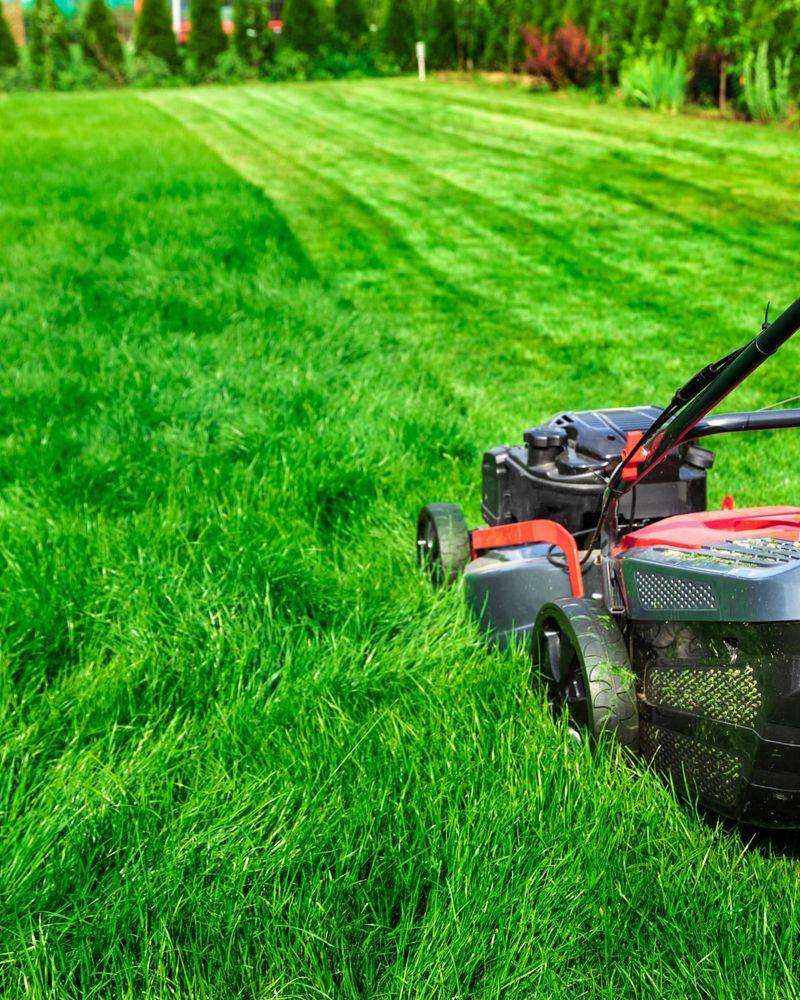
Raising your mower height in February is essential for preparing Georgia lawns for the upcoming spring. Taller grass encourages deeper root development, which helps your lawn withstand late-winter cold snaps and the stress of fluctuating early-season temperatures.
For warm-season grasses like Bermuda, zoysia, and centipede, adjust your mower to slightly higher settings than usual. Bermuda can be maintained around 1.5–2 inches, while zoysia and centipede prefer 2–2.5 inches.
Leaving extra height insulates the crown of each grass plant, protects soil from erosion, and maintains moisture around roots during dry winter periods.
Additionally, slightly taller grass helps prevent soil compaction when frost or wet soil conditions occur, as the blades cushion foot traffic.
February mowing also allows you to remove residual debris from winter storms, clearing space for new growth while still protecting dormant grass.
Maintaining this extra height now ensures your lawn emerges from dormancy healthier, with improved resistance to disease and pests.
Combined with proper blade sharpening and careful mowing techniques, raising your mower height in late winter gives Georgia lawns a head start toward lush, green growth as spring temperatures arrive.
2. Mow During Mid-Day Hours
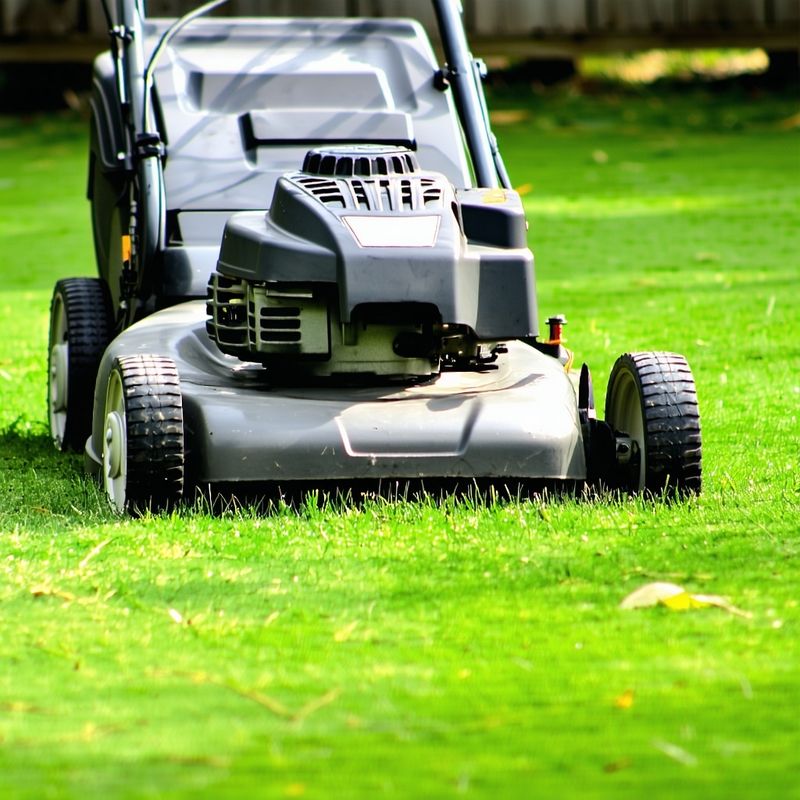
Mowing during mid-day in February is critical for Georgia homeowners looking to maintain healthy lawns throughout the late winter and early spring transition. Morning frost, dew, or lingering moisture can lead to clumping, uneven cuts, and potential fungal infections if you mow too early.
Waiting until late morning to early afternoon, typically between 10 AM and 2 PM, allows grass surfaces to dry and soil temperatures to rise slightly, minimizing damage from mower blades.
In addition, mid-day mowing improves visibility, helping you avoid debris, sticks, and winter leaves that might harm equipment or grass.
This timing is particularly beneficial for cool-season overseeded lawns, which begin growth earlier than warm-season grasses and are more prone to tearing.
Mid-day mowing also reduces stress on the grass by allowing sunlight to reach blades immediately after cutting, aiding photosynthesis and early energy storage.
Combining careful timing with proper blade height and alternating mowing patterns ensures both lawn health and mower efficiency.
Georgia homeowners who adopt this approach give their lawns a strong foundation for spring growth while preventing late-winter mowing missteps.
Your Georgia Garden Changes Every Week. Your Plan Should Too.
Gardening in Georgia changes quickly throughout the season. Every Friday you’ll receive a simple weekly plan showing exactly what to plant, prune, fertilize, harvest, and protect so you never miss the right timing.
3. Follow The One-Third Rule Strictly
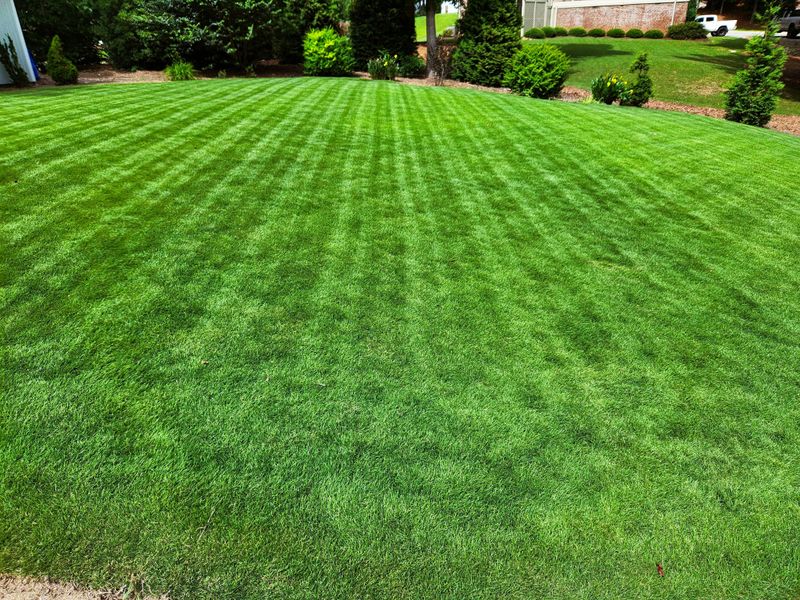
The one-third rule remains one of the most important principles for mowing Georgia lawns in February.
Removing more than one-third of the grass blade at once can shock already slow-growing grass, weaken roots, and make the lawn more vulnerable to winter diseases and drought.
Warm-season grasses like Bermuda and zoysia remain dormant in late winter, so even small cuts should be done gradually. If grass has grown taller than ideal, plan two or three mowing sessions over a week, reducing blade height incrementally.
This prevents thinning, promotes uniform growth, and ensures energy reserves stored in roots are preserved for spring. Following the one-third rule also improves soil health, as grass clippings remain partially on the lawn, decomposing slowly and returning nutrients.
Homeowners often overlook this rule during transitional months when grass growth seems minimal, but neglecting it can lead to unsightly patches or brown spots.
Applying the one-third principle consistently now ensures that lawns emerge from dormancy thick, resilient, and ready for the more aggressive mowing cycles of March and April.
Patience and careful technique now pay dividends in spring lawn performance.
4. Mulch Don’t Bag Your Clippings
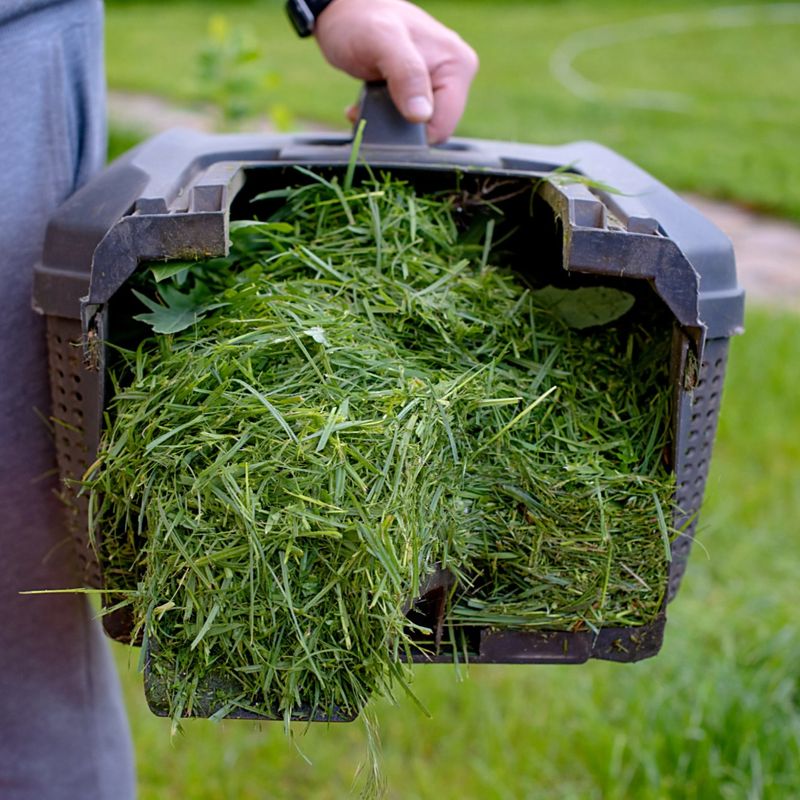
Mulching grass clippings in February is an efficient way for Georgia homeowners to nourish lawns and improve soil structure during the late winter months.
Returning finely chopped clippings to the soil provides a slow-release source of nitrogen, essential for jump-starting dormant grass growth.
Mulching reduces yard waste, limits trips to compost piles, and increases microbial activity, which improves soil aeration and water retention. Proper mulching also protects the crowns of dormant grass from temperature fluctuations and erosion caused by winter winds or heavy rain.
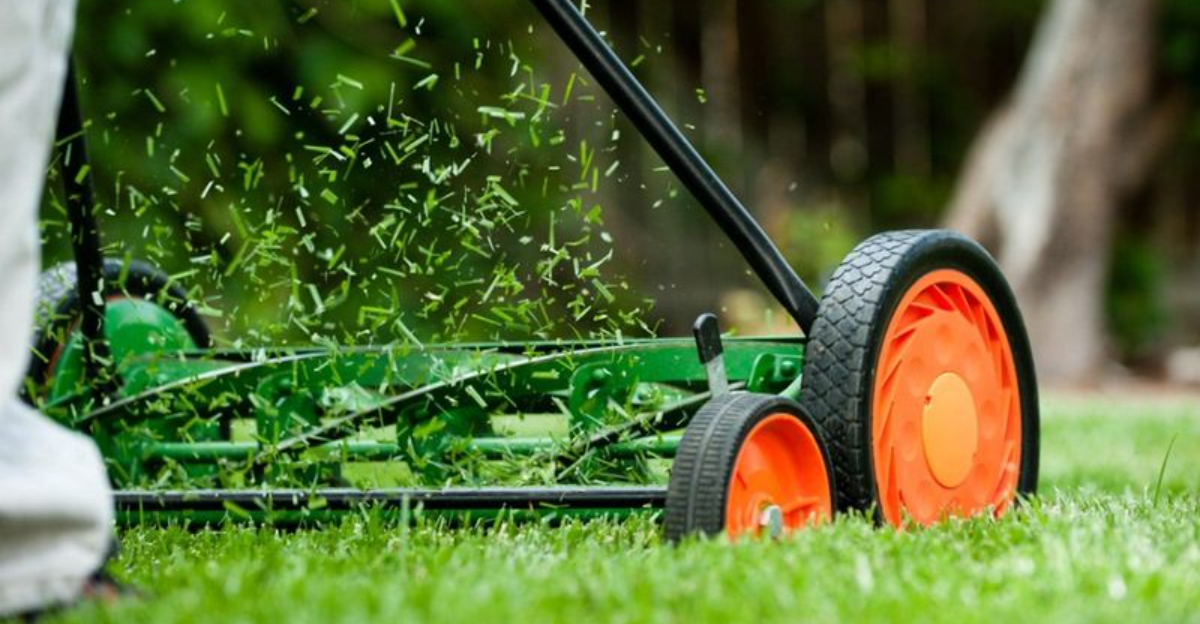
It’s critical to ensure mower blades are sharp; dull blades tear grass, making clippings less effective and increasing susceptibility to disease. Mulching works best when clippings are short and spread evenly across the lawn.
In February, residual winter leaves or debris can be mulched to provide additional organic matter, enhancing nutrient cycling.
Mulching is not only eco-friendly and cost-effective, but it also prepares Georgia lawns for vigorous spring growth, ensuring healthier, denser, and more resilient turf once warm-season grasses break dormancy.
5. Alternate Your Mowing Pattern
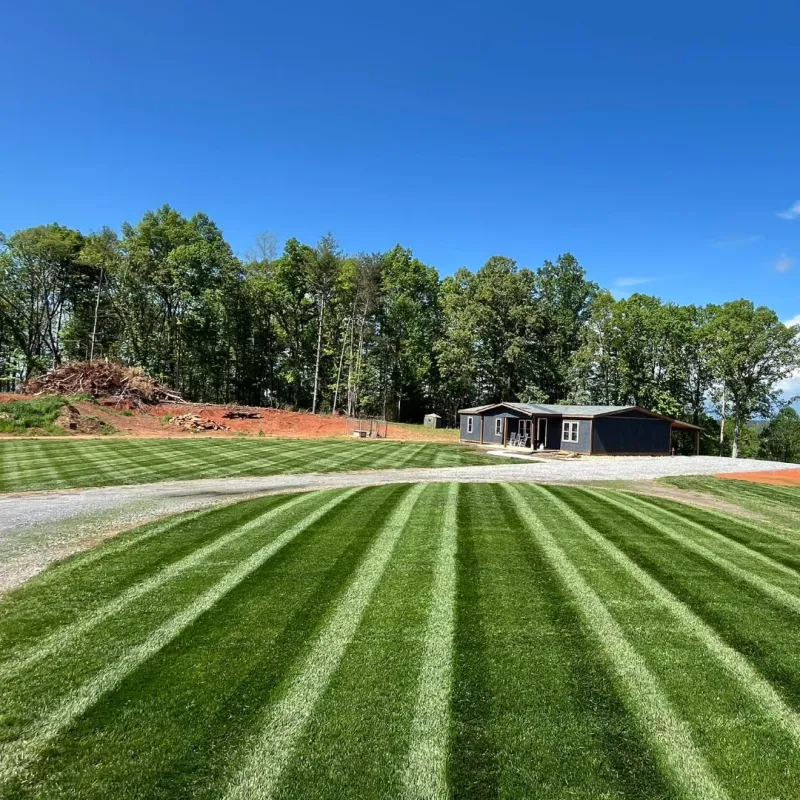
Alternating your mowing pattern in February is essential for reducing soil compaction, promoting upright grass growth, and improving overall lawn health in Georgia.
Repeatedly mowing in the same direction encourages grass to lean, creates ruts, and leaves uneven wear marks, particularly in clay-heavy soils common in the region.
By changing the cutting direction with each session, diagonal, horizontal, or perpendicular, you distribute pressure evenly across the lawn and expose previously missed blades for clean cuts.
Alternating patterns also aids in dispersing leftover leaf debris and organic matter, improving decomposition and nutrient recycling.
This technique stimulates lateral growth, resulting in thicker turf and fewer bare patches during spring emergence. Observing the lawn’s response to pattern changes helps adjust mowing speed, blade height, and clippings management for optimal results.
February is an ideal month for this practice because winter dormancy reduces stress from cutting while residual moisture ensures smoother mowing.
Alternating mowing directions consistently contributes to healthier soil, more resilient roots, and aesthetically pleasing stripes or uniform texture when grass resumes active growth in spring.
6. Mind Your Mowing Schedule
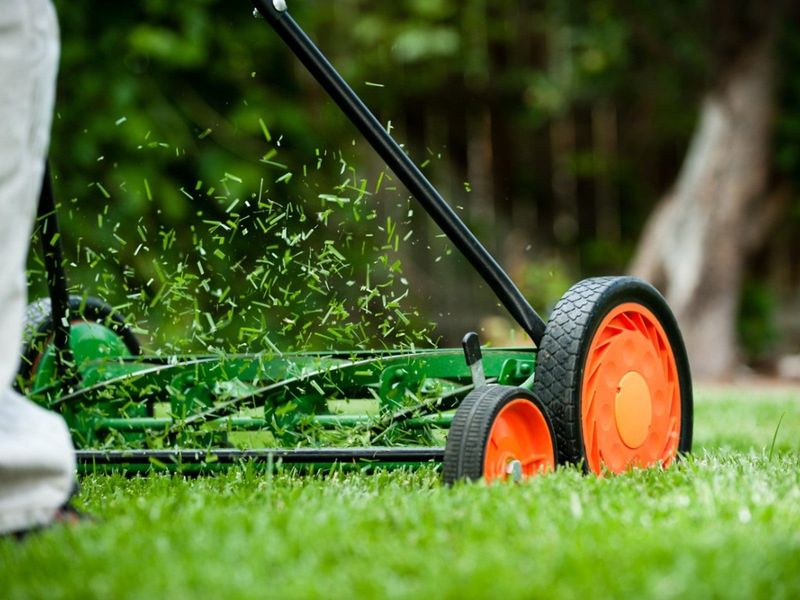
During February in Georgia, grass growth slows significantly as lawns remain in late dormancy or just begin to emerge from winter rest. Even so, proper timing of mowing is essential to avoid stressing turf and to prepare it for vigorous spring growth.
Most warm-season lawns like Bermuda, zoysia, and centipede require mowing only once every two to three weeks at this time, while cool-season grasses such as fescue in North Georgia may need slightly more frequent attention, depending on soil temperature and emerging growth.
Homeowners should pay close attention to the actual height and condition of their grass rather than following a strict calendar schedule.
Mowing too early or too often can remove critical leaf area, reducing the plant’s ability to photosynthesize, store energy in roots, and recover from winter stress.
Conversely, skipping mowing entirely can result in uneven growth, accumulation of debris, and potential fungal issues.
Observing the lawn carefully, checking for soil moisture, grass blade color, and overall growth patterns, allows homeowners to adjust frequency intelligently.
Combining mindful mowing with raised blade heights, mulching, and alternating patterns ensures February maintenance sets the stage for a strong, healthy, and resilient lawn ready to thrive as spring temperatures rise.
7. Keep Blades Razor-Sharp
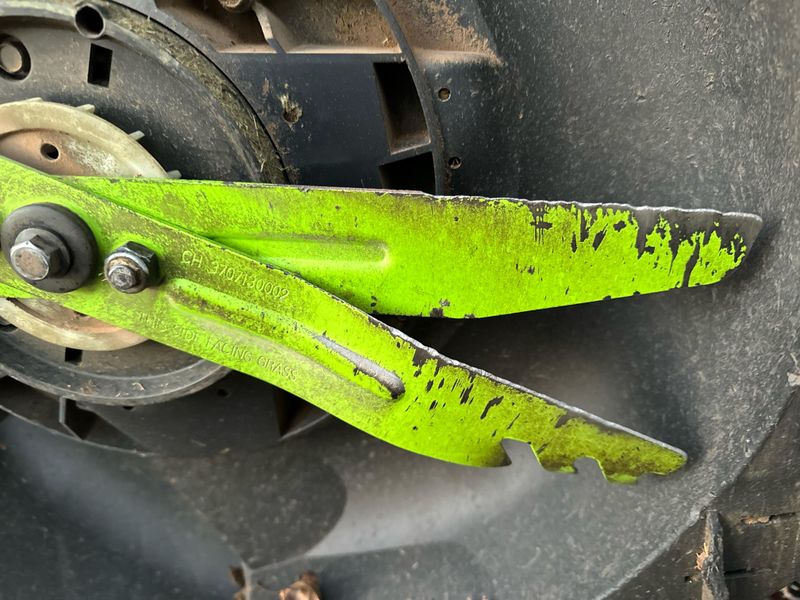
Maintaining sharp mower blades throughout February is crucial for Georgia lawns. Dull blades tear grass instead of cutting cleanly, which can result in ragged edges that brown quickly and invite fungal diseases during the transitional late-winter period.
Sharp blades provide a clean cut, helping grass conserve moisture and energy while reducing stress on root systems that are preparing for early spring growth.
Winter debris, including fallen leaves, sticks, and frozen clumps, can quickly dull mower blades, so inspecting and sharpening them regularly ensures optimal performance.
Homeowners can use professional sharpening services or DIY kits to maintain edges at home. Beyond cutting efficiency, sharpened blades improve mulching, producing finer clippings that decompose more rapidly and return nutrients to the soil.
For Georgia lawns, February is an ideal time to address blade maintenance because lawns are still dormant or slowly emerging, minimizing risk of damage while preparing turf for vigorous spring growth.
Sharp blades, combined with proper mowing height and alternating patterns, set the stage for a healthy, resilient lawn that can withstand heat, pests, and drought once full-season maintenance begins.
8. Skip Mowing During Drought Stress
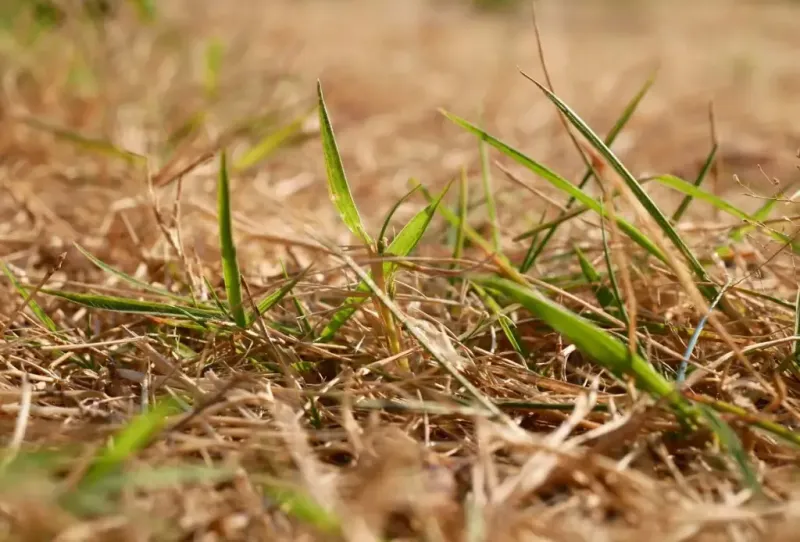
February in Georgia can still bring dry spells, and mowing drought-stressed grass is a common mistake that weakens lawns unnecessarily. Grass under drought stress exhibits signs such as folded blades, footprints that remain visible, or a bluish-gray hue.
Cutting at this stage removes essential leaf surface and reduces photosynthesis, further weakening roots and delaying recovery. Homeowners should wait until after rainfall or light irrigation to mow, ensuring the lawn has sufficient moisture to recover.
Combining this with higher mower blade settings protects crowns from heat stress and reduces soil compaction. Skipping unnecessary mowing also allows grass to maintain carbohydrate reserves stored in roots, which are critical for vigorous spring growth.
Observing soil and plant health rather than adhering strictly to a calendar is essential for managing Georgia lawns during February’s unpredictable weather.
Reducing mowing during dry periods conserves water, reduces labor, and allows lawns to enter spring stronger, thicker, and more resilient to pests, weeds, and disease.
This strategy also complements other late-winter practices, such as mulching and alternating mowing patterns, to prepare the lawn for early spring challenges.
9. Clear Leaves Before Mowing
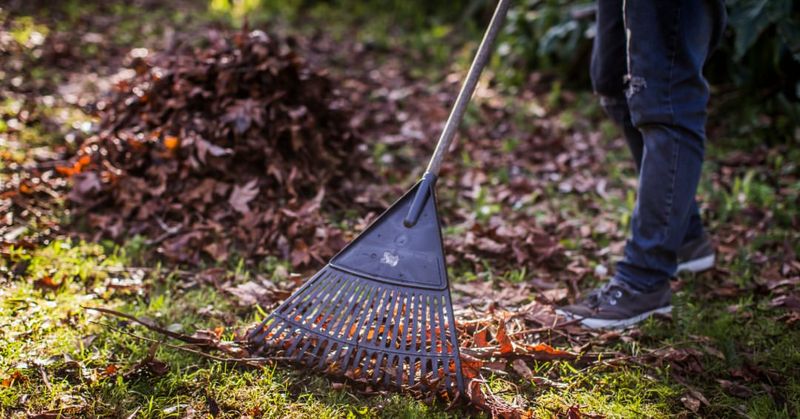
Clearing leaves before mowing is a critical step for February lawn maintenance in Georgia. Even in late winter, residual leaves from oak, maple, and pine trees can accumulate and suffocate grass if left in place during mowing.
Thick layers clog mower decks, create uneven cuts, and foster fungal disease, particularly in cool, damp conditions common in February. Homeowners should use rakes or leaf blowers to remove heavy leaf debris before mowing, leaving only a light layer for mulching.
Mulched leaves provide organic matter that improves soil structure, increases microbial activity, and returns nutrients to the lawn. For large properties, spreading leaves evenly or composting excess material ensures maximum benefit.
Proper leaf management also prevents the development of mats that could impede water infiltration and root growth when spring arrives.
By clearing leaves strategically before each mowing, Georgia homeowners protect grass crowns, encourage even growth, and prepare their lawns for robust spring emergence.
This practice, combined with raised mower heights and sharp blades, contributes to stronger, healthier, and more resilient turf for the upcoming growing season.
10. Perform Final Equipment Maintenance

Late February marks the perfect time for Georgia homeowners to perform comprehensive mower maintenance in preparation for the busy spring season.
Cleaning mower decks after each use prevents rust from wet grass and debris, while checking belts, bolts, and engine oil ensures the equipment is ready for consistent operation.
Winter’s moisture and cold can accelerate wear on mechanical parts, so draining or stabilizing fuel, changing air filters, and lubricating moving components is essential. Inspecting blades for damage or sharpening them now ensures clean, efficient cuts when grass growth resumes in March.
Proper maintenance not only extends the life of the mower but also improves mulching performance, promotes healthier grass, and reduces the risk of breakdowns during peak lawn care periods.
Additional tasks include checking tire pressure, lubricating wheels, and inspecting safety features to avoid accidents.
By completing thorough winter and late-winter equipment checks, homeowners in Georgia can reduce spring labor, increase mowing efficiency, and support the establishment of a lush, vibrant, and disease-resistant lawn.
This proactive care ensures the transition from dormancy to full growth is smooth and successful.