Fruits You Should Start From Seed In Georgia Gardens In February
I still remember my first February in Georgia, staring at a row of empty garden beds and wondering if it was too early to start anything. To my surprise, February is actually the perfect time to get a head start on certain fruits.
Starting from seed now gives plants a longer growing season, stronger roots, and a better chance at a bountiful harvest later in the year.
Fruits like strawberries, tomatoes, and melons thrive when given an early start indoors or in protected areas.
Knowing which crops to plant and how to care for seedlings helps gardeners make the most of the short winter days and ensures your garden hits the ground running come spring.
Getting your seeds going in February could be the difference between a so-so harvest and a backyard overflowing with fresh, homegrown fruit.
1. Apples
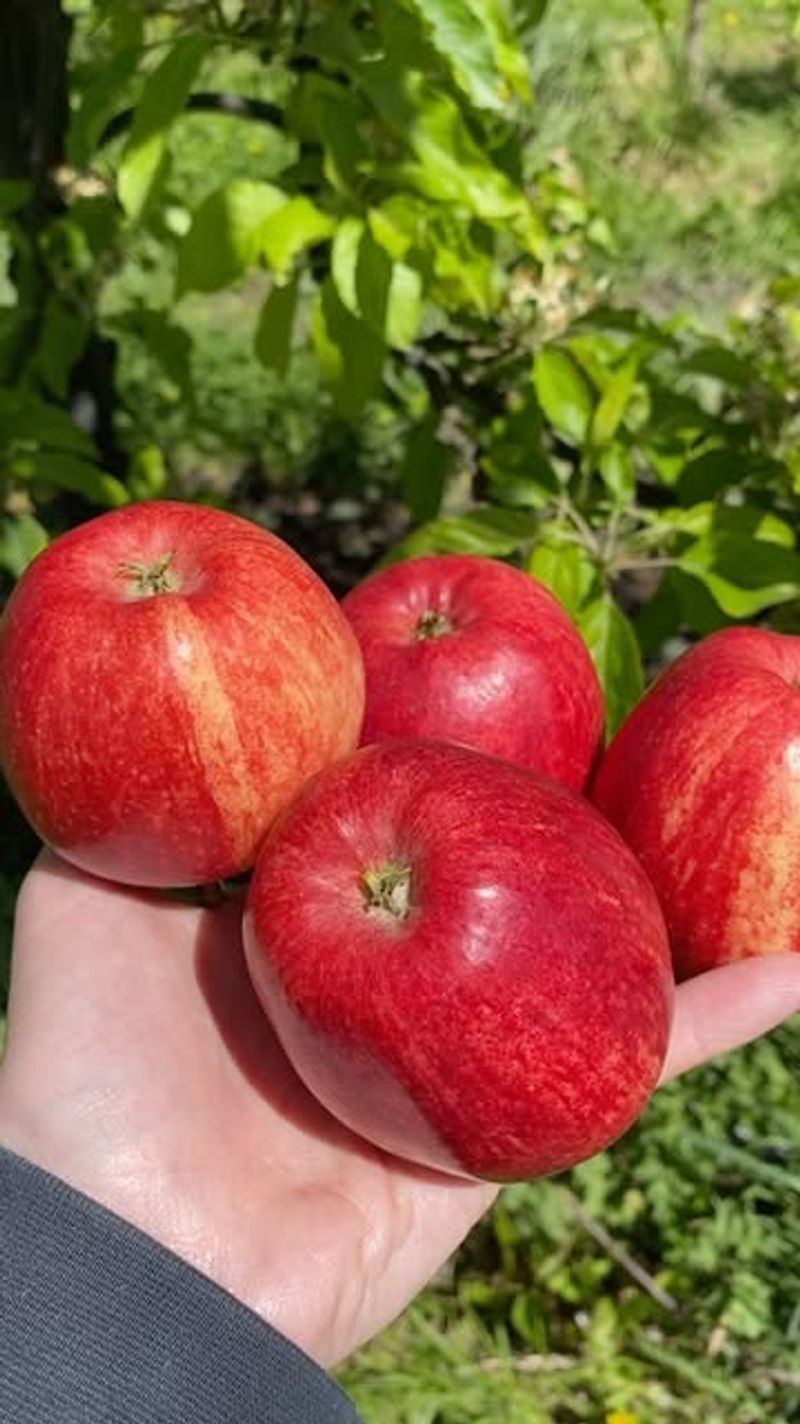
Starting apple seeds in February in Georgia gives them time to stratify under controlled conditions, mimicking the natural winter chill they would normally experience outdoors.
Home gardeners can stratify seeds in damp sand or peat moss inside the refrigerator for 6–8 weeks before planting in containers.
Varieties like Arkansas Black and Yates perform particularly well from seed. Plant multiple seeds or young trees to ensure cross-pollination for fruit production.
Placing seedlings in sunny, well-draining soil helps develop strong root systems before spring growth begins.
Even though growing from seed takes patience, many Georgia gardeners enjoy experimenting with new flavors and fruit textures, creating unique backyard orchards that can produce apples for decades.
Seed-started trees often produce more vigorous roots than nursery seedlings, helping them survive hot Georgia summers once transplanted outside. Remember to harden off seedlings gradually if starting indoors before moving to the garden.
Proper February preparation ensures young apple trees establish well before the stress of late spring heat arrives.
2. Strawberries
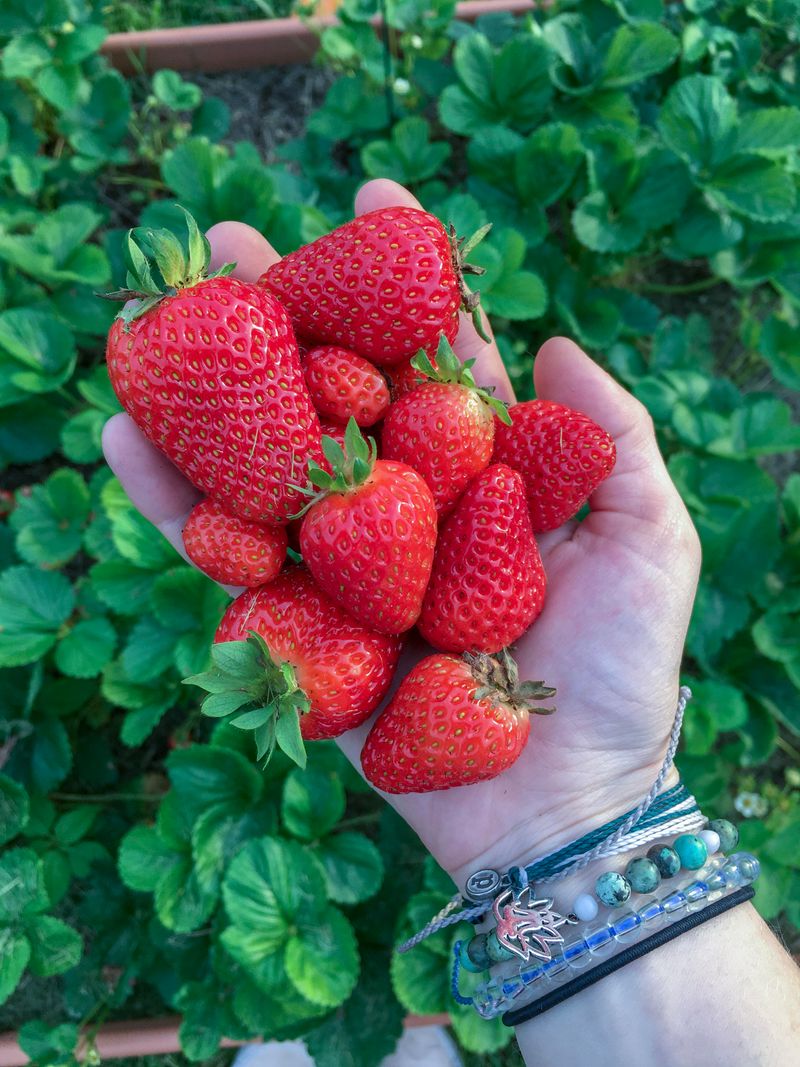
Wild and alpine strawberry seeds can be started indoors in February in Georgia, giving seedlings a head start before outdoor planting in spring. Use shallow containers with moist, well-draining soil to sow seeds evenly.
Lightly cover seeds to ensure germination while allowing airflow. The cooler, controlled indoor temperatures prevent seedlings from bolting or drying out too quickly.
Varieties like ‘Mignonette’ and ‘Alpine’ are excellent for container growth or raised beds. Regularly mist soil to maintain consistent moisture, and provide supplemental light if natural sun is insufficient during short winter days.
By starting seeds in February, gardeners can transplant robust seedlings after the last frost, ensuring a longer fruiting season. Seed-grown strawberries develop strong root systems, increasing resilience against pests and drought common in Georgia gardens.
These small plants reward patience with sweet fruit harvests throughout late spring and early summer.
3. Persimmons
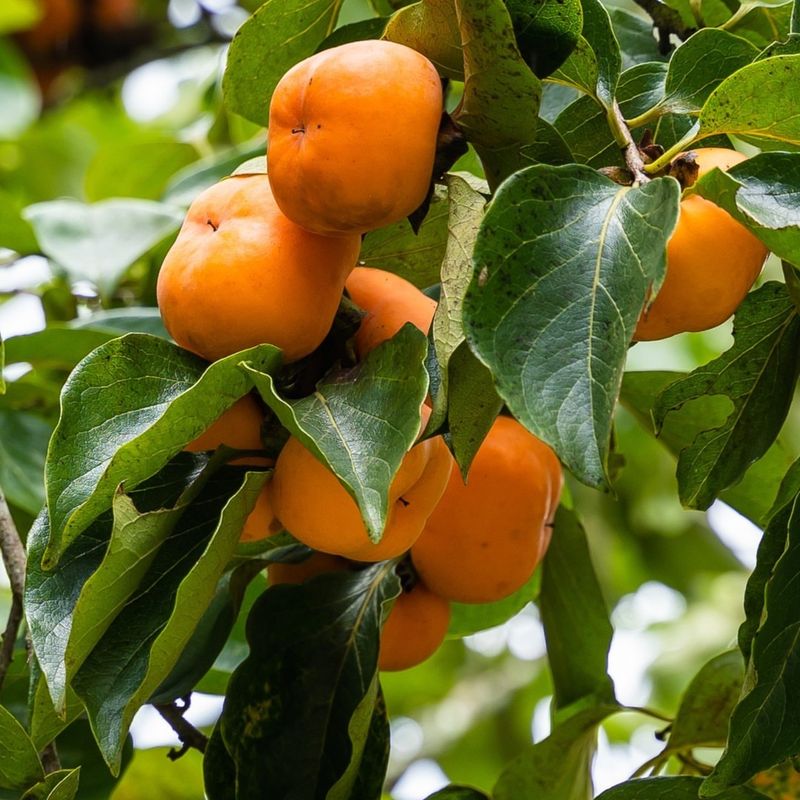
Persimmon seeds thrive when started indoors in February in Georgia, giving seedlings the best chance to establish before spring growth.
Collect seeds from fully ripe fruit, clean them thoroughly, and stratify in moist sand or peat moss in the refrigerator for 6–8 weeks to mimic winter chilling.
After stratification, plant seeds in small pots or seed trays with well-draining soil. Keep them in a bright, warm location with consistent moisture, avoiding waterlogging.
Your Georgia Garden Changes Every Week. Your Plan Should Too.
Gardening in Georgia changes quickly throughout the season. Every Friday you’ll receive a simple weekly plan showing exactly what to plant, prune, fertilize, harvest, and protect so you never miss the right timing.
Varieties like native American persimmon or ‘Fuyu’ benefit from this early start, as it encourages stronger roots and more vigorous seedlings. Once the risk of frost has passed, gradually acclimate seedlings to outdoor conditions before transplanting to the garden.
Providing a partially shaded, well-drained planting site in your yard will reduce transplant shock and support long-term growth.
Seed-grown persimmons can take several years to bear fruit, but starting in February ensures the young trees maximize the full growing season.
Patience is rewarded with long-lived trees that produce sweet, orange fruit and provide ecological benefits for wildlife in your Georgia landscape.
4. Pawpaws
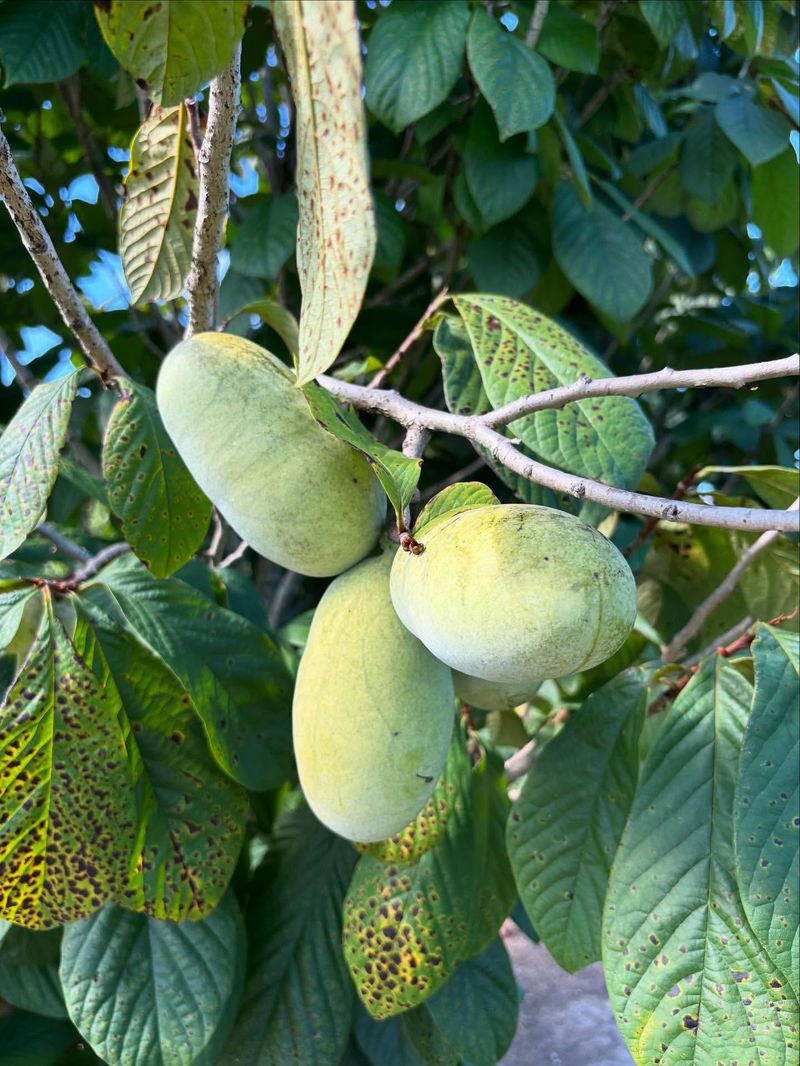
Pawpaw seeds benefit from a February indoor start in Georgia, giving them a head start before spring planting outdoors.
These seeds require cold stratification to break dormancy, which can be done by placing them in a damp mix of sand or peat moss inside the refrigerator for 8–10 weeks.
After stratification, plant seeds in deep containers, as pawpaws develop long taproots that do not transplant well. Keep seedlings in a bright area but out of direct winter sunlight to avoid stress.
Water consistently to maintain moist, but not soggy, soil. Pawpaws thrive in partial shade, mimicking their natural understory forest conditions.
Starting seeds in February allows seedlings to establish strong root systems before facing Georgia’s warmer temperatures in late spring. Once hardened off, they can be transplanted to permanent garden locations, preferably in well-draining soil with organic matter.
Early propagation increases survival rates, improves growth vigor, and ensures the young trees are ready to produce fruit several years down the line, providing sweet, custard-like fruit prized by gardeners.
5. Muscadines
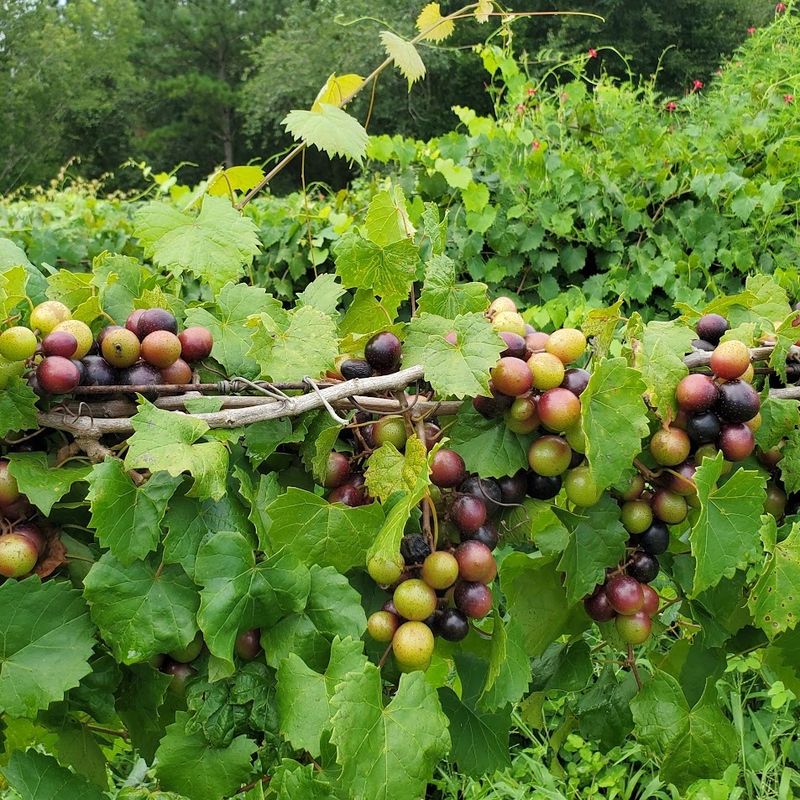
Muscadine grape seeds planted indoors in February give Georgia gardeners an early advantage for spring growth.
These seeds require stratification to break dormancy, which can be achieved by placing them in a moist medium like sand or peat moss in a refrigerator for 6–8 weeks.
After stratification, sow seeds in 3–5 gallon containers with well-draining soil, keeping them warm and bright to encourage germination. Varieties like ‘Carlos,’ ‘Scuppernong,’ and ‘Nesbitt’ are excellent for container propagation.
Water consistently but avoid overwatering, as soggy soil can cause fungal problems. Muscadines prefer a sunny spot once transplanted outdoors and benefit from a trellis for support.
Starting seeds in February allows young vines to establish strong roots before facing summer heat and pest pressures common in Georgia.
Early planting also promotes longer-term growth, resulting in more productive vines that can supply fresh fruit, preserves, or wine for years.
Regular monitoring for fungal issues, fertilization, and careful transplanting ensures a successful muscadine start.
6. Blackberries
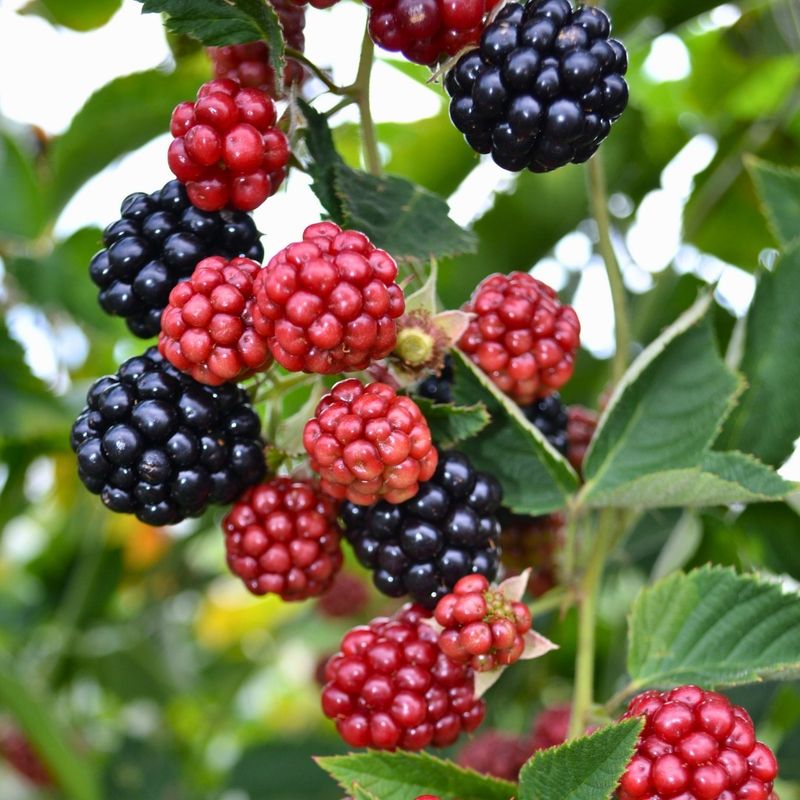
Starting blackberry seeds indoors in February prepares them for a robust outdoor growing season in Georgia. Collect fresh seeds or purchase stratified varieties and sow in deep, well-draining containers filled with a mix of peat, sand, and compost.
Maintain consistent moisture while avoiding waterlogging, and place containers in a bright location with indirect light to prevent seedlings from stretching. Varieties like ‘Navaho’ or ‘Arapaho’ are well-suited for backyard cultivation.
The February start allows roots to develop strong systems before spring transplanting into garden beds or raised containers. Blackberries require full sun and well-drained soil, so ensure a suitable outdoor site is ready by late March or early April.
Starting seeds indoors also reduces the risk of early pest damage and supports a longer growing season for fruit production.
With patience and care, seed-grown blackberries develop vigorous canes capable of producing abundant fruit within 2–3 years, providing a sweet and versatile harvest for jams, pies, or fresh eating.
7. Figs
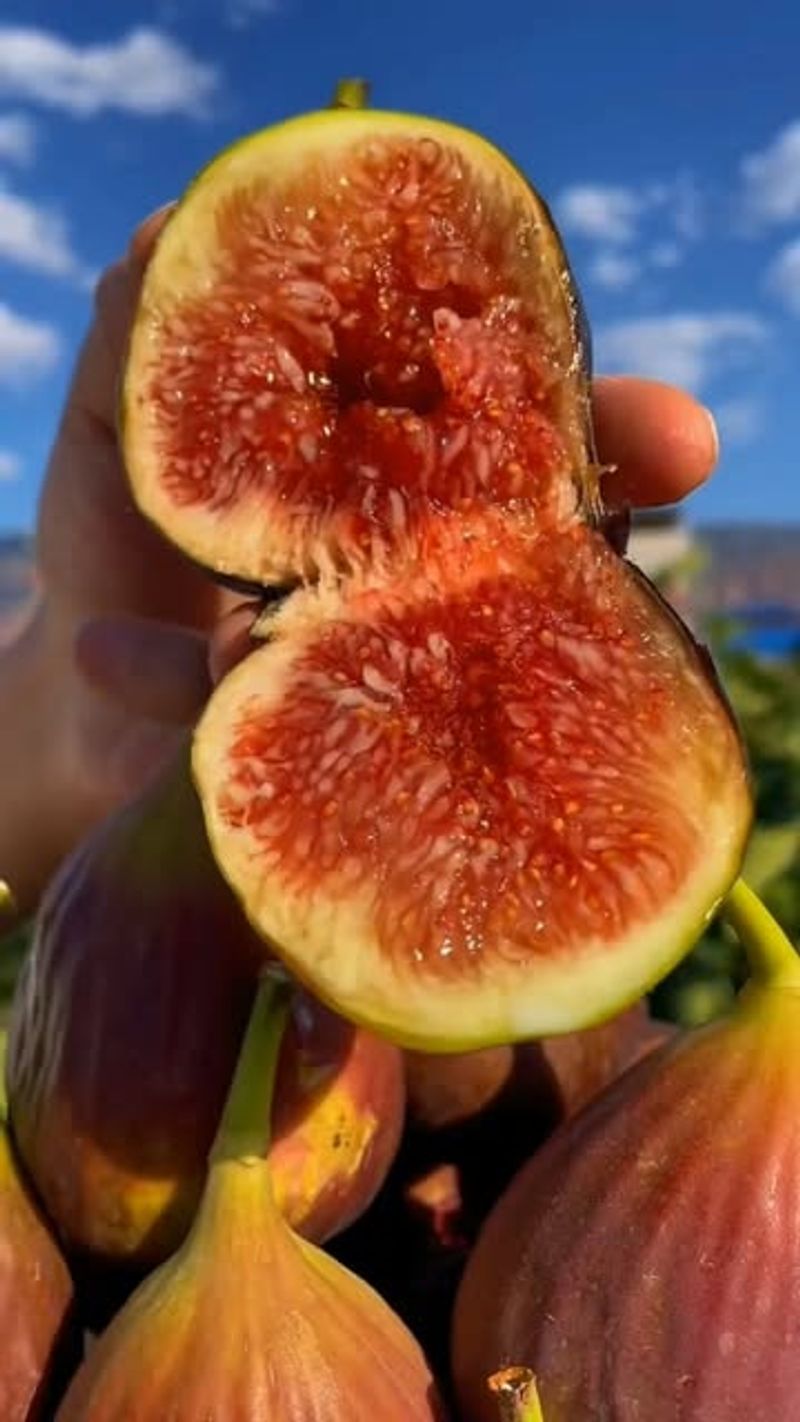
Starting fig seeds indoors in February gives Georgia gardeners a jump on spring growth. Although figs are commonly propagated from cuttings, planting seeds allows experimentation with unique varieties.
Collect seeds from fully ripe figs, rinse them thoroughly, and sow in shallow pots or trays with well-draining soil. Keep the medium consistently moist but not waterlogged, and place containers in a bright, warm location to encourage germination.
Varieties like ‘Celeste,’ ‘Brown Turkey,’ and ‘Black Mission’ respond well to early indoor propagation. Starting seeds in February allows seedlings to develop strong roots before transplanting outdoors after the last frost.
Once hardened off, young trees thrive in Georgia’s sunny, well-drained locations. Regular watering, occasional fertilization with balanced nutrients, and monitoring for pests ensures seedlings grow vigorously.
While fig trees grown from seed take longer to bear fruit compared to cuttings, they often develop more diverse flavors and unique characteristics.
By beginning in February, gardeners maximize the growing season, giving fig seedlings ample time to acclimate, develop sturdy stems, and establish a robust root system before facing Georgia’s summer heat.
8. Pears
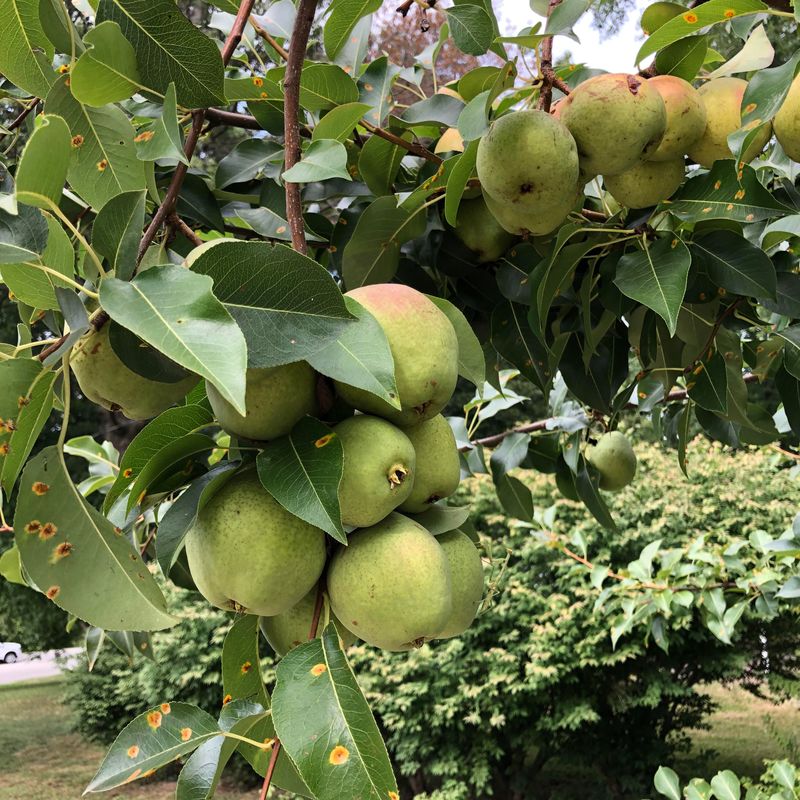
Asian and European pear seeds planted in February in Georgia benefit from controlled indoor stratification before facing outdoor conditions.
Pear seeds require a period of cold to break dormancy, which can be achieved by placing them in moist sand or peat moss inside a refrigerator for 8–10 weeks.
After stratification, sow seeds in deep containers filled with well-draining soil. Keep seedlings in bright, indirect light and maintain consistent moisture levels to prevent drying out.
Starting seeds indoors in February allows young plants to establish strong root systems before spring transplanting. Once outdoor temperatures are consistently warm, gradually harden off seedlings to prevent transplant shock.
Plant in sunny locations with fertile, well-drained soil. Early propagation increases survival rates, encourages vigorous growth, and allows for a longer growing season.
Seed-grown pear trees may take several years to bear fruit, but starting in February ensures they are ready to thrive and develop into strong, productive trees that supply fresh fruit for home consumption and preserve local heirloom varieties.
9. Peaches
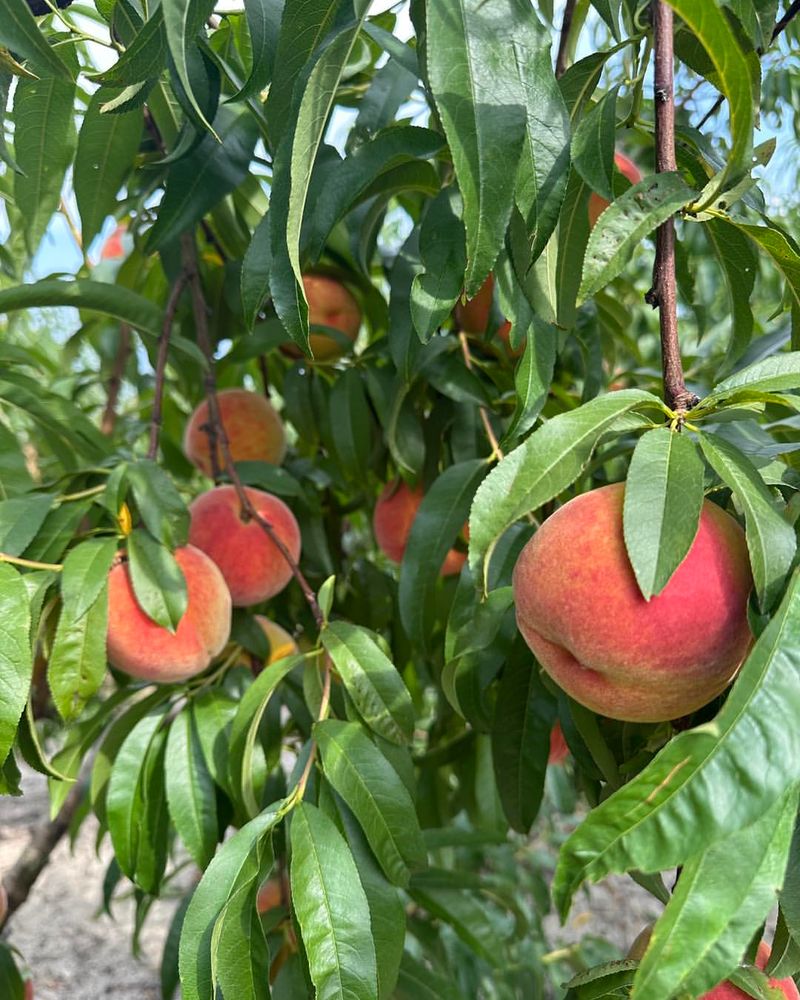
Peach seeds started indoors in February in Georgia gain a significant advantage before the growing season begins. Peach pits require cold stratification to crack naturally, which can be accomplished by refrigerating seeds in moist sand or peat moss for 6–8 weeks.
Once stratified, plant the pits in deep pots with well-draining soil and place them in a bright, warm location. Maintain consistent moisture, avoiding soggy conditions that encourage rot.
February planting ensures that seedlings have ample time to establish healthy roots before being transplanted outdoors after the last frost. Choose a sunny, sheltered site in the garden with slightly acidic soil for optimal growth.
Seed-grown peaches may take 3–5 years to bear fruit, but starting early maximizes the growing season, improves survival rates, and encourages robust growth.
Proper care, including regular watering, mulching, and pest monitoring, supports young trees as they develop strong branches, healthy foliage, and eventually produce sweet, juicy peaches that are ideal for fresh eating, preserves, and desserts.
10. Blueberries
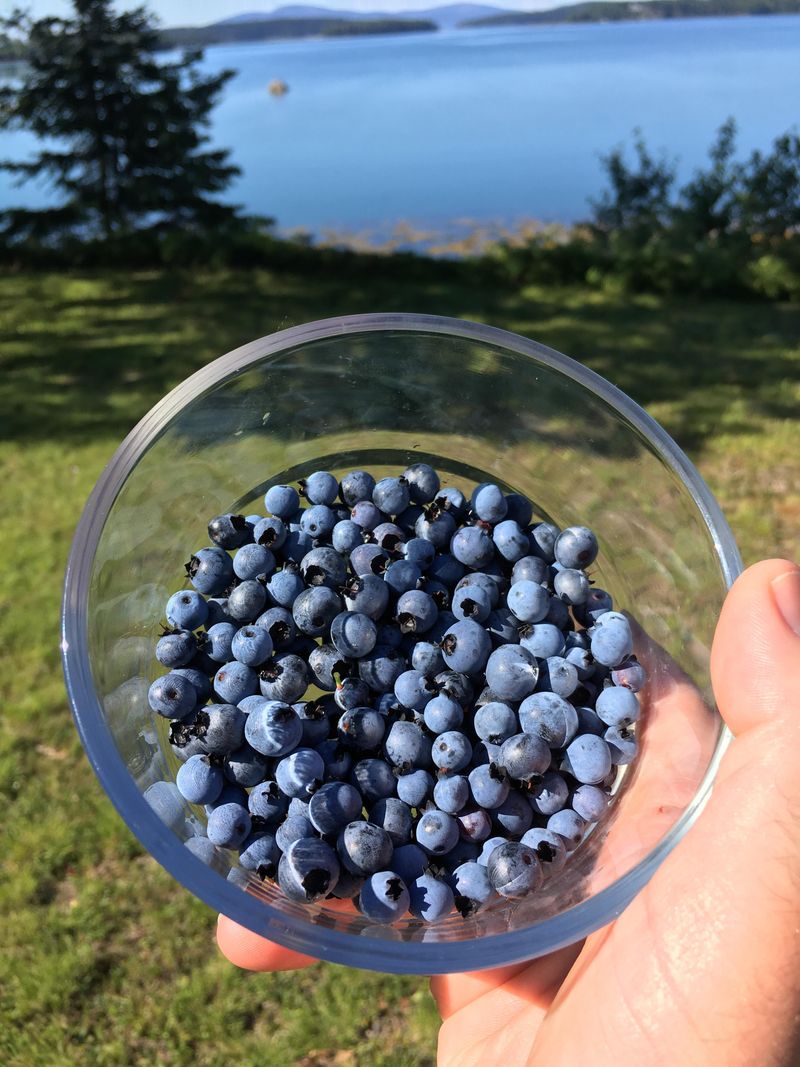
Blueberry seeds started indoors in February in Georgia have the best chance to establish before the warmer months arrive.
These tiny seeds require cold stratification for 6–8 weeks to break dormancy, which can be accomplished by placing them in a moist mixture of sand and peat moss inside a refrigerator.
After stratification, sow seeds in shallow containers filled with acidic, well-draining soil. Keep seedlings in a bright, warm environment with consistent moisture to encourage healthy germination.
Varieties like ‘Tifblue,’ ‘Premier,’ and ‘Jersey’ thrive under these conditions. February seed starting allows the plants to develop strong root systems and sufficient foliage before transplanting into prepared garden beds after the last frost.
Blueberries benefit from mulching, consistent watering, and protection from birds during fruiting. Starting early ensures seedlings are vigorous, better able to resist pests and disease, and ready to produce fruit earlier in their first growing seasons.
With patience and care, these plants will provide a sustainable harvest of sweet, nutrient-rich berries for years to come.
11. Pomegranates
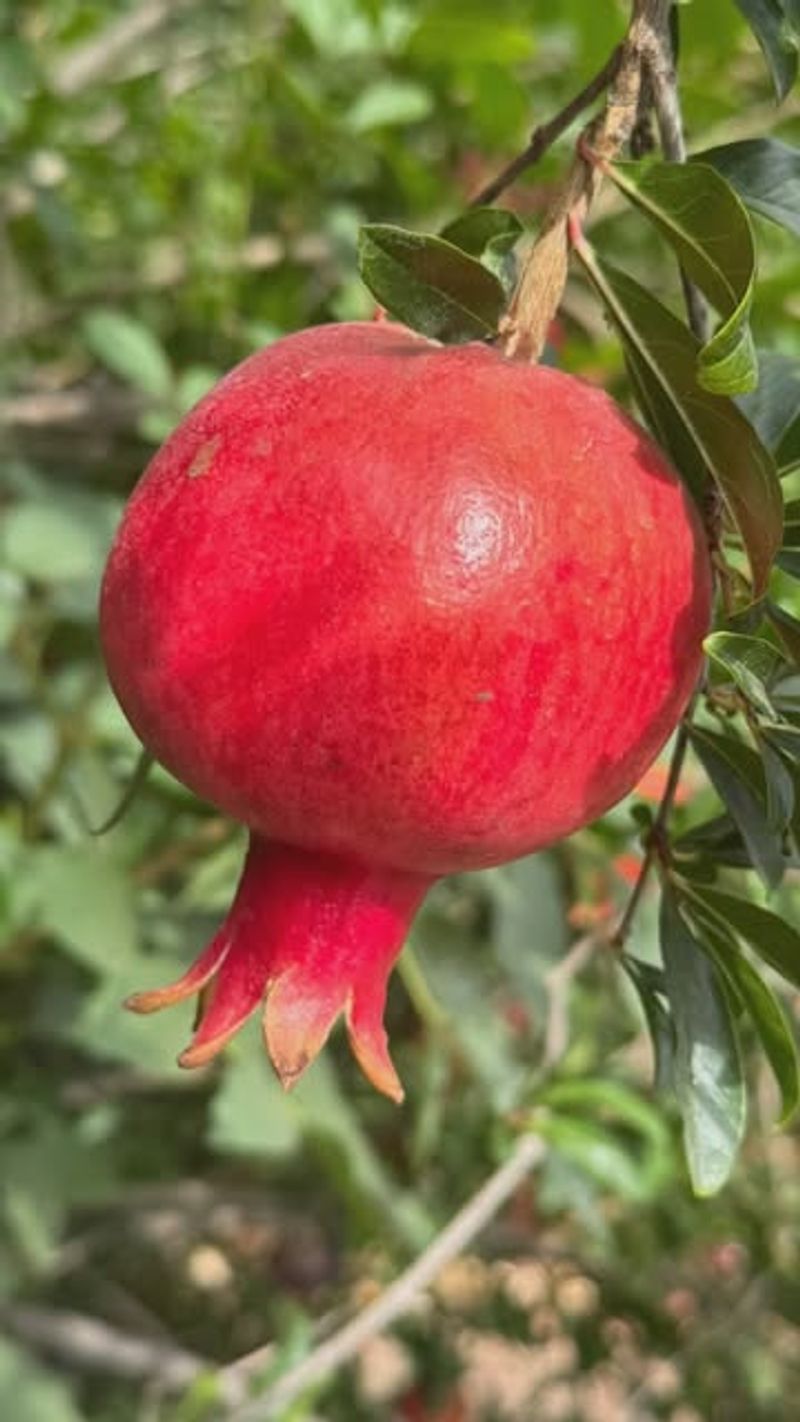
Starting pomegranate seeds indoors in February gives Georgia gardeners a head start on a long growing season. Southern Georgia’s mild winters still allow for controlled indoor propagation, which helps young seedlings develop strong roots before transplanting.
Remove seeds from fully ripe fruit, rinse them thoroughly to remove pulp, and plant in small containers filled with well-draining, sandy loam.
Keep the soil consistently moist but not waterlogged, and provide bright light or supplemental grow lights to ensure vigorous growth.
Early planting in February allows seedlings to establish before spring temperatures rise, reducing stress from transplanting outdoors.
Varieties like ‘Wonderful’ and ‘Angel Red’ respond well to container propagation and later produce sweet, ruby-red fruits when mature.
Pomegranate trees grown from seed may take several years to bear fruit, but the extra care at this stage produces hardy, adaptable plants suited for Georgia’s climate.
Regular fertilization, pest monitoring, and gradual acclimation to outdoor conditions after the last frost improve survival and long-term productivity.
By starting seeds in February, gardeners maximize the growing season, resulting in strong seedlings ready for successful transplant and future fruiting.
12. Mayhaws
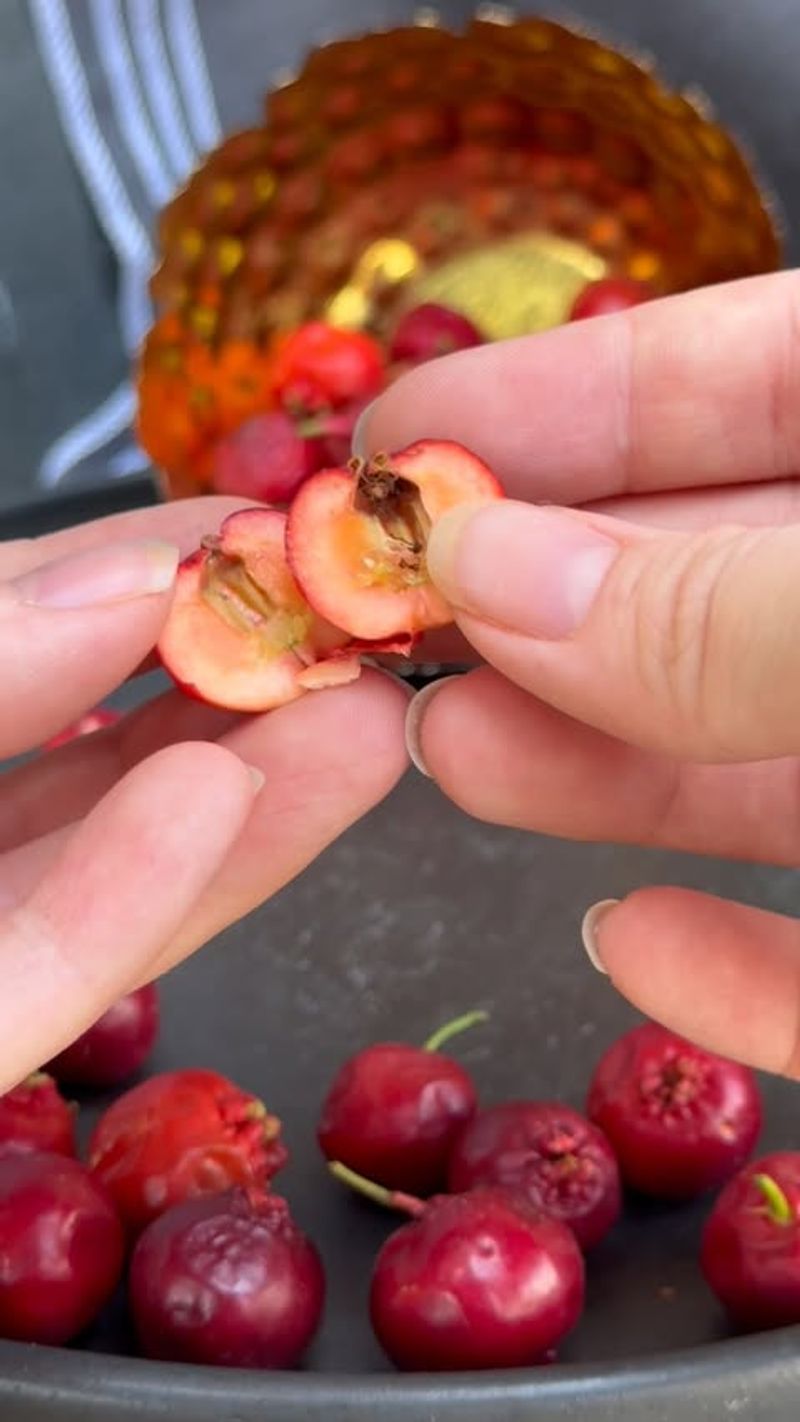
Native to Georgia, mayhaw seeds require stratification to break dormancy, making February an ideal time to start them indoors. Collect seeds from fresh, ripe fruits, clean them thoroughly, and plant in containers filled with moist, well-draining soil.
Keep seedlings in a cool but bright location, ensuring the soil remains consistently damp to encourage germination. Starting in February gives the young trees plenty of time to develop strong roots and establish healthy growth before the last frost.
Mayhaws prefer partially shaded locations and slightly acidic soils, mimicking their natural woodland and wetland habitats. Gradually harden seedlings to outdoor conditions as temperatures rise in spring.
Early indoor propagation increases survival rates and accelerates growth, helping these small trees reach productive size sooner.
Patience is key, as mayhaws grown from seed can take several years to produce fruit, but careful care during these early months produces vigorous plants.
Home gardeners who start seeds in February can enjoy healthy trees for jelly-making and other culinary uses, ensuring a sustainable supply of this unique Georgia native fruit.
13. Mulberries
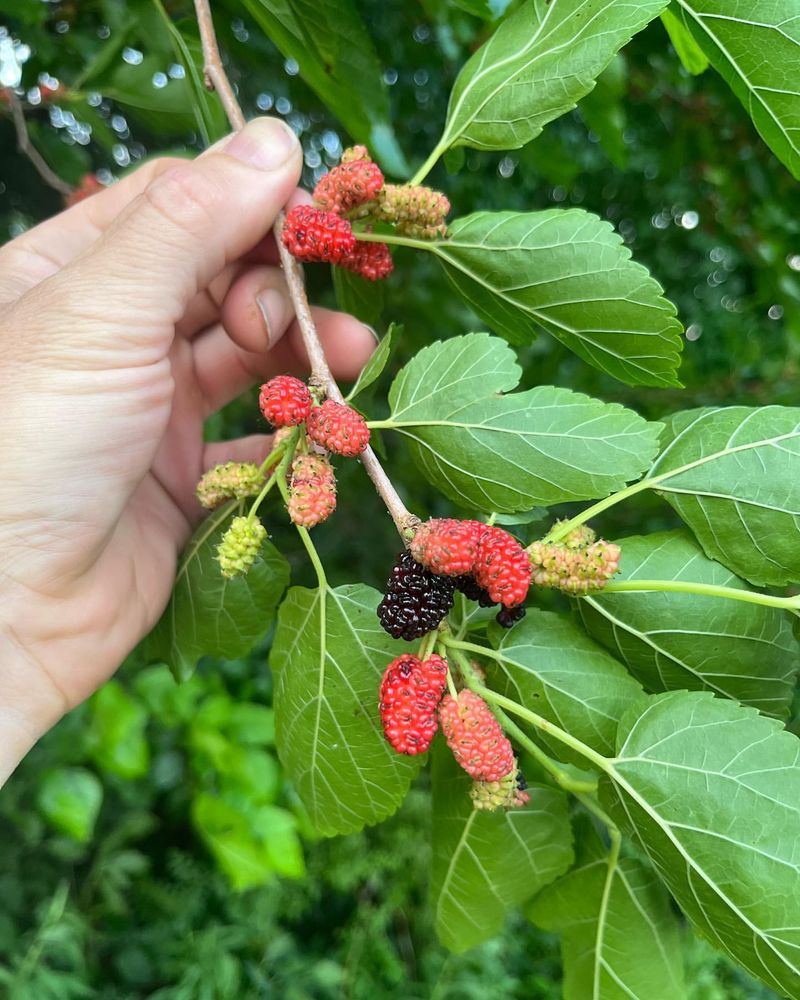
February is an excellent time to start mulberry seeds indoors in Georgia, allowing seedlings to establish before spring planting. Collect seeds from fully ripened mulberries, wash away pulp, and sow in containers with well-draining, fertile soil.
Keep the soil moist and place containers in bright, indirect light. Starting seeds indoors in February ensures seedlings develop strong root systems before facing outdoor temperature fluctuations after the last frost.
Mulberries thrive in full sun and slightly acidic soils, and early propagation allows gardeners to select the strongest plants for transplanting.
Varieties like ‘Illinois Everbearing’ and ‘Pakistan’ respond well to indoor germination and develop into hardy, productive trees.
Mulberries grown from seed may take a few years to produce fruit, but starting early maximizes the growing season and improves survival rates.
Careful watering, monitoring for pests, and gradual acclimation to outdoor conditions prepare seedlings for long-term growth.
By planting seeds in February, Georgia gardeners give mulberries the best chance to thrive and eventually produce abundant sweet berries for fresh consumption, preserves, and sharing with wildlife.
14. Plums
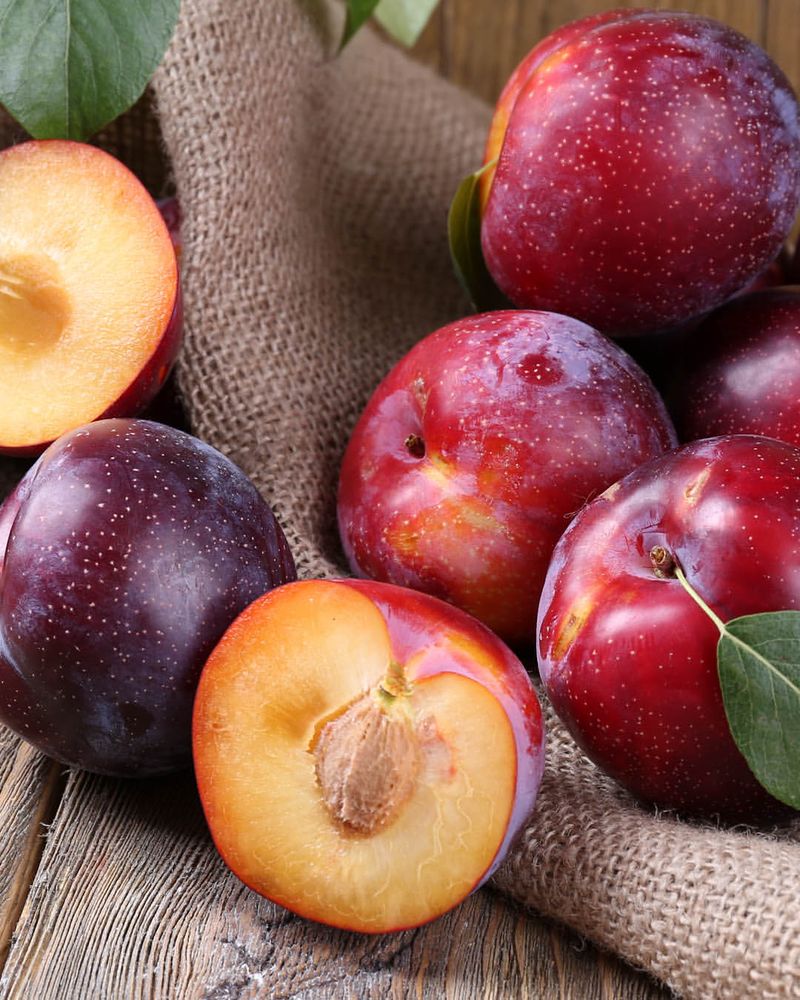
Starting plum seeds in February indoors is a practical way for Georgia gardeners to ensure healthy spring growth. Collect fresh plum pits from fully ripe fruit, clean them thoroughly, and place them in a moist medium like sand or peat moss for stratification.
Keep seeds in a cool location to simulate winter conditions, breaking dormancy naturally over several weeks. Once stratified, plant seeds in well-draining containers, providing bright light and consistent moisture.
February planting gives seedlings sufficient time to develop strong roots and robust foliage before outdoor transplanting after the last frost.
Varieties such as American native plums or European types benefit from this early start, allowing seedlings to establish and grow vigorously.
Regular watering, fertilization, and gradual hardening off help prepare young trees for Georgia’s warm spring and summer.
Seed-grown plums may take several years to bear fruit, but starting in February ensures seedlings have the best foundation for survival, long-term productivity, and the eventual reward of sweet, homegrown plums for fresh eating, preserves, and baking.