This Fairy Mushroom Garden Trend Is Taking Over Shady North Carolina Yards
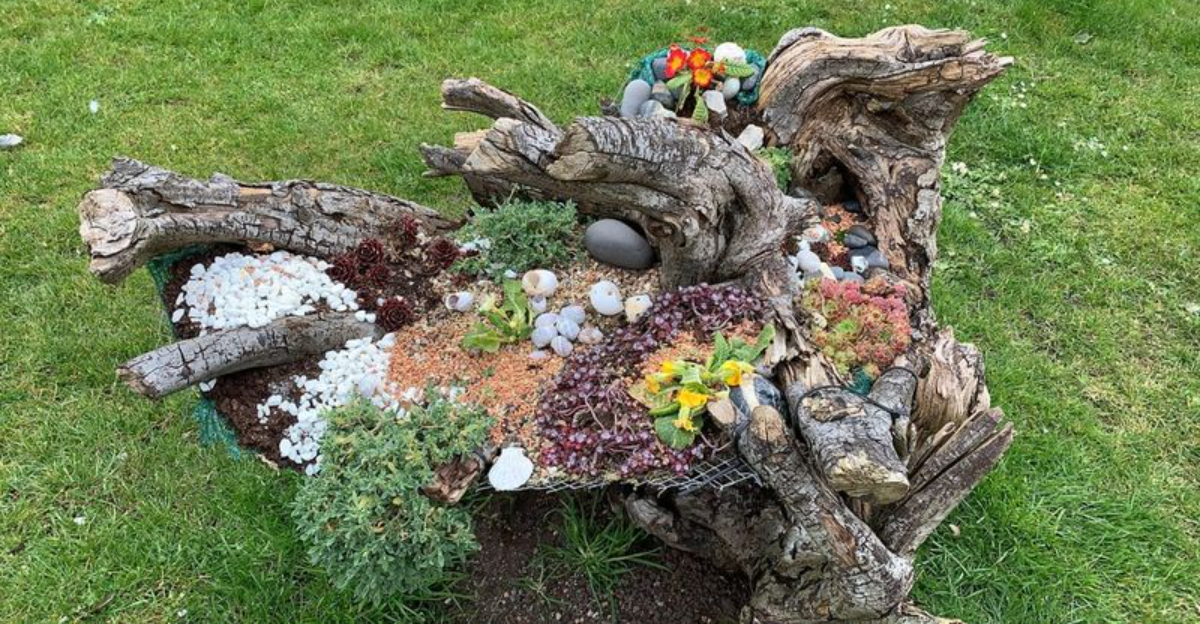
I never thought tiny mushrooms could steal the spotlight in a garden, until I saw a cluster of them glowing softly in a shady North Carolina yard.
They weren’t weeds or mistakes – they were part of a growing trend that turns dull, dark corners into whimsical, almost magical spots. Gardeners are discovering that fairy mushroom gardens are not only charming but also surprisingly easy to care for.
These miniature gardens thrive in places where other plants struggle, adding color, texture, and a touch of playfulness without much effort.
Homeowners are finding that a few well-placed mushrooms can transform a yard from ordinary to enchanting, creating a space that sparks curiosity and delight.
Embracing this trend could turn the shadows of your yard into a secret world everyone wants to explore.
Shady Mulch Beds With Hardwood Chips
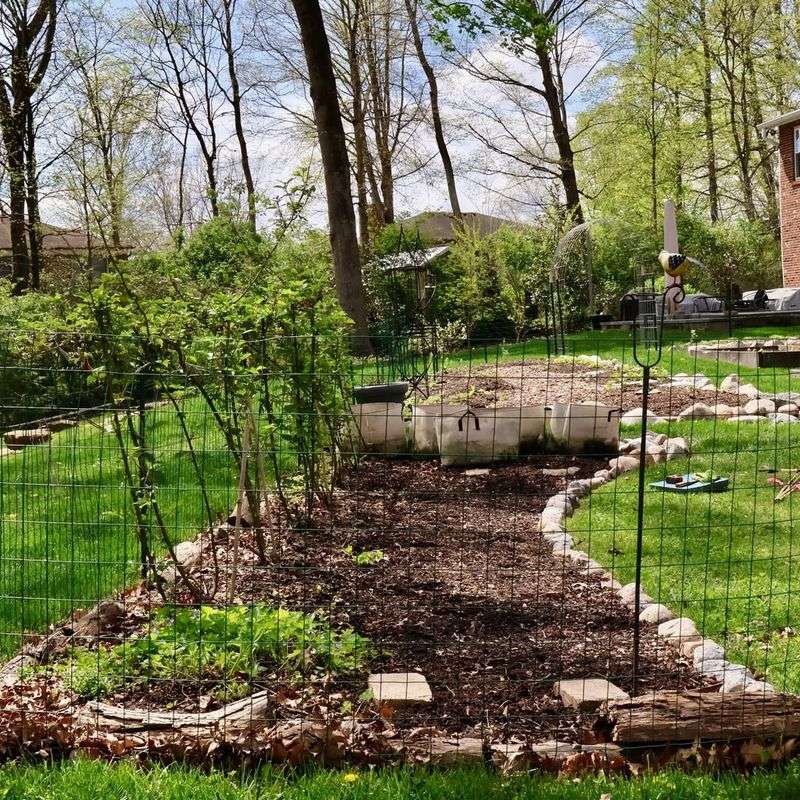
Hardwood chips are becoming the foundation for mushroom-friendly garden beds throughout North Carolina’s shadiest yards. Gardeners spread thick layers of oak, maple, or hickory chips under mature trees and tall shrubs where grass struggles to survive.
The wood chips retain moisture beautifully while slowly breaking down to feed beneficial fungi. Saprophytic mushrooms like oyster varieties naturally colonize these beds without harming any living plants in your landscape.
The fungi actually help by decomposing the wood material and returning nutrients to the soil below. Many homeowners report seeing their first mushroom fruiting bodies within just a few months of installation.
The aesthetic appeal of these beds goes beyond the occasional mushroom appearance. The rich brown mulch creates a neat, forest-floor look that complements shade-loving perennials and ferns beautifully.
Plus, the moisture retention means less watering during North Carolina’s hot summer months.
Replenishing the chips every year or two keeps the fungal activity going strong. Choose untreated hardwood from local sources whenever possible to support native fungal species that already thrive in your region’s woodland ecosystems.
Placed Log Or Stump Inoculation
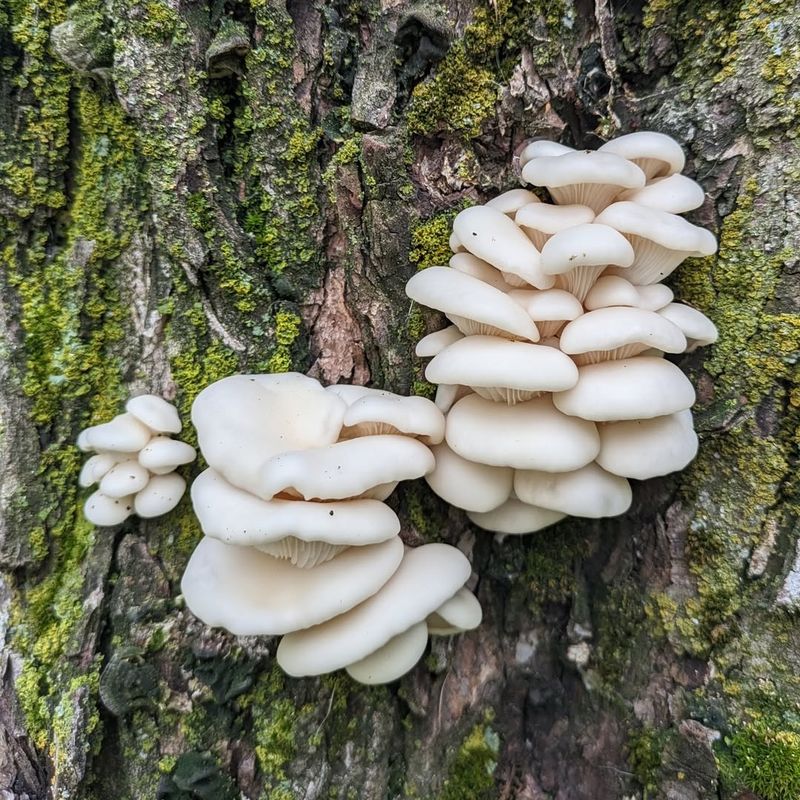
Old tree stumps and logs are getting a second life as productive mushroom habitats in creative North Carolina gardens. Rather than grinding stumps or hauling logs away, smart gardeners are inoculating them with mushroom spawn purchased from specialty suppliers.
Shiitake and oyster mushroom species work especially well for this purpose. The inoculation process involves drilling holes in the wood and inserting spawn plugs or sawdust spawn, then sealing with wax.
Within several months to a year, depending on conditions, beautiful mushroom clusters begin emerging from the colonized wood. Shaded corners that once felt forgotten become productive garden features with real visual interest.
These managed fungal patches require minimal maintenance once established. Occasional watering during dry spells helps, but the fungi largely take care of themselves.
Homeowners love watching the seasonal fruiting cycles and learning which conditions trigger mushroom flushes.
Some gardeners even harvest edible varieties for the kitchen, turning yard waste into gourmet ingredients. The logs and stumps continue producing for several years until the wood fully decomposes, enriching your soil in the process.
Native Fungi Observation Areas
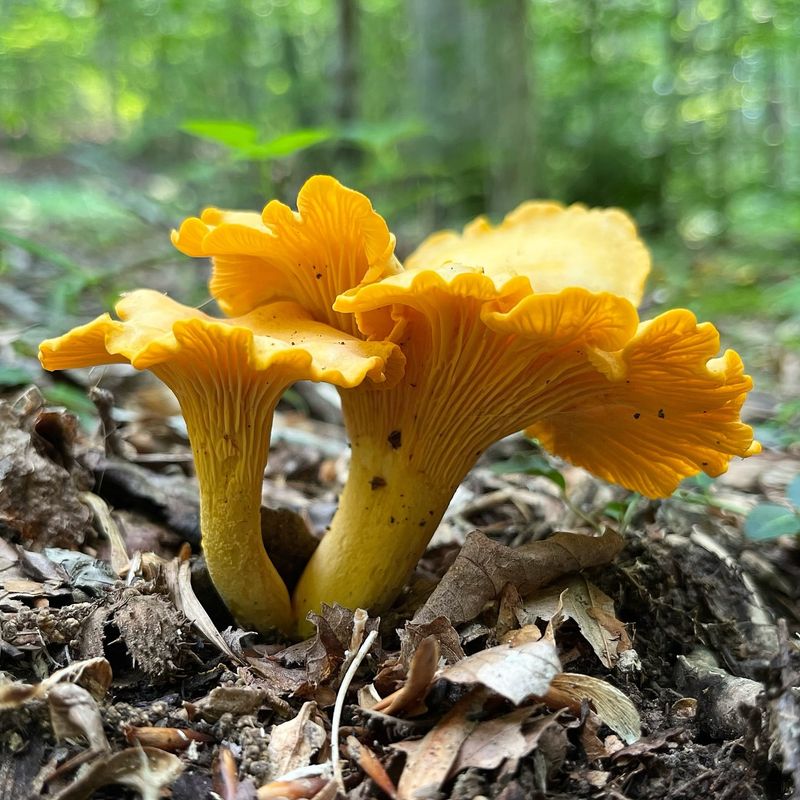
Leaving nature undisturbed has become a gardening philosophy for many North Carolina homeowners creating fungal sanctuaries. These observation zones preserve the natural conditions that woodland mushrooms need to flourish without human interference.
Your North Carolina Garden Changes Every Week. Your Plan Should Too.
Gardening in North Carolina changes quickly throughout the season. Every Friday you’ll receive a simple weekly plan showing exactly what to plant, prune, fertilize, harvest, and protect so you never miss the right timing.
Fallen leaves stay in place, soil goes undisturbed, and native fungi follow their natural cycles.
North Carolina’s forests host incredible fungal diversity, and many of those same species will appear in shaded yards given the right conditions. Chanterelles, boletes, and numerous woodland mushrooms might show up seasonally in these protected spaces.
Gardeners report the joy of discovering new species appearing year after year as the habitat matures.
The beauty of this approach lies in its simplicity and low maintenance requirements. No planting, no watering, no weeding – just patient observation and appreciation.
Many families use these areas to teach children about forest ecology and the important role fungi play in healthy ecosystems.
Marking the boundaries clearly helps prevent accidental disturbance from mowing or raking. Some homeowners add rustic seating nearby to create peaceful spots for mushroom watching during peak fruiting seasons in spring and fall.
Raised Beds With Leaf Litter Layers
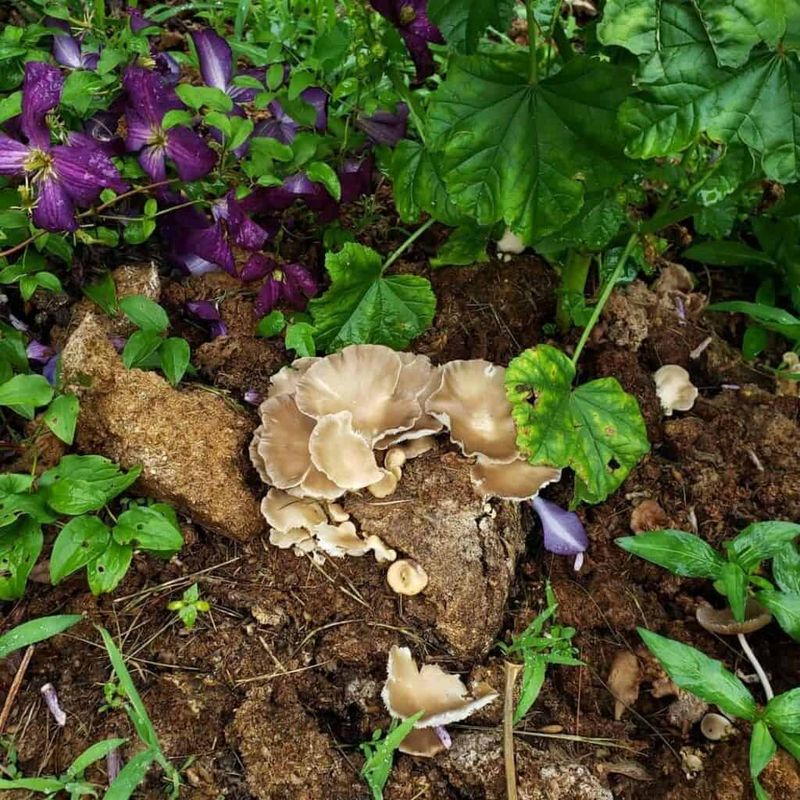
Raised garden beds are taking on new fungal-friendly designs throughout shaded North Carolina landscapes.
Clever gardeners are building beds that mimic forest floor conditions by incorporating layers of decomposing leaf litter beneath their shade-loving vegetables and ornamental plants.
The leaves break down slowly, creating habitat for beneficial decomposer fungi. These mushrooms don’t compete with your garden plants but instead work alongside them as nature’s recyclers.
The fungal networks help break down organic matter faster, improving soil structure and nutrient availability for your hostas, ferns, and shade vegetables.
It’s a win-win partnership that makes your garden healthier overall. Building these beds involves layering materials much like lasagna gardening.
Start with logs or branches at the bottom, add leaf litter and partially composted material in the middle, then top with quality soil for planting. The lower layers become mushroom habitat while plants grow happily above.
Occasional mushroom fruiting bodies poking up around your vegetables add whimsy and indicate healthy soil biology at work. The beds stay moist longer thanks to the organic matter below, reducing your watering needs considerably during summer.
Shaded Path Edging With Logs And Branches
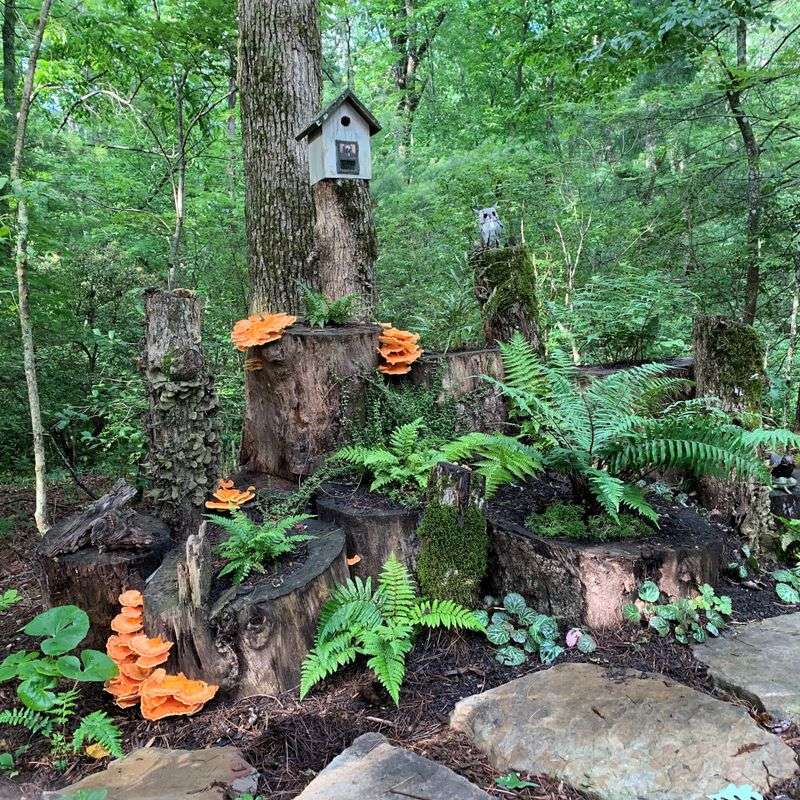
Garden paths are getting natural, rustic borders made from branches and logs that double as mushroom habitats.
Instead of traditional stone or metal edging, North Carolina gardeners are lining their shaded walkways with decaying wood that attracts saprophytic fungi. The result looks intentional and charming rather than neglected.
Small branches, split logs, and sections of fallen limbs work perfectly for this purpose. Arrange them along path edges where they’ll stay relatively undisturbed and receive moisture from nearby plantings.
Within months, various mushroom species begin colonizing the wood and adding seasonal interest to your pathways.
The decomposing wood gradually breaks down and needs replacement every few years, but that’s part of the natural cycle. Homeowners appreciate how this approach recycles yard waste that would otherwise go to the landfill or chipper.
Plus, the irregular shapes and textures create a more organic, woodland feel than rigid manufactured edging.
Combining log edging with moss, ferns, and woodland wildflowers completes the fairy garden aesthetic. The mushrooms that appear add delightful surprises for visitors walking through your shaded garden spaces.
Intentional Plantings Around Shade-Loving Plants
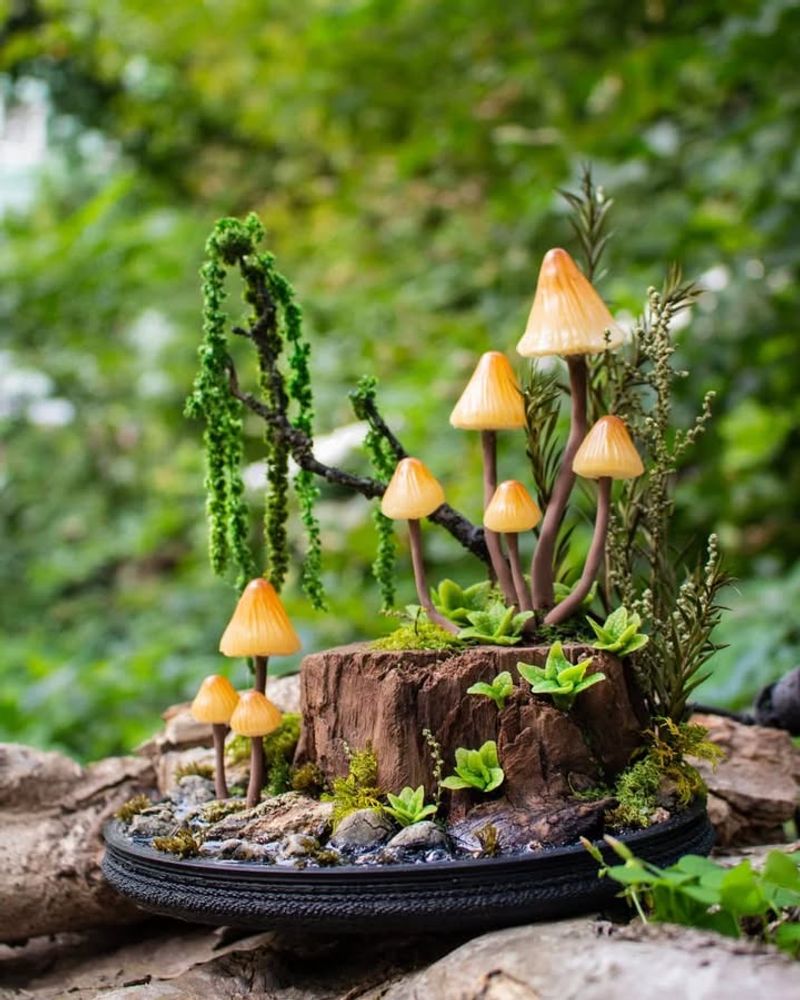
Shade gardens featuring hostas, ferns, and astilbes are being designed with fungal growth in mind from the very beginning.
Gardeners select moisture-retaining soil amendments and mulching strategies that encourage harmless saprophytic mushrooms to appear among the ornamental plantings.
The fungi add unexpected texture and seasonal interest to these shaded beds. The key lies in creating conditions that both plants and fungi love, consistent moisture, rich organic matter, and protection from harsh sun.
Mushrooms appearing among your hostas signal that your soil biology is thriving and your plants are growing in healthy conditions.
Many gardeners now view these fungal guests as indicators of success rather than problems to eliminate.
Designing these beds involves choosing companion plants with similar moisture and light needs. Heucheras, tiarellas, and bleeding hearts all pair beautifully with mushroom-friendly conditions.
The varied foliage textures create layered interest even before any mushrooms appear. When mushrooms do fruit, they typically last just a few days before fading, but new flushes appear throughout the growing season.
Photographing different species as they emerge has become a popular hobby among shade gardeners across North Carolina.
Leaving Fallen Branches In Place
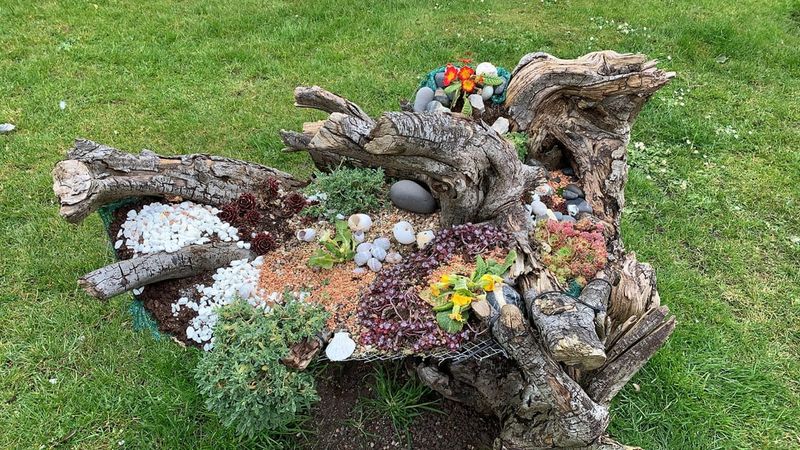
A simple shift in yard maintenance habits is supporting fungal diversity across North Carolina’s shaded landscapes. Homeowners are intentionally leaving small fallen branches and twigs where they land rather than constantly clearing them away.
This practice mimics natural forest conditions where woody debris provides essential habitat for decomposer fungi.
The approach requires a mental adjustment from traditional tidy lawn care, but the ecological benefits are substantial. Dozens of fungal species rely on branches and twigs as their primary substrate for growth.
By leaving this material in place, you’re supporting biodiversity and creating food webs that benefit birds, insects, and other wildlife too.
Strategic placement makes this practice work in managed landscapes. Concentrate branches in designated shaded areas away from formal spaces or paths where a neater appearance matters more.
The branches gradually disappear as fungi and other decomposers break them down, requiring no cleanup on your part.
Many mushroom species fruit directly from small branches, creating miniature fungal displays throughout shaded areas. The practice also reduces yard waste, saves labor, and returns nutrients to your soil naturally through the decomposition process.
Educational Signage Or Labels
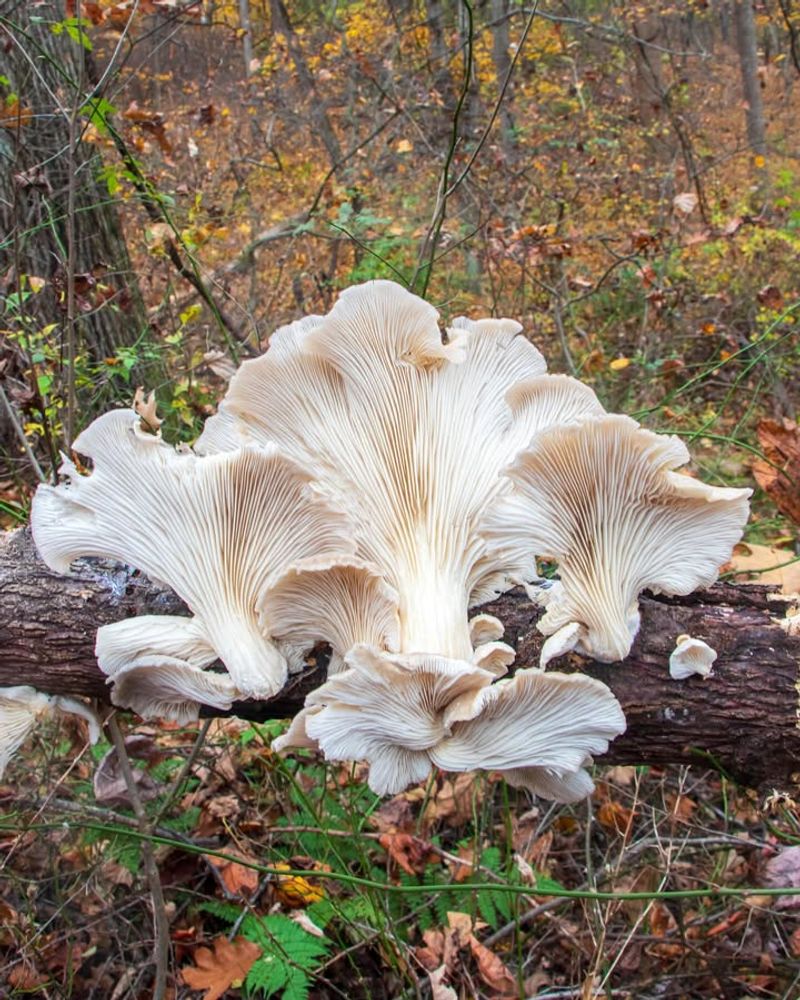
Forward-thinking gardeners are turning their fungal-friendly yards into outdoor classrooms with simple educational signage.
Small weatherproof labels identify reliably recognized mushroom species, teaching family members and visitors about the fascinating fungi sharing their landscape.
This approach transforms casual curiosity into genuine learning opportunities about local ecosystems.
Creating labels requires careful research and conservative identification practices. Stick to easily recognized species like oyster mushrooms or well-known boletes rather than attempting to label every fungus that appears.
Many gardeners consult field guides specific to North Carolina fungi or join local mycology groups to improve their identification skills.
The labels themselves can be as simple or decorative as you like. Some people use small wooden stakes with handwritten names, while others create charming illustrated signs that add to the fairy garden aesthetic.
Including both common and scientific names appeals to different learning styles and age groups.
Children especially love discovering labeled mushrooms and learning to recognize different species over time. The practice encourages outdoor exploration and nature observation skills that benefit kids throughout their lives.
Plus, it sparks conversations with neighbors who become curious about your unique garden approach.
Controlled Moisture Features
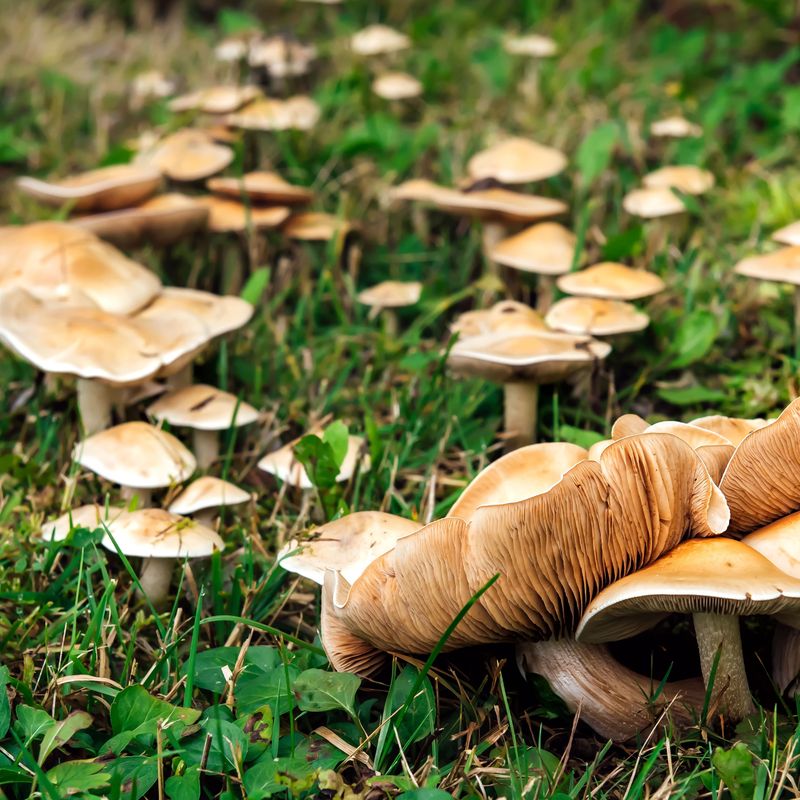
Rain gardens and boggy plantings are being designed to create consistently damp microsites perfect for fungal activity.
These features capture and slowly absorb rainwater runoff while supporting moisture-loving native plants and the mushrooms that thrive in perpetually damp conditions. North Carolina’s rainfall patterns make these gardens especially productive.
The design typically involves creating a shallow depression in a shaded area and planting it with native sedges, grasses, and wetland perennials.
The soil stays moist longer after rain events, creating ideal conditions for saprophytic fungi that need consistent moisture to fruit. These mushrooms don’t harm your plants but instead enhance the ecosystem diversity.
Homeowners appreciate the practical benefits beyond fungal habitat. Rain gardens reduce runoff pollution, recharge groundwater, and eliminate soggy problem spots in the landscape.
Adding the fungal element transforms a functional feature into something enchanting and educational.
Seasonal changes bring different mushroom species as temperatures and moisture levels fluctuate. Spring and fall typically produce the most dramatic fungal displays.
Combining moisture management with native plantings and fungal appreciation creates resilient, low-maintenance gardens that work with nature rather than against it.