Which Valentines Flowers You Can Save And Grow In North Carolina Gardens
I still remember receiving a bouquet one Valentine’s Day and wondering if any of those flowers could actually bloom again in my North Carolina garden. Most people don’t realize that many romantic blooms can be nurtured back to life with the right care.
Instead of tossing them, you can give your flowers a second chance and enjoy their beauty for months to come.
Flowers like roses, carnations, and lilies can thrive in local gardens when started from cuttings or properly potted. Knowing which blooms are suitable and how to care for them helps gardeners turn a thoughtful gift into a lasting addition to their yard.
Learning how to save and grow Valentine’s flowers could mean that a single bouquet brings color and joy to your garden long after February 14th has passed.
1. Roses (Rosa Spp.)
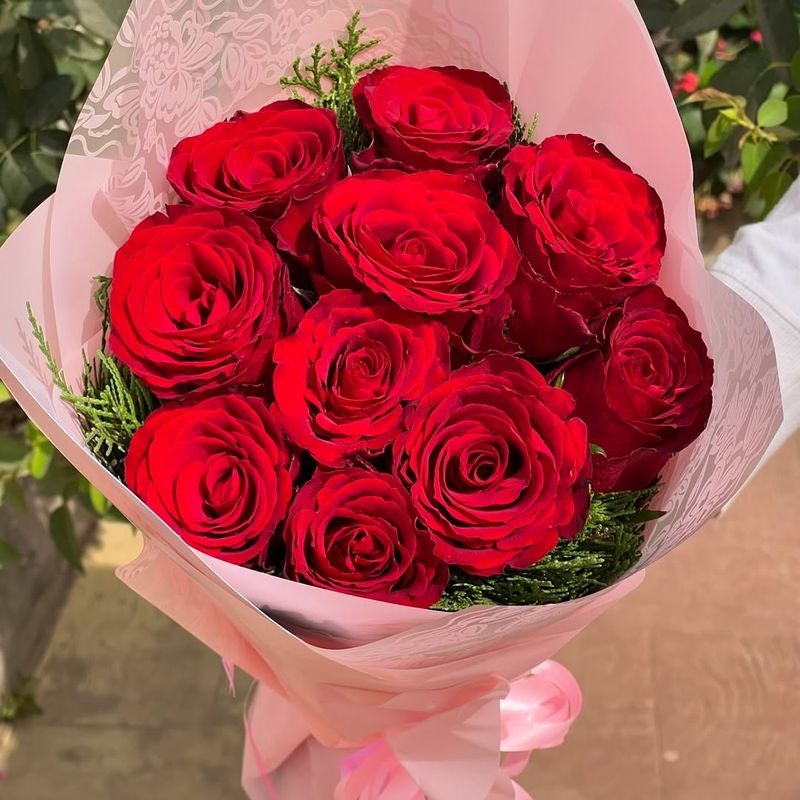
Roses remain the ultimate symbol of romance, and that beautiful bouquet stem might just become your garden’s next showstopper. Taking a cutting from your Valentine’s roses and coaxing it to grow roots is surprisingly achievable with proper timing and technique.
Fresh stems work best, so start the rooting process within a day or two of receiving your bouquet. Begin by selecting healthy stems about six to eight inches long with at least three leaf nodes.
Remove all flowers, buds, and lower leaves, keeping only the top two sets of leaves. Dip the cut end in rooting hormone powder to encourage root development, then plant it in a pot filled with moist potting mix or a sand and perlite combination.
Cover the pot with a clear plastic bag to maintain humidity, and place it in bright but indirect light.
Check moisture levels regularly, keeping the soil consistently damp but never waterlogged. Within four to eight weeks, gentle tugging will reveal if roots have formed.
Once your cutting has established a solid root system, it’s time to think about outdoor planting. North Carolina’s climate suits roses beautifully, especially when they receive at least six hours of direct sunlight daily.
Wait until after the last frost date in your area before transplanting your new rose plant into the garden, ensuring it has well-drained soil and good air circulation to prevent fungal issues.
2. Carnations (Dianthus Caryophyllus)
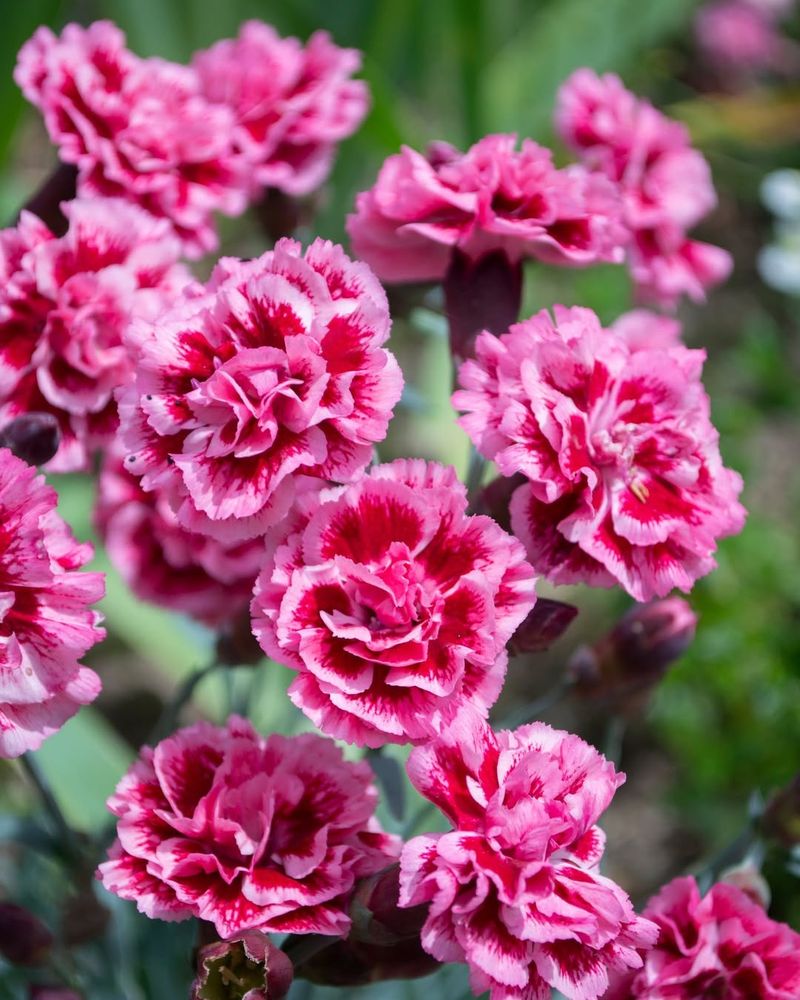
With their ruffled petals and spicy-sweet fragrance, carnations deserve more credit than they typically receive. These charming flowers are actually quite easy to propagate from cuttings, making them perfect candidates for saving from your Valentine’s bouquet.
Their hardy nature and adaptability make them especially well-suited for North Carolina’s diverse growing regions.
Select carnation stems that look vigorous and healthy, avoiding any that show signs of wilting or browning. Cut four to six inch sections from non-flowering stems if possible, or remove all blooms from flowering stems.
Strip away the lower leaves, leaving just two or three sets at the top. Plant your prepared cuttings in well-draining potting soil, inserting them about two inches deep.
Mist the cuttings lightly and cover them with a clear dome or plastic bag to create a mini greenhouse effect. Place them in a warm spot with bright, indirect light, and roots should develop within three to four weeks.
Your North Carolina Garden Changes Every Week. Your Plan Should Too.
Gardening in North Carolina changes quickly throughout the season. Every Friday you’ll receive a simple weekly plan showing exactly what to plant, prune, fertilize, harvest, and protect so you never miss the right timing.
Carnations thrive in North Carolina gardens, particularly in the Piedmont and Coastal Plain regions where drainage is excellent. They appreciate full sun exposure and slightly alkaline soil conditions.
Once established outdoors, these perennials will reward you with continuous blooms throughout the growing season, especially if you regularly remove spent flowers to encourage new buds.
3. Chrysanthemums (Garden Mums)
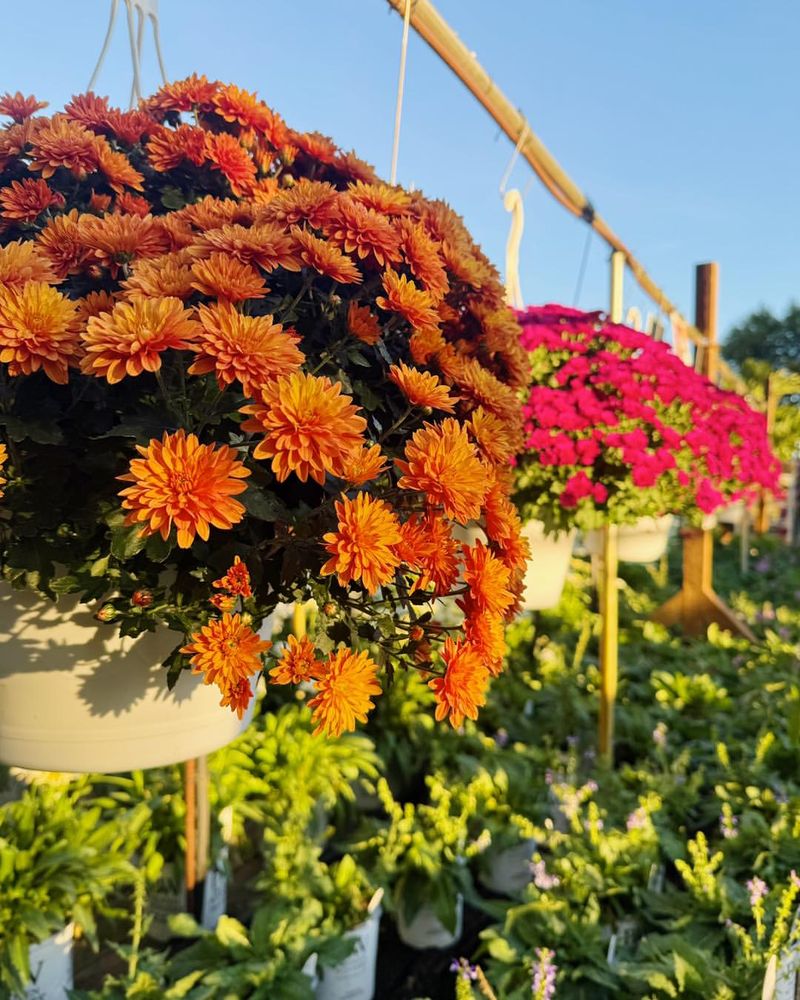
Those cheerful mums in your Valentine’s arrangement might seem like temporary guests, but many varieties are actually hardy perennials waiting for their chance to shine in your garden.
Florist mums often get underestimated because people assume they’re only for autumn displays, yet they can establish themselves beautifully when given proper care and timing.
The key lies in understanding which types are truly winter-hardy for North Carolina conditions. Start by identifying whether your mums are garden-type or exhibition-type varieties. Garden mums tend to be hardier and more suitable for outdoor growing.
Take cuttings from healthy, non-flowering stems about four to six inches long, removing lower leaves and dipping the cut end in rooting hormone.
Root your cuttings in moist potting mix under humid conditions, just like other stem propagation methods. The critical difference with mums is timing for outdoor planting.
Spring planting gives roots the entire growing season to establish before facing winter’s challenges, dramatically improving survival rates compared to fall planting.
In North Carolina gardens, chrysanthemums prefer full sun and well-drained soil enriched with organic matter. Pinch back the growing tips regularly through early summer to encourage bushy, compact growth and abundant flower production.
With proper establishment, your Valentine’s mums will return each fall with spectacular blooms in shades of bronze, yellow, pink, purple, and white.
4. Alstroemeria (Peruvian Lily)
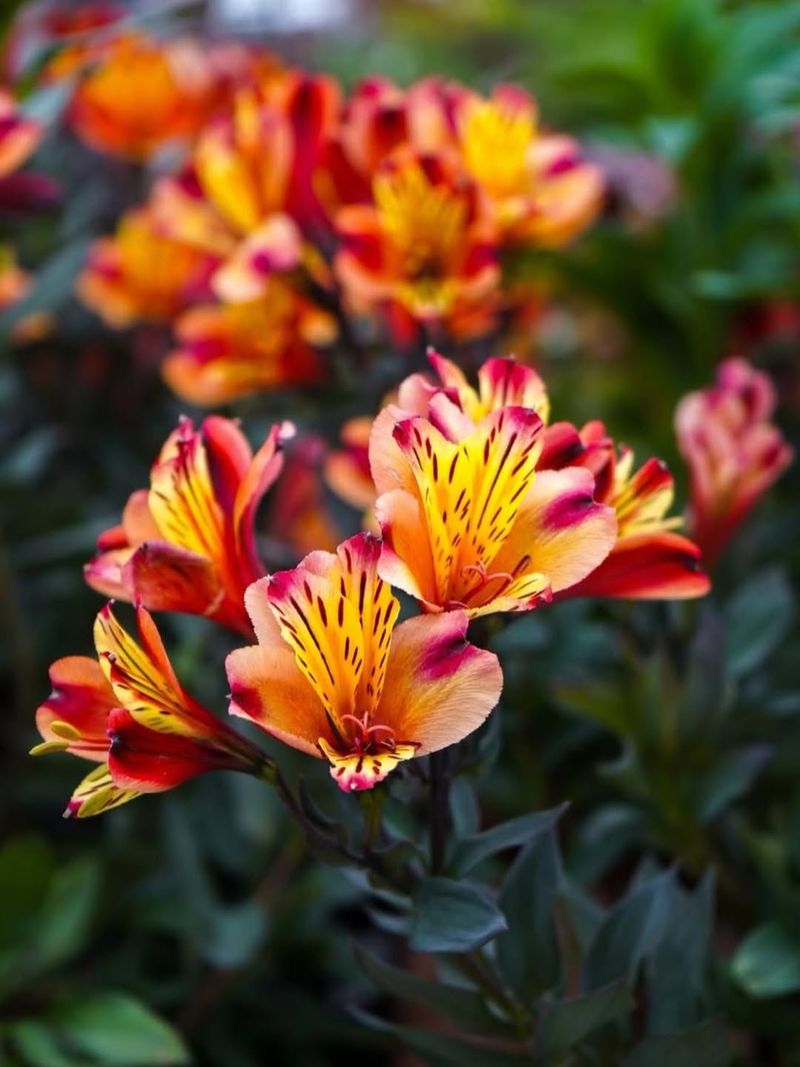
Alstroemeria brings an exotic flair to Valentine’s bouquets with its spotted, trumpet-shaped flowers and remarkable vase life. What many people don’t realize is that some varieties can actually survive and thrive outdoors in North Carolina’s warmer zones.
These fascinating plants grow from tuberous roots and can form impressive clumps over time when conditions suit them.
Propagating alstroemeria from cut stems proves more challenging than rooting other flowers, but it’s not impossible. Fresh stems occasionally develop roots when placed in water, though success rates vary.
A more reliable approach involves obtaining divisions from established plants or purchasing rhizomes specifically for garden planting.
If you’re working with bouquet stems, change the water daily and watch for any root development along the stem nodes.
Should roots appear, carefully transplant into pots with rich, well-draining soil. Keep them protected and well-watered as they adjust to soil conditions.
North Carolina gardeners in Zones 7 and 8 have the best success with alstroemeria, particularly in the Piedmont and coastal regions.
These plants appreciate partial sun rather than intense afternoon heat, along with consistently moist soil that never becomes waterlogged.
Mulching helps maintain even soil moisture and provides winter protection. Once established, alstroemeria produces continuous waves of colorful blooms throughout summer, with flowers perfect for cutting and bringing the garden’s beauty indoors.
5. Snapdragons (Antirrhinum Majus)
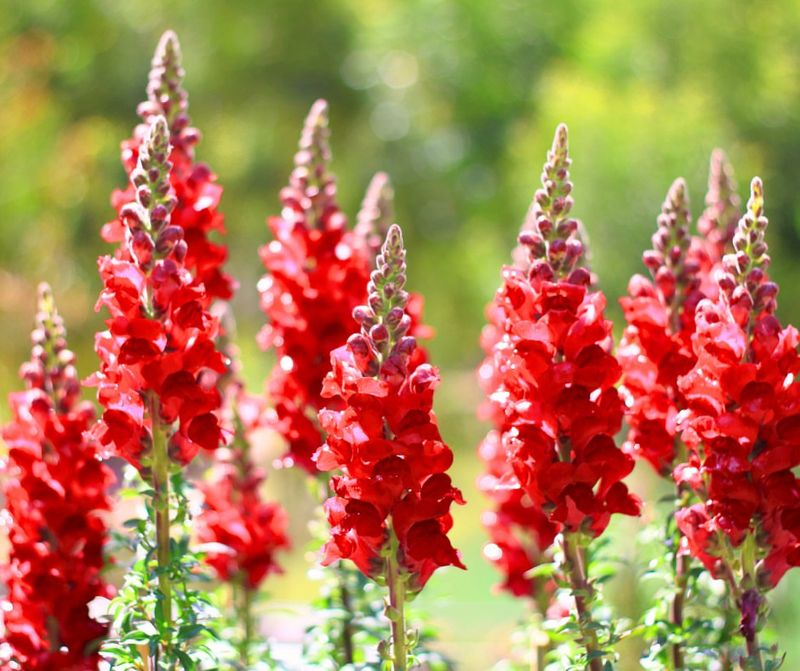
Remember squeezing snapdragon flowers as a child to make the dragon’s mouth open and close? These playful blooms bring whimsy and vertical interest to any garden, and they’re remarkably easy to propagate from Valentine’s bouquet stems.
Snapdragons root so readily that even beginners can achieve success with minimal fuss or special equipment.
Choose firm, healthy snapdragon stems from your arrangement and cut sections about four to five inches long. Remove the lower leaves and any flowers, then simply place the stems in a glass of clean water on a bright windowsill.
Within one to two weeks, you’ll typically see white roots beginning to emerge from the stem nodes.
Once roots reach about an inch long, transplant your cuttings into small pots filled with quality potting soil.
Gradually acclimate them to outdoor conditions over a week or so before planting them in your garden beds. This hardening-off process prevents shock and ensures better establishment.
North Carolina’s climate provides two perfect growing seasons for snapdragons since they’re cool-season annuals that tolerate light frost beautifully.
Plant them in early spring for spectacular late spring blooms, or set them out in fall for winter and early spring color in milder areas.
They perform best in full sun with regular watering and deadheading to promote continuous flowering throughout their growing season.
6. Lisianthus (Eustoma Grandiflorum)
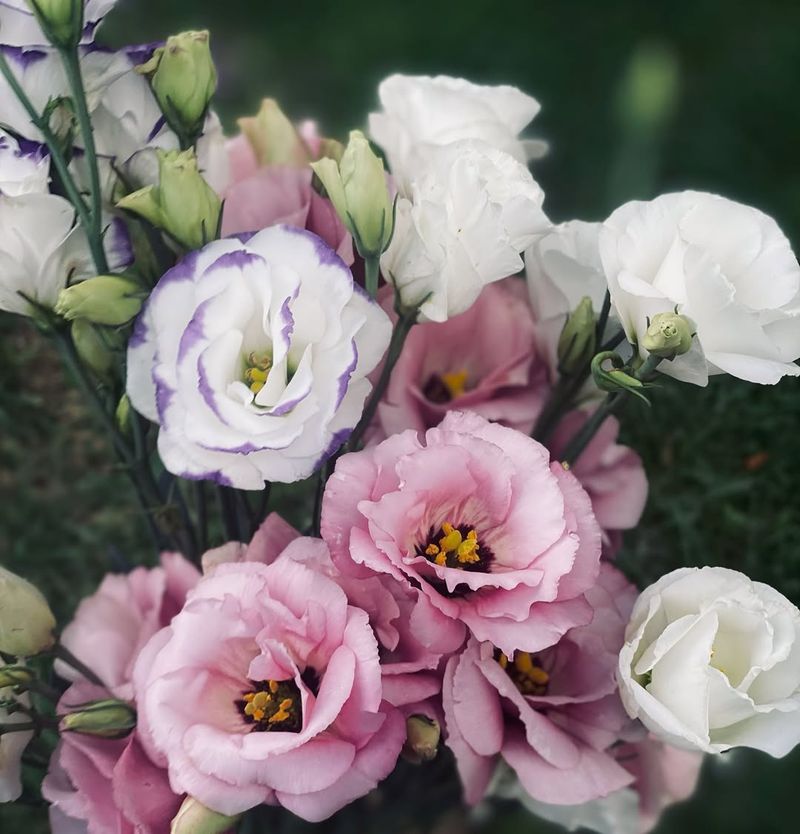
Lisianthus flowers look almost too perfect to be real, with their rose-like layered petals and soft, romantic colors.
These stunning blooms command premium prices at florists because they’re notoriously challenging to grow from seed, requiring specific conditions and considerable patience.
However, rooting stem cuttings from your Valentine’s bouquet offers a shortcut worth attempting for adventurous gardeners.
Success with lisianthus cuttings requires attention to detail and ideal conditions. Select stems with healthy leaves and no signs of wilting, making clean cuts about four to five inches long.
Remove lower leaves and flower buds, then dip the cut ends in rooting hormone powder designed for semi-hardwood cuttings.
Plant your prepared cuttings in a sterile, well-draining medium like perlite mixed with peat moss. Maintain high humidity by covering them with a clear plastic dome, and provide bright indirect light with consistent warmth around 70 to 75 degrees.
Mist regularly but avoid overwatering, which quickly leads to rot. Rooting typically takes four to six weeks under optimal conditions.
In North Carolina gardens, lisianthus functions best as a warm-season annual, planted after all frost danger passes in spring.
These plants crave full sun and excellent drainage, performing beautifully in raised beds or containers where soil conditions can be carefully controlled.
With proper care, your rooted lisianthus will produce elegant blooms through summer, bringing that same florist-quality beauty to your own garden beds.
7. Gerbera Daisy (Gerbera Jamesonii)
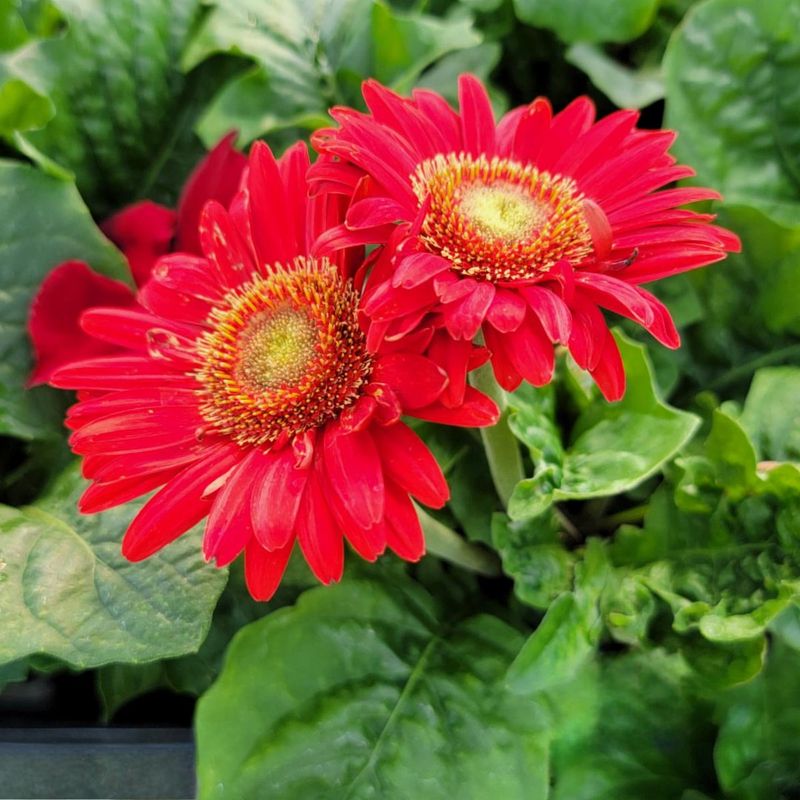
Few flowers radiate pure happiness quite like gerbera daisies with their bold, cheerful faces and vibrant color palette. These South African natives have become florist favorites for Valentine’s Day arrangements, offering everything from soft pastels to electric neons.
While they originate from warmer climates, North Carolina gardeners can definitely enjoy growing them with some strategic planning.
Propagating gerbera daisies from bouquet stems presents challenges since they don’t root as readily as some other flowers. Your best approach involves purchasing potted gerberas or attempting crown divisions from established plants.
If your Valentine’s bouquet included a potted gerbera plant rather than cut stems, you’re already ahead of the game.
For potted plants, gradually acclimate them to outdoor conditions once nighttime temperatures stay consistently above 50 degrees.
Gerberas despise having their crowns buried too deeply, so when transplanting, ensure the crown sits slightly above soil level to prevent rot.
They need excellent drainage and full sun to partial shade, depending on your location’s summer heat intensity.
Most North Carolina regions work best treating gerberas as annuals or container plants that can be moved indoors during winter. Coastal Zone 8 gardeners might successfully overwinter them outdoors with heavy mulch protection.
Container growing offers flexibility, allowing you to showcase these stunning daisies on patios and porches while easily protecting them from temperature extremes. Regular deadheading keeps the blooms coming throughout the growing season.
8. Calla Lily (Zantedeschia)
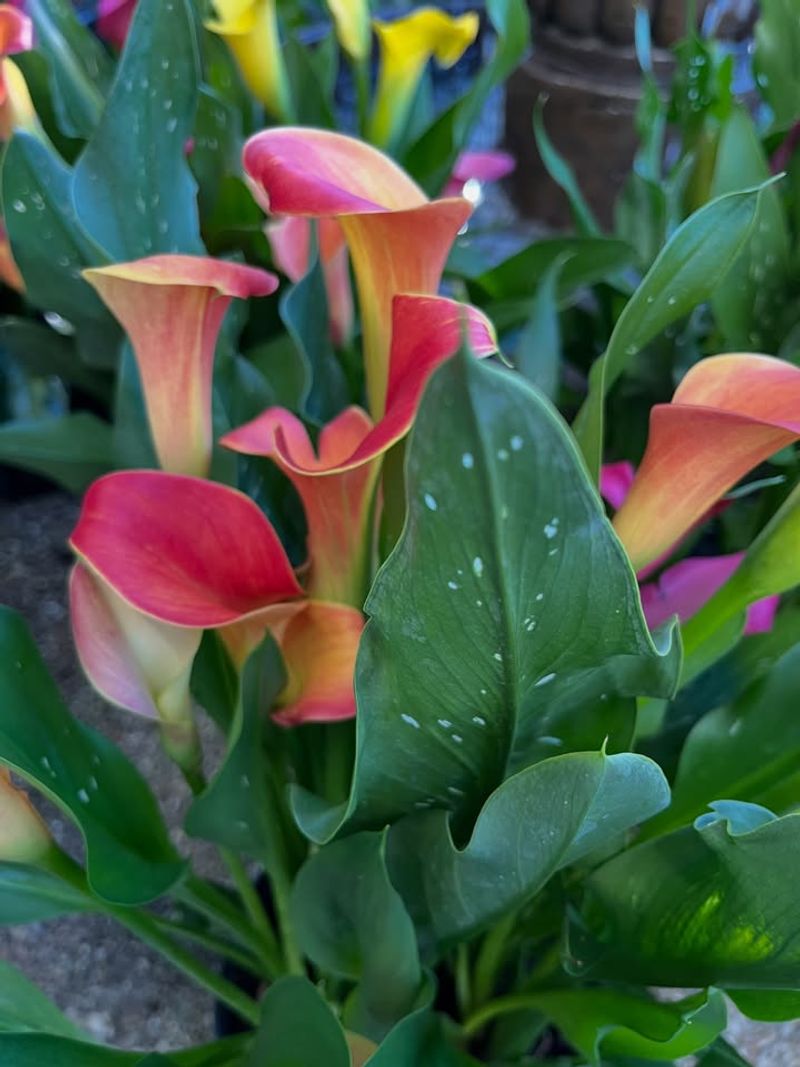
Calla lilies embody elegance and sophistication, their smooth, trumpet-shaped flowers creating dramatic focal points in both arrangements and gardens.
Despite their tropical appearance, these rhizomatous plants can actually survive outdoors in parts of North Carolina, particularly in the warmer coastal and southeastern regions.
Their architectural form and glossy foliage make them standout performers even when not in bloom.
If your Valentine’s arrangement included calla lily stems, you won’t be able to root them since they grow from underground rhizomes rather than developing roots along the stem. However, you can purchase calla lily rhizomes from garden centers or online sources.
Plant them in spring after soil temperatures warm, setting rhizomes about four inches deep with the growing points facing upward.
Callas appreciate rich, moisture-retentive soil and partial shade to full sun, depending on summer heat intensity in your area. They perform beautifully near ponds or in rain gardens where soil stays consistently moist but not waterlogged.
During the growing season, keep them well-watered and fertilize monthly with a balanced fertilizer to support their lush growth and flower production.
Zone 8 gardeners in coastal North Carolina can often leave calla lily rhizomes in the ground year-round with generous mulch protection.
In colder zones, treat them like gladiolus by lifting the rhizomes after the first light frost, allowing them to dry, and storing them in a cool, dry location until spring replanting time arrives.
9. Ranunculus (Ranunculus Asiaticus)
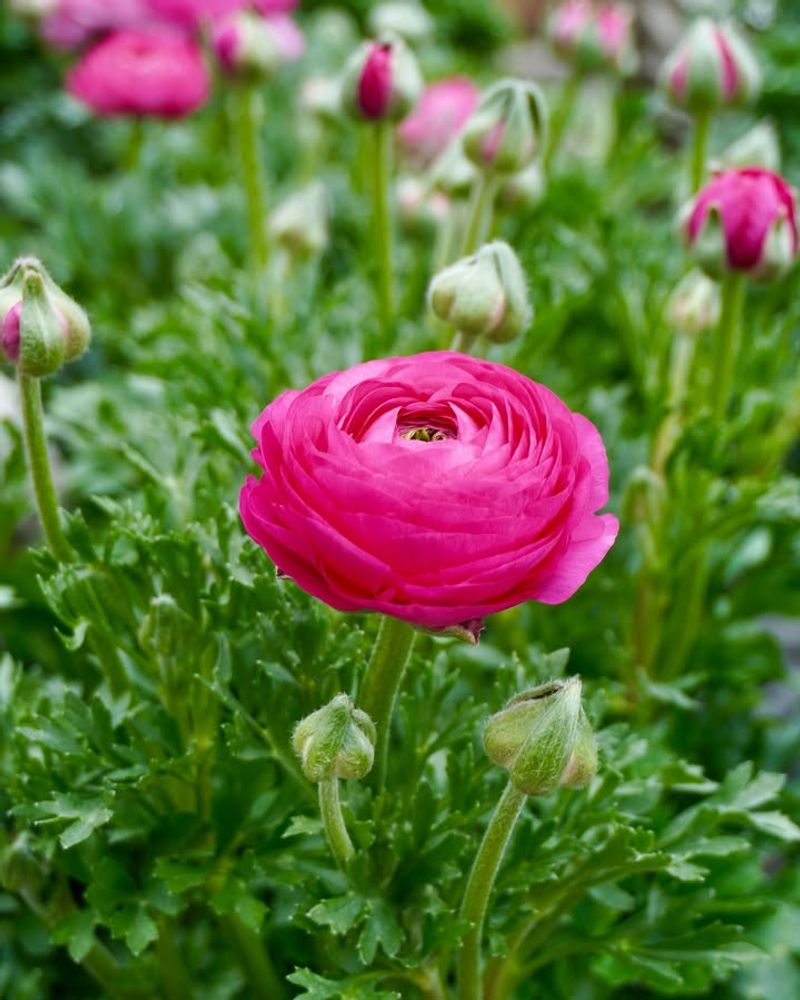
Ranunculus flowers look like roses and peonies had a baby, with their densely packed, paper-thin petals forming perfectly rounded blooms.
These showstoppers have surged in popularity for weddings and special occasions, including Valentine’s Day, thanks to their romantic appearance and impressive color range.
Growing them successfully in North Carolina requires understanding their preference for cool weather and proper corm planting techniques.
Cut ranunculus stems from bouquets won’t develop roots or grow into new plants since they originate from specialized underground structures called corms. To grow your own ranunculus, purchase corms from reputable suppliers in late summer or early fall.
These odd-looking, claw-shaped structures need proper preparation before planting. Soak ranunculus corms in room-temperature water for three to four hours before planting to rehydrate them.
Plant them in fall or late winter, depending on your North Carolina location, with the claw side pointing downward about two inches deep. Space them four to six inches apart in well-drained soil enriched with compost.
These cool-season beauties perform best when temperatures range between 45 and 60 degrees, making them perfect for North Carolina’s spring garden displays. They need full sun and consistent moisture during their growing period but dislike wet feet.
Once established, ranunculus produce multiple stems per corm, each bearing several spectacular blooms perfect for cutting. After flowering finishes and foliage yellows, you can lift and store the corms for replanting the following season.
10. Freesia
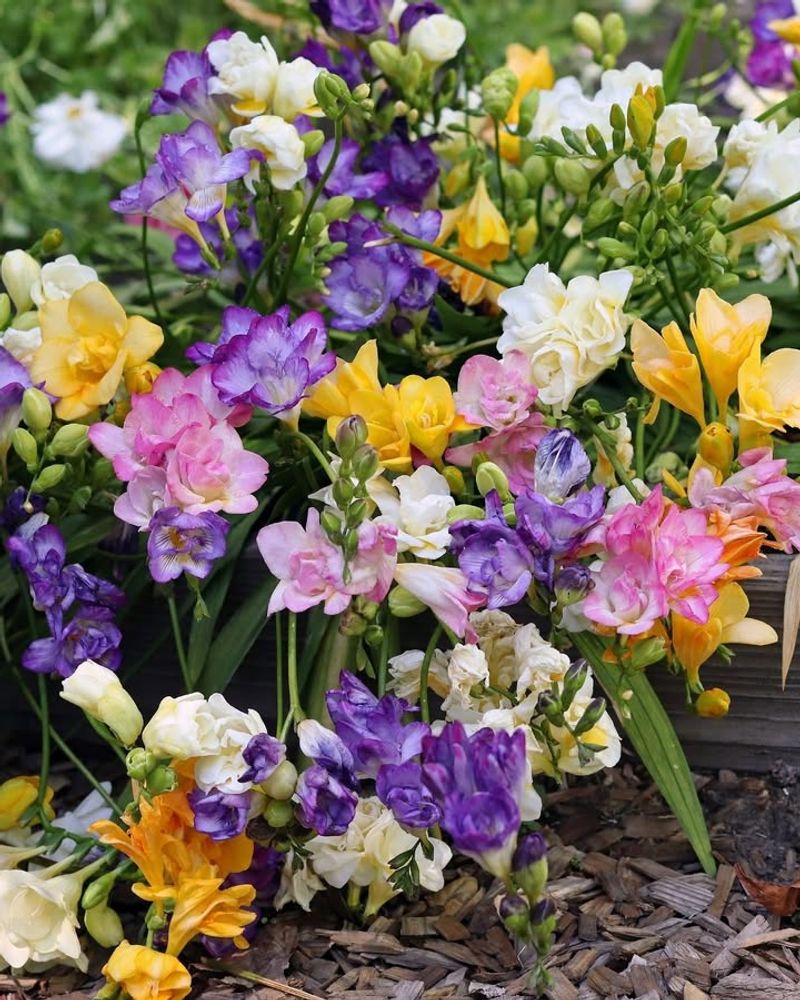
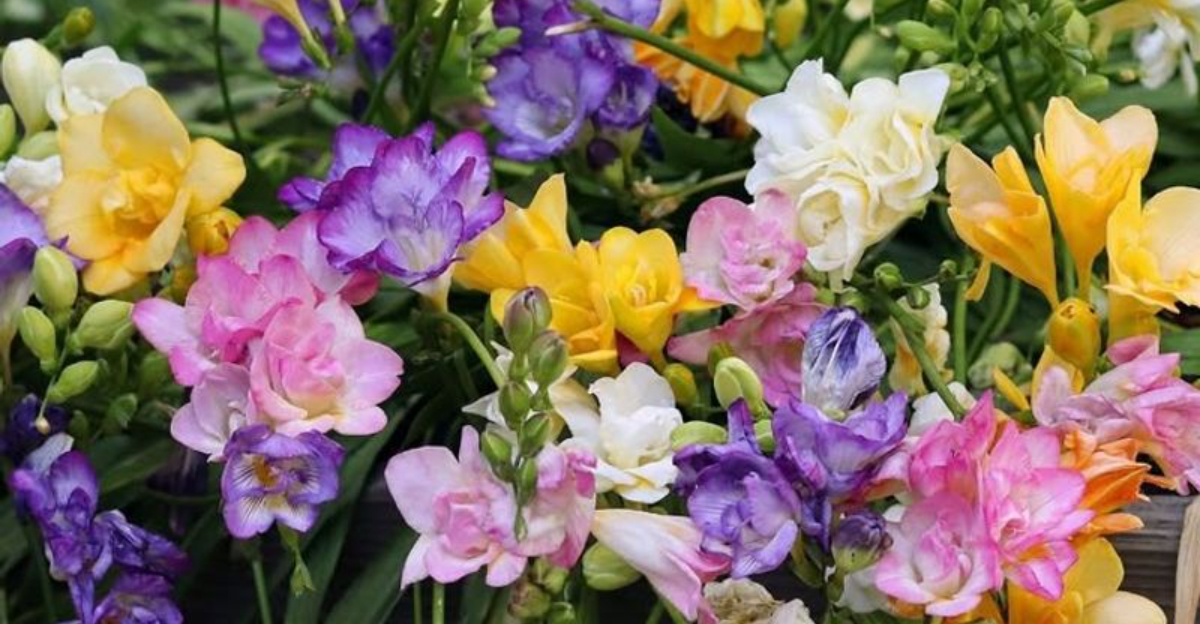
Freesias captivate with their intoxicating fragrance that fills entire rooms with sweet, fruity perfume. These graceful flowers grow along arching stems, displaying their funnel-shaped blooms in a rainbow of colors from pure white to deep purple.
While they’re not reliably winter-hardy across most of North Carolina, they make wonderful additions to spring container gardens and protected landscape areas.
Like ranunculus and calla lilies, freesia stems from bouquets won’t develop roots since the plants grow from corms. To cultivate your own freesias, purchase quality corms and plan your planting timing carefully.
In milder areas of North Carolina, fall planting allows corms to establish before winter and bloom in early spring.
Plant freesia corms about two inches deep with the pointed end facing upward in well-draining soil or container mix. Space them about three inches apart for a full, lush display.
Containers work particularly well for freesias since you can move them to protected locations during cold snaps or bring them indoors if temperatures plummet unexpectedly.
Freesias prefer full sun to partial shade and consistent moisture during their active growth and blooming period. They typically flower six to twelve weeks after planting, depending on variety and growing conditions.
After blooming finishes and foliage begins to yellow, reduce watering and allow the corms to enter dormancy. You can lift and store them in a cool, dry place for replanting, or in warmer coastal areas, leave them in containers with minimal water through summer.