Can Pennsylvania Homeowners Cut A Neighbor’s Overhanging Shrubs?
Overgrown shrubs spilling into your yard from next door can be more than just an eyesore. They might block sunlight, crowd your space, or even damage your fence.
If you’re a Pennsylvania homeowner dealing with a neighbor’s encroaching plants, you’re probably wondering: Can I legally cut them back?
The answer isn’t always simple, but it’s definitely worth knowing before you pick up the clippers.
While you usually have the right to trim branches that cross your property line, there are a few important rules and risks to consider. Trimming too much or damaging the plant could lead to tension, or even legal trouble.
That’s why it’s best to understand your rights, responsibilities, and the best approach to keep the peace.
1. Understanding Pennsylvania’s Property Line Laws
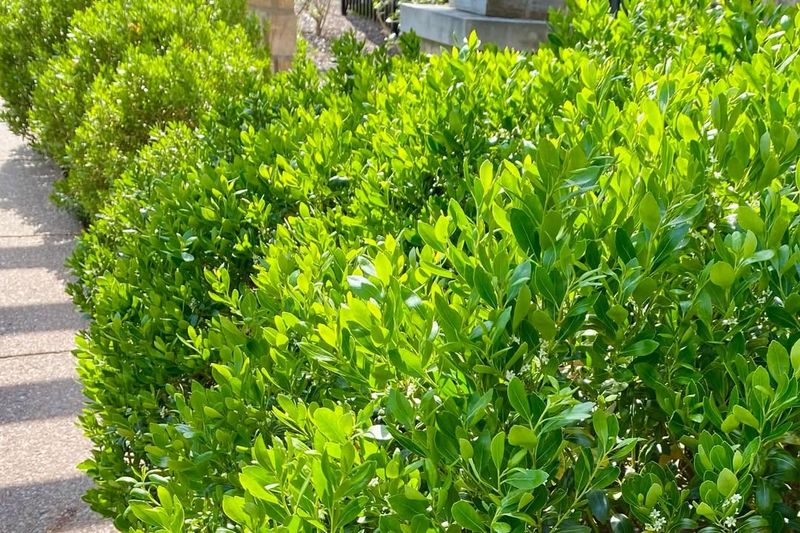
Property boundaries in Pennsylvania are taken very seriously by the courts and local authorities. When a neighbor’s shrubs or trees extend past the property line and into your yard, the law recognizes this as an encroachment.
However, Pennsylvania follows what is called the Massachusetts Rule, which gives property owners certain rights when dealing with vegetation that crosses boundaries. This legal framework has been established through various court cases over the years.
Under Pennsylvania law, you generally have the right to trim branches, roots, or shrubs that extend onto your property. But there is an important catch.
You can only cut up to the property line, and you cannot go onto your neighbor’s property to do the work.
This means you must perform all trimming from your side of the boundary. Additionally, you cannot cause harm to the overall health of the plant or tree in the process.
The law also states that you cannot force your neighbor to trim their vegetation, even if it crosses into your yard. This is your responsibility if you want it done.
Many Pennsylvania homeowners are surprised to learn that they cannot sue their neighbor to make them cut back overhanging branches in most cases.
The courts generally view this as a self-help remedy, meaning you have the power to fix the problem yourself within legal limits.
Before taking any action, it is wise to confirm the exact location of your property line. You might need to hire a surveyor if there is any doubt.
Knowing precisely where your property ends and your neighbor’s begins will protect you from potential legal disputes down the road.
2. Your Right To Trim Overhanging Vegetation
Pennsylvania homeowners do have the legal authority to trim vegetation that encroaches on their property. This right extends to branches, leaves, shrubs, and even roots that cross the boundary line.
The key is that all cutting must be done from your side of the property line. You cannot trespass onto your neighbor’s land to make the job easier, even if it would result in a cleaner cut or better appearance.
When exercising your trimming rights, you must be careful not to damage the plant or tree beyond what is necessary. Pennsylvania courts have ruled that property owners can be held liable if their trimming causes significant harm to the neighbor’s vegetation.
Your Pennsylvania Garden Changes Every Week. Your Plan Should Too.
Gardening in Pennsylvania changes quickly throughout the season. Every Friday you’ll receive a simple weekly plan showing exactly what to plant, prune, fertilize, harvest, and protect so you never miss the right timing.
For example, if you cut branches in a way that causes a tree to become unstable or unhealthy, you could face a lawsuit. The best approach is to make clean cuts and avoid removing more than necessary.
It is also important to consider the timing of your trimming. Some plants and trees are more vulnerable during certain seasons.
Trimming during active growth periods or extreme weather conditions could cause more damage than cutting during dormant seasons.
While the law does not specifically require you to wait for the best time, doing so can help you avoid accusations of causing unnecessary harm.
Many Pennsylvania residents choose to hire professional tree services or landscapers to handle the trimming. These experts know how to cut vegetation properly without causing damage.
They also understand local regulations and can ensure the work is done legally. If the overhanging vegetation is large or involves mature trees, professional help is strongly recommended for both safety and legal protection.
3. Communicating With Your Neighbor First
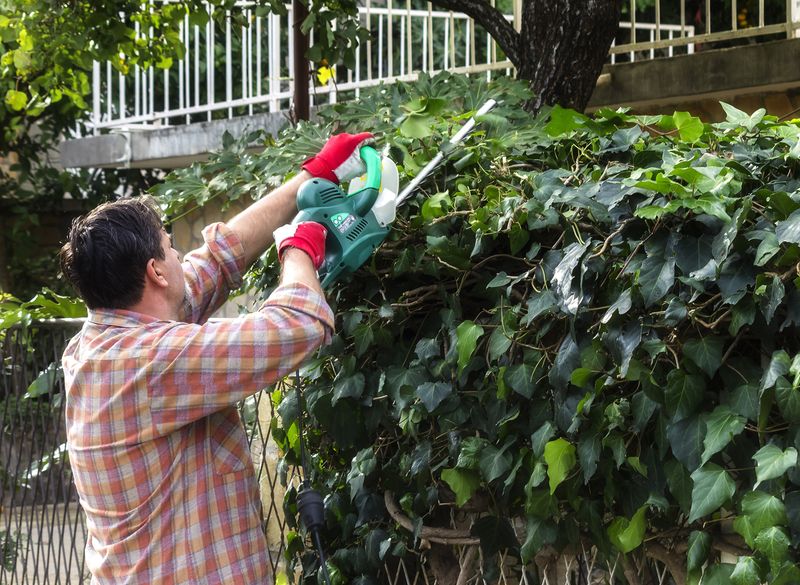
Before you start cutting anything, having a friendly conversation with your neighbor is often the smartest move.
Many property disputes in Pennsylvania could be avoided if people simply talked to each other first. Your neighbor might not even realize their shrubs are causing you problems.
They may be willing to trim the vegetation themselves once they understand the situation. This approach preserves neighborly relationships and can lead to a quicker, easier solution.
When you approach your neighbor, be polite and non-confrontational. Explain how the overhanging shrubs are affecting your property.
Maybe they are blocking sunlight to your garden, dropping debris on your lawn, or scratching your car. Be specific about the problem without being accusatory.
Most people respond better to friendly requests than demands or threats. Offering to share the cost of professional trimming can also encourage cooperation.
If your neighbor agrees to handle the trimming, set a reasonable timeframe for the work to be completed. People have busy schedules, so give them adequate time to arrange for the work.
Follow up politely if the agreed-upon date passes without action. Keep written records of your conversations, including dates and what was discussed.
If the situation ever escalates to legal action, having documentation of your attempts to resolve things amicably will work in your favor.
Sometimes neighbors refuse to cooperate or simply ignore your requests. In these cases, you still have the legal right to trim the vegetation yourself from your side of the property line.
However, attempting communication first shows good faith and can prevent the situation from becoming hostile. Pennsylvania courts appreciate when property owners make reasonable efforts to work things out before taking action.
4. When You Might Need Legal Help
Some situations involving overhanging shrubs become complicated enough that legal assistance is necessary.
If your neighbor’s vegetation is causing significant property damage, such as cracking your foundation, damaging your roof, or interfering with utility lines, you may have grounds for a lawsuit.
Pennsylvania law allows property owners to seek compensation for actual damages caused by a neighbor’s negligence in maintaining their plants. Consulting with a real estate attorney can help you understand your options.
Another scenario that might require legal intervention is when trimming the overhanging vegetation from your side is not practical or safe.
For example, if large tree branches threaten to fall on your house but you cannot safely reach them from your property, you might need a court order allowing access to your neighbor’s land.
These situations are rare, but they do happen. An attorney can help you petition the court for the necessary permissions.
If you have already trimmed vegetation and your neighbor is threatening to sue you, legal representation becomes essential. Even if you followed the law correctly, defending yourself in court requires knowledge of Pennsylvania property law and court procedures.
An experienced attorney can present evidence that your actions were legal and within your rights. They can also negotiate settlements that avoid lengthy court battles.
Pennsylvania also has local ordinances that vary by municipality. Some towns and cities have specific rules about vegetation maintenance, nuisance plants, or view obstructions.
A local attorney familiar with your area’s regulations can advise you on how these rules apply to your situation. They can also help you file complaints with local code enforcement if your neighbor’s vegetation violates municipal ordinances.
5. Avoiding Common Mistakes When Trimming
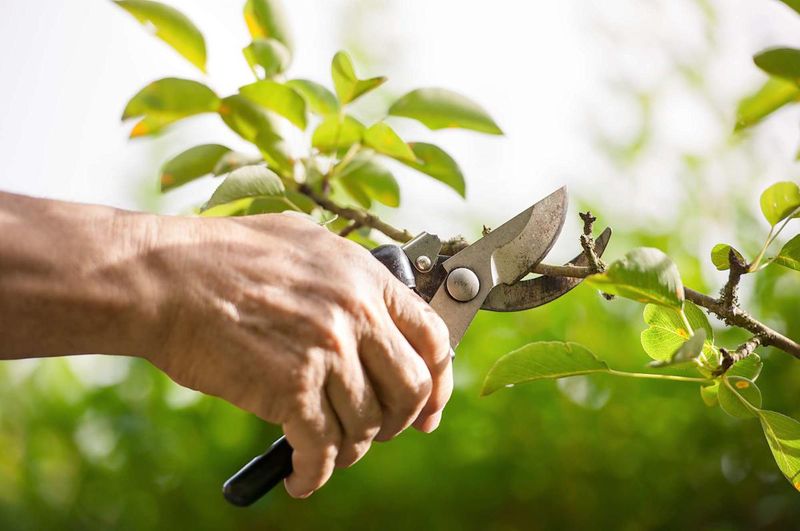
One of the biggest mistakes Pennsylvania homeowners make is cutting too aggressively. While you have the right to trim vegetation that crosses onto your property, removing too much can damage the plant and expose you to liability.
For trees, cutting large branches without proper technique can cause decay, disease, or structural instability.
Always make cuts at appropriate points, such as just outside the branch collar, to promote healthy healing. Poor cutting practices can turn a simple property maintenance task into a legal nightmare.
Another common error is disposing of the trimmed vegetation improperly. In Pennsylvania, the branches and debris you cut technically belong to your neighbor because they came from their plant.
While most neighbors will not care what you do with the trimmings, legally you should offer to return them or ask permission to dispose of them.
Throwing them back over the fence onto your neighbor’s property without permission could be considered littering or harassment.
Handle the debris responsibly by composting, recycling, or disposing of it through proper channels.
Many people also make the mistake of trimming without verifying the property line location. What you think is your property might actually belong to your neighbor.
Cutting vegetation that is entirely on their side of the line is trespassing and destruction of property. This mistake can result in lawsuits and damaged relationships.
Invest in a professional survey if there is any uncertainty about where your property ends. The small cost of a survey is much less than the potential legal fees from getting it wrong.
Finally, some homeowners trim vegetation without considering local wildlife laws. Pennsylvania has regulations protecting certain bird species during nesting season.
Cutting shrubs or trees that contain active nests can violate state and federal wildlife protection laws. Check for nests before trimming, especially during spring and early summer months.
6. Alternative Solutions To Consider
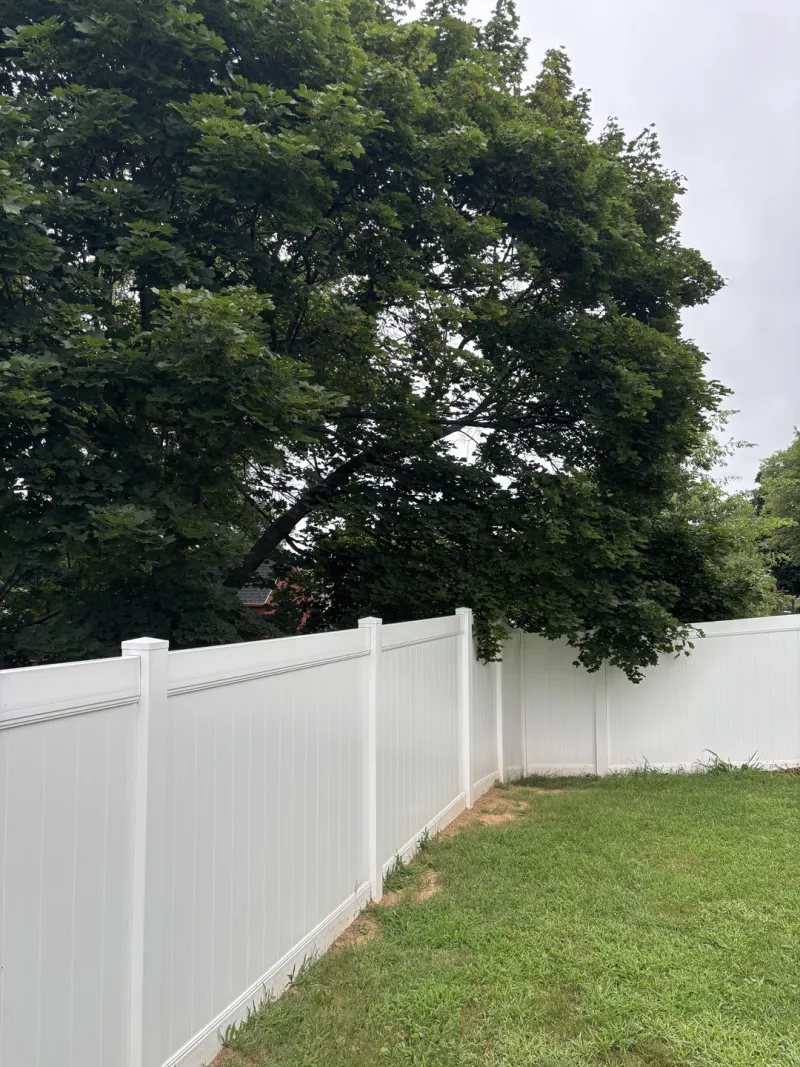
Sometimes the best solution to overhanging shrubs is not cutting them at all but finding creative alternatives.
Installing a physical barrier, such as a taller fence or hedge on your side of the property line, can block the encroaching vegetation from affecting your yard.
This approach avoids potential conflict with your neighbor while still protecting your property.
Pennsylvania has few restrictions on fence heights in most residential areas, though local ordinances may vary. Check with your municipality before installing any new structures.
Another option is to embrace the vegetation rather than fight it. If the overhanging shrubs provide shade, privacy, or aesthetic value, you might decide the benefits outweigh the inconvenience.
Some Pennsylvania homeowners work with their neighbors to maintain the shared vegetation together, creating an informal agreement that benefits both properties.
This cooperative approach can actually increase property values by creating attractive green spaces that enhance the entire neighborhood.
Mediation services offer another alternative when communication breaks down but legal action seems too extreme. Pennsylvania has community mediation centers that help neighbors resolve disputes without going to court.
A neutral mediator can facilitate productive conversations and help both parties reach mutually acceptable solutions.
Mediation is typically faster and much less expensive than litigation. It also preserves relationships better than adversarial court proceedings.
For situations involving large trees rather than shrubs, consulting with a certified arborist provides valuable perspective.
These professionals can assess whether the tree is healthy, whether trimming is advisable, and what long-term management strategies make sense.
In some cases, the arborist might recommend leaving the tree alone because cutting could cause more problems than it solves. Their expert opinion can guide your decision-making and provide documentation if disputes arise later.