The Trick For Stronger Seedlings Pennsylvania Gardeners Swear By
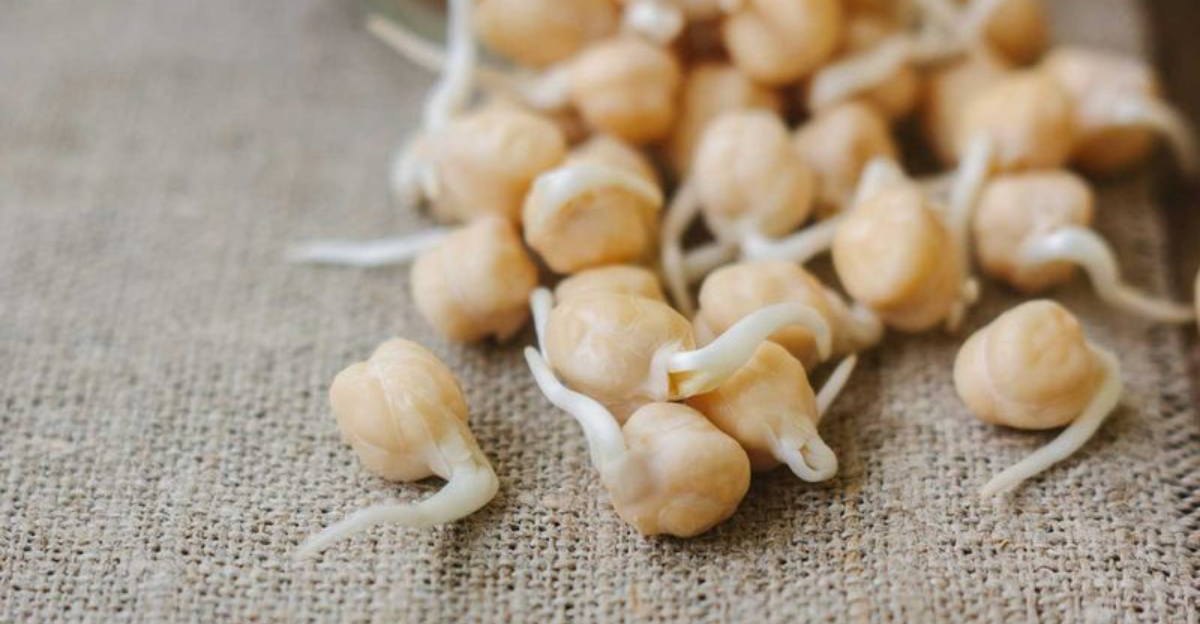
Starting seeds indoors is one of the best ways to get a head start on your Pennsylvania garden. But there’s a clever trick that can make it even more effective: pre-sprouting.
Wondering what that means? Pre-sprouting (also called pre-germinating) simply means getting your seeds to sprout before you plant them in soil.
It’s a super easy process that helps you spot which seeds are healthy, saves time during germination, and gives your plants a stronger, faster start.
With Pennsylvania’s unpredictable early spring weather, this method gives gardeners more control and boosts success, especially for slow starters like peppers or spinach.
Plus, it’s a satisfying way to watch life begin right in your own home. Whether you’re a new gardener or just looking to level up your seed-starting game, learning how and why to pre-sprout your seeds could change the way you grow.
1. Understanding What Pre-Sprouting Really Means
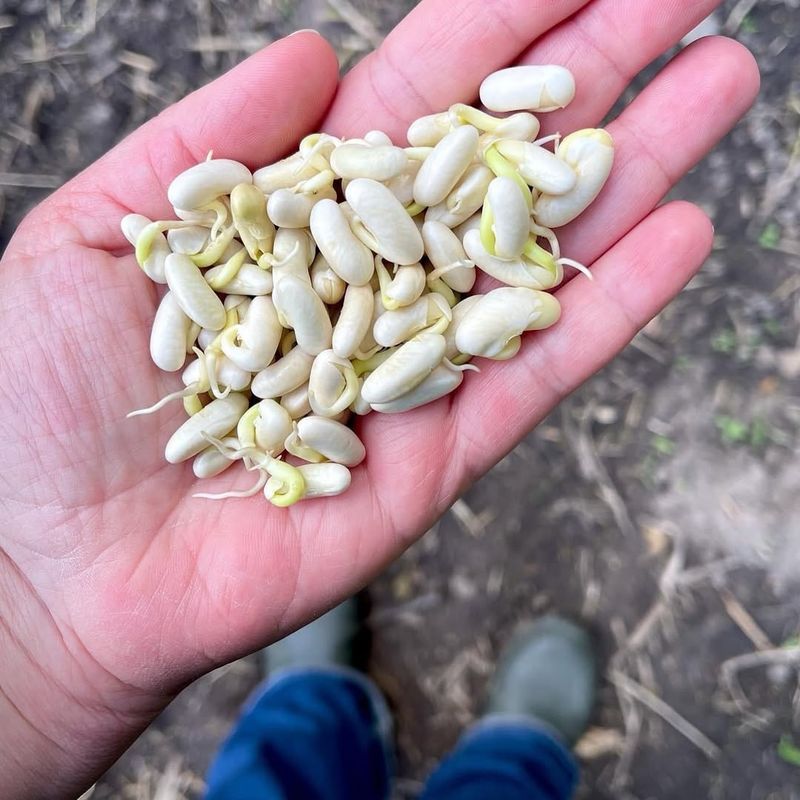
Pre-sprouting is the process of starting seeds in a controlled environment before planting them in soil. You place seeds on a damp paper towel, cloth, or in a shallow container with water until they begin to crack open and show tiny roots.
This happens indoors, where you can monitor conditions closely. The goal is to get seeds to germinate faster and more reliably than they would in the ground.
Once the seeds sprout, you carefully transfer them to soil or growing medium. This method is sometimes called pre-germination or chitting.
Pennsylvania gardeners benefit from pre-sprouting because it eliminates uncertainty. You know exactly which seeds are alive and ready to grow before you waste time and space in your garden.
This is especially helpful with older seed packets or seeds you saved from last season. Instead of waiting a week or more for seeds to emerge from the soil, you can see results in just a few days.
Pre-sprouting also helps you time your planting more accurately, which matters in Pennsylvania where the last frost date varies from mid-April in the southeast to late May in the northern mountains.
The technique works best for larger seeds like beans, peas, squash, cucumbers, and corn. Smaller seeds like lettuce or carrots can be trickier to handle once sprouted.
Many Pennsylvania gardeners use pre-sprouting for warm-season crops that need consistent heat to germinate, such as tomatoes, peppers, and melons.
By starting these seeds indoors with pre-sprouting, you give them the warmth they crave without relying on unpredictable outdoor soil temperatures.
The process is simple, requires minimal equipment, and can dramatically improve your germination rates and overall garden success.
2. Why Pre-Sprouting Saves Time And Effort
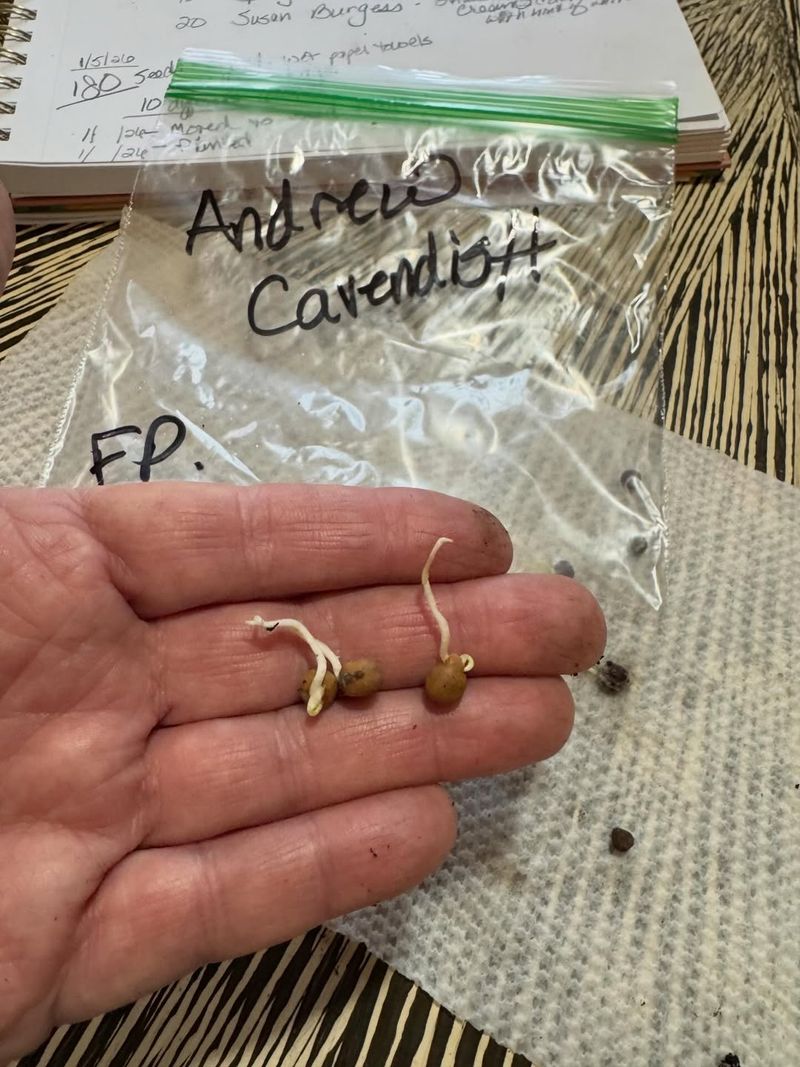
Time is precious during Pennsylvania’s short growing season, and pre-sprouting helps you make the most of it. When you plant seeds directly in the ground, they can take anywhere from three days to three weeks to germinate, depending on the variety and conditions.
Pre-sprouting cuts that waiting period significantly. You can see viable seeds sprouting within two to five days in most cases.
This means you can transplant ready seedlings into your garden much sooner, giving them extra growing time before the first fall frost arrives.
Your Pennsylvania Garden Changes Every Week. Your Plan Should Too.
Gardening in Pennsylvania changes quickly throughout the season. Every Friday you’ll receive a simple weekly plan showing exactly what to plant, prune, fertilize, harvest, and protect so you never miss the right timing.
Pre-sprouting also saves effort by reducing wasted space and resources. If you plant ten seeds in the ground and only six germinate, you’ve used soil, water, and garden space inefficiently.
With pre-sprouting, you know exactly how many seeds are viable before planting. You can then place only the sprouted seeds in your garden, ensuring every spot is filled with a healthy seedling.
This is particularly useful in Pennsylvania, where garden space might be limited in urban areas like Philadelphia or Harrisburg, or where soil preparation takes considerable work in rocky or clay-heavy regions.
Another time-saving advantage is that pre-sprouting allows you to start seeds indoors during cold or wet weather. Pennsylvania springs can be rainy and chilly, making outdoor planting difficult or impossible for weeks.
By pre-sprouting indoors, you bypass these weather challenges. Once the seeds have sprouted and outdoor conditions improve, you can transplant them immediately.
This gives you a jump on the season without having to wait for perfect weather. The result is stronger plants that mature earlier, which means you can harvest vegetables and enjoy flowers sooner than your neighbors who plant seeds directly.
3. Gathering Your Pre-Sprouting Supplies
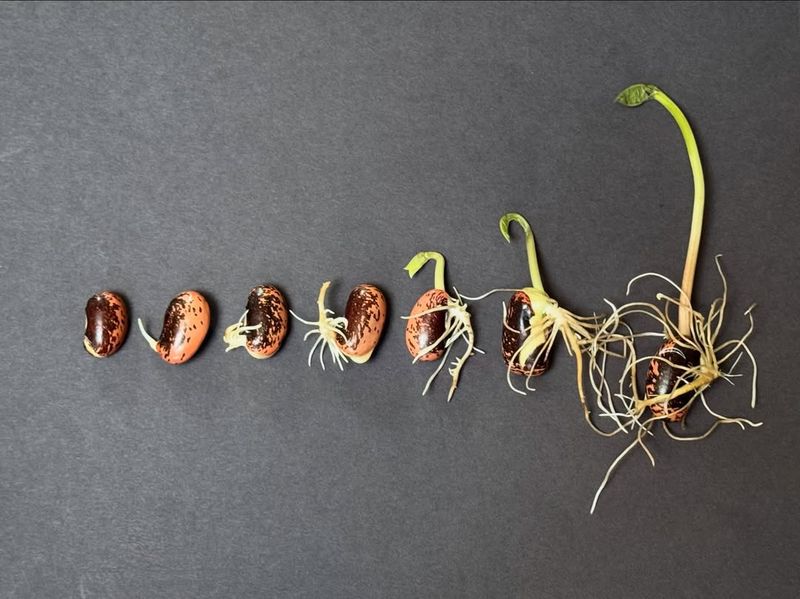
You don’t need fancy equipment to pre-sprout seeds successfully. Most of the supplies are already in your home.
Start with paper towels, which are perfect for holding moisture without getting soggy. You can also use clean cloth napkins, coffee filters, or even newspaper.
The key is choosing a material that stays damp but allows air circulation. Avoid anything that might develop mold or break down too quickly. Paper towels are the most popular choice because they’re disposable and easy to monitor.
Next, you’ll need shallow containers or plates to hold your seeds and damp material. Plastic food containers with lids work well, as do ziplock bags, small glass dishes, or even ceramic plates covered with plastic wrap.
The container should be clean and large enough to spread seeds out without crowding. Crowded seeds can tangle their roots together, making transplanting difficult.
Make sure whatever you choose can be sealed or covered to maintain humidity while still allowing some air exchange to prevent mold growth.
You’ll also need water, preferably at room temperature or slightly warm. Cold water can slow germination, while very hot water can damage seeds.
Some Pennsylvania gardeners like to use filtered or distilled water to avoid chlorine, but tap water usually works fine. A spray bottle is handy for keeping paper towels moist without oversaturating them.
Finally, gather your seed packets and a marker to label your containers. Organization matters when you’re sprouting multiple varieties.
Keep everything in a warm spot in your Pennsylvania home, like on top of the refrigerator or near a heating vent. Room temperature between 70 and 80 degrees Fahrenheit is ideal for most seeds.
4. Step-By-Step Pre-Sprouting Instructions
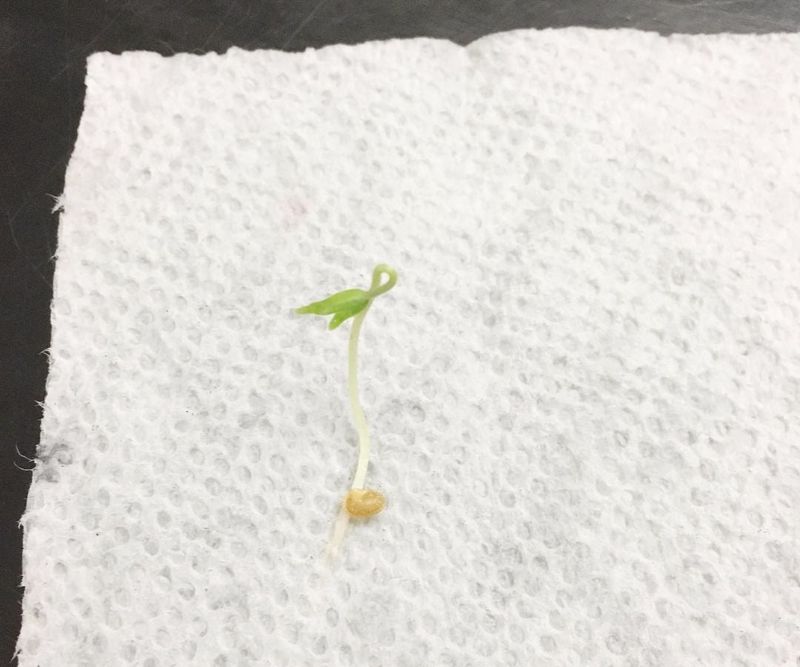
Begin by dampening your paper towel or cloth until it’s moist but not dripping wet. Wring out excess water so the material is evenly damp.
Lay the paper towel flat on your plate or inside your container. Spread your seeds across the damp surface, leaving space between each one.
Don’t pile them on top of each other. If you’re sprouting different varieties, use separate containers or clearly mark different sections. This prevents confusion later when you’re ready to plant.
Once your seeds are arranged, cover them with another layer of damp paper towel. This creates a moisture sandwich that keeps seeds hydrated from both sides.
Then cover the entire setup with a lid, plastic wrap, or place it inside a ziplock bag. Leave the bag slightly open or poke a few small holes in the plastic wrap to allow air circulation.
Too much trapped moisture can lead to mold, which is a problem even in Pennsylvania’s relatively moderate climate.
Place your container in a warm location away from direct sunlight. Seeds don’t need light to germinate, but they do need consistent warmth.
Check your seeds daily. Lift the cover and inspect for sprouting, which looks like tiny white roots poking out of the seed coat.
Also check the moisture level. If the paper towel feels dry, mist it lightly with your spray bottle.
Most seeds will begin sprouting within two to seven days, depending on the variety. Tomatoes and peppers might take a bit longer, while beans and squash sprout quickly.
Once you see roots that are about a quarter inch long, your seeds are ready to plant. Handle them gently by the seed coat, never by the delicate root, and transplant them into soil immediately for best results.
5. Choosing The Right Seeds For Pre-Sprouting
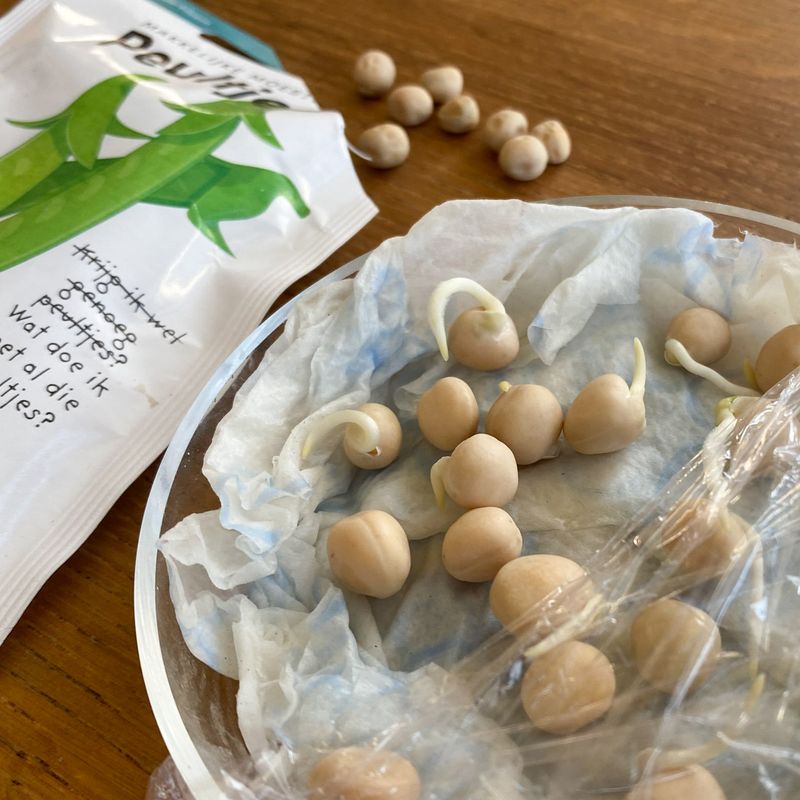
Not all seeds respond equally well to pre-sprouting. Large seeds with hard coats are excellent candidates.
Beans, peas, corn, squash, cucumbers, and melons all pre-sprout beautifully. These seeds have enough stored energy to push out a strong root quickly, and their size makes them easy to handle during transplanting.
Pennsylvania gardeners often pre-sprout these warm-season crops to get around the state’s unpredictable spring temperatures. Starting them indoors ensures they germinate in ideal conditions rather than cold, damp soil.
Tomatoes, peppers, and eggplants also pre-sprout well, though their seeds are smaller and require more careful handling.
These nightshade family plants need warmth to germinate, sometimes taking two weeks or more in cool soil. Pre-sprouting speeds up the process considerably.
Once sprouted, you can plant them in seed-starting mix indoors and grow them under lights until Pennsylvania’s outdoor conditions are safe. This gives you sturdy transplants ready to go into the garden after the last frost date.
Very small seeds like lettuce, carrots, or herbs can be pre-sprouted, but they’re more challenging. Their tiny roots are fragile and difficult to transplant without damage.
Many gardeners prefer to direct-sow these seeds instead. Also avoid pre-sprouting seeds that have special germination requirements, like those needing cold stratification or scarification.
Stick with straightforward varieties when you’re learning the technique. Pennsylvania favorites like zucchini, green beans, and sunflowers are perfect for beginners.
As you gain confidence, you can experiment with trickier seeds. Always use fresh, high-quality seeds for best results, and remember that older seeds may take longer to sprout or have lower germination rates even with pre-sprouting.
6. Transplanting Pre-Sprouted Seeds Successfully
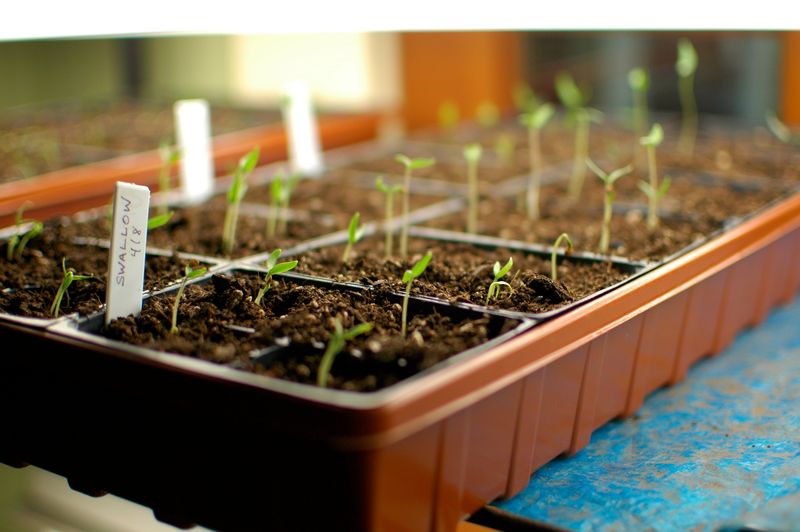
Transplanting pre-sprouted seeds requires a gentle touch and proper timing. Wait until the root is about one-quarter to one-half inch long.
If roots grow too long, they become tangled and fragile, making transplanting difficult. Prepare your planting location before you remove seeds from their sprouting setup.
This minimizes the time sprouted seeds spend out of a moist environment. Fill seed trays, pots, or garden beds with quality potting mix or well-prepared garden soil.
Pennsylvania soils vary widely, so amend heavy clay with compost or peat moss to improve drainage and make transplanting easier.
Use a small tool like a pencil or your finger to make a shallow hole in the soil, about twice as deep as the seed is long. Carefully lift the sprouted seed by holding the seed coat, never pulling on the delicate root.
Place the seed in the hole with the root pointing downward. If the root has curved, don’t try to straighten it.
Gently cover the seed with soil, leaving just the top of the seed coat visible or barely covered. Firm the soil lightly around the seed to ensure good contact, but don’t pack it down hard.
Water immediately after transplanting using a gentle spray or mist. Strong streams of water can dislodge the seed or damage the tiny root.
Keep the soil consistently moist but not waterlogged for the first few days. If you’re transplanting outdoors in Pennsylvania, watch the weather forecast.
Protect young seedlings from late frosts, heavy rain, or strong winds. If you’re transplanting into containers indoors, place them in a warm, bright location or under grow lights.
Most seedlings will push through the soil surface within a few days, and you’ll see your first leaves soon after.
7. Avoiding Common Pre-Sprouting Mistakes
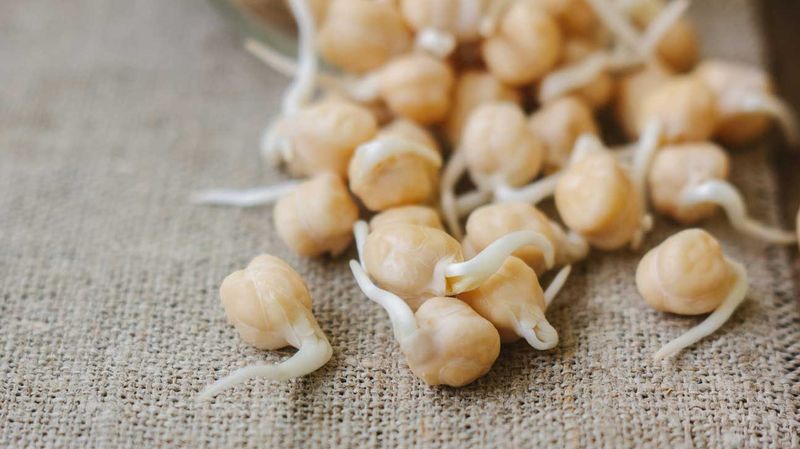
Even though pre-sprouting is straightforward, several common mistakes can reduce your success rate. The biggest error is letting seeds dry out.
Seeds need constant moisture to germinate, and even a few hours of dryness can halt the process or damage emerging roots. Check your setup at least once daily, and mist with water whenever the paper towel feels less than damp.
Pennsylvania homes can be dry, especially during winter or when heating systems are running, so stay vigilant about moisture levels. Another mistake is using too much water. Seeds need moisture, not swimming pools.
If your paper towel is dripping wet or seeds are sitting in standing water, they can rot or develop fungal problems. The paper towel should be damp like a wrung-out sponge.
Also avoid sealing containers too tightly. Seeds need oxygen to germinate, and completely airtight conditions can suffocate them or encourage mold growth.
Leave a small opening in ziplock bags or poke holes in plastic wrap to maintain air circulation.
Temperature errors are also common. Seeds germinate best between 70 and 80 degrees Fahrenheit.
Placing them in a cold room or near a drafty window in Pennsylvania’s chilly spring can slow or stop germination. Conversely, putting them in direct sunlight or on a very hot surface can overheat and damage seeds.
Find a consistently warm spot without extreme temperature swings. Finally, don’t wait too long to transplant.
Once roots emerge, seeds need to get into soil quickly. Roots that grow too long become fragile and tangled.
Transplant as soon as roots are one-quarter to one-half inch long for best results and strongest seedlings.
8. Benefits Of Pre-Sprouting For Pennsylvania Gardens
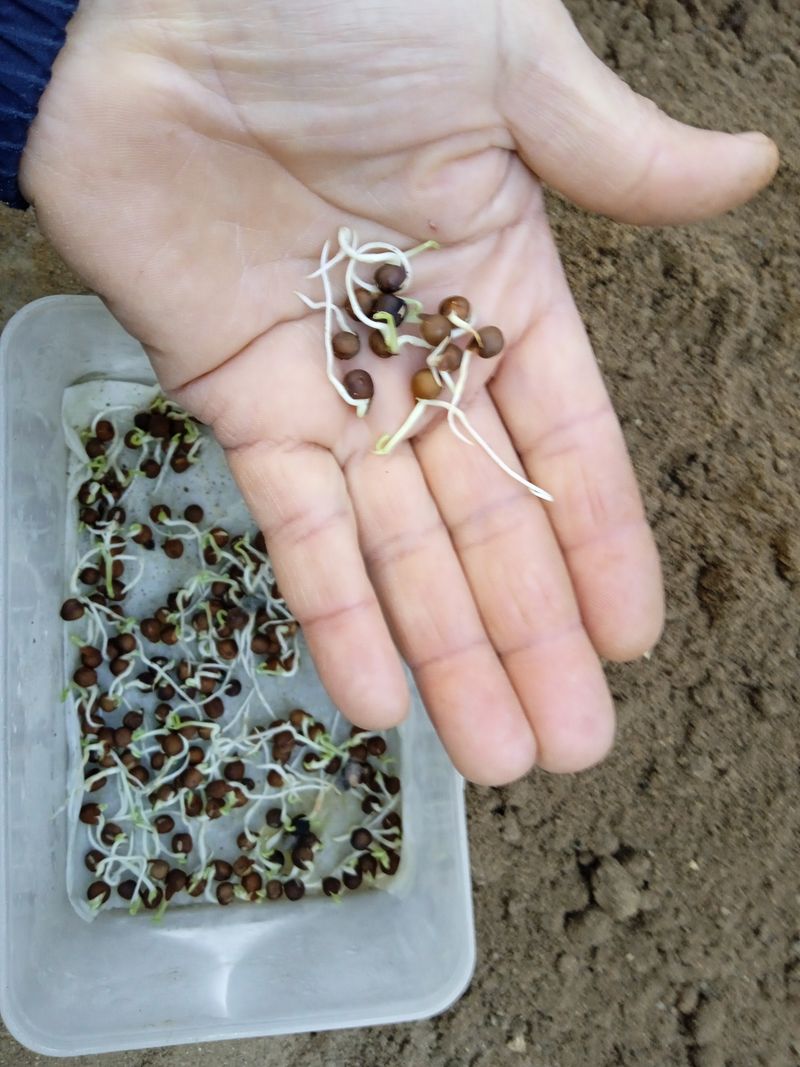
Pre-sprouting offers specific advantages for Pennsylvania’s unique growing conditions. The state stretches across multiple climate zones, from the warmer southeastern counties to the cooler northern mountains.
This means planting times and growing seasons vary significantly. Pre-sprouting allows you to start seeds indoors regardless of outdoor conditions, then transplant when your specific area is ready.
This flexibility helps you maximize your growing season no matter where in Pennsylvania you garden.
Pennsylvania’s unpredictable spring weather makes pre-sprouting especially valuable. Late frosts, cold snaps, and extended rainy periods can delay outdoor planting by weeks.
By pre-sprouting indoors, you keep your planting schedule on track. Your seeds germinate in ideal conditions while you wait for better weather outside.
Once conditions improve, you transplant vigorous seedlings rather than vulnerable seeds. This gives you a significant head start and often results in earlier harvests of vegetables like tomatoes, peppers, and squash.
Pre-sprouting also helps with Pennsylvania’s variable soil conditions. Many areas have heavy clay soil that stays cold and wet in spring, creating poor germination conditions.
Other regions have rocky or sandy soils that dry out quickly. Pre-sprouting lets you bypass these soil challenges during the critical germination phase.
You ensure seeds get the moisture and warmth they need, then transplant them into improved soil once they’re already growing. This technique is particularly helpful for gardeners dealing with problem soils or those just starting to build soil health.
The result is healthier plants, better germination rates, and more productive gardens throughout the growing season in Pennsylvania.