Should You Start Seeds Indoors During Winter In Pennsylvania?
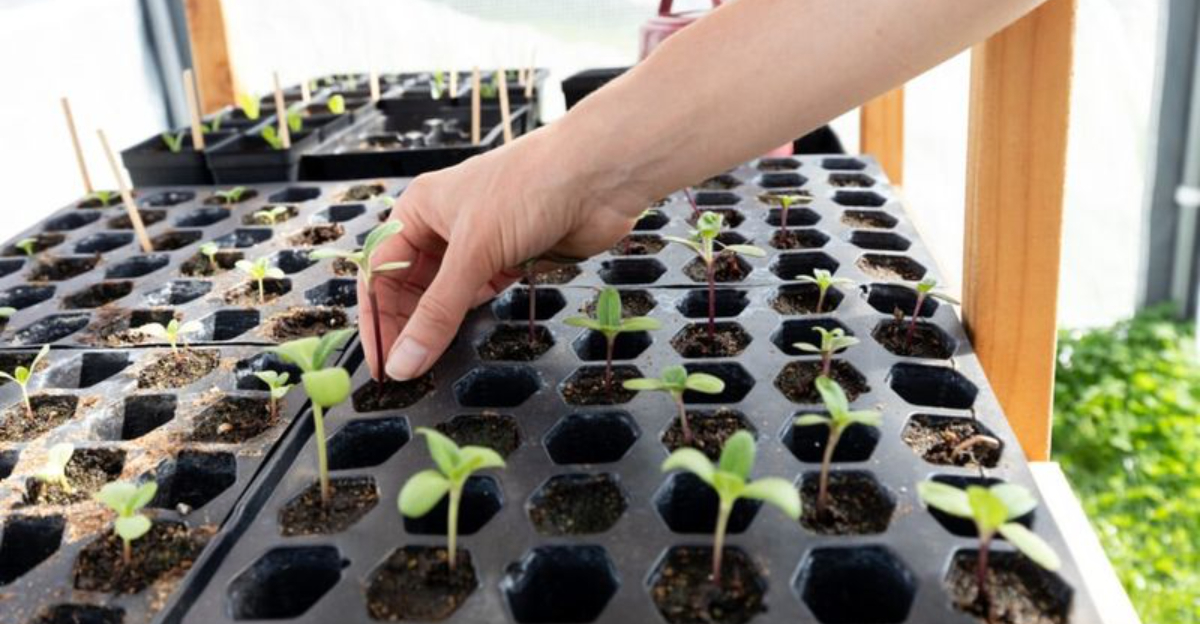
When winter rolls around in Pennsylvania, most people think gardening season is on pause. But that’s not always true.
If you’re eager to get a jumpstart on your spring planting, starting seeds indoors during the winter might be the perfect move. Is it worth it?
The answer depends on what you’re growing and how prepared you are. Some plants, like tomatoes, peppers, and herbs, need a long head start to thrive once they’re moved outdoors.
Starting them early indoors can mean earlier harvests and stronger plants. Plus, there’s something satisfying about seeing green sprouts while snow is still on the ground.
But timing, light, and space all matter. Starting too early, or without the right setup, can lead to leggy, weak seedlings.
So how do you know when and how to start? Let’s find out.
1. Why Pennsylvania Gardeners Consider Starting Seeds In Winter
Pennsylvania’s climate presents unique challenges that make indoor seed starting an attractive option for many gardeners. The state sits in USDA hardiness zones 5 through 7, which means the last spring frost can arrive as late as mid-May in some areas.
This late frost date shortens the outdoor growing season significantly, especially for heat-loving crops that need several months to mature and produce.
When you start seeds indoors during winter, you’re essentially extending your growing season by giving plants a jumpstart before the weather outside cooperates.
Gardeners across Pennsylvania have discovered that starting seeds indoors in January, February, or early March can make the difference between a successful harvest and disappointing results.
Tomatoes, for example, need about 6 to 8 weeks of indoor growth before they’re ready to transplant outside.
If you wait until after the last frost to plant seeds directly in the ground, you might not see ripe tomatoes until late summer or early fall. By starting indoors during winter, you can have strong, established plants ready to go into the garden as soon as conditions allow.
The head start benefits go beyond just timing. Plants started indoors develop stronger root systems and more robust stems before facing outdoor conditions.
They have time to grow in a controlled environment where temperature, light, and moisture are consistent. This early growth period helps them establish quickly once transplanted, leading to earlier flowering and fruiting.
For Pennsylvania gardeners dealing with unpredictable spring weather and a relatively short frost-free period, this advantage can transform the entire growing season.
Many local gardeners consider winter seed starting an essential practice rather than an optional hobby, especially for crops that struggle to mature in Pennsylvania’s climate when direct-seeded outdoors.
2. The Benefits Of Starting Seeds Indoors Early
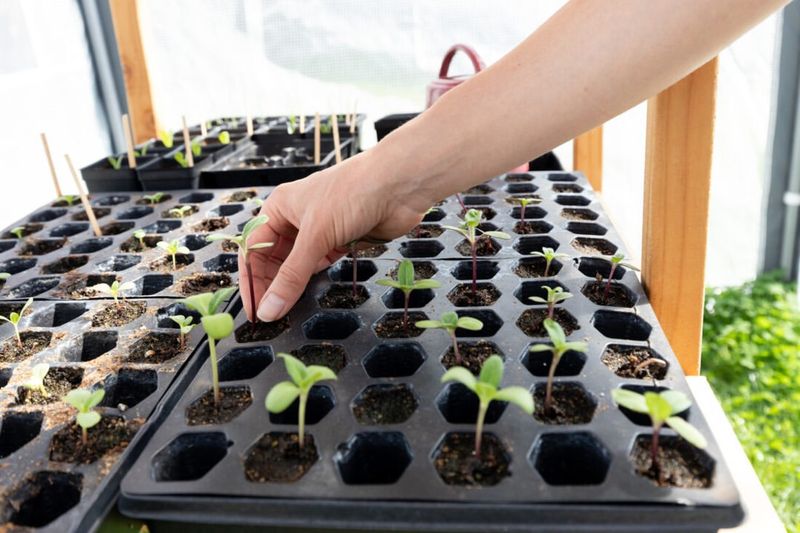
Starting seeds indoors early delivers multiple advantages that go far beyond simply having plants ready sooner. One of the biggest benefits is the development of stronger, healthier plants.
When seeds germinate in a controlled indoor environment, they aren’t exposed to harsh weather, pests, or diseases that can weaken or damage young seedlings outdoors.
You control the temperature, moisture, and light levels, which means each plant gets exactly what it needs during its most vulnerable early stages.
Your Pennsylvania Garden Changes Every Week. Your Plan Should Too.
Gardening in Pennsylvania changes quickly throughout the season. Every Friday you’ll receive a simple weekly plan showing exactly what to plant, prune, fertilize, harvest, and protect so you never miss the right timing.
This careful nurturing results in seedlings with thick stems, deep green leaves, and vigorous root systems that transplant well and adapt quickly to outdoor conditions.
Earlier harvests are another compelling reason Pennsylvania gardeners embrace indoor seed starting. By beginning your seeds in late winter, you can have transplants ready to go into the garden immediately after the last frost date.
This timing allows warm-season crops like tomatoes, peppers, and eggplants to start producing weeks earlier than they would if planted from seed outdoors.
In Pennsylvania, where summer can feel frustratingly short, those extra weeks of production can mean the difference between a few ripe tomatoes and baskets full of them.
You’ll be enjoying homegrown vegetables while your neighbors who planted later are still waiting for their first blooms.
Cost savings add up quickly when you start your own seeds indoors. A single seedling at a garden center might cost two to four dollars, but a packet of seeds containing 25 or more seeds costs about the same or less.
If you grow even a dozen tomato plants, you’ll save significant money compared to buying transplants. You also gain access to a much wider variety of plants.
Garden centers typically stock only a few common varieties, but seed catalogs offer hundreds of options, including heirloom varieties, unusual colors, and disease-resistant strains.
This variety lets you customize your garden to your exact preferences and growing conditions in Pennsylvania.
3. The Downsides And Common Mistakes
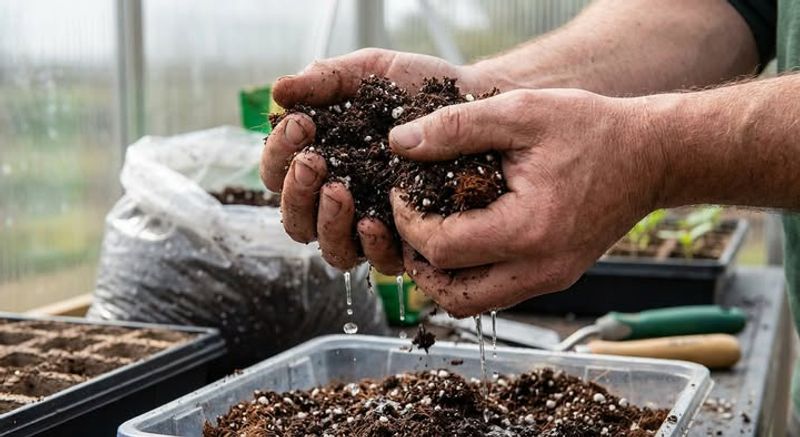
While starting seeds indoors offers many benefits, it also comes with challenges that can frustrate beginners and experienced gardeners alike. One of the most common problems is leggy seedlings, which develop when plants don’t receive enough light.
Seedlings stretch toward any available light source, resulting in tall, thin, weak stems that flop over easily. This happens frequently when gardeners rely solely on windowsill light during Pennsylvania’s cloudy winter months.
Even a bright south-facing window often doesn’t provide the intensity or duration of light that seedlings need. Leggy seedlings struggle to transition outdoors and may never fully recover, leading to poor performance throughout the growing season.
Lighting issues extend beyond just insufficient brightness. Many gardeners make the mistake of placing grow lights too far from seedlings or not running them long enough each day.
Seedlings need 12 to 16 hours of bright light daily, positioned just a few inches above the plants. Without proper lighting setup, even expensive grow lights won’t prevent stretching and weak growth.
Temperature problems also plague indoor seed starting efforts. Seeds and seedlings have specific temperature requirements, and Pennsylvania homes often have fluctuating indoor temperatures during winter.
Too cold, and seeds won’t germinate; too warm, and seedlings grow too quickly and become weak.
Overcrowding represents another frequent mistake that undermines success. Excited gardeners often plant too many seeds in each container or space seed trays too closely together.
Crowded seedlings compete for light, air circulation, and nutrients, which weakens all the plants. Poor air circulation also increases the risk of damping off, a fungal disease that causes seedlings to suddenly collapse and wither.
Overwatering compounds these problems, as soggy soil creates perfect conditions for fungal growth. Many beginners water too frequently or don’t ensure proper drainage in their containers.
Getting the balance right requires attention and practice, and mistakes in these areas can waste time, money, and effort during the winter seed starting season in Pennsylvania.
4. What Seeds Actually Do Well When Started In Winter
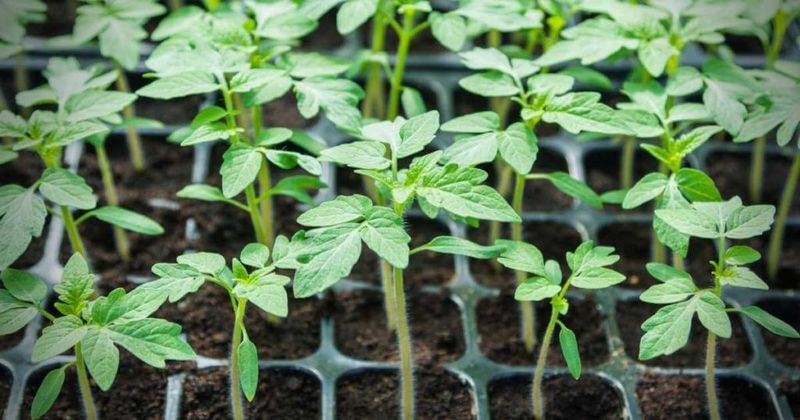
Not all plants benefit from indoor winter seed starting, but certain vegetables, herbs, and flowers thrive with this approach in Pennsylvania. Tomatoes top the list as the most popular crop for indoor starting.
These warm-season plants need a long growing season to produce fruit, typically 6 to 8 weeks of indoor growth before transplanting.
Starting tomato seeds indoors in late February or early March gives Pennsylvania gardeners the best chance of enjoying ripe tomatoes by midsummer.
Both determinate and indeterminate varieties do well with this method, and the wide selection of tomato seeds available makes indoor starting even more appealing.
Peppers are another excellent choice for winter seed starting. Bell peppers, hot peppers, and sweet peppers all require even longer indoor growing time than tomatoes, often 8 to 10 weeks before transplanting.
These plants are particularly sensitive to cold and need warm soil and air temperatures to grow well. Starting them indoors during winter ensures they have sufficient time to develop strong root systems and begin setting fruit once moved outside.
In Pennsylvania’s climate, peppers started indoors in mid-February will be ready for transplanting in mid to late May, giving them the full summer to produce.
Herbs like basil, parsley, and cilantro respond beautifully to indoor winter starting. Basil especially benefits from this approach since it’s extremely frost-sensitive and needs warm conditions.
Starting basil seeds indoors 6 weeks before the last frost date gives you robust plants ready to transplant or even harvest from indoors. Annual flowers such as petunias, marigolds, zinnias, and snapdragons also do exceptionally well when started indoors.
These flowers need 6 to 8 weeks of growth before transplanting, and starting them in winter means you’ll have blooming plants ready to add color to your Pennsylvania garden as soon as the weather warms.
Slower-growing flowers like begonias and impatiens need even more time, sometimes 10 to 12 weeks, making winter starting essential for enjoying them during the summer months.
5. Basic Setup For Successful Indoor Seed Starting
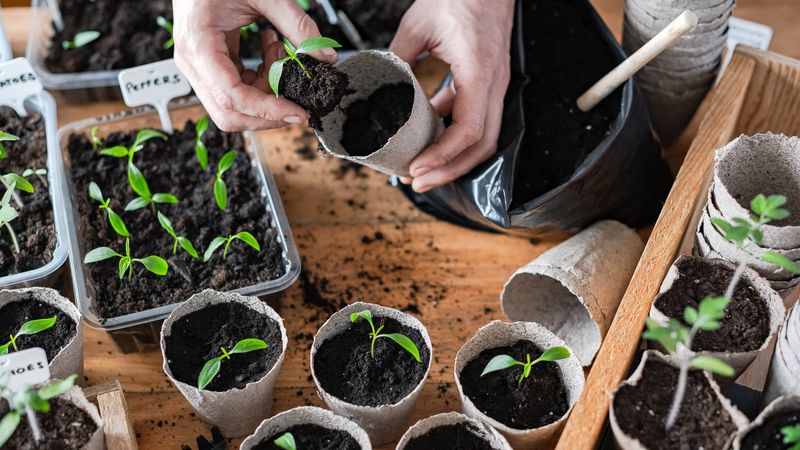
Creating the right setup for indoor seed starting doesn’t require a huge investment, but having the proper equipment makes success much more likely for Pennsylvania gardeners. Lighting is the most critical component.
While windowsills might seem sufficient, Pennsylvania’s winter days are short and often cloudy, providing inadequate light for healthy seedling growth. Invest in full-spectrum LED grow lights or fluorescent shop lights designed for plants.
Position these lights 2 to 4 inches above your seedlings and run them for 14 to 16 hours daily. Adjustable light fixtures that can be raised as plants grow are ideal. This investment pays off in stronger, stockier seedlings that transplant successfully.
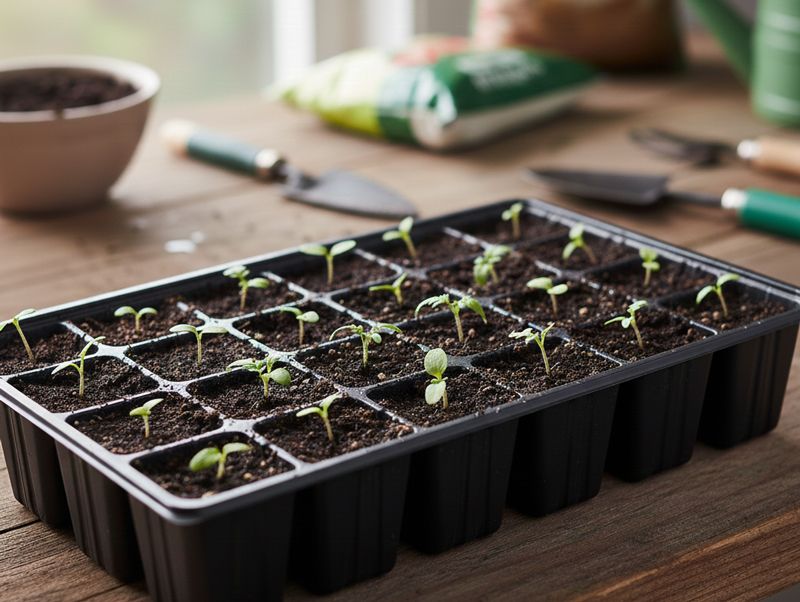
Container selection matters more than many beginners realize. You can use purchased seed starting trays, recycled yogurt cups, egg cartons, or any container with drainage holes.
The key is ensuring water can escape so roots don’t sit in soggy soil. Cell packs with individual compartments work well because they make transplanting easier and reduce root disturbance.
Whatever containers you choose, make sure they’re clean to prevent disease problems. Soil choice is equally important.
Don’t use regular garden soil or potting soil for seed starting. Instead, use a sterile seed starting mix, which is lighter, finer, and specifically formulated for germination.
These mixes drain well while retaining moisture, and they’re free of weed seeds and pathogens that can harm delicate seedlings.
Watering technique can make or break your seed starting success in Pennsylvania. Seeds and seedlings need consistent moisture but not waterlogged conditions.
Water from the bottom by placing trays in shallow water and letting the soil absorb moisture through drainage holes, or water gently from above using a spray bottle or watering can with a fine rose. Check moisture daily by touching the soil surface.
Many gardeners in Pennsylvania use humidity domes or plastic wrap over trays until seeds germinate to maintain consistent moisture levels. Once seedlings emerge, remove covers to improve air circulation and prevent fungal problems.
A small fan running nearby helps strengthen stems and prevents disease by keeping air moving around your plants.
6. When And How To Move Seedlings Outdoors Safely
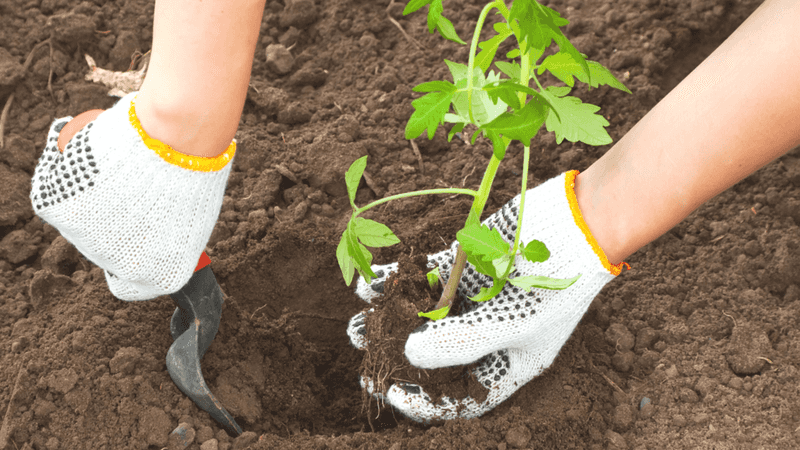
Moving seedlings from the protected indoor environment to the unpredictable outdoors is one of the most critical steps in the seed starting process for Pennsylvania gardeners. This transition must be handled carefully through a process called hardening off.
Hardening off gradually acclimates seedlings to outdoor conditions including direct sunlight, wind, temperature fluctuations, and lower humidity levels.
Without this transition period, seedlings experience shock that can stunt growth, damage leaves, or even result in plant loss.
Begin hardening off about 7 to 10 days before your planned transplant date, which should be after the last expected frost date for your area of Pennsylvania.
Start the hardening off process by placing seedlings outdoors in a sheltered, shaded spot for just an hour or two on the first day. Choose a mild day without strong wind or extreme temperatures.
Bring plants back indoors before conditions become harsh. Gradually increase outdoor time each day while slowly introducing more direct sunlight.
By the end of the week, seedlings should be spending full days and eventually nights outside in their permanent location. Watch weather forecasts carefully during this period, and be prepared to bring plants back inside if temperatures drop unexpectedly.
Pennsylvania’s spring weather can be unpredictable, with warm days followed by sudden cold snaps, so flexibility is important.
Frost timing varies across Pennsylvania depending on your specific location. Northern areas typically see last frost dates around mid-May, while southern regions may be frost-free by late April.
Check local frost date information for your county to plan appropriately. Even after the last frost date passes, wait for soil to warm adequately before transplanting heat-loving crops like tomatoes and peppers.
Cold soil slows growth and can stress plants. When transplanting, choose a cloudy day or transplant in the evening to reduce stress.
Water seedlings well before and after transplanting. Handle root balls gently, and plant at the appropriate depth for each crop type.
Tomatoes can be planted deeper than they grew in containers, which encourages additional root development along the buried stem.
Monitor newly transplanted seedlings closely for the first week, providing shade if needed and ensuring consistent moisture as they establish in Pennsylvania’s garden soil.