California Homeowners Are Ditching These 10 Popular Plants To Save Water
Water is precious in California, and gardeners are paying attention. Many popular plants use a lot of water and struggle in dry conditions.
Over time, more homeowners are choosing to remove thirsty plants and replace them with smarter, drought-friendly options.
If you’ve ever watched a sprinkler run longer than you wanted, or worried about summer water bills, you’re not alone. Plants that need constant watering can be frustrating and expensive, especially during drought seasons.
California’s climate demands choices that work with less water, not against it. Swapping out high-need plants can free up time, lower bills, and make your garden more resilient when rains are light.
Get to know what’s being dropped, and why, so it can help you make better choices for your own landscape.
1. Traditional Lawn Grass (Turfgrass)
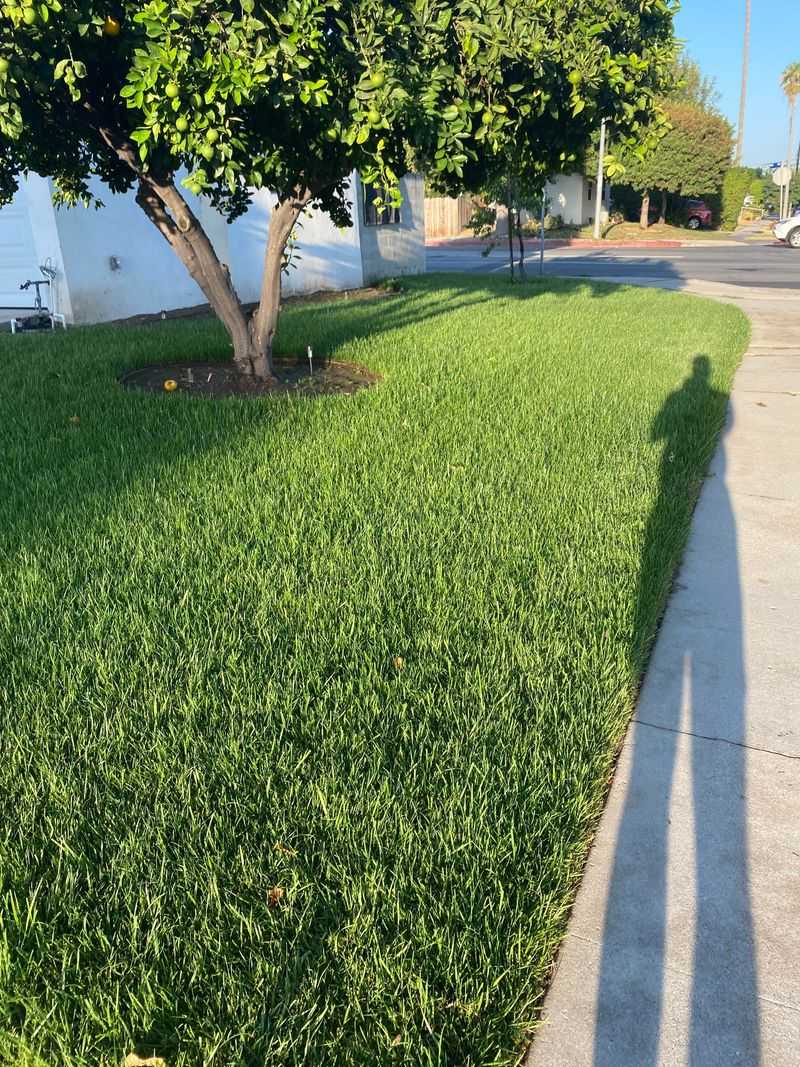
Your summer water bill spikes every year, and most of that cost comes from keeping grass green through July and August.
Conventional turf demands consistent irrigation even during drought restrictions, making it the single thirstiest feature in most California landscapes.
Homeowners planted lawns for decades because they looked clean, uniform, and welcoming. Kids played on them, dogs ran across them, and neighbors expected them.
But maintaining that emerald carpet requires about one to two inches of water weekly during peak heat, far exceeding what drought-tolerant groundcovers need.
Inland valleys face the worst struggles. Full sun exposure and triple-digit temperatures force homeowners to water daily or watch brown patches spread.
Coastal areas deal with less heat but still face mandatory watering schedules that leave grass crunchy and discolored by late summer.
Water districts now offer turf removal rebates because lawns consume nearly half of residential outdoor water use statewide.
Families are responding by ripping out grass and installing permeable hardscapes, decomposed granite pathways, and low-water native groundcovers like yarrow or sedges.
The shift feels dramatic at first, but most homeowners report lower maintenance, reduced costs, and landscapes that stay attractive year-round without constant attention or guilt during water shortages.
2. Hydrangea (Hydrangea macrophylla)
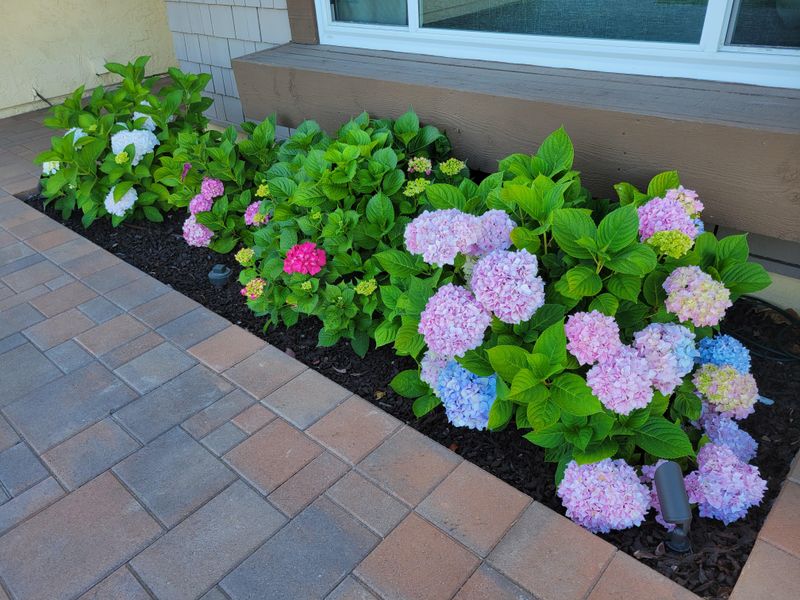
Wilted leaves by mid-afternoon signal a plant struggling to keep up with California heat and limited watering schedules. Hydrangeas became garden staples because their showy blooms and lush foliage create instant cottage-garden charm.
Homeowners loved the big, colorful flower clusters that brightened shady corners and entryways.
But these plants originated in moist, temperate climates with regular rainfall and high humidity. California’s dry summers and inconsistent irrigation leave them stressed and droopy.
They need deep watering several times weekly during warm months, far more than most drought-tolerant shrubs require.
Coastal gardens fare slightly better thanks to marine moisture, but inland areas see hydrangeas suffer badly. Full sun exposure causes leaf scorch, and even partial shade doesn’t eliminate their heavy water demands.
Brown edges and stunted blooms become common as homeowners try to stretch watering days.
Families are pulling them out and choosing California natives like coffeeberry or toyon, which offer year-round interest, support local wildlife, and thrive on minimal supplemental water once established.
Your California Garden Changes Every Week. Your Plan Should Too.
Gardening in California changes quickly throughout the season. Every Friday you’ll receive a simple weekly plan showing exactly what to plant, prune, fertilize, harvest, and protect so you never miss the right timing.
Others opt for Mediterranean shrubs such as lavender or rosemary that handle heat and drought naturally.
The trade-off means fewer giant blooms but dramatically lower water bills and healthier, more resilient landscapes that don’t wilt between irrigation cycles or guilt you during water restrictions.
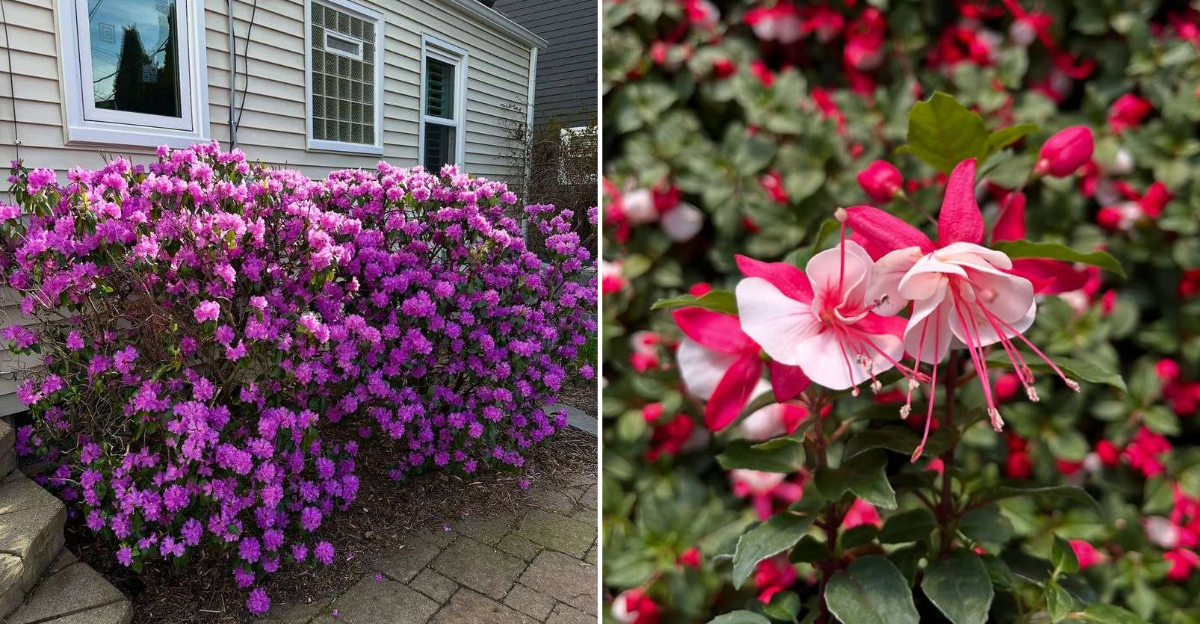
3. Azalea (Rhododendron spp.)
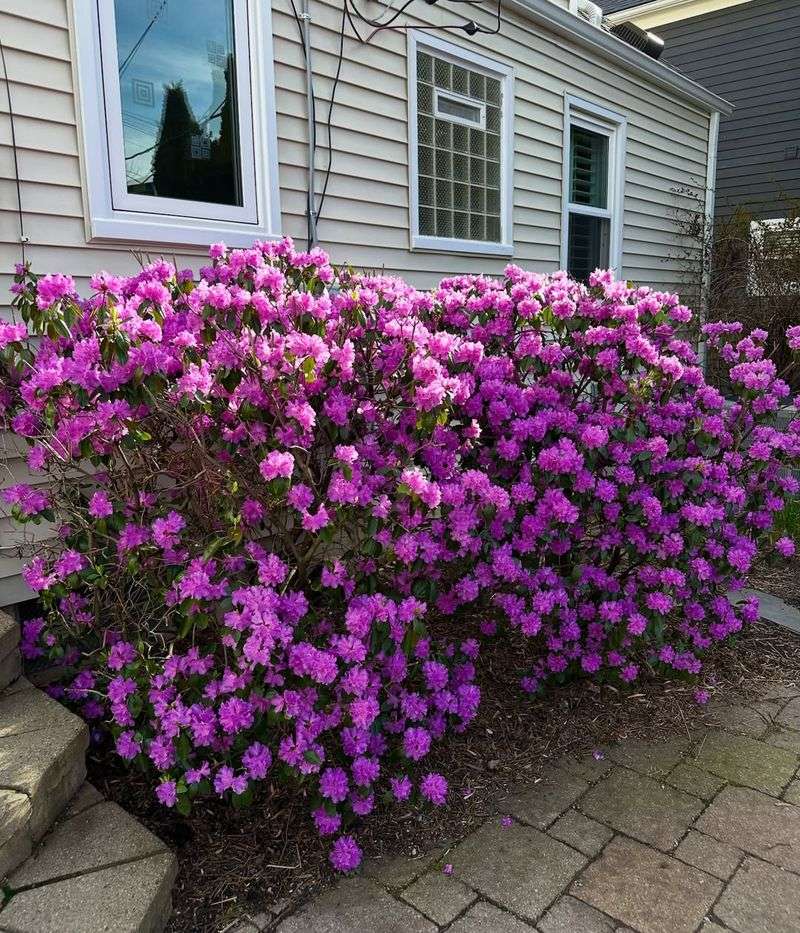
Yellowing leaves and stunted spring blooms frustrate homeowners who expected vibrant color from their foundation plantings.
Azaleas became popular because their vivid flowers transform landscapes each spring, and their compact size fits neatly along walkways and under windows.
These acid-loving shrubs evolved in humid forests with consistent moisture and cool temperatures. California’s alkaline soils, dry air, and hot summers create constant challenges.
Azaleas demand frequent watering, acidic soil amendments, and protection from afternoon sun, making them high-maintenance choices for water-conscious gardens.
Coastal microclimates support them better than inland heat zones, but even mild areas face summer water limits that leave azaleas stressed.
Their shallow root systems dry out quickly, and missed watering days result in crispy leaf edges and bud drop before blooms fully open.
Homeowners are replacing them with native currants, manzanitas, or ceanothus varieties that bloom beautifully without special soil treatments or constant irrigation. These alternatives handle California’s natural dry season, support pollinators, and maintain attractive foliage year-round.
The switch reduces time spent adjusting soil pH, wrestling with irrigation timers, and worrying about whether your shrubs will survive the next heat wave.
Lower-water plants simply perform better in California’s real climate conditions, delivering reliable beauty without the fuss or water waste.
4. Camellia (Camellia japonica)
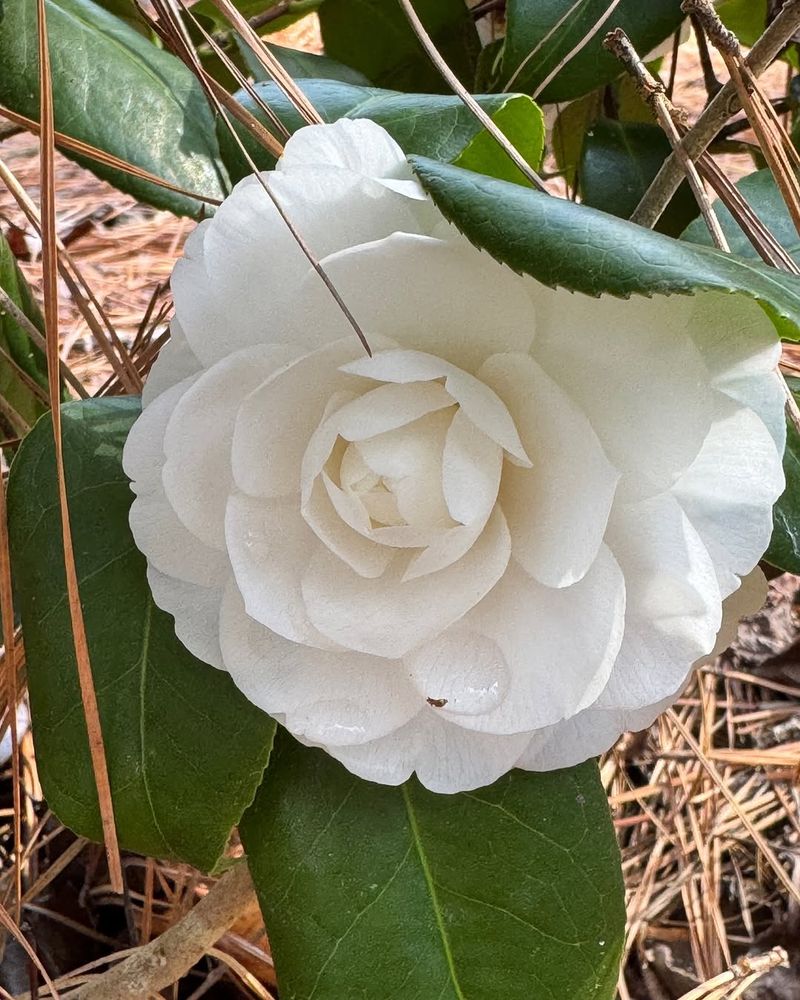
Bud drop before flowers fully open disappoints homeowners who planted camellias for their elegant winter blooms and glossy evergreen leaves.
These ornamental shrubs became landscape favorites because they flower during cooler months when most gardens look dormant, adding unexpected color and sophistication.
Camellias thrive in regions with mild temperatures, acidic soil, and reliable rainfall. California’s variable conditions challenge them, especially in areas with hard water, alkaline soil, and prolonged dry spells.
They need consistent moisture year-round, even outside their blooming season, to develop healthy buds and maintain foliage quality.
Coastal gardeners see better results thanks to fog and moderate temperatures, but inland valleys struggle. Hot, dry winds and temperature swings cause buds to abort before opening.
Even with regular watering, camellias often show leaf yellowing from soil pH issues and stress from inconsistent moisture.
Families are choosing native shrubs like California lilac or flannel bush that bloom reliably without fussy soil requirements or heavy irrigation. Others select Mediterranean options such as rockrose or grevillea that handle heat, drought, and alkaline conditions naturally.
The result is less frustration over dropped buds, lower water use, and landscapes that match California’s climate instead of fighting it.
Plants adapted to local conditions simply look better, bloom more consistently, and require far less intervention to stay healthy and attractive throughout the year.
5. Impatiens (Impatiens walleriana)
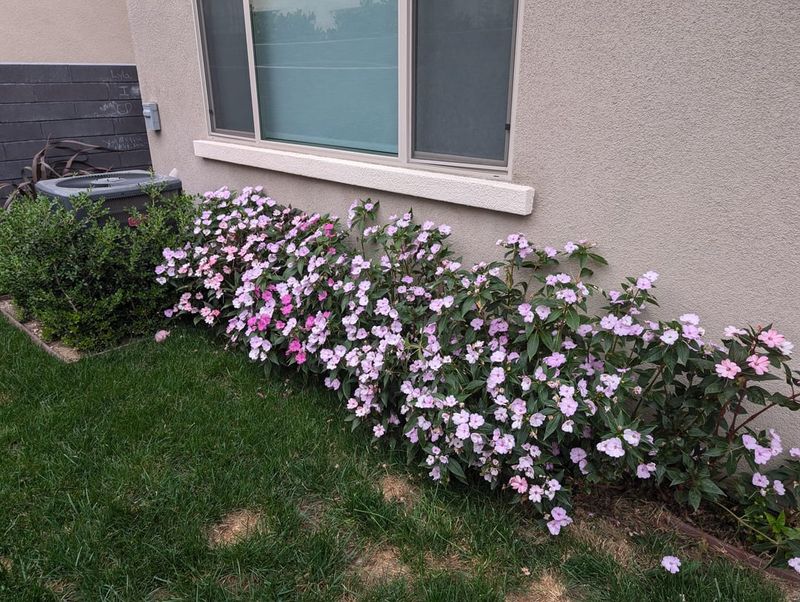
Shriveled plants by lunchtime reveal how poorly some shade annuals handle California’s dry heat and limited watering windows.
Impatiens became go-to bedding plants because they bloom continuously in shade, offering bright pops of color under trees and along north-facing walls where few other flowers thrive.
But these tropical annuals originated in humid environments with frequent rainfall. They have succulent stems that wilt rapidly when soil dries out, demanding daily watering during warm weather.
In California’s Mediterranean climate, that level of irrigation becomes unsustainable, especially under drought restrictions that limit watering to specific days.
Even in coastal shade gardens, impatiens struggle during dry stretches. Inland heat makes them nearly impossible to keep alive without excessive water use.
Their shallow roots can’t access deeper moisture, so they depend entirely on surface irrigation that evaporates quickly in low humidity.
Homeowners are switching to drought-tolerant shade options like native coral bells, Douglas iris, or trailing verbena that handle dry periods without collapsing.
These alternatives establish deeper root systems, tolerate missed watering days, and often self-seed or spread naturally, reducing replanting costs.
The change means fewer wilted plants, less frequent watering, and shade gardens that stay colorful through summer without constant intervention.
Lower-water annuals and perennials simply match California’s climate better, delivering reliable performance without the daily stress of keeping thirsty tropicals alive.
6. Petunias (Petunia × hybrida)
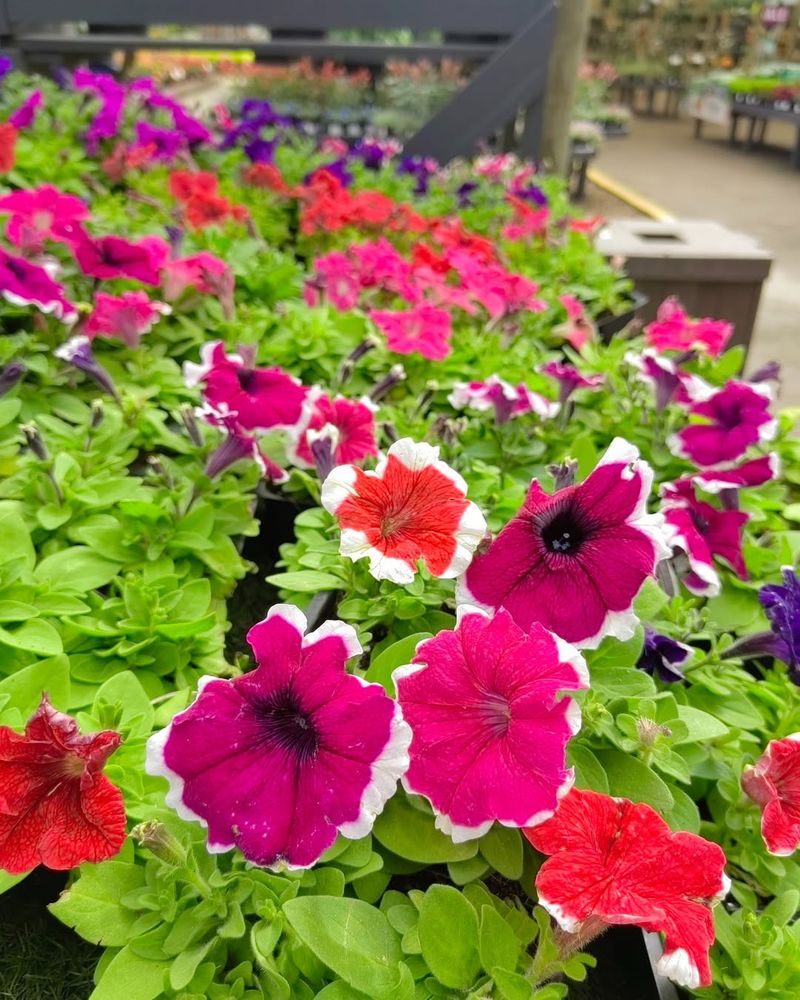
Crispy brown edges and sparse blooms by August show how summer heat and water limits affect popular bedding annuals.
Petunias became landscape staples because they flower prolifically in full sun, offering vibrant colors for borders, containers, and mass plantings that create instant curb appeal.
These annuals perform beautifully in regions with regular summer rainfall and moderate temperatures. California’s hot, dry summers and irrigation restrictions leave them struggling.
Petunias need consistent moisture and frequent feeding to maintain continuous blooms, making them high-input plants that demand resources many homeowners no longer want to spend.
Coastal gardens extend their bloom period slightly, but inland heat causes petunias to decline rapidly after June. Their shallow root systems dry out quickly, and missed watering days result in stunted growth and faded flowers.
By late summer, most petunia beds look tired and patchy despite regular care.
Families are replacing them with low-water perennials like California fuchsia, salvia, or penstemon that bloom for months without replanting or heavy irrigation.
These alternatives establish deeper roots, tolerate heat naturally, and often attract hummingbirds and butterflies, adding ecological value beyond just color.
The shift reduces annual replanting costs, lowers water consumption, and creates landscapes that stay vibrant through fall without constant deadheading or fertilizing.
Perennials adapted to California conditions simply outperform thirsty annuals, delivering better long-term beauty with far less effort and resource investment.
7. Fuchsia (Fuchsia magellanica)
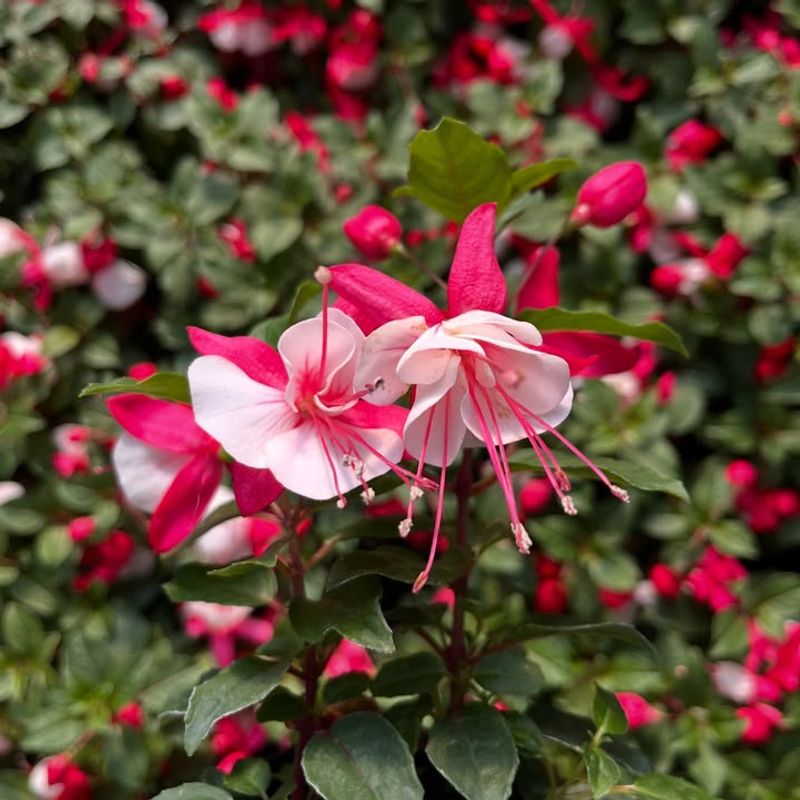
Dropped flowers and limp branches by afternoon reveal how sensitive some shade plants are to California’s dry air and heat spikes.
Fuchsias became beloved for their exotic, dangling blooms that add elegance to hanging baskets and shaded patios, attracting hummingbirds with their tubular flowers.
These plants evolved in cool, moist mountain regions with high humidity and consistent rainfall. California’s low humidity and warm, dry summers stress them badly.
Fuchsias need frequent watering, cool temperatures, and protection from hot winds to bloom well, making them demanding choices for water-limited landscapes.
Coastal microclimates offer the best conditions, but even there, fuchsias suffer during heat waves and dry spells. Inland gardens find them nearly impossible to maintain without daily watering and misting.
Their thin leaves lose moisture rapidly, causing wilting and leaf drop that diminishes their ornamental appeal.
Homeowners are choosing native hummingbird plants like California fuchsia or red-flowering currant that tolerate heat and drought while still attracting pollinators.
These alternatives bloom reliably without misting, daily watering, or shade cloth, fitting naturally into California’s climate patterns.
The result is less time spent nursing delicate plants and more energy enjoying gardens that thrive naturally.
Lower-water alternatives still bring hummingbirds and color but do so without the constant vigilance fuchsias demand, making gardening more rewarding and sustainable in California’s real-world conditions.
8. English Ivy (Hedera helix)
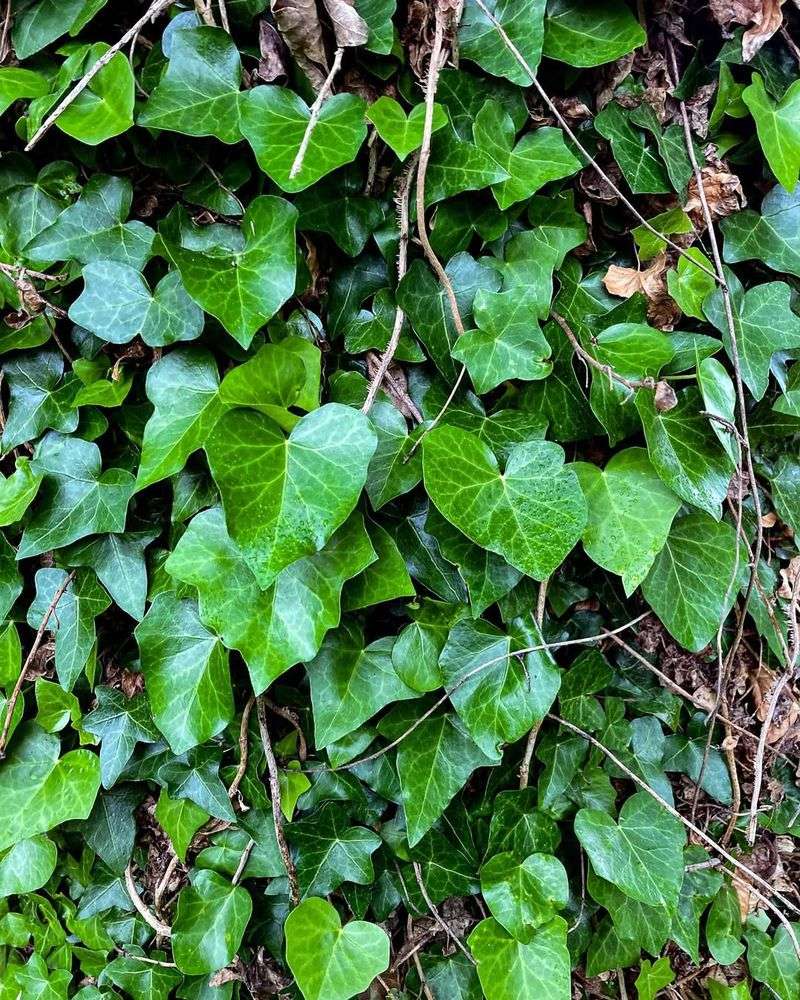
Brown patches spreading through once-lush groundcover show how even aggressive plants struggle when water becomes scarce.
English ivy became a popular solution for covering slopes, filling bare spots under trees, and creating evergreen carpets that required little maintenance once established.
This vigorous vine thrives in cool, moist climates with regular rainfall. California’s dry summers and irrigation limits slow its growth and cause dieback, especially in full sun or inland heat.
While ivy tolerates some drought, it needs supplemental water to maintain the dense, green coverage homeowners expect.
Beyond water use, English ivy poses ecological problems. It escapes cultivation easily, smothering native plants and climbing trees where it damages bark and creates fire hazards.
Many California communities now discourage or ban its planting because of its invasive behavior and negative impact on local ecosystems.
Homeowners are replacing it with native groundcovers like wild strawberry, native bunch grasses, or low-growing ceanothus that stabilize slopes naturally, need minimal water, and support local wildlife.
These alternatives prevent erosion effectively without the ecological risks or water demands of ivy.
The change improves habitat quality, reduces water use, and eliminates the ongoing battle to keep ivy from invading trees and neighboring properties.
Native groundcovers simply perform better in California landscapes, offering beauty and function without the environmental costs or maintenance headaches of invasive species.
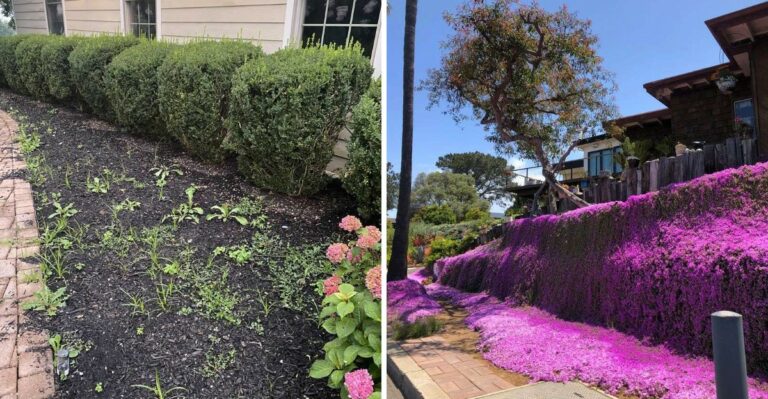
9. Boxwood (Buxus sempervirens)
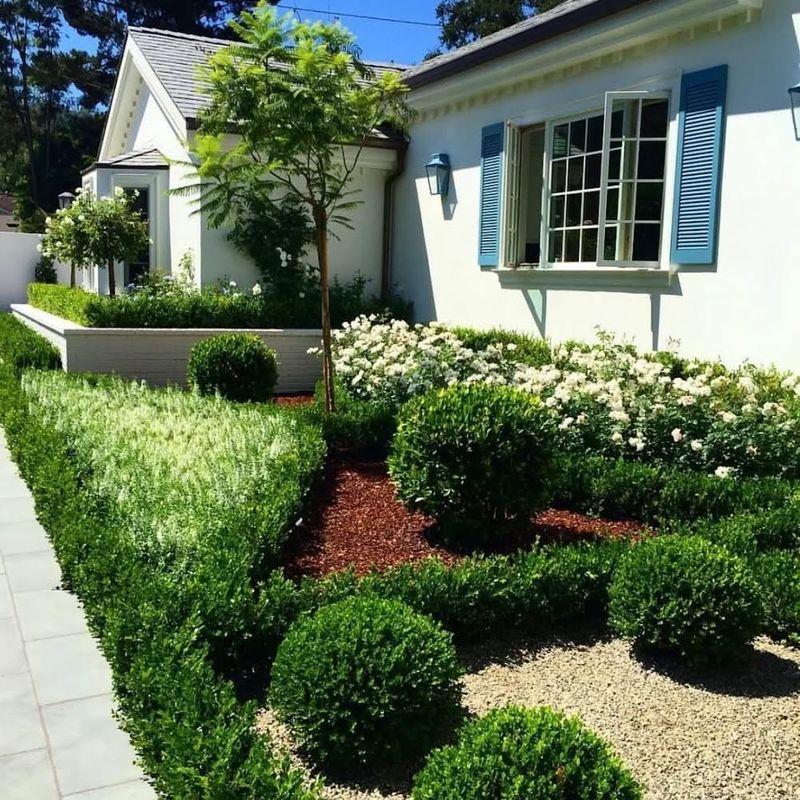
Bronzed foliage and thinning branches reveal how formal hedge plants struggle with California’s heat and water restrictions.
Boxwood became a landscape staple because its dense, evergreen foliage creates clean, sculptural hedges and topiaries that define garden spaces with classic elegance.
These shrubs originated in European woodlands with cool temperatures, consistent moisture, and mild summers. California’s hot, dry conditions stress them significantly.
Boxwood needs regular watering, protection from intense sun, and well-draining yet moisture-retentive soil, requirements that conflict with drought-conscious gardening practices.
Coastal areas support boxwood better than inland valleys, but even moderate climates see stress during extended dry periods.
Heat causes foliage to bronze or yellow, and water restrictions prevent the consistent moisture boxwood needs to maintain its signature dense growth.
Pests and diseases also increase when plants are drought-stressed.
Families are switching to native shrubs like coyote brush or California bay laurel that tolerate heat, require minimal irrigation, and can be shaped into hedges without constant pampering.
Mediterranean alternatives like myrtle or Italian buckthorn also offer formal structure with far lower water needs.
The transition preserves garden structure while dramatically reducing irrigation demands and maintenance time.
Plants adapted to California’s climate simply look healthier, stay greener through summer, and require less intervention to maintain the clean, manicured appearance homeowners want without the water waste or constant care.
10. Rhododendron (Rhododendron spp.)
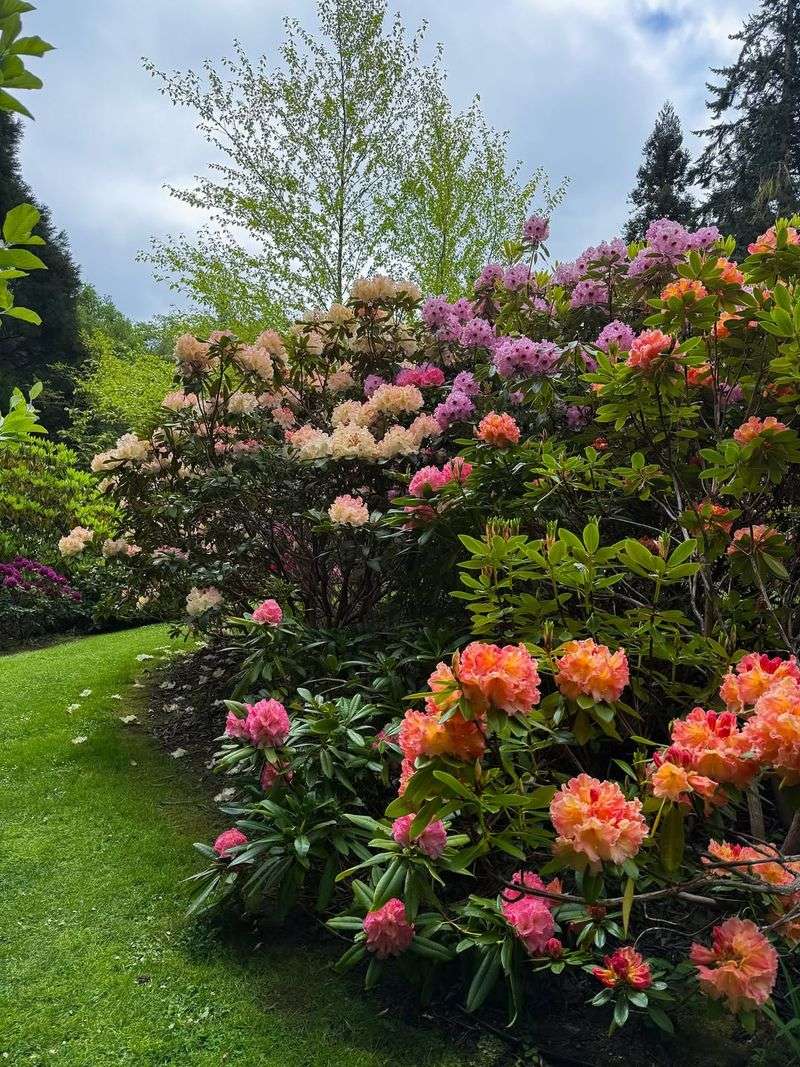
Leaf scorch and poor spring blooms frustrate homeowners who expected showy flowers from their shade plantings.
Rhododendrons became popular because their large, colorful flower clusters create dramatic spring displays, and their evergreen foliage provides year-round structure in woodland-style gardens.
These shrubs evolved in cool, humid mountain forests with acidic soil and regular rainfall. California’s alkaline soils, low humidity, and dry summers create hostile conditions.
Rhododendrons need consistent moisture, acidic soil amendments, and protection from heat and wind, making them resource-intensive choices for water-conscious landscapes.
Coastal fog belts offer the best conditions, but even there, rhododendrons struggle during dry years. Inland gardens find them nearly impossible to maintain without excessive watering and soil modification.
Their shallow, fibrous roots dry out quickly, and drought stress causes bud failure and leaf damage that diminishes their ornamental value.
Homeowners are choosing native alternatives like Pacific wax myrtle, toyon, or Western redbud that bloom beautifully without special soil treatments or heavy irrigation.
These plants handle California’s natural conditions, support local ecosystems, and maintain attractive foliage through dry seasons.
The switch eliminates frustration over failed blooms, reduces water bills, and creates landscapes that thrive naturally.
Plants adapted to California’s climate simply perform better, delivering reliable beauty without the constant amendments, irrigation adjustments, and worry that high-maintenance exotics demand in conditions they were never meant to tolerate.