These Are The Best Seeds To Start Indoors In Pennsylvania This February
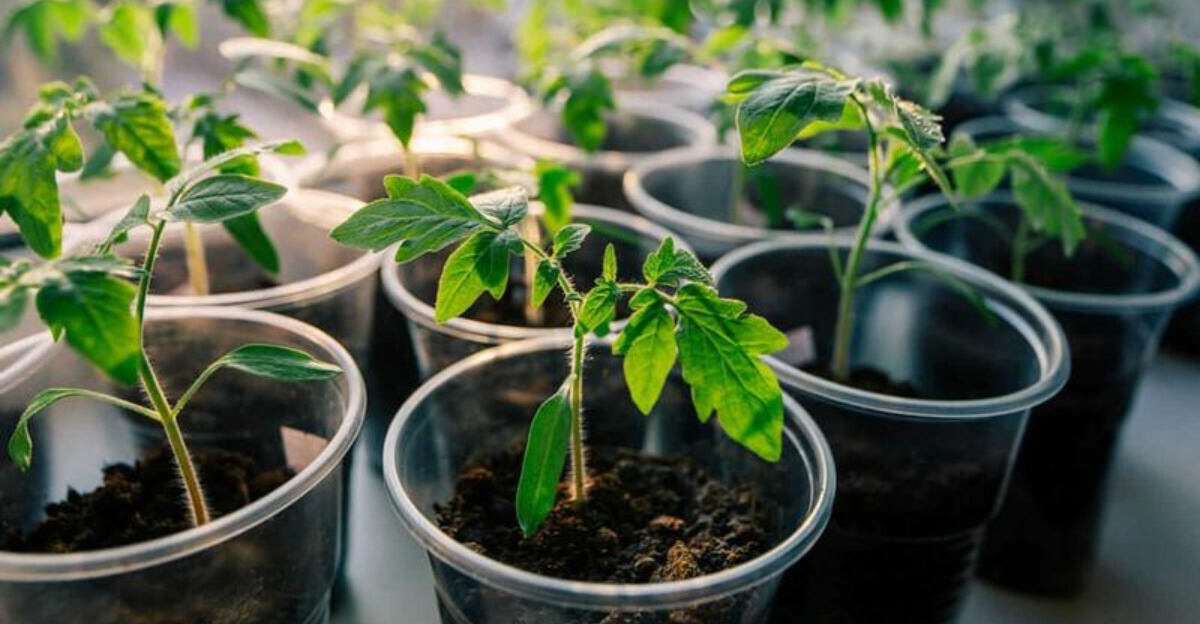
Dreaming of an early start to your Pennsylvania garden? February might feel like winter still has a tight grip, but it’s actually the perfect time to sow the seeds of spring, right from the warmth of your own home.
Starting seeds indoors now gives certain plants the head start they need to thrive once they’re moved outside after the last frost. But not every seed is suited for early indoor growing.
Some need the extra time to develop strong roots, while others can become leggy or stressed if started too soon. So, which ones are worth planting this month?
From juicy tomatoes and sweet peppers to hardy herbs and vibrant flowers, Pennsylvania gardeners have great options for February sowing.
With the right setup and timing, you can enjoy healthier transplants, earlier blooms, and a more successful growing season.
1. Peppers
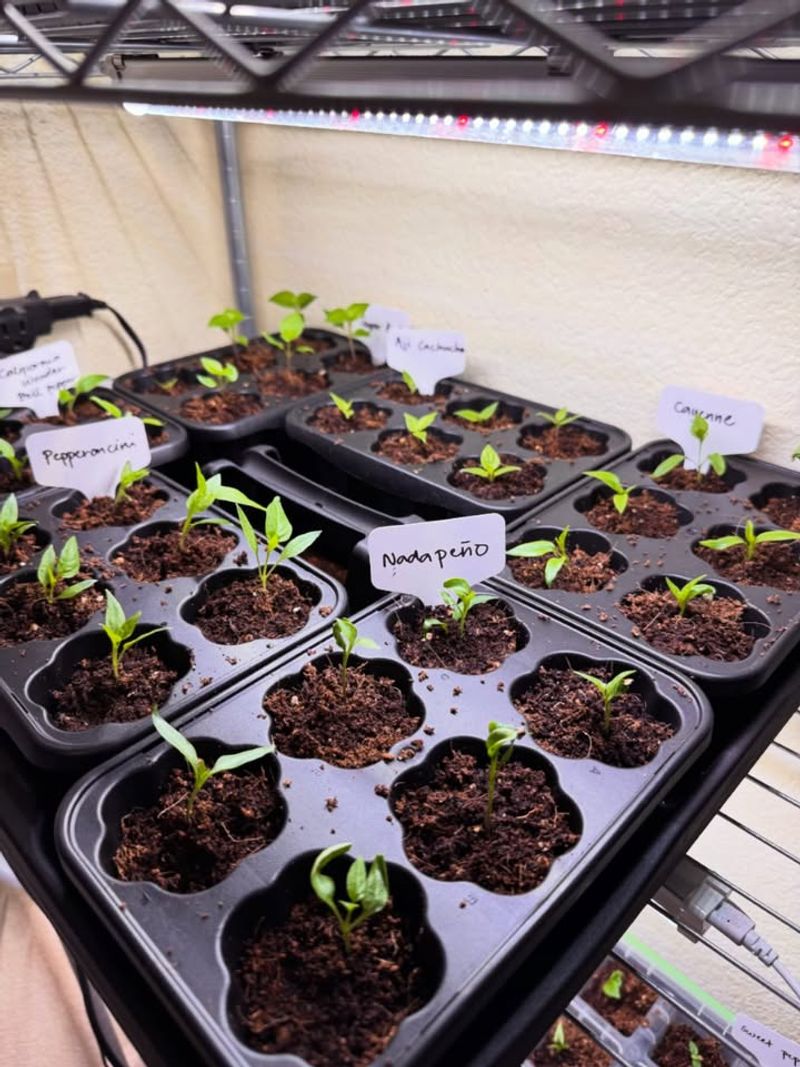
Peppers are even more particular about warmth than tomatoes, making February the ideal time to start them indoors in Pennsylvania. These slow-growing plants need eight to ten weeks of indoor growing time before they’re ready to face the outdoor world.
Whether you prefer sweet bell peppers or spicy jalapeños, starting seeds early ensures your plants will have time to produce a generous harvest before fall’s first frost arrives.
Sow pepper seeds about a quarter-inch deep in sterile seed-starting mix, and don’t be discouraged if germination seems slow. Pepper seeds can take anywhere from seven to twenty-one days to sprout, especially if temperatures aren’t consistently warm.
They germinate best in soil temperatures between 75 and 85 degrees Fahrenheit, so a seedling heat mat is practically a necessity for success.
Keep the soil evenly moist but never waterlogged, as pepper seedlings are susceptible to damping-off disease in overly wet conditions. Once seedlings emerge, provide them with at least 14 to 16 hours of bright light daily.
Without adequate light, pepper plants become weak and spindly, producing fewer peppers later in the season.
Pennsylvania’s unpredictable spring weather means you should wait until nighttime temperatures consistently stay above 55 degrees before transplanting peppers outdoors.
Cold soil and chilly nights can stunt pepper growth or even damage young plants permanently.
When you do move them outside, choose the warmest, sunniest spot in your garden for the best results.
2. Tomatoes
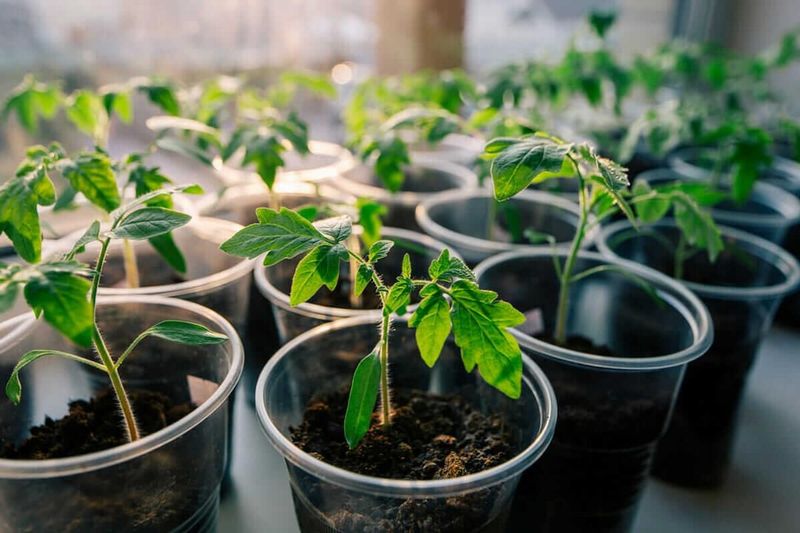
Nothing says summer like biting into a ripe, homegrown tomato that tastes worlds better than anything from the grocery store.
Starting tomato seeds indoors in February gives these heat-loving plants the six to eight weeks they need before Pennsylvania’s last frost date.
That typically falls between mid-April and early May depending on your specific location. Tomatoes are frost-sensitive, so that early indoor start is essential for a successful harvest.
Choose varieties that suit your gardening goals, whether you want cherry tomatoes for snacking, beefsteak types for slicing, or paste tomatoes for sauces. Plant seeds about a quarter-inch deep in seed-starting mix, keeping the soil consistently moist and warm.
Tomato seeds germinate best at temperatures between 70 and 80 degrees Fahrenheit, so a heat mat can really speed things along if your home runs cool.
Your Pennsylvania Garden Changes Every Week. Your Plan Should Too.
Gardening in Pennsylvania changes quickly throughout the season. Every Friday you’ll receive a simple weekly plan showing exactly what to plant, prune, fertilize, harvest, and protect so you never miss the right timing.
Once seedlings emerge, they’ll need plenty of light to grow strong and stocky rather than tall and leggy. A sunny south-facing window works, but supplemental grow lights often produce better results.
As your tomato plants develop their first true leaves, you can begin fertilizing them with a diluted liquid fertilizer every week or two.
Pennsylvania gardeners should plan to transplant tomatoes outdoors after all danger of frost has passed and soil temperatures have warmed to at least 60 degrees.
Before moving them outside permanently, harden off your seedlings by gradually exposing them to outdoor conditions over seven to ten days.
This process helps prevent transplant shock and ensures your tomatoes will thrive in their new home.
3. Broccoli
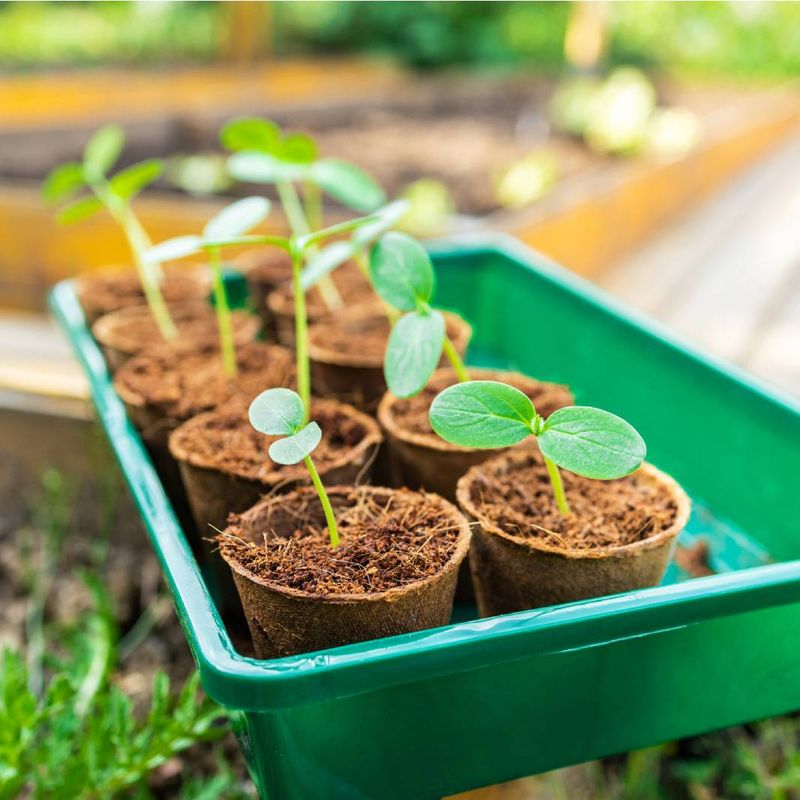
Cool-season crops like broccoli might seem like an odd choice for indoor starting, but February is actually perfect timing for Pennsylvania gardeners. Broccoli needs about six to eight weeks indoors before it can handle the outdoor spring temperatures.
Starting seeds now means you’ll have sturdy transplants ready to go into the garden in early to mid-April, giving you a head start on the spring growing season.
Plant broccoli seeds about a half-inch deep in seed-starting mix, spacing them at least an inch apart if using flats. Broccoli germinates relatively quickly, usually within five to ten days when soil temperatures are between 65 and 75 degrees.
Unlike heat-loving crops, broccoli seedlings actually prefer cooler conditions once they’ve sprouted, so you can move them to a cooler location after germination.
Seedlings grow best in temperatures around 60 to 65 degrees Fahrenheit, which makes them ideal for unheated sunrooms or cooler areas of your home. Provide plenty of light to encourage compact, sturdy growth.
Broccoli plants that don’t receive enough light become weak and won’t form good heads later in the season.
One major advantage of starting broccoli indoors in Pennsylvania is that you can time your harvest to avoid the intense summer heat that causes this crop to bolt.
Transplant your seedlings outdoors three to four weeks before your last expected frost date, as broccoli can tolerate light frosts.
Space plants about 18 inches apart in rich, well-amended soil for the best head development.
4. Petunias
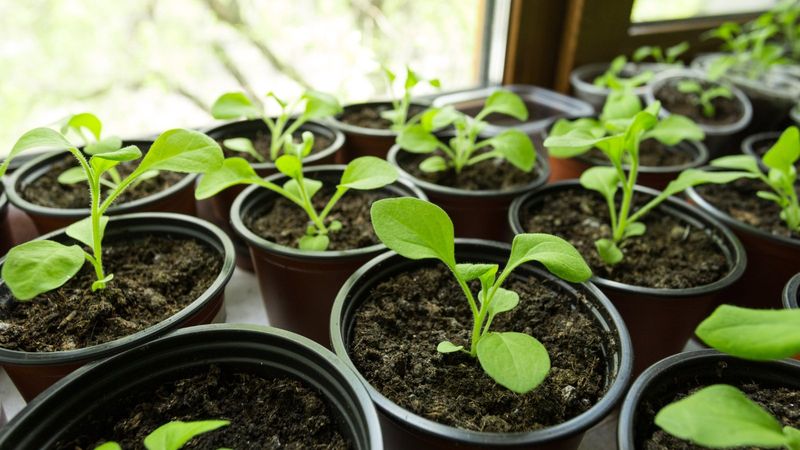
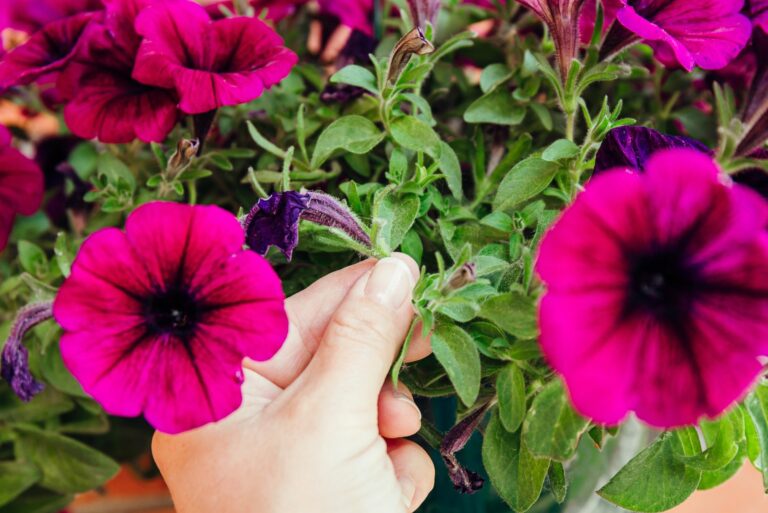
Gardeners who crave colorful flowers spilling from hanging baskets and containers should start petunia seeds indoors this February.
These cheerful annuals bloom prolifically throughout Pennsylvania’s summer months, providing continuous color from late spring until the first hard frost.
Starting petunias from seed rather than buying transplants saves considerable money and gives you access to unique varieties you won’t find at garden centers.
Petunia seeds are incredibly tiny, almost dust-like, which makes them tricky to handle and plant. Sprinkle seeds on the surface of moistened seed-starting mix without covering them, as they need light to germinate.
Press them gently into the soil to ensure good contact, then cover the container with clear plastic to maintain humidity until germination occurs, typically within seven to ten days.
Once seedlings emerge, remove the plastic covering and provide bright light immediately to prevent stretching. Petunia seedlings grow slowly at first and need ten to twelve weeks before they’re ready for outdoor planting.
Keep soil consistently moist but not soggy, and begin feeding with diluted fertilizer once true leaves appear.
Pennsylvania gardeners should wait until all danger of frost has passed before moving petunias outdoors, usually in early to mid-May. These frost-tender plants won’t survive even a light freeze.
When transplanting, pinch back the growing tips to encourage bushier growth and more flower production. Petunias thrive in full sun and reward consistent deadheading with even more blooms throughout the season.
5. Cabbage
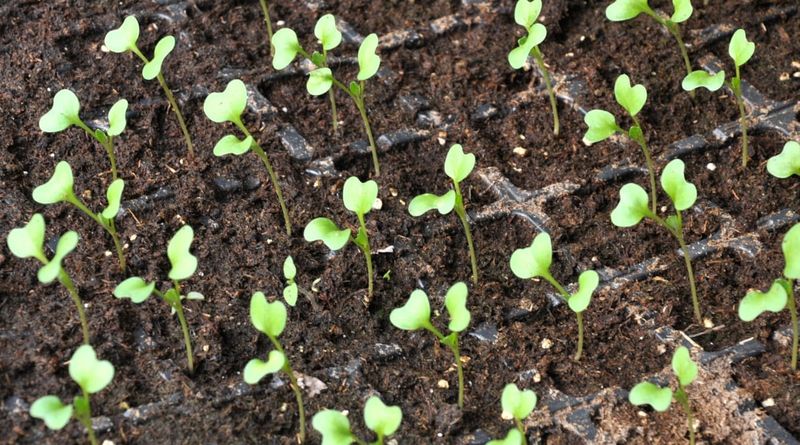
Few vegetables are as satisfying to grow as cabbage, with its tightly wrapped heads that seem almost architectural in their perfection.
February is prime time for starting cabbage seeds indoors in Pennsylvania, giving these cool-season crops the six to eight weeks they need before heading outdoors.
Starting seeds now positions you perfectly for a late spring or early summer harvest, well before the summer heat arrives.
Sow cabbage seeds about a half-inch deep in seed-starting mix, and expect germination within five to ten days when temperatures are between 65 and 75 degrees. Cabbage is fairly forgiving and doesn’t require the intense heat that tomatoes and peppers demand.
After seedlings emerge, they actually prefer cooler growing conditions, around 60 to 65 degrees, making them perfect for cooler areas of your home.
Provide adequate lighting to ensure stocky, robust seedlings that will transplant successfully. Leggy cabbage seedlings often struggle when moved outdoors and may not form proper heads.
Water consistently to keep soil moist but never waterlogged, as cabbage can develop root problems in soggy conditions.
Pennsylvania’s spring weather is generally ideal for cabbage, as this crop thrives in cool temperatures and can tolerate light frosts.
Plan to transplant seedlings outdoors three to four weeks before your last expected frost date, spacing them 12 to 18 inches apart depending on the variety.
Cabbage needs rich, well-amended soil and consistent moisture throughout the growing season to develop those prized solid heads that store so well for months after harvest.
6. Eggplant
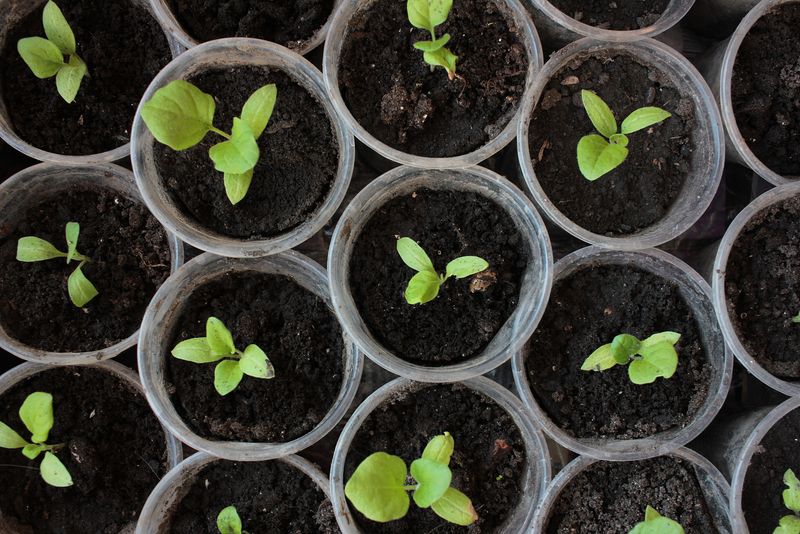
Eggplant deserves a spot in every Pennsylvania vegetable garden, but only if you start seeds early enough to accommodate this slow-growing crop.
February is absolutely essential for indoor seed starting if you want to harvest glossy purple fruits before autumn’s chill arrives.
Eggplant needs eight to ten weeks of indoor growing time, making it one of the earliest crops to start each year.
Plant seeds about a quarter-inch deep in warm, moist seed-starting mix. Eggplant is notoriously slow and finicky about germination, often taking two to three weeks to sprout.
Soil temperatures must stay between 75 and 85 degrees Fahrenheit for reliable germination, so invest in a quality heat mat if you’re serious about growing eggplant from seed.
Patience is crucial during the germination period, as nothing seems to happen for weeks before seedlings finally emerge. Once they do sprout, eggplant seedlings need very warm conditions and bright light to thrive.
These heat-loving plants grow slowly compared to tomatoes, so don’t worry if progress seems sluggish at first.
Wait until Pennsylvania’s soil and air temperatures are thoroughly warm before transplanting eggplant outdoors, typically late May or early June.
Eggplant is extremely sensitive to cold and will suffer permanent damage if exposed to temperatures below 50 degrees.
Choose the warmest, most protected spot in your garden, and consider using black plastic mulch to warm the soil and retain heat. With proper care and a long growing season, you’ll enjoy abundant harvests of this versatile vegetable all summer long.
7. Onions
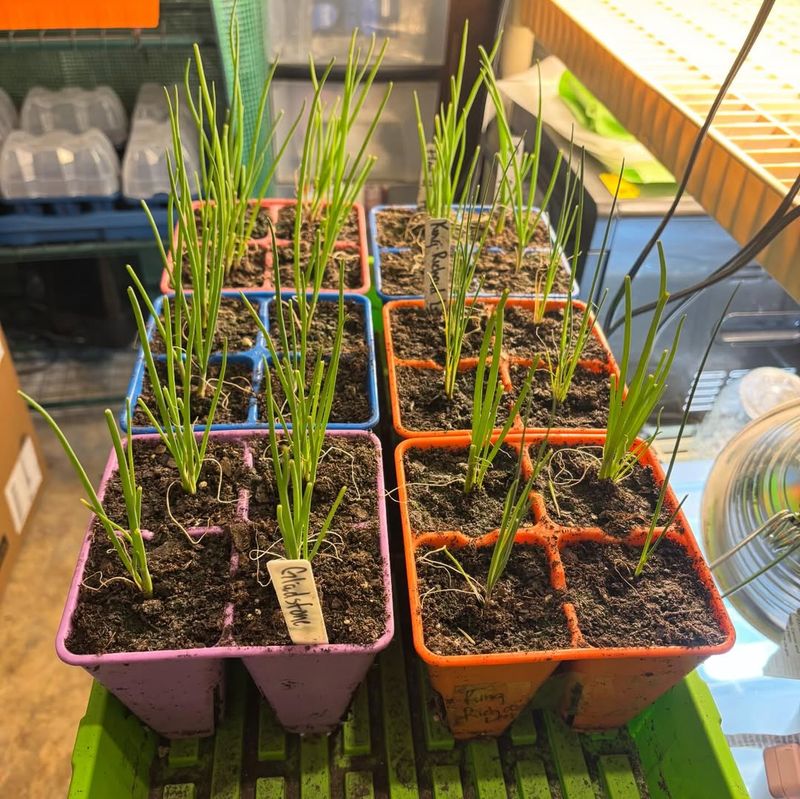
Onions might not seem like an obvious choice for indoor seed starting, but growing them from seed in February gives Pennsylvania gardeners access to varieties that simply aren’t available as sets.
Long-day onion varieties that thrive in Pennsylvania’s latitude need ten to twelve weeks of indoor growing time before transplanting.
Starting seeds now means you’ll have healthy transplants ready when spring soil can be worked.
Sow onion seeds about a quarter-inch deep and fairly close together, as these seedlings are quite thin and grass-like. Germination typically occurs within seven to fourteen days when soil temperatures are between 65 and 75 degrees.
Onion seeds don’t require the intense heat that some other crops demand, making them relatively easy to start indoors.
Once seedlings emerge, they’ll look like tiny blades of grass reaching toward the light. Provide at least 12 to 14 hours of bright light daily to encourage strong growth.
Some gardeners even trim onion seedlings back to about three inches tall to encourage sturdier, more robust plants, though this step is optional.
Onions are quite cold-hardy and can be transplanted outdoors in Pennsylvania much earlier than tender crops like tomatoes and peppers.
Plan to move them into the garden four to six weeks before your last expected frost date, typically in mid to late March.
Space transplants four to six inches apart in rows, planting them at the same depth they were growing indoors. Onions need consistent moisture and full sun to develop those large, storage-quality bulbs that will last through winter.