This Is How Ohio Gardeners Are Saving Birds And Pollinators In Late Winter
Ohio gardeners, winter can be rough for birds and pollinators. Food is scarce and cold slows them down, but your garden can give them a boost.
People across Ohio are adding winter-friendly flowers, keeping feeders full, and creating safe spaces that bring life back to yards. Every small action counts, helping wildlife survive and thrive.
Birds flit through branches, pollinators find energy to keep going, and your garden becomes a hub of activity even before spring. These steps are simple, fast, and powerful, giving your plants a natural army of helpers once the growing season starts.
Gardens look livelier, flowers get pollinated, and wildlife stays strong. Start now and watch your yard turn into a haven for birds and pollinators while preparing for a thriving spring garden.
1. Ohio Winters Are Brutal For Wildlife
Stepping outside on a February morning in Ohio, you might notice how quiet everything feels compared to summer. Fewer birds call from the trees, and the air seems still and heavy with cold.
What you are witnessing is wildlife in survival mode, conserving every bit of energy to make it through weeks when food is scarce and temperatures drop below freezing night after night.
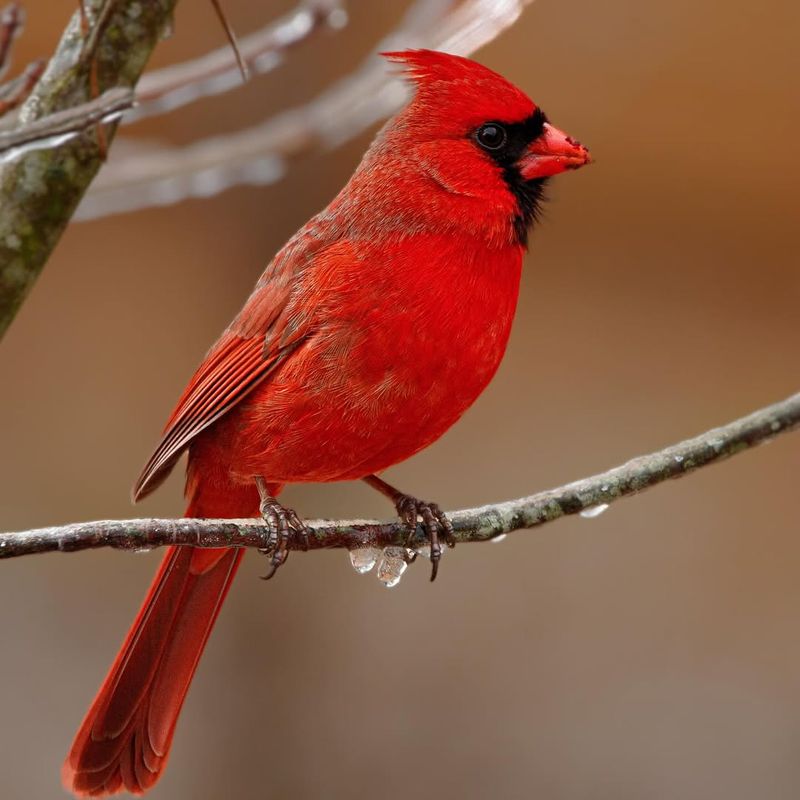
Many homeowners assume that most wildlife disappears during winter, but resident birds and some insects remain active. Cardinals, chickadees, and juncos stay active all winter, burning through calories just to stay warm.
Many native bees and certain butterflies overwinter in leaf litter, hollow stems, and under bark, waiting for the first signs of spring. When late winter storms roll through northern Ohio with lake-effect snow, or when central Ohio sees sudden temperature swings, wildlife faces serious challenges finding shelter and food.
Understanding what your yard looks like from a bird or bee perspective changes everything. Instead of seeing brown leaves and dried stems as clutter, you start recognizing them as insulation, food sources, and emergency shelter.
Your garden becomes a refuge where creatures can rest, refuel, and wait for better days ahead.
2. Leaving Leaves Can Save Pollinators
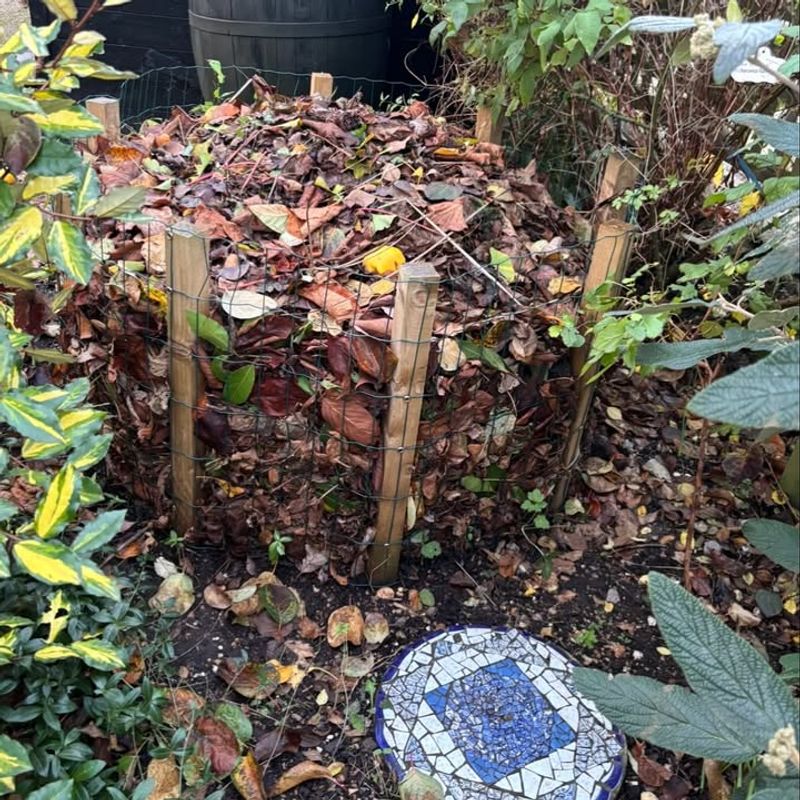
Walk through any suburban Ohio neighborhood in late winter and you will see two kinds of yards. Some are raked clean and tidy, while others have leaf piles tucked under shrubs and around garden beds.
Those messy yards might look neglected, but they are quietly protecting hundreds of native pollinators through the coldest months.
Most people do not realize that leaf litter is not just yard waste. It is a winter hotel for native bees, moths, butterflies, and beneficial insects that need insulation to survive freezing temperatures.
When you rake up every leaf in fall and haul it to the curb, you are removing the very shelter that pollinators depend on to make it through until spring. Southern Ohio gardeners might see earlier insect activity in March, while northern Ohio pollinators stay tucked under leaves until April, depending on snow cover and temperatures, when the weather finally stabilizes.
Leaving a layer of leaves under your perennials and shrubs does more than protect insects. It also enriches your soil, suppresses weeds, and reduces the amount of work you need to do come spring.
Your Ohio Garden Changes Every Week. Your Plan Should Too.
Gardening in Ohio changes quickly throughout the season. Every Friday you’ll receive a simple weekly plan showing exactly what to plant, prune, fertilize, harvest, and protect so you never miss the right timing.
You might notice more butterflies visiting your garden in summer, more native bees pollinating your flowers, and healthier plants overall. Your neighbors might ask why your garden looks so vibrant, and the answer starts with those humble leaves you left behind.
3. Skipping Yard Cleanup Saves Birds
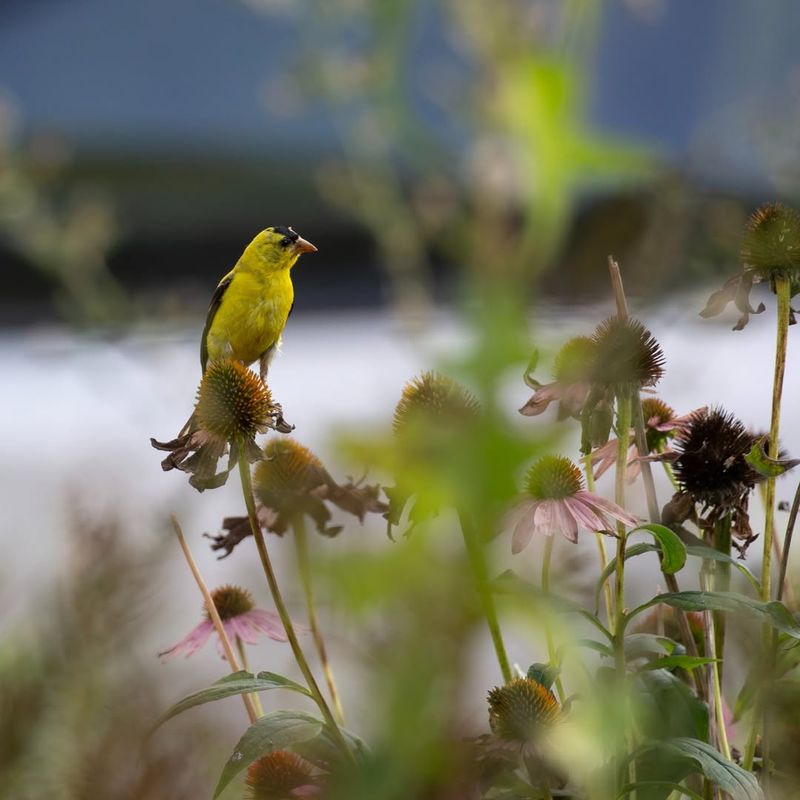
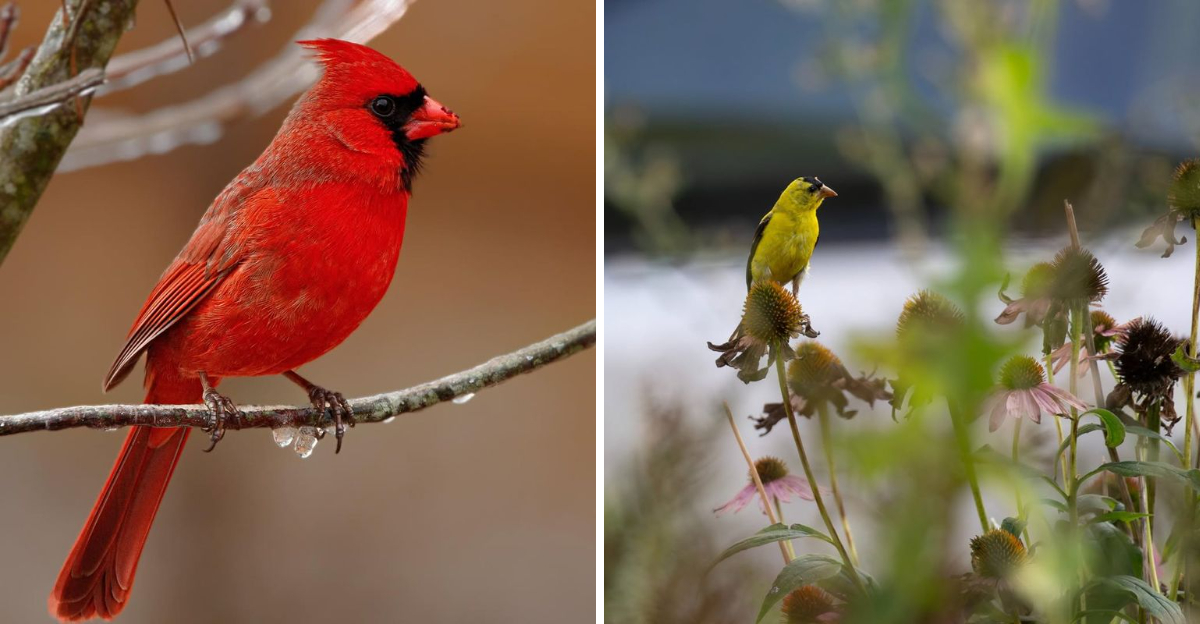
On a cold afternoon in late February, you might spot a goldfinch clinging to a dried coneflower stem, pecking at seeds that have been waiting all winter. This simple scene shows why skipping fall and winter yard cleanup can mean the difference between survival and starvation for Ohio birds.
Many gardeners feel pressure to cut back perennials and remove seed heads before winter arrives, but birds, especially native species like cardinals, chickadees, sparrows, and finches, rely on those seeds as a critical food source when insects are scarce and the ground is frozen. Native plants like coneflowers, black-eyed Susans, sunflowers, and asters produce seeds that cardinals, chickadees, sparrows, and finches depend on during the leanest weeks of the year.
Central Ohio yards that leave seed heads standing often see more bird activity than perfectly manicured landscapes where every stem has been trimmed to the ground.
Hollow plant stems also provide shelter for overwintering insects, which in turn become food for early-season birds when spring finally arrives. When you leave your garden standing through winter, you are creating a year-round habitat that supports the entire food web.
Your yard becomes a place where birds can find both seeds and insects, and you get the joy of watching them forage right outside your window on the coldest days.
4. Winter Water Can Be A Lifeline
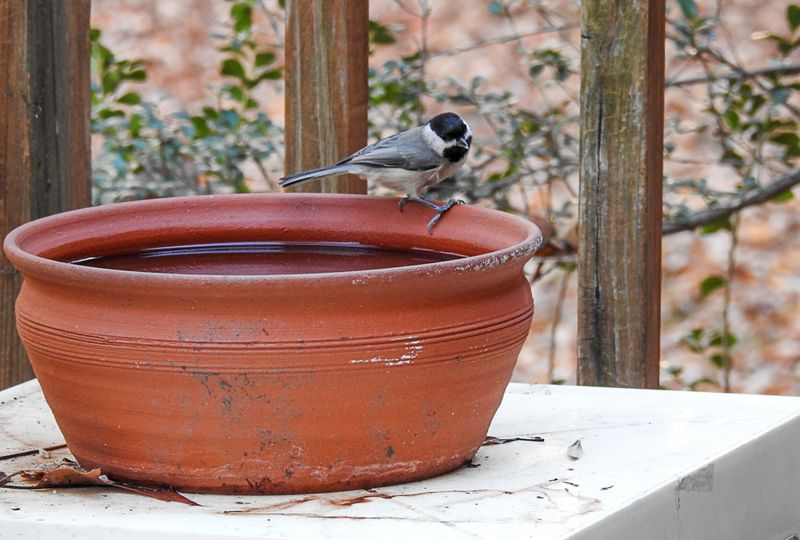
Glancing out your window on a sunny winter afternoon, you might see a robin hopping around your frozen birdbath, searching for a drink. Birds need water year-round, but finding it during Ohio winters can be nearly impossible when ponds, streams, and birdbaths freeze solid for weeks at a time.
Most homeowners do not think about water as a winter necessity, but birds use it for drinking and bathing even in freezing temperatures. Bathing helps them maintain their feathers, which is essential for staying warm and flying efficiently.
A heated birdbath or a simple dish with fresh water changed daily can attract cardinals, chickadees, blue jays, and even migrating robins that arrive earlier than expected in southern Ohio, but northern Ohio gardeners should monitor the water carefully, as it can freeze quickly. Northern Ohio gardeners might notice that birds visit water sources more frequently during harsh cold snaps when natural water is locked under ice.
Adding a water source to your yard does not require expensive equipment. A shallow dish placed on a deck railing or near a sheltered garden bed works perfectly.
You can refill it with warm water each morning, and birds will find it within hours. Watching a chickadee take a quick bath in February reminds you that your small effort makes a real difference in helping wildlife survive until spring.
5. Native Ohio Shrubs Feed Wildlife Best
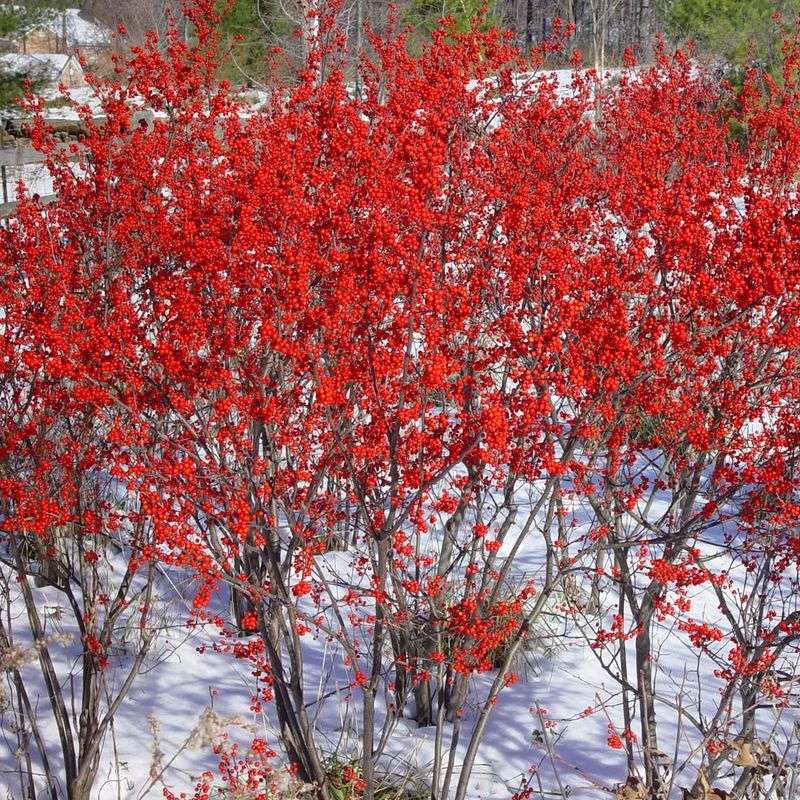
Standing in your yard in late winter, you might notice how bare everything looks except for a few shrubs still holding clusters of berries. Those berries are not decorations.
They are emergency rations for birds trying to survive the final weeks before spring insects emerge and fresh growth returns.
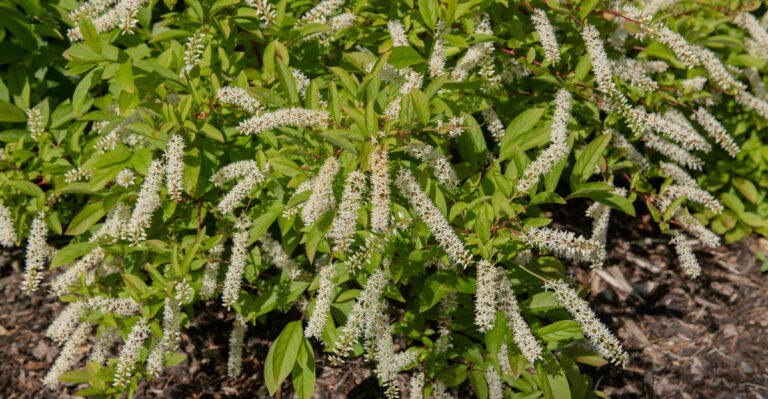
Native Ohio shrubs like winterberry holly, serviceberry, dogwood, and viburnum produce berries that persist through winter. Make sure to choose native species; some ornamental hollies are non-native and may not provide safe food.
Non-native ornamental shrubs might look attractive, but they often produce fruit that Ohio birds do not recognize or cannot digest properly. When you plant natives, you are investing in a food system that has supported local wildlife for thousands of years.
Central Ohio yards with a mix of native shrubs often see more cardinals, robins, and waxwings visiting throughout late winter.
These shrubs also provide shelter and nesting sites come spring, creating a complete habitat that supports birds year-round. You do not need a large property to make an impact.
Even a single winterberry holly planted near your patio can feed dozens of birds through the coldest months. As you watch a robin strip berries from a branch in March, you realize that your garden is doing exactly what it was meant to do.
6. Early Flowers Help Wildlife Survive Spring
When the first crocuses push through the snow in late February or early March, you might feel a sense of relief that winter is finally loosening its grip. For early-emerging native bees and butterflies, those flowers represent something far more urgent.
They are the first food source after months of hibernation, and without them, many pollinators would not survive the transition into spring.
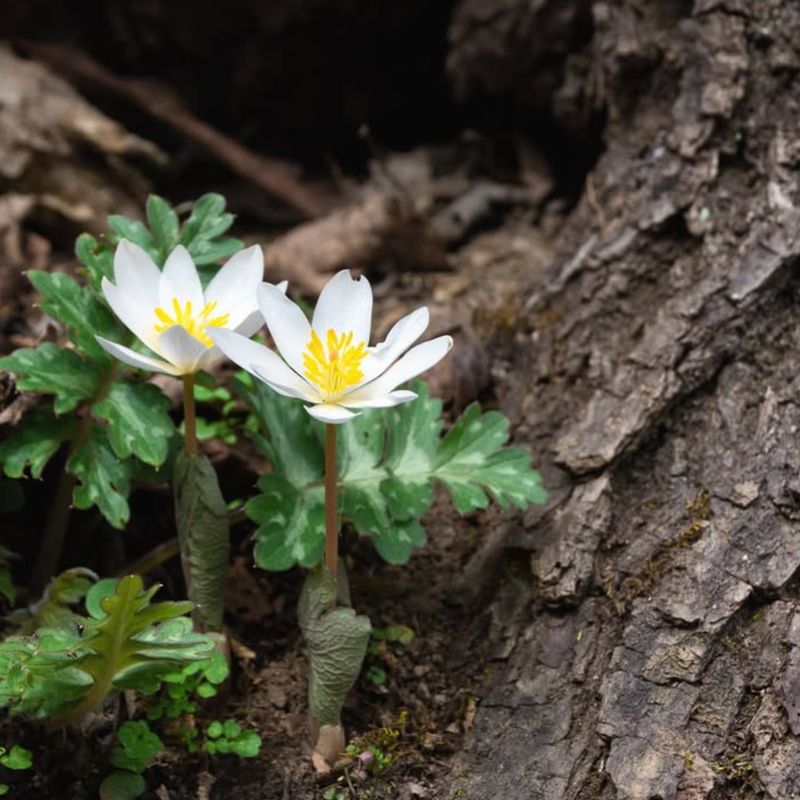
Native Ohio wildflowers like spring beauty, bloodroot, trout lily, and wild ginger bloom early, providing nectar and pollen when almost nothing else is available.
Southern Ohio gardeners might see blooms as early as late February, while northern Ohio wildflowers wait until mid-March or April, depending on frost dates and snow cover.
These early bloomers have evolved alongside native pollinators, offering the right nutrients at the exact moment when bees and butterflies are waking up and desperately need energy.
Planting early spring wildflowers in your yard creates a bridge between winter and the abundance of summer. You might notice small native bees visiting your crocuses on the first warm day, or a mourning cloak butterfly basking on a sunny rock near your bloodroot patch.
These moments remind you that your garden is not just pretty. It is functional, life-sustaining habitat that helps Ohio wildlife navigate the most vulnerable weeks of the year.
7. Starting Seeds Now Saves Pollinators Later
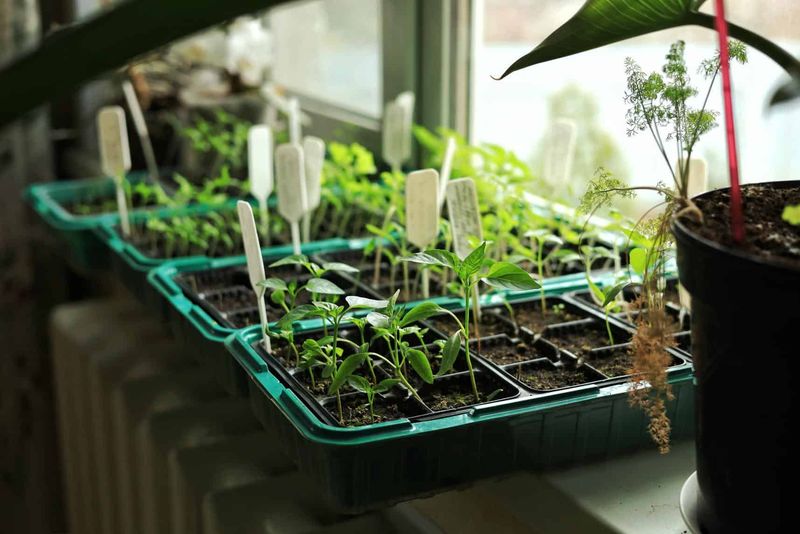
Late winter is the season when many Ohio gardeners start flipping through seed catalogs and planning their gardens for the year ahead. While you are dreaming of summer tomatoes and zinnias, this is also the perfect time to start native wildflower and perennial seeds that will support pollinators throughout the growing season.
Many native Ohio plants require cold stratification, which means their seeds need to experience a period of cold and moisture before they will germinate. Starting seeds indoors in late winter or direct sowing them into the garden while the ground is still cold mimics natural conditions and gives you healthier, stronger plants come spring.
In northern Ohio, direct sowing outdoors may fail if the soil is frozen; indoor starting is recommended. Species like milkweed, coneflower, bee balm, and asters are all easy to grow from seed and provide essential habitat for butterflies, native bees, and other beneficial insects.
When you start seeds now, you are making an investment that pays off all season long. By summer, your garden will be buzzing with pollinators visiting flowers that you grew yourself.
Central and northern Ohio gardeners can start seeds indoors in February and March, while southern Ohio gardeners might direct sow earlier. Watching a monarch butterfly lay eggs on milkweed that you started from seed in your basement is one of the most rewarding experiences a gardener can have.
8. Small Ohio Yards Are Making A Big Difference
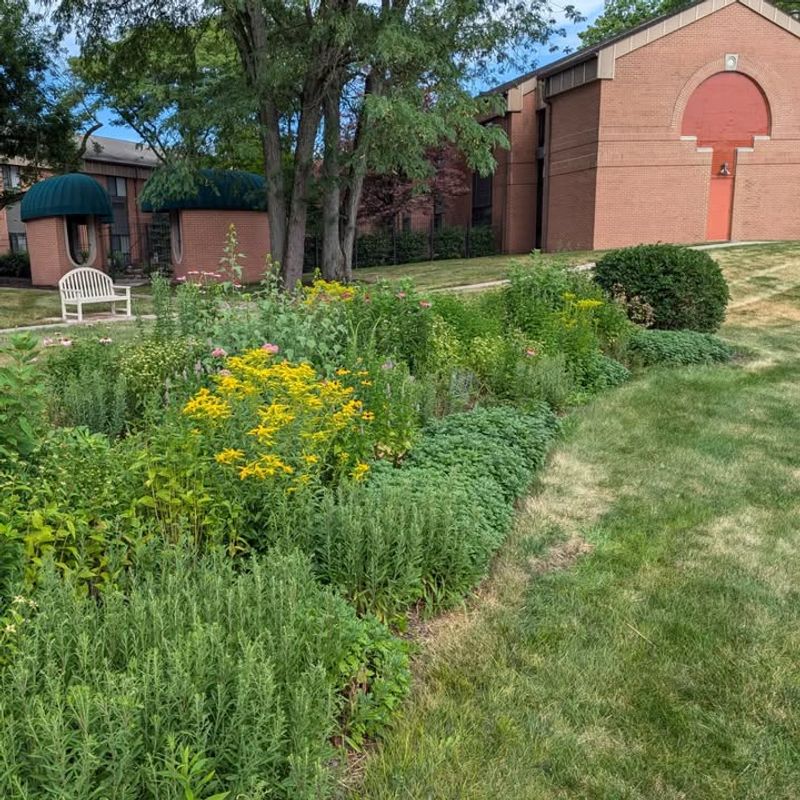
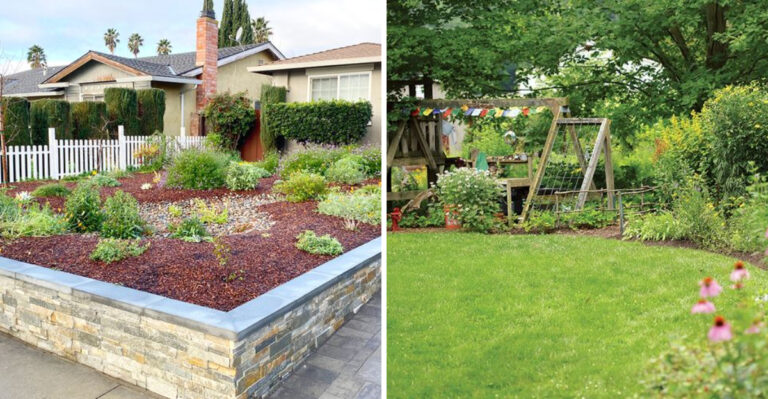
You might think that your small suburban lot cannot possibly make a difference for wildlife, but the truth is that every yard counts. Across Ohio, thousands of homeowners are transforming tiny patches of lawn into pollinator gardens, bird habitats, and native plant sanctuaries, and the collective impact is remarkable.
Habitat loss is one of the biggest threats facing Ohio birds and pollinators, but when individual homeowners choose to leave leaves, plant natives, and skip the fall cleanup, those small actions add up to create a network of safe spaces across entire neighborhoods.
A quarter-acre lot in central Ohio with native shrubs, wildflowers, and a water source can support dozens of bird species and hundreds of pollinator species throughout the year.
Northern Ohio gardeners dealing with smaller growing seasons can still make a significant impact by focusing on early and late-blooming natives that fill critical gaps in the food supply.
Your yard does not need to be perfect or large to matter. Even a single native plant, a birdbath, or a pile of leaves left under a shrub can help wildlife survive late winter and thrive come spring.
When you look around your neighborhood and see more butterflies, hear more birdsong, and notice healthier ecosystems, you will realize that your small yard is part of something much bigger.