Why North Carolina Gardeners Are Making Garden Vision Boards This Year
Last weekend I was chatting with a friend in North Carolina who could not stop talking about her garden plans. Instead of listing plants, she pulled out her phone and showed me a collage of colors, layouts, and little notes about what she actually wants this year.
That is when it clicked. Garden vision boards are becoming the new way people plan their spaces, and it is way more fun than scribbling lists.
They help you see the big picture, avoid random plant shopping, and stay focused when the garden center tries to tempt you with everything in sight. With weird weather swings and busy schedules, having a simple visual guide just makes life easier.
Plus, sharing boards has turned into a mini social trend among local gardeners. If your plans usually live in your head and get lost by spring, this might be the reset you need.
Seasonal Weather Variability Planning
North Carolina stretches across three distinct climate zones, creating unique challenges for anyone trying to grow food or flowers.
Mountain gardeners in the west face late spring frosts and cooler summers, while coastal communities deal with salt spray, hurricanes, and intense humidity.
The Piedmont region sits somewhere in between, offering moderate conditions but unpredictable temperature swings that can confuse even experienced growers.
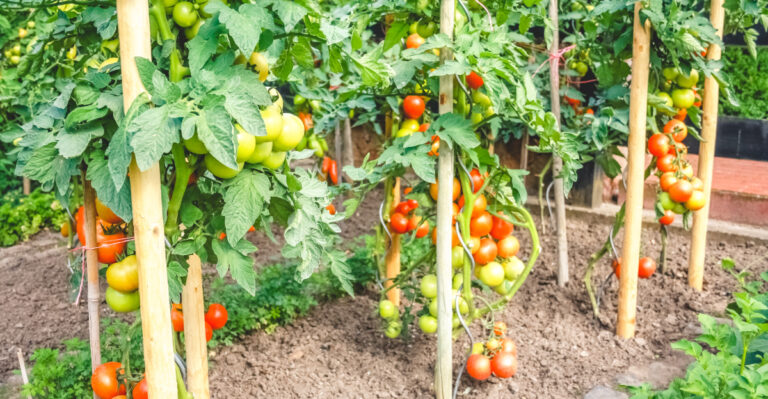
Vision boards bring order to this complexity by letting you map out planting schedules visually. You can pin up photos of cool-season crops like lettuce and kale alongside calendar dates for your last frost, then add warm-season favorites like tomatoes and peppers for later planting windows.
Color-coding different seasons or using sticky notes for flexible timing makes it easy to adjust plans as weather patterns shift.
Many gardeners include local weather data, historical frost charts, and hardiness zone maps directly on their boards. This visual reference helps prevent costly mistakes like planting tender seedlings too early or missing the ideal window for fall vegetables.
By organizing all this information in one place, you create a personalized roadmap that accounts for your specific microclimate and reduces guesswork throughout the growing season.
Improved Layout And Space Organization
Most North Carolina homeowners do not have endless acres to work with, which makes every square foot of garden space precious.
Suburban lots often come with odd-shaped yards, mature trees creating shade patterns, and utility easements that limit where you can dig.
A vision board helps you see the big picture before you commit to any permanent changes, saving time and preventing layout regrets.
Start by sketching your yard’s basic shape or printing an aerial photo from online mapping tools. Add cutouts representing raised beds, container clusters, pathways, and seating areas, moving them around until the arrangement feels right.
This hands-on approach reveals traffic flow problems, identifies sunny spots you might have overlooked, and shows how different elements work together visually.
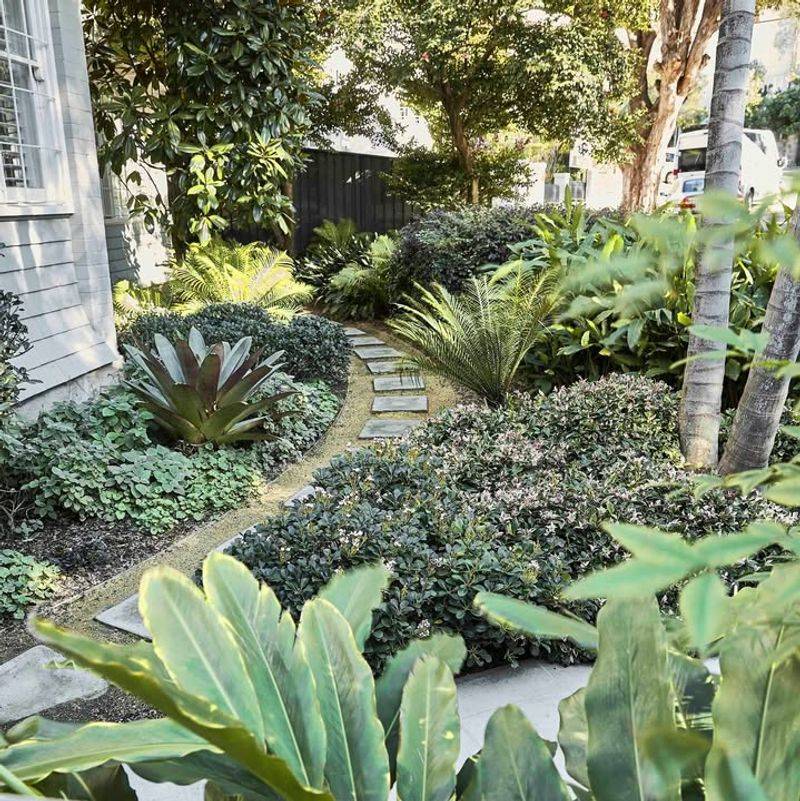
Walking paths deserve special attention because poorly placed routes lead to trampled plants and frustration. Vision boards let you experiment with curved versus straight paths, wide versus narrow spacing, and different materials like mulch, gravel, or stepping stones.
Your North Carolina Garden Changes Every Week. Your Plan Should Too.
Gardening in North Carolina changes quickly throughout the season. Every Friday you’ll receive a simple weekly plan showing exactly what to plant, prune, fertilize, harvest, and protect so you never miss the right timing.
You can also plan vertical growing spaces, trellises, and arbors that maximize production without consuming valuable ground area, making your small yard work much harder for you.
Better Plant Selection For Heat And Humidity
Summer in North Carolina can feel like living inside a warm, wet blanket, especially across the central and eastern regions. High humidity combines with temperatures soaring into the nineties, creating conditions that stress many popular garden plants.
Tomatoes may stop setting fruit, lettuce bolts immediately, and powdery mildew spreads across squash leaves faster than you can spray.
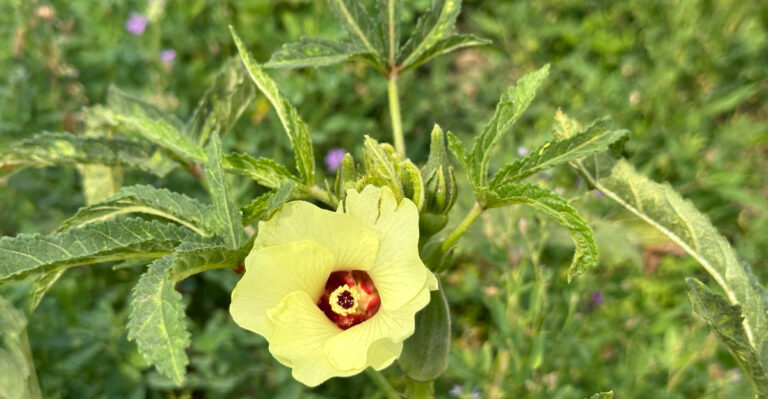
Vision boards help you choose winners before you spend money at the nursery. Collect images of heat-loving plants like okra, sweet potatoes, Armenian cucumber, and Southern peas, grouping them by their water needs and sun preferences.
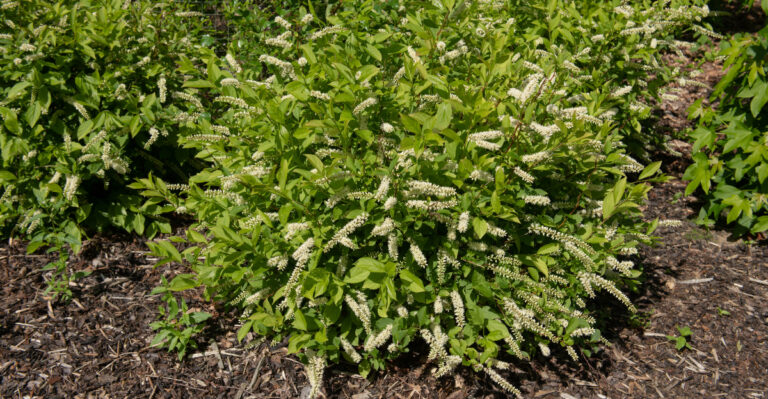
Add native species such as coneflowers, black-eyed Susans, and Carolina jessamine that evolved to handle local conditions without constant babying.
Creating a visual plant library on your board makes it easier to spot patterns and plan combinations that thrive together.
You might notice that grouping drought-tolerant herbs near each other simplifies watering, or that pairing tall sunflowers with heat-sensitive lettuce provides helpful afternoon shade.
This planning stage prevents impulse purchases of beautiful but unsuitable plants, focusing your energy on varieties proven to succeed in North Carolina’s challenging summer climate.
Budget-Friendly Project Planning
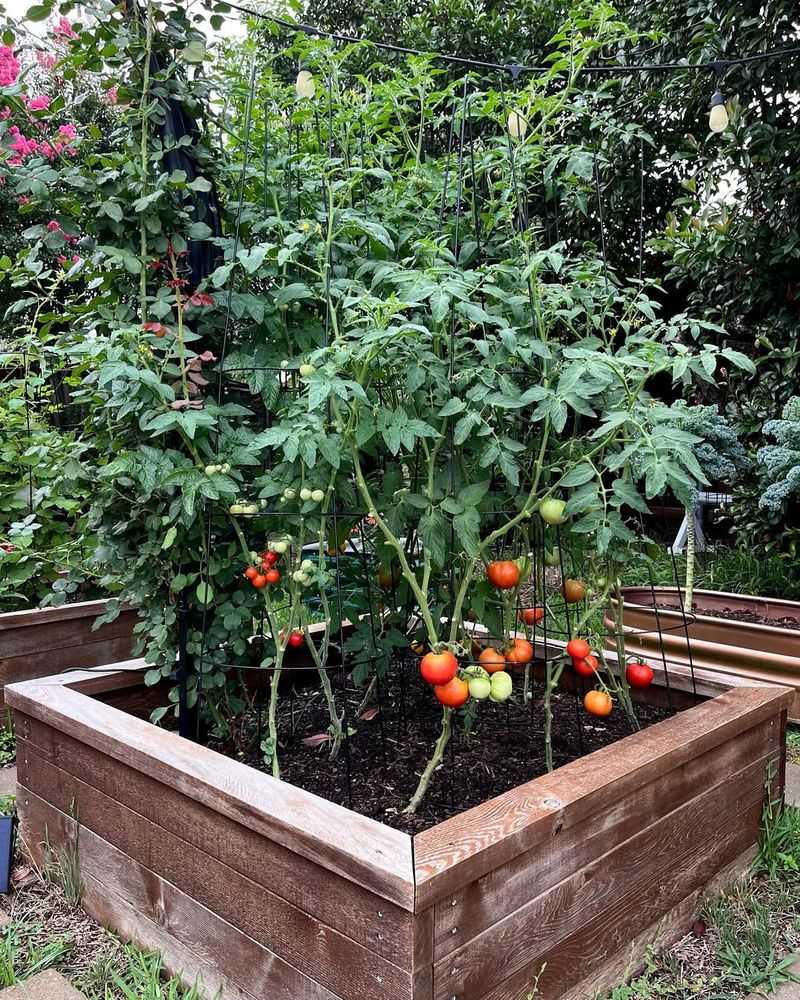
Garden improvements can drain your wallet faster than a summer thunderstorm if you try to do everything at once. Raised beds, quality soil, irrigation systems, fencing, and perennial plants all carry significant price tags that add up quickly.
Vision boards provide a practical solution by helping you prioritize projects across multiple seasons, spreading costs over time while keeping your long-term goals visible.
Divide your board into sections labeled by year or season, placing expensive projects like building raised beds or installing drip irrigation in later phases.
Start with low-cost, high-impact changes such as sheet mulching problem areas, starting seeds indoors, or propagating plants from cuttings.
As you complete each phase, move items forward on your board and adjust timelines based on actual spending and results.
Including price estimates and shopping lists directly on your vision board keeps budget realities front and center. You might discover that buying compost in bulk saves money compared to bagged products, or that joining a local plant swap provides free perennials.
This visual budget tracker prevents overspending while maintaining momentum toward your dream garden, proving that patience and planning beat impulse purchases every time.
Pollinator And Wildlife Habitat Planning
North Carolina hosts an incredible variety of pollinators, from tiny native bees to majestic monarch butterflies and busy hummingbirds. These creatures need more than just a few random flowers scattered around your yard.
They require carefully planned sequences of blooms providing nectar and pollen from early spring through late fall, along with shelter, water, and host plants for their larvae.
Vision boards excel at organizing pollinator gardens because you can arrange plant images by bloom time, creating a visual flowering calendar.
Pin early bloomers like Virginia bluebells and serviceberry at the top, followed by summer favorites such as milkweed and mountain mint, finishing with fall asters and goldenrod. This arrangement reveals gaps in your flowering sequence where pollinators might go hungry.
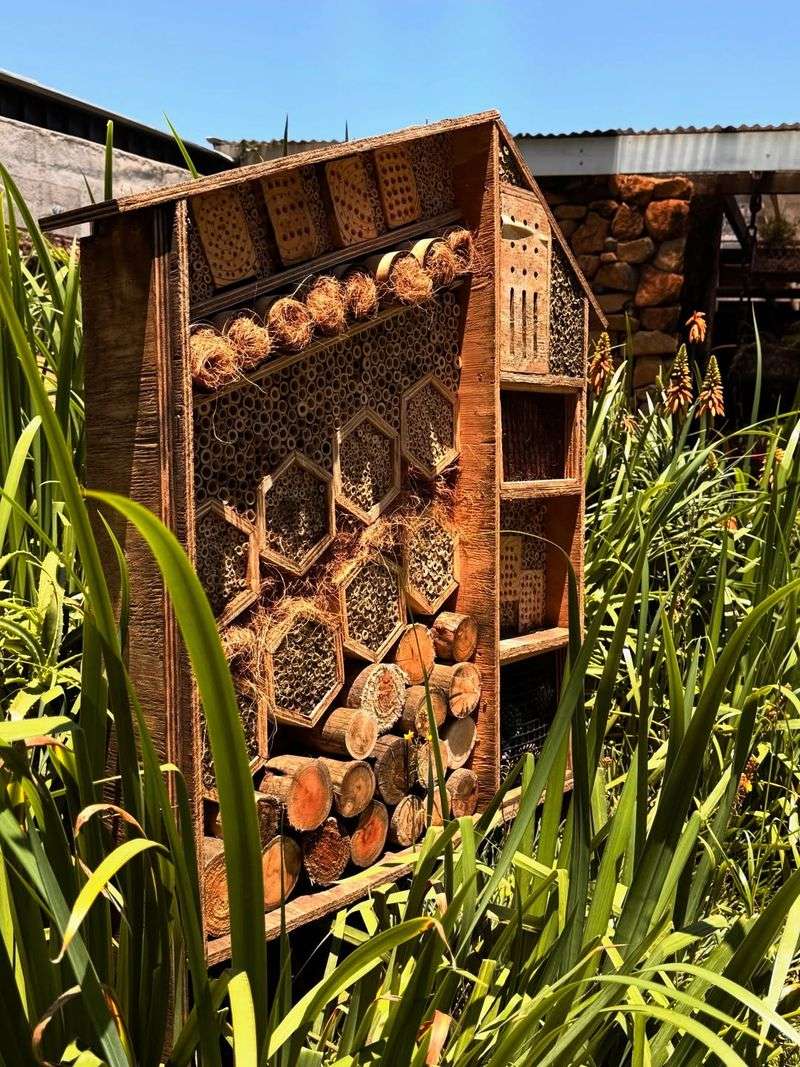
Add sections for habitat features like brush piles, bee hotels, shallow water dishes, and pesticide-free zones. Include photos of specific butterfly host plants like parsley for swallowtails or passionflower for gulf fritillaries, connecting each pollinator species to the plants they need for reproduction.
This comprehensive approach transforms your garden into a genuine wildlife refuge while increasing pollination success for your vegetables and fruits, creating benefits that ripple throughout your entire landscape.
HOA And Local Regulation Awareness
Many North Carolina neighborhoods come with strict homeowner association rules governing everything from fence heights to front yard plantings.
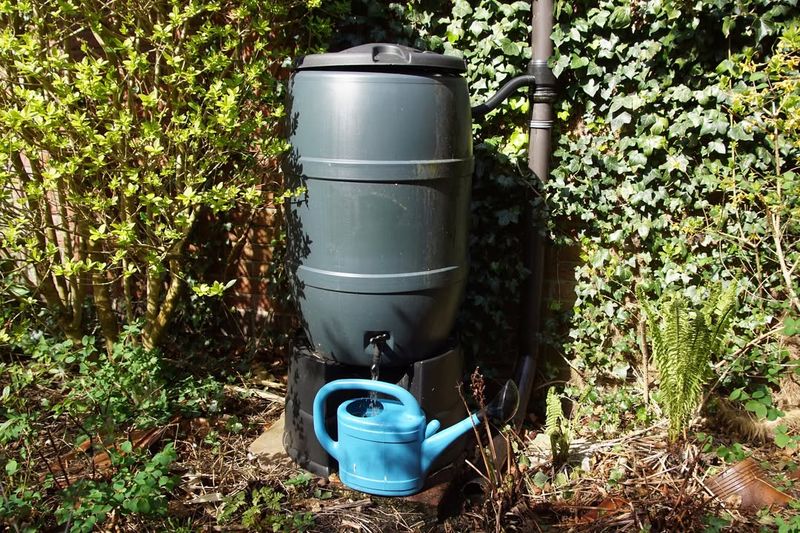
Municipal codes may restrict rainwater collection, chicken keeping, or compost bin placement, creating frustration for gardeners who discover restrictions after already investing time and money.
A vision board helps you design within these boundaries from the beginning, avoiding conflicts and costly do-overs.
Start by obtaining copies of your HOA guidelines and local ordinances, highlighting sections relevant to gardens and landscaping. Pin these documents to your board alongside design ideas, checking each proposed feature against the rules.
You might learn that your HOA requires hedges instead of chain-link fencing, or that raised beds need approval if they exceed certain heights.
Some restrictions actually inspire creative solutions that improve your garden. If front yard vegetables are prohibited, focus on attractive edibles like rainbow chard, purple cabbage, and ornamental peppers that satisfy both hunger and appearance standards.
When rainwater barrels need screening, design a trellis covered in climbing beans or cucumbers that hides the barrel while producing food.
Your vision board becomes a problem-solving tool that works with regulations rather than against them, keeping you in good standing with neighbors while still achieving your gardening dreams.
Long-Term Garden Maintenance Organization
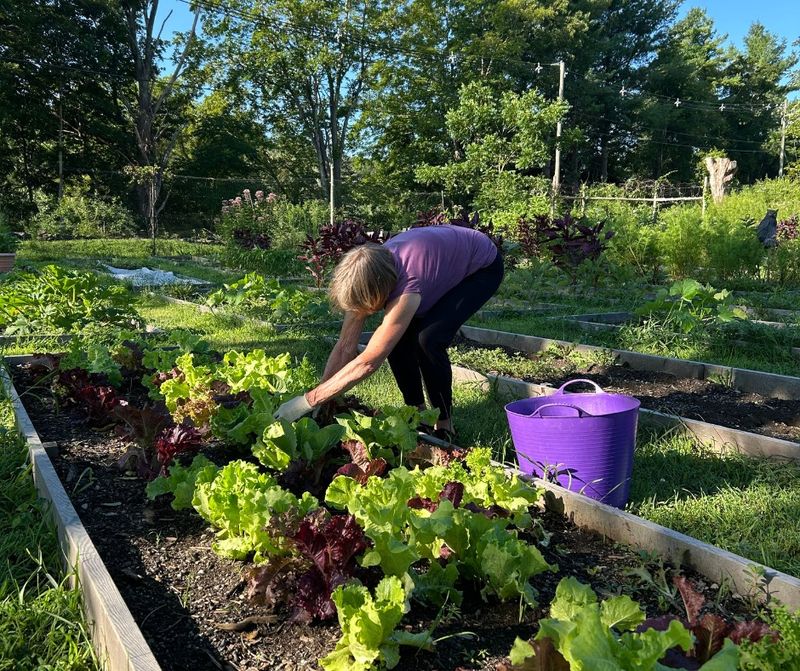
Building healthy garden soil, establishing productive perennial beds, and upgrading irrigation systems cannot happen overnight. These fundamental improvements require years of consistent effort, making it easy to lose focus or forget important steps.
Vision boards keep your multi-year maintenance goals organized and visible, ensuring steady progress even when life gets busy or seasons change.
Create a timeline section showing soil improvement goals like annual compost additions, cover cropping schedules, and pH adjustment plans.
Add photos of your dream perennial border alongside a realistic planting schedule that spreads purchases across several years as divisions and self-seeding fill gaps.
Include irrigation upgrades, tool purchases, and infrastructure projects like building a potting bench or installing a greenhouse.
Tracking completed projects by moving items to a finished section provides powerful motivation and shows how far you have come.
You might photograph your garden quarterly, pinning progress shots to your board to document improvements that happen too gradually to notice day by day.
This long view prevents discouragement during challenging seasons and reminds you that great gardens grow slowly through patient, persistent care rather than quick fixes and shortcuts.