When And How North Carolina Gardeners Should Move Tomato Seedlings Into Bigger Pots
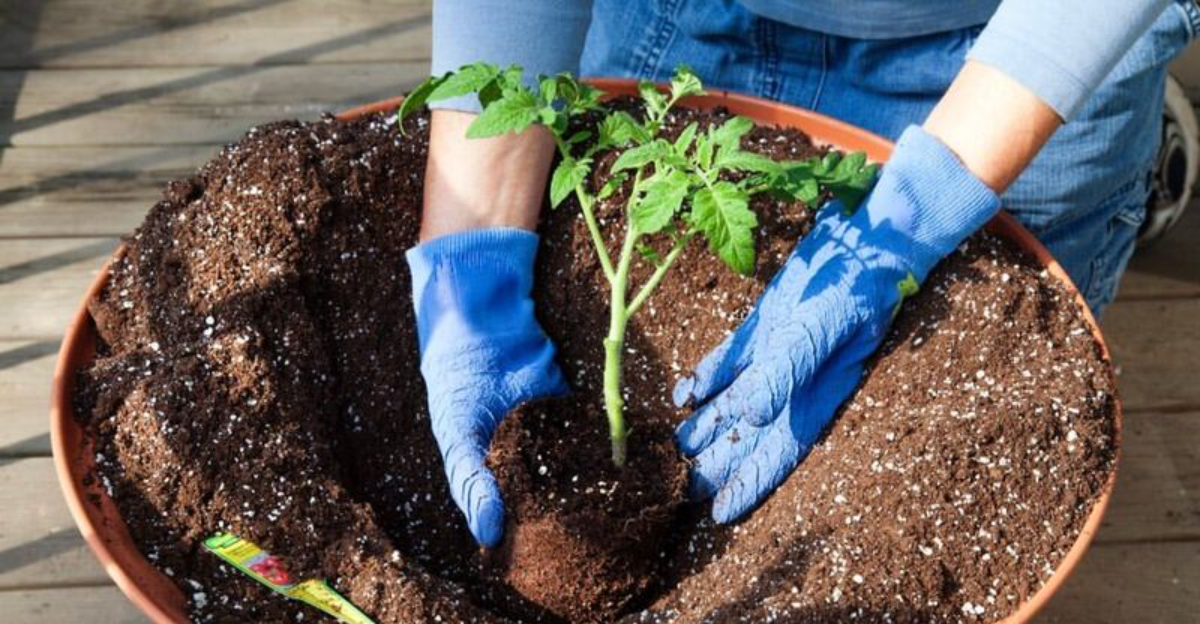
Have you ever stared at your tomato seedlings and wondered if they are ready for a bigger home? I had that exact moment last spring when tiny roots started peeking through the drainage holes and the leaves looked crowded.
It feels exciting and stressful at the same time because one wrong move can slow everything down. In North Carolina, timing matters even more thanks to warm days, cool nights, and sudden weather swings.
Move them too early and growth stalls, wait too long and they become root bound and cranky. The good news is that a few simple signs can tell you when it is go time.
Even better, the process is easier than most gardeners expect. With the right pot size, gentle handling, and a smart watering routine, your seedlings can settle in fast and start growing strong.
Let’s make sure your tomatoes get the smooth upgrade they deserve.
True Leaf Development Stage
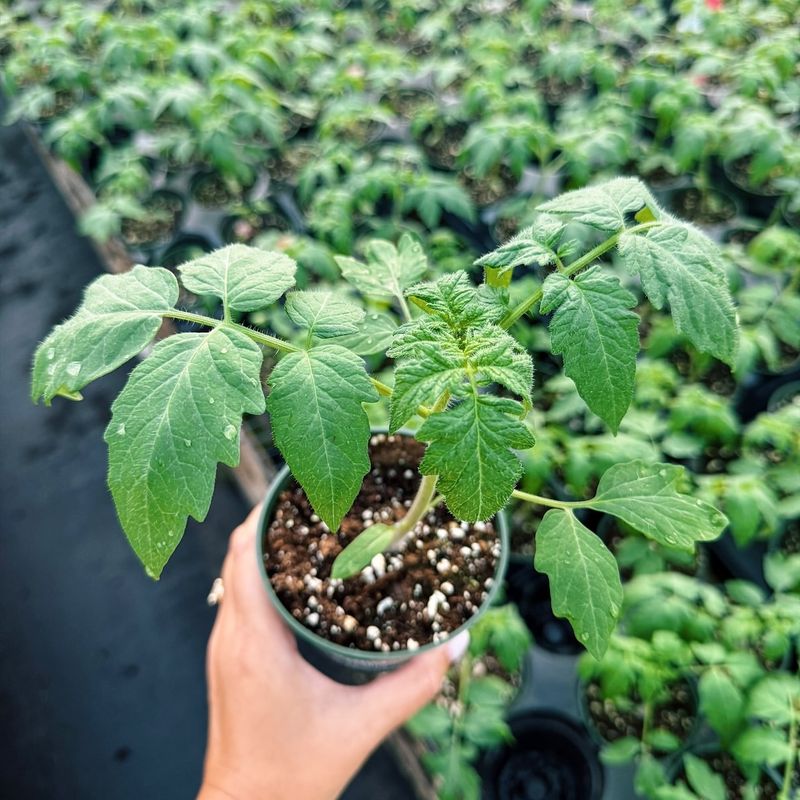
Spotting the right moment to repot your tomato seedlings starts with recognizing true leaves, which look completely different from the first pair of leaves that pop up after germination. Those initial leaves, called cotyledons, are rounded and simple, while true leaves have the classic serrated tomato leaf shape with multiple leaflets.
Once your seedlings show at least one full set of true leaves, they have developed enough strength to handle the stress of transplanting.
This milestone typically arrives about two to three weeks after germination, though the exact timing depends on how much light and warmth your seedlings receive indoors.
North Carolina gardeners who start seeds in late winter or early spring often see this stage arrive right on schedule if they provide adequate lighting.
Without enough light, seedlings may grow tall and leggy but lack the robust leaf development needed for a successful move.
Waiting for true leaves ensures the seedling has established a basic root system capable of recovering quickly from transplant shock. Moving seedlings too early, before true leaves appear, can stunt growth or cause setbacks that delay outdoor planting later.
Patience during this early phase pays off with stronger, more resilient plants that adapt better to larger containers and eventually to garden beds.
Root Visibility At Drainage Holes
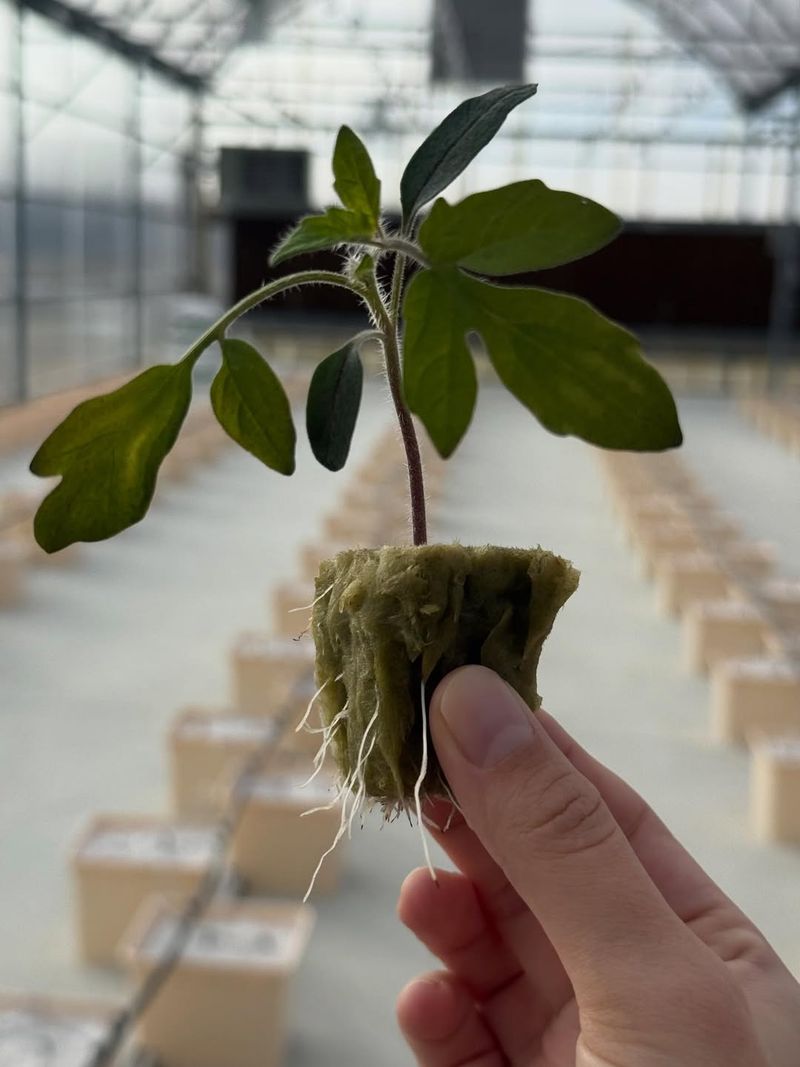
Your tomato seedlings will literally tell you when they need more space by sending roots out through the drainage holes at the bottom of their containers. This visible sign means the root system has filled the available soil and is searching for room to expand.
Roots emerging from drainage holes indicate the plant is becoming root-bound, a condition that restricts nutrient uptake and slows overall growth if left unaddressed.
Checking the bottom of your seed trays or starter pots every few days helps you catch this signal before roots become tangled or circling.
North Carolina’s indoor growing conditions, especially with good lighting and consistent watering, often produce vigorous root growth that reaches this stage quickly.
When you spot white or light-colored root tips poking through, it is time to prepare larger containers and fresh potting mix for transplanting.
Your North Carolina Garden Changes Every Week. Your Plan Should Too.
Gardening in North Carolina changes quickly throughout the season. Every Friday you’ll receive a simple weekly plan showing exactly what to plant, prune, fertilize, harvest, and protect so you never miss the right timing.
Root-bound seedlings struggle to absorb water efficiently, even when soil stays moist, because the dense root mass blocks proper moisture distribution. Moving seedlings promptly when roots appear prevents this problem and encourages the development of a healthy, spreading root system.
Healthy roots are the foundation for strong stems and productive plants, so responding to this signal ensures your tomatoes get the space they need to thrive throughout the growing season.
Stem Length Suitable For Deep Planting
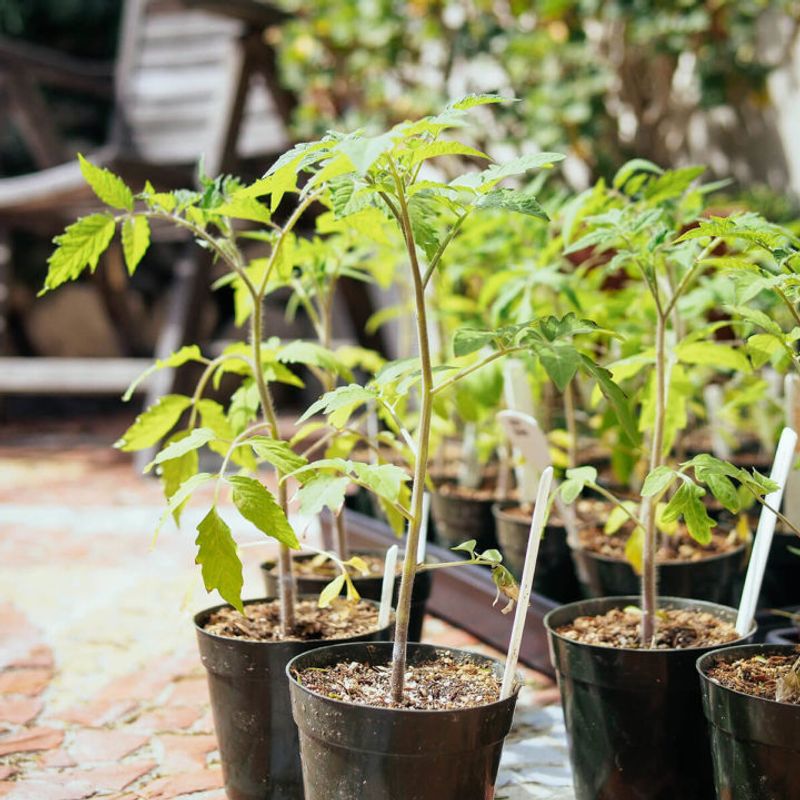
Tomatoes possess a unique ability to develop roots along any part of their stem that gets buried in soil, making them perfect candidates for deep planting when you repot.
Waiting until seedlings reach four to six inches in height gives you enough stem length to bury a portion during transplanting, which encourages additional root formation along the buried stem section.
This technique creates a more extensive root system that supports better nutrient absorption and stronger overall plant structure.
North Carolina gardeners starting seeds indoors during late winter can time their repotting to coincide with this ideal height, typically four to six weeks after germination.
Burying part of the stem also helps correct leggy growth that sometimes occurs when seedlings stretch toward light sources.
The buried stem section quickly develops new roots, transforming a potential weakness into a strength that benefits the plant throughout its life.
When transplanting, remove the lower leaves from the stem section that will go underground to prevent rotting, then plant the seedling deep enough that only the top few sets of leaves remain above the soil line.
This method works especially well when moving seedlings into quart-size or larger containers where you have adequate depth.
The extra roots produced through deep planting give your tomatoes a competitive advantage, helping them establish quickly and grow vigorously as they prepare for outdoor life.
Temperature Stability Indoors
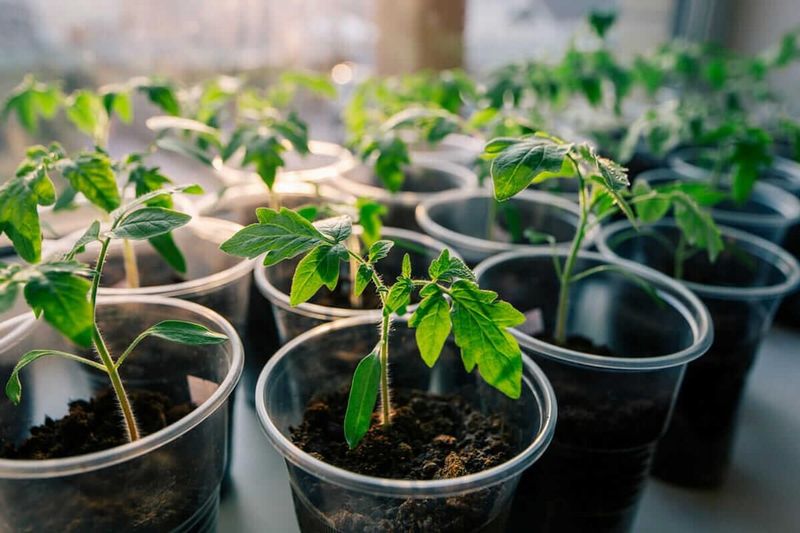
Consistent indoor temperatures between 65 and 75 degrees Fahrenheit create the ideal environment for transplanting tomato seedlings with minimal stress.
Temperature fluctuations can shock tender roots during the critical recovery period right after repotting, slowing growth and sometimes causing seedlings to wilt or struggle.
North Carolina homes in early spring often maintain these comfortable temperatures naturally, making it a perfect window for repotting activities.
Seedlings transplanted in stable temperature conditions recover faster and resume growth more quickly than those subjected to temperature swings.
Cold nighttime temperatures below 60 degrees can slow root development significantly, while excessive heat above 80 degrees may cause transplant shock or wilting.
Monitoring your indoor growing area with a simple thermometer helps you identify the best times to repot based on temperature patterns in your home.
Many North Carolina gardeners use heated seed mats during germination but can transition to ambient room temperature once seedlings are ready for larger pots. The stable warmth allows roots to explore new soil without the added stress of temperature adjustment.
Planning your repotting schedule around periods of temperature stability, rather than just calendar dates, gives your seedlings the best chance to establish quickly and continue their robust growth trajectory toward outdoor transplanting.
Container Size Progression
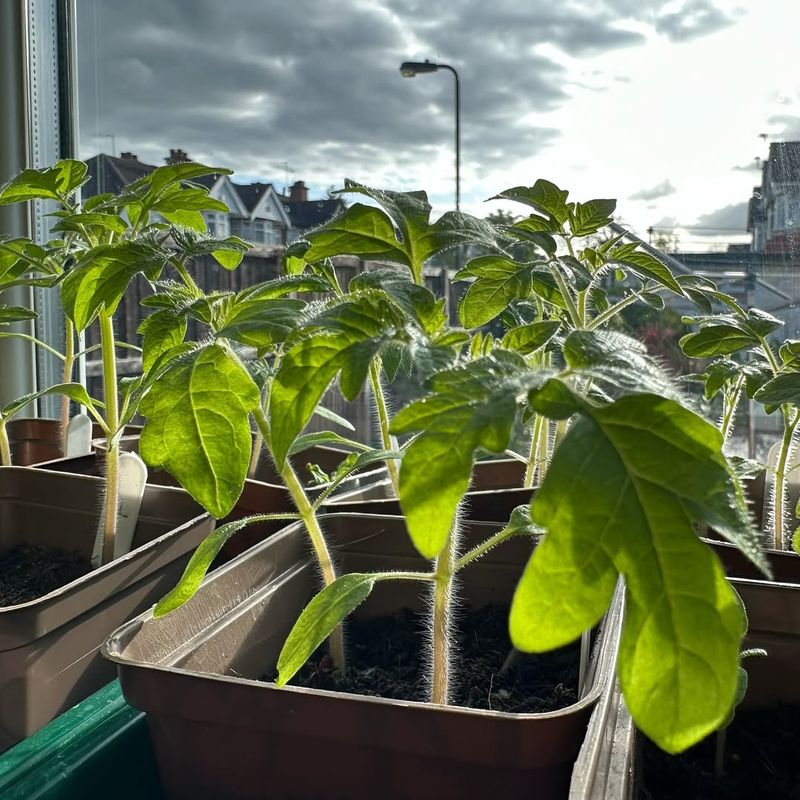
Moving seedlings through a series of gradually larger containers produces stronger root systems than jumping directly from tiny starter cells to oversized pots.
A typical progression starts with two-inch starter cells, then moves to four-inch pots, and finally to quart-size or larger containers before outdoor planting.
This step-by-step approach allows roots to fill each container completely, creating a dense, healthy root ball that supports vigorous top growth.
When seedlings go straight from small cells into very large pots, the excess soil around the roots stays wet longer after watering, which can lead to root rot or fungal issues.
Roots also tend to grow more slowly in oversized containers because they lack the stimulation that comes from exploring a fully occupied root zone.
North Carolina gardeners who follow gradual size increases typically see faster overall growth and healthier plants compared to those who skip intermediate pot sizes.
Each container upgrade should provide roughly double the root space of the previous pot, giving roots room to expand without overwhelming them with too much soil volume. Timing these moves based on root development rather than a fixed schedule ensures each transition happens at the optimal moment.
This methodical approach may require a few extra minutes of work, but the payoff comes in the form of robust, well-rooted plants that transition smoothly to garden beds and produce abundant harvests throughout the growing season.
Moist Soil Handling Technique
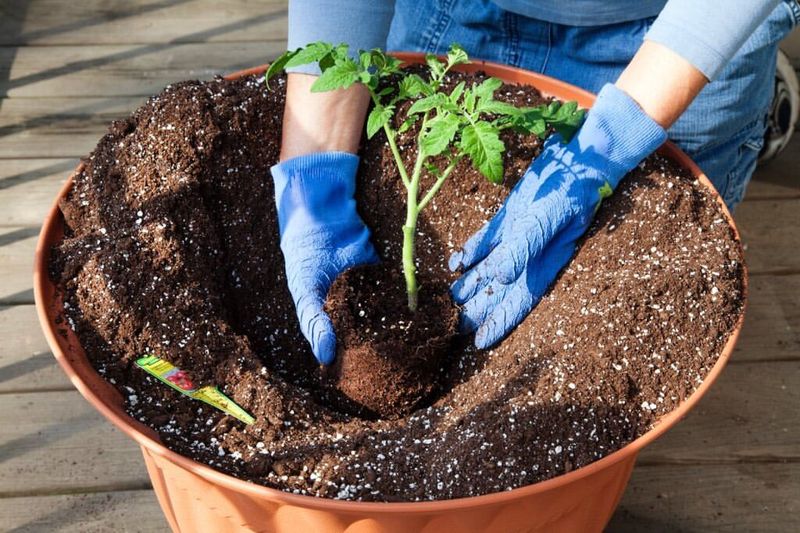
Preparing your potting mix to a lightly moist consistency before transplanting makes the process smoother and reduces stress on delicate roots.
Dry potting mix can pull moisture away from roots during the critical hours after repotting, while overly wet soil becomes heavy and muddy, making it difficult to work with and potentially damaging fragile root hairs.
The ideal moisture level feels like a wrung-out sponge, holding together when squeezed but not dripping water.
North Carolina’s often humid indoor environments during spring can cause potting mix to retain moisture longer than in drier climates, so choosing well-draining mixes with perlite or vermiculite helps prevent waterlogging.
Mixing your potting soil with water a few hours before transplanting gives moisture time to distribute evenly throughout the mix.
This preparation step ensures consistent soil contact around roots without creating air pockets or overly dense areas that restrict root growth.
When removing seedlings from their original containers, working with moist soil on both the seedling root ball and the new pot helps the roots transition smoothly into their new home.
Gently loosening any circling roots before placing the seedling in its new container encourages outward growth rather than continued circling.
Following up with a light watering after transplanting settles the soil around roots without compacting it, giving your tomato seedlings the perfect environment to recover quickly and resume their growth journey.
Timing Relative To Outdoor Planting Dates
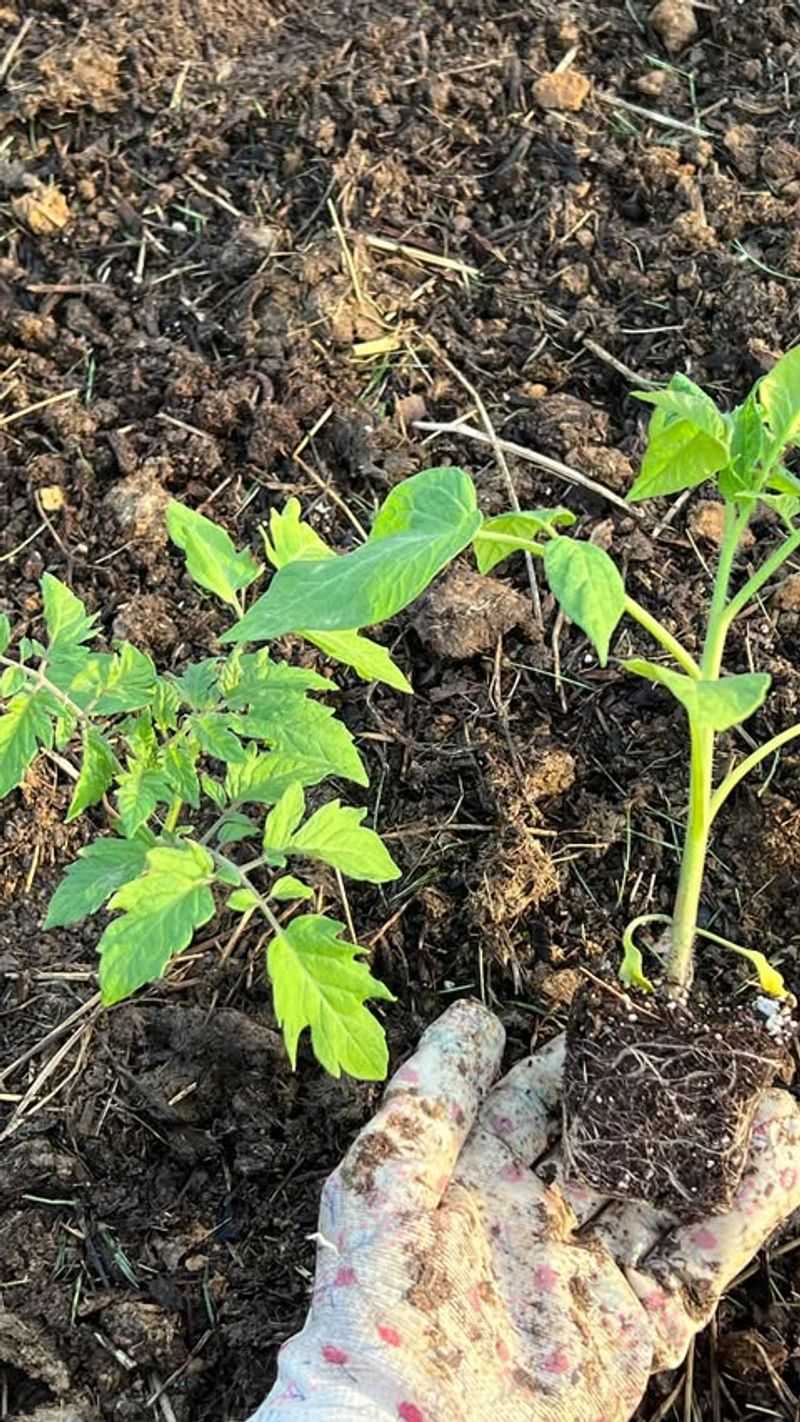
Planning your final pot upgrade to occur two to three weeks before outdoor transplanting gives seedlings time to establish in their larger containers while building strength for garden life.
North Carolina’s diverse climate zones mean outdoor planting dates vary significantly across the state, with coastal areas typically safe for tomato planting in early April while mountain regions may need to wait until early May.
Coordinating your repotting schedule with these regional frost dates ensures seedlings are at peak readiness when outdoor conditions become favorable.
This final container move should provide enough space for roots to grow vigorously without becoming root-bound before outdoor planting day arrives.
Many North Carolina gardeners use gallon-size pots for this final indoor stage, giving plants ample room to develop strong stems and extensive root systems.
The waiting period after this last repotting also allows time for hardening off, the gradual acclimation process that prepares indoor-grown seedlings for outdoor sun, wind, and temperature fluctuations.
Tracking your local last frost date and working backward helps you establish a repotting timeline that aligns with outdoor planting goals.
Seedlings that spend too long in their final indoor containers may become root-bound or start flowering prematurely, while those moved outdoors too soon after repotting lack the established root system needed to handle transplant stress.
Proper timing of this final pot upgrade sets the stage for a smooth transition to garden beds and a successful growing season filled with healthy, productive tomato plants.