These Garden Grading And Soil Changes Actually Require A Permit In North Carolina
A neighbor down the street once told me he was just leveling a small patch of his yard for better drainage. A few days later, a county notice showed up and ruined his weekend plans.
That story made me realize how many North Carolina gardeners make soil and grading changes without knowing there are actual rules tied to them.
It sounds harmless to move dirt, build up beds, or reshape a slope, yet some projects cross a legal line faster than you would expect.
Local regulations exist to protect water flow, nearby properties, and the environment, but they can feel confusing if you have never dealt with permits before. The good news is that most surprises are easy to avoid once you know what triggers paperwork.
Before you pick up a shovel or rent equipment, you will want to see which changes require approval. This quick knowledge could save you a serious headache.
Significant Land Grading Or Re-Sloping
When you dream of leveling out that bumpy backyard or creating terraced garden beds, you might be planning more than just a weekend project.
Altering your yard’s slope by more than a few inches can dramatically change how water flows across your property and into neighboring yards.
Most North Carolina counties require grading permits when you’re making elevation changes of two to three feet or more, because these modifications affect drainage patterns and erosion control throughout the entire neighborhood.
Your local building department will review your grading plans to ensure water won’t pool against foundations or flood adjacent properties. They’ll look at existing contours, proposed changes, and how stormwater will be managed after construction.
The permit process typically requires a site plan showing current and proposed elevations, plus details about erosion control measures during construction.
Applying for a grading permit might feel like extra paperwork, but it protects your investment and your neighbors’ properties. Inspectors can catch potential drainage disasters before they happen.
Many homeowners discover that professional grading plans actually improve their landscape design, creating better water management and more usable outdoor space than their original DIY sketches.
Excavating Near Streams Or Wetlands
That charming creek running through your property might seem like the perfect spot for a garden expansion, but state and federal agencies take water quality protection seriously.
Riparian zones are the vegetated areas alongside streams, rivers, and wetlands that filter pollutants, stabilize banks, and provide wildlife habitat.
Digging or moving soil within these sensitive areas triggers review from the North Carolina Department of Environmental Quality and potentially the Army Corps of Engineers.
Buffer requirements vary by stream classification and local ordinances, but many NC counties prohibit soil disturbance within 30 to 50 feet of perennial streams.
Even seasonal creeks and jurisdictional wetlands have protected zones where excavation requires permits.
Violating these regulations can result in steep fines and mandatory restoration at your expense, turning a simple garden project into a legal nightmare.
Before breaking ground near any water feature, contact your county soil and water conservation district for a free site evaluation. They’ll help you identify wetland boundaries and explain buffer requirements.
Your North Carolina Garden Changes Every Week. Your Plan Should Too.
Gardening in North Carolina changes quickly throughout the season. Every Friday you’ll receive a simple weekly plan showing exactly what to plant, prune, fertilize, harvest, and protect so you never miss the right timing.
If your project requires permits, they can guide you through the application process and suggest alternative designs that protect water quality while still achieving your gardening goals.
Retaining Wall Construction Above Certain Heights
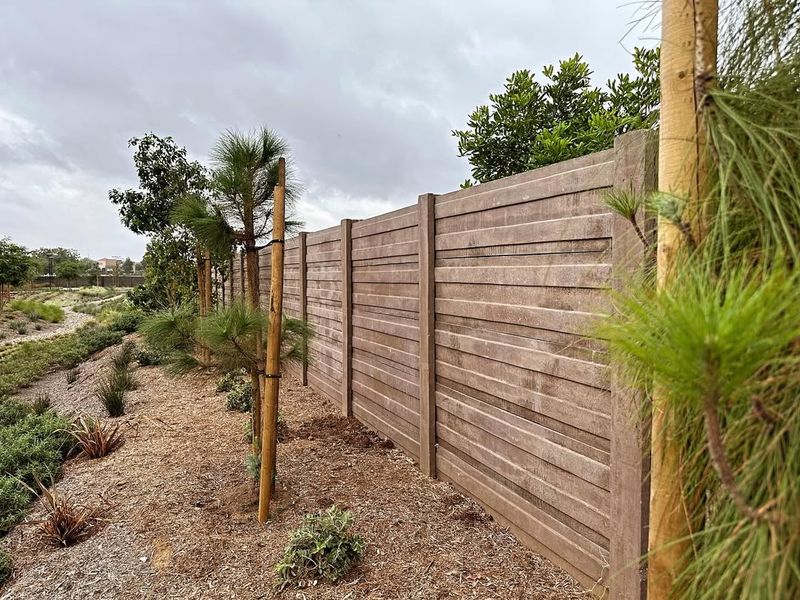
Building a retaining wall might seem straightforward until you realize that structures above four feet tall often require building permits throughout North Carolina municipalities.
These walls do more than hold back soil; they redirect water flow, bear significant loads, and can affect slope stability across multiple properties.
Local building codes treat tall retaining walls as structural elements that need engineering review, not just landscaping features.
Height measurements start from the lowest exposed grade, not from where you’re standing at the top. A wall that looks three feet tall from your patio might actually measure six feet from the downhill side, putting it firmly in permit territory.
Walls supporting driveways, buildings, or other structures typically have even stricter requirements regardless of height.
The permit process ensures your wall has proper footings, adequate drainage, and appropriate construction materials for the soil conditions and load. Inspectors check for weep holes, gravel backfill, and geotextile fabric that prevent water pressure from building up behind the wall.
While hiring an engineer and pulling permits adds upfront costs, properly built retaining walls last decades without failure, protecting both your garden investment and your home’s foundation from soil movement.
Large-Scale Soil Import Or Export
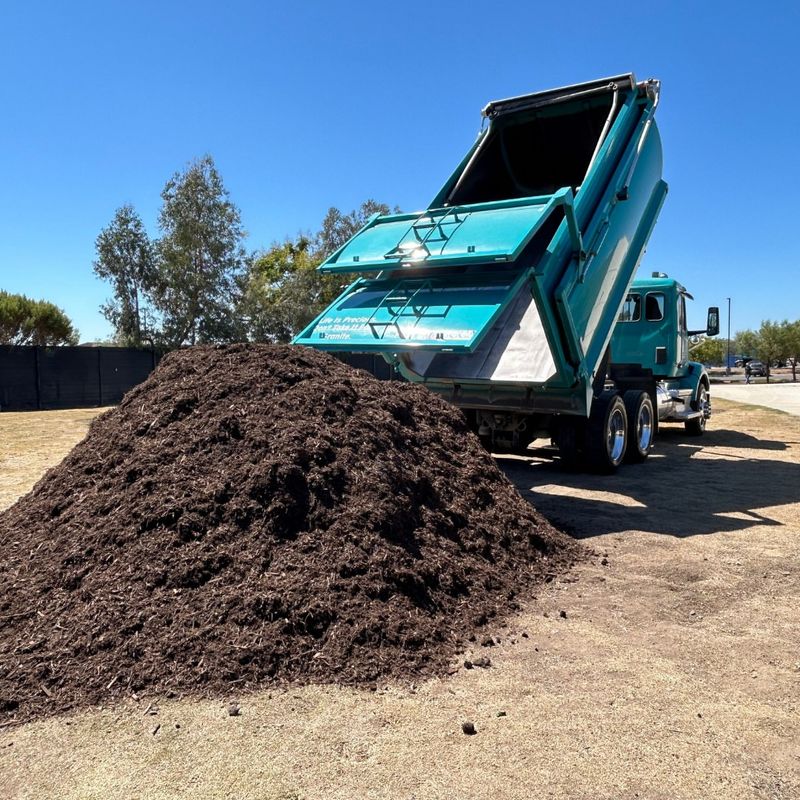
Gardeners often underestimate the regulations around moving dirt, but hauling in truckloads of topsoil or removing excess fill can trigger multiple permit requirements.
North Carolina counties typically regulate soil movements exceeding 50 cubic yards, which equals about five standard dump truck loads.
These thresholds exist because large soil transfers affect stormwater management, create erosion risks during transport and placement, and can introduce contaminated materials onto residential properties.
Your municipality wants to track where soil comes from and where it goes, ensuring clean fill enters neighborhoods and potentially contaminated soil gets properly disposed.
Import permits verify that incoming soil meets quality standards and won’t introduce invasive species or pollutants. Export permits ensure removed soil goes to approved sites rather than being dumped illegally in streams or vacant lots.
Transportation regulations add another layer, as heavy trucks damage residential streets and create safety hazards. Some neighborhoods restrict hauling hours or require road maintenance bonds.
Before ordering that mountain of garden soil or scheduling excavation, check with your local planning department about volume thresholds, soil testing requirements, and approved hauling routes.
Planning ahead prevents your delivery trucks from being turned away at your driveway.
Drainage Alterations Or French Drains
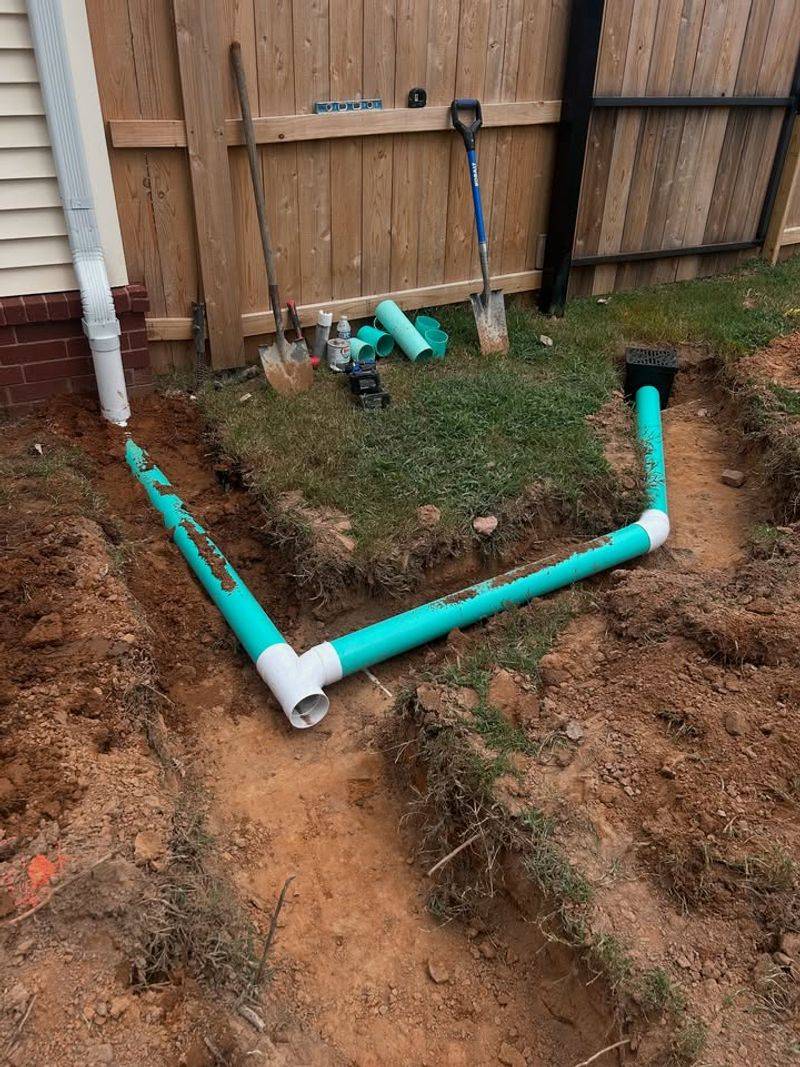
Installing underground drainage systems seems like a smart solution for soggy garden spots, but redirecting water across property lines or into municipal storm drains requires careful regulatory navigation.
Your right to manage water on your property doesn’t extend to pushing drainage problems onto neighbors or overwhelming public infrastructure.
North Carolina follows common law principles that prohibit concentrating or accelerating natural water flow in ways that damage adjacent properties.
French drains, curtain drains, and other subsurface systems must be designed to handle stormwater without creating new flooding issues.
Many municipalities require permits when drainage modifications discharge into street storm drains, because improper connections can introduce sediment and pollutants into waterways.
Some homeowners associations have additional restrictions on drainage alterations that affect common areas or neighboring lots.
Working with your local stormwater department during the planning phase helps you design effective drainage that meets regulations. They’ll review your property’s natural drainage patterns and suggest outlet locations that won’t cause problems.
Properly permitted drainage systems protect you from liability if water issues arise later, providing documentation that your installation met professional standards and regulatory requirements when constructed.
Excavation For Ponds Or Water Features
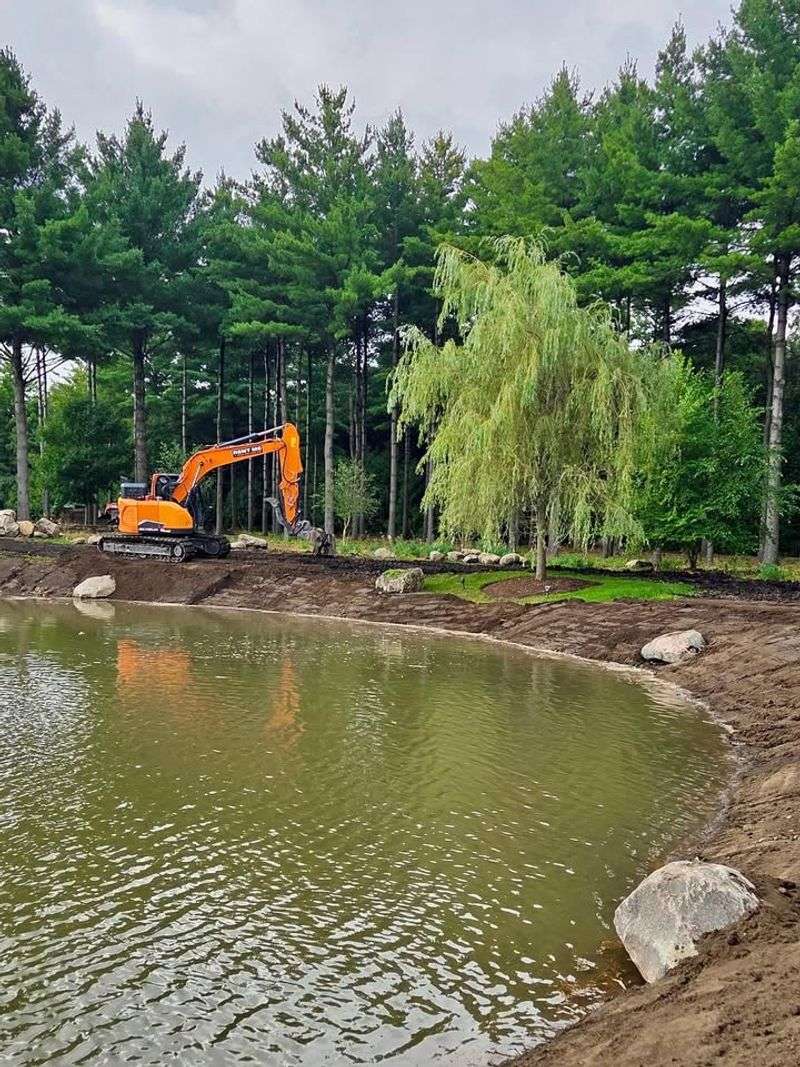
Creating a backyard pond or ornamental water feature involves more than aesthetic considerations when excavation changes landscape elevations significantly.
North Carolina regulations address how new water bodies affect groundwater, surface runoff, mosquito breeding, and floodplain storage capacity.
Ponds larger than a certain surface area or depth typically require permits from multiple agencies, depending on their purpose and location.
Farm ponds, stormwater retention basins, and decorative water gardens each face different regulatory frameworks. Your county might classify a half-acre fishing pond differently than a 200-gallon garden fountain, but both could require review if excavation exceeds local thresholds.
Projects in or near floodplains face additional scrutiny because they can displace water and increase flooding risks for downstream properties.
Dam safety regulations apply when pond embankments exceed certain heights or store specific water volumes. Even small garden ponds need proper liner installation and overflow management to prevent erosion and water quality problems.
Starting with your county’s environmental health department helps you navigate the overlapping jurisdictions that might regulate your water feature.
They’ll explain which permits apply to your specific project and connect you with state agencies if needed for larger installations.
Grading On Slopes Greater Than Local Thresholds
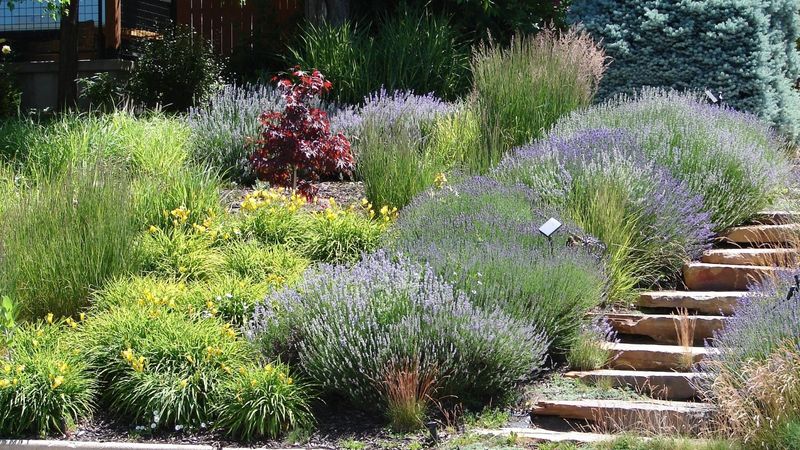
Mountain and Piedmont homeowners often face steep lot conditions that make gardening challenging, but disturbing soil on significant slopes requires extra caution and often permits.
Many North Carolina counties establish slope thresholds, typically between 15 and 20 percent grade, beyond which grading activities trigger mandatory permitting.
These regulations exist because steep slope disturbance dramatically increases erosion risks, sending sediment into streams and destabilizing hillsides.
Calculating your property’s slope requires measuring the vertical rise over horizontal distance, expressed as a percentage.
A 20 percent slope rises 20 feet over 100 feet of horizontal distance, creating conditions where disturbed soil easily washes away during rainstorms.
Counties with mountainous terrain often have stricter regulations, recognizing that steep slope failures can threaten homes and infrastructure downhill.
Permit applications for steep slope grading require detailed erosion control plans showing how you’ll stabilize soil during and after construction.
Silt fences, sediment traps, and temporary vegetation keep dirt on your property instead of clogging neighborhood storm drains.
Some jurisdictions prohibit grading on the steepest slopes altogether, requiring alternative approaches like terracing or building on piers. Consulting with a soil scientist or engineer experienced in your county’s regulations helps you develop feasible plans that protect your investment.
Soil Compaction Or Stabilization Projects
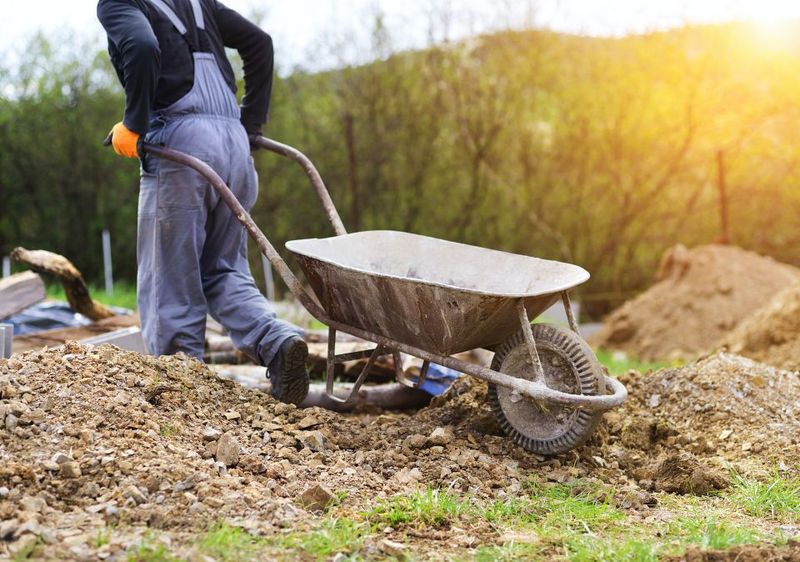
Using heavy machinery to compact soil, create terraces, or stabilize large garden areas might require permits due to potential erosion and stormwater impacts.
Bulldozers, excavators, and compaction equipment can dramatically alter soil structure and drainage characteristics across your property.
When these changes affect areas larger than typical residential landscaping projects, North Carolina counties want to ensure proper engineering and erosion control measures protect neighboring properties and water quality.
Compaction projects often accompany other regulated activities like grading or retaining wall construction, but they can also stand alone when you’re preparing ground for heavy garden structures or creating stable pathways.
Over-compacted soil loses its ability to absorb rainfall, increasing runoff that can overwhelm drainage systems and cause flooding.
Terracing projects that create multiple level changes might trigger cumulative grading thresholds even if individual terraces seem modest.
The permit review process examines your compaction methods, final soil density, and how water will move across modified areas. Inspectors verify that stabilization efforts won’t simply shift erosion problems to new locations or create impervious surfaces that concentrate runoff.
Professional soil compaction done with proper permits ensures your garden improvements enhance rather than compromise your property’s long-term stability and drainage performance.