9 Vegetables Ohio Gardeners Should Be Starting Indoors Now
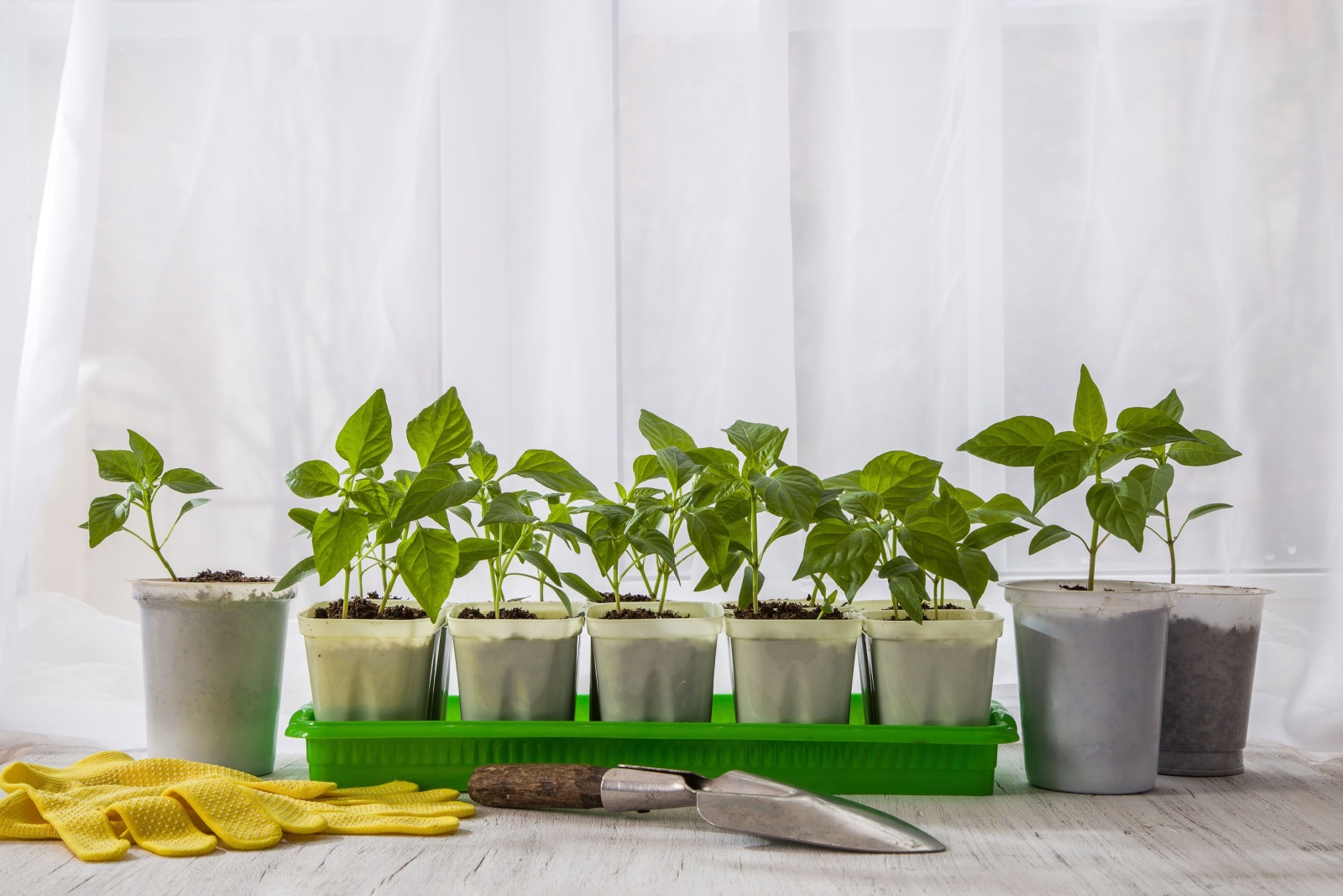
Ohio gardeners, winter may feel slow, but your indoor garden can be buzzing. Starting vegetables inside now gives plants a head start and stronger growth once they hit the garden.
Certain vegetables respond best to early care and warmth, turning tiny seeds into healthy seedlings ready for spring. Ohio gardeners are picking the right varieties, setting up trays and lights, and seeing big differences in harvest size and timing.
Starting indoors saves time, prevents weak plants, and helps your garden thrive when outdoor soil finally thaws. The right vegetables now mean earlier harvests, bigger yields, and happier plants all season.
Your window to get a jump on spring is open, and the results are worth every effort. Healthy seedlings today become the garden you dreamed of tomorrow.
1. Tomatoes For Early Strong Growth
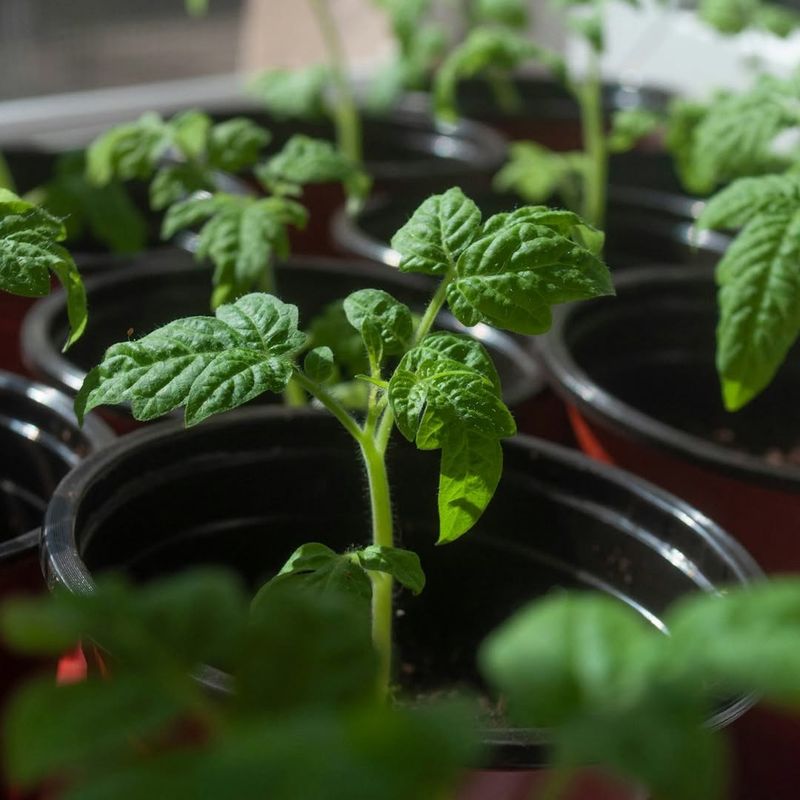
You walk past your seed tray in the morning and notice the first tiny tomato leaves unfolding under the glow of your grow light. That moment feels like spring arriving early, even when frost still clings to your windows outside.
Tomatoes thrive when started indoors six to eight weeks before Ohio’s last frost date, which usually means late February through March for most Ohio gardeners.
Starting tomatoes indoors gives them time to develop strong root systems and sturdy stems before they face unpredictable spring weather. Ohio’s cool nights and late frosts can stunt young tomato plants, so indoor starting protects them during their most vulnerable stage.
You want seedlings that are stocky and green, not tall and pale from stretching toward weak winter sunlight.
Keep your tomato seeds in warm soil, around seventy to seventy-five degrees, until they sprout. Once they emerge, lower the temperature slightly and provide at least fourteen hours of bright light daily.
Watch for leggy growth, which signals insufficient light, and adjust your setup accordingly.
Transplant your tomatoes outdoors only after the soil reaches sixty degrees and nighttime temperatures stay above fifty. Hardening off seedlings for a week before planting helps them adjust to wind, direct sun, and cooler air without shock.
2. Peppers To Beat Ohio’s Short Season
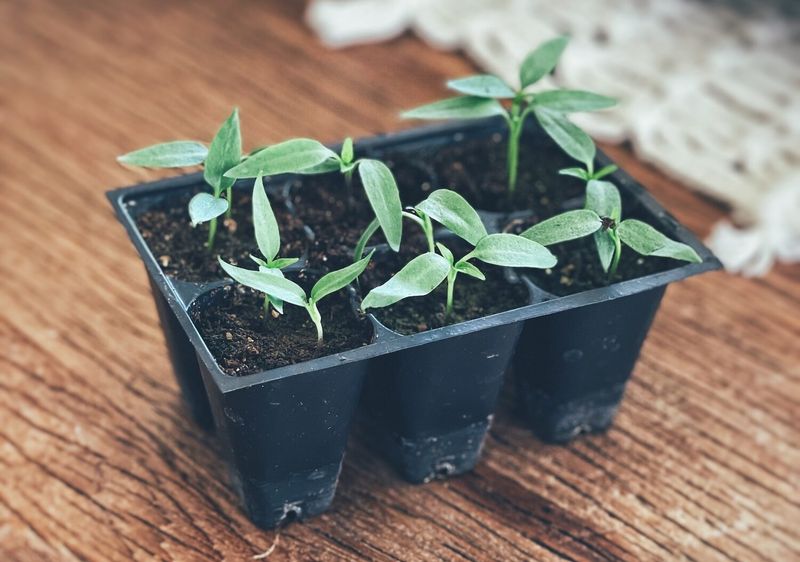
Pepper seedlings take their time, and that’s exactly why many Ohio gardeners begin starting them indoors later in February. You might notice how slowly they emerge compared to tomatoes, sometimes taking two weeks just to poke through the soil.
Peppers need warmth and patience, and starting them indoors eight to ten weeks before your last frost date gives them the head start they desperately need in Ohio’s short growing season.
Without indoor starting, peppers planted directly outdoors often struggle to produce before fall’s first cold snap arrives. Central Ohio gardeners aiming for a late May transplant typically start seeds in late February or early March, with northern Ohio gardeners starting slightly later.
Keep pepper seeds warm during germination, ideally between seventy-five and eighty degrees. A heat mat under your seed tray works wonders for speeding up sprouting.
Once seedlings appear, provide bright light for at least sixteen hours daily to prevent weak, spindly growth.
Your Ohio Garden Changes Every Week. Your Plan Should Too.
Gardening in Ohio changes quickly throughout the season. Every Friday you’ll receive a simple weekly plan showing exactly what to plant, prune, fertilize, harvest, and protect so you never miss the right timing.
Peppers dislike cold soil and air, so wait until nighttime temperatures stay consistently above fifty-five degrees before transplanting. Harden off your seedlings gradually, exposing them to outdoor conditions over seven to ten days to avoid transplant shock and leaf drop.
3. Broccoli For Cooler Weather Tolerance
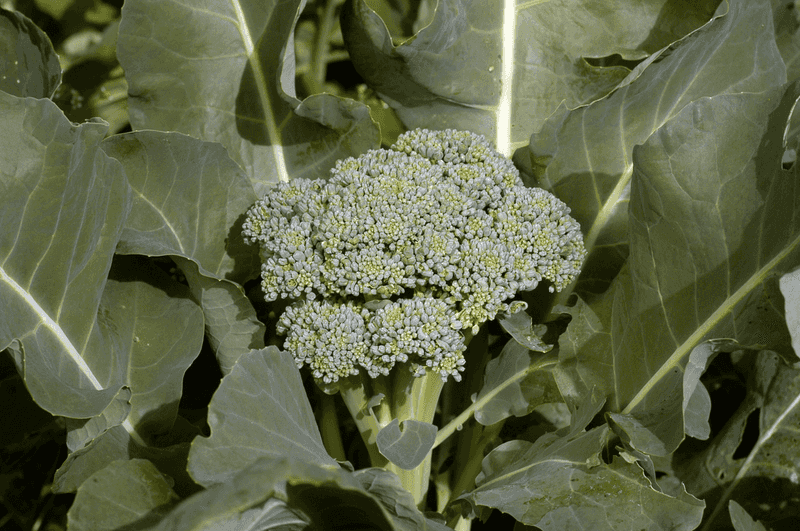
Broccoli seedlings look sturdy from the start, with thick stems and broad leaves that feel almost rubbery to the touch. You’ll notice how quickly they grow once they sprout, often outpacing other vegetables in your seed tray.
Starting broccoli indoors four to six weeks before your last frost date gives you transplants ready to handle Ohio’s unpredictable spring weather without skipping a beat.
Broccoli loves cool temperatures and actually struggles in summer heat, so timing your indoor start correctly ensures you harvest before the thermometer climbs too high. Northern Ohio gardeners usually start broccoli in early to mid-March, while southern gardeners may begin in late February if transplanting early.
For best germination, broccoli seeds should be started in soil around 75 degrees, then grown on in cooler conditions. Seedlings need plenty of light but tolerate cooler indoor temperatures better than heat-loving crops.
Watch for crowding in your trays, which can weaken stems and invite disease.
Transplant broccoli outdoors two to three weeks before your last frost date, as they handle light frosts without trouble. Hardening off still matters, though, because sudden exposure to wind and bright sun can stress even tough broccoli seedlings and slow their growth.
4. Cabbage To Extend Harvest Window
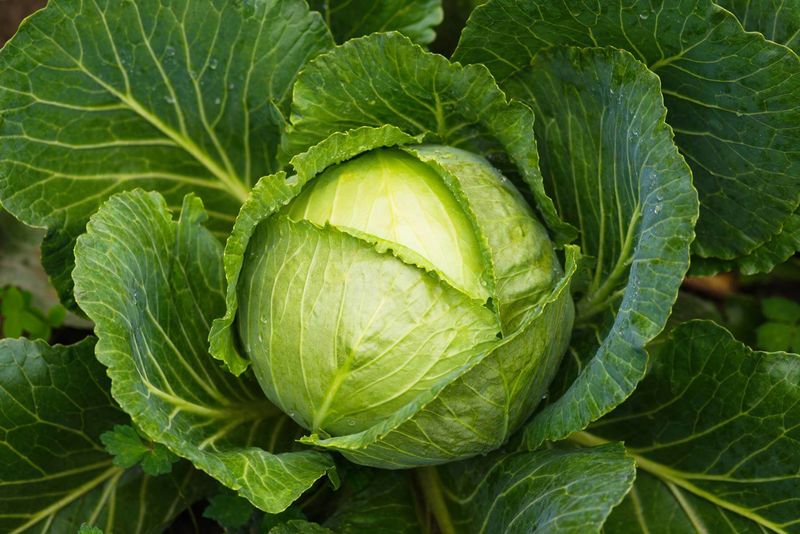
Cabbage seedlings look almost identical to broccoli at first, with those same sturdy stems and waxy leaves that feel cool to the touch. You might find yourself labeling your trays carefully to avoid mix-ups later.
Starting cabbage indoors four to six weeks before your last frost date gives you control over your harvest window, letting you stagger plantings for fresh cabbage all season long.
Cabbage thrives in cool weather and tolerates frost better than most vegetables, making it ideal for early spring planting in Ohio. Central Ohio gardeners typically start cabbage in late February into early March, with northern Ohio gardeners starting slightly later.
Keep cabbage seeds in moderate temperatures, around sixty-five to seventy degrees, until they sprout. Once seedlings appear, they need strong light but prefer cooler growing conditions than heat-loving crops.
Watch for damping off, a fungal issue that strikes seedlings in overly wet soil, and ensure good air circulation around your trays.
Transplant cabbage outdoors two to three weeks before your last frost date, as they handle cold soil and chilly nights without trouble. Hardening off still helps them adjust to outdoor conditions, especially bright sunlight and drying winds that can stress young plants and slow their establishment.
5. Cauliflower For Bigger Heads Later
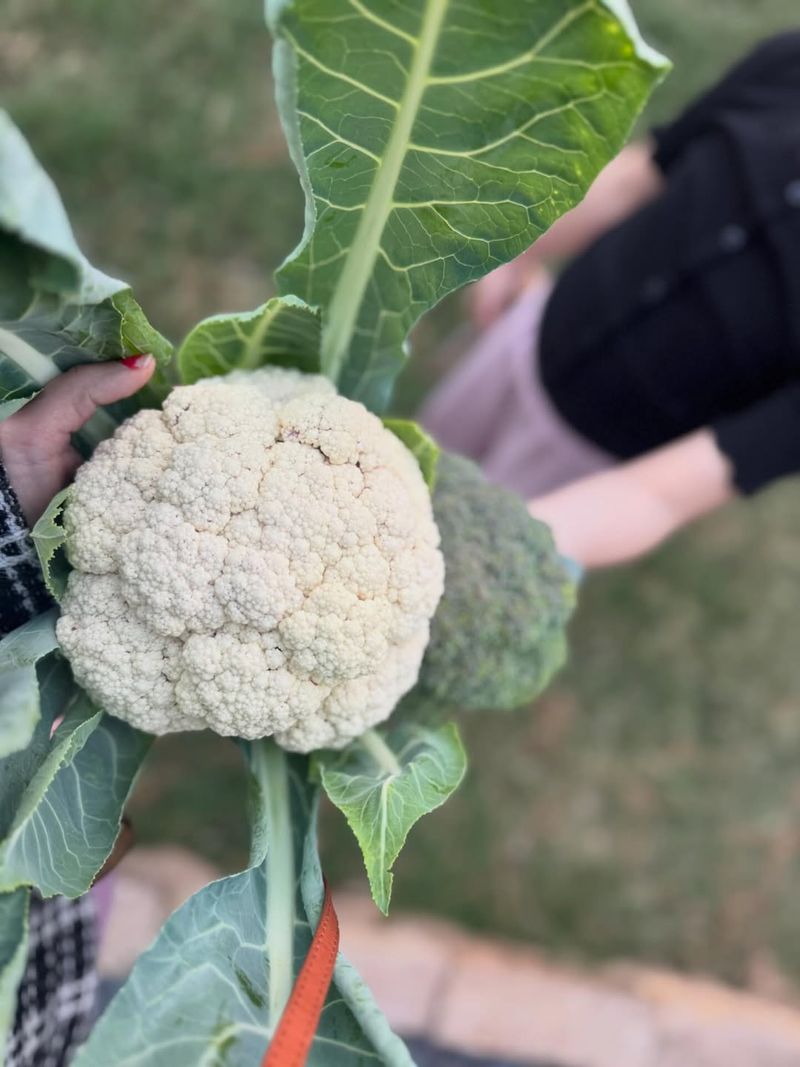
Cauliflower seedlings emerge looking delicate at first, with thin stems that thicken quickly as they grow. You’ll notice how sensitive they are to temperature swings, wilting slightly if the air gets too warm or the soil dries out.
Starting cauliflower indoors four to six weeks before your last frost date gives you transplants ready to form large, tight heads before summer heat arrives and ruins their development.
Cauliflower demands cool weather and consistent moisture, making indoor starting essential for Ohio gardeners who want quality heads. In Ohio, cauliflower is usually started in late February into March, with southern gardeners starting first and northern gardeners starting a bit later.
For best germination, cauliflower seeds should be started in soil around 75 degrees, then moved to cooler growing conditions after emergence. Once seedlings appear, they need bright light and slightly cooler conditions to prevent stretching.
Watch for yellowing leaves, which often signal nutrient deficiencies or inconsistent watering, and adjust your care routine accordingly.
Transplant cauliflower outdoors near your last frost date, as they tolerate cool weather but can be damaged by frost. Hardening off helps them adjust to outdoor conditions without shock, especially the intense sunlight and temperature fluctuations that can stunt growth and delay head formation in young plants.
6. Onions Or Leeks For Long Growing Season
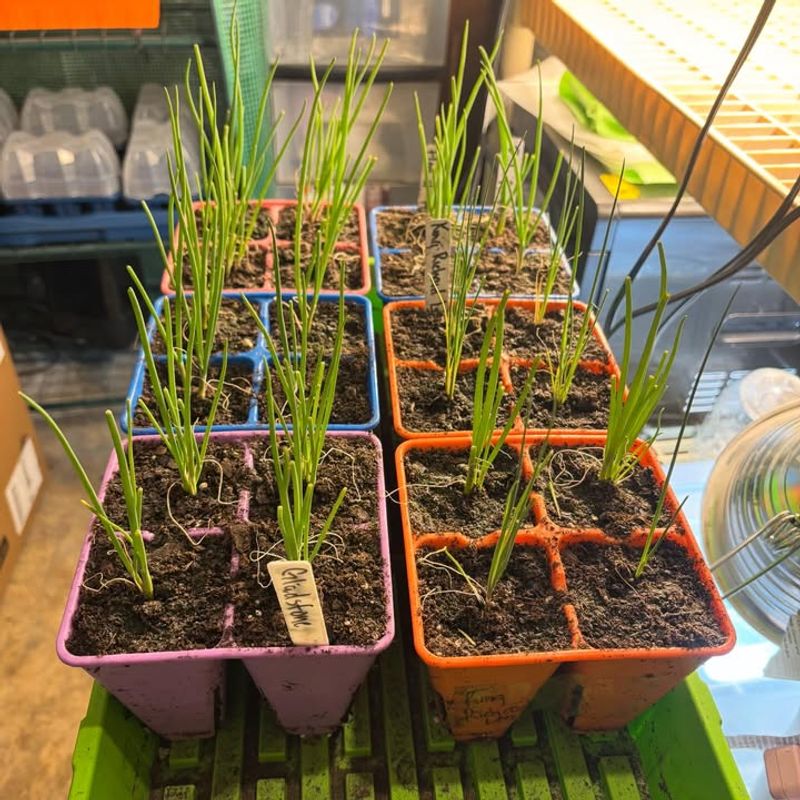
Onion seedlings look like tiny blades of grass poking up from the soil, so thin and delicate you might worry they’ll never amount to much. Leeks appear nearly identical, though they grow slightly thicker as they mature.
Starting onions or leeks indoors eight to ten weeks before transplanting outdoors works best for most Ohio gardeners.
Seeds can also be direct-sown once soil is workable, but many Ohio gardeners prefer transplants for quicker early growth. Indoor starting lets you transplant vigorous seedlings ready to take advantage of spring’s cool, moist soil.
Northern Ohio gardeners should start seeds in late February or early March, while southern gardeners can begin even earlier for larger harvests.
Keep onion and leek seeds in moderate temperatures, around sixty-five to seventy degrees, until they sprout. Once seedlings emerge, they need bright light and slightly cooler conditions to prevent flopping over.
Trim the tops to about three inches tall if they get too leggy, which encourages stronger growth and easier handling at transplant time.
Transplant onions and leeks outdoors three to four weeks before your last frost date, as they tolerate cold soil and frosty nights without trouble. Hardening off still matters, especially for leeks, which can suffer transplant shock if moved too abruptly from indoor warmth to outdoor chill.
7. Herbs Like Basil Or Parsley Indoors Now
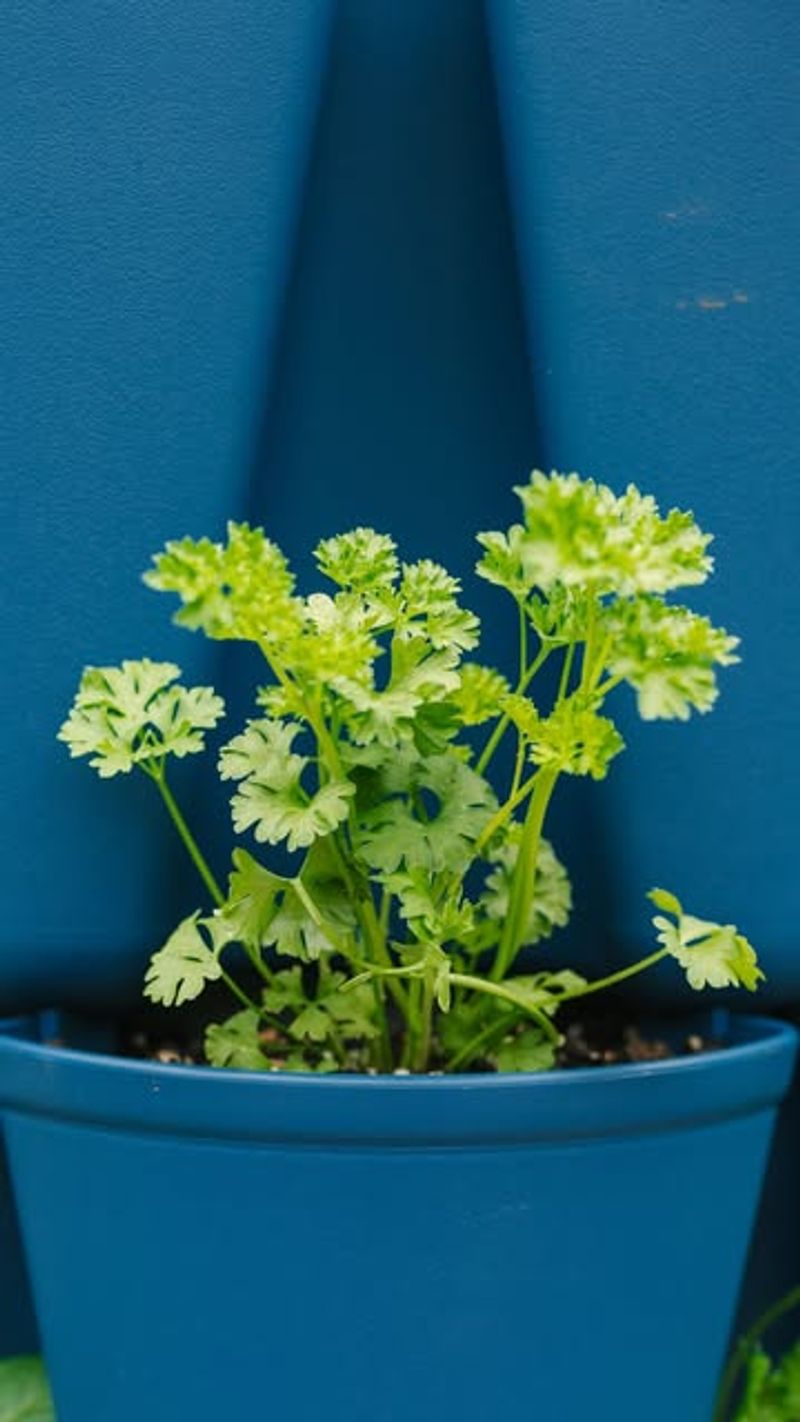
Basil seedlings emerge with rounded leaves that smell faintly sweet even when tiny, while parsley takes its time, sometimes needing three weeks just to sprout. You’ll notice how different their growth habits are, with basil shooting up quickly and parsley staying compact and bushy.
Starting herbs indoors now gives you fresh flavors ready to transplant when your tomatoes and peppers head outdoors, creating a garden that smells as good as it tastes.
Basil loves warmth and struggles in cold soil, so starting it indoors six to eight weeks before your last frost date ensures strong plants ready for summer heat. Parsley, on the other hand, tolerates cooler weather and can go outdoors earlier, making it perfect for spring planting in Ohio.
In February, Ohio gardeners can start parsley now and wait until early to mid-March to start basil.
Keep basil seeds warm, around seventy to seventy-five degrees, until they sprout, then provide bright light to prevent legginess. Parsley prefers cooler conditions, around sixty-five degrees, and benefits from soaking seeds overnight before planting to speed germination.
Watch for damping off in both, especially if your seed trays stay too wet.
Transplant basil outdoors only after nighttime temperatures stay above fifty-five degrees, as cold nights can stunt growth and invite disease. Parsley can go out earlier, two to three weeks before your last frost, and actually benefits from cool spring weather that encourages bushy, flavorful growth.
8. Kale Or Other Cool-Season Greens
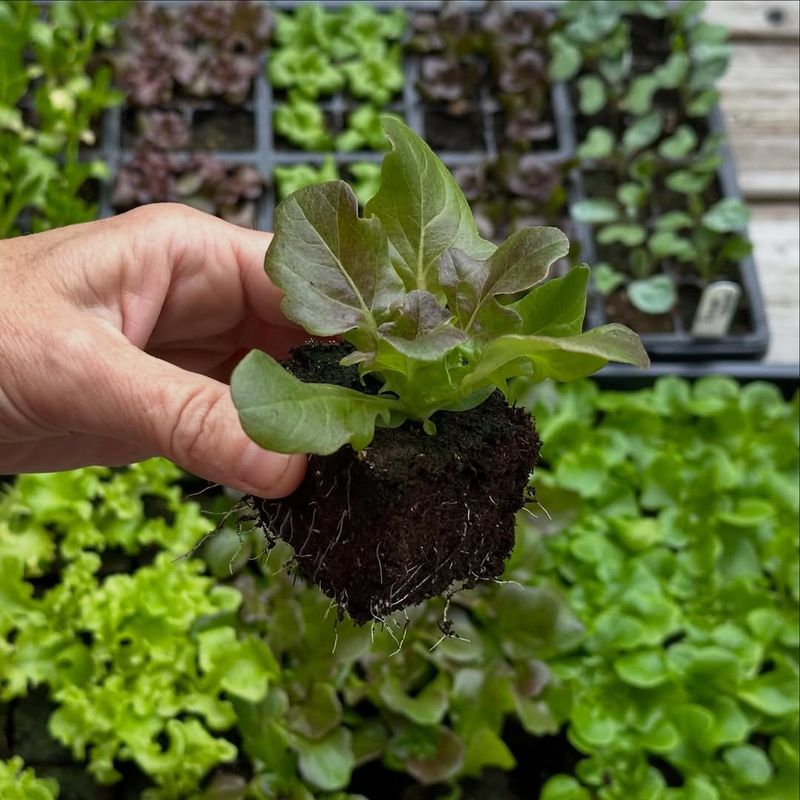
Kale seedlings look tough from the start, with thick stems and crinkled leaves that feel almost leathery compared to other greens. You’ll notice how quickly they grow once they sprout, often doubling in size within a week.
Kale thrives in cool temperatures and actually tastes sweeter after a light frost, making it ideal for early spring planting in Ohio. In Ohio, kale is typically started in late February through March, with southern gardeners starting first and northern gardeners starting a bit later.
Keep kale seeds in soil around 70 to 75 degrees for best germination. Once seedlings appear, they need bright light but tolerate cooler indoor conditions better than heat-loving crops.
Watch for crowding in your trays, which can weaken stems and invite pests like aphids once plants move outdoors.
Transplant kale outdoors three to four weeks before your last frost date, as they handle cold soil and frosty mornings without trouble. Hardening off still helps them adjust to outdoor conditions, especially intense sunlight and drying winds that can stress young plants and slow their growth during establishment.
9. Eggplant For Warm-Weather Heat Lovers
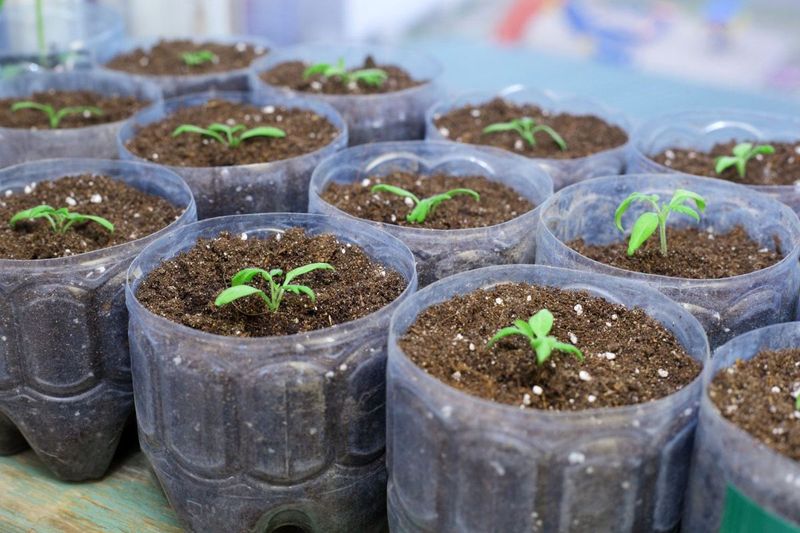
Eggplant seedlings emerge slowly, almost reluctantly, as if they’re waiting for warmer days before committing to growth. You might notice how their leaves look fuzzy and slightly purple-tinged, a hint of the glossy fruits they’ll produce later.
Starting eggplant indoors eight to ten weeks before your last frost date gives them the long, warm growing season they need to produce in Ohio’s climate, where summer heat arrives late and fades early.
Eggplant loves warmth even more than peppers and struggles in cool soil or chilly nights. Indoor starting protects young plants during their most vulnerable stage and ensures they’re ready to thrive once Ohio’s soil finally warms.
Central Ohio gardeners typically start eggplant seeds in late February or early March for late spring planting.
Keep eggplant seeds warm during germination, ideally between seventy-five and eighty degrees. A heat mat under your seed tray speeds up sprouting and prevents seeds from rotting in cool soil.
Once seedlings appear, provide bright light for at least sixteen hours daily to prevent weak, spindly growth.
Transplant eggplant outdoors only after nighttime temperatures stay consistently above sixty degrees, as cold soil and chilly air can stunt growth permanently. Harden off your seedlings gradually, exposing them to outdoor conditions over seven to ten days to avoid transplant shock and leaf drop that can delay fruiting.