Is Starting Seeds Indoors During Winter Actually Worth It For Michigan Gardeners
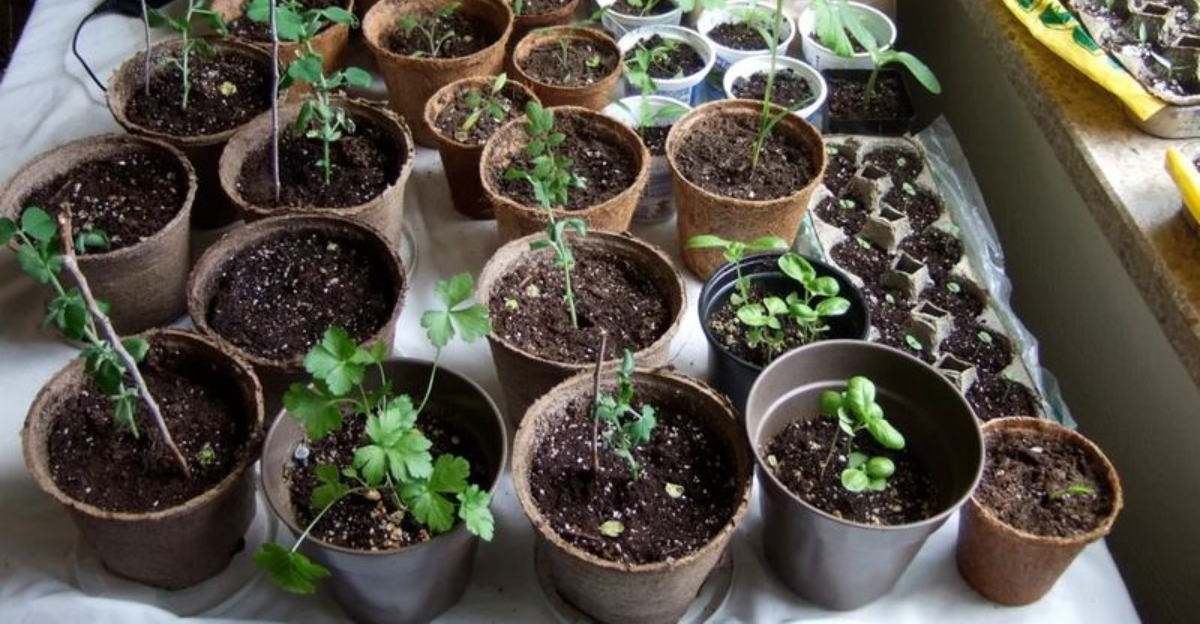
Last January a neighbor in Michigan knocked on my door holding a tray of tiny seedlings like a proud parent. She laughed and said she was not sure if she was starting a garden or a new hobby obsession.
That moment sums up how many people feel about winter seed starting. It sounds smart, feels hopeful, and adds a splash of green to long gray months.
Still, questions always pop up. Is the extra setup worth it, will the plants actually grow better, and does it really save money or just add clutter to the kitchen counter?
With cold weather outside and limited sunlight inside, the results can swing either way. The good news is that there are clear signs that tell you when indoor starting pays off and when it does not. If you want to make smarter choices this winter, keep reading.
Extends The Growing Season
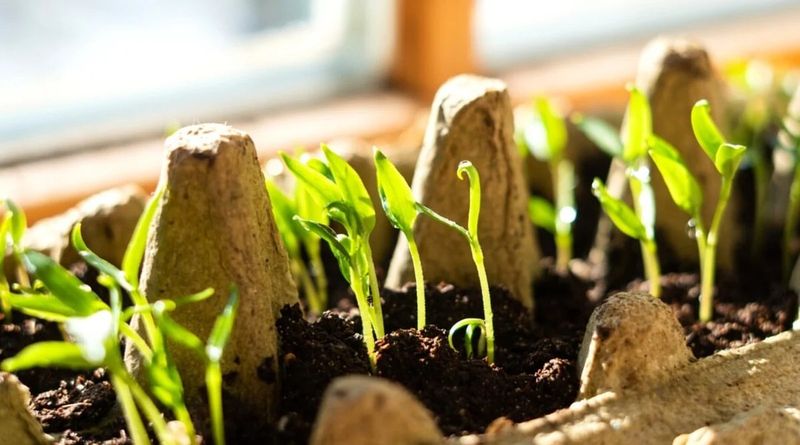
Michigan’s short growing season can be frustrating when you want to harvest ripe tomatoes or colorful peppers.
Starting seeds indoors during winter gives your warm-season crops a significant head start, allowing them to mature weeks earlier than direct-sown plants.
This advantage becomes especially valuable for varieties that need 70 to 90 days to produce fruit.
By beginning seeds indoors around late February or early March, your seedlings develop strong root systems and sturdy stems before transplanting outdoors.
When the last frost passes in late April or mid-May, your plants are already several inches tall and ready to thrive. This early start means you can enjoy your first harvest sooner, sometimes by several weeks.
The extended season also allows you to experiment with varieties that typically struggle in Michigan’s climate. Heirloom tomatoes, exotic peppers, and other heat-loving plants benefit tremendously from this indoor head start.
Instead of racing against early fall frosts, your plants have adequate time to mature and produce abundant yields. This strategy transforms your garden from a race against time into a relaxed, productive growing experience that maximizes every warm day Michigan offers.
Better Control Over Germination Conditions
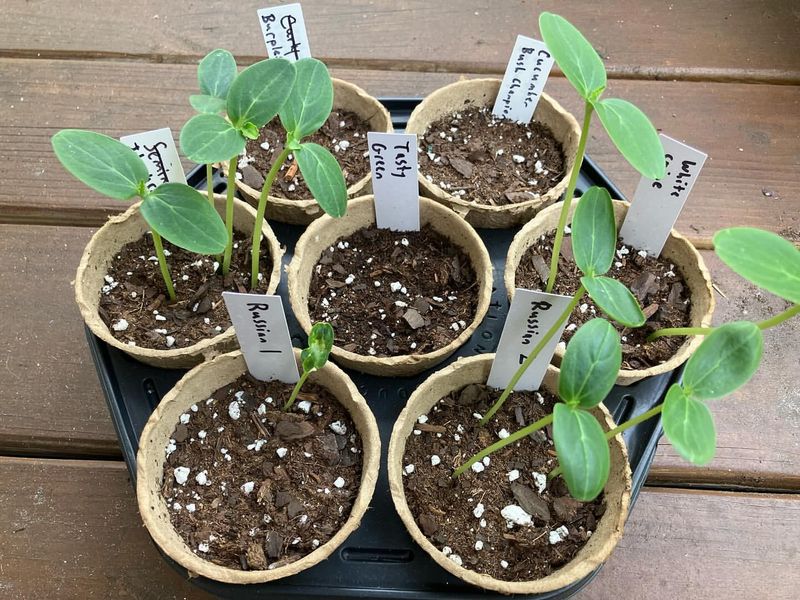
Seeds are surprisingly picky about their growing conditions, and Michigan winters offer nothing close to ideal germination environments outdoors. Indoor seed starting puts you in complete control of temperature, moisture levels, and light exposure.
This control makes all the difference between successful sprouting and disappointing failures.
Most vegetable seeds germinate best when soil temperatures stay between 65 and 75 degrees Fahrenheit. Creating this consistent warmth indoors is simple with heating mats or by placing seed trays near warm areas of your home.
You can also monitor moisture levels carefully, ensuring seeds stay damp but not waterlogged, which prevents common problems like damping off or mold growth.
Light management becomes equally important once seeds sprout. Young seedlings need plenty of bright light to develop properly, something Michigan’s cloudy winter skies cannot provide adequately.
Positioning trays near south-facing windows or using supplemental lighting ensures seedlings receive the energy they need.
This controlled environment eliminates the guesswork and unpredictability of outdoor conditions, giving your seeds the absolute best chance to germinate vigorously and grow into healthy transplants ready for your garden beds.
Your Michigan Garden Changes Every Week. Your Plan Should Too.
Gardening in Michigan changes quickly throughout the season. Every Friday you’ll receive a simple weekly plan showing exactly what to plant, prune, fertilize, harvest, and protect so you never miss the right timing.
Reduces Risk Of Early-Season Frost Damage
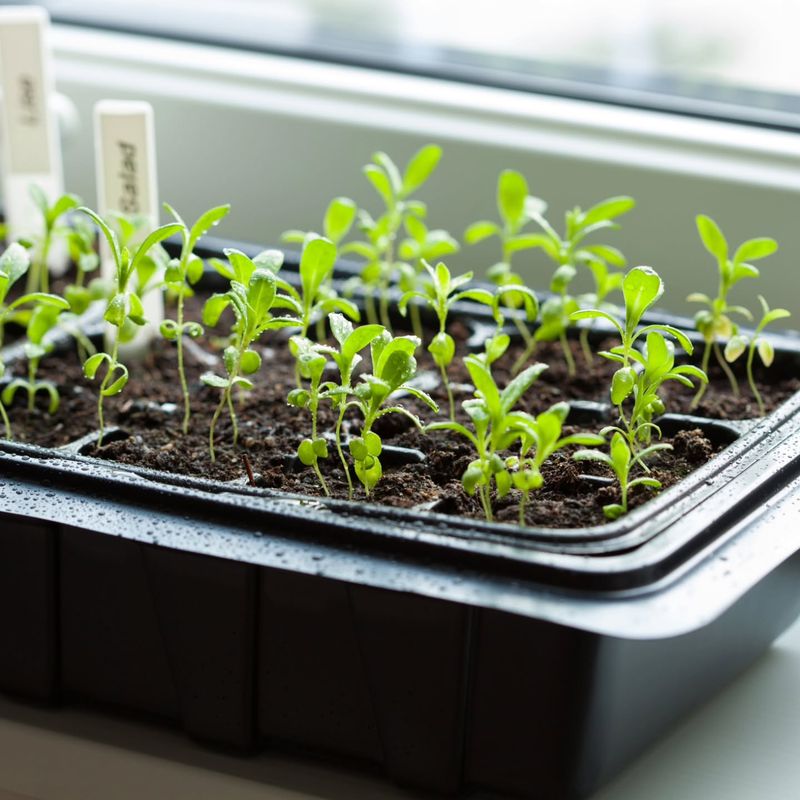
Michigan’s spring weather can be wildly unpredictable, with warm sunny days suddenly interrupted by unexpected frost events. Seedlings started indoors remain safely protected from these temperature swings until conditions truly stabilize.
This protection dramatically improves survival rates and reduces the heartbreak of losing tender plants to late-season cold snaps. When you start seeds indoors, you control exactly when plants move outside.
Rather than gambling on whether the last frost has truly passed, you can harden off seedlings gradually and transplant them only when nighttime temperatures consistently stay above 50 degrees.
This careful timing means your plants never experience the shock of frost damage that stunts growth or destroys entire crops.
The financial benefit matters too, especially if you have invested in specialty seeds or heirloom varieties. Losing plants to frost means starting over, which costs money and time you cannot recover.
Indoor starting acts as insurance against unpredictable weather patterns that seem increasingly common. Your seedlings develop in a stable environment, building strength and resilience before facing outdoor conditions.
When transplant day arrives, your plants are robust enough to handle minor temperature fluctuations without suffering setbacks.
Opportunity To Grow Heat-Loving Vegetables
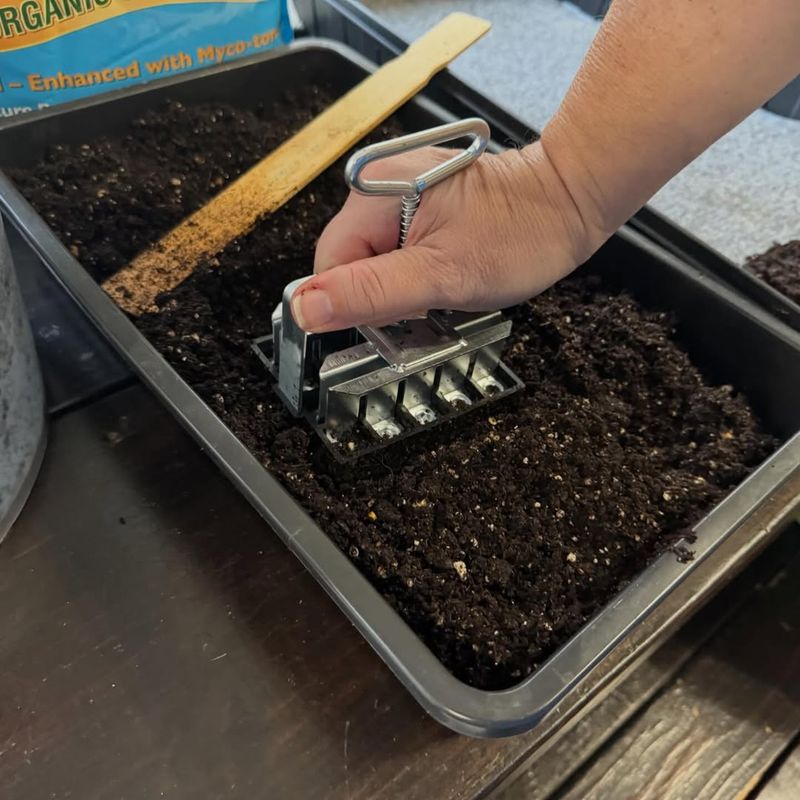
Growing peppers, basil, eggplants, and other heat-loving crops in Michigan presents unique challenges. These plants originated in warm climates and require extended periods of consistent heat to produce well.
Starting them indoors during winter solves this problem by giving them the long growing season they desperately need.
Peppers, for example, often need 90 to 120 days from germination to first harvest. If you wait until outdoor conditions are safe, Michigan’s growing season simply does not provide enough time for many pepper varieties to reach their full potential.
Indoor starting in late winter allows these slow-growing plants to develop substantial root systems and begin flowering before they even go outside.
Basil and other tender herbs also benefit enormously from this approach. These plants grow slowly in cool conditions but explode with growth once temperatures rise.
By starting them indoors, you can harvest fresh herbs much earlier in the season. The same principle applies to eggplants, which need warmth and time to produce their beautiful fruits.
Indoor seed starting transforms Michigan from a marginal climate for these crops into a viable growing location where you can successfully cultivate varieties that would otherwise struggle or fail completely.
Potentially Higher Germination Rates
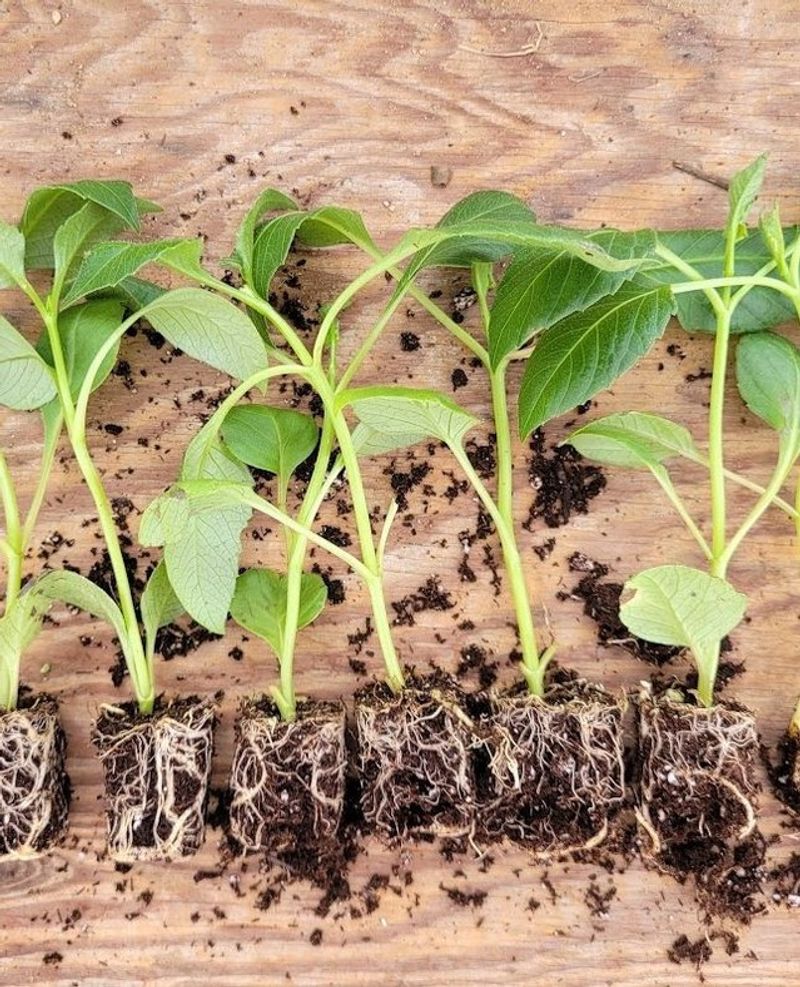
Germination success depends heavily on consistent conditions, something outdoor environments rarely provide.
Indoor seed starting typically produces much higher germination rates compared to direct sowing, especially for seeds that germinate slowly or require specific temperature ranges.
This improved success rate means you waste fewer seeds and grow more plants from each packet you purchase.
Temperature consistency plays the biggest role in this success. Seeds that experience temperature fluctuations often germinate erratically or not at all. Indoor environments maintain steady warmth that encourages reliable sprouting.
Moisture control also improves germination outcomes because you can keep soil consistently damp without the risk of heavy rains washing seeds away or dry spells halting the germination process.
Certain seeds particularly benefit from indoor starting. Slow germinators like peppers, celery, and parsley can take two to three weeks to sprout, during which outdoor conditions might change dramatically.
Indoors, these seeds receive the patient, stable environment they require. Even fast-germinating seeds like tomatoes and cucumbers show improved success rates when started indoors.
The result is healthier seedlings, less wasted seed, and better value from your gardening investment. You can confidently plant knowing most seeds will sprout successfully.
Flexible Crop Variety Selection
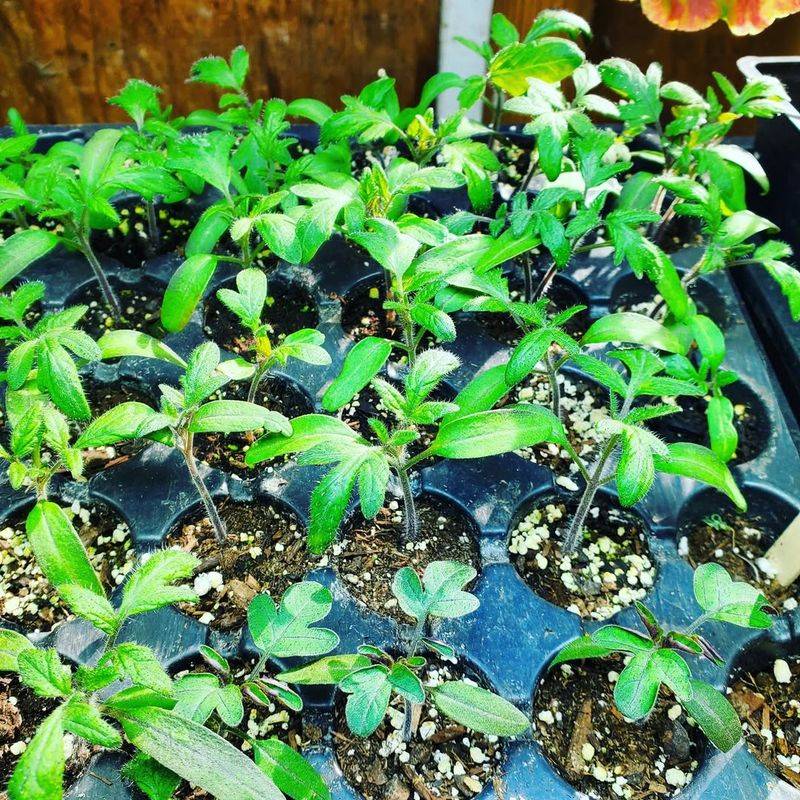
Seed catalogs overflow with exciting varieties you cannot find at local garden centers. Indoor seed starting opens up this vast world of possibilities, allowing Michigan gardeners to grow specialty crops, heirloom varieties, and unique cultivars that would struggle if directly sown outdoors.
This flexibility transforms your garden from ordinary to extraordinary.
Many heirloom tomatoes, for instance, require longer growing seasons than Michigan naturally provides. Starting these indoors gives them the time they need to develop their complex flavors and impressive sizes.
You can experiment with purple Cherokee tomatoes, striped German varieties, or tiny cherry types that burst with sweetness. The same opportunity exists for peppers, where you can grow anything from mild Italian frying peppers to exotic hot varieties.
Specialty greens, unusual herbs, and rare vegetable varieties also become accessible through indoor starting. Perhaps you want to try growing shiso, an aromatic Japanese herb, or specialty Asian greens that need careful temperature management.
Indoor starting lets you nurture these plants through their critical early stages before introducing them to your garden.
This approach expands your culinary possibilities and makes gardening more adventurous and rewarding, turning your backyard into a source of ingredients you simply cannot buy anywhere locally.
Requires Supplemental Light For Best Results
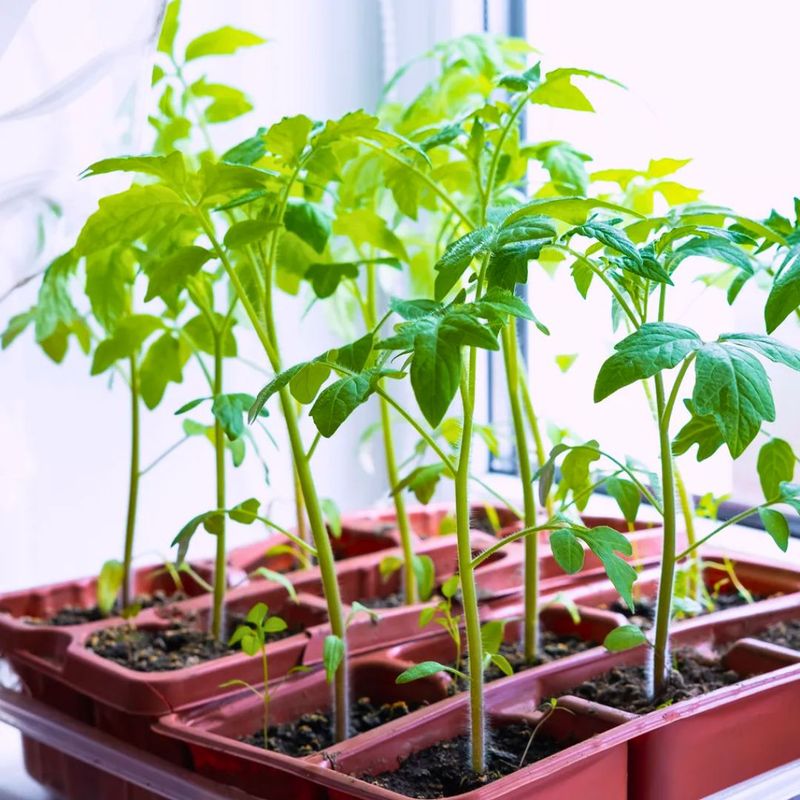
Michigan’s winter daylight hours are notoriously short and often cloudy, creating a significant challenge for indoor seedlings. Without adequate light, seedlings become leggy, weak, and pale as they stretch desperately toward whatever light they can find.
Supplemental lighting solves this problem and represents one of the most important investments for successful indoor seed starting.
Grow lights or fluorescent shop lights positioned just a few inches above seedlings provide the intense, consistent light young plants need. These lights should run for 14 to 16 hours daily, mimicking the long spring days seedlings would experience outdoors.
LED grow lights have become increasingly affordable and energy-efficient, making them an excellent choice for home gardeners. They produce less heat than older technologies while delivering the full light spectrum plants require.
Proper lighting transforms weak, stretched seedlings into compact, robust plants with thick stems and deep green leaves. The difference is dramatic and immediately visible.
While windowsill growing might work for a few hardy herbs, serious vegetable seedlings need dedicated lighting to thrive.
This investment pays for itself through healthier plants, better transplant success, and ultimately more productive gardens. Quality lighting is not optional if you want indoor seed starting to truly succeed.
Timing Is Key To Avoid Overcrowding
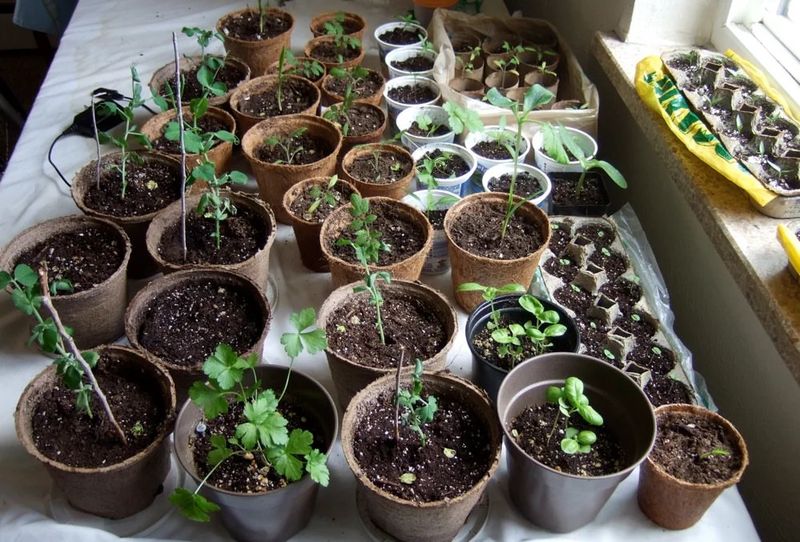
Enthusiasm often leads gardeners to start seeds too early, creating a common problem where seedlings outgrow their containers long before outdoor conditions allow transplanting.
These overgrown plants become root-bound, stressed, and weak, making them poor candidates for successful garden establishment.
Proper timing is absolutely essential for Michigan gardeners to avoid this frustrating situation.
Most vegetable seedlings need six to eight weeks of indoor growth before transplanting outdoors. Counting backward from your area’s average last frost date helps you determine the ideal starting time.
For Michigan’s lower peninsula, where last frost typically occurs between late April and mid-May, starting seeds in early to mid-March works perfectly for most crops.
Some plants like onions and leeks need longer, while fast growers like cucumbers and squash should wait until just four weeks before transplant time.
Creating a simple calendar prevents the overcrowding problem and ensures seedlings reach transplant size exactly when outdoor conditions become suitable. Mark your seed packets with starting dates and keep records of what works best in your specific location.
This organized approach eliminates guesswork and produces strong, appropriately sized transplants ready to thrive in your garden beds rather than struggling, overgrown seedlings that never quite recover from their extended indoor confinement.