Essential Winter Pruning Tips To Protect Your Arizona Garden From Heat Stress
Winter pruning in Arizona can feel counterintuitive when the real damage usually shows up months later during extreme heat.
You might look at dormant plants and wonder how cuts made now could possibly matter when summer still feels far away.
In Arizona gardens, winter quietly sets the stage for how plants handle stress long before temperatures climb.
Not every branch needs attention, and pruning isn’t about shaping everything into place.
When heat stress shows up year after year, though, it often traces back to how plants were prepared during cooler months.
Small winter decisions influence airflow, shade, and how plants manage water once the sun becomes relentless. Those effects aren’t obvious right away.
This is where thoughtful pruning makes a difference without forcing growth or weakening plants.
Understanding what to do now can help your Arizona garden face summer with stronger structure, better balance, and far less stress.
1. Prune Ornamental Plants In Late Winter Before New Growth Starts
Timing matters more than you might think when it comes to shaping your Arizona landscape. Late winter gives you a narrow but critical window to trim back ornamental plants without causing them unnecessary harm.
Most ornamentals enter a quiet phase during winter months, conserving energy for the spring burst ahead. Your pruning cuts during this dormant period allow wounds to seal before active growth resumes.
Arizona gardeners benefit from this strategic timing because plants face less shock and recover faster.
Wait too long and you risk cutting into fresh buds that are already forming. Your plants will redirect energy away from healing and toward pushing out new leaves, which weakens them before the heat arrives.
Late February through early March works well for most Arizona zones.
Check your specific plant varieties before you start cutting. Some ornamentals bloom on old wood, meaning you could lose an entire season of flowers if you prune at the wrong time.
Research helps you avoid disappointment and keeps your garden looking its best.
Temperature swings in Arizona can confuse gardeners about when dormancy truly ends. Watch for swelling buds as your signal to finish pruning quickly.
Once those buds break open, your opportunity has passed for the season.
2. Thin Crowded Shrubs While Plants Are Still Dormant
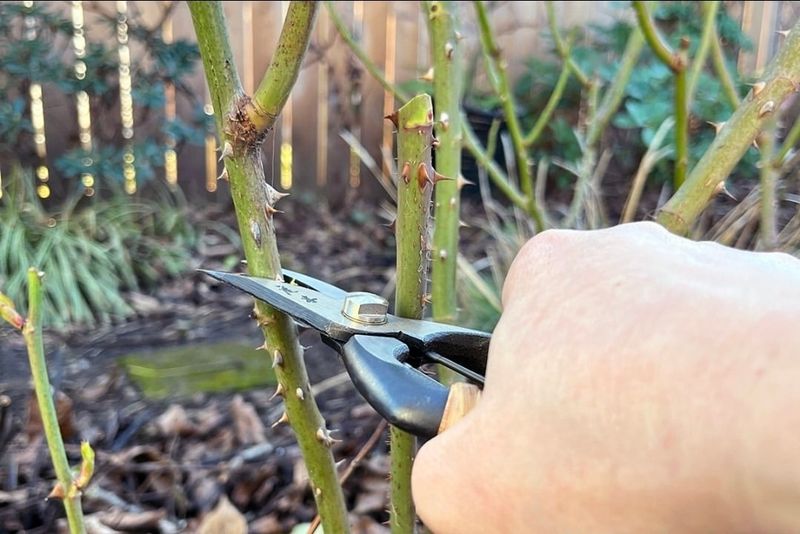
Overgrown shrubs create more problems than they solve in Arizona gardens. Dense foliage traps heat and humidity, creating pockets of stress that weaken your plants from the inside out.
Thinning opens up the interior of your shrubs, allowing air to move freely through the branches. This circulation prevents moisture buildup and reduces the risk of fungal issues that thrive in Arizona’s unique climate.
Your shrubs breathe easier and stay healthier when they have room to grow.
Start by removing branches that cross or rub against each other. These friction points create wounds that invite pests and disease, especially when summer heat intensifies the damage.
Clean cuts heal faster and leave your shrubs stronger.
Look for branches growing toward the center of the plant and remove them first. Arizona shrubs need an open structure to handle intense sunlight without scorching their inner leaves.
Your Arizona Garden Changes Every Week. Your Plan Should Too.
Gardening in Arizona changes quickly throughout the season. Every Friday you’ll receive a simple weekly plan showing exactly what to plant, prune, fertilize, harvest, and protect so you never miss the right timing.
Proper thinning prevents sunburn on newly exposed branches while still improving airflow.
Dormancy gives your shrubs time to adjust to their new shape before they face summer’s challenges. You can remove up to one-third of the branches without shocking the plant, but avoid going overboard.
Balance is key to maintaining both health and appearance in your Arizona landscape.
Regular thinning also makes future maintenance easier since growth stays more balanced throughout the season.
Shrubs that are opened up thoughtfully handle Arizona heat with less strain and recover faster after extreme weather.
3. Improve Airflow In Winter Instead Of Heavy Shaping
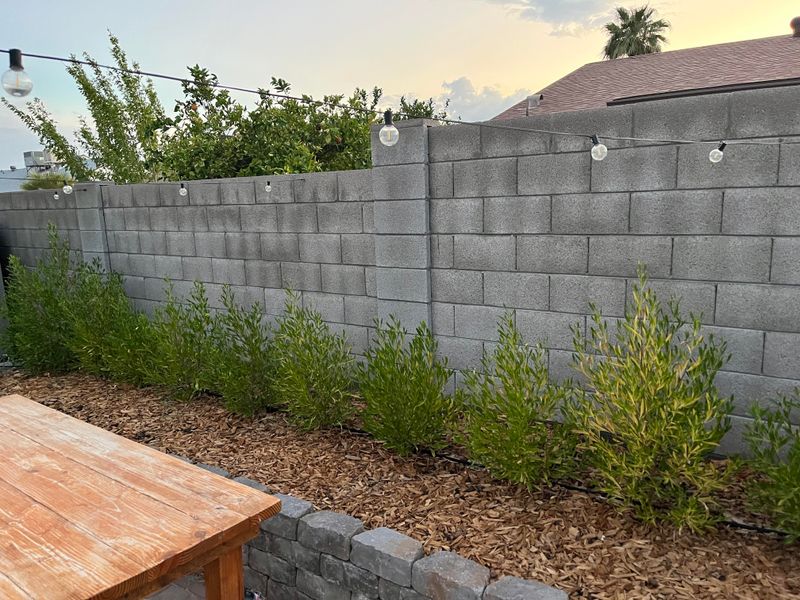
Heavy shaping might look appealing, but it leaves your Arizona plants vulnerable when temperatures climb. Focus on airflow rather than dramatic transformations during winter pruning sessions.
Plants need to breathe, especially in desert climates where heat stress is a constant threat. Removing select branches creates channels for wind to pass through, cooling the plant naturally and reducing moisture that encourages rot.
Your goal is function over fashion.
Avoid the temptation to create perfectly round or square shapes. These dense forms trap hot air against the foliage, essentially creating a heat box that cooks your plants from within.
Arizona gardens thrive when plants maintain a more natural, open structure.
Select branches strategically rather than shearing everything evenly. Hand pruning takes more time but produces better results for heat tolerance.
You can target specific areas that need thinning while leaving the overall shape intact.
Winter gives you the advantage of seeing the plant’s framework clearly. Without leaves blocking your view, you can identify which branches to remove for maximum airflow improvement.
This visibility makes your work more effective and helps you avoid mistakes.
Remember that less is often more when pruning in Arizona. Plants need enough foliage to shade their own trunks and roots from intense summer sun, so resist the urge to cut too much.
Thoughtful pruning now helps plants regulate temperature once extreme heat arrives.
By prioritizing airflow over appearance, your Arizona landscape stays resilient instead of stressed.
4. Make Minimal Cuts On Heat-Sensitive Landscape Plants
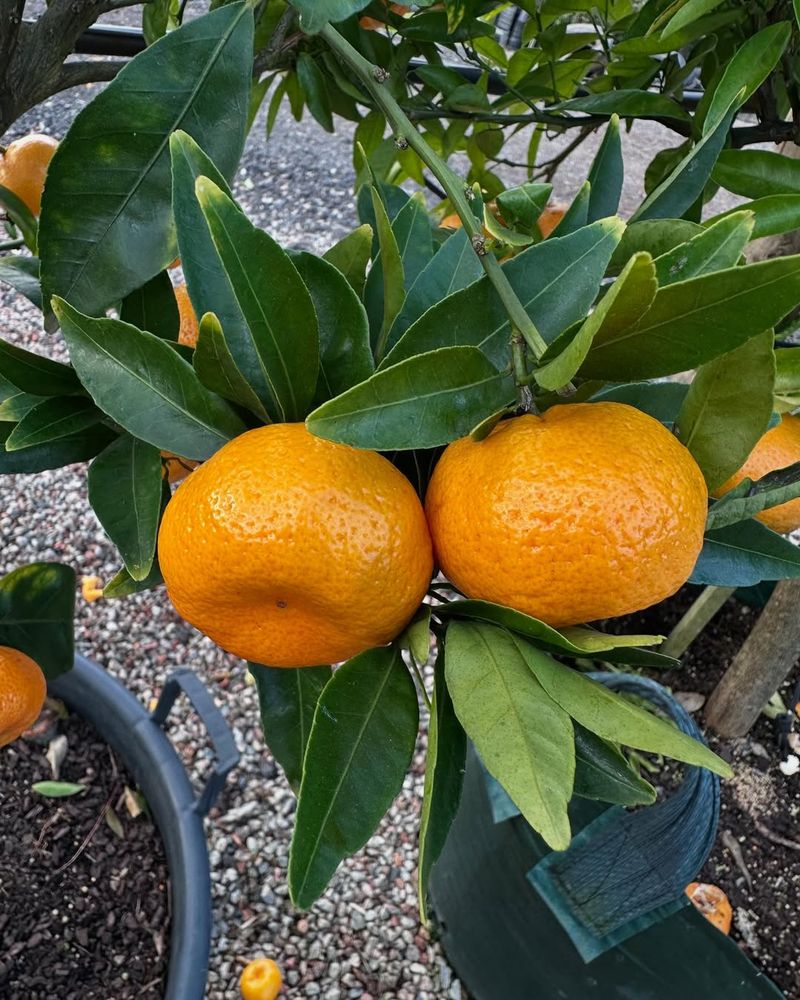
Some plants handle Arizona heat better than others, and your pruning approach should reflect these differences. Heat-sensitive varieties need a gentler touch during winter maintenance to survive summer’s intensity.
Excessive pruning removes the protective canopy that shields sensitive plants from direct sunlight. Your cuts should focus on removing damaged or diseased branches rather than reshaping the entire plant.
Preservation matters more than perfection for these vulnerable varieties.
Plants like roses, citrus, and certain perennials struggle with Arizona’s extreme temperatures. They rely on their foliage to create shade for their root zones and lower branches.
Strip away too much and you expose tender tissues to sunburn and stress.
Identify your heat-sensitive plants before you start pruning. Research their specific needs and tolerance levels so you can adjust your approach accordingly.
Arizona gardeners who take time to learn about their plants see better results and fewer losses during summer.
Minimal cuts mean removing only what is necessary for plant health. Look for branches that are clearly damaged, diseased, or interfering with the plant’s structure.
Everything else can stay, providing extra protection when temperatures soar.
Consider waiting until after the last frost to prune your most sensitive plants. This delay gives them maximum protection during winter cold snaps while still allowing time for recovery before summer heat arrives in full force.
5. Use Sharp, Clean Tools To Protect Vulnerable Stems
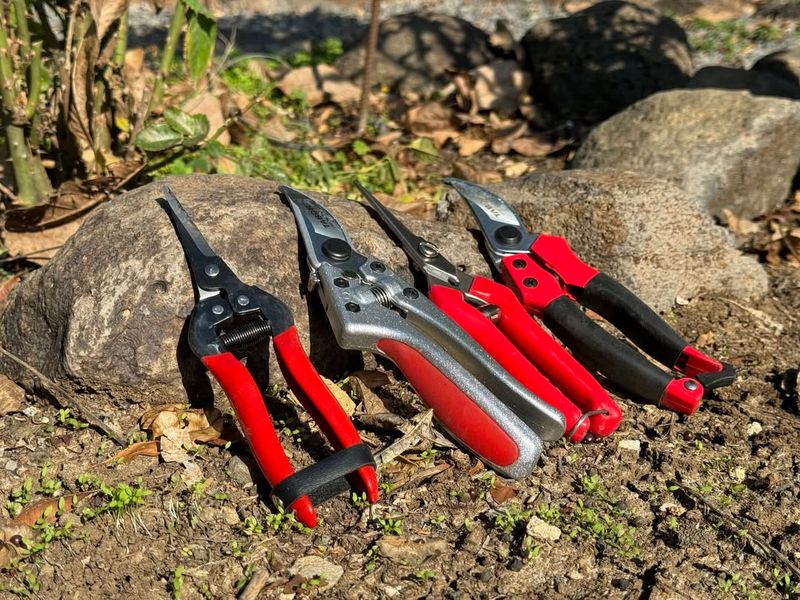
Your pruning tools can either help or harm your Arizona garden. Sharp blades create clean cuts that heal quickly, while dull tools crush stems and invite problems.
Crushed tissue struggles to seal properly, leaving openings for pests and diseases to enter. Arizona’s intense sun and heat make these wounds even more problematic because plants are already fighting to conserve moisture and energy.
Clean cuts give your plants the best chance to recover before summer stress begins.
Disinfect your tools between plants to prevent spreading diseases throughout your garden. A simple solution of rubbing alcohol or diluted bleach does the job effectively.
Dip your blades and let them air dry before moving to the next plant.
Check your tool sharpness before each pruning session. Blades should slice through branches smoothly without requiring excessive force or multiple attempts.
If you find yourself sawing back and forth, it is time to sharpen or replace your equipment.
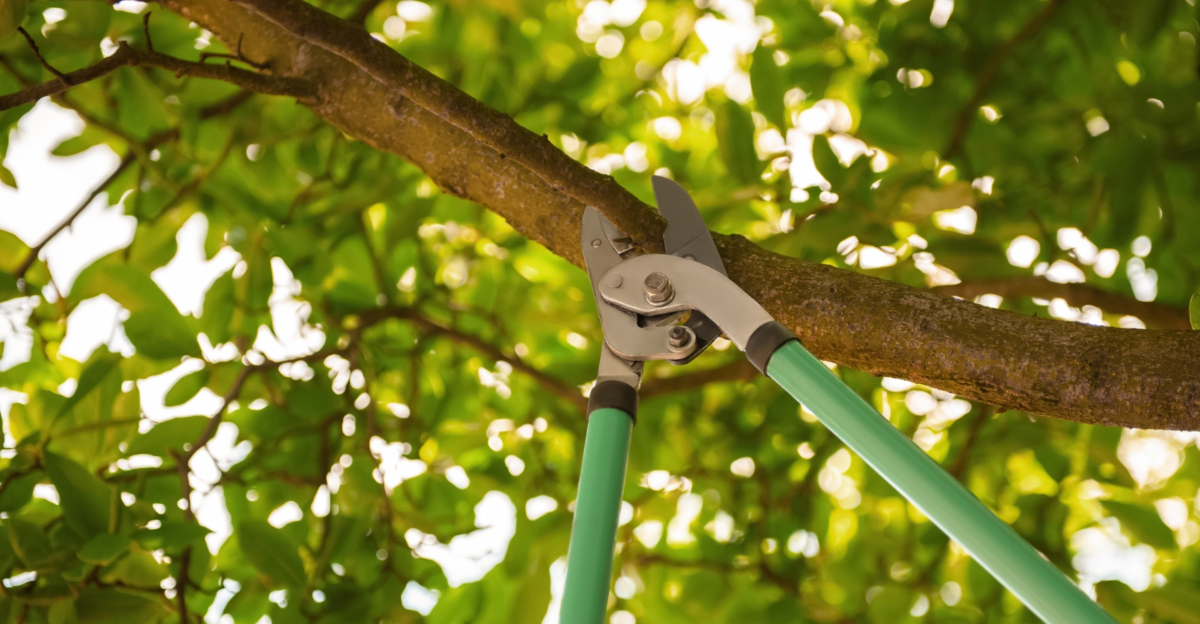
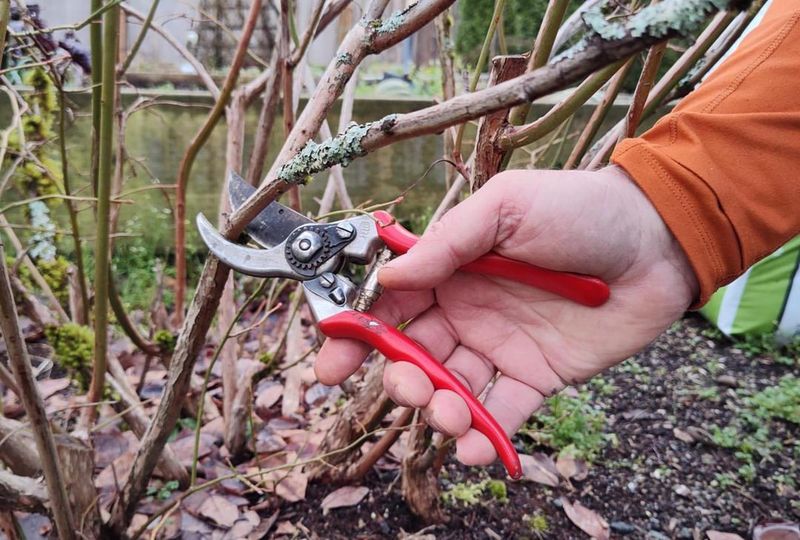
Different plants require different tools in Arizona landscapes. Hand pruners work well for small branches, while loppers handle thicker growth.
Pruning saws tackle larger limbs without damaging surrounding tissue. Using the right tool for each job protects your plants and makes your work easier.
Store your tools properly between uses to maintain their condition. Moisture and dirt cause rust and dullness, reducing their effectiveness when you need them most.
6. Avoid Heavy Late-Winter Pruning On Shrubs And Small Trees
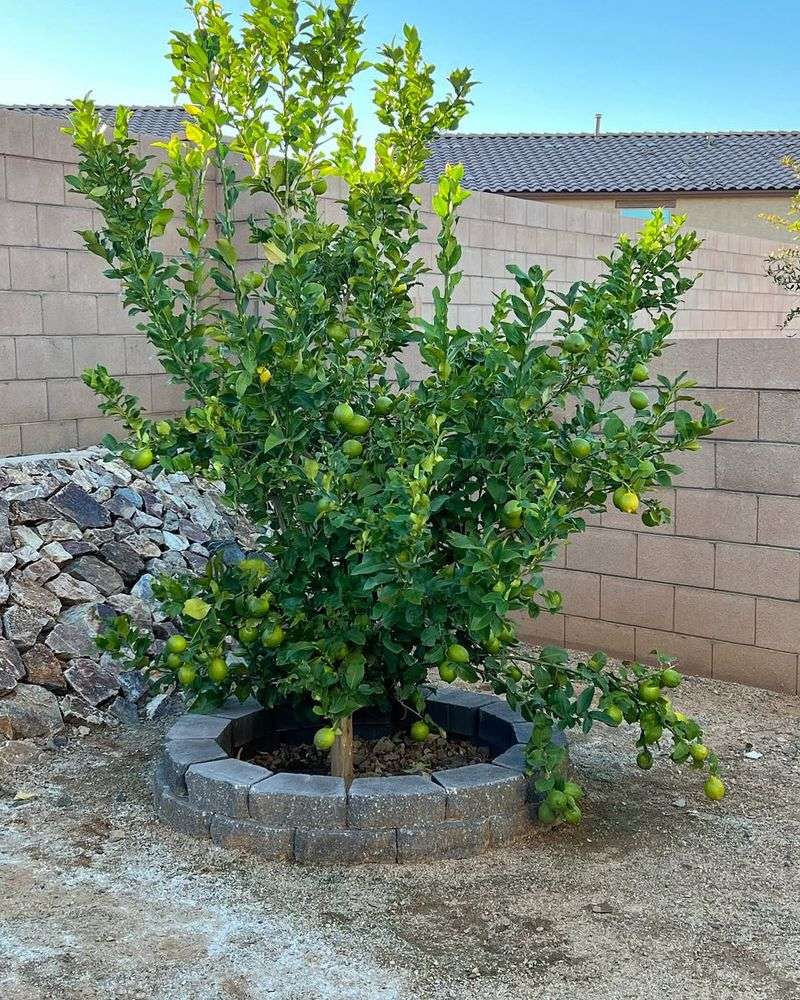
Aggressive pruning at the wrong time sets your Arizona plants up for failure. Shrubs and small trees need adequate foliage to protect themselves when summer heat becomes relentless.
Late-winter pruning should be moderate, removing only what is necessary for plant health and structure. Heavy cutting forces plants to redirect energy toward producing new growth instead of strengthening their root systems.
Arizona gardens demand strong roots to access deep moisture during dry spells.
Small trees especially suffer from over-pruning because they lack the established trunk mass to handle extreme temperature fluctuations. Your cuts should preserve the tree’s natural shape while eliminating only problematic branches.
Balance keeps your trees healthy and attractive throughout the year.
Consider the plant’s growth rate before you start cutting. Fast-growing varieties can handle more pruning than slow growers, which may take years to recover from heavy cuts.
Arizona’s native and adapted plants typically need minimal intervention to thrive.
Watch for signs that you have removed too much. If more than one-third of the plant’s total growth is gone, you have likely overdone it.
Step back frequently during your work to assess the overall impact of your cuts.
Remember that winter pruning prepares plants for summer, not immediate beauty. Your restraint now pays off with healthier, more resilient plants when Arizona temperatures reach their peak in June and July.
7. Leave Enough Growth To Shield Plants From Intense Summer Sun
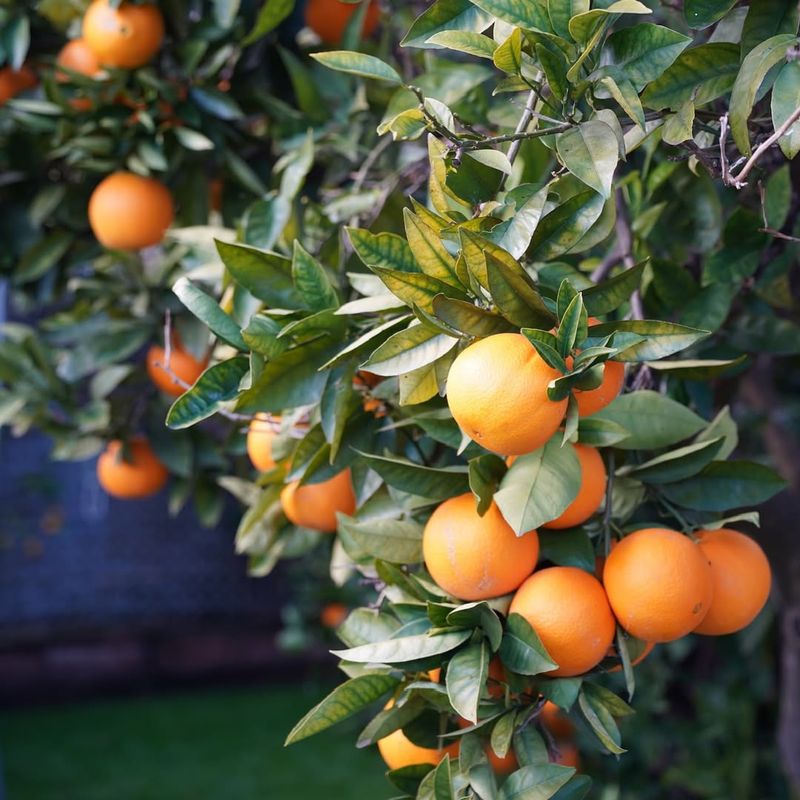
Foliage acts as natural sunscreen for your Arizona plants. Strategic pruning maintains enough leaf coverage to protect sensitive bark and roots from solar damage.
Plants create their own microclimate through shade and transpiration. When you remove too much foliage during winter pruning, you eliminate this protection before summer arrives.
Arizona’s UV intensity can scorch exposed branches and trunks within hours, causing lasting damage that weakens the entire plant.
Lower branches deserve special attention because they shade the root zone. Roots stay cooler and retain moisture better when protected from direct sunlight.
Your pruning should preserve these protective branches while removing higher growth that is less critical for temperature regulation.
Think vertically when planning your cuts. Top growth provides shade for middle branches, which in turn protect lower sections.
This layered approach to foliage distribution helps Arizona plants manage heat more effectively throughout the summer months.
Young plants need extra consideration because their bark has not developed protective thickness yet. Leave more foliage on these vulnerable specimens, even if it means sacrificing some aesthetic appeal.
Survival trumps appearance in Arizona’s challenging climate.
Observe how sunlight moves across your garden throughout the day. Plants on the south and west sides of your property face the most intense exposure and need maximum foliage protection.
Adjust your pruning intensity based on each plant’s location and sun exposure patterns.
8. Water Lightly After Pruning To Help Roots Recover
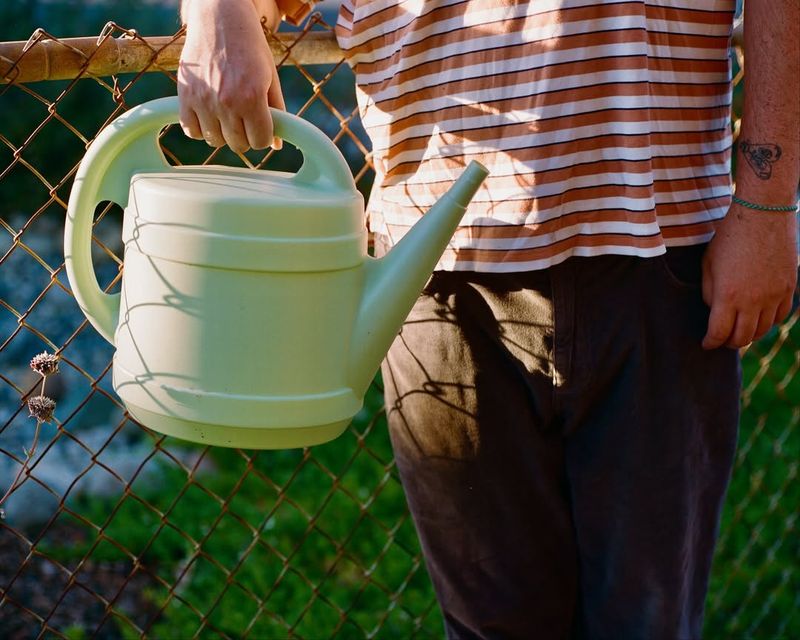
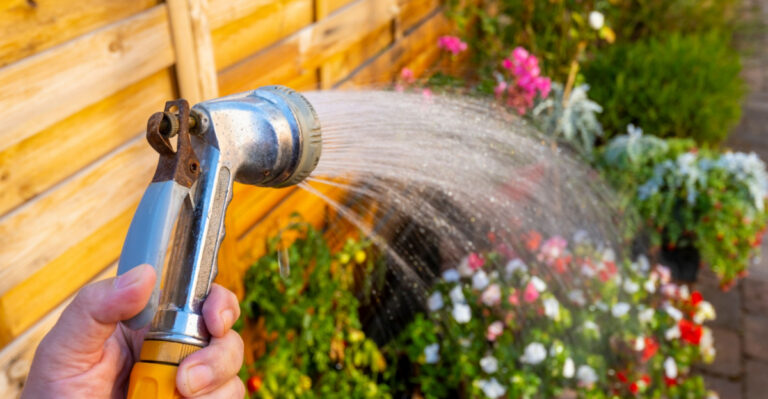
Pruning stresses plants even when done correctly. Light watering after your cuts helps Arizona plants begin their recovery process without overwhelming them.
Freshly pruned plants need moisture to seal wounds and transport nutrients to healing tissues. However, too much water can rot damaged areas or encourage fungal growth in the cooler winter soil.
Your goal is to provide support without creating new problems.
Apply water slowly and deeply, focusing on the root zone rather than the foliage. Arizona’s dry winter air helps cuts dry and seal naturally, but wet leaves can develop issues in cooler temperatures.
Keep moisture where it benefits the plant most.
Timing your watering matters as much as the amount you apply. Water in the morning so plants have all day to absorb moisture before nighttime temperatures drop.
This schedule reduces the risk of frost damage in areas of Arizona that still experience winter cold.
Monitor soil moisture in the days following your pruning session. Desert soils drain quickly, but winter evaporation rates are much lower than summer.
You may need to water less frequently than you expect, so check the soil before adding more moisture.
Adjust your watering based on the severity of pruning. Plants that received only light trimming need less supplemental water than those that underwent more extensive work.
Arizona gardeners who match watering to pruning intensity see better recovery and stronger summer performance.
Consistent observation matters more than sticking to a rigid schedule during recovery.
When watering is responsive instead of routine, Arizona plants regain strength without added stress.