How To Plant Leaf Propagation Babies In Arizona For Stronger Growth
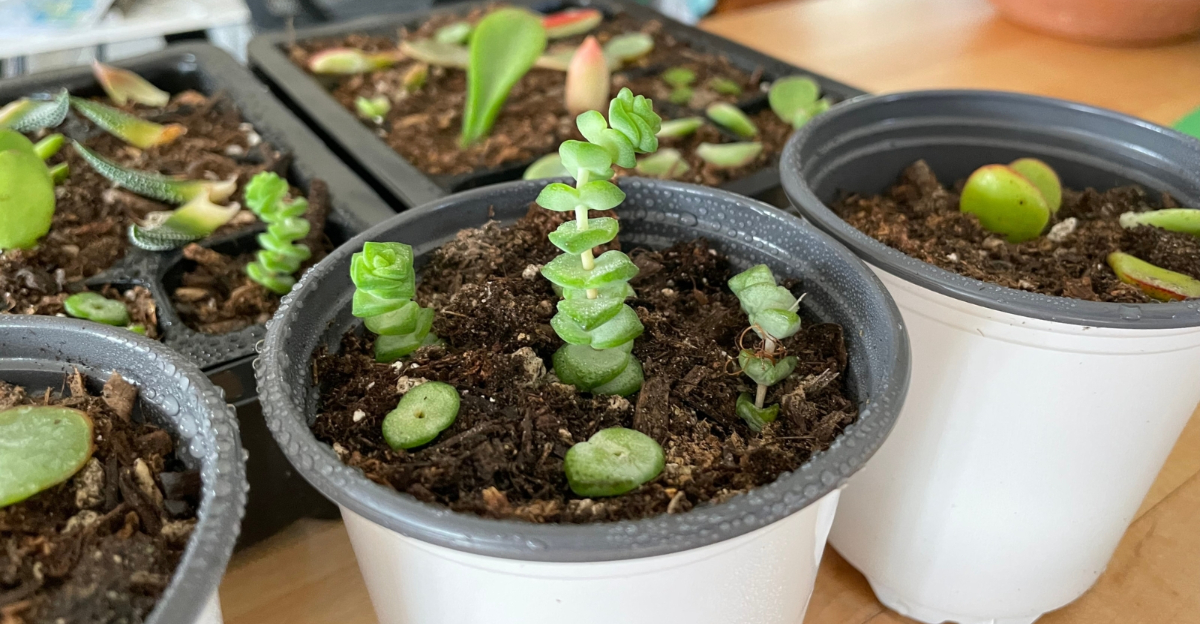
You’ve reached the stage where those leaf propagation babies finally feel real, and planting them suddenly feels exciting instead of delicate.
In Arizona, this moment usually comes with a quiet sense of anticipation because you know the environment moves fast once roots hit soil.
Not every slight pause or adjustment after planting is a setback, and young plants often respond better than expected when given steady conditions.
When growth looks fuller and more confident early on, it’s usually because a few simple planting choices worked in the plant’s favor.
Soil texture, moisture timing, and how gently roots are settled all play a role without demanding extra effort.
Arizona’s warmth and light can amplify good decisions instead of punishing small ones. This stage isn’t about fixing anything or being perfect.
It’s about setting things up so those tiny plants can build strength naturally and show you what they’re capable of next.
1. Plant Only After Roots Are Well Formed
Patience pays off when you’re working with succulent babies in Arizona.
Rushing to plant before your propagation has developed a solid root system can set you back weeks or even cause you to lose the plant entirely.
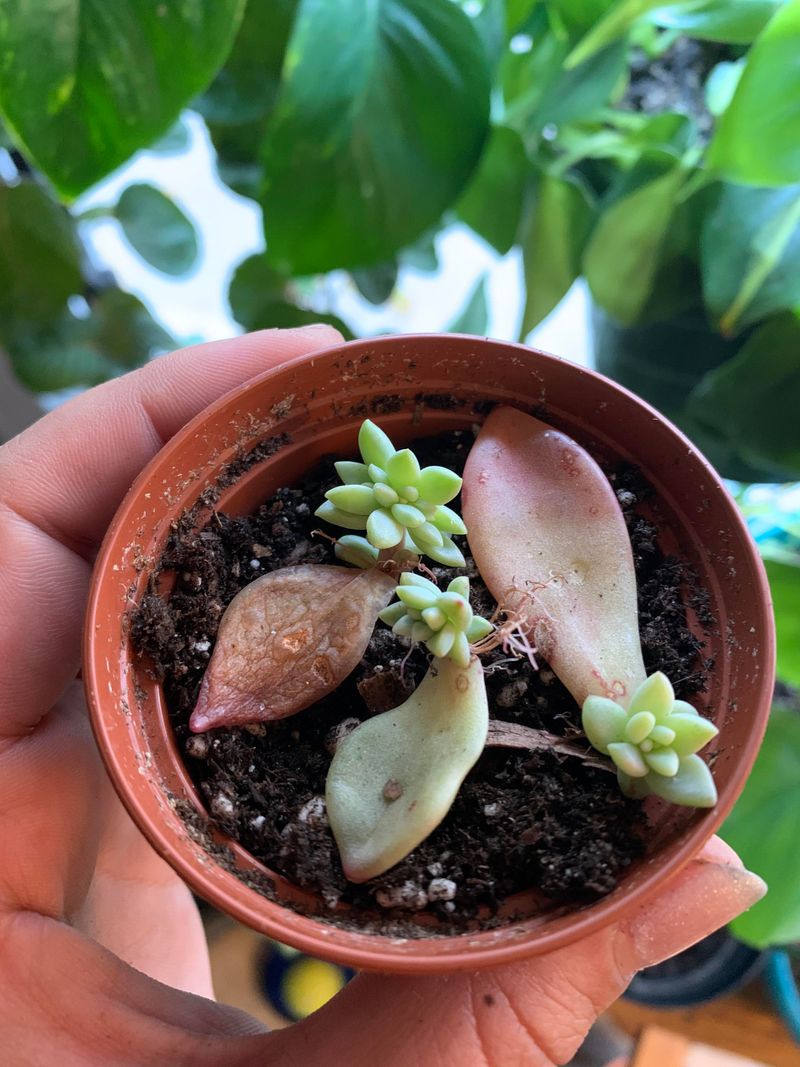
Your little leaf babies need time to grow roots that are at least half an inch long, ideally closer to an inch. These roots should look white or light tan, not brown or mushy, and there should be several of them branching out from the base.
Arizona’s low humidity means that underdeveloped roots dry out fast once they’re buried in soil.
You want a network strong enough to absorb moisture before the desert air steals it away.
Check your propagation babies every few days by gently lifting them to peek underneath. If you see only tiny nubs or a single thread-like root, give them more time on top of the soil.
Some varieties take longer than others, and that’s completely normal. Echeveria and Sedum types often root faster than Haworthia or Aloe babies.
Once you spot a healthy cluster of roots and maybe a few small leaves forming at the center, that’s your green light.
Planting at this stage gives your baby the strength it needs to establish quickly in Arizona soil.
Don’t worry if the mother leaf is still attached. As long as the baby has its own roots, it’s ready to go into its new home and start growing independently in the Arizona heat.
Give new transplants bright, indirect light at first, then slowly increase sun exposure over several days so the roots don’t get shocked.
A light misting during the first week is usually enough, since overwatering at this stage can do more harm than the dry air.
2. Choose Mild Temperatures Instead Of Extreme Heat
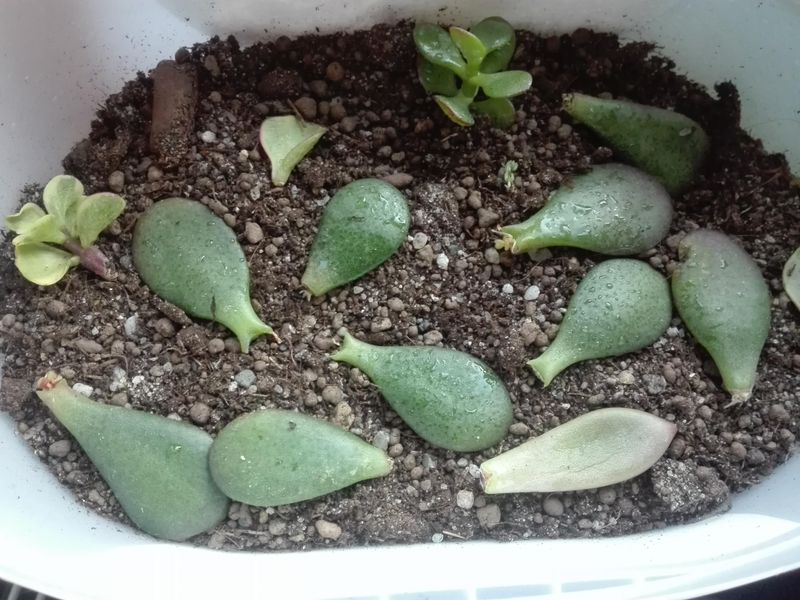
Timing is everything when planting succulent babies in Arizona. You might think these desert-loving plants can handle anything the sun throws at them, but young propagations are surprisingly delicate.
Spring and fall offer the perfect planting windows in Arizona, when daytime temperatures hover between 65 and 85 degrees.
Your Arizona Garden Changes Every Week. Your Plan Should Too.
Gardening in Arizona changes quickly throughout the season. Every Friday you’ll receive a simple weekly plan showing exactly what to plant, prune, fertilize, harvest, and protect so you never miss the right timing.
These mild conditions let your babies adjust without the shock of triple-digit heat.
Summer in Arizona can easily hit 110 degrees or higher, and that kind of intensity will stress out even mature succulents.
For a baby plant with tender new roots, it’s simply too much too soon.
Winter isn’t ideal either, especially if nighttime temperatures dip below 40 degrees.
Cold-shocked roots struggle to absorb water, and your baby might sit there without growing for months.
If you absolutely must plant during Arizona’s scorching summer, do it in the evening and keep your pots in a shaded area for at least two weeks.
Morning sun only is your friend during this adjustment period.
Watch the weather forecast before you plant. A string of cloudy days or a cooling trend is a gift for your propagation babies in Arizona’s climate.
Indoor planting is always an option if outdoor conditions aren’t cooperating. A bright window without direct afternoon sun works beautifully for getting babies established before moving them outside in Arizona’s gentler seasons.
3. Use A Light, Fast-Draining Soil Mix
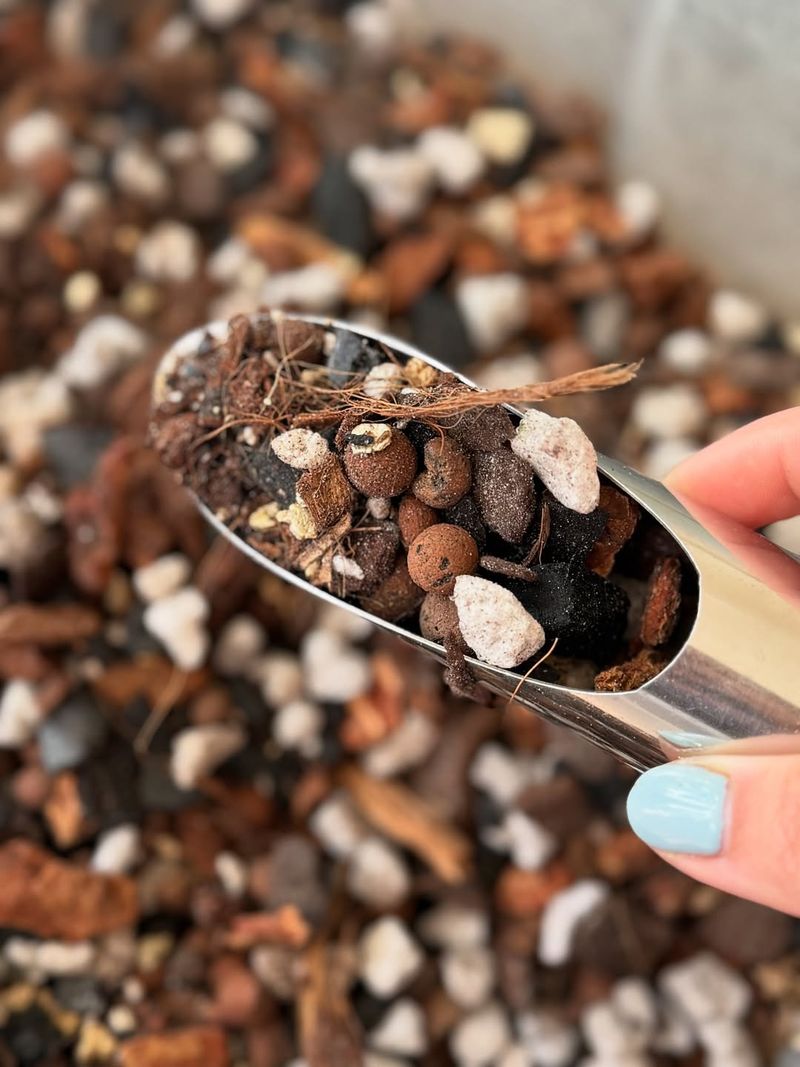
Regular potting soil is a recipe for disaster when you’re planting succulent babies in Arizona. These little plants need soil that drains in seconds, not minutes, to prevent root rot in our unpredictable watering conditions.
A proper succulent mix should contain at least 50 percent inorganic material like perlite, pumice, or coarse sand. The other half can be a quality cactus soil or a light potting mix.
Arizona gardeners have an advantage because pumice is readily available at most local nurseries.
This volcanic rock is perfect for succulent babies because it drains fast but still holds a tiny bit of moisture.
You can make your own mix at home by combining equal parts cactus soil and perlite.
Add a handful of coarse sand if you want even better drainage, which is smart for Arizona’s intense heat.
Avoid any soil that clumps together when you squeeze it. Your mix should fall apart immediately and feel gritty in your hands, almost like you’re touching sand at the beach.
Tiny propagation babies don’t need nutrient-rich soil right away.
In fact, lean soil encourages stronger root growth as the plant searches for resources, making it tougher once established in Arizona conditions.
If your mix seems too dense, you can always add more perlite. There’s really no such thing as too much drainage for succulents in Arizona’s dry climate, especially when they’re just getting started as babies.
When planting, gently press the soil around the roots without packing it down, so air pockets remain for quick drying.
This loose structure helps baby succulents adjust faster and reduces stress during their first weeks in Arizona’s harsh conditions.
4. Handle Baby Plants Gently During Transplanting
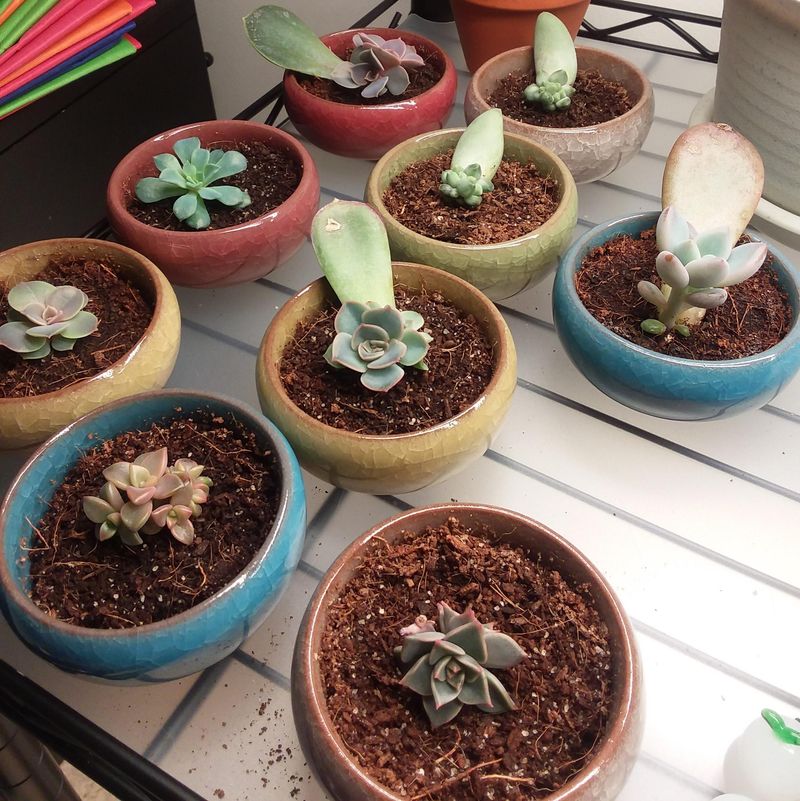
Those tiny succulent babies might look sturdy, but their roots are incredibly fragile during the planting process. One rough move can snap off roots that took weeks to grow, setting your plant back significantly in Arizona’s challenging climate.
Use a small spoon or wooden chopstick to create a shallow hole in your soil before placing the baby.
This prevents you from having to push and shove the roots into place, which can damage them.
Hold the baby by its leaves, not by the roots or stem. Succulent leaves are designed to handle gentle pressure, but the root zone is super sensitive at this young stage.
If the mother leaf is still attached, don’t try to remove it by force.
Let it shrivel and fall off naturally, even if it takes another week or two after planting in Arizona soil.
Some roots might be tangled together if you’re planting multiple babies from the same tray.
Take your time separating them rather than yanking them apart, even if it feels tedious.
After you place the baby in its hole, use your fingers to gently sprinkle soil around the roots.
Press down very lightly, just enough to keep the plant upright but not so much that you crush those delicate roots.
Arizona’s dry air means you don’t need to worry much about rot from gentle handling. Just focus on keeping those precious roots intact so your baby can start growing strong right away in its new home.
5. Plant At The Same Depth As Before
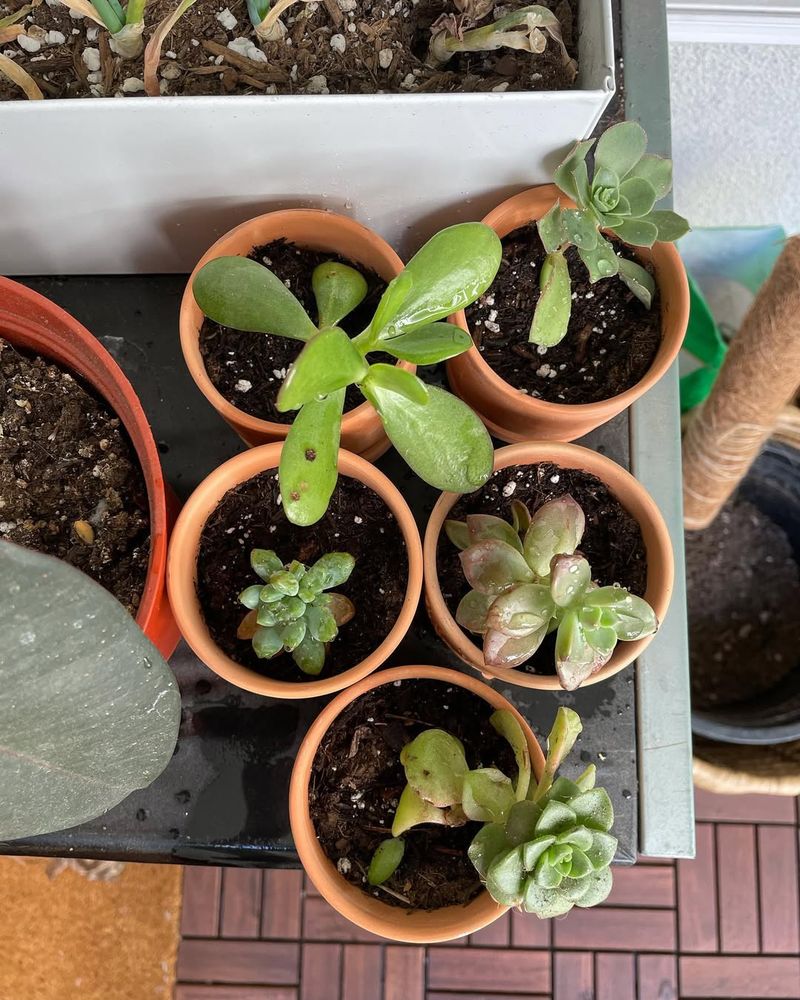
Depth matters more than most people realize when planting succulent babies in Arizona. Burying them too deep can trap moisture against the stem and cause rot, while planting too shallow leaves roots exposed to our intense desert sun.
Look at how your baby was sitting on the soil surface before you decided to plant it.
The roots were likely just touching the top layer of soil, with the tiny rosette of leaves sitting completely above ground.
That’s exactly how you want to plant it now.
The root zone should be covered with soil, but the base of the leaves should sit right at or slightly above the soil line.
If you bury the stem or lower leaves, Arizona’s heat combined with any moisture can create a perfect environment for fungal problems.
Succulents are designed to have their leaves up in the air, not buried underground.
Use your finger to check the depth before you finish filling in soil around your baby. You should be able to see where the roots end and the plant begins, and that junction should be right at the surface.
Some babies might have longer stems because they stretched while rooting.
Don’t bury that extra stem length. Instead, let it stay above ground, and it will eventually develop a woodier texture in Arizona’s dry conditions.
After planting, take a step back and look at your baby from the side. If you can’t see any leaves touching the soil, you’ve got the depth just right for healthy growth in Arizona’s climate.
Give the pot a gentle tap on the table to settle the soil naturally instead of pressing it down by hand.
This keeps airflow around the roots while still anchoring the baby securely against Arizona’s dry winds.
6. Water Lightly To Settle The Soil
Your first watering after planting is crucial for succulent babies in Arizona.
This isn’t the time to drench the soil, but you do need to give those roots some moisture to encourage them to spread into their new home.
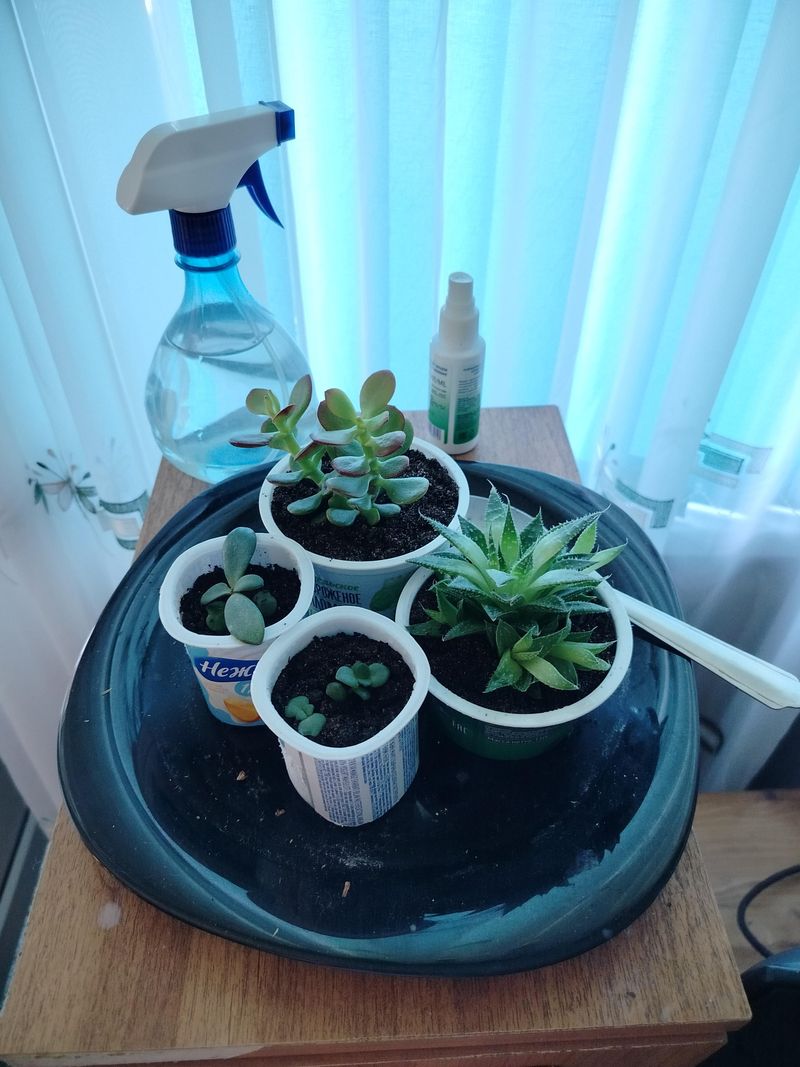
Use a spray bottle or a small watering can with a narrow spout to add just enough water that the soil feels slightly damp. You’re aiming for the texture of a wrung-out sponge, not a soggy mess.
This light watering helps settle the soil around the roots and eliminates air pockets that can dry out roots quickly in Arizona’s low humidity.
It also signals to your baby that it’s time to start growing in its new spot.
Wait about three to five days before watering again, depending on how fast your soil dries out. Arizona’s dry air means soil can dry surprisingly fast, but baby succulents still need less water than mature plants.
Watch your baby for signs of thirst over the next few weeks.
Slightly wrinkled lower leaves mean it’s time for another light drink, while plump, firm leaves mean you can wait a bit longer.
Avoid getting water on the leaves themselves during this settling-in period. Arizona’s intense sun can magnify water droplets and cause burn spots on tender new growth.
If you planted multiple babies in the same pot, make sure you water the entire surface evenly.
You want all those root systems to get the same encouragement to grow strong in Arizona soil.
7. Give Bright, Indirect Light At First
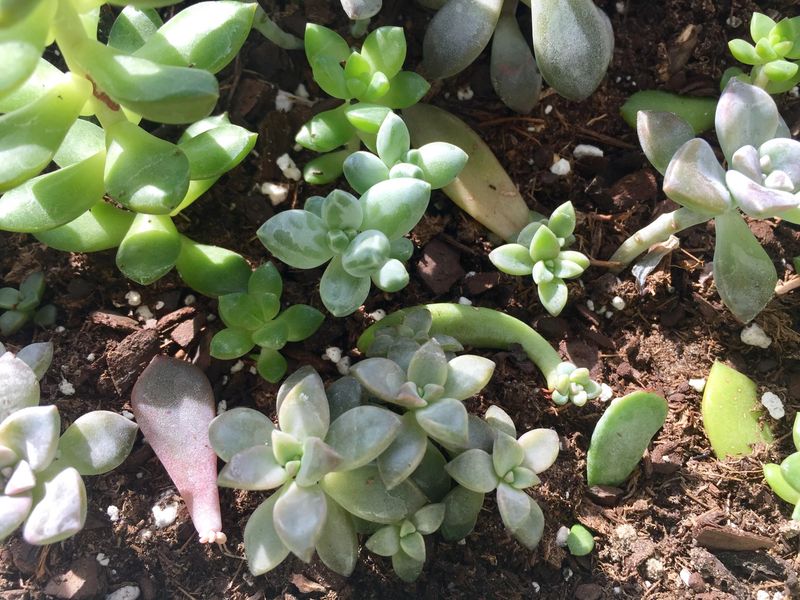
Arizona’s sunshine is legendary, but it’s way too intense for newly planted succulent babies. These little plants need time to adjust before they can handle the full force of our desert sun.
Place your freshly planted babies in a spot that gets bright light but no direct sun for the first two weeks. A covered patio, a north-facing window, or under a shade cloth are all perfect locations in Arizona.
You want enough light that the babies don’t stretch or turn pale, but not so much that their leaves get sunburned.
Think of it like introducing a friend to Arizona weather—you don’t throw them into the midday sun on their first day.
Morning sun is gentler than afternoon sun, so if you have to choose a direction, east-facing exposure works better than west-facing in Arizona.
Those morning rays are warm but not scorching.
Watch the color of your babies during this adjustment period. If they start turning red or brown, they’re getting too much sun.
If they look pale green or stretched, they need more light.
After two weeks of bright, indirect light, you can gradually introduce more sun.
Start with 30 minutes of direct morning sun, then increase by 15 minutes every few days until your babies are acclimated to Arizona’s intensity.
Indoor planting gives you more control over light levels in Arizona. A bright room without direct sun is perfect for the first month, then you can move babies outside once they’ve grown noticeably stronger and more established.
8. Wait For New Growth Before Feeding
Fertilizer is tempting when you want your succulent babies to grow faster in Arizona, but patience is critical here.
Newly planted propagations need time to establish roots before they can handle any nutrients.
Your baby is focused entirely on root development for the first month or two after planting. Adding fertilizer during this time can actually burn those tender new roots, especially in Arizona’s heat where salts concentrate quickly in the soil.
Watch for signs of active growth before you even think about feeding.
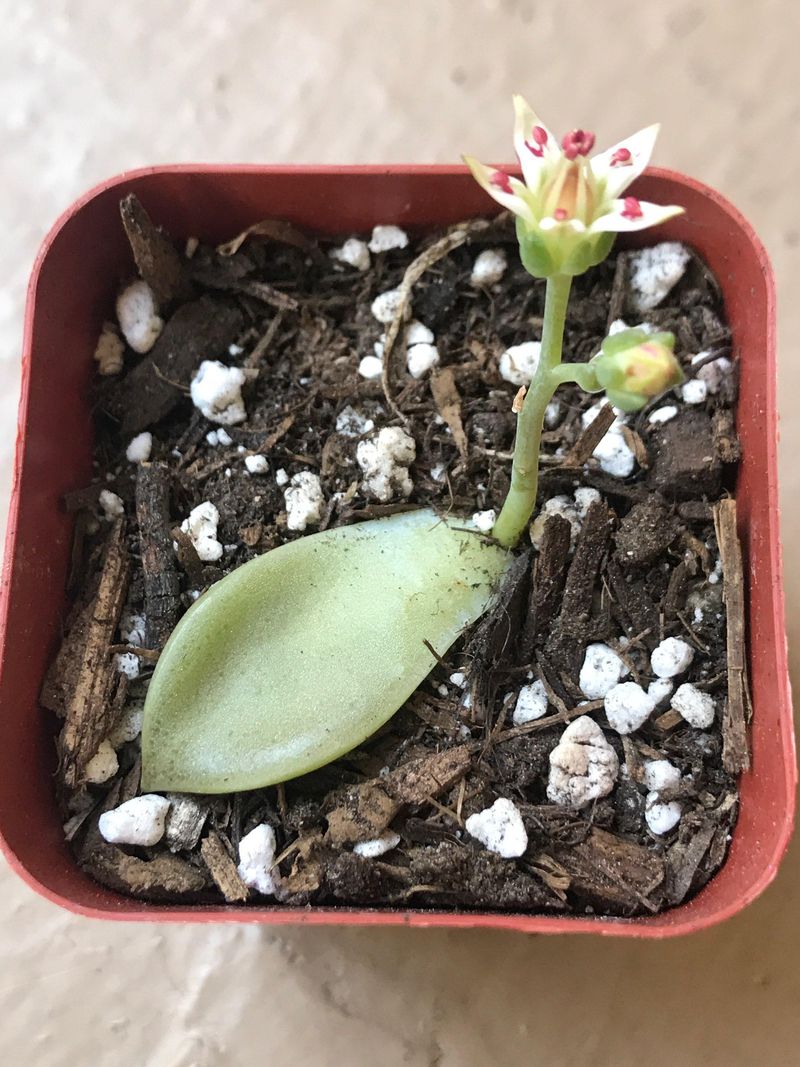
New leaves emerging from the center, the rosette getting noticeably larger, or the plant looking plumper all indicate your baby is established and ready for nutrients.
Most succulent babies won’t need any fertilizer for at least six to eight weeks after planting in Arizona.
The soil mix already contains some nutrients, and these plants are naturally adapted to lean conditions.
When you do start feeding, use a diluted succulent fertilizer at quarter strength.
Arizona’s intense sun already pushes plants to grow, so you don’t need full-strength nutrients like gardeners in cloudier climates might use.
Spring and early summer are the best times to fertilize succulents in Arizona, when they’re actively growing. Avoid feeding in winter when most succulents slow down, even if your baby seems to be growing.
If your baby looks healthy and is growing steadily without fertilizer, you don’t need to add any.
Lean conditions actually produce stronger, more compact succulents in Arizona’s climate, and that’s exactly what you want for long-term success.