These Mistakes Let Invasive Spurge Weed Take Over Your Arizona Yard
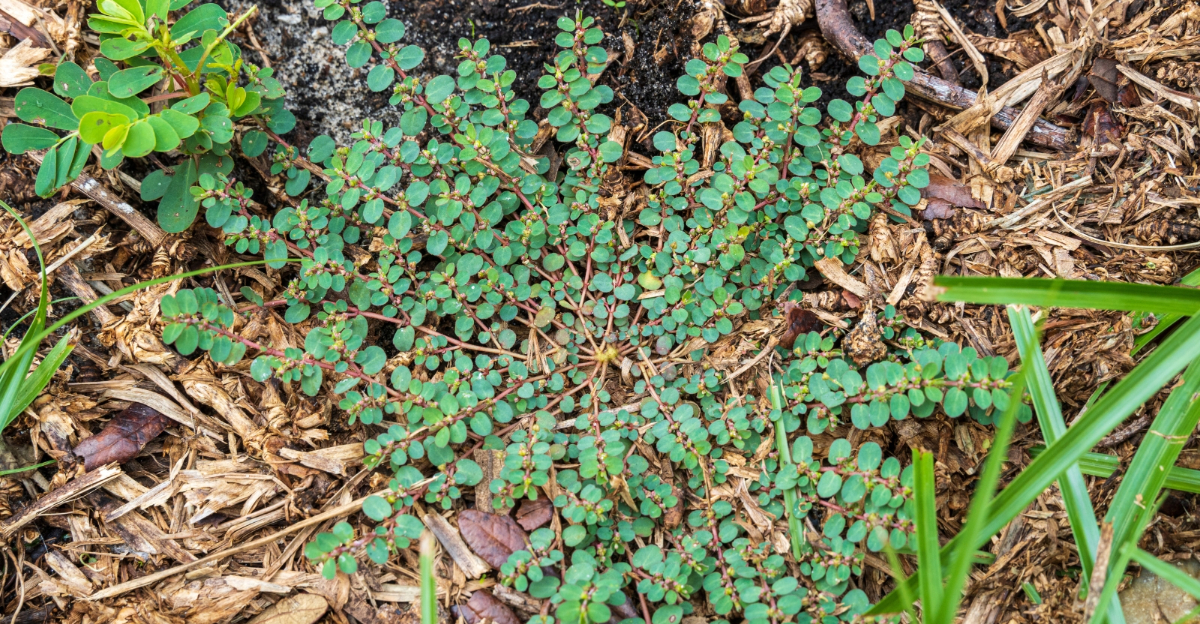
You spot a low, spreading weed in your Arizona yard and assume it’s just another nuisance that will disappear on its own.
Days pass, then weeks, and suddenly that same plant seems to be everywhere, weaving through gravel, lawn edges, and garden beds.
In Arizona, spurge thrives quietly at first, using heat and irrigation to expand before most people realize what’s happening.
Not every weed signals a bigger issue, and many never move beyond a small patch near a walkway or fence.
When spurge keeps returning and covering more ground, though, it’s often being helped by small, unintentional choices made during regular yard care.
Mowing height, watering patterns, and bare soil can all tip the balance without you noticing. That’s usually when it starts to feel out of control.
The good news is that spurge doesn’t spread at random.
This breaks down why spurge gains momentum in Arizona yards and which simple changes can stop it from taking over.
1. Letting Small Spurge Patches Go Unnoticed
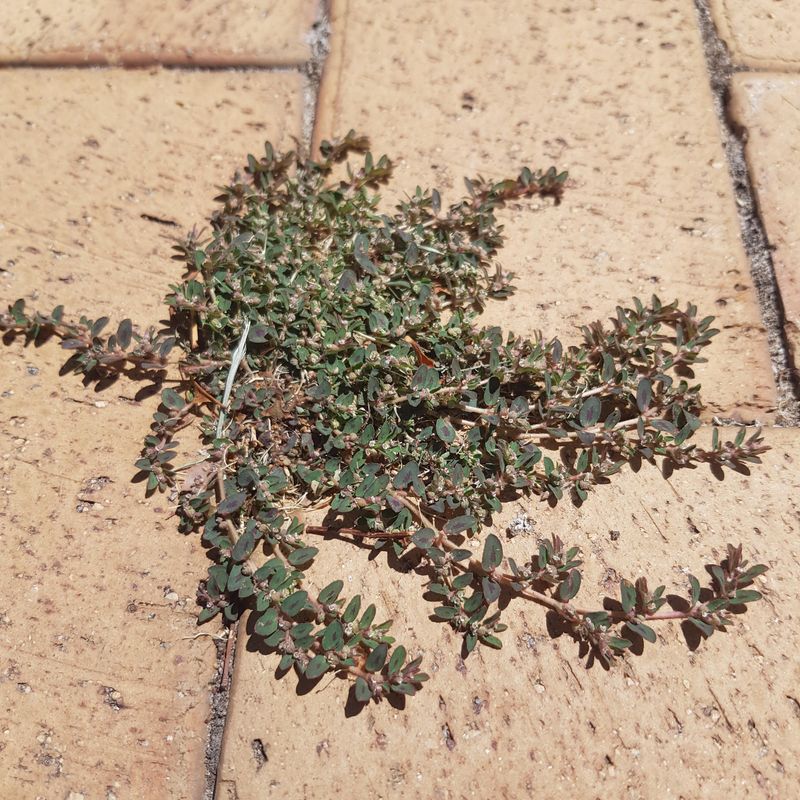
Small patches of spurge might seem harmless at first, but ignoring them is a huge mistake. You might spot a few tiny plants near your driveway or tucked along the fence line and think they are not worth your time.
That is exactly what spurge wants you to believe. These plants spread incredibly fast, and what starts as a handful of weeds can become a thick carpet in just a few weeks.
Arizona summers create perfect conditions for spurge to multiply. The heat does not slow it down like it does other plants.
Instead, spurge thrives and sends out seeds constantly. Each plant can produce thousands of seeds, and those seeds stay viable in the soil for years.
Waiting even a few days to address a small patch gives the weed a massive head start.
Your yard might look fine today, but spurge works quietly beneath the surface. Seeds germinate quickly when conditions are right, and before you know it, you have a full-blown infestation.
Pulling a few small plants now saves you hours of work later. Early action is your best defense against this aggressive weed.
Many homeowners across Arizona learn this lesson the hard way. They ignore the early signs and then face a much bigger problem.
Spurge does not wait for you to be ready. It spreads, it seeds, and it takes over.
Catching it early is not optional if you want to keep your yard under control.
The good news is that young spurge has shallow roots, making it much easier to remove when caught early.
A quick walk through your yard every few days can stop this weed before it has a chance to spread across your Arizona landscape.
2. Overwatering Thin Or Bare Areas Of The Yard
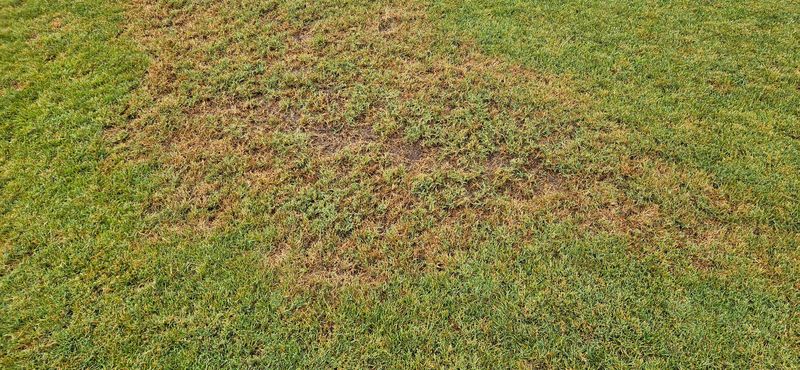
Watering your yard seems like a good idea, but too much water in the wrong places invites spurge to move in. Bare spots and thin areas are especially vulnerable because there is no competition from grass or other plants.
Your Arizona Garden Changes Every Week. Your Plan Should Too.
Gardening in Arizona changes quickly throughout the season. Every Friday you’ll receive a simple weekly plan showing exactly what to plant, prune, fertilize, harvest, and protect so you never miss the right timing.
When you overwater these sections, you create a perfect environment for spurge seeds to germinate and spread. The weed loves moisture and takes full advantage of any extra water you provide.
Arizona landscapes often have uneven irrigation, and some areas get more water than they need. Spurge seeds lying dormant in the soil wake up when they sense consistent moisture.
They sprout quickly and establish roots before you even notice them. Once they are growing, they are much harder to remove.
Overwatering essentially rolls out the welcome mat for this invasive plant.
Adjusting your watering schedule can make a big difference. Focus on deep, infrequent watering rather than light, frequent sessions.
This encourages deeper root growth for your desirable plants and makes conditions less favorable for spurge. Bare spots should be addressed with mulch or ground cover to reduce weed opportunities.
Many Arizona homeowners do not realize that their irrigation habits contribute to weed problems. Spurge thrives in areas where water pools or stays on the surface too long.
Fixing leaks, adjusting sprinkler heads, and monitoring soil moisture levels all help reduce spurge growth. Smart watering protects your yard from this relentless invader.
3. Allowing Spurge To Set Seed Before Removal
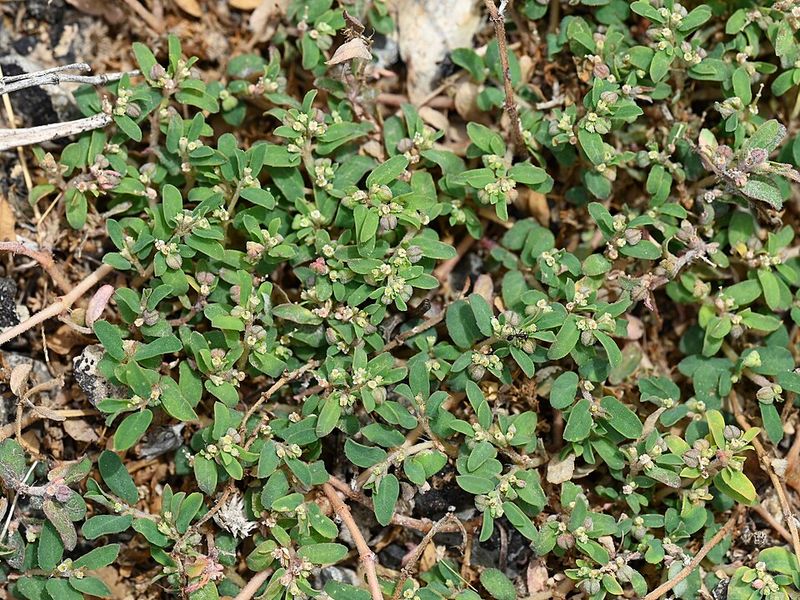
Timing is everything when it comes to controlling spurge, and waiting too long to remove it is a costly mistake. Spurge plants produce seeds rapidly, and once those seeds form, your problem multiplies exponentially.
Each plant can release thousands of seeds into your yard, and those seeds can remain dormant in the soil for years. Pulling the weed after it has already seeded does little to stop future infestations.
Arizona growing conditions allow spurge to seed multiple times throughout the warm season. The plant does not need much time to mature and start producing seeds.
If you wait until the weed looks big and obvious, you have probably already missed your window. Seeds scatter easily in the wind, across shoes, and through garden tools, spreading the infestation even further.
Removing spurge before it flowers is critical. Check your yard regularly and pull any spurge plants as soon as you spot them.
Do not wait for them to grow larger or more noticeable. The earlier you act, the fewer seeds end up in your soil.
This proactive approach stops the cycle before it starts.
Many people across Arizona make the mistake of thinking they can deal with spurge later. Later often means after the plant has already seeded, and by then, the damage is done.
Your yard becomes a seed bank that keeps producing new spurge plants year after year. Preventing seed production is the key to long-term control.
Even small, newly sprouted plants should be removed right away, since spurge does not need to be large to start reproducing.
Staying ahead of it early in the season dramatically reduces how much spurge you will battle across your Arizona yard later on.
4. Pulling Or Mowing At The Wrong Time
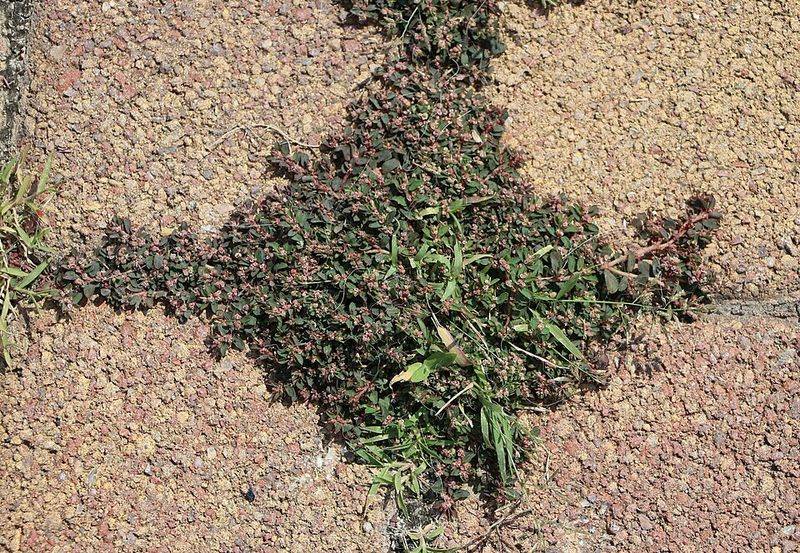
Removing spurge seems straightforward, but doing it at the wrong time can actually make the problem worse. Pulling or mowing mature plants that have already started seeding spreads those seeds all over your yard.
You might think you are solving the problem, but you are actually helping the weed reproduce. Each movement shakes loose seeds that fall into the soil and wait for the next opportunity to sprout.
Mowing is especially problematic because it scatters seeds far and wide. Lawn mowers and trimmers send seeds flying across your entire property.
Even bagging the clippings does not always help if the seeds have already dropped. Arizona homeowners often mow their yards regularly without realizing they are spreading spurge with every pass.
Hand-pulling works best when the plants are young and have not yet flowered. If you wait until the plant is mature, you need to be extremely careful.
Place pulled weeds directly into a sealed bag and dispose of them in the trash, not in your compost or yard waste. Composting spurge can keep seeds viable and bring them right back into your yard.
Timing your removal efforts correctly takes some attention, but it pays off. Check your yard frequently and remove spurge while it is still small.
Avoid mowing over large patches of mature spurge, and never let pulled weeds sit on the ground. These simple steps prevent you from accidentally spreading the very weed you are trying to eliminate.
5. Leaving Bare Soil Exposed In Hot Weather
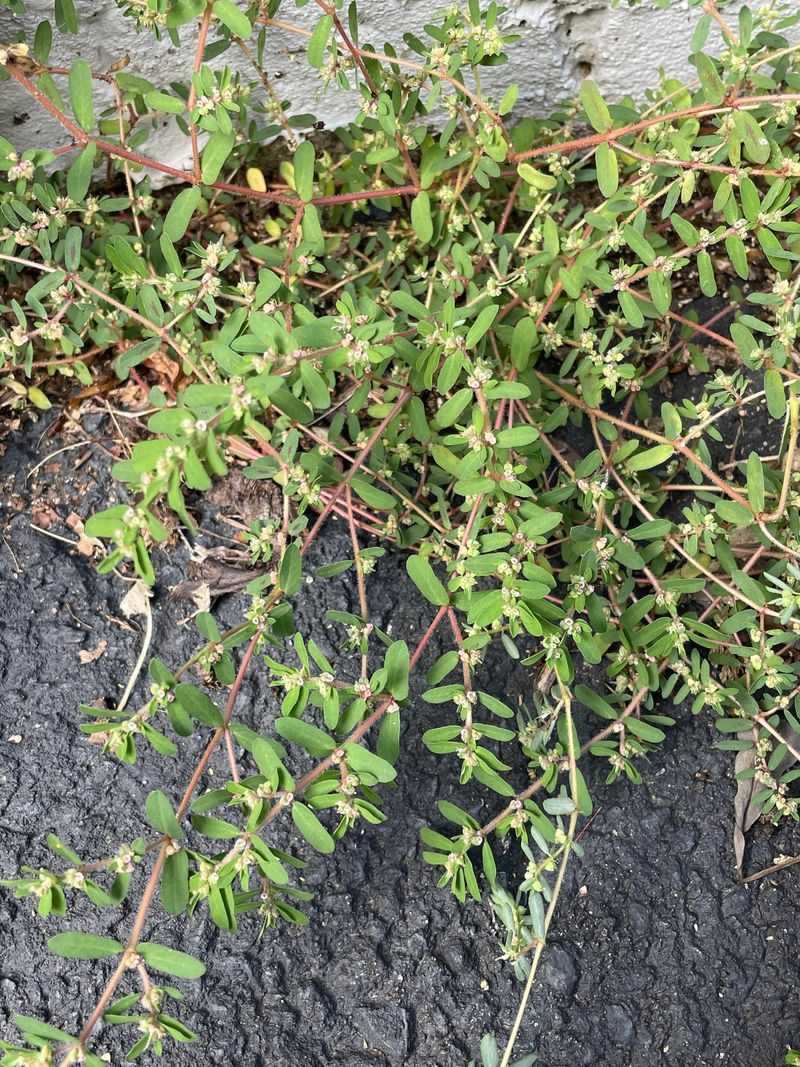
Bare soil in your Arizona yard is an open invitation for spurge to move in and take over. When soil sits exposed under the hot sun, it creates ideal conditions for weed seeds to germinate.
Spurge loves bare ground because there is no competition from other plants. The weed establishes quickly and spreads before you have a chance to react.
Covering bare soil is one of the simplest ways to prevent spurge from gaining a foothold.
Arizona heat can be brutal, but spurge handles it better than most plants. Exposed soil heats up quickly, and spurge seeds lying on the surface wait for just the right moment to sprout.
Once they do, they grow fast and spread their roots into the open space. Your yard becomes a breeding ground for this invasive weed if you leave bare areas unprotected.
Mulch is your best friend when it comes to covering bare soil. A thick layer of mulch blocks light from reaching weed seeds and keeps the soil cooler.
This makes it much harder for spurge to germinate and grow. Organic mulches also improve soil quality over time, which benefits your desirable plants.
Ground covers and low-maintenance plants also work well to fill in bare spots.
Many homeowners in Arizona underestimate how much bare soil contributes to weed problems. They focus on pulling weeds but never address the underlying issue.
Spurge will keep coming back as long as there is open ground for it to colonize. Protecting your soil with mulch or plants creates a barrier that spurge cannot easily penetrate.
Aim for at least two to three inches of mulch to effectively block light and suppress new spurge seedlings.
Refreshing that layer as it breaks down helps keep your Arizona soil protected through the hottest months.
6. Using The Wrong Control Method For Spurge
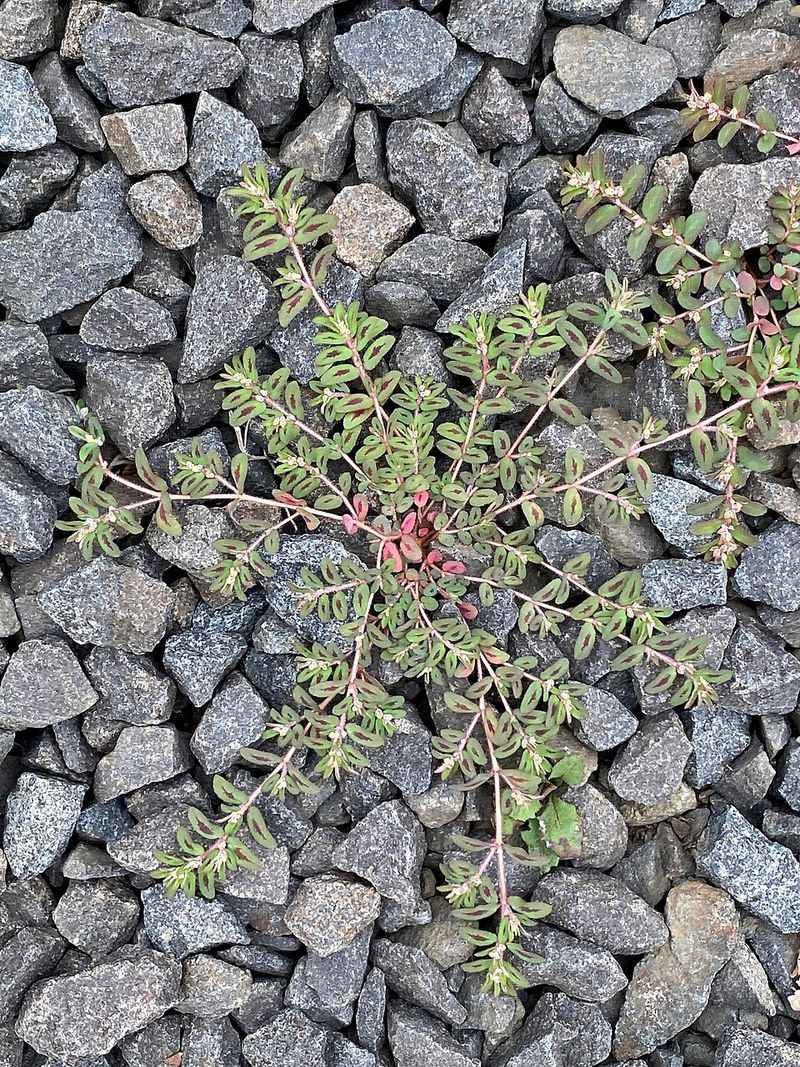
Not all weed control methods work equally well on spurge, and using the wrong approach wastes your time and effort. Some people reach for any herbicide they have on hand, hoping it will solve the problem.
Spurge is tough, and generic weed treatments often do not work effectively. You need a targeted approach that specifically addresses this weed.
Using the wrong product can even make spurge more resistant over time.
Pre-emergent herbicides work best when applied before spurge seeds germinate. These products create a barrier in the soil that prevents seeds from sprouting.
Timing is critical, and you need to apply them before the growing season starts. Post-emergent herbicides target weeds that are already growing, but they must be formulated to handle spurge specifically.
Arizona gardeners often miss this step and wonder why their efforts fail.
Hand-pulling is effective for small infestations, but it requires consistency and careful disposal. You have to remove the entire plant, including the roots, or it will grow back.
Pulling also only works if you catch the weed before it seeds. For larger infestations, a combination of methods works best.
This might include pre-emergent treatments, targeted herbicides, and regular monitoring.
Many homeowners across Arizona try to tackle spurge with whatever they have in the garage. This hit-or-miss approach rarely works and often leads to frustration.
Understanding which control methods work for spurge and when to use them makes all the difference. Investing in the right products and techniques saves you time and protects your yard from this persistent invader.
7. Arizona Heat Is Not A Solution For Spurge
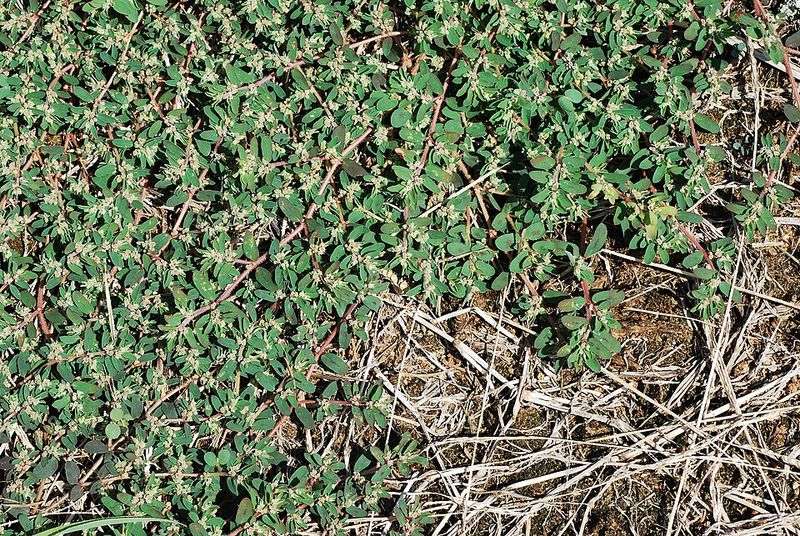
It is tempting to believe that Arizona heat will take care of spurge for you, but that assumption is completely wrong. Spurge actually thrives in hot weather, and the desert climate does not slow it down one bit.
While other plants struggle under the intense sun, spurge keeps growing, spreading, and seeding. Relying on the heat to control this weed is a mistake that allows it to become even more entrenched in your yard.
Spurge has adapted to survive in harsh conditions, and Arizona provides exactly what it needs. The plant has shallow roots that spread quickly, and it does not require much water to stay alive.
High temperatures do not stress spurge the way they do with other plants. In fact, the weed seems to love the heat and uses it to its advantage.
Waiting for summer to take care of your spurge problem only gives the weed more time to spread.
Many Arizona homeowners make this mistake and regret it later. They see spurge in their yard during spring and assume the summer sun will wipe it out.
Instead, they find even more spurge by the end of the season. The weed produces seeds throughout the warm months, and each generation adds to the infestation.
Ignoring the problem because of the heat is a recipe for disaster.
Active management is the only way to control spurge in Arizona. You cannot rely on weather conditions to do the work for you.
Regular monitoring, timely removal, and proper prevention methods are essential. Spurge will not disappear on its own, no matter how hot it gets.
Consistent action makes a much bigger difference than extreme temperatures ever will.
Staying proactive keeps spurge from using Arizona’s heat as an advantage against your yard.