7 Ways You Can Tell If Your Arizona Plants Want Full Sun Or Some Shade
That moment when you hesitate before moving a plant, wondering if the sun is helping or quietly working against it, happens more often than people admit.
In Arizona, light feels constant and intense, which makes it tricky to tell whether a plant wants more exposure or a little relief.
Some plants look fine for weeks, even months, before subtle changes start showing up in their leaves or growth.
Not every curled edge or faded color is a red flag, and many plants adjust on their own as seasons shift.
When the same signs keep appearing, though, it’s usually the plant reacting to where it’s placed rather than how it’s cared for.
Arizona’s strong sun can push full-sun plants to thrive while stressing others that prefer filtered light. Shade can help, but too much of it slows growth just as easily.
The clues are there if you know what to watch for.
These signs help you read what your Arizona plants are asking for before bigger issues show up.
1. Leaf Color Changes Show Too Much Or Too Little Sun
Your plant’s leaves are talking to you every single day. They shift colors to tell you exactly what they need from their environment.
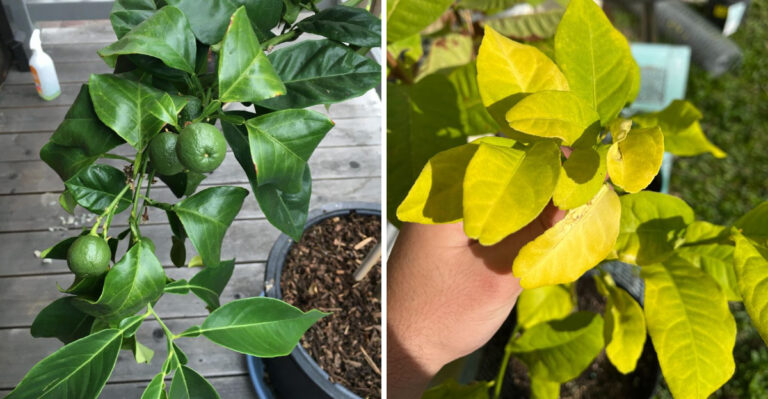
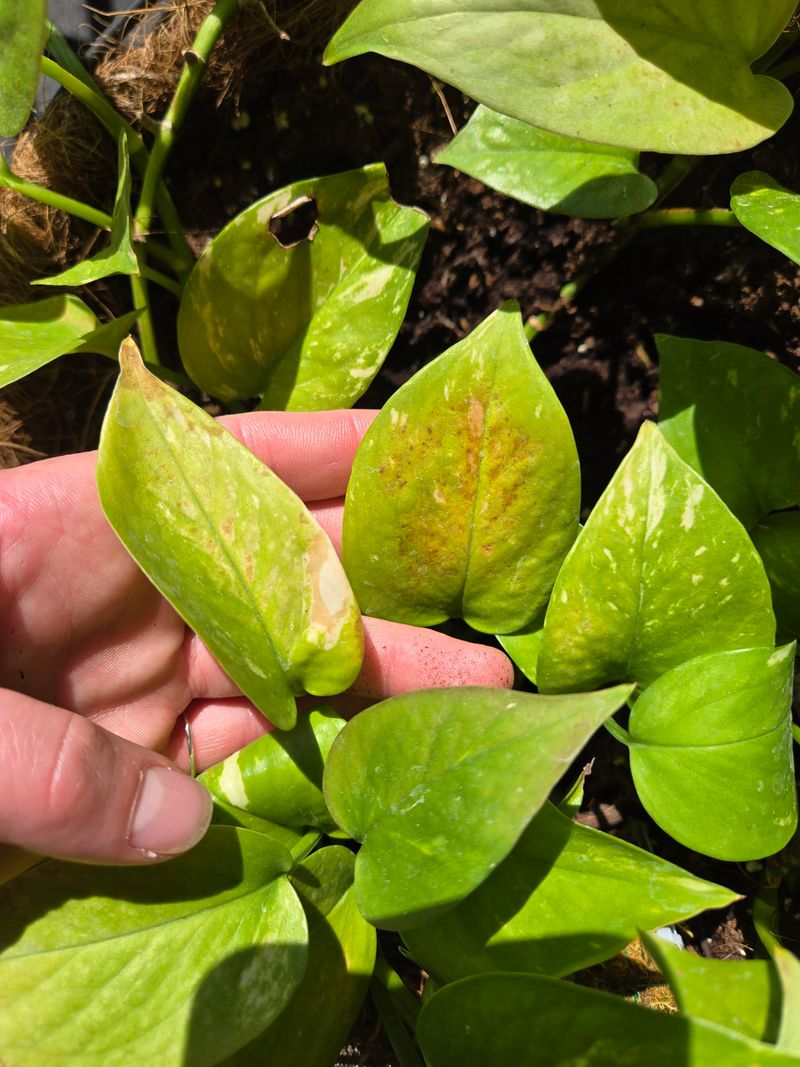
When leaves turn pale, yellowish, or washed out, your plant is probably sitting in too much shade for its liking.
Plants that crave sunshine develop lighter foliage when they don’t get enough rays. This happens because they can’t produce the chlorophyll they need to stay green and vibrant.
You’ll notice the color fades from deep green to something that looks tired and weak.
On the flip side, leaves that turn bronze, reddish, or develop dark blotches are screaming about too much sun. Arizona’s intense rays can overwhelm certain species, causing them to shift into protective mode.
The pigment changes act like a natural sunscreen, but it’s a sign your plant is struggling.
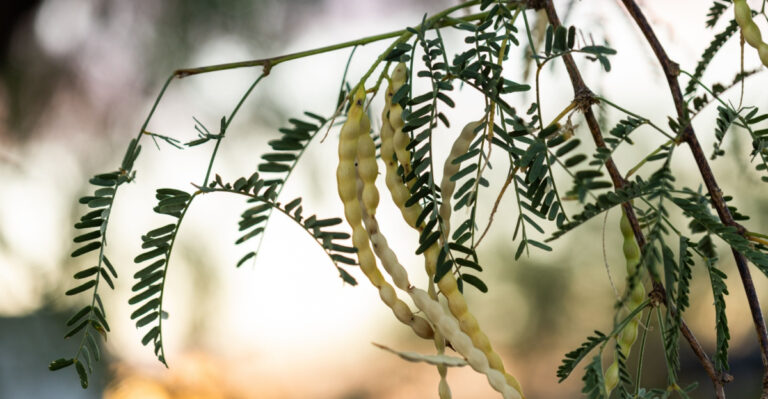
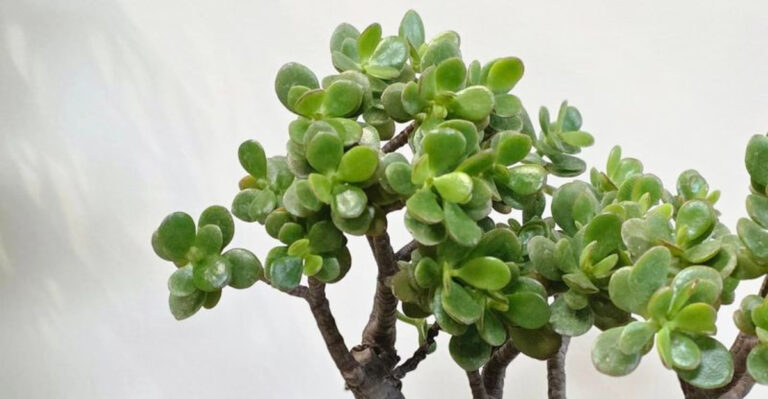
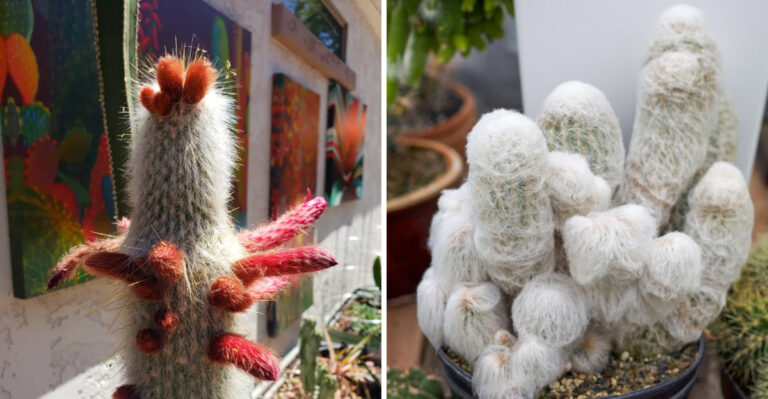
Native Arizona plants like palo verde or mesquite handle full sun beautifully and keep their color steady. But succulents like jade or certain cacti may show reddish stress tones when overexposed.
Pay attention to these shifts because they’re your first clue.
If you catch color changes early, you can move potted plants or add shade cloth to garden beds. Adjusting light levels quickly helps your plant recover without long-term damage.
The key is noticing the change before it becomes severe.
Healthy foliage should look rich and consistent in color. Any dramatic shift means something’s off with the light balance.
Your Arizona garden thrives when you respond to these visual cues.
Leaf color is one of the easiest indicators to spot. It doesn’t require special tools or expert knowledge.
Just regular observation and a willingness to make changes.
Once you learn to read these signals, you’ll feel more confident about where to place each plant. You’ll also waste less time guessing and more time enjoying a thriving garden.
Color tells the story before anything else goes wrong.
Your Arizona Garden Changes Every Week. Your Plan Should Too.
Gardening in Arizona changes quickly throughout the season. Every Friday you’ll receive a simple weekly plan showing exactly what to plant, prune, fertilize, harvest, and protect so you never miss the right timing.
2. Scorched Or Crispy Edges Signal Excess Sun Exposure
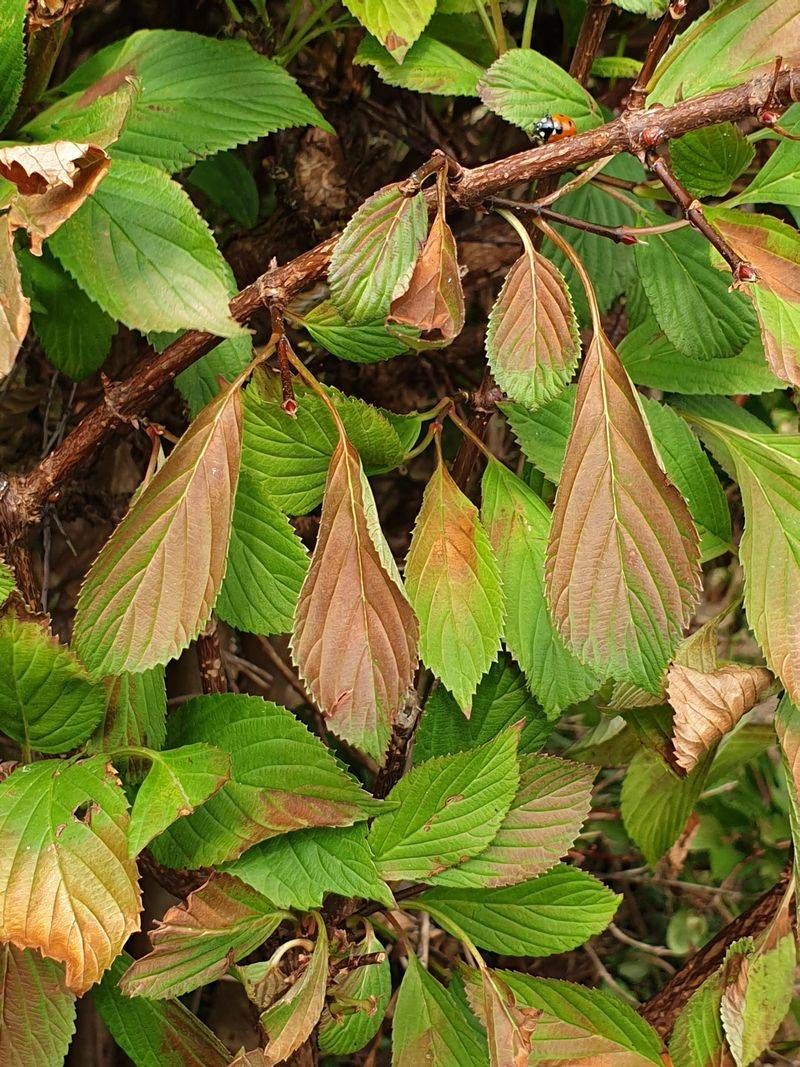
Brown, crispy leaf edges are a clear sign your plant is getting fried by too much direct sunlight.
This damage happens when intense rays literally burn the delicate tissue at the leaf margins. It’s similar to how your skin reacts when you stay out in the Arizona sun too long without protection.
The edges turn brown first because they’re the thinnest part of the leaf. They dry out faster than the center, creating that telltale crispiness.
Once you see this, the damage is already done and those edges won’t recover.
Plants that prefer partial shade or filtered light are especially vulnerable to this problem. Hostas, ferns, and certain tropical plants will show scorch within hours of being placed in harsh Arizona sun.
Even some desert-adapted plants can suffer if they’re young or recently transplanted.
You might also notice the crispy edges are paired with curling or cupping of the leaves. This is the plant’s attempt to reduce surface area exposed to the sun.
It’s a defense mechanism, but it also means your plant is under serious stress.
In Arizona, the afternoon sun is particularly brutal between May and September. If your plant faces west or southwest, it’s getting the most intense rays of the day.
That’s when scorch damage happens fastest.
Moving the plant to a spot with morning sun and afternoon shade can prevent further damage. For in-ground plants, installing a shade cloth or planting a taller companion nearby helps filter the light.
These adjustments make a huge difference in how your plant recovers.
Don’t confuse sun scorch with underwatering, though the symptoms can look similar. Scorched leaves feel papery and brittle, while underwatered leaves are limp and soft.
Touch them to tell the difference.
Trimming off the damaged edges won’t hurt the plant, but it’s more important to fix the light situation. Otherwise, new growth will just get scorched too.
Focus on prevention rather than just treating symptoms.
3. Tall, Stretched Growth Points To Not Enough Light
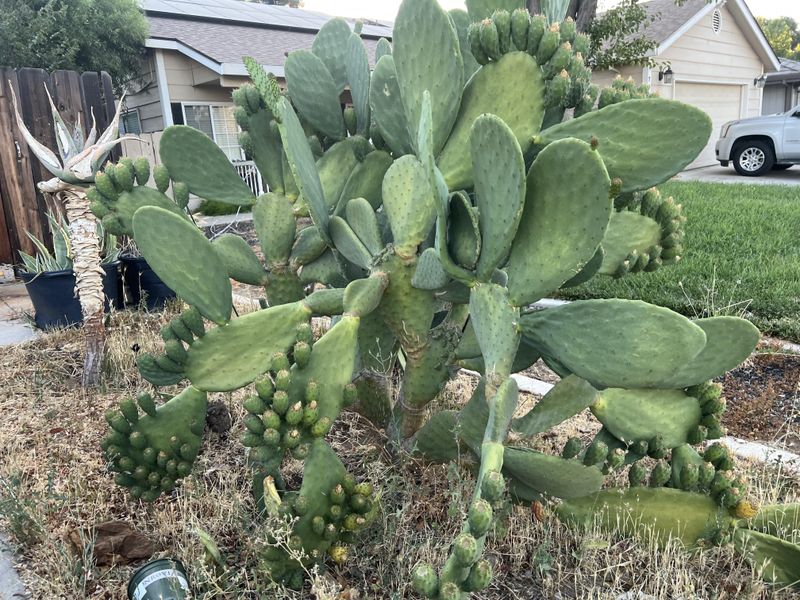
Plants that grow tall and leggy with long spaces between leaves are reaching desperately for more light. This stretched-out appearance is called etiolation, and it’s a classic sign your plant isn’t getting enough sun.
Instead of growing compact and bushy, it shoots upward trying to find brighter conditions.
You’ll notice stems become thin and weak, unable to support the plant’s weight properly. Leaves may be smaller than usual and spaced far apart along the stem.
This growth pattern looks awkward and unbalanced, nothing like the plant’s natural shape.
Succulents are notorious for this behavior in Arizona homes and shaded patios. Echeveria, jade, and aloe will stretch toward windows or any light source they can find.
Even cacti will grow tall and skinny if they’re stuck in too much shade for too long.
The problem is especially common with indoor plants or those placed under deep patio covers. Arizona’s bright outdoor light doesn’t always penetrate shaded areas as much as you’d think.
Plants accustomed to full sun will struggle and stretch in these spots.
Herbs like basil and rosemary also show this pattern when they’re not getting enough direct light. They grow tall but produce fewer leaves and lose their compact, bushy form.
This affects both their appearance and their productivity.
If you catch etiolation early, moving the plant to a brighter location can help. New growth will come in more compact and healthy-looking.
However, the stretched-out stems won’t shrink back, so you may need to prune them.
For Arizona gardeners, this means placing sun-loving plants where they’ll get at least six hours of direct light daily. Morning sun is gentler, but many desert plants need the intensity of midday and afternoon rays too.
Match the plant’s needs to the available light in your space.
Stretched growth is your plant’s way of saying it’s starving for sunlight. It’s trying to survive, but it’s not thriving.
Recognizing this early prevents your plant from wasting energy on weak, unproductive growth.
4. Flowering Or Blooming Patterns Reveal Light Preferences
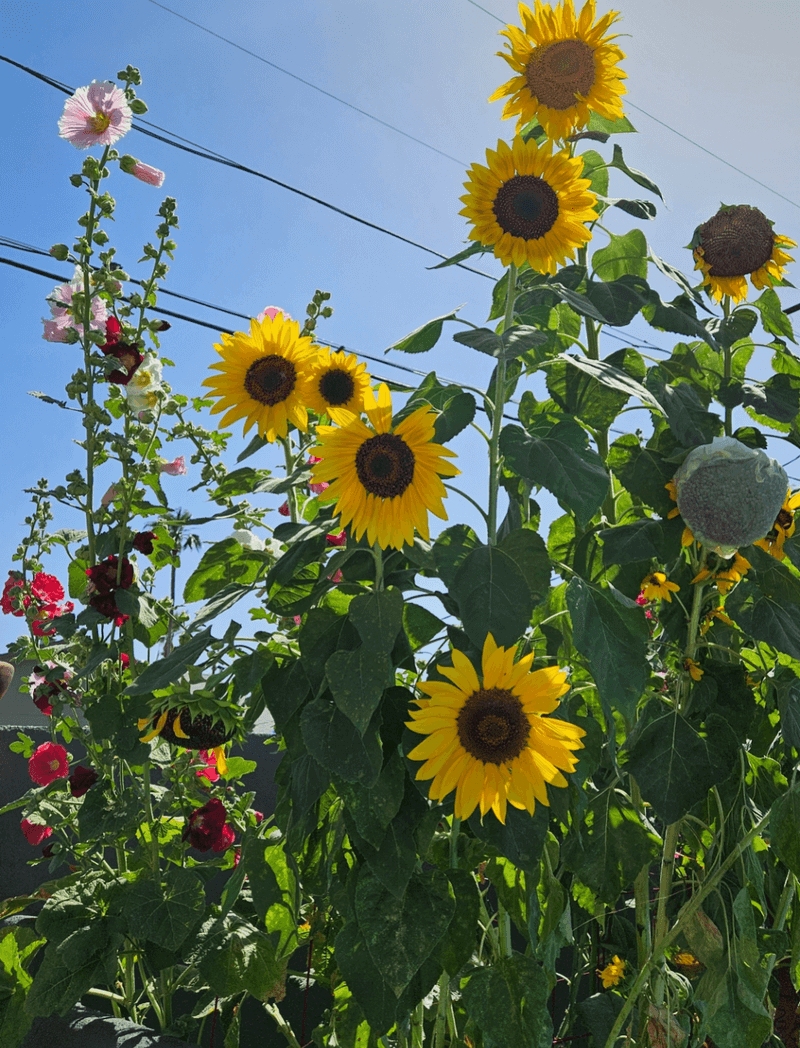
Blooms tell you more about your plant’s happiness than almost any other factor. When a plant produces abundant, vibrant flowers, it’s getting the light conditions it needs to thrive.
But when blooms are sparse, small, or nonexistent, light is usually the culprit.
Many flowering plants require full sun to trigger their blooming cycle. Roses, bougainvillea, and lantana are popular in Arizona because they love intense sunlight and reward you with stunning displays.
If these plants sit in too much shade, they’ll produce lots of leaves but very few flowers.
The opposite is also true for shade-loving bloomers. Impatiens and certain begonias prefer filtered light and will stop flowering if exposed to harsh Arizona sun.
Their blooms fade quickly, and the plant shifts its energy to survival rather than reproduction.
Timing matters too. Some plants bloom in response to day length, but light intensity plays a huge role in how well they perform.
Desert marigolds and brittlebush flourish in Arizona’s full sun, blooming prolifically in spring and fall. Without enough light, their flowering season shortens or disappears.
If your plant used to bloom beautifully but suddenly stopped, check if something has changed with its light exposure. Maybe a tree grew and now casts shade, or you moved the plant to a different spot.
These shifts affect blooming more than most people realize.
Fruiting plants like tomatoes and peppers also need strong light to set fruit. In Arizona, they need at least eight hours of direct sun to produce well.
Less light means fewer flowers, which means fewer tomatoes or peppers for your kitchen.
Adjusting light levels can bring back blooms surprisingly fast. Moving a pot to a sunnier spot or trimming back overhead branches can make all the difference.
You’ll see buds forming within weeks once the plant gets what it needs.
Flowers are the plant’s way of celebrating good conditions. When they’re missing, your plant is telling you something’s not quite right.
In Arizona, light is almost always the key to unlocking better blooms.
5. Midday Wilting Can Mean Sun Stress, Not Water Issues
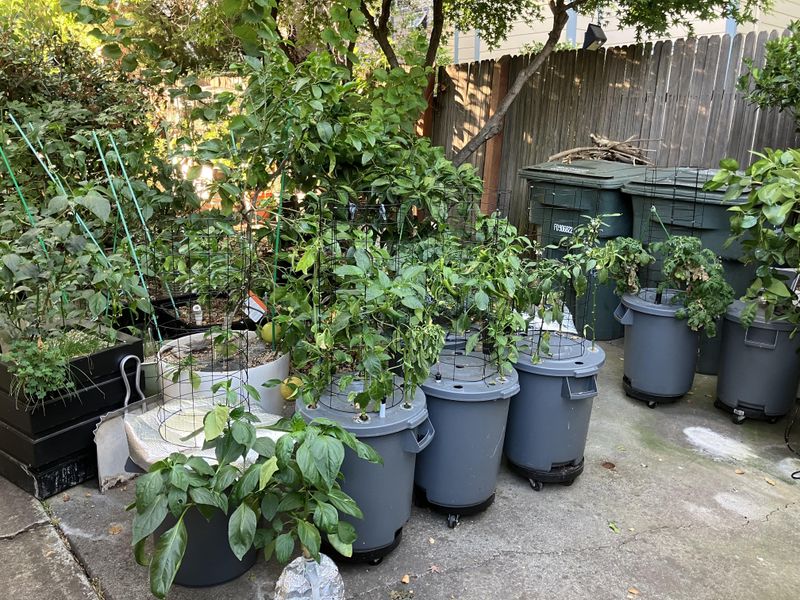
When your plant droops in the middle of the day, your first instinct might be to grab the hose. But sometimes wilting isn’t about thirst at all.
It’s about too much sun overwhelming the plant’s ability to keep its leaves firm and upright.
This type of wilting happens because the plant is losing water through its leaves faster than the roots can replace it. Even if the soil is moist, the intense Arizona sun can cause temporary wilting.
The plant’s defense is to let its leaves droop, reducing the surface area exposed to direct rays.
You’ll notice this most often during the hottest part of the day, especially in summer. Plants that prefer partial shade or cooler conditions will wilt by noon, then perk back up in the evening once the sun’s intensity decreases.
This cycle repeats daily if the light situation doesn’t change.
Vegetables like lettuce, spinach, and cilantro are particularly prone to this in Arizona gardens. They’re cool-season crops that struggle with intense midday sun.
Even with regular watering, they’ll wilt because the heat and light are too much for them.
Before you water, check the soil moisture first. Stick your finger a few inches down to see if it’s dry or damp.
If it’s still moist but your plant is wilting, sun stress is the likely cause. Adding more water won’t fix the problem and might even create root issues.
The solution is to provide shade during the hottest hours. Shade cloth, umbrellas, or planting near taller plants can offer relief.
Even a few hours of afternoon shade can stop the wilting cycle and help your plant stay healthier.
Desert-adapted plants like agave and yucca rarely show this kind of wilting because they’re built for full Arizona sun. But if you’re growing non-native or shade-preferring species, you need to watch for this pattern.
It’s a clear signal they’re getting too much direct light.
Persistent midday wilting stresses the plant over time, making it more vulnerable to pests and other problems. Addressing the light issue prevents long-term damage.
Your plant will grow stronger and more resilient once it’s not fighting the sun every day.
6. Leaf Size And Thickness Hint At Sun Or Shade Needs
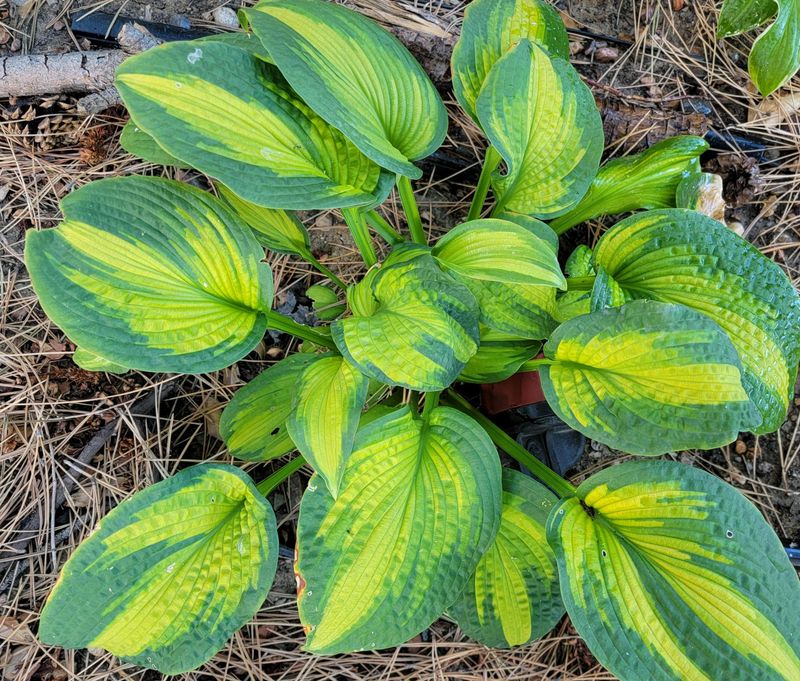
Leaves are incredibly adaptive, and their size and thickness reveal a lot about what light conditions a plant prefers. Thick, waxy, or small leaves are built for full sun and intense heat.
These features help the plant conserve water and protect itself from strong rays.
Desert plants in Arizona like prickly pear, agave, and jojoba have thick, fleshy leaves or pads. This adaptation allows them to store water and withstand hours of blazing sunshine.
Their leaves don’t wilt or scorch easily because they’re designed for harsh conditions.
On the other hand, plants with large, thin, delicate leaves are usually shade lovers. Think of hostas, ferns, or elephant ears.
Their broad leaves are meant to capture as much light as possible in low-light environments. When you put these plants in full Arizona sun, their thin leaves can’t handle the intensity.
If your plant starts producing smaller, thicker leaves than usual, it might be adapting to more sun than it prefers. This is the plant’s way of protecting itself, but it’s also a sign it’s under stress.
The leaves become tougher to reduce water loss and sun damage.
Conversely, if a sun-loving plant is stuck in too much shade, it may produce larger, thinner leaves trying to capture more light. This makes the plant weaker and more prone to problems.
The leaves lack the toughness they’d normally have in proper conditions.
Arizona gardeners can use leaf characteristics as a guide when choosing plants. If you have a sunny spot, pick plants with small, thick, or waxy leaves.
For shaded areas, go with plants that have larger, softer foliage. This simple rule saves a lot of trial and error.
Observing how your plant’s new leaves compare to older ones also gives you clues. If new growth is noticeably different in size or texture, your plant is reacting to its light environment.
It’s trying to adapt, but that doesn’t mean it’s happy.
Matching leaf type to light conditions helps your Arizona garden thrive with less effort. You’ll spend less time troubleshooting and more time enjoying healthy, attractive plants.
Leaf structure is nature’s way of telling you where each plant belongs.
7. How Plants Handle Afternoon Sun Tells You Everything
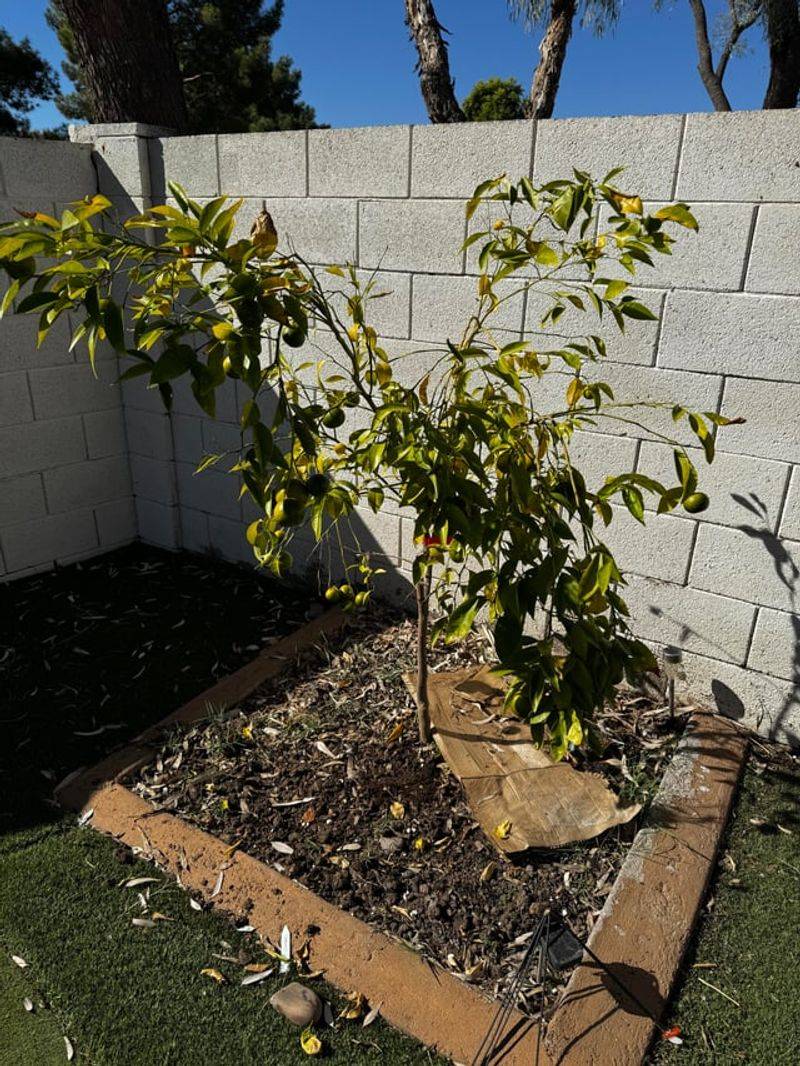
Afternoon sun in Arizona is a whole different beast compared to morning light. The intensity, heat, and angle of the sun after noon can make or break a plant’s success in your garden.
Watching how your plants respond during these hours gives you the clearest picture of their true light needs.
Plants that thrive in full sun will look their best even during the brutal 3 to 6 p.m. window. Desert natives like ocotillo, saguaro, and palo verde don’t flinch when the afternoon sun beats down.
Their leaves stay firm, their color stays strong, and they continue growing without any signs of distress.
But plants that prefer partial shade or cooler conditions will show stress during these same hours. Leaves may curl, droop, or develop a dull appearance.
Colors fade, and the plant looks tired and worn out. This is your clearest signal that the afternoon sun is too intense for that particular species.
Arizona’s afternoon sun is especially harsh because it combines high temperatures with strong UV rays. The angle of the sun also means it hits plants more directly, with less atmospheric filtering.
Even plants that handle morning sun beautifully may struggle when afternoon rays arrive.
If you’re testing a new plant’s light tolerance, afternoon performance is the ultimate test. Place it where it will get morning sun and see how it does.
Then gradually introduce afternoon sun and watch closely. The plant will tell you quickly if it’s too much.
Many Arizona gardeners use the afternoon sun as a guide for plant placement. East-facing spots get morning sun and afternoon shade, perfect for plants that need some protection.
West-facing areas get the harshest afternoon light, ideal only for true sun lovers.
You can also create microclimates by using structures, walls, or other plants to filter afternoon sun. A well-placed tree or shade sail can turn a brutal spot into a more moderate environment.
This expands your planting options and helps more species succeed.
Observing afternoon behavior over several days gives you reliable data. One day might be cloudy or unusually cool, so watch for patterns over time.
Consistent stress during afternoon hours means you need to make a change.
Arizona’s afternoon sun is the ultimate litmus test for plant placement. It separates the sun lovers from the shade seekers faster than any other factor.