What Can Go Wrong If You Mulch Too Early Before Arizona’s Summer Heat
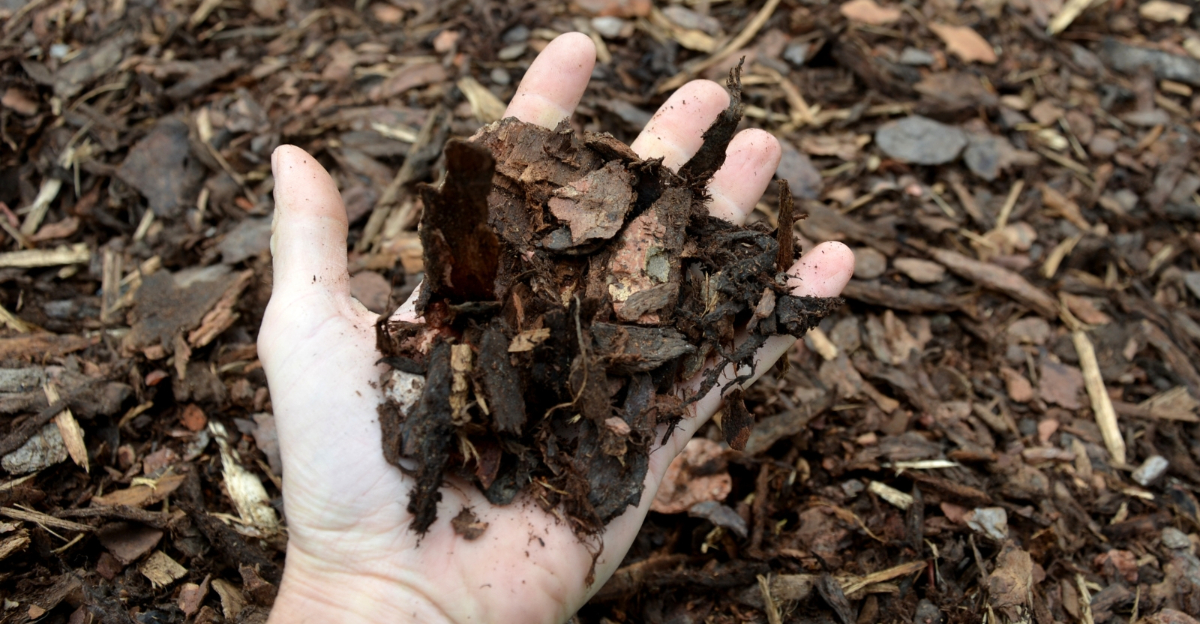
You spread mulch in your Arizona yard early in the season, feeling ahead of schedule and glad to have one thing checked off.
At first, it looks neat and finished, especially before the heat really settles in.
In Arizona, timing matters just as much as materials, and small seasonal shifts can change how mulch behaves once temperatures climb.
Not every early mulching job causes trouble, and in some cases it seems to work out just fine.
When issues show up later, though, they often trace back to how heat, moisture, and soil reacted underneath that fresh layer.
Mulch can warm soil faster than expected and hold moisture in ways plants aren’t ready for yet. That combination can quietly affect roots before summer even arrives.
Arizona’s intense sun accelerates those effects more than many gardeners anticipate.
That’s why early mulching sometimes leads to stress instead of protection.
Understanding what can go wrong helps you decide when mulch truly supports your Arizona garden rather than working against it.
1. Soil Can Stay Too Cool When Roots Need Warmth
Spring temperatures in Arizona fluctuate wildly, and your plants know it. Roots respond to soil warmth by growing faster and absorbing nutrients more efficiently.
When you pile mulch on too soon, you’re essentially putting a blanket over cold ground.
That insulating layer keeps the soil from warming up as quickly as it should. Your tomatoes, peppers, and other heat-loving plants sit there waiting for conditions to improve.
They don’t grow much because their roots stay chilly.
Across Arizona, gardeners often rush to mulch in March or early April. The air might feel warm, but the ground hasn’t caught up yet.
Mulch blocks sunlight from reaching the soil surface, slowing the natural warming process.
Your plants need that warmth to transition from spring into summer mode. Without it, they lag behind in development.
You might notice slower growth compared to neighbors who waited a few more weeks.
Desert soils heat up fast once the sun hits them directly. Mulch applied too early robs your garden of that advantage.
Plants struggle to establish strong root systems when temperatures stay low.
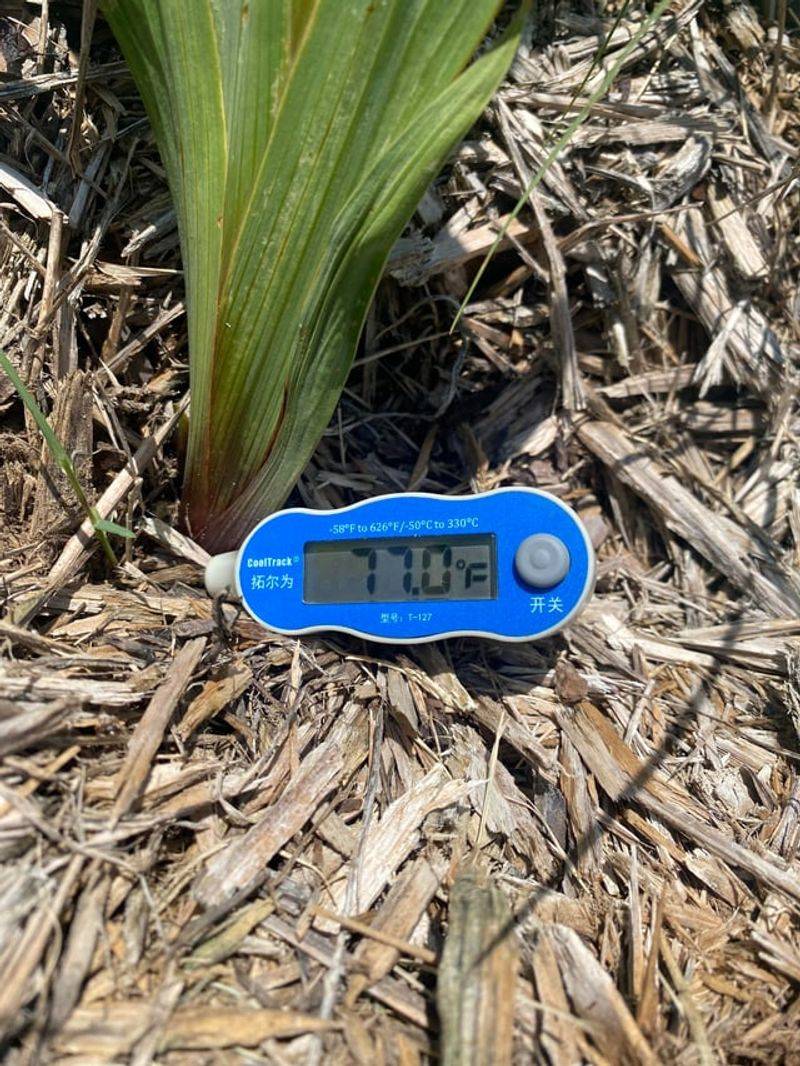
Consider checking soil temperature with a simple thermometer before mulching. Most warm-season vegetables prefer soil around 60-70 degrees Fahrenheit.
If you’re not there yet, hold off on the mulch.
Arizona’s unique climate means timing matters more than following generic gardening advice. What works in cooler states doesn’t always translate here.
Your plants will thank you for waiting until the soil warms naturally.
Once summer heat arrives, mulch becomes essential for keeping roots cool. But in spring, it can work against you.
Understanding this balance helps you make smarter decisions.
Watch your plants for signs of slow growth or yellowing leaves. These symptoms might indicate cold stress from premature mulching.
Adjusting your timing next season can make a noticeable difference.
Patience pays off when it comes to mulching in Arizona. Let the soil warm up first, then add your protective layer.
Your Arizona Garden Changes Every Week. Your Plan Should Too.
Gardening in Arizona changes quickly throughout the season. Every Friday you’ll receive a simple weekly plan showing exactly what to plant, prune, fertilize, harvest, and protect so you never miss the right timing.
Your garden will respond with stronger, healthier growth throughout the growing season.
2. Moisture Gets Trapped Before Plants Are Ready For It
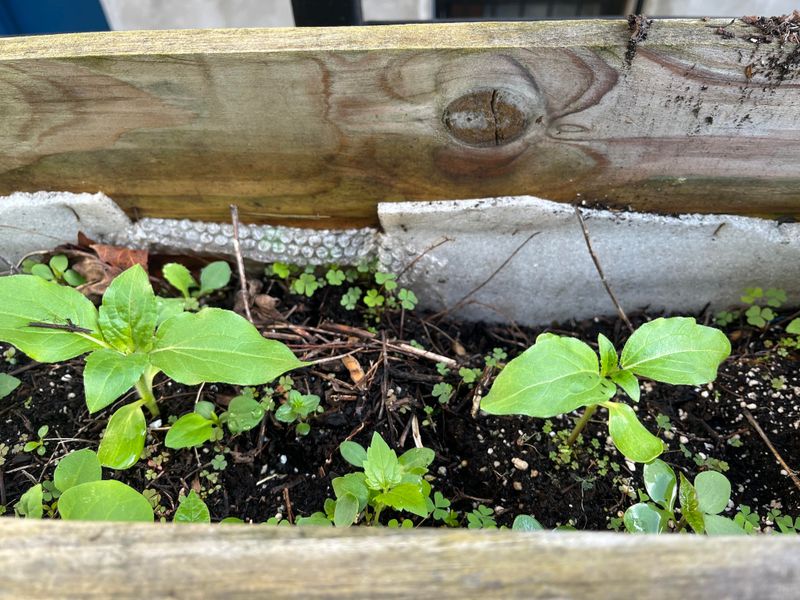
Water behaves differently under mulch than in open soil. Early spring in Arizona brings occasional rain and cooler nights with dew.
Mulch traps all that moisture against the soil surface, creating a damp environment.
Your plants aren’t actively growing fast enough yet to use all that water. Their roots sit in soggy conditions they don’t need.
This becomes especially problematic with young transplants or newly sprouted seedlings.
Excess moisture around dormant or slow-growing roots creates stress. Plants can’t breathe properly when soil stays waterlogged.
Arizona gardeners often forget that spring isn’t the same as summer when it comes to water needs.
Mulch acts like a sponge, holding moisture for extended periods. In spring, this works against you because evaporation rates are lower.
The ground doesn’t dry out between waterings or rain events.
Root systems need oxygen just as much as water. When mulch keeps soil constantly damp, air pockets fill with water.
Your plants essentially suffocate at the root level, even though they look fine above ground.
Across Arizona gardens, this problem shows up as wilting plants despite wet soil. Gardeners often respond by watering more, making things worse.
The real issue is poor oxygen availability caused by trapped moisture.
Fungal problems also develop more easily in these conditions. Spores that wouldn’t normally cause trouble thrive in cool, damp environments.
Your plants become vulnerable to diseases they could otherwise resist.
Waiting until temperatures rise consistently helps solve this issue. Summer heat increases evaporation, so mulch no longer creates waterlogged conditions.
Instead, it helps maintain consistent moisture levels your plants actually need.
Pay attention to how your soil feels before adding mulch. If it’s already staying damp for days after watering, you’re not ready yet.
Let things dry out naturally between waterings first.
Arizona’s dry climate eventually makes moisture retention essential, but timing is everything. Spring mulching can turn your best intentions into a soggy mess that harms rather than helps your garden.
3. Weeds Can Germinate Beneath Early Mulch Layers
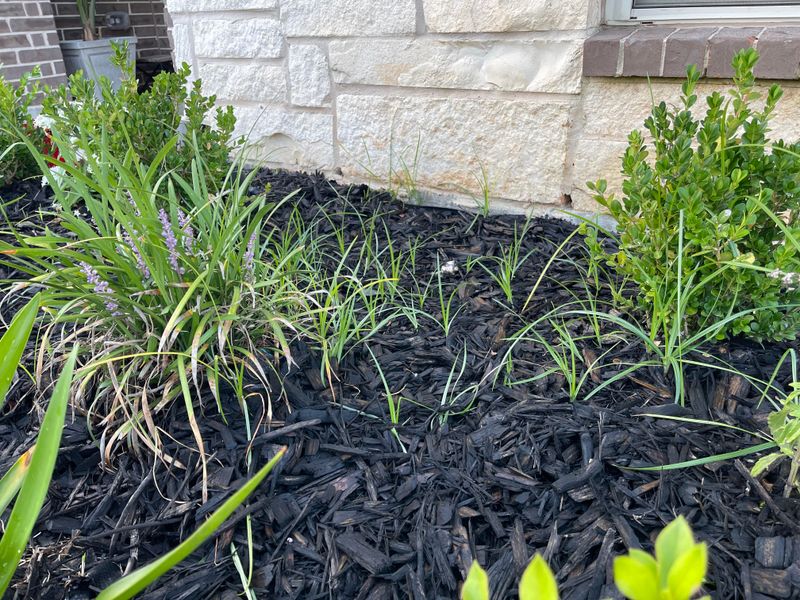
Weed seeds hide everywhere in your garden soil, waiting for the right conditions. Cool, moist environments beneath early mulch create a perfect germination chamber.
Those seeds wake up and start growing before your main plants even get established.
Mulch doesn’t smother weeds if they’re already growing underneath. Instead, it gives them a head start in spring.
By the time you notice the problem, weeds have developed strong root systems.
Arizona’s spring weather fluctuates between warm days and cool nights. This temperature range suits many weed species perfectly.
Add mulch too soon, and you’re basically tucking those weeds in for optimal growth.
Common desert weeds like spurge, puncturevine, and pigweed love these conditions. They germinate quickly under mulch and spread before you realize what’s happening.
Pulling them later becomes much harder once they’re established.
Your garden plants compete with these weeds for nutrients and water. Early in the season, when your vegetables or flowers are still small, weeds can easily outpace them.
The mulch you thought would help actually gave weeds an advantage.
Light penetration matters too. Some weed seeds need darkness to germinate, and mulch provides exactly that.
You’ve created ideal conditions without meaning to. Arizona gardeners often discover this problem too late in spring.
Waiting until your desired plants are actively growing helps shift the balance. Once your vegetables or flowers are established, they compete better against weeds.
Adding mulch later suppresses new weed germination more effectively.
Consider clearing existing weeds thoroughly before mulching at all. If you mulch over tiny weed seedlings, they’ll just grow through the layer.
Timing your mulch application after a good weeding session makes more sense.
Summer heat eventually suppresses many cool-season weeds naturally. But spring mulching can extend their growing period, causing more trouble.
You end up spending more time weeding than if you’d waited.
Arizona’s unique growing seasons mean you need to think differently about mulch timing. What prevents weeds in summer might encourage them in spring.
Adjust your approach based on what your garden actually needs right now.
4. Pests May Settle In Earlier Than Expected
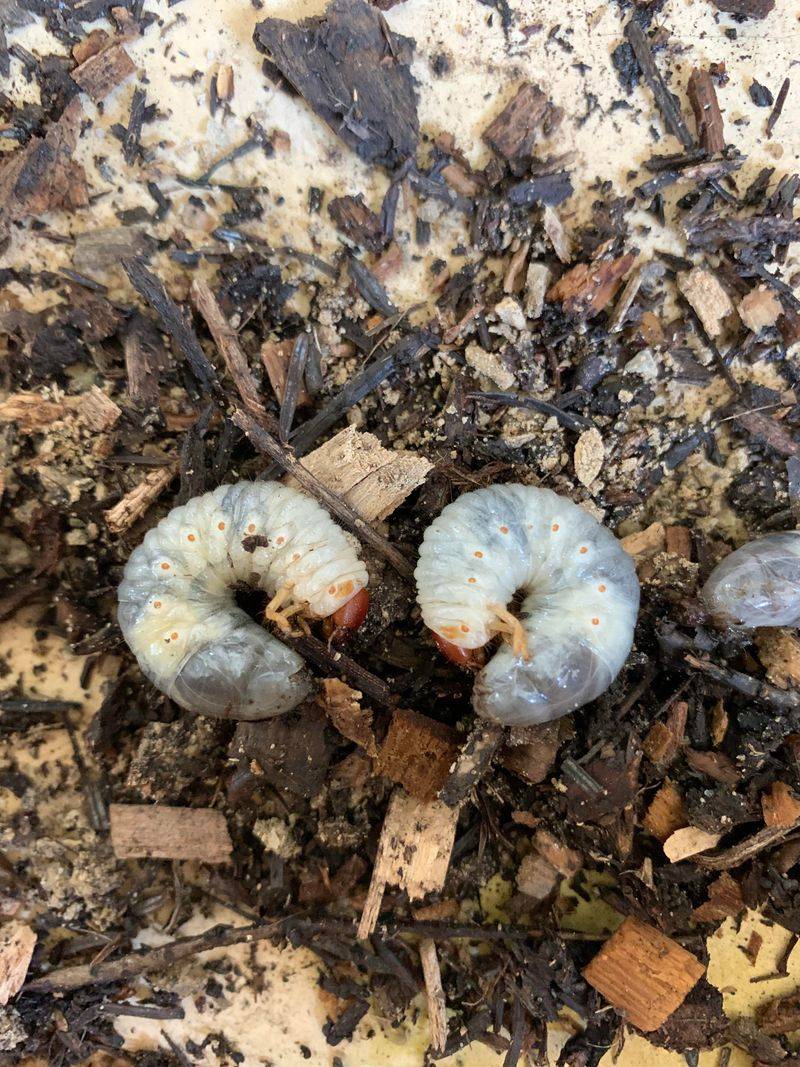
Insects and other garden pests search for comfortable hiding spots as temperatures warm. Early mulch provides exactly what they’re looking for—a cool, dark, protected environment.
You’ve essentially rolled out the welcome mat before your plants are ready to handle pest pressure.
Pill bugs, earwigs, and various beetles love living under mulch. In spring, when their populations are just starting to build, premature mulching gives them a perfect breeding ground.
Arizona’s desert insects take full advantage of any moisture and shelter you provide.
These pests don’t just hide under mulch—they feed on your plants too. Young seedlings and transplants are especially vulnerable.
A few earwigs munching on tender leaves can set back your garden significantly.
Slugs and snails also appreciate the damp conditions under early spring mulch. Even in Arizona’s dry climate, these moisture-loving pests find refuge where mulch keeps things humid.
They emerge at night to feast on your plants.
Your garden isn’t strong enough yet to tolerate pest damage. Established plants can lose a few leaves without major problems.
But young plants in spring might struggle to recover from even minor pest attacks.
Mulch becomes beneficial later when plants are bigger and pest populations are easier to manage. In summer, the benefits outweigh the risks.
But spring is a different story across Arizona gardens.
Some pests overwinter in garden debris and soil. Mulching too early can actually protect them from temperature fluctuations that might otherwise reduce their numbers.
You’re helping pests survive when you should be making conditions harder for them.
Consider waiting until your plants have developed several true leaves and stronger stems. They’ll handle pest pressure better once they’re growing vigorously.
Early mulching just stacks the odds against your garden.
Inspect mulched areas regularly if you do apply it early. Lift the edges and check for pest activity.
Catching problems early helps, but prevention through proper timing works even better.
Arizona gardeners face unique pest challenges that change with the seasons. Spring is when you want to minimize pest habitat, not enhance it.
Save the mulch for when your plants can actually benefit from the protection it offers.
5. Roots Can Start Growing Too Close To The Surface
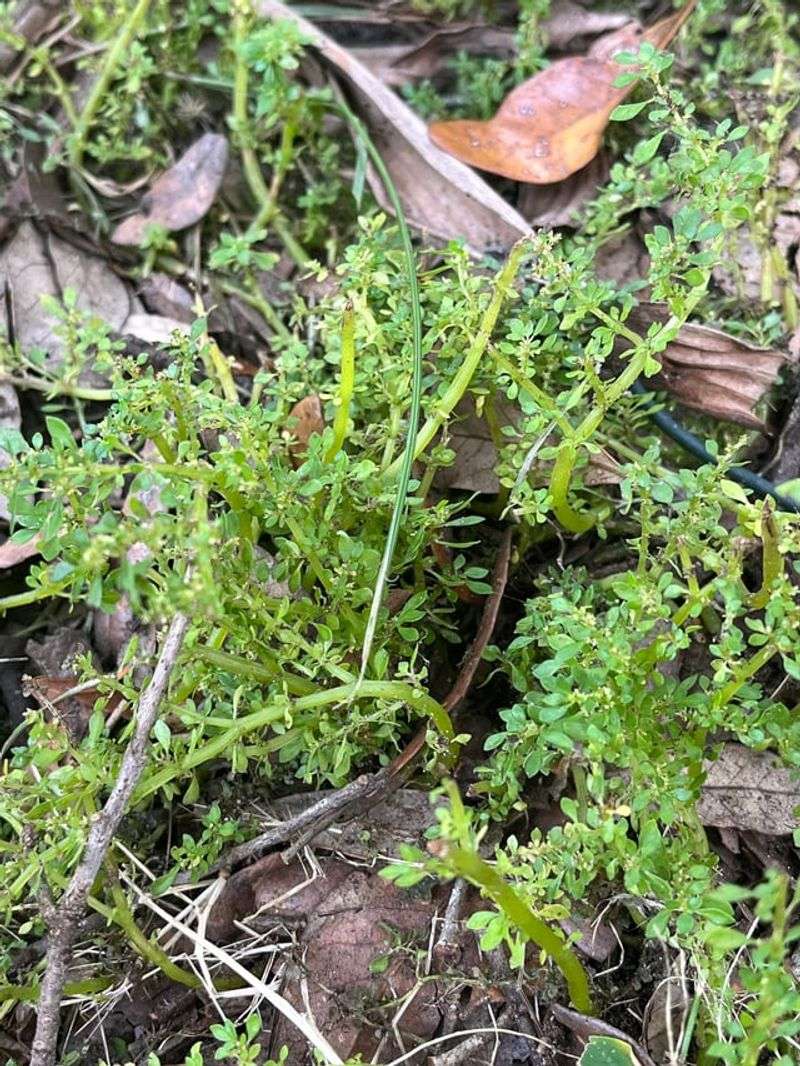
Plant roots grow where conditions are most favorable. When you mulch early, you create a cool, moist zone right at the soil surface.
Roots naturally grow toward that attractive environment instead of heading deeper.
Shallow root systems cause serious problems once Arizona’s summer heat arrives. Plants with surface roots can’t access water from deeper soil layers.
They become dependent on frequent watering because their roots never developed properly.
Your vegetables, flowers, and even established plants respond to environmental cues. Early mulch sends the wrong signal, encouraging horizontal rather than vertical root growth.
This pattern becomes hard to reverse later in the season.
Deep roots provide stability and drought resistance. Plants with roots extending 12-18 inches down handle heat stress much better.
But if mulch encouraged shallow rooting in spring, your plants enter summer at a disadvantage.
Arizona’s intense summer sun heats up surface soil quickly despite mulch. Shallow roots suffer when temperatures rise because they’re too close to the heat source.
Plants wilt more easily and need constant attention.
Proper root development happens best when plants must search for resources. Unmulched soil in spring forces roots to grow downward seeking moisture.
This natural process creates stronger, more resilient plants.
Mulching later, after roots have established deeper growth patterns, reinforces good structure. The mulch then protects surface roots without encouraging all growth to stay shallow.
Timing makes the difference between helping and hindering.
Consider how desert plants naturally develop extensive root systems. They don’t have mulch protecting them in spring, so roots must grow deep to survive.
Your garden plants benefit from following similar patterns.
Gardeners across Arizona often wonder why their plants struggle in summer despite regular watering. Shallow root systems from early mulching are frequently the hidden cause.
The plants never developed the infrastructure they needed.
Wait until late spring or early summer to apply mulch. Let your plants establish strong root systems first.
Once summer heat becomes intense, mulch helps rather than creating problems that last the entire growing season.
6. Plants Miss Their Natural Spring Adjustment Period
Gardens need transition time between seasons. Spring in Arizona is when plants naturally adjust from cooler temperatures to intense heat.
This adjustment period strengthens them for summer challenges ahead.
Mulching too early interferes with this natural hardening process. Plants don’t experience the gradual temperature changes they need.
Instead, they’re cushioned from reality by the insulating mulch layer.
Your tomatoes, peppers, and other warm-season crops actually benefit from some temperature variation in spring. It triggers hormonal changes that prepare them for heat stress.
Premature mulching reduces this beneficial stress.
Think of it like training for a marathon. You don’t want to start the race without preparation.
Plants need their spring training period to build resilience. Arizona’s climate demands tough plants, and spring is when that toughness develops.
Leaf structures change in response to increasing light and heat exposure. Plants develop thicker cuticles and more efficient water-use systems.
But if mulch keeps conditions too stable too soon, these adaptations don’t happen properly.
Across Arizona, successful gardeners know that babying plants in spring creates weak plants in summer. A little struggle early on pays off later.
Mulch applied at the right time helps, but too early it becomes a crutch.
Your plants need to feel the warming soil and increasing evaporation rates. These environmental signals trigger growth patterns suited to Arizona’s climate.
Mulch that blocks these signals creates confusion at the plant level.
Root zone temperatures, moisture availability, and light exposure all contribute to proper plant development. Altering these factors too early disrupts the natural progression.
Plants enter summer less prepared than they should be.
Consider observing how native Arizona plants handle spring. They don’t have mulch, yet they thrive once summer arrives.
Your garden plants benefit from similar treatment during their adjustment phase.
Waiting until plants show vigorous growth signals they’re ready for summer. Then mulch supports them through the intense heat.
But during spring’s adjustment period, less intervention often produces stronger, healthier plants that handle Arizona’s extreme summer conditions with greater success.
7. Mulch Often Needs To Be Disturbed Again Before Summer
Gardens require ongoing maintenance as seasons change. When you mulch too early, you often need to pull it back or disturb it later.
This creates extra work and can damage plants in the process.
Spring planting continues over several weeks in Arizona. You might add new seedlings or transplants after your initial mulching.
Moving mulch aside repeatedly compacts it and reduces its effectiveness.
Fertilizing becomes more complicated with mulch in place. You need to pull it back to work amendments into the soil.
Spring is prime fertilizing time for many crops, so premature mulching just gets in your way.
Soil testing and pH adjustments also happen in spring. Accessing the soil through a layer of mulch adds unnecessary steps.
You end up moving the same mulch multiple times, which wastes effort and time.
Mulch breaks down differently depending on when you apply it. Early spring mulch that sits through cool, damp conditions may mat down and form a water-resistant layer.
You might need to fluff it or replace it before summer even starts.
Arizona’s windy spring weather can blow light mulch around before plants are large enough to hold it in place. You spend time respreading mulch that wasn’t needed yet anyway.
Waiting until plants are bigger and winds calm down makes more sense.
Irrigation system adjustments often happen in spring as water needs increase. Mulch covering drip lines or sprinkler heads requires removal for maintenance.
Each disturbance reduces the mulch’s overall effectiveness.
Consider how much easier garden tasks are without mulch in the way. You can see the soil clearly, spot problems quickly, and work efficiently.
Once everything is planted and established, then mulch adds value without creating obstacles.
Gardeners across Arizona save themselves considerable frustration by waiting to mulch. Spring is busy enough without adding extra work.
Let your garden settle into its summer configuration first.
When you finally apply mulch at the right time, it stays in place and does its job properly. Early mulching often means doing the task twice, wasting both materials and effort.
Patience with timing makes your gardening more efficient and effective throughout the entire growing season.