This Simple Outdoor Detail Is Changing How Your Arizona Yard Looks
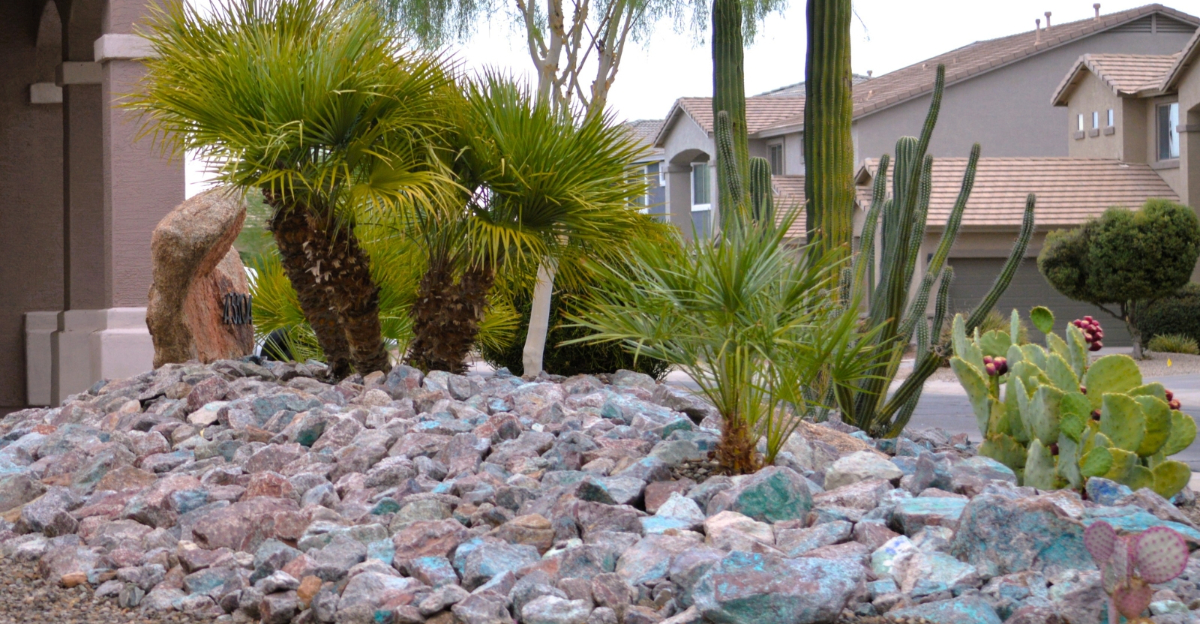
You notice it the second you step outside, even if you can’t explain why your Arizona yard suddenly feels more put together.
Nothing major has changed, yet the space looks cleaner, calmer, and more intentional than it did before.
In Arizona landscapes, small choices often carry more visual weight because the design is already pared back by climate.
Not every yard makeover involves new plants or big renovations, and the most noticeable shifts usually happen quietly.
When outdoor spaces start looking sharper without extra effort, it’s often because one overlooked detail is doing more work than expected.
That detail affects contrast, texture, and how sunlight moves across the yard throughout the day. It also changes how plants stand out against their surroundings.
Once it’s in place, the entire yard reads differently, and the improvement feels obvious even if the change itself isn’t.
1. It Starts With Swapping Traditional Mulch For Decorative Gravel
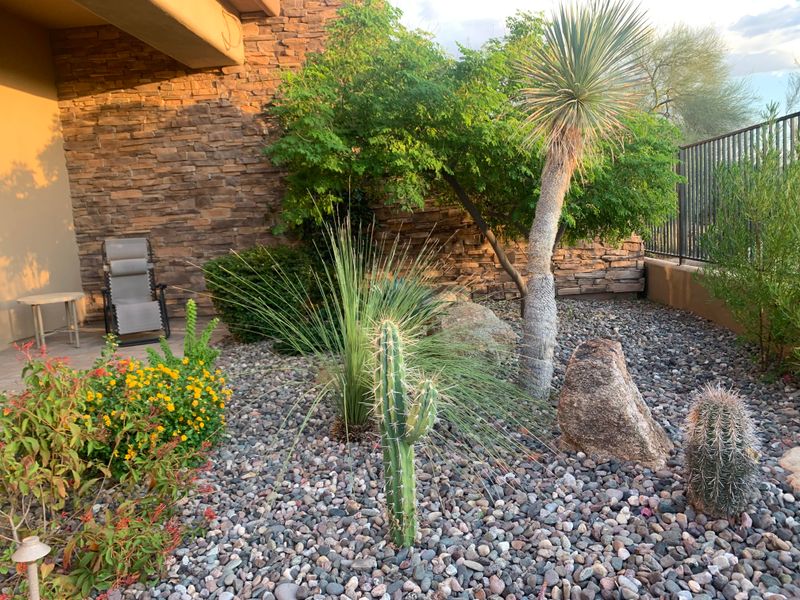
Traditional bark mulch might work well in wetter climates, but Arizona conditions demand something tougher. Organic materials break down fast under intense sun and dry air, leaving your beds looking patchy and neglected.
You end up replacing mulch every season just to keep things looking decent.
Gravel changes that entire cycle. Once you spread decorative stone across your garden beds, it stays put for years without fading or decomposing.
Your yard maintains that fresh, finished look without constant touch-ups or seasonal refreshes.
Choosing the right gravel size matters more than you might think. Smaller pea gravel works beautifully around delicate plants, while larger river rock creates bold statements near entryways.
Many Arizona homeowners mix sizes to add visual texture and depth.
Installation goes faster than most people expect. You clear the old mulch, lay down landscape fabric, and spread your chosen stone evenly across the surface.
Within a few hours, your entire yard can transform from tired to trendy.
Local garden centers across Arizona now stock dozens of gravel types in various colors and finishes. You can find everything from warm desert tones to cool gray shades that complement modern home exteriors.
Switching to gravel also reduces your environmental footprint. Unlike wood mulch that requires constant replacement and transportation, stone stays in place and never needs disposal.
Your landscaping choice becomes more sustainable without sacrificing style.
Neighbors will notice the difference immediately. Clean stone beds signal that you care about your property and understand how to work with the local environment instead of against it.
2. Gravel Instantly Makes Yard Lines Look Cleaner And Sharper
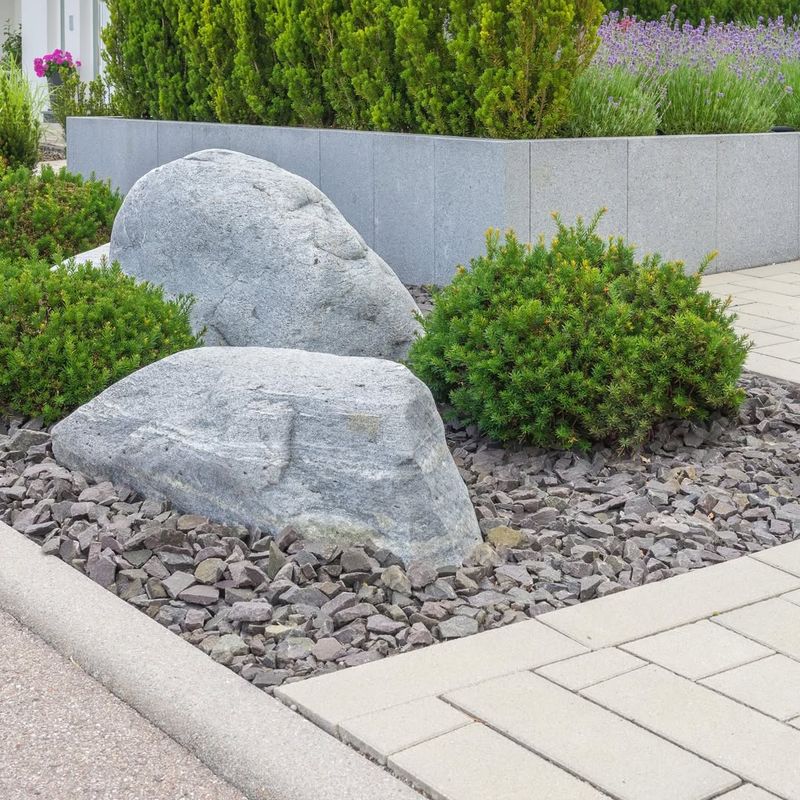
Blurry edges between lawn and garden beds make even well-maintained yards look sloppy. Mulch tends to scatter during monsoon rains or get kicked around by foot traffic, creating messy transitions that weaken your overall landscape design.
You lose that crisp definition that separates professional-looking yards from amateur attempts.
Stone stays exactly where you place it. Heavy enough to resist wind and rain, gravel creates permanent borders that define your planting areas with precision.
Your eye travels smoothly along these clean lines, making the entire yard feel more organized and intentional.
Your Arizona Garden Changes Every Week. Your Plan Should Too.
Gardening in Arizona changes quickly throughout the season. Every Friday you’ll receive a simple weekly plan showing exactly what to plant, prune, fertilize, harvest, and protect so you never miss the right timing.
Metal or plastic edging works even better when paired with gravel. The combination locks stone in place while creating a physical barrier that grass and weeds struggle to cross.
Arizona homeowners who install both report spending far less time trimming edges or fixing boundaries.
Color contrast plays a huge role in visual impact. Light-colored gravel against dark soil or green plants creates striking definition that catches attention from the street.
Your landscaping features suddenly pop instead of blending into visual noise.
Curved pathways look particularly elegant when outlined with stone. The gravel follows your design perfectly, emphasizing flowing shapes that would get lost with softer mulch materials.
Every curve and corner reads clearly, even from a distance.
Maintenance becomes simpler when boundaries stay put. You spend less time raking materials back into place and more time enjoying your outdoor space.
That time savings adds up quickly across Arizona’s long growing season.
3. Plants Stand Out More Against Neutral Stone Tones
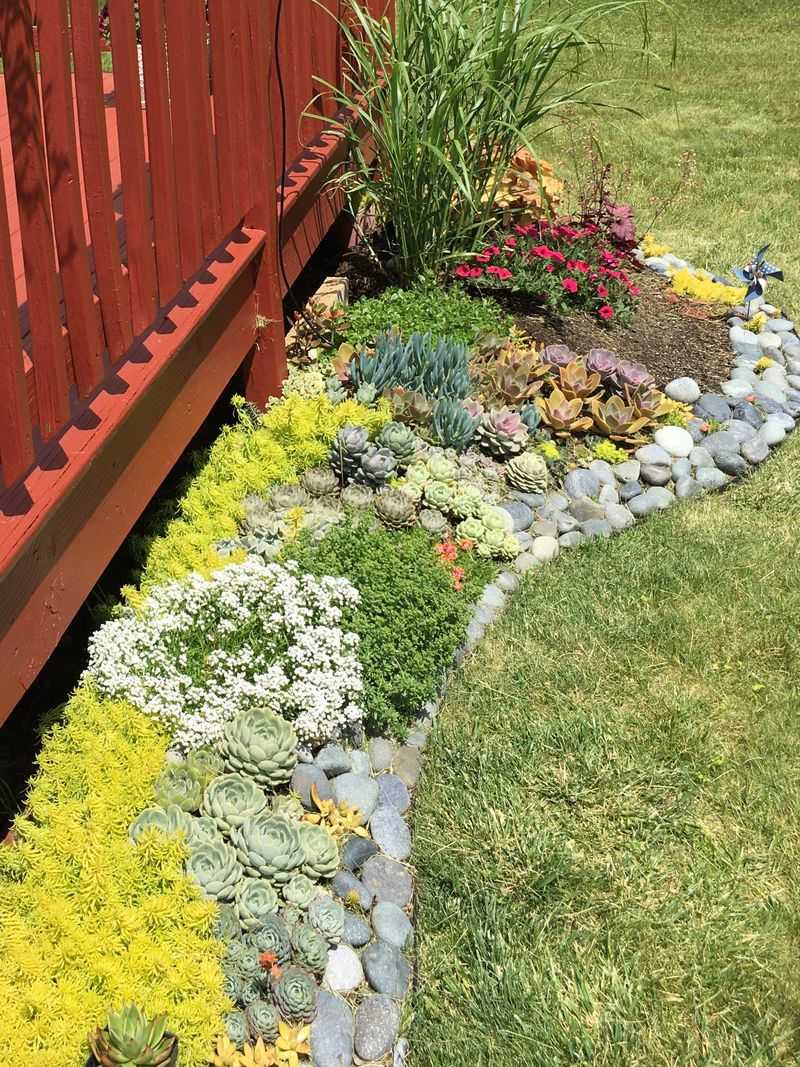
Dark bark mulch can swallow up your carefully chosen plants, making everything blend together into one muddy visual mass. Your beautiful agave or colorful succulents disappear against brown backgrounds, losing their architectural impact.
All that money spent on interesting specimens goes to waste when the backdrop competes for attention.
Neutral gravel acts like a gallery wall for your plants. Light tan, beige, or gray stones provide clean backgrounds that make every leaf, flower, and stem stand out dramatically.
Your plants become the stars of the show instead of getting lost in the supporting cast.
Arizona natives especially benefit from this contrast. Silvery-blue agave leaves practically glow against warm desert stone, while red yucca blooms create stunning focal points.
The natural color palette of regional plants pairs perfectly with local stone varieties.
Seasonal color changes become more noticeable too. When your penstemon blooms or your autumn sage puts on its show, those flowers really pop against consistent stone backgrounds.
You appreciate the full beauty of each bloom cycle without visual distractions.
Even foliage textures read more clearly. Spiky, rounded, or feathery leaves create distinct silhouettes when they’re not competing with textured mulch.
Your plant combinations look more deliberate and professionally designed.
Photography improves dramatically in stone-based beds. If you love sharing garden photos, you’ll notice how much cleaner and more professional your images look with gravel backgrounds.
Every plant detail shows up clearly without busy, distracting elements.
4. Heat Is Reflected Differently Than With Organic Mulch
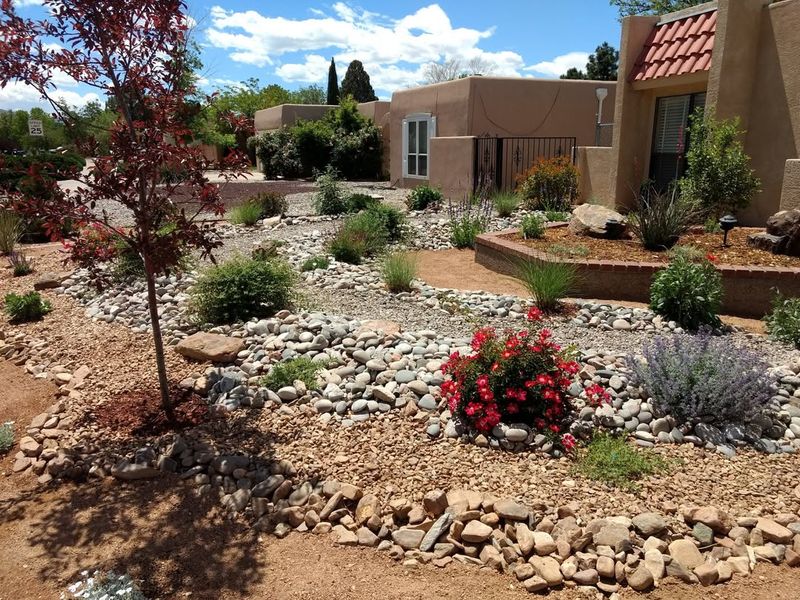
Organic mulch absorbs heat during Arizona’s brutal summer days, then slowly releases that warmth throughout the evening. This creates mini heat islands around your plants that can stress even drought-tolerant species.
Roots sitting under hot, decomposing bark face conditions they never encounter in nature.
Stone handles thermal energy in completely different ways. Light-colored gravel reflects significant amounts of sunlight instead of absorbing it, keeping the soil beneath several degrees cooler.
Your plant roots experience more moderate temperatures even during peak summer afternoons.
Darker stone varieties do retain more heat, which you can use strategically. Placing dark gravel near heat-loving cacti or along south-facing walls creates warm microclimates that certain plants absolutely thrive in.
You gain control over growing conditions by choosing stone color thoughtfully.
Nighttime temperatures also shift with gravel coverage. Stone releases absorbed heat faster than organic materials, allowing soil to cool down more quickly after sunset.
This temperature swing actually mimics natural desert conditions that many Arizona natives prefer.
Air circulation improves dramatically over gravel surfaces. Unlike matted mulch that traps moisture and heat against the soil, stone allows air to flow freely around plant crowns.
This reduces fungal issues and keeps roots healthier across the state’s challenging climate zones.
You’ll notice these temperature differences most during extreme weather. When summer heat waves hit Arizona communities, gravel-covered beds stay noticeably cooler than mulched areas.
Your plants face less stress and maintain better appearance through tough conditions.
5. Watering Habits Naturally Change Once Gravel Is Added
Bark mulch soaks up water like a sponge, requiring you to irrigate longer just to get moisture down to root zones. You waste significant amounts of water saturating the mulch layer before your plants receive any benefit.
Arizona water bills climb unnecessarily when you’re essentially watering your mulch instead of your landscape.
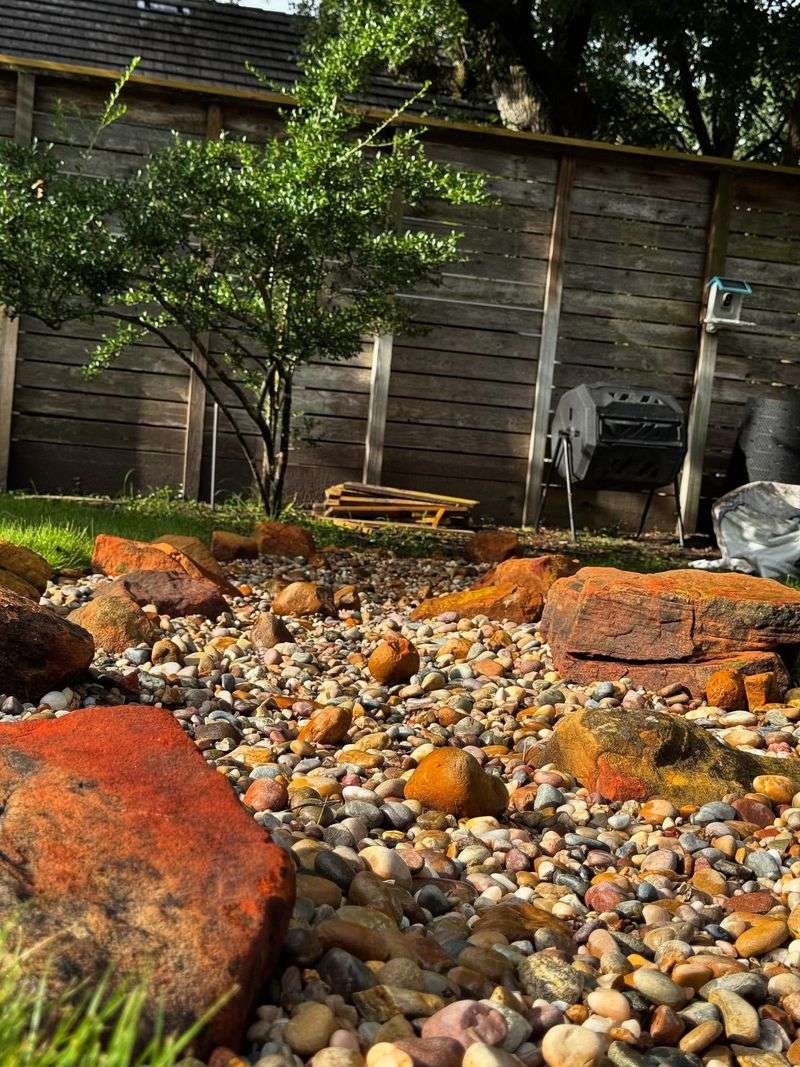
Gravel lets water pass straight through to the soil below. Every drop from your irrigation system reaches plant roots immediately without getting trapped in surface materials.
Your watering efficiency jumps dramatically, often cutting water usage by twenty to thirty percent.
You’ll also spot dry areas more easily with stone coverage. When soil needs water, you can see it through the gaps between stones, allowing you to target specific plants rather than soaking entire beds.
This precision reduces waste and keeps each plant optimally hydrated.
Evaporation rates drop significantly under gravel layers. The stone creates a physical barrier that shields soil from direct sun and wind, both major causes of moisture loss in Arizona.
Water stays available to roots longer, extending time between irrigation cycles.
Drip irrigation works exceptionally well with gravel systems. You can position emitters exactly where needed, and the stone holds them in place while hiding the tubing from view.
Your irrigation setup looks cleaner and functions more effectively than with organic mulch.
Monsoon rains penetrate gravel beds perfectly. Unlike mulch that can become waterlogged or float away during heavy storms, stone allows natural rainfall to soak in quickly.
Your plants benefit from every drop of seasonal moisture that Arizona skies provide.
6. Maintenance Drops Compared To Bark Or Wood Chips
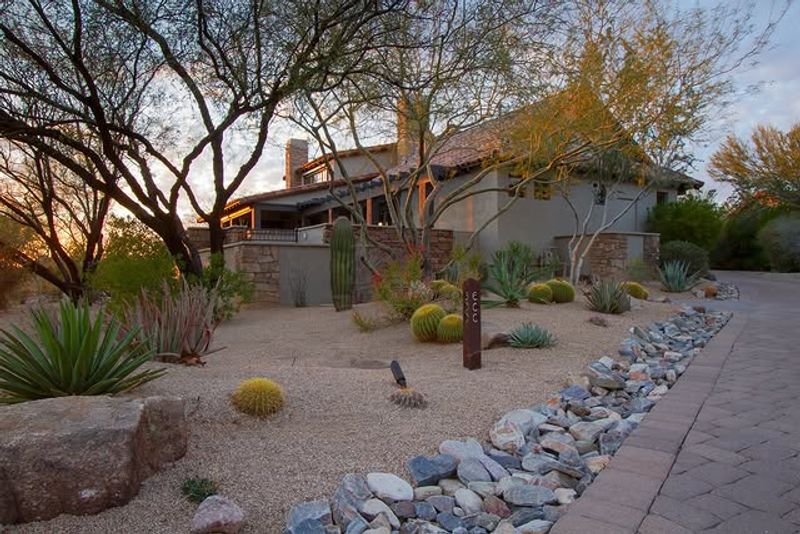
Wood mulch demands constant attention to look decent. You’re refreshing faded areas, raking scattered pieces back into place, and fighting the endless battle against decomposition.
Every few months brings another round of maintenance or another delivery truck dropping off replacement material across Arizona neighborhoods.
Stone requires almost nothing once it’s installed. You might occasionally rake it smooth or rinse off dust, but that’s the extent of regular upkeep.
Your weekends free up dramatically when you’re not constantly tending to deteriorating mulch layers.
Weeds pull easier from gravel than from bark. When unwanted plants do appear, their roots sit in soil beneath the stone rather than tangling through decomposing organic matter.
A quick tug removes most weeds completely, and landscape fabric underneath prevents many from sprouting at all.
Wind doesn’t redistribute stone the way it scatters lightweight mulch. After Arizona’s notorious dust storms or spring wind events, gravel beds look exactly the same while bark-mulched areas need complete renovation.
You save hours of cleanup work after every weather event.
Pests avoid gravel environments. Termites, carpenter ants, and other wood-loving insects that thrive in bark mulch have zero interest in stone.
Arizona homeowners near natural desert areas particularly appreciate this benefit, as it reduces pest pressure around home foundations.
Color stays consistent year after year. While wood fades to ugly gray within months under intense sun, quality stone maintains its appearance indefinitely.
Your landscape looks freshly installed for years without touch-ups or replacements across the state’s harsh conditions.
7. Gravel Works Especially Well In High-Traffic Areas
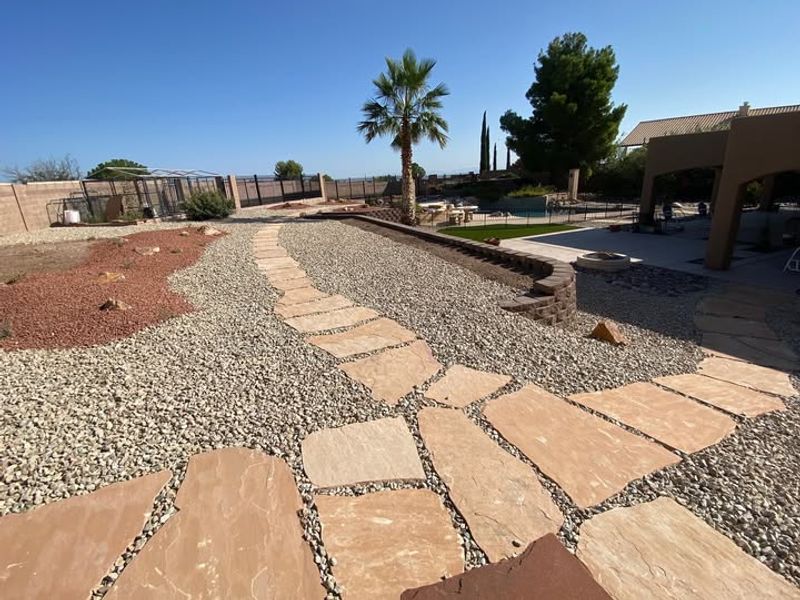
Pathways covered in bark mulch turn into muddy messes within weeks of installation. Foot traffic grinds organic material into powder that sticks to shoes and gets tracked indoors.
You end up with bare spots along popular routes and constant mess that makes outdoor spaces feel poorly maintained across Arizona properties.
Stone handles foot traffic beautifully. Even heavily used pathways maintain their appearance and function year after year under gravel coverage.
The material compacts slightly with use, actually becoming more stable and comfortable to walk on over time.
Side yards and utility areas benefit tremendously from stone treatment. These functional spaces often get neglected in landscaping plans, but gravel transforms them into clean, purposeful zones.
Your air conditioning units, trash bins, and storage areas suddenly look intentional rather than forgotten.
Play areas for kids or pets stay cleaner with gravel coverage. Unlike mulch that breaks down into splinters or harbors insects, smooth river rock provides safe surfaces that don’t create hazards.
Arizona families with active outdoor lifestyles find stone particularly practical for these applications.
Around pools and water features, gravel excels where mulch fails miserably. Wet organic material becomes slippery and promotes mold growth, while stone drains quickly and stays safe underfoot.
Your poolside areas maintain that resort-quality appearance that makes Arizona outdoor living so appealing.
Gates, mailboxes, and other access points look more polished with stone surrounds. These transition zones get heavy use but need to make good impressions.
Gravel provides durability and attractiveness in equal measure throughout the state’s residential landscapes.
8. The Right Stone Choice Can Make The Whole Yard Feel Updated
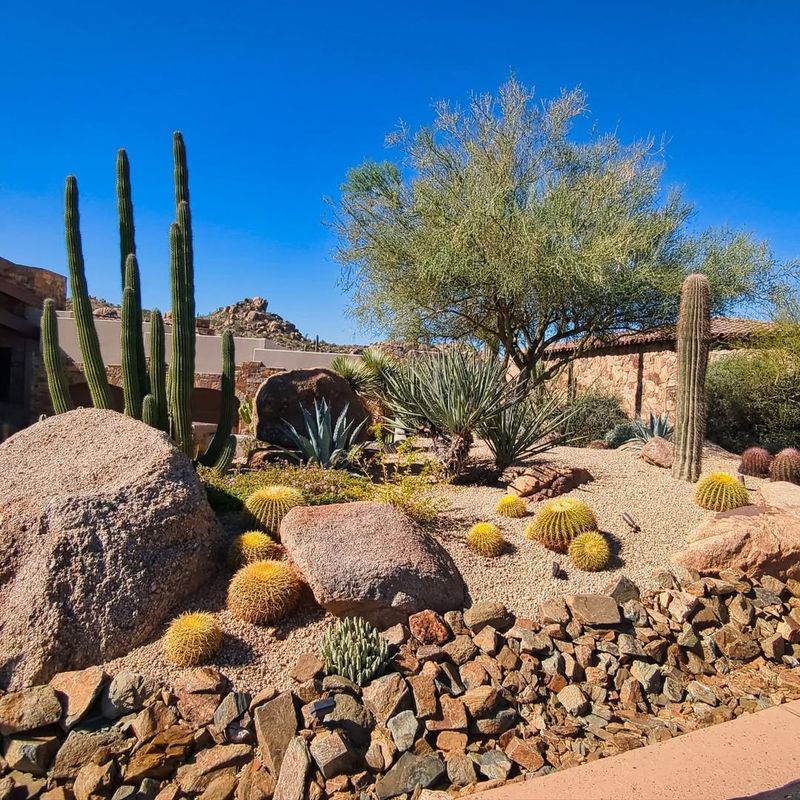
Outdated landscaping materials date your entire property, making even well-maintained yards feel stuck in previous decades. Brown bark mulch signals that you haven’t updated your approach to match current design trends or Arizona’s evolving landscape philosophy.
First impressions suffer when your yard screams 1990s suburban standard.
Modern stone selections instantly modernize your outdoor spaces. Clean river rock, crushed granite, or decomposed granite all communicate that you understand contemporary desert landscaping.
Your property suddenly reads as current and thoughtfully designed rather than neglected or outdated.
Color coordination between your home exterior and gravel choice creates powerful visual harmony. Warm beige stone complements stucco homes beautifully, while cool gray gravel pairs perfectly with modern architecture.
Arizona’s diverse home styles all find ideal stone matches when you shop thoughtfully.
Mixing stone types adds sophisticated layering to your design. Use larger boulders as accents, medium river rock as primary coverage, and fine gravel for pathways.
This varied approach creates visual interest that single-material landscapes simply cannot achieve across the state’s residential properties.
Trending toward larger stone sizes gives yards more contemporary feels. Chunky three-inch river rock looks far more current than tiny pea gravel, though both have appropriate applications.
Staying aware of design trends helps your Arizona landscape feel fresh and intentional.
Updated landscaping increases property values noticeably. Real estate professionals across Arizona confirm that modern, low-maintenance stone landscaping attracts buyers and supports higher asking prices.
Your simple material swap becomes a genuine investment in your home’s market position.