When Michigan Homeowners Should Finally Remove Old Tree Stumps From Their Yards
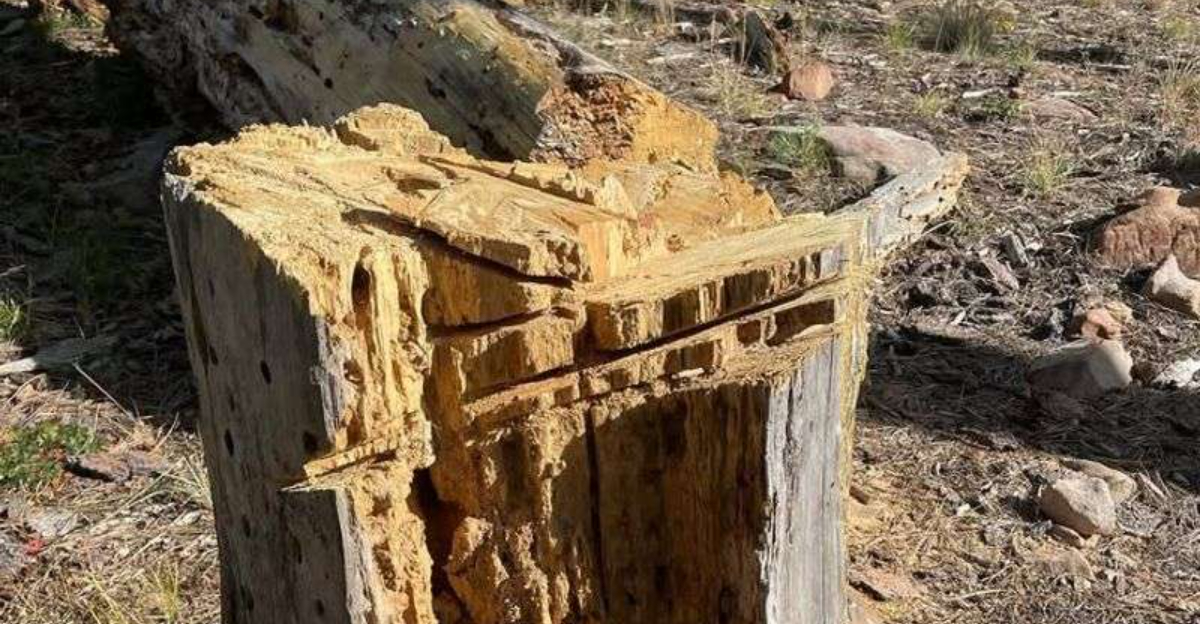
There’s a moment almost every Michigan homeowner can relate to. You walk past that old tree stump again, trip over the edge, and think maybe this thing has stayed long enough.
At first it feels harmless, almost rustic, but over time it starts causing more trouble than charm. Stumps can invite unwanted pests, block mowing, collect water after heavy rain, and make yard projects harder than they need to be.
Timing also matters more than people realize. Michigan’s seasons, soil moisture, and freeze cycles all affect how easy removal will be and how quickly your yard recovers afterward.
Pick the right window and the job becomes smoother, cleaner, and far less stressful. Wait too long and it often turns into a bigger project than expected.
If you want a safer, cleaner, and more usable yard, this is the moment you should not ignore.
When The Stump Poses A Tripping Hazard
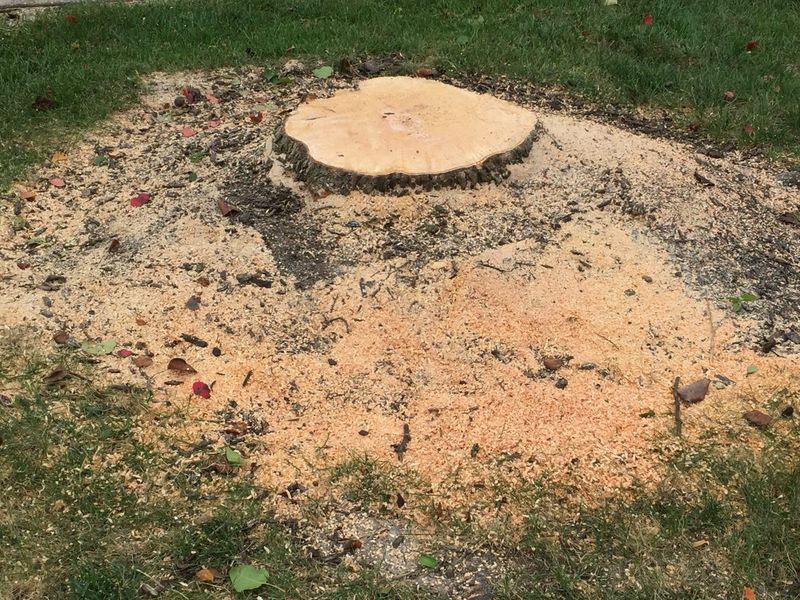
Safety should always come first in your outdoor spaces, and old stumps hiding beneath grass or snow create serious risks for everyone who uses your yard.
Michigan winters bring heavy snowfall that can completely conceal stumps, turning them into invisible obstacles that send unsuspecting visitors tumbling.
Kids running around during playtime, elderly relatives walking to the porch, or even you carrying groceries across the lawn could all suffer painful falls.
Low-lying stumps become especially dangerous when grass grows over them or leaves pile up in autumn. Your lawn mower might catch on hidden edges, causing equipment damage or even injury.
Evening gatherings become hazardous when poor lighting makes stumps nearly impossible to spot.
Michigan’s freeze-thaw cycles make matters worse by creating ice patches around stumps where water collects and freezes. Removing these hazards eliminates worry during family barbecues, outdoor games, and daily yard activities.
Professional stump grinding services can level the area completely, allowing you to reclaim safe, usable space.
Your homeowner’s insurance might not cover injuries from known hazards on your property either. Taking action protects both your loved ones and your financial wellbeing while making your entire outdoor area more accessible and enjoyable for everyone.
When Regrowth Or Sprouting Occurs
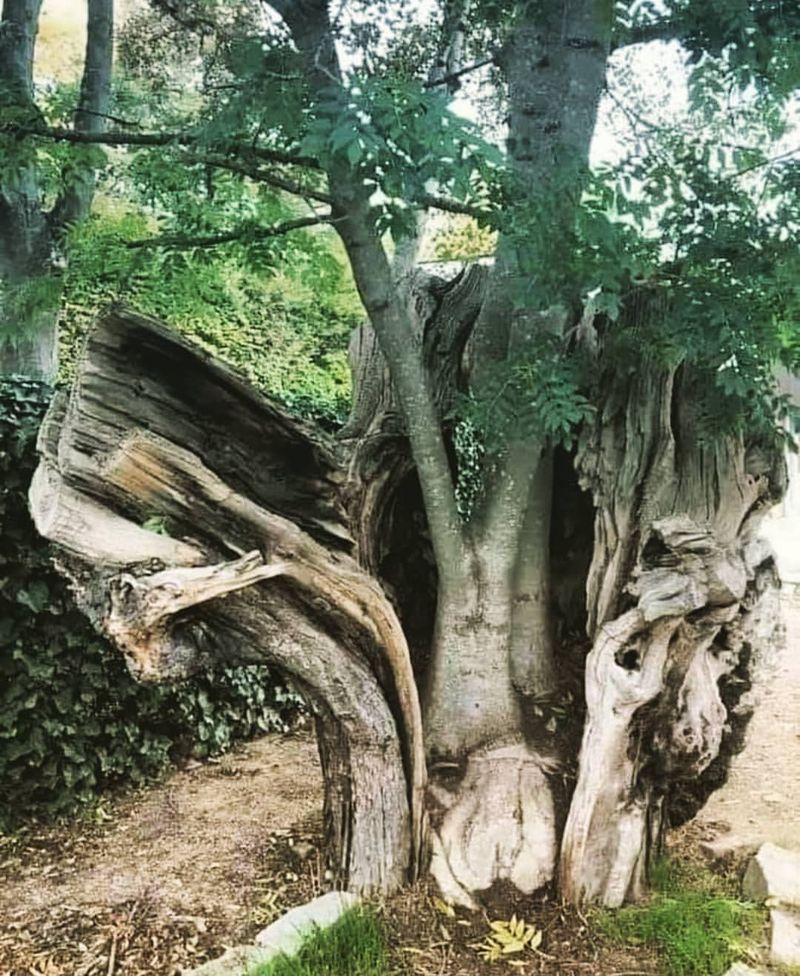
Some tree species refuse to give up without a fight, sending up persistent new shoots from stumps long after the main tree has been cut down.
Maples, willows, and ash trees are particularly stubborn, sprouting multiple stems that can grow several feet in a single Michigan growing season.
These unwanted volunteers steal nutrients from your lawn and flowerbeds while creating an unsightly mess.
Each time you mow over these shoots, you’re fighting a losing battle against the tree’s remaining root system. The stump continues drawing water and minerals from surrounding soil, weakening nearby plants you actually want to grow.
Some homeowners spend years repeatedly cutting back sprouts, wasting time and energy on a problem that only gets worse.
Young shoots from old stumps can develop into small trees if neglected, eventually requiring professional removal themselves. Their roots intertwine with underground utilities, irrigation systems, and nearby plantings, creating complicated tangles.
Your Michigan Garden Changes Every Week. Your Plan Should Too.
Gardening in Michigan changes quickly throughout the season. Every Friday you’ll receive a simple weekly plan showing exactly what to plant, prune, fertilize, harvest, and protect so you never miss the right timing.
Chemical treatments might slow regrowth but rarely stop it completely without proper stump removal.
Michigan’s ample rainfall and rich soil encourage vigorous sprouting throughout spring and summer. Complete stump grinding eliminates the root crown responsible for new growth, finally ending the cycle.
Your yard can then support the plants you choose rather than fighting against nature’s persistence.
When The Stump Interferes With Landscaping Plans
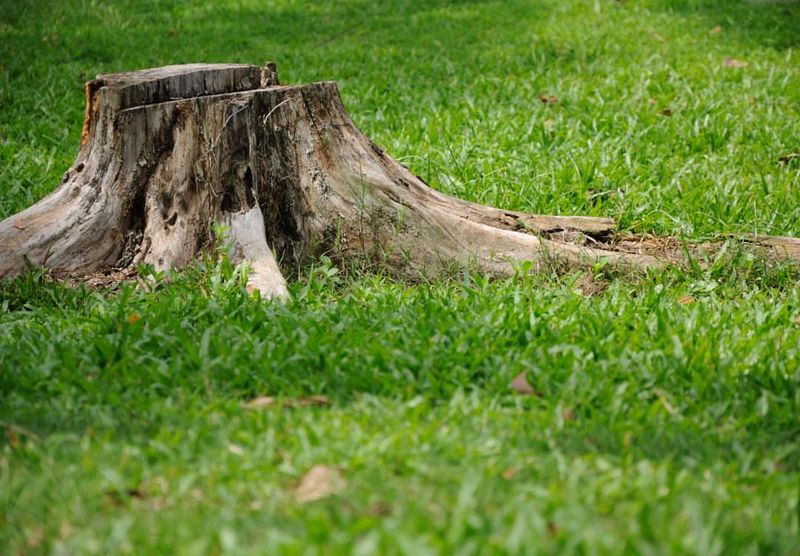
Dream backyards require careful planning, and that old stump sitting exactly where you want your new patio becomes an expensive obstacle. Landscape designers often encounter stumps blocking ideal locations for walkways, garden beds, or outdoor living spaces.
Working around them compromises your vision and forces awkward design choices that never quite look right.
Installing a shed, playground equipment, or fire pit requires level ground free from underground roots and surface obstructions.
Construction crews charge extra for projects complicated by stumps, and some contractors refuse jobs where removal isn’t completed first.
Your beautiful stone pathway might need to curve unnaturally, or your raised garden bed might end up in less-than-ideal sunlight.
Michigan homeowners investing in yard improvements deserve clean slates for their projects. Removing stumps before beginning landscaping work saves money by preventing do-overs and design compromises.
Equipment like rototillers and post-hole diggers can’t function properly near stumps, limiting your ability to prepare soil adequately.
Even decorative elements like lighting, water features, or outdoor kitchens require proper placement that stumps often prevent. Taking care of removal early in your planning process opens up endless possibilities.
Your contractor can work efficiently, your design can follow your actual preferences, and your finished project will look exactly as imagined without awkward workarounds.
When The Stump Attracts Pests
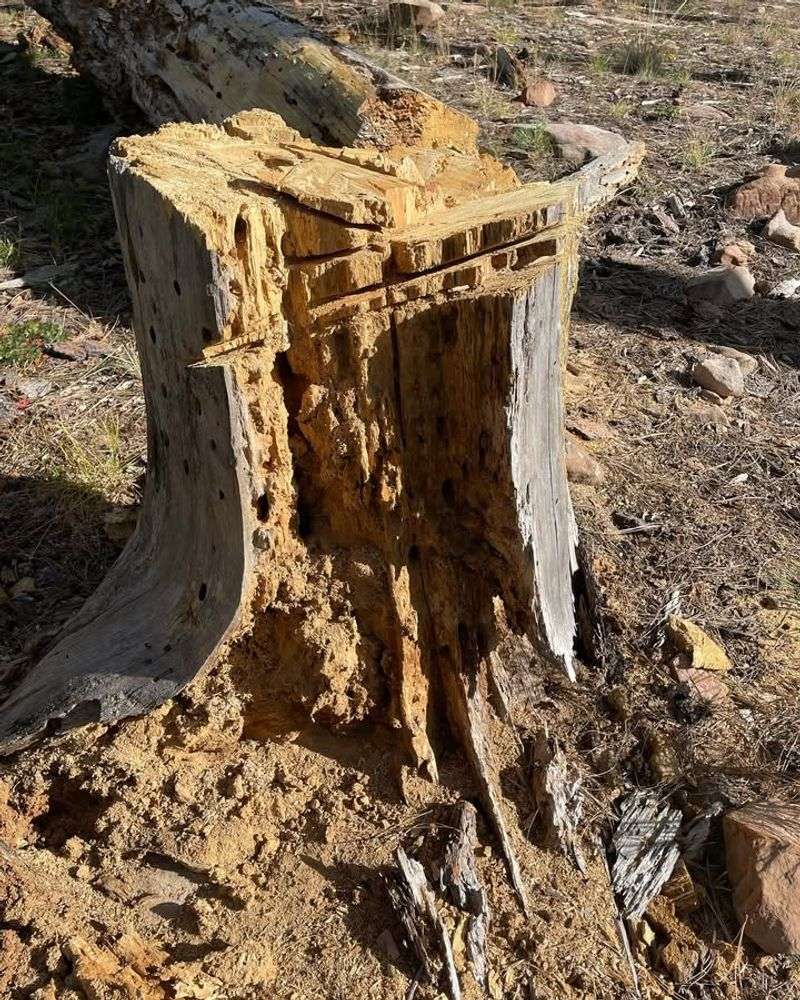
Decaying wood becomes an all-you-can-eat buffet for insects that can quickly become your worst nightmare. Carpenter ants, termites, and wood-boring beetles love making homes in old stumps, where they multiply rapidly in the moist, rotting environment.
What starts as a few bugs in your yard can escalate into a full-blown infestation threatening your home’s wooden structures.
Michigan’s humid summers create perfect conditions for these pests to thrive and expand their colonies. Termites can travel underground from stumps to your house foundation, causing thousands of dollars in structural damage before you even notice them.
Carpenter ants follow similar patterns, seeking additional wood sources once they’ve established themselves.
Beetles and other insects attract woodpeckers who hammer away at stumps, creating noise and mess in your yard. Rodents also use hollow stumps as nesting sites, bringing their own set of problems including potential disease transmission.
Fungi growing on decaying stumps release spores that might affect nearby plants. Regular pest inspections might reveal activity originating from that forgotten stump in your back corner.
Removing the source eliminates the problem at its root, protecting your property investment and giving you peace of mind that creepy crawlies won’t migrate indoors during Michigan’s cold months.
When Soil Health Or Lawn Growth Is Impacted
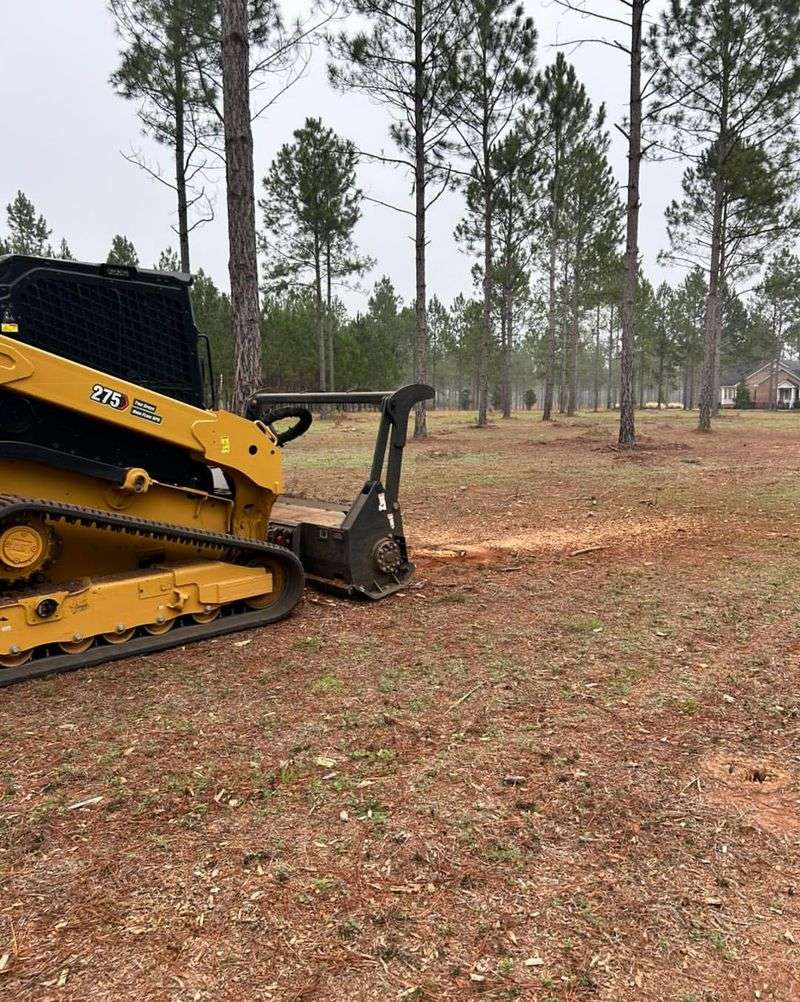
Beneath your yard’s surface, decaying stumps trigger complex chemical changes that can turn surrounding soil acidic or nutrient-poor. As wood breaks down over many years, it consumes nitrogen that grass and flowers desperately need for healthy growth.
You might notice yellowing patches or thin turf around old stumps, no matter how much fertilizer you apply or how carefully you water.
Fungal networks spreading from rotting wood alter soil composition in ways that favor certain organisms while harming others. Michigan’s clay-heavy soils already challenge many plants, and adding stump decay complications makes growing lush lawns even harder.
Drainage patterns change as root systems decompose, creating soggy spots that drown grass roots or dry pockets where nothing thrives.
Beneficial earthworms and microorganisms might avoid areas around stumps, reducing natural soil aeration and organic matter processing. Your beautiful perennial border planted too close to a stump might struggle year after year despite your best efforts.
Soil testing often reveals imbalances directly traceable to nearby decaying wood.
Removing stumps and grinding roots allows you to amend soil properly and start fresh with healthy growing conditions. You can add quality topsoil, compost, and appropriate fertilizers without working against ongoing decay processes.
Your grass will finally fill in evenly, and garden plants will establish strong root systems in balanced, nourishing earth.
When Tree Roots Pose Structural Risks
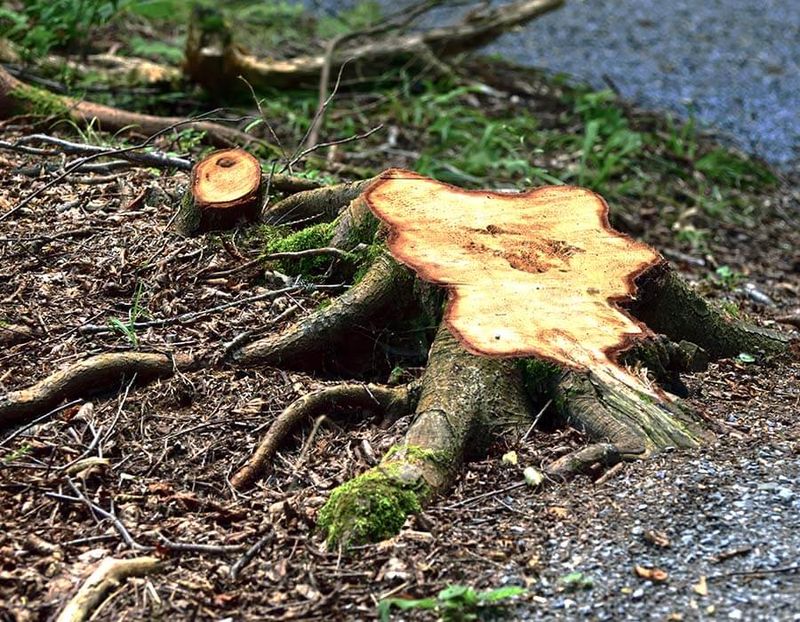
Underground root systems continue growing and shifting long after trees are cut down, creating havoc beneath driveways, sidewalks, and foundations.
Large roots from oak, maple, or pine stumps can extend thirty feet or more from the original trunk, slowly lifting concrete slabs as they expand and contract with Michigan’s dramatic temperature swings.
Hairline cracks appear first, then widen into trip hazards and structural concerns.
Sewer lines and water pipes face serious danger from invasive roots seeking moisture and nutrients. A single root penetrating a pipe joint can cause backups, leaks, and repair bills exceeding thousands of dollars.
Foundation walls experience pressure from expanding root masses, potentially causing basement cracks or settling issues.
Patios installed years after tree removal might suddenly develop uneven sections as forgotten roots decay and collapse beneath them. The voids left by decomposing roots allow soil to shift, creating sinkholes and unstable surfaces.
Your beautiful brick walkway could require complete reconstruction if root damage goes unchecked.
Professional stump grinding reaches several inches below grade, removing the root crown where major structural roots originate. For stumps near buildings or hardscape, complete root removal might be necessary despite higher costs.
Addressing the problem proactively prevents expensive repairs and protects your property’s value while ensuring safe, stable outdoor surfaces for decades to come.
When Removing Stumps Prevents Disease Spread
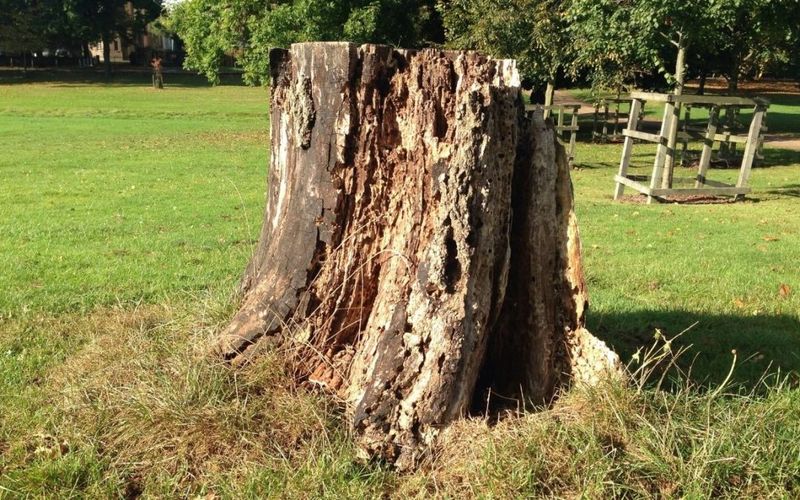
Trees removed due to illness often leave behind stumps harboring the very pathogens that caused their decline. Oak wilt, ash dieback from emerald ash borers, and various fungal infections can survive in wood tissue for years, threatening every healthy tree nearby.
Michigan has faced devastating losses from these diseases, making stump removal a critical step in protecting your remaining landscape.
Fungal spores spread through root grafts connecting stumps to living trees, or they become airborne during warm, humid weather. Your beautiful oak might become infected from a diseased stump fifty feet away, connected underground in ways you cannot see.
Beetles and other insects carry pathogens from infected stumps to healthy trees as they feed and breed.
Dutch elm disease, another Michigan concern, persists in stumps and provides breeding grounds for bark beetles that transmit the infection. Leaving diseased stumps essentially maintains a reservoir of illness in your yard.
Arborists recommend prompt removal and proper disposal of infected wood to break disease cycles.
Some municipalities require removal of stumps from trees affected by quarantined diseases. Even if regulations don’t mandate it, responsible stewardship of your landscape includes eliminating disease sources.
Professional removal services understand proper handling and disposal methods that prevent spreading pathogens to other properties, protecting entire neighborhoods from potential outbreaks.
When Stumps Limit Recreational Use Of Yard Space
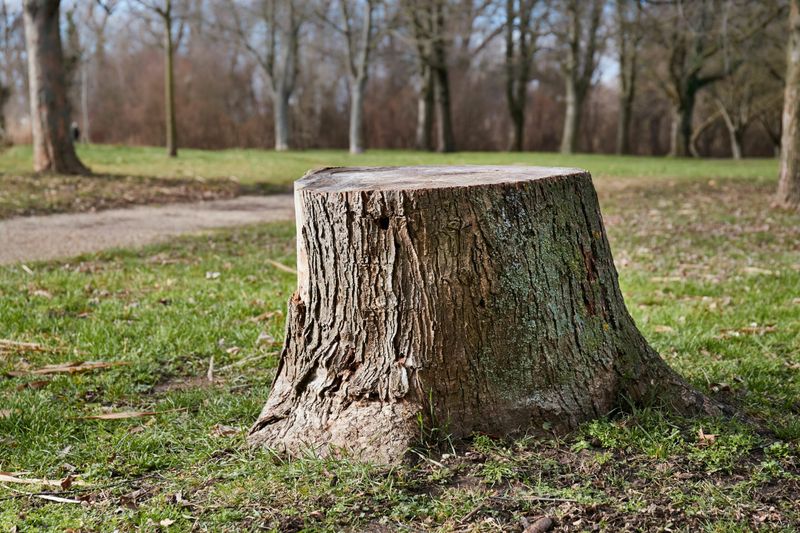
Michigan families deserve yards that support active lifestyles, but stumps scattered across your property steal precious square footage from fun activities. That perfect spot for badminton, croquet, or catch becomes unusable when stumps interrupt the playing area.
Kids naturally want wide-open spaces for running, cartwheeling, and imaginative play that stumps dangerously obstruct.
Gardening enthusiasts lose potential growing space to stumps that could support raised beds, vegetable plots, or cutting gardens instead. Every stump represents square footage that could host tomatoes, flowers, or herbs rather than decaying wood.
Outdoor yoga, exercise routines, or meditation spaces require smooth, level ground that stumps prevent you from creating.
Setting up tents for camping practice, inflatable pools for summer cooling, or temporary structures for parties becomes complicated when working around stumps. Your plans for a dog run, chicken coop, or other functional spaces might be limited by these obstacles.
Even simple activities like spreading out picnic blankets or setting up lawn chairs become exercises in navigation.
Removing stumps transforms your yard from an obstacle course into a true outdoor living area. You gain flexibility for seasonal activities, impromptu games, and long-term projects without constantly working around immovable objects.
The investment in removal pays dividends in quality family time, physical activity opportunities, and the simple joy of using your entire property exactly as you wish.