How Michigan Residents Keep Valentine Bouquets Fresh During Cold Winter Weather
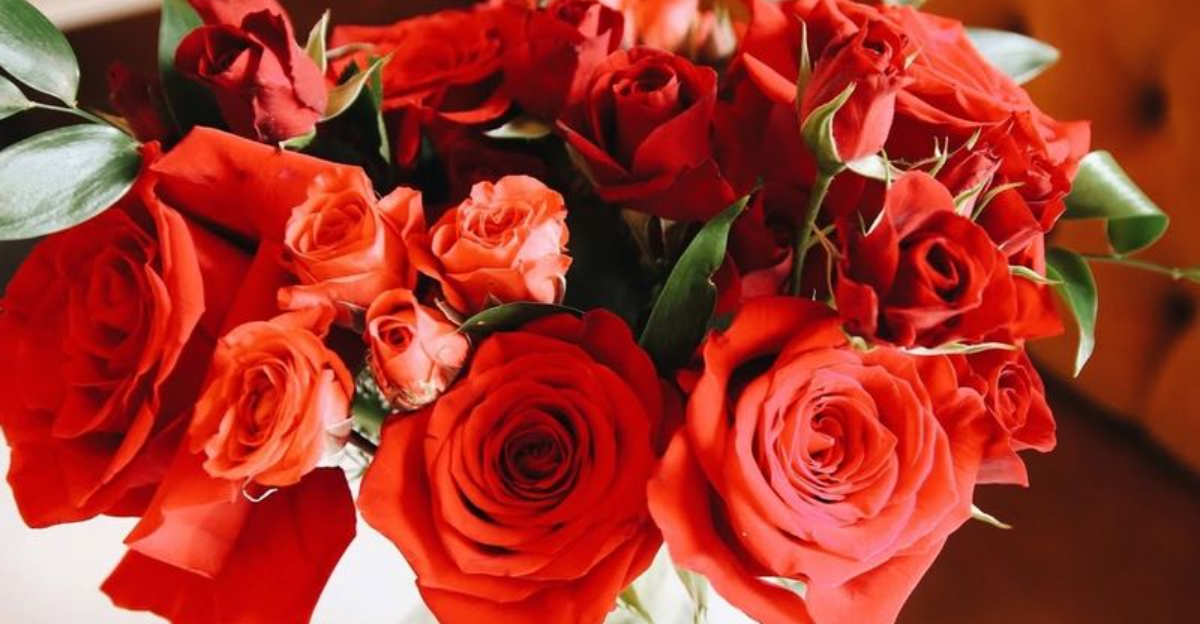
Every February in Michigan, the same little panic happens at the front door. You bring in a Valentine bouquet from the freezing cold and wonder if those bright blooms will actually last or fade fast on the kitchen table.
Winter weather makes flowers work harder, from chilly car rides to dry indoor air blasting from heaters. Still, many local residents manage to keep their bouquets looking fresh and lively for days longer than expected.
The secret is not fancy products or complicated routines. It comes down to a few smart habits that protect stems, control temperature shock, and keep water working in your favor.
When done right, flowers stay colorful, upright, and photo ready well past the holiday rush. If you want your Valentine blooms to feel like a gift that keeps giving, this simple winter strategy is worth learning now.
Trim Stems At An Angle
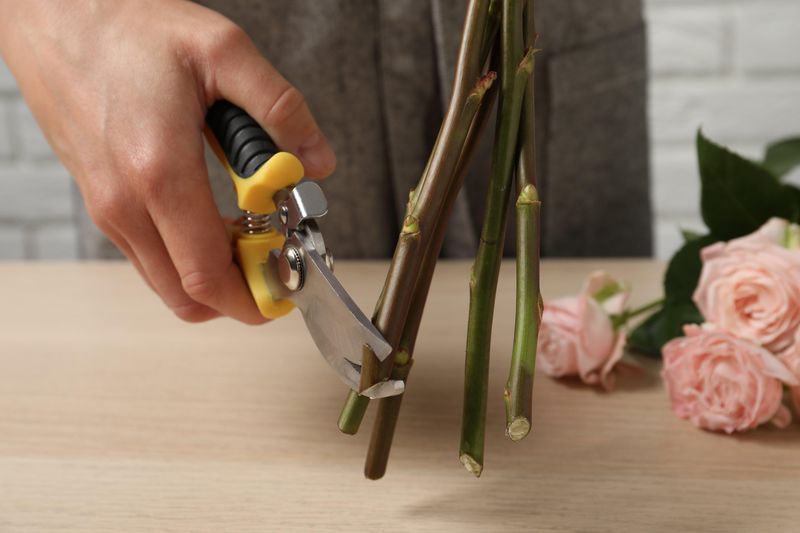
Fresh flowers need water to survive, and cutting stems properly makes a huge difference in how much hydration they can absorb.
When you bring your Valentine’s bouquet home, grab a sharp pair of scissors or garden shears and cut about one to two inches off each stem at a 45-degree angle. This angled cut creates more surface area for the stem to soak up water compared to a flat cut.
Michigan winters are especially harsh on indoor air quality because heating systems dry out the atmosphere inside homes. Flowers lose moisture faster in these conditions, so maximizing water uptake becomes critical.
The angled cut also prevents the stem from sitting flat against the bottom of the vase, which can block water absorption entirely.
Make sure to trim the stems under running water or while they are submerged in a bowl. This prevents air bubbles from entering the stem, which can block the pathways that transport water to the petals.
Repeat this trimming process every few days to keep the stems fresh and able to drink efficiently. Your bouquet will reward you with longer-lasting blooms and vibrant colors that brighten up even the grayest Michigan winter day.
Use Room-Temperature Water
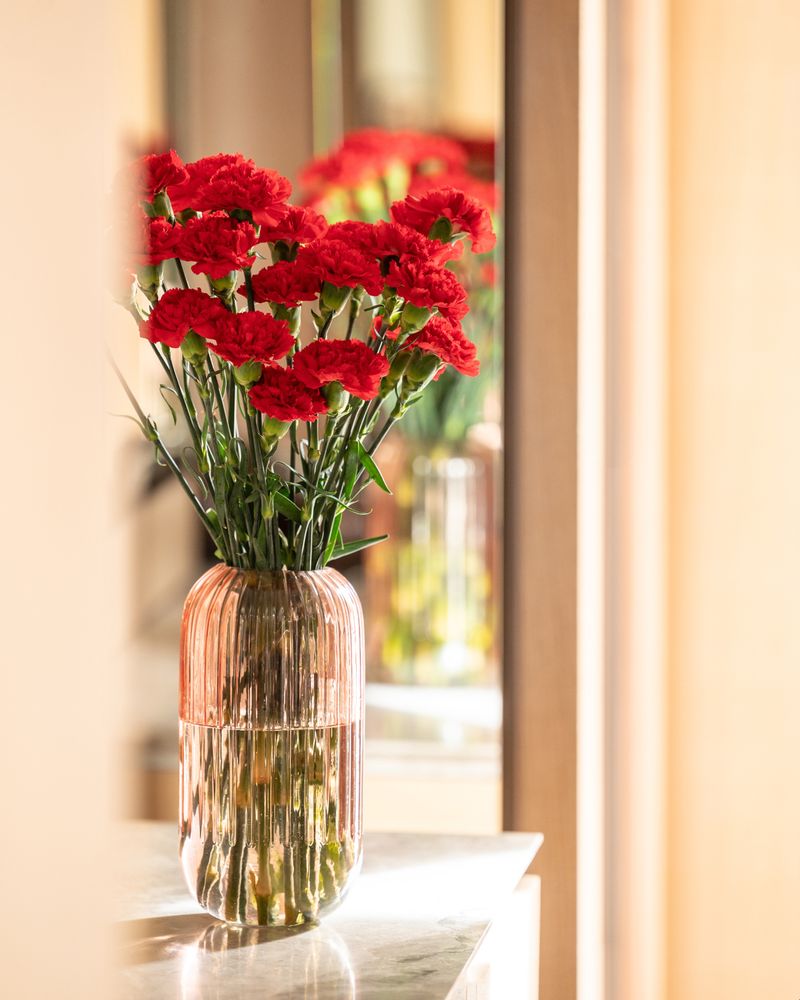
Temperature matters more than you might think when it comes to keeping flowers fresh. Cold tap water might seem refreshing, but it can actually shock delicate flower stems, especially when they are adjusting to the warm indoor environment of a Michigan home during winter.
Room-temperature water is gentler and allows the flowers to absorb moisture without the stress of sudden temperature changes.
Michigan homes often have powerful heating systems running constantly during February, creating warm indoor spaces that contrast sharply with the freezing outdoors.
Flowers brought in from the cold need time to adjust, and using water that matches the room temperature helps them acclimate smoothly. This simple step reduces wilting and keeps petals looking plump and healthy.
To get room-temperature water, simply fill your vase and let it sit out for about 30 minutes before arranging your bouquet. Avoid using hot water, as that can encourage bacteria growth and cause flowers to open too quickly, shortening their overall lifespan.
Your Michigan Garden Changes Every Week. Your Plan Should Too.
Gardening in Michigan changes quickly throughout the season. Every Friday you’ll receive a simple weekly plan showing exactly what to plant, prune, fertilize, harvest, and protect so you never miss the right timing.
Lukewarm water works best for most flower varieties, including roses, tulips, and carnations. This easy adjustment helps your Valentine’s bouquet thrive indoors, even when the Michigan winter weather outside is brutal.
Add Floral Preservative
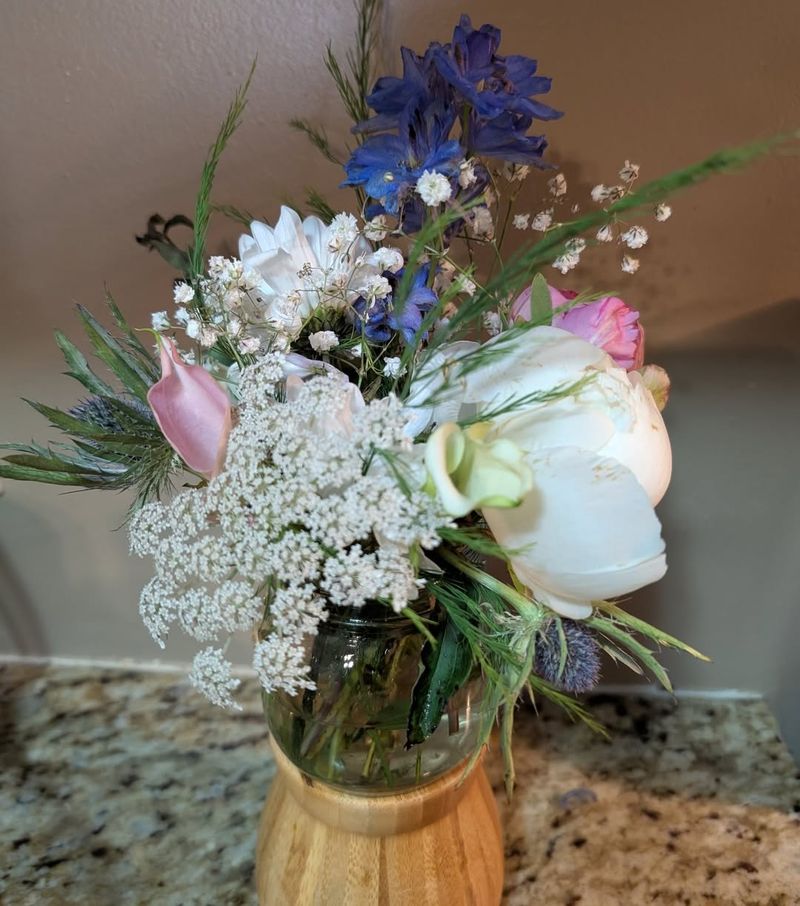
Commercial floral preservatives are small packets of magic that come with many bouquets, but you can also make your own at home using simple ingredients.
These mixtures contain sugar to feed the flowers, an acidic component to maintain water pH, and a disinfectant to prevent bacteria from multiplying. Together, these elements keep your Valentine’s bouquet looking fresh much longer than plain water alone.
Michigan residents dealing with dry winter air know that flowers need extra help to stay nourished.
A homemade preservative is easy to prepare: mix one quart of room-temperature water with two tablespoons of sugar, two tablespoons of white vinegar or lemon juice, and half a teaspoon of bleach.
The sugar provides energy for the blooms, the acid keeps the water balanced, and the bleach fights off harmful bacteria that can clog stems.
Pour this solution into your vase and arrange your flowers as usual. Replace the preservative solution every time you change the water, which should be every one to two days.
This routine keeps the water clean and ensures your flowers continue receiving the nutrients they need. With proper preservative care, your Valentine’s bouquet can stay beautiful and bright for up to two weeks, even in the challenging conditions of a Michigan winter.
Keep Bouquets Away From Drafts And Heat Sources
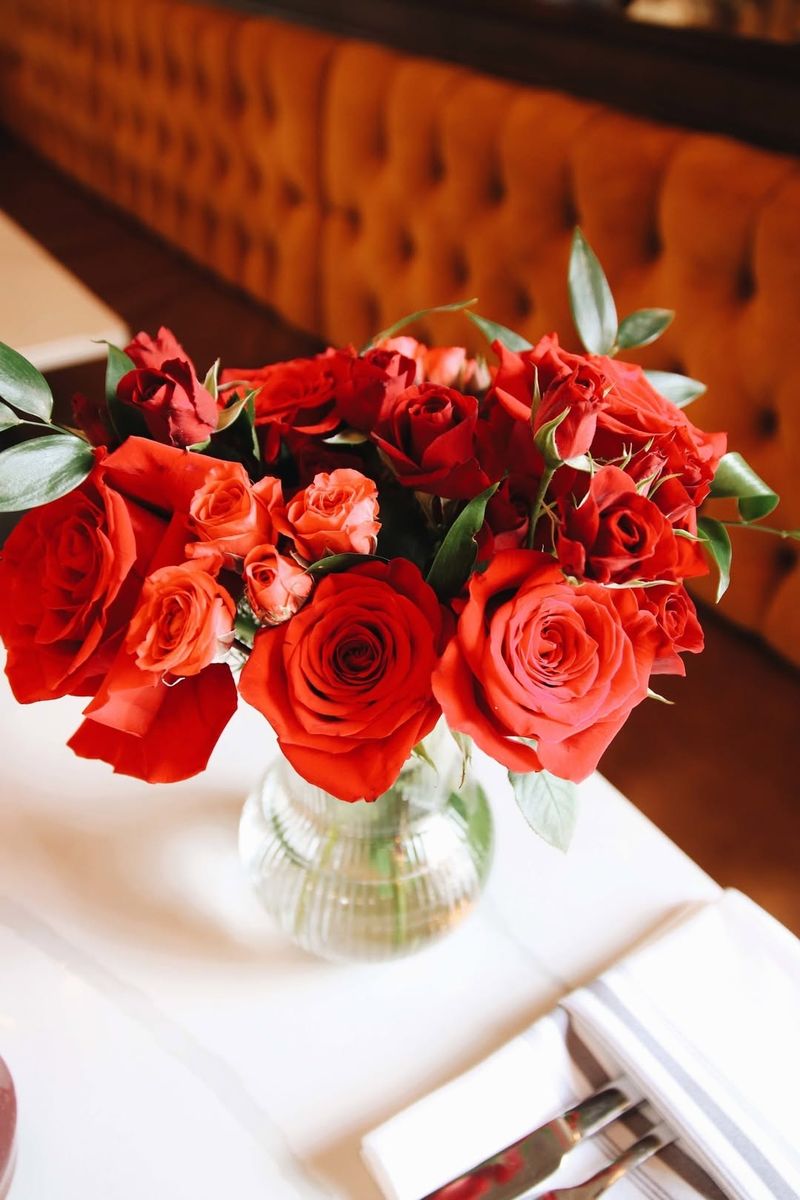
Location can make or break your flower arrangement’s longevity. Michigan homes in winter experience dramatic temperature swings, with radiators blasting heat near windows that leak cold drafts.
Placing your Valentine’s bouquet in the wrong spot can stress the flowers, causing petals to droop and colors to fade faster than they should.
Heat sources like radiators, fireplaces, and heating vents dry out the air around flowers, pulling moisture from the petals and stems. Similarly, cold drafts from poorly insulated windows or doors can cause temperature shock, which weakens the flowers.
Find a stable location away from both extremes, ideally in a cool room with consistent temperature.
The best spot is usually a dining table, hallway console, or bedroom dresser that doesn’t sit directly next to a heat source or window. Keep your bouquet in an area where the temperature stays between 65 and 72 degrees Fahrenheit.
Avoid placing flowers on top of appliances like televisions or computers, which generate heat. Also, keep them away from fruit bowls, as ripening fruit releases ethylene gas that speeds up flower aging.
By choosing the right location, your Valentine’s bouquet will stay fresh and beautiful much longer, even during Michigan’s unpredictable winter weather.
Change Water Every One To Two Days
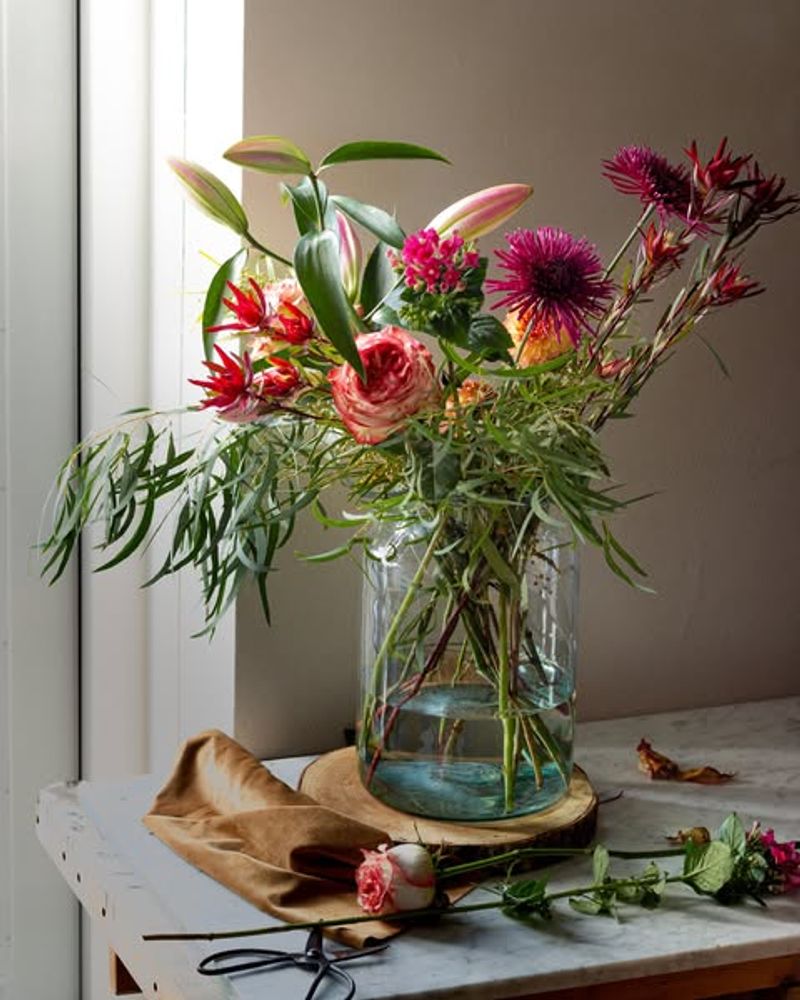
Stagnant water becomes a breeding ground for bacteria, which can clog flower stems and prevent them from absorbing the moisture they need. Michigan winters bring dry indoor air, which causes vase water to evaporate more quickly than usual.
Changing the water frequently keeps your bouquet hydrated and prevents bacterial buildup that shortens flower life.
Every one to two days, remove your flowers from the vase and pour out the old water. Rinse the vase thoroughly with warm water and a little dish soap to remove any slimy residue that may have formed on the sides.
This residue is a sign of bacteria, and cleaning it away helps keep your flowers healthier.
Refill the vase with fresh room-temperature water and add new floral preservative if you are using it. Before placing the flowers back in the vase, trim the stems again at an angle to open up fresh pathways for water absorption.
This regular maintenance routine might seem like extra work, but it pays off with flowers that stay vibrant and beautiful for much longer.
Michigan residents who follow this schedule often enjoy their Valentine’s bouquets for a week or more, even when the weather outside is freezing and the indoor air is bone dry.
Remove Wilted Leaves And Petals
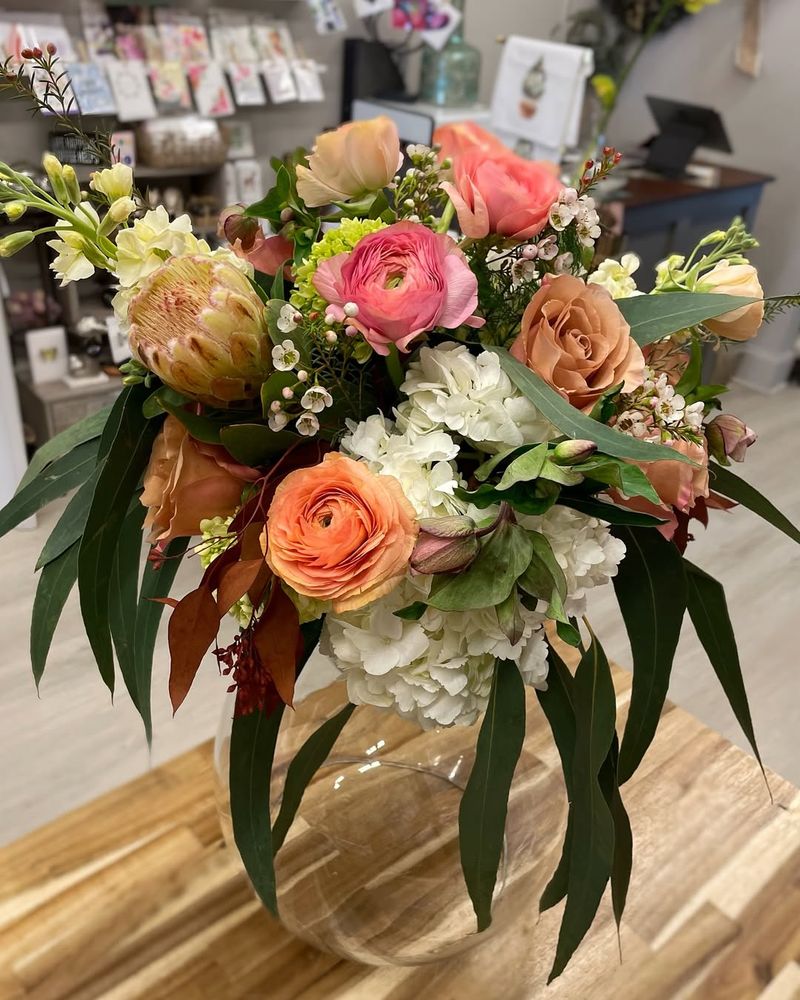
Not all parts of your bouquet will age at the same rate. Some leaves and petals will start to wilt or turn brown before others, and leaving them in place can harm the rest of the arrangement.
Submerged leaves, in particular, promote bacterial growth in the vase water, which clogs stems and prevents fresh blooms from getting the hydration they need.
Michigan winters already challenge flowers with dry indoor air, so reducing bacterial contamination is crucial. Take a few minutes every day to inspect your bouquet and gently remove any leaves that have fallen below the waterline.
Also, pluck off any petals that have started to wilt or discolor, as these can release compounds that speed up the aging process for the rest of the flowers.
Use your fingers or small scissors to carefully remove damaged parts without disturbing healthy blooms. This grooming process not only keeps the water cleaner but also improves the overall appearance of your arrangement.
A tidy bouquet with only fresh, vibrant flowers looks more attractive and lasts longer. By staying on top of this simple maintenance task, Michigan residents can enjoy their Valentine’s bouquets at peak beauty for days longer than they would otherwise.
Keep Flowers In Cool, Indirect Light
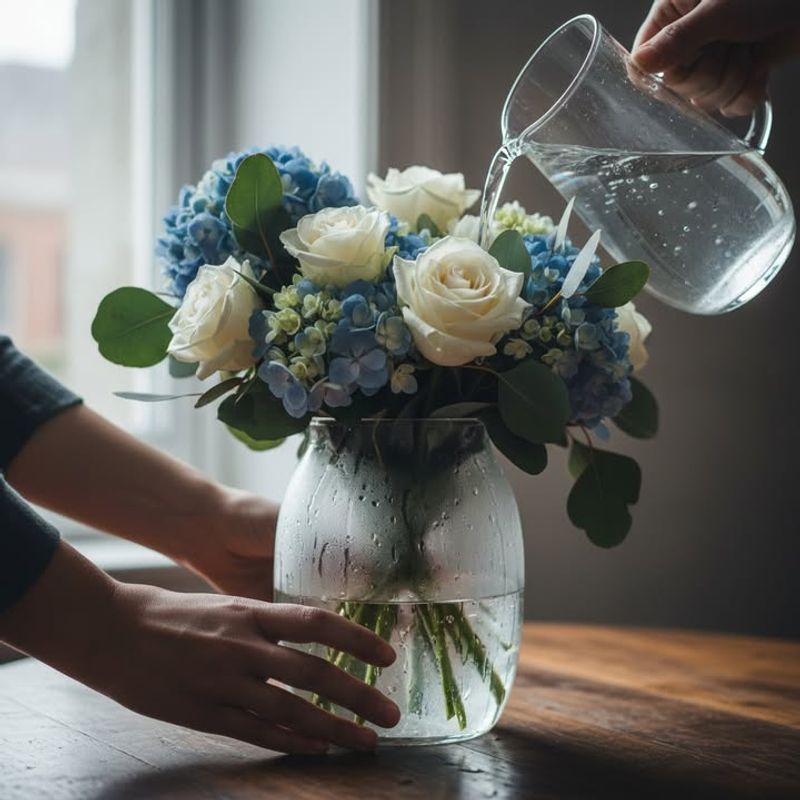
Light plays a surprising role in how long your Valentine’s bouquet stays fresh. Too much direct sunlight can heat up the vase and cause water to evaporate quickly, while also encouraging flowers to open and age faster.
Michigan winter sunlight may seem weak, but when it streams through a window, it can create surprisingly warm spots that stress delicate blooms.
Indirect light is ideal because it provides enough brightness to showcase your beautiful arrangement without overheating the flowers. Place your bouquet in a location where it receives soft, diffused light rather than harsh rays.
North-facing windows or spots a few feet away from sunny windows work well. Avoid placing flowers in rooms that get very warm from afternoon sun, even in winter. The combination of heat and light can cause petals to dry out and fade quickly.
Similarly, avoid very dark areas, as some light helps flowers maintain their color and vitality. A cool room with gentle, indirect light offers the perfect balance.
Michigan residents who follow this guideline often find their Valentine’s bouquets stay fresh and vibrant for up to two weeks, with petals that remain soft and colors that stay true, even when the winter weather outside is harsh and unpredictable.
Mist Flowers Lightly
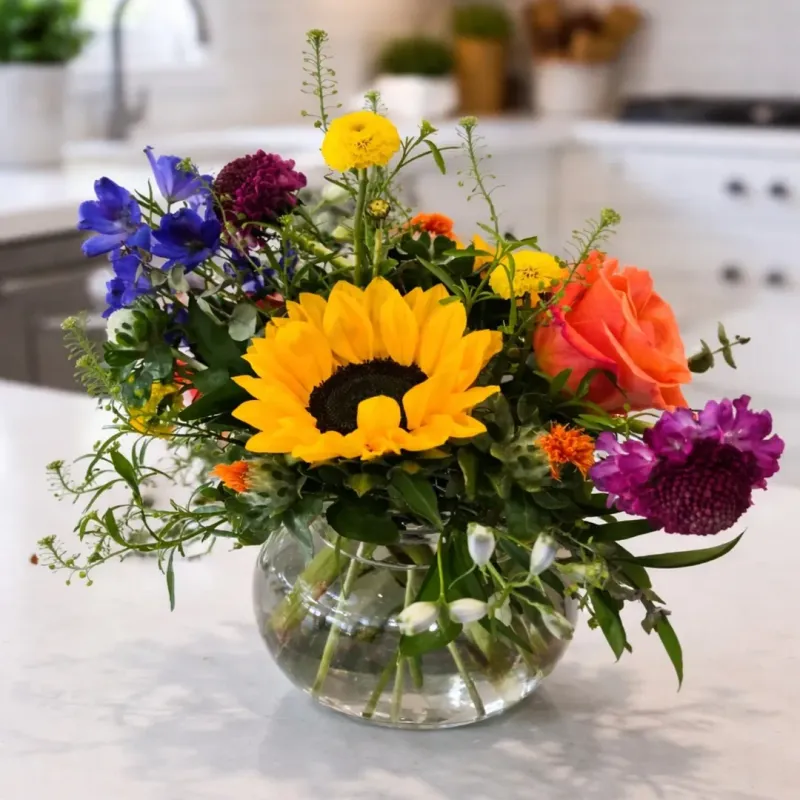
Indoor heating systems in Michigan homes can turn the air bone dry during winter, which pulls moisture directly from flower petals and causes them to wilt faster.
Lightly misting your Valentine’s bouquet adds a bit of humidity around the flowers, helping them stay hydrated and fresh-looking. This simple trick mimics the natural moisture flowers would receive from dew or light rain.
Use a clean spray bottle filled with room-temperature water and mist the petals lightly once or twice a day. Hold the bottle about six to eight inches away from the flowers and spray a fine mist rather than soaking them.
Too much water can encourage mold growth or cause petals to develop brown spots, so a light touch is key.
Avoid misting flowers with delicate petals like roses late in the evening, as moisture sitting on the petals overnight can lead to problems.
Morning or midday misting works best, giving the water time to evaporate naturally. Focus on the petals and leaves rather than the center of the blooms.
Michigan residents who add this quick step to their flower care routine notice that their bouquets look fresher and more vibrant, with petals that stay soft and supple even when the indoor air is at its driest during the coldest months of winter.
Remove Buds That Won’t Open
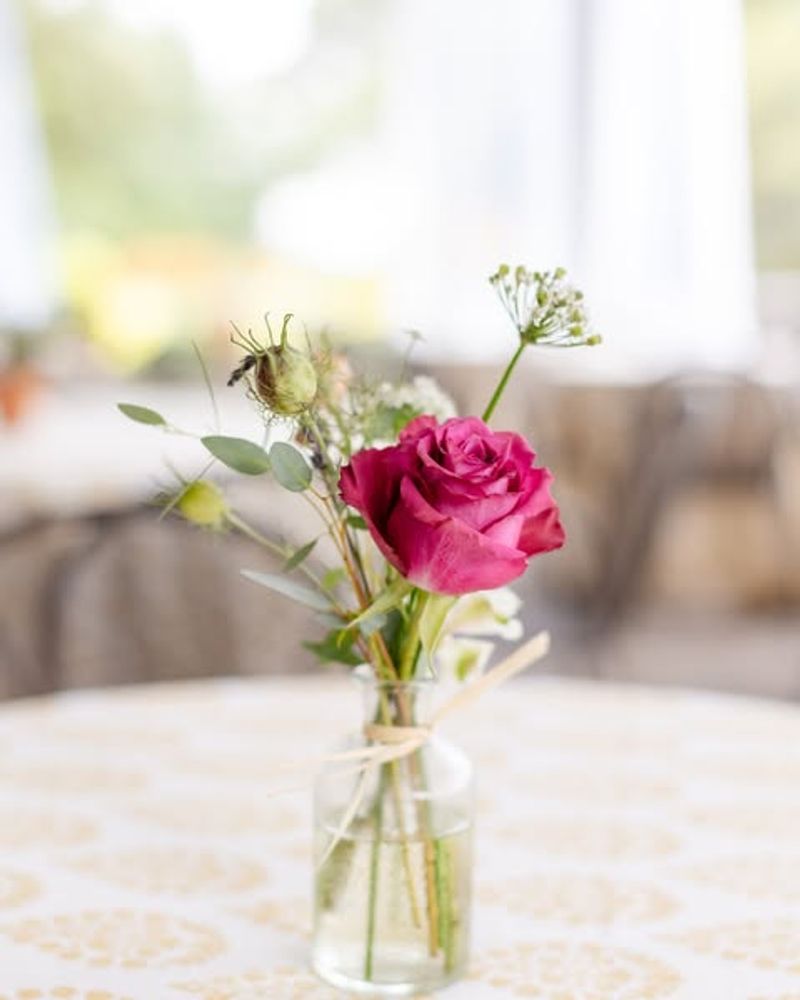
Sometimes a bouquet includes buds that never quite make it to full bloom. These unopened buds can drain energy and nutrients from the flowers that are already open and looking beautiful.
By removing buds that show no signs of opening, you redirect the bouquet’s resources to the blooms that matter most, helping them last longer and look more vibrant.
Inspect your Valentine’s arrangement and identify any buds that remain tightly closed after a few days. If a bud feels hard and shows no softening or color change, it probably won’t open.
Use scissors or your fingers to carefully snip or pinch off these buds where they meet the stem. This process, called selective pruning, is common among Michigan flower enthusiasts who want to maximize the lifespan of their winter bouquets.
Removing non-opening buds also improves the overall appearance of your arrangement by eliminating elements that look dull or out of place. The remaining open flowers will receive more water and nutrients, keeping them fresh and colorful for longer.
This technique is especially helpful during Michigan winters, when indoor conditions already challenge flower longevity.
By focusing the bouquet’s energy on its best blooms, you can enjoy a stunning Valentine’s display that stays beautiful well beyond the holiday itself.