Why This Rare White Forest Plant Is Showing Up Across Michigan
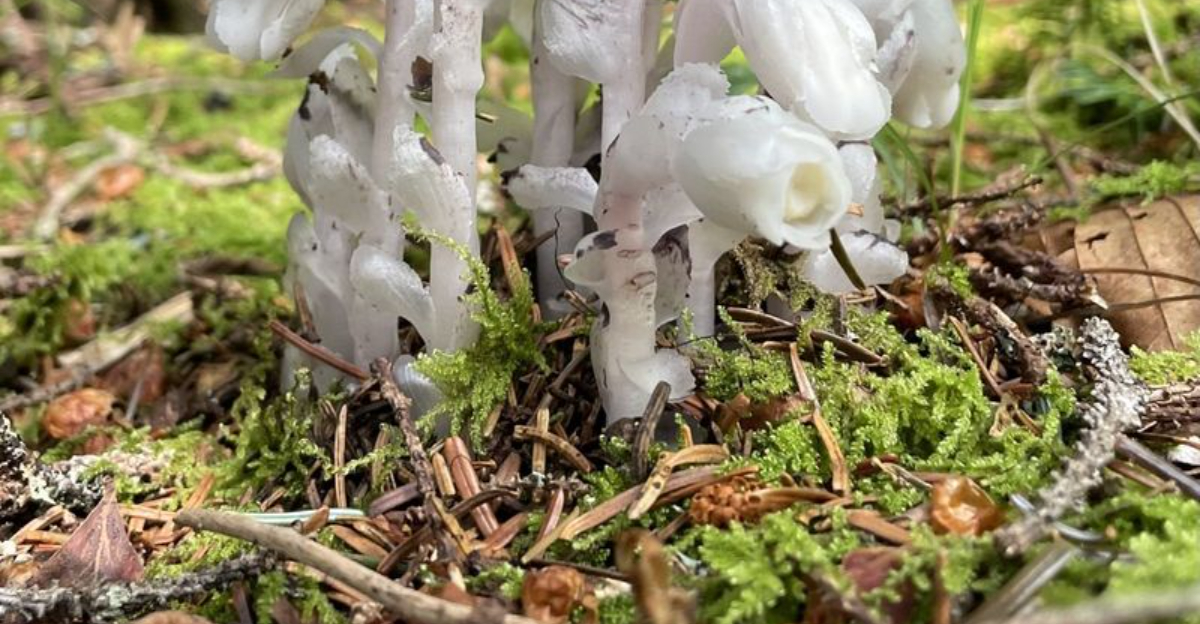
Hiking through a Michigan forest lately feels a little different. In shady corners and quiet trails, flashes of soft white are catching people off guard.
At first glance it looks like someone dropped petals on the forest floor, but this rare plant is very real and showing up in more places than usual. Gardeners, hikers, and nature lovers are all asking the same thing.
Why now? Weather patterns, soil changes, and shifting forest conditions are creating the perfect window for this unusual beauty to thrive.
It is not just about looks either. This plant plays a unique role in the woodland ecosystem and tells a bigger story about what is happening beneath the trees.
Once you know what to watch for, you will start noticing it everywhere. If you love hidden natural surprises, this quiet forest trend is about to grab your attention.
Favorable Moist, Shady Conditions
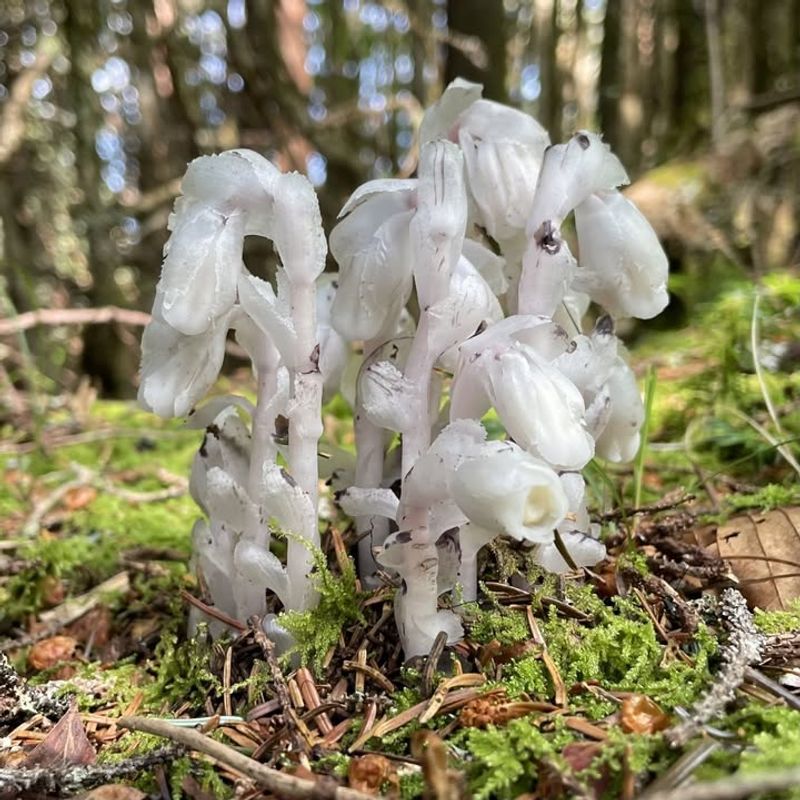
Michigan’s forests offer the perfect environment for ghost pipe to flourish throughout the warm months. The state’s maple-beech-birch woodlands and mixed conifer stands create deeply shaded areas where sunlight barely reaches the forest floor.
These conditions keep temperatures cool and humidity levels high, which ghost pipe absolutely loves.
Unlike most plants that need sunshine to survive, ghost pipe actually prefers the darkest corners of the forest. The thick canopy overhead blocks out direct light, creating the dim environment this unusual plant requires.
Moisture trapped beneath the trees keeps the soil consistently damp, which is essential for ghost pipe emergence.
Summer months bring the ideal combination of warmth and shade that triggers ghost pipe to push through the leaf litter. The plant’s waxy, translucent stems can rise several inches above the ground, looking almost supernatural against the dark forest floor.
Michigan’s extensive forested areas provide countless pockets of these perfect microclimates.
Forest understories in Michigan remain relatively stable in temperature compared to open areas. This consistency allows ghost pipe to complete its brief flowering cycle without stress from temperature fluctuations.
The combination of shade, moisture, and cool air makes Michigan forests an increasingly reliable home for this rare botanical wonder.
Symbiosis With Mycorrhizal Fungi
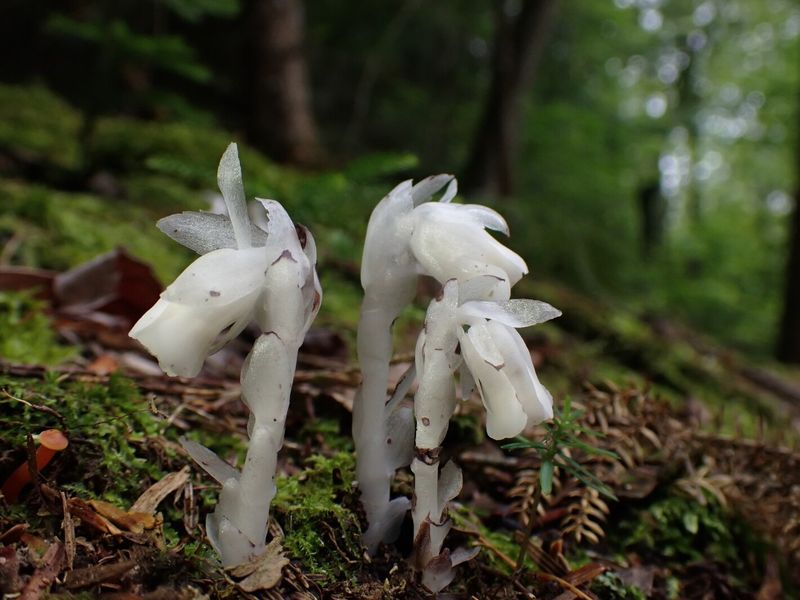
Ghost pipe has developed one of nature’s most fascinating survival strategies. Rather than making its own food through photosynthesis, this plant taps into underground fungal networks that connect tree roots throughout the forest.
The fungi act as middlemen, transferring nutrients from trees to the ghost pipe, creating a three-way relationship that botanists find absolutely remarkable.
Michigan’s healthy forests support extensive mycorrhizal networks beneath the soil surface. These fungal threads stretch for miles, connecting trees of different species and ages into a living web of nutrient exchange.
Ghost pipe plugs into this network, essentially borrowing energy that trees have captured from sunlight.
The specific fungi that ghost pipe partners with are called Russula and Lactarius species. These mushroom-forming fungi are common in Michigan woodlands, forming beneficial relationships with oak, beech, and pine trees.
When these fungal partnerships thrive, ghost pipe has the resources it needs to emerge and flower.
Your Michigan Garden Changes Every Week. Your Plan Should Too.
Gardening in Michigan changes quickly throughout the season. Every Friday you’ll receive a simple weekly plan showing exactly what to plant, prune, fertilize, harvest, and protect so you never miss the right timing.
Forest management practices that protect soil health also protect these fungal networks. Michigan’s commitment to preserving mature forests means the underground fungal highways remain intact.
As these networks expand and strengthen over time, ghost pipe populations can establish themselves more successfully, leading to increased sightings across the state.
Undisturbed Forest Floors
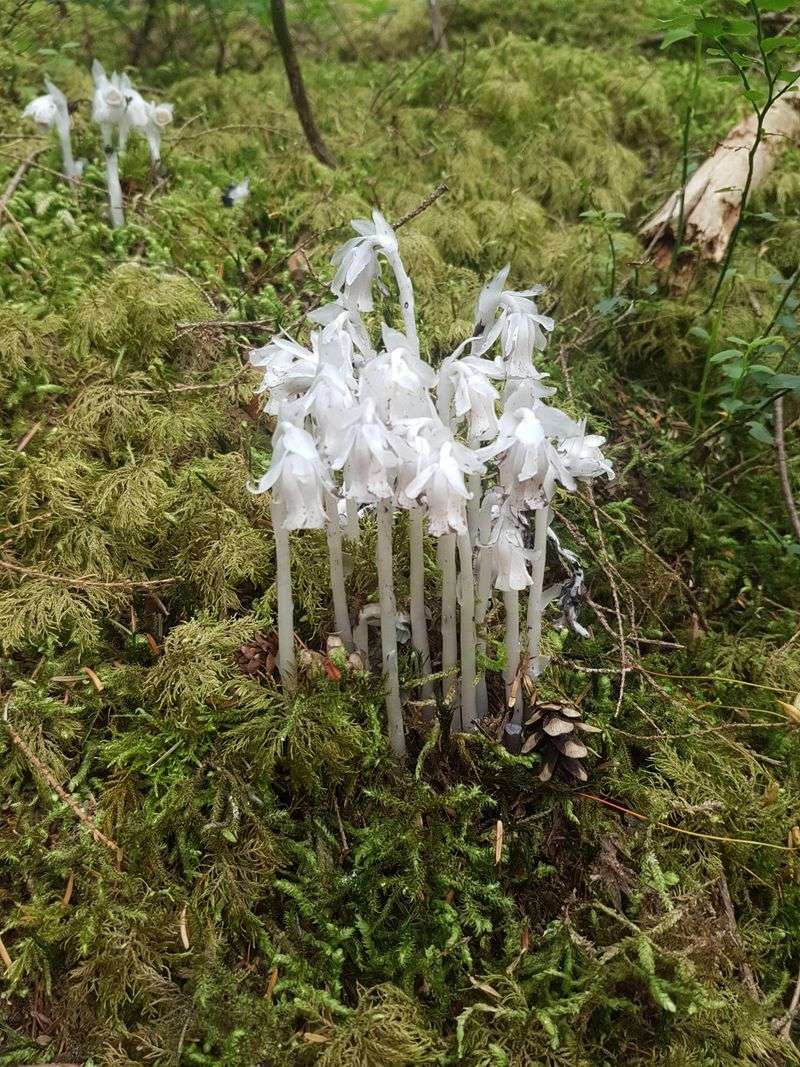
Ghost pipe requires stable soil conditions to survive and reproduce successfully. Heavy foot traffic, logging operations, and development can disrupt the delicate fungal networks that ghost pipe depends on.
Michigan forests with minimal human disturbance provide the untouched habitat this sensitive plant needs to establish itself and return year after year.
The plant grows from underground rhizomes that remain dormant for most of the year. These structures need stable soil that hasn’t been compacted or stripped of its organic layer.
When forest floors remain undisturbed, the rhizomes can persist for decades, sending up flowering stems whenever conditions align perfectly.
Protected areas in Michigan, including state forests and nature preserves, limit activities that could damage forest floor ecosystems. Designated trails keep hikers on established paths, leaving vast areas of woodland completely untouched.
These protected zones become refuges where ghost pipe and its fungal partners can thrive without interference.
Conservation efforts that focus on maintaining natural forest structure benefit ghost pipe populations significantly. Allowing fallen logs to decompose naturally, preserving leaf litter layers, and preventing soil erosion all contribute to ideal ghost pipe habitat.
Michigan’s growing network of protected forests means more undisturbed areas where this rare plant can appear and flourish for future generations to discover.
Increasing Awareness And Identification
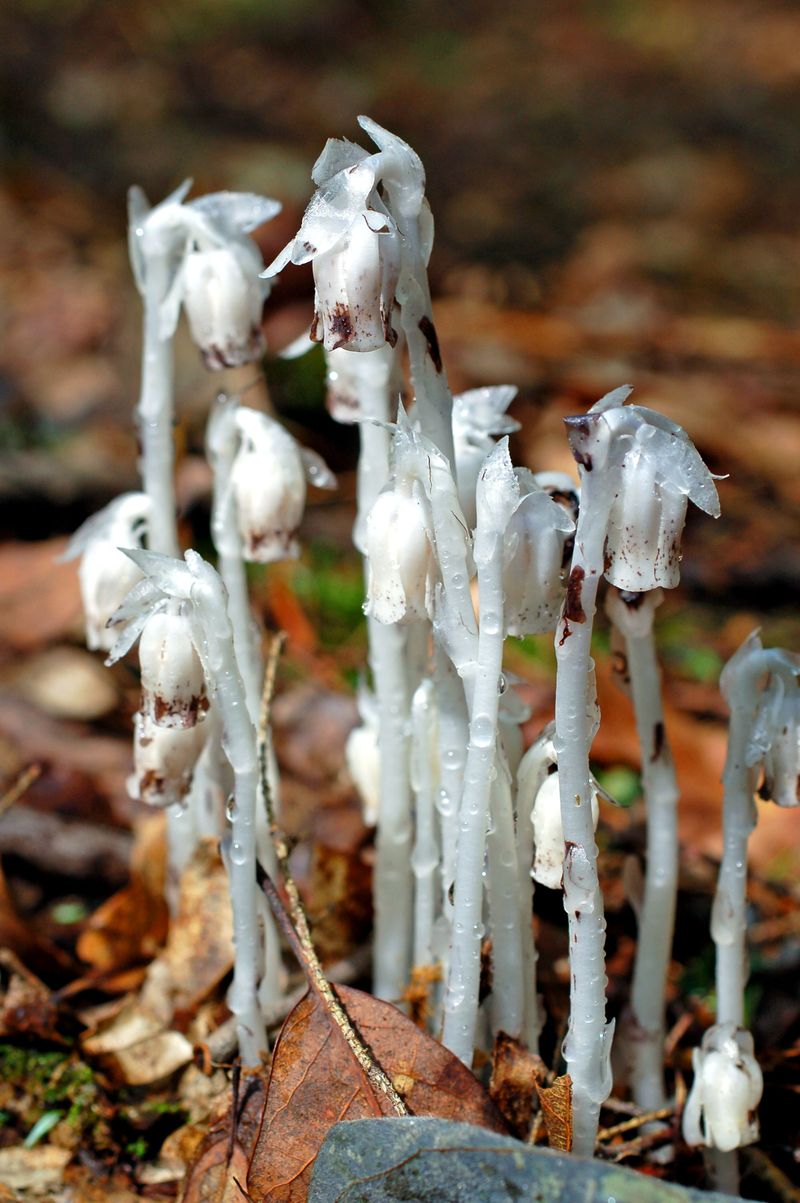
More people are exploring Michigan’s forests than ever before, and many are learning to identify unusual plants they encounter. Ghost pipe’s striking appearance makes it memorable once someone learns what to look for.
Social media, nature apps, and citizen science projects have created a community of observers who share their findings, leading to a dramatic increase in reported sightings.
Smartphone technology has transformed how people document nature encounters. Hikers can now photograph ghost pipe, use plant identification apps, and share their discoveries instantly with naturalist communities online.
This digital revolution means sightings that might have gone unreported in the past now contribute to our understanding of where ghost pipe appears.
Citizen science platforms like iNaturalist allow everyday nature enthusiasts to contribute valuable data to researchers. When someone uploads a ghost pipe photo from Michigan, experts can verify the identification and add the location to distribution maps.
These crowdsourced observations reveal patterns that scientists might miss through traditional survey methods alone.
Educational programs and nature centers across Michigan have increased public awareness of rare forest plants. Guided hikes specifically focus on finding unusual species like ghost pipe, teaching participants what habitats to search.
As more people learn about this mysterious plant, the number of documented sightings continues to climb, creating a clearer picture of its presence throughout Michigan’s woodlands.
Optimal Seasonal Rainfall
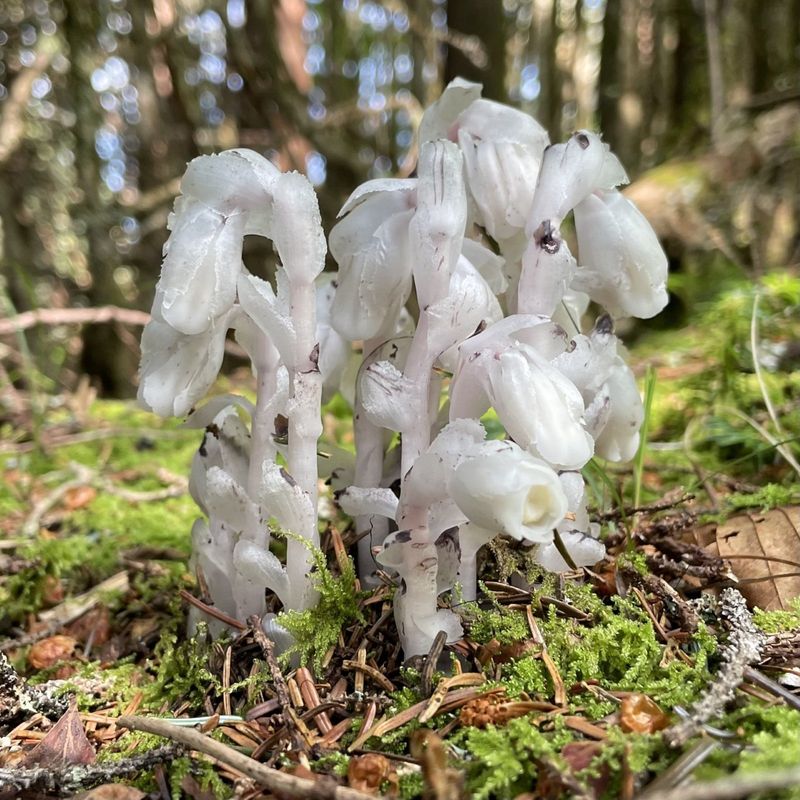
Rainfall patterns play a crucial role in when and where ghost pipe appears across Michigan. The plant typically emerges in mid to late summer, but only after the soil has received adequate moisture from late spring and early summer rains.
These precipitation events create the saturated soil conditions that trigger ghost pipe rhizomes to send up their distinctive white flowering stems.
Michigan’s climate provides reliable rainfall during the critical months when ghost pipe prepares to emerge. June and July typically bring frequent thunderstorms that soak deep into the forest floor, saturating the organic layers where fungal networks thrive.
This moisture allows the fungi to become more active, which in turn provides ghost pipe with the resources it needs to grow.
Years with particularly consistent rainfall often result in more abundant ghost pipe sightings throughout the state. Conversely, drought conditions can cause the plant to remain dormant underground, waiting for better conditions.
Climate records show that Michigan’s precipitation patterns have remained favorable for ghost pipe in recent years, supporting more frequent appearances.
The timing of rainfall matters just as much as the total amount. Steady, gentle rains that gradually moisten the soil work better than intense downpours that quickly run off.
Michigan’s weather patterns often deliver this ideal type of precipitation, creating perfect conditions for ghost pipe emergence throughout the summer months when forest explorers are most likely to spot them.
Mature Forest Succession
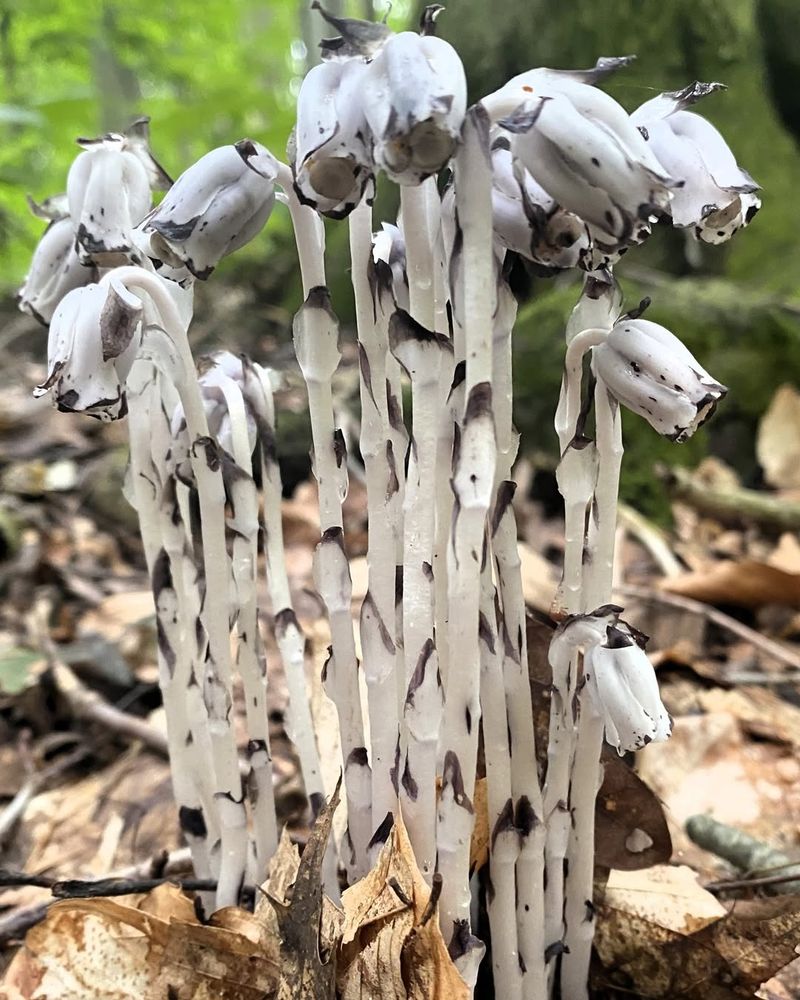
Forests go through predictable stages of development, and ghost pipe tends to appear in woods that have reached maturity. Young forests with thin canopies and sparse understories rarely support this unusual plant.
Michigan’s landscape includes many forest patches that have been growing undisturbed for decades or even centuries, creating the complex ecosystem structure that ghost pipe requires.
Mature forests develop thick layers of organic matter on the ground from years of accumulated fallen leaves, branches, and decomposing wood. This rich organic soil hosts diverse fungal communities that form the foundation for ghost pipe survival.
The deep leaf litter also maintains consistent moisture levels and provides the nutrients that feed the fungal networks.
Older forests feature multiple canopy layers that create the deep shade ghost pipe prefers. Tall overstory trees block most sunlight, while midstory trees and shrubs fill in gaps, resulting in the dim conditions where ghost pipe thrives.
Michigan’s commitment to preserving old-growth forest remnants and allowing harvested areas to mature naturally has increased available habitat.
Forest succession takes time, and ghost pipe populations may not establish themselves until decades after a disturbance. As Michigan’s forests continue to age and develop, more areas reach the maturity level that supports ghost pipe colonization.
This natural progression means we can expect to see ghost pipe appearing in forests that are just now reaching the right stage of development.
Cooler Microclimates In Northern Michigan
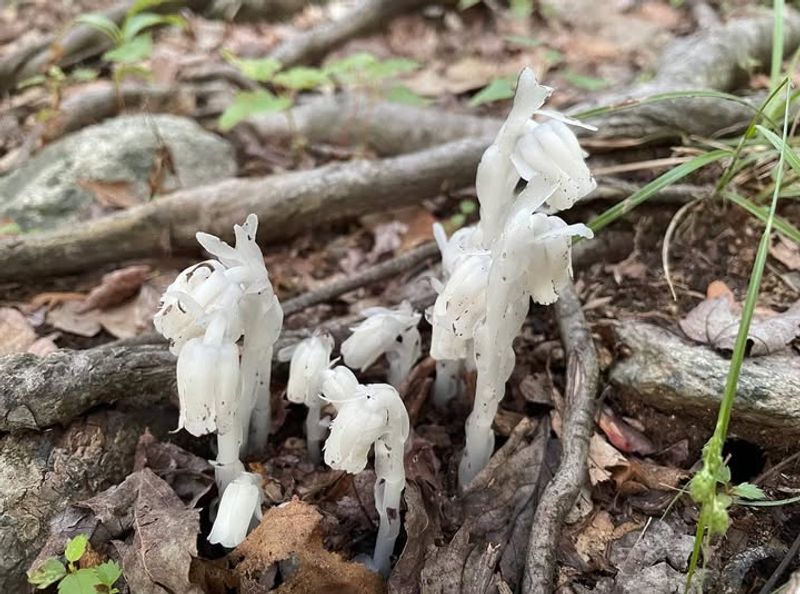
Geography plays a significant role in where ghost pipe appears most frequently across Michigan. Northern regions of the state experience cooler temperatures and higher humidity levels throughout the summer compared to southern areas.
These cooler microclimates create conditions that ghost pipe finds particularly favorable, leading to more frequent sightings in the Upper Peninsula and northern Lower Peninsula.
Proximity to the Great Lakes influences local climate patterns, creating pockets of consistently cool, moist air that penetrate inland forests. Lake Superior especially creates a cooling effect that extends well into Michigan’s northern forests.
Ghost pipe benefits from these maritime influences, which prevent excessive heat and maintain the stable conditions this sensitive plant requires.
Northern Michigan forests often feature more conifer species mixed with hardwoods, creating even darker and cooler understories. The combination of spruce, fir, and hemlock with maple and birch produces the perfect environment for the fungi that support ghost pipe.
These mixed forests retain moisture better than pure hardwood stands, providing ideal habitat.
As climate patterns shift, northern Michigan may become increasingly important as a refuge for ghost pipe and other cool-climate forest species. The region’s naturally cooler conditions buffer against warming trends, allowing temperature-sensitive plants to persist.
Observers in northern Michigan forests have noted consistent ghost pipe populations in areas where conditions remain stable year after year, making the region a reliable place to search for this remarkable plant.
Limited Competition From Other Understory Plants
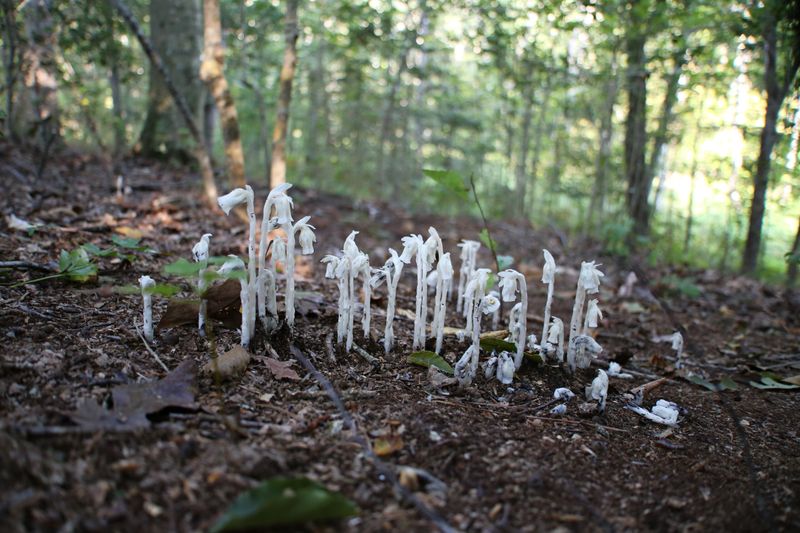
Ghost pipe often appears in forest areas where few other plants can survive. The extreme shade of mature forests limits photosynthesis, making it difficult for most understory plants to gather enough energy to grow.
Because ghost pipe doesn’t rely on photosynthesis, it can thrive in these dark environments where competition from other plants is minimal.
Areas with sparse understory vegetation mean less competition for the fungal resources ghost pipe depends on. When fewer plants are tapping into the mycorrhizal networks, ghost pipe can access more nutrients from its fungal partners.
Michigan forests with particularly dense canopies create these low-competition zones where ghost pipe has a distinct advantage.
Forest management practices that maintain closed canopies inadvertently favor ghost pipe by limiting understory plant growth. Dense shade suppresses aggressive species that might otherwise dominate the forest floor.
This creates ecological niches where specialized plants like ghost pipe can establish themselves without being crowded out by faster-growing neighbors.
Some Michigan forests naturally develop sparse understories due to soil conditions or specific tree species composition. Beech-maple forests, for example, often have relatively few understory plants due to deep shade and dense leaf litter.
Ghost pipe fits perfectly into these environments, appearing where other plants struggle to gain a foothold and taking advantage of resources that would otherwise go unused in the forest ecosystem.
Conservation And Forest Management Practices
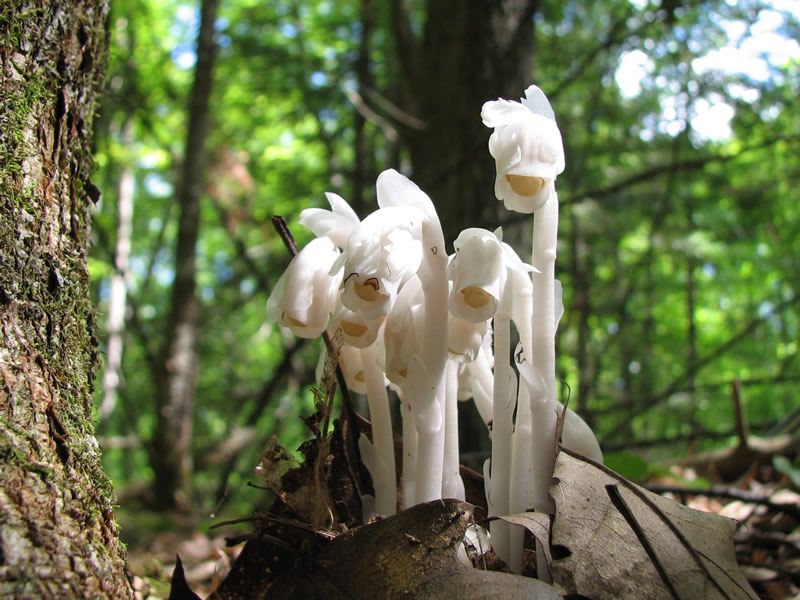
Michigan has invested significantly in protecting and managing its forest resources, and these efforts directly benefit rare plants like ghost pipe. State forests, parks, and natural areas receive management that prioritizes ecosystem health over resource extraction.
Selective logging practices, when they occur, are designed to maintain forest structure and soil integrity, preserving the conditions ghost pipe needs.
Protected natural areas serve as living laboratories where ghost pipe populations can flourish without threat from development or intensive use. Michigan’s Natural Area Program identifies and protects sites with rare plants and unique ecosystems.
Many of these protected sites harbor ghost pipe populations that researchers can study and monitor over time.
Forest management guidelines now recognize the importance of maintaining mycorrhizal networks and soil health. Practices like leaving coarse woody debris, protecting sensitive areas during harvest operations, and maintaining connectivity between forest patches all support the underground ecosystems that ghost pipe requires.
These thoughtful approaches allow commercial forestry to coexist with rare plant conservation.
Educational programs teach forest landowners about the ecological value of rare plants like ghost pipe. Private landowners who understand the significance of these organisms often voluntarily protect areas where ghost pipe appears.
Michigan’s combination of public protection, responsible management, and private stewardship creates a landscape where ghost pipe can increasingly thrive, ensuring that future generations will continue to encounter this mysterious white plant in the state’s forests.