Common Michigan Winter Pruning Mistakes That Ruin Spring Blooms
Winter in Michigan makes pruning feel productive. Branches are bare, tools are ready, and it seems like the perfect time to tidy everything up.
The problem is that many well meaning gardeners accidentally cut away next season’s flowers without realizing it. A few wrong snips, poor timing, or rushing through the job can leave shrubs and trees struggling to put on a spring show.
Cold temperatures, hidden buds, and different bloom cycles make winter pruning trickier than it looks. Some plants need a light touch, others need patience, and a few should be left completely alone until warmer weather arrives.
Once you understand which mistakes to avoid, pruning becomes less stressful and far more rewarding. If you want brighter color, fuller growth, and healthier plants when spring finally shows up, this is information you will not want to skip.
1. Pruning Too Early In Winter
Jumping the gun on winter pruning ranks among the most frequent mistakes Michigan gardeners make each year.
When you cut branches before plants have completely entered their dormancy phase, you expose tender tissues to harsh frost and freezing temperatures that can cause serious harm.
Plants need time to shut down their systems naturally, storing energy in their roots and preparing for the cold season ahead.
Early cuts interrupt this vital process and can trigger new growth that has no chance of surviving Michigan’s brutal winter conditions.
The fresh wounds you create become vulnerable entry points for ice crystals, which can rupture plant cells and damage the vascular system that carries nutrients throughout the plant.
This trauma often results in fewer flowers come springtime because the plant must focus its energy on healing rather than producing blooms.
Wait until late winter, typically February or early March in Michigan, when plants are fully dormant and the worst of the cold has passed. Look for consistent freezing temperatures over several weeks as your signal that dormancy is complete.
By timing your pruning correctly, you give your flowering plants the best chance to recover before spring growth begins, ensuring they have the strength to produce abundant blooms when the season changes.
2. Pruning Late-Blooming Spring Flowering Shrubs
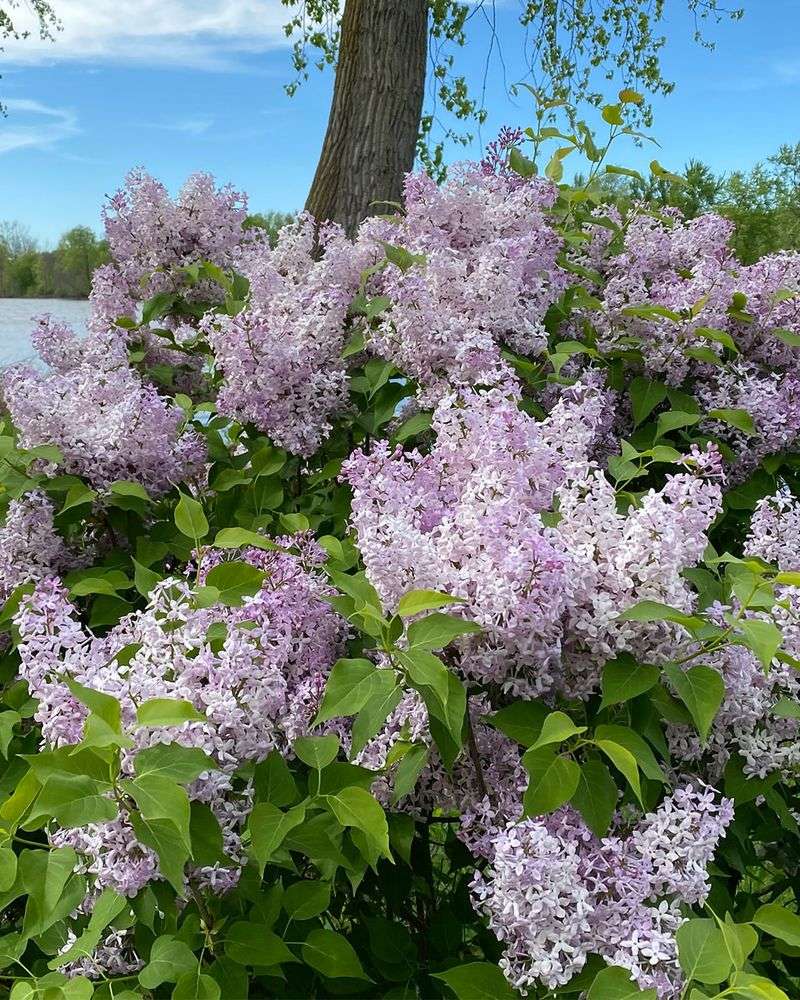
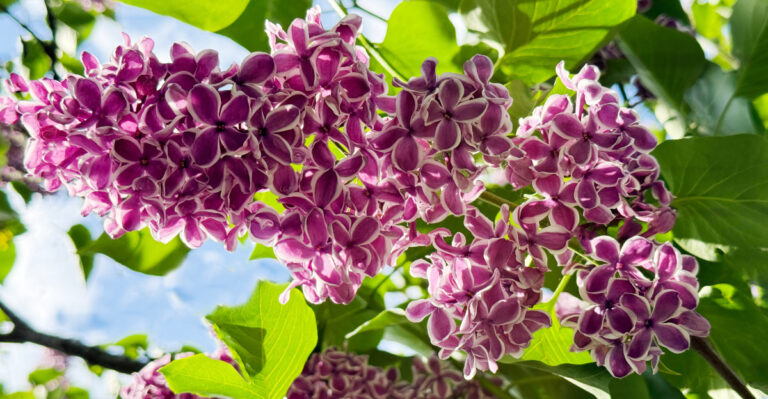
Azaleas, rhododendrons, lilacs, and forsythia all share something important in common. These popular Michigan shrubs set their flower buds during the previous growing season, long before winter arrives.
When you trim them during winter months, you’re actually removing next spring’s entire flower show without realizing it, leaving you with healthy green shrubs but no colorful blooms to enjoy.
Each species has its own preferred pruning window that aligns with its blooming cycle. Lilacs should be shaped right after their flowers fade in late spring, giving them the entire summer to develop new buds for the following year.
Azaleas and rhododendrons follow a similar pattern, requiring post-bloom pruning to preserve their spectacular spring displays. Forsythia also blooms on old wood, meaning winter pruning removes those cheerful yellow flowers that signal spring’s arrival.
Learning which shrubs bloom on old wood versus new wood makes all the difference in your pruning strategy. Create a simple garden calendar noting when each plant in your yard blooms and when it should be pruned.
Your Michigan Garden Changes Every Week. Your Plan Should Too.
Gardening in Michigan changes quickly throughout the season. Every Friday you’ll receive a simple weekly plan showing exactly what to plant, prune, fertilize, harvest, and protect so you never miss the right timing.
This reference guide will save you from the heartbreak of accidentally removing flower buds during winter maintenance sessions, helping you maintain beautiful spring displays year after year throughout your Michigan landscape.
3. Over-Pruning Large Branches
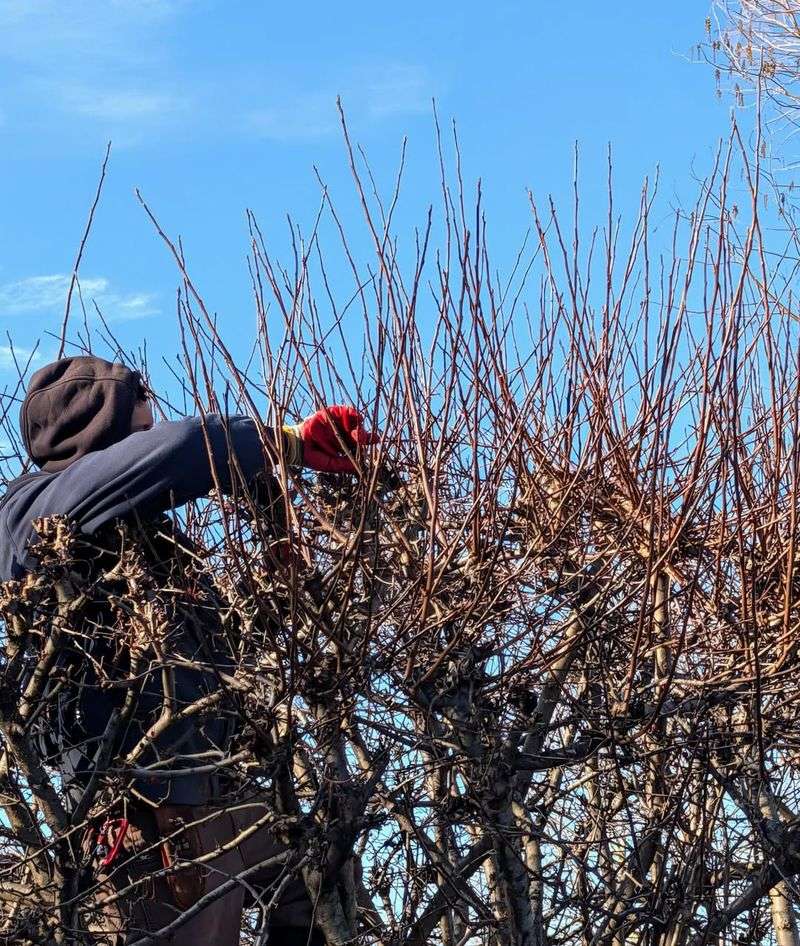
Enthusiasm often gets the better of gardeners wielding pruning saws during winter maintenance sessions.
Removing too much woody material at once sends plants into shock, forcing them to divert precious energy toward healing wounds rather than preparing for spring growth.
The general rule suggests never removing more than one-quarter of a plant’s total canopy in a single season, but many people exceed this limit without realizing the consequences for bloom production.
Large cuts create substantial wounds that take considerable time and resources to seal properly. During this healing period, plants cannot focus on developing flowers or pushing out new growth.
Michigan’s challenging climate compounds this problem, as fluctuating winter temperatures can reopen wounds or cause additional damage before proper healing occurs.
The result is often delayed leafing, reduced flowering, or even branch dieback that ruins the plant’s overall appearance.
Adopt a gradual approach when renovating overgrown shrubs or trees. Spread major pruning projects across two or three years, allowing plants to recover between sessions while maintaining their ability to bloom.
Focus on removing the worst offenders first, such as crossing branches or awkwardly positioned limbs, then step back and evaluate before making additional cuts.
This patient strategy preserves plant health and ensures you still enjoy spring flowers while working toward your long-term landscape goals for your Michigan garden.
4. Removing Flower Buds Mistaken For Vegetative Growth
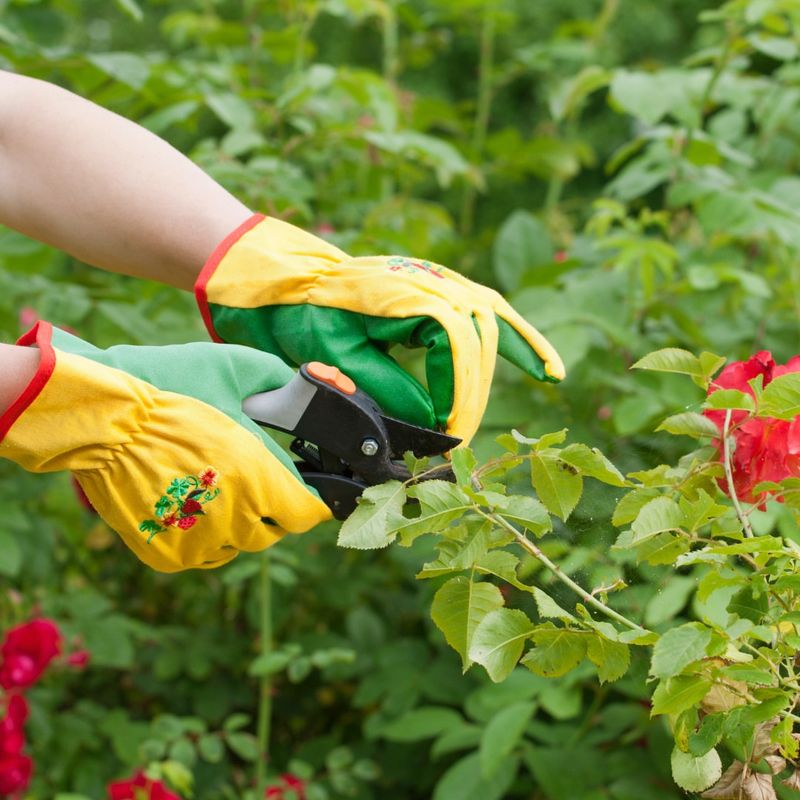
Flower buds and leaf buds look surprisingly different once you know what to look for, but many gardeners never learn this crucial distinction. Flower buds typically appear plumper, rounder, and more swollen than their slender leaf bud cousins.
They often cluster together at branch tips or along stems in predictable patterns that vary by species. Missing these visual clues leads to accidental removal of your entire spring flower crop during routine winter pruning sessions.
Magnolias provide an excellent example of distinctive flower buds. Their fuzzy, oversized buds stand out dramatically against bare winter branches, making them relatively easy to identify and protect.
Fruit trees like apples and cherries develop clusters of rounded flower buds along their branches, quite different from the smaller, pointed vegetative buds. Learning these species-specific characteristics transforms your pruning accuracy and bloom preservation success.
Take time before pruning to examine your plants closely with a magnifying glass or smartphone camera. Compare buds on different branches, noting size, shape, and positioning patterns.
Many gardening books and websites offer detailed photos showing the difference between flower and leaf buds for common Michigan plants.
This small investment in education pays huge dividends when spring arrives and your carefully preserved flower buds burst into colorful blooms that delight everyone who sees them.
5. Using Dull Or Dirty Tools
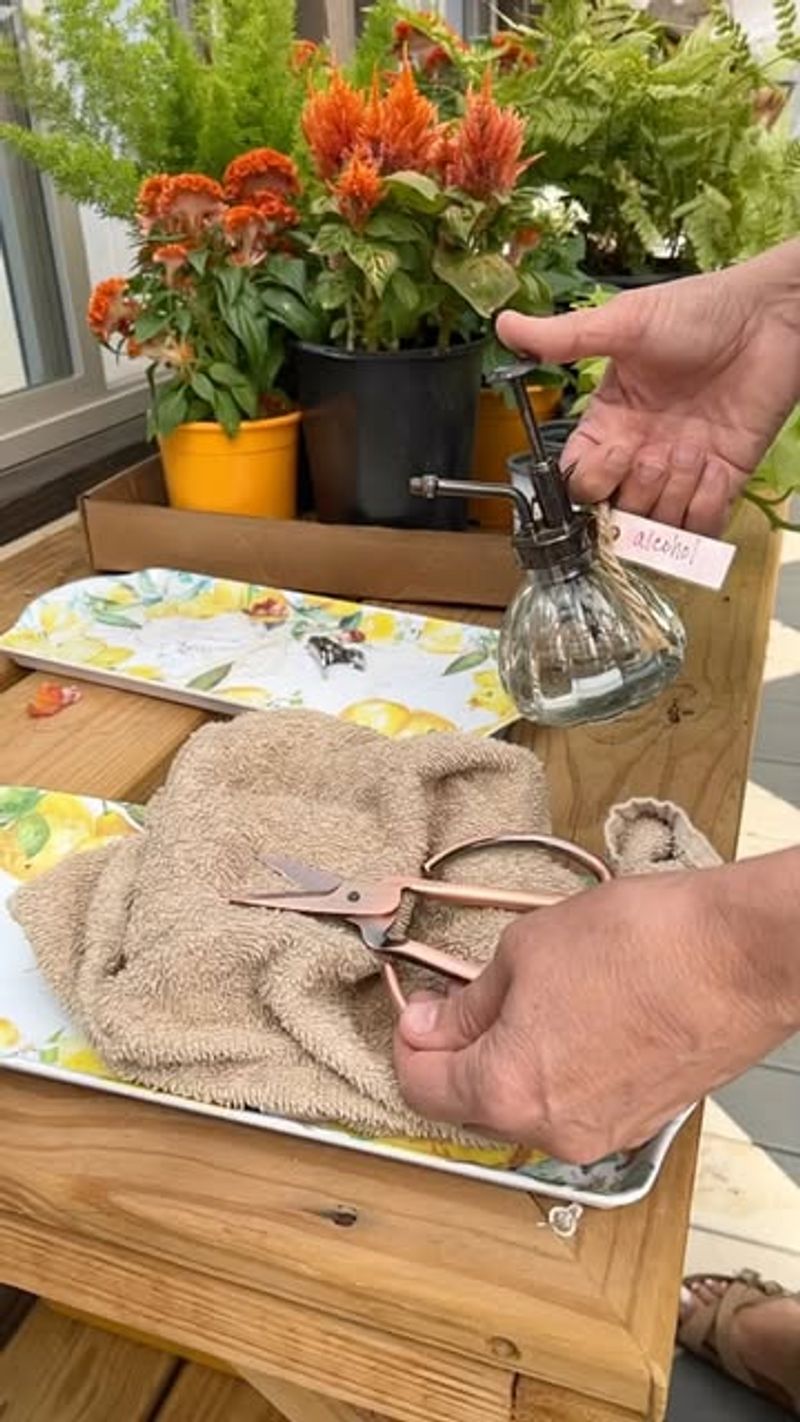
Sharp, clean pruning tools rank among the most important elements of successful winter maintenance. Dull blades crush and tear plant tissues rather than making clean cuts, creating ragged wounds that heal slowly and provide easy entry points for disease organisms.
Dirty tools carry pathogens from plant to plant, spreading problems throughout your garden with each cut you make.
These issues become especially problematic during Michigan winters when plants are already stressed by cold temperatures and reduced moisture.
Bacteria and fungi thrive in the damaged tissue created by poor-quality cuts. Winter conditions slow the natural healing processes that normally protect plants from infection, giving pathogens extra time to establish themselves and spread.
By spring, these infections can significantly impact flowering as plants struggle with disease rather than producing blooms. Some infections may even spread throughout the plant, causing long-term damage that affects multiple growing seasons.
Clean your pruning tools with rubbing alcohol or a bleach solution between each plant to prevent disease transmission. Sharpen blades regularly using a whetstone or file, checking the edge before each pruning session.
Well-maintained tools make the job easier while protecting your investment in landscape plants. Store your equipment properly during the off-season to prevent rust and corrosion that can dull blades and make them harder to clean effectively for your next Michigan garden project.
6. Neglecting To Prune Damaged Wood First
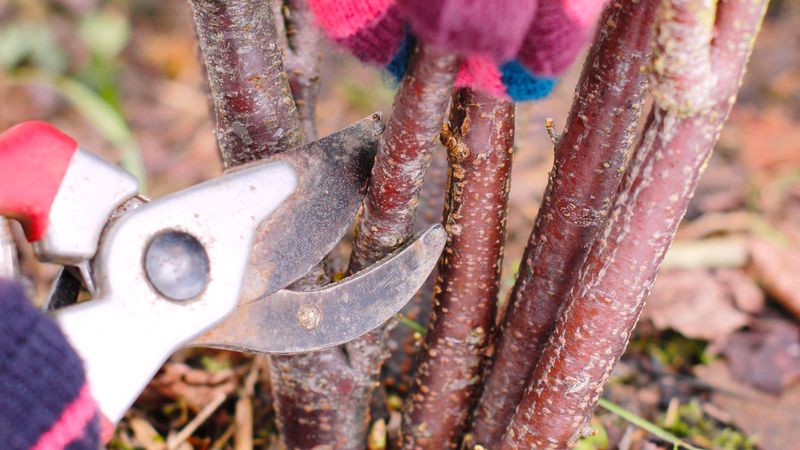
Aesthetic concerns often drive pruning decisions, leading gardeners to focus on shaping plants before addressing structural problems.
This backward approach leaves compromised branches in place where they can harbor diseases, attract pests, and worsen during winter weather.
Damaged wood with cracks, splits, or disease symptoms should always be your first priority when pruning, regardless of how removing it might temporarily affect the plant’s appearance.
Frost cracks and winter injury can expand dramatically during Michigan’s freeze-thaw cycles if not addressed promptly. What starts as a small split in autumn can become a gaping wound by spring, allowing rot to penetrate deep into the branch or trunk.
Disease organisms overwinter in damaged tissue, multiplying when conditions favor their growth and spreading to healthy parts of the plant as temperatures warm. These problems directly impact flowering by diverting plant resources away from bloom production.
Walk around each plant before making any cuts, identifying all damaged, diseased, or broken branches first. Remove these problem areas completely, cutting back to healthy wood where you can see clean, solid tissue.
Only after addressing these critical issues should you move on to shaping cuts that improve the plant’s appearance.
This prioritization ensures your plants enter spring in the best possible condition, ready to channel their energy into producing the abundant blooms that make Michigan gardens so beautiful during the growing season.
7. Ignoring Plant-Specific Pruning Needs
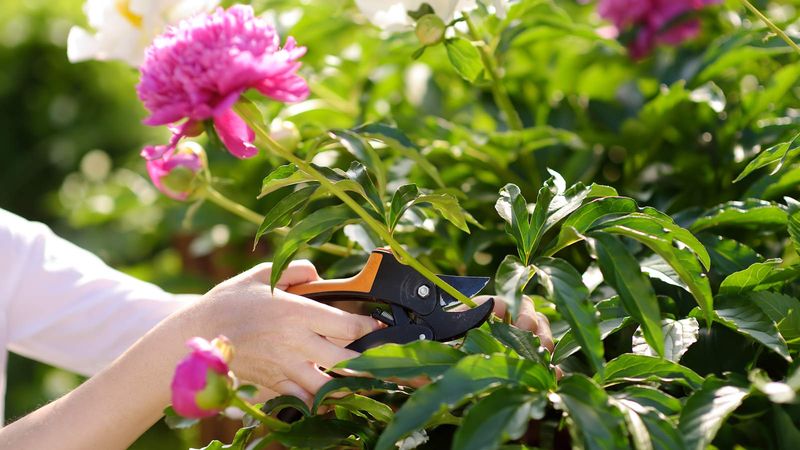
Every flowering plant in your Michigan landscape has unique pruning requirements based on when and how it produces blooms. Treating all plants the same way guarantees disappointing results for at least some of your specimens.
Some shrubs flower on new wood produced during the current growing season, making them safe to prune during winter without affecting bloom production.
Others bloom on old wood from the previous year, meaning winter pruning removes your entire spring flower display.
Forsythia exemplifies plants that bloom on old wood and should never be pruned during winter months. Those bright yellow flowers that announce spring’s arrival in Michigan develop on branches grown the previous summer.
Winter pruning removes them before they ever have a chance to open. Conversely, plants like butterfly bush and some hydrangea varieties bloom on new growth, making winter or early spring the perfect time to cut them back without sacrificing flowers.
Research each plant in your garden to understand its specific blooming and pruning requirements. Create a reference chart listing when each species blooms and when it should be pruned for best results.
Many cooperative extension offices offer free guides tailored to Michigan’s climate and common landscape plants.
This knowledge transforms you from a gardener who accidentally ruins blooms into one who consistently enjoys spectacular spring displays year after year through proper timing and technique.
8. Leaving Large Wounds Unprotected
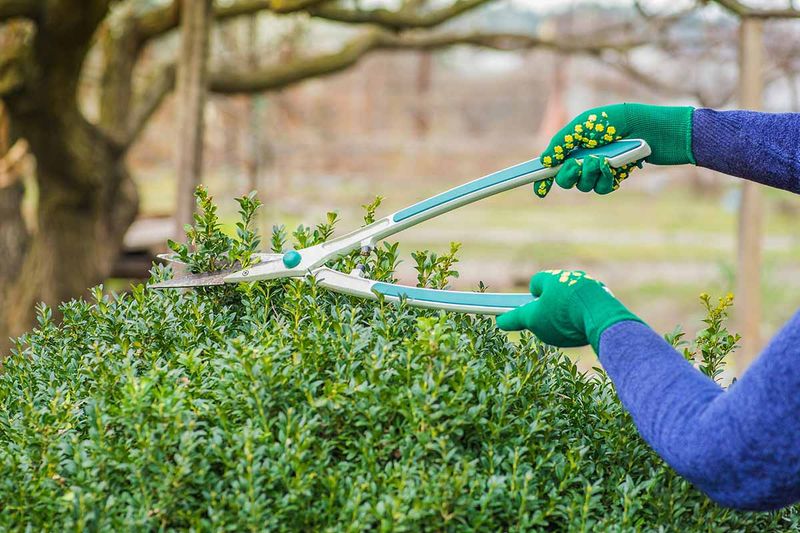
Controversy surrounds the practice of sealing pruning wounds, with modern research suggesting that wound dressings may actually trap moisture and promote decay rather than preventing it.
However, making proper cuts that allow natural healing processes to work effectively remains absolutely critical for plant health.
Angled cuts that shed water, smooth edges that close quickly, and appropriate sizing all contribute to successful wound healing that protects spring bloom production.
Large pruning wounds take considerable time to compartmentalize and seal naturally. During Michigan winters, these open areas remain vulnerable to frost damage, ice formation, and disease entry for extended periods.
Cold temperatures slow the formation of callus tissue that normally covers wounds, leaving them exposed throughout the harshest part of the year.
When spring arrives, plants with large unhealed wounds must focus energy on completing the healing process rather than producing abundant flowers.
Make clean cuts just outside the branch collar, the slightly swollen area where a branch meets the trunk or larger limb. This positioning allows the tree’s natural defense mechanisms to work most effectively.
Angle cuts on smaller branches to shed water rather than allowing it to pool on the wound surface. Avoid leaving stubs that take longer to heal and are more prone to decay.
These simple techniques promote rapid, healthy wound closure that minimizes stress and allows plants to channel maximum energy into creating beautiful spring blooms for your Michigan landscape.
9. Pruning During Thaw-Freeze Cycles
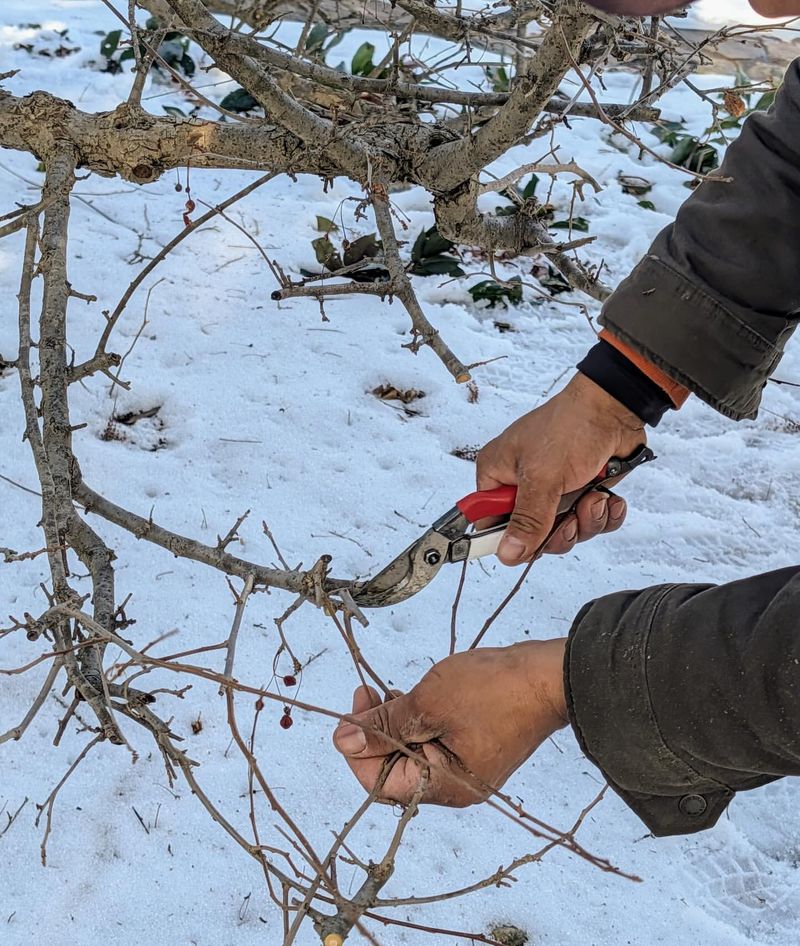
Michigan weather patterns create particularly challenging conditions for winter pruning with frequent temperature swings that alternate between freezing and thawing.
These fluctuations cause moisture to expand and contract within plant tissues, creating internal stress that can split branches or damage cells.
When you make pruning cuts during these unstable periods, you expose fresh wounds to these damaging cycles, significantly increasing the risk of injury that will impact spring flowering.
Water absorbed into pruning wounds during mild periods expands when temperatures drop again, potentially causing the wound to crack open or split along the grain.
Repeated freeze-thaw cycles can extend this damage beyond the original cut, affecting healthy tissue and creating larger wounds that take much longer to heal.
Branches weakened by this process may break under snow loads or simply fail to produce normal growth and flowering when spring arrives.
Monitor weather forecasts carefully before scheduling pruning sessions. Look for periods of consistent cold temperatures without predicted warm spells in the immediate forecast.
Late winter, typically late February through early March in Michigan, often provides the most stable conditions with sustained cold followed by a gradual warming trend. Pruning during these windows minimizes freeze-thaw damage while still completing the work before plants break dormancy.
This timing strategy protects your flowering plants and ensures they have the best possible conditions for producing spectacular spring blooms throughout your garden.
10. Forgetting To Consider Snow And Ice Load
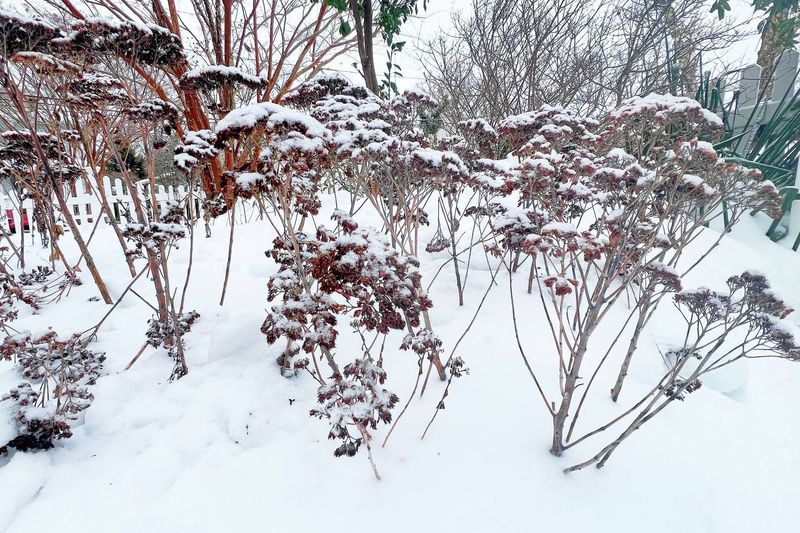
Winter pruning decisions have lasting consequences for how plants handle Michigan’s heavy snow and ice accumulation.
Removing the wrong branches can change weight distribution and structural balance, leaving remaining limbs more vulnerable to breakage under winter weather loads.
Flowering branches that break or bend severely during winter storms often produce fewer blooms or fail to flower at all during the following spring season.
Plants naturally develop branch architecture that distributes weight effectively across their structure. When you remove major limbs without considering this balance, you can inadvertently create weak points where stress concentrates during snow events.
Branches that previously shared loads now bear excessive weight, leading to splitting or breaking at the attachment points. These injuries require healing time and energy that would otherwise go toward flower production when growing season arrives.
Evaluate branch structure carefully before making cuts, considering how snow and ice will settle on the remaining framework. Remove branches that cross or rub together, as these create weak points prone to failure under load.
Thin dense growth to allow snow to fall through rather than accumulating on branch surfaces. Make cuts that maintain the plant’s natural shape and balanced structure.
Strategic pruning that accounts for winter weather challenges protects your flowering plants from storm damage while preserving their ability to produce abundant, beautiful spring blooms that make Michigan gardens so rewarding when warm weather finally returns.