The 9 Herbs That Thrive In Oregon Gardens With Minimal Effort
Herbs are some of the easiest plants to grow, especially in Oregon’s mild climate. With the right choices, they thrive with very little attention, giving you fresh flavors for the kitchen all season long.
Not all herbs are created equal, though. Some need constant watering, pruning, or protection from frost.
Others grow happily on their own, spreading strong roots and producing leaves without fuss.
Oregon’s wet winters and warm summers create perfect conditions for many low-maintenance herbs. They handle rain, occasional drought, and varying soil types better than most vegetables or flowers.
These herbs are reliable, easy to grow, and perfect for beginners or busy gardeners. They add fresh flavor, fragrance, and greenery to any garden with minimal effort.
1. Rosemary
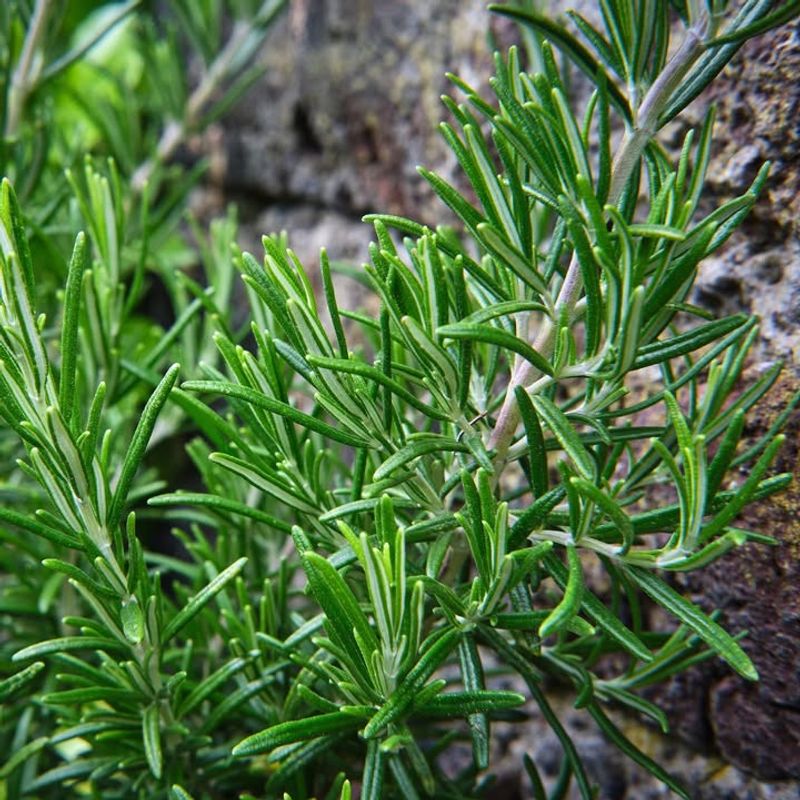
Picture a sunny corner of your garden where water rarely reaches, yet something green and fragrant keeps thriving year after year. Rosemary fits that picture perfectly.
This Mediterranean native loves Oregon’s dry summers and handles our wet winters better than you might expect, especially when planted in well-draining soil.
Rosemary prefers full sun and soil that drains quickly, making it ideal for raised beds or sloped areas where water doesn’t pool. Once established, it needs very little watering during summer months.
The woody stems grow steadily, and you can snip off sprigs whenever you need them for roasting potatoes or seasoning chicken.
Plant rosemary near beans, carrots, or cabbage, as it can help deter pests that bother these vegetables. One common mistake is overwatering, which can lead to root rot in Oregon’s clay-heavy soils.
If your soil holds moisture, mix in some sand or plant rosemary in a container with drainage holes.
During winter, rosemary often stays green and keeps growing slowly. Harvest by cutting stems rather than pulling leaves, which keeps the plant bushy and healthy.
With minimal effort, you’ll have fresh rosemary nearly year-round, adding a taste of the Mediterranean to your Oregon kitchen without constant fussing.
2. Thyme
Walk past a patch of thyme on a warm afternoon and the scent alone will tell you why gardeners love this herb. Low-growing and spreading, thyme forms dense mats of tiny leaves that release fragrance when brushed.
It handles Oregon’s climate beautifully, tolerating both summer heat and winter cold without complaint.
Thyme thrives in full sun and well-draining soil, much like rosemary. It’s perfect for edging pathways, tucking between stepping stones, or filling gaps in rock gardens.
Once planted, thyme asks for very little water, making it ideal for gardeners who forget to irrigate or travel during summer.
This herb pairs well with tomatoes, eggplant, and strawberries in the garden, and some gardeners say it improves the flavor of neighboring plants. Avoid planting thyme in heavy clay without amending the soil first, as standing water can damage the roots.
Add compost or sand to improve drainage if needed.
Harvest thyme by snipping stems before the plant flowers for the strongest flavor, though the flowers are edible and attract beneficial insects. Thyme often stays green through Oregon winters, giving you fresh herbs even in colder months.
Your Oregon Garden Changes Every Week. Your Plan Should Too.
Gardening in Oregon changes quickly throughout the season. Every Friday you’ll receive a simple weekly plan showing exactly what to plant, prune, fertilize, harvest, and protect so you never miss the right timing.
With its tough nature and delicious taste, thyme rewards you with minimal effort and maximum flavor in nearly any garden spot.
3. Oregano
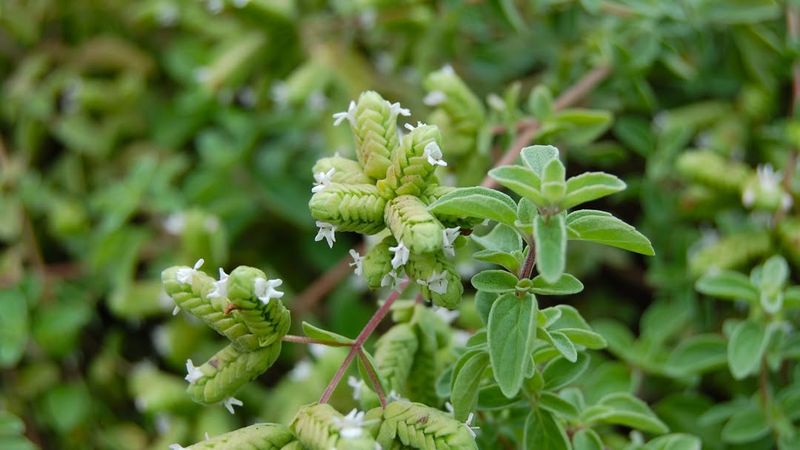
Imagine planting something once and having it spread cheerfully across your garden bed, asking for almost nothing in return. Oregano does exactly that.
This vigorous herb grows quickly, fills in empty spaces, and keeps producing flavorful leaves from spring through fall with hardly any help from you.
Oregano loves full sun but tolerates partial shade, and it grows well in average soil without needing rich amendments. It handles Oregon’s wet winters surprisingly well, especially when planted in spots where water drains away.
During summer, oregano needs occasional watering but bounces back quickly even if you forget.
Plant oregano near peppers, tomatoes, or squash, as it can help repel aphids and other common pests. One mistake gardeners make is planting oregano in overly rich soil, which produces lush leaves with less flavor.
Lean soil actually encourages stronger taste, so skip the heavy fertilizer.
Harvest oregano by cutting stems back by about a third, which encourages bushier growth and more leaves. The flavor intensifies when you dry the leaves, making oregano perfect for storing.
In Oregon gardens, oregano often self-seeds and returns year after year, giving you a reliable supply of this pizza-perfect herb without replanting or much maintenance at all.
4. Sage
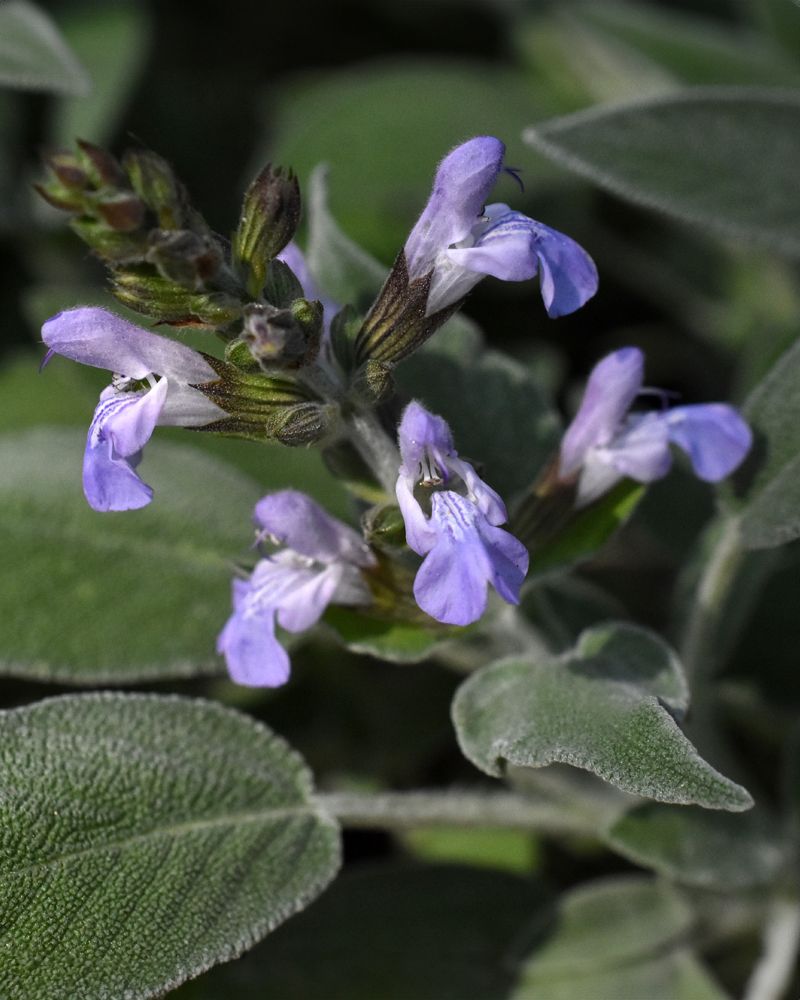
There’s something comforting about sage, with its soft, silvery leaves and earthy aroma that signals fall cooking and holiday feasts. Sage settles into Oregon gardens like it belongs here, tolerating our wet winters and dry summers with remarkable ease.
Once established, this perennial herb becomes a garden fixture that requires minimal attention.
Sage prefers full sun and well-draining soil, though it tolerates partial shade better than some Mediterranean herbs. Plant it in raised beds or on slopes if your soil is heavy clay.
After the first season, sage needs very little supplemental watering, relying mostly on Oregon’s natural rainfall patterns.
Companion planting works well with sage near carrots, tomatoes, and brassicas, as it may help deter cabbage moths and carrot flies. Avoid planting sage near cucumbers, which prefer different moisture levels.
A common mistake is cutting sage back too hard in fall; wait until spring to prune, as the stems protect the plant during winter.
Harvest sage leaves anytime, but the flavor peaks just before flowering. The leaves dry beautifully and keep their flavor for months.
Sage plants can live for several years in Oregon gardens, developing woody stems and becoming more attractive with age. With almost no effort, you’ll have fresh sage for stuffing, sausage, and savory dishes whenever you need it.
5. Chives
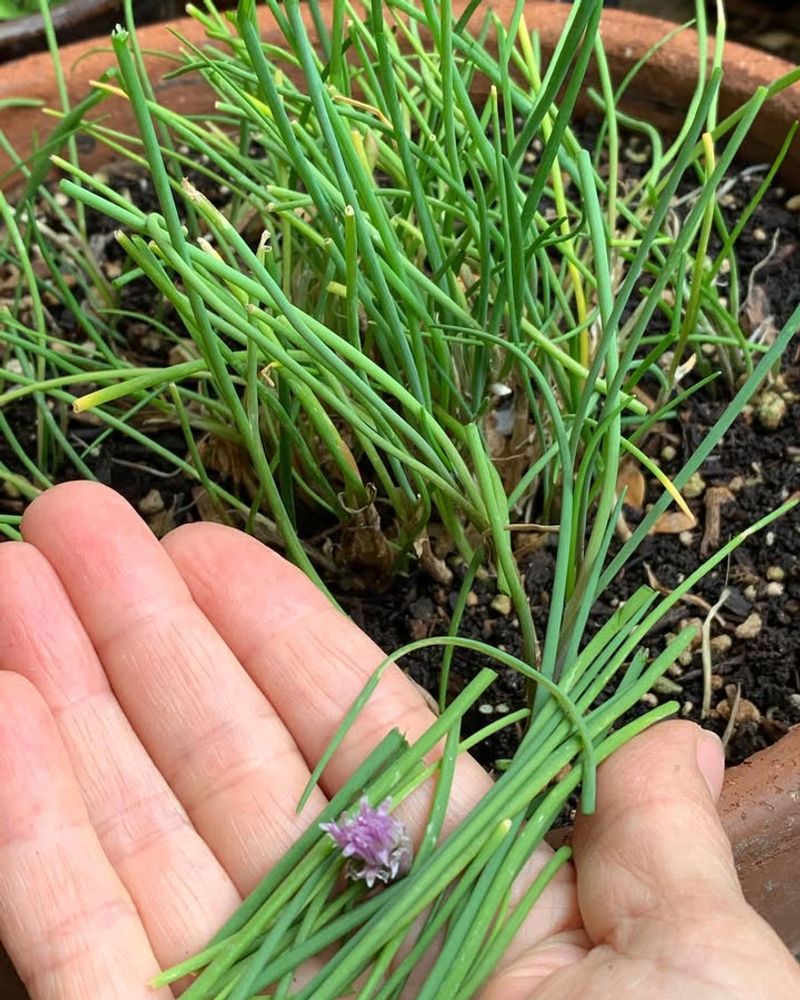
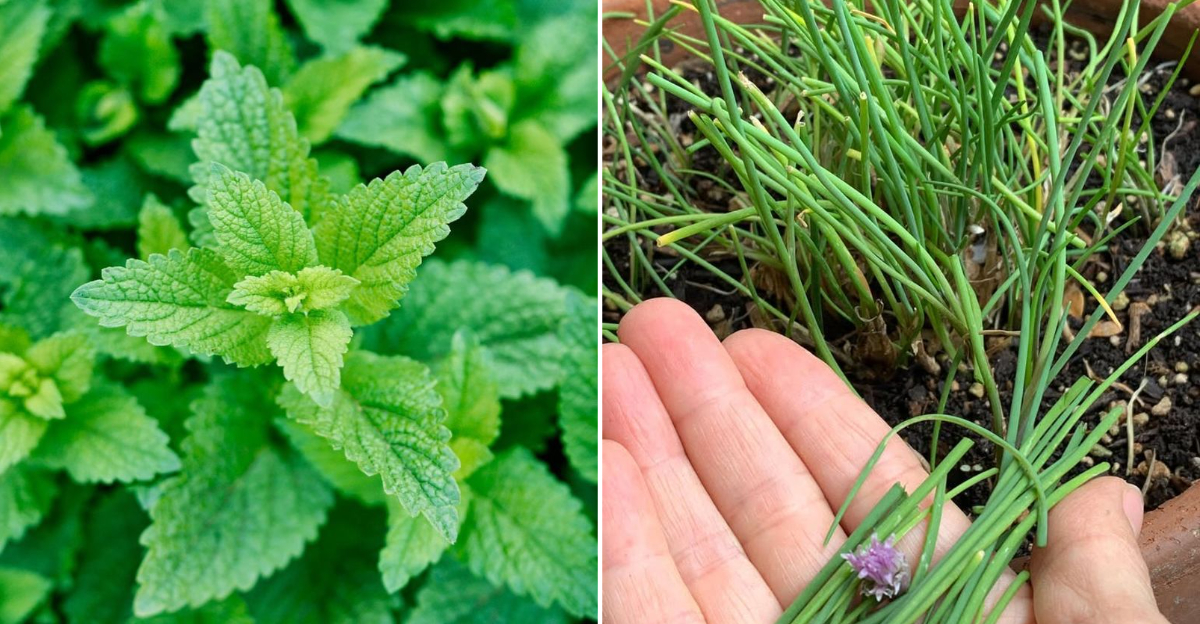
Spring arrives in Oregon gardens with the cheerful emergence of chives, their slender green shoots poking through the soil like tiny green fountains. Chives are one of the easiest herbs you can grow, returning reliably each year and spreading slowly without becoming invasive.
They offer both culinary and ornamental value with minimal effort.
Chives grow well in full sun to partial shade and tolerate a wide range of soil types, including Oregon’s heavier clay soils. They appreciate consistent moisture but don’t demand it, making them forgiving for busy gardeners.
The purple pom-pom flowers that appear in late spring are edible and attract pollinators to your garden.
Plant chives near roses, tomatoes, and carrots, as they may help deter aphids and other pests. They also make excellent border plants along pathways or vegetable beds.
One mistake is letting chives flower too long without harvesting, which can reduce leaf production. Snip off flowers after enjoying their beauty to encourage more leaf growth.
Harvest chives by cutting leaves near the base with scissors, and they’ll regrow quickly. The mild onion flavor brightens salads, baked potatoes, and egg dishes.
Chives wither back in winter but return faithfully each spring, often one of the first herbs to green up your garden. With almost zero maintenance, chives provide fresh flavor and pretty blooms year after year.
6. Mint
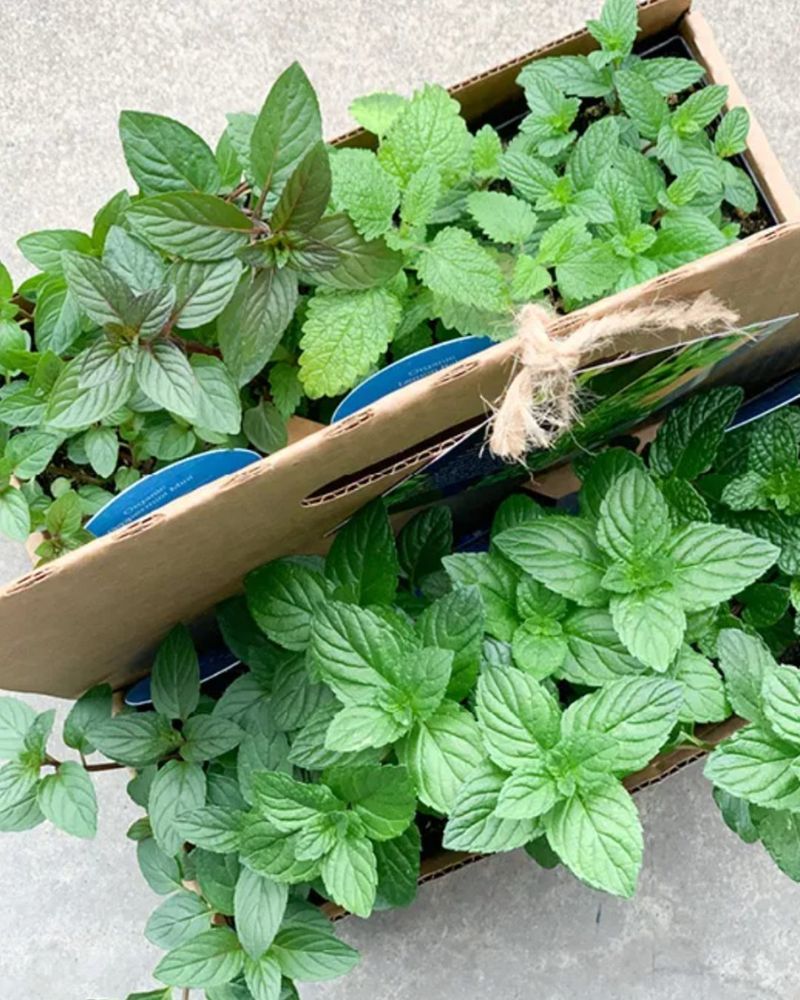
Everyone warns you about mint taking over the garden, but in Oregon, that vigorous growth habit can actually be a blessing. Mint thrives in our climate, growing enthusiastically in spots where other herbs struggle.
The key is planting it where its spreading nature works in your favor, or containing it in pots to keep it under control.
Mint prefers partial shade and moist soil, making it perfect for those damper corners of your yard that stay cool. It grows well in Oregon’s clay soil as long as it doesn’t stay waterlogged.
Mint needs more water than Mediterranean herbs, but Oregon’s natural rainfall often provides enough moisture, especially during spring and fall.
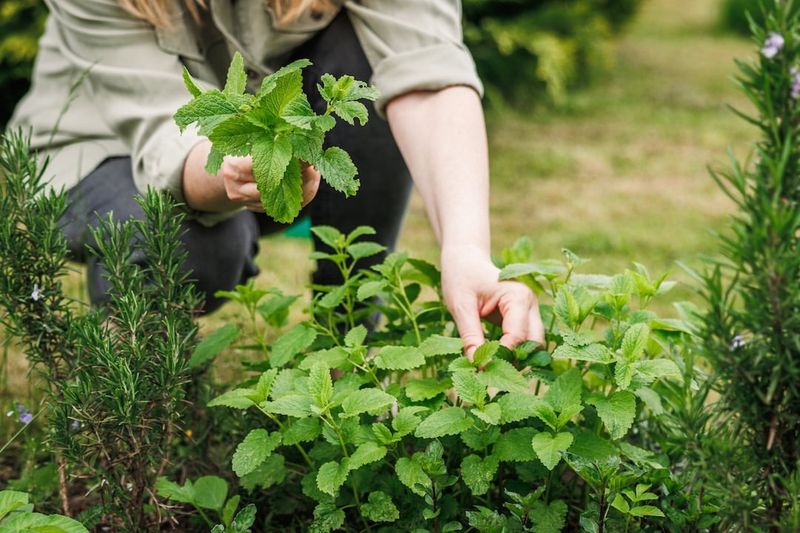
Plant mint near cabbage and tomatoes, though keep it contained so it doesn’t crowd them out. Mint also grows beautifully in large pots on patios, where you can easily snip leaves for tea or mojitos.
The biggest mistake is planting mint directly in garden beds without barriers; consider sinking a large pot into the ground to limit root spread.
Harvest mint by cutting stems back by half, which keeps the plant bushy and productive. The leaves are most flavorful just before flowering.
Mint returns vigorously in spring, often spreading further than you expected. With minimal effort, you’ll have abundant mint for drinks, desserts, and fresh summer salads all season long.
7. Parsley
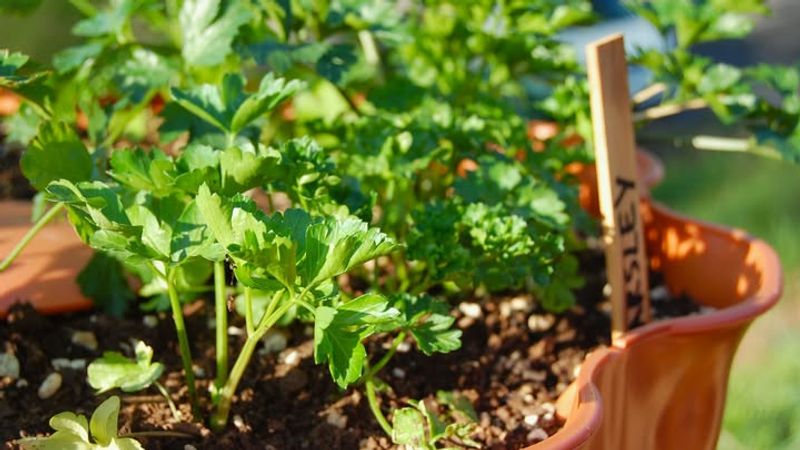
Fresh parsley transforms ordinary dishes into something special, and growing it in Oregon couldn’t be easier. This biennial herb grows vigorously during its first year, producing abundant leaves for salads, soups, and garnishes.
While parsley is technically a biennial, many gardeners treat it as an annual, replanting each spring for the best leaf production.
Parsley grows well in full sun to partial shade and prefers moist, well-draining soil rich in organic matter. It appreciates Oregon’s cooler temperatures and doesn’t mind our wet springs.
Water parsley regularly during dry summer months, and it will keep producing tender leaves. Both curly and flat-leaf varieties grow well here, though flat-leaf parsley often has stronger flavor.
Plant parsley near tomatoes, asparagus, and roses, as it can attract beneficial insects and may improve the growth of neighboring plants.
One common mistake is starting parsley from seed without soaking them first; parsley seeds are slow to germinate, so soak them overnight or buy transplants for quicker results.
Harvest parsley by cutting outer stems at the base, which encourages new growth from the center. The flavor is best before the plant flowers in its second year.
In Oregon’s mild winters, parsley often continues growing slowly, providing fresh herbs even in colder months. With regular harvesting and minimal care, parsley gives you a steady supply of fresh, flavorful leaves throughout most of the year.
8. Lemon Balm
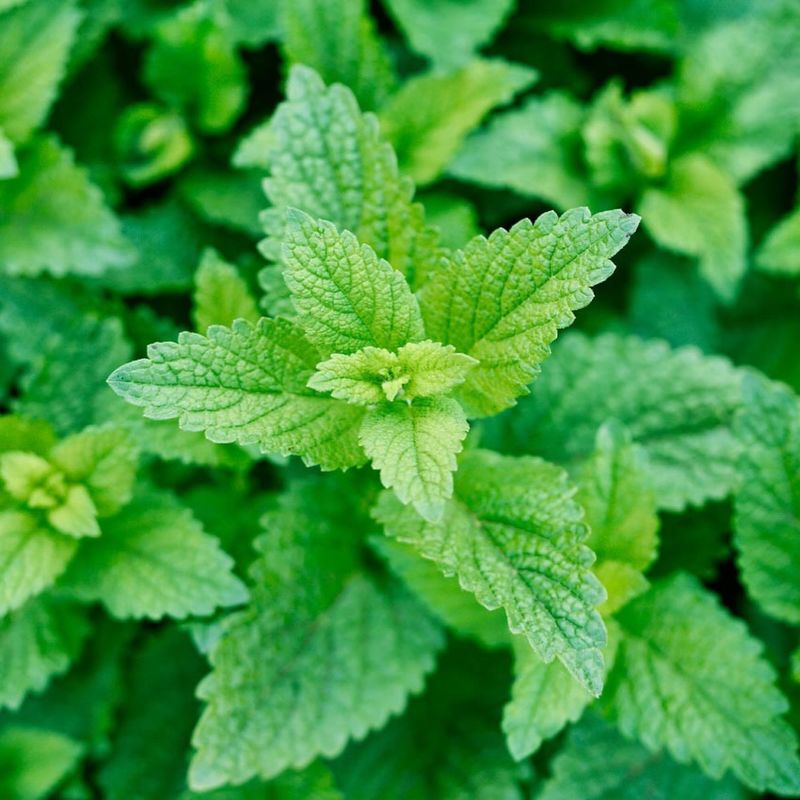
Brush against lemon balm and you’re greeted with a bright, citrusy scent that lifts your mood instantly. This member of the mint family grows enthusiastically in Oregon, tolerating our climate with remarkable ease.
Lemon balm brings both fragrance and flavor to gardens while requiring very little attention from you.
Lemon balm grows well in full sun to partial shade and adapts to various soil types, including Oregon’s clay soils. It prefers consistent moisture but tolerates some drought once established.
Like mint, lemon balm can spread aggressively, so plant it where it has room to roam or contain it in pots.
Plant lemon balm near tomatoes and other vegetables, as it attracts pollinators and beneficial insects. It also makes a lovely border plant or filler in herb gardens.
The main mistake is underestimating how much lemon balm will spread; give it space or use barriers to prevent it from overtaking other herbs.
Harvest lemon balm by cutting stems back regularly, which keeps the plant bushy and prevents it from flowering too quickly. The leaves make wonderful tea, either fresh or dried, and add a lemony note to salads and desserts.
Lemon balm withers back in winter but returns vigorously each spring, often self-seeding around the garden. With minimal effort, you’ll have abundant lemon balm for teas, cooking, and enjoying its cheerful fragrance all season long.
9. Tarragon
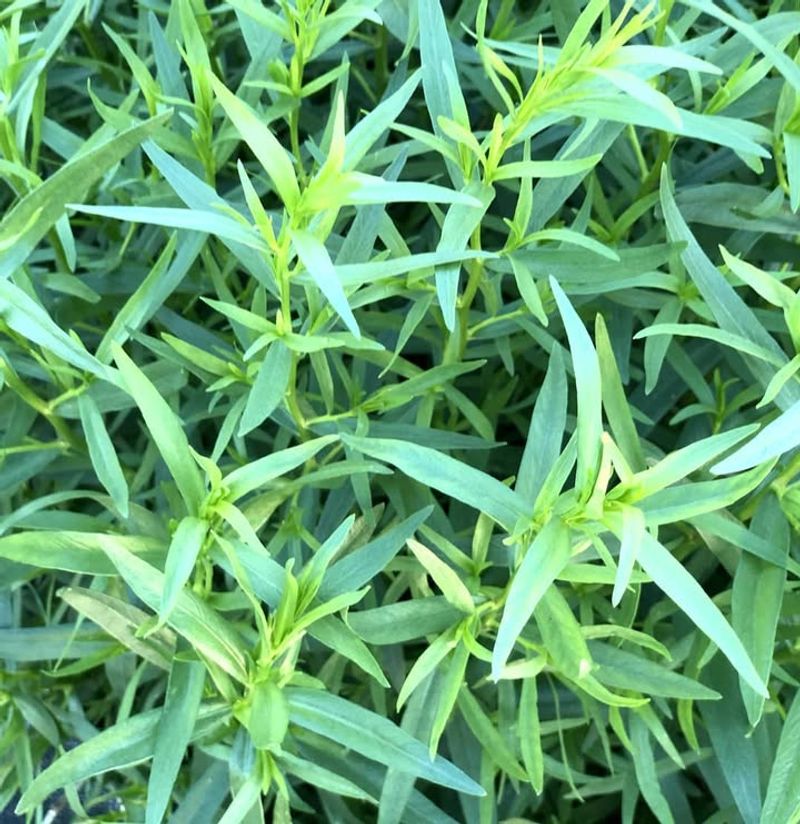
French tarragon brings a sophisticated, anise-like flavor to your kitchen, and growing it in Oregon is surprisingly straightforward. Unlike some herbs that struggle in our wet winters, French tarragon adapts well when planted in the right spot.
This perennial herb becomes a reliable garden resident that produces flavorful leaves with minimal fuss.
Tarragon prefers full sun and well-draining soil, making it ideal for raised beds or areas where water doesn’t sit. It tolerates Oregon’s wet winters better when soil drainage is good, so amend heavy clay with compost or sand.
During summer, tarragon needs occasional watering but handles dry spells reasonably well once established.
Plant tarragon near most vegetables, though it doesn’t have strong companion planting benefits like some herbs. It grows well in herb gardens alongside other Mediterranean herbs with similar needs.
One mistake is buying Russian tarragon instead of French; Russian tarragon has little flavor, while French tarragon delivers the classic taste you want for cooking.
Harvest tarragon by snipping stems throughout the growing season, which encourages bushier growth. The flavor is most intense before flowering.
Tarragon also returns each spring, often growing more vigorously in its second and third years.
With proper drainage and minimal care, you’ll have fresh tarragon for béarnaise sauce, chicken dishes, and vinegars, adding elegant flavor to your cooking with almost no effort.