11 Fast-Growing Crops You Can Harvest Quickly In Oregon
Sometimes you want results fast, and in Oregon gardens, a few quick-growing crops can deliver just that. These plants reach harvest in weeks, not months, so you can enjoy fresh produce sooner.
Not every vegetable grows quickly, especially in cooler spring weather. But certain crops thrive in Oregon’s climate and reward you fast for your effort.
They’re perfect for impatient gardeners or anyone looking to get multiple harvests in a season.
From leafy greens to tender root vegetables, fast-growing crops fill your garden beds, containers, or raised beds without long waits. They also help you test out growing conditions and space before committing to slower crops.
These quick-growing plants make it easy to enjoy your garden almost immediately. Minimal wait, plenty of fresh, tasty results, and the satisfaction of seeing your work pay off fast.
1. Radishes
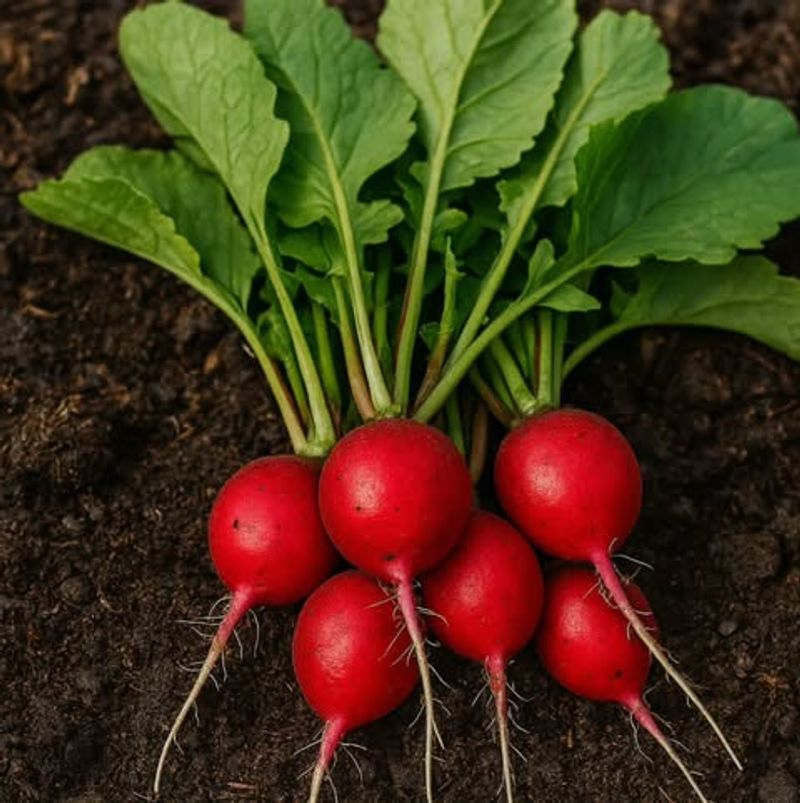
Here comes the magic of growing one of the fastest vegetables you can plant in an Oregon garden.
Radishes race from seed to table faster than almost anything else, making them perfect for impatient gardeners or anyone wanting quick results.
These root vegetables love Oregon’s cool spring temperatures and don’t mind our frequent rain showers. Plant seeds about half an inch deep and space them an inch apart in rows.
They prefer loose, well-draining soil, so if you’re working with heavy Oregon clay, mix in some compost or sand to help those roots expand without resistance.
Full sun works great, but radishes also tolerate partial shade, especially during warmer months. Water them consistently to prevent woody or overly spicy roots.
Harvest when they reach about an inch in diameter, waiting too long makes them pithy and bitter.
Many Oregon gardeners make the mistake of planting radishes too thickly and forgetting to thin them. Give each plant room to develop, and you’ll have crunchy, colorful radishes ready for salads and snacks before your tomatoes even set fruit.
Succession planting every two weeks keeps fresh radishes coming all season long.
2. Lettuce
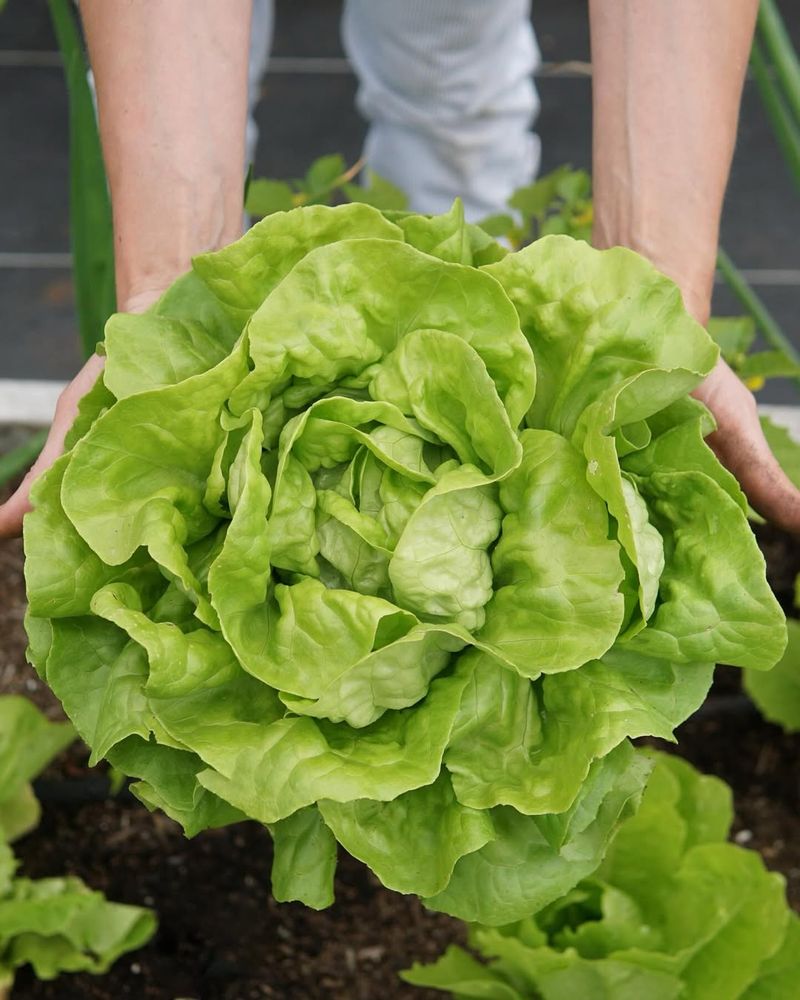
Walk through any Oregon farmers market in spring and you’ll see mountains of leafy greens, proof that lettuce absolutely thrives in our climate. Cool, cloudy days and gentle rainfall create perfect conditions for tender, sweet leaves that mature in as little as 30 days.
Your backyard can produce the same restaurant-quality greens without much effort.
Lettuce seeds are tiny, so plant them shallow, just a quarter inch deep works perfectly. Scatter them in wide rows or broadcast them across a bed, then thin seedlings to about six inches apart once they sprout.
Leaf varieties mature faster than head types, so choose loose-leaf options if speed matters most to you.
Oregon’s spring and fall seasons offer ideal growing windows. Lettuce prefers temperatures between 45 and 70 degrees, which describes most of our spring weather perfectly.
Plant in soil enriched with compost and keep it consistently moist but not waterlogged.
Partial shade helps during warmer months, preventing bolting when temperatures climb. Harvest outer leaves as soon as they reach usable size, allowing the center to keep producing.
Your Oregon Garden Changes Every Week. Your Plan Should Too.
Gardening in Oregon changes quickly throughout the season. Every Friday you’ll receive a simple weekly plan showing exactly what to plant, prune, fertilize, harvest, and protect so you never miss the right timing.
Many gardeners forget that lettuce grows beautifully in containers too, making it accessible even for apartment dwellers with small patios. Plant new seeds every two weeks for continuous harvests through summer.
3. Spinach
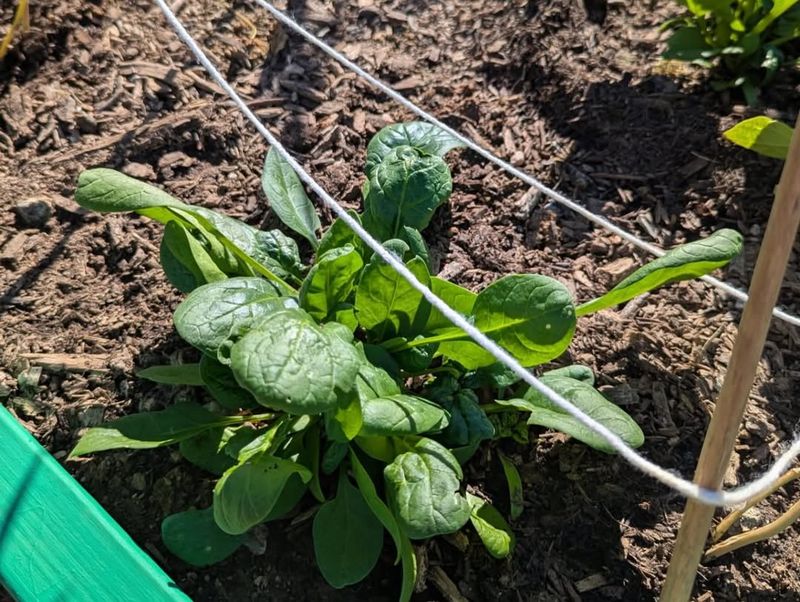
Few vegetables handle Oregon’s unpredictable spring weather as gracefully as spinach does. Rain, clouds, and cool mornings don’t slow it down one bit, in fact, these conditions help produce the sweetest, most tender leaves you’ll ever taste.
Spinach matures in about 40 days, offering nutrient-packed greens long before summer crops even get started.
Plant seeds an inch apart and half an inch deep in rich, well-draining soil. Spinach appreciates nitrogen-rich amendments, so mix in some aged compost or organic fertilizer before planting.
The seeds germinate best in cooler soil, making early spring and fall your prime planting windows in Oregon.
Water regularly to keep soil evenly moist, as drought stress causes spinach to bolt quickly. Full sun works well in spring, but provide afternoon shade if planting in late spring or early summer.
Harvest leaves when they reach four to six inches long, picking outer leaves first to extend the harvest period.
One common mistake Oregon gardeners make involves planting spinach too late in spring. Once temperatures consistently reach the 70s, spinach races to flower and turns bitter.
Time your planting for early March or wait until late August for fall crops. Container growing works wonderfully too, letting you move plants to shadier spots when needed.
4. Arugula
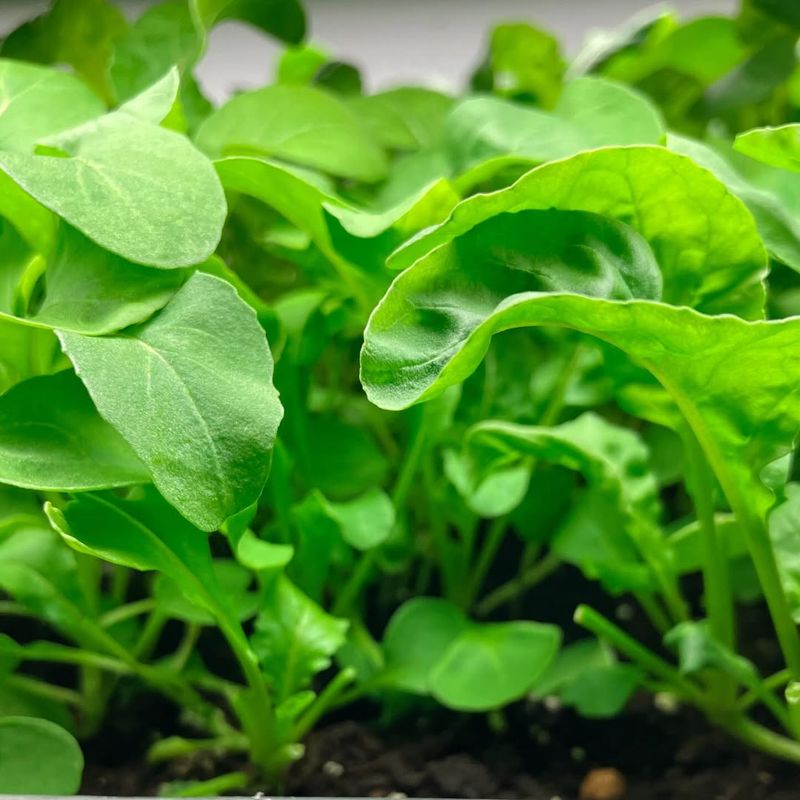
Imagine biting into a salad with that distinctive peppery punch that wakes up your taste buds, that’s arugula, and it grows like a weed in Oregon gardens.
This Mediterranean green actually prefers our cool, moist climate over hot summers, maturing in just 30 to 40 days from seed.
Gardeners often describe it as nearly foolproof, perfect for beginners or anyone wanting guaranteed success.
Scatter seeds thinly across prepared beds, barely covering them with soil. Arugula doesn’t demand much average soil works fine, though mixing in compost never hurts.
Space plants about four inches apart once they germinate, or grow them densely for baby greens you can harvest by cutting the entire patch.
Oregon’s spring and fall weather suits arugula perfectly. Plant in full sun during cooler months, but provide some afternoon shade if growing in late spring.
Water consistently to prevent the leaves from becoming too spicy or tough, though arugula tolerates dry conditions better than lettuce does.
Harvest leaves when they reach two to four inches long for the mildest flavor. Larger leaves pack more heat, which some people love and others find overwhelming.
Watch for flea beetles, tiny jumping insects that leave small holes in leaves – row covers prevent most damage. Succession planting every three weeks keeps fresh arugula coming all season.
5. Green Onions
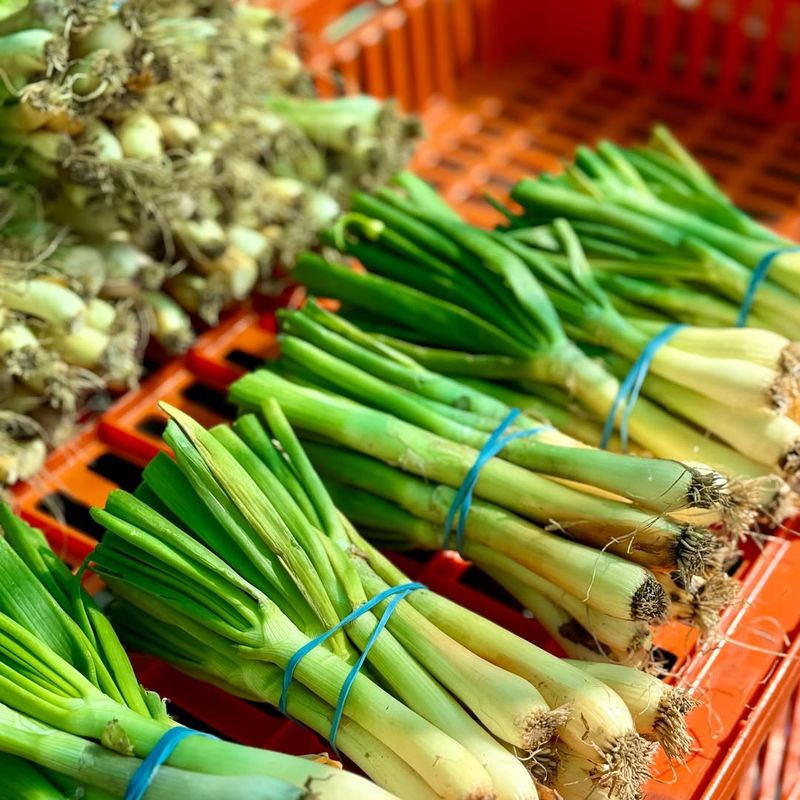
Stand in your kitchen chopping store-bought green onions and you might notice those white roots at the bottom. Stick those in your Oregon garden soil and they’ll regrow in just weeks, giving you fresh scallions without buying new seeds.
Even faster, plant sets or seeds and harvest tender shoots in 60 days or less, with continuous harvests possible for months afterward.
Plant seeds about a quarter inch deep and one inch apart, or push sets (small bulbs) into soil until just the tips show. Green onions tolerate various soil types common across Oregon, from sandy loam to heavier clay, as long as drainage is reasonable.
They appreciate consistent moisture but forgive occasional dry spells better than many vegetables.
Full sun produces the best growth, though partial shade works too. Green onions grow beautifully in containers, window boxes, or tucked between other plants as companions.
Many Oregon gardeners plant them alongside carrots, lettuce, or tomatoes since they take up minimal space and deter some pests.
Harvest by pulling entire plants when they reach pencil thickness, or cut leaves an inch above soil level and let them regrow. Leaving roots in place provides multiple harvests from the same planting.
Common mistakes include planting too deeply or letting soil dry out completely during hot spells. Green onions planted in fall often overwinter successfully in milder Oregon zones, providing early spring harvests.
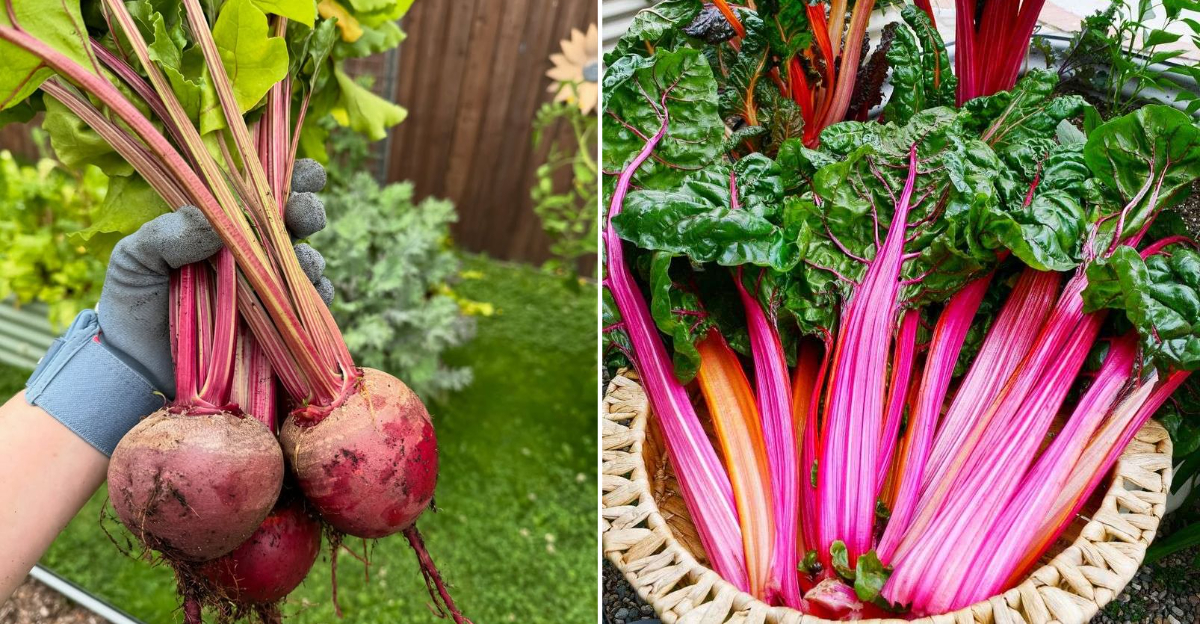
6. Beets
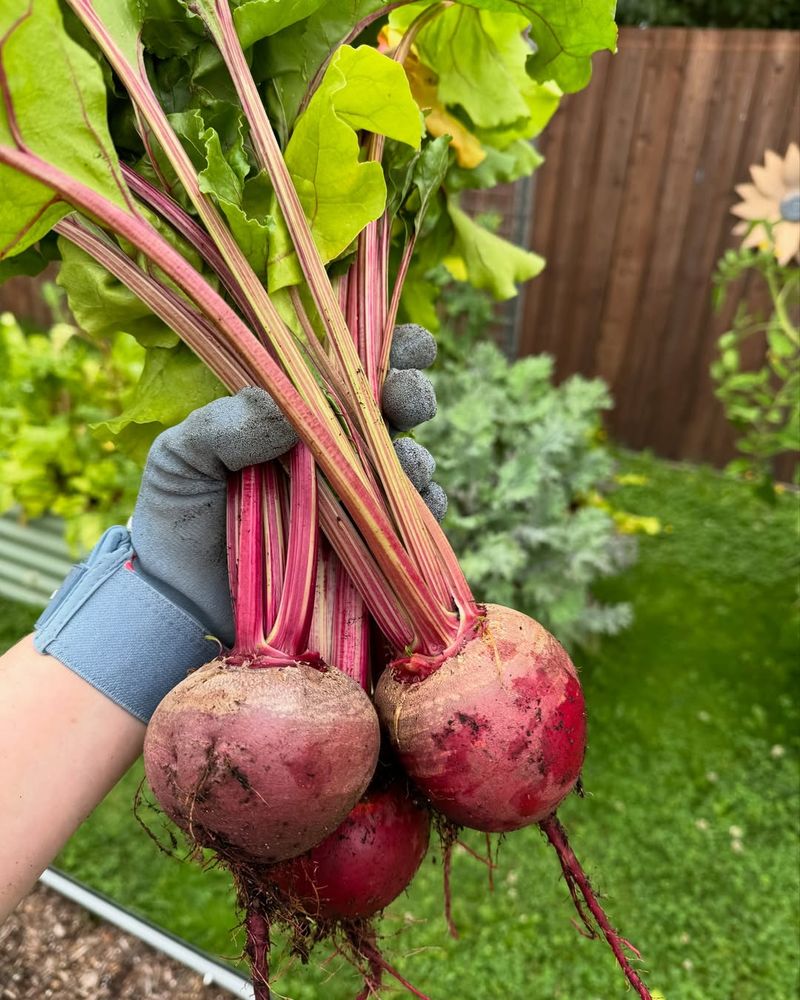
Wait about 50 to 60 days after planting and you’ll pull gorgeous, jewel-toned roots from your Oregon garden, but here’s a bonus most people overlook. Those leafy greens growing above ground are edible too, harvestable much sooner than the roots themselves.
Beets give you two crops in one, making them incredibly efficient for gardeners wanting maximum production from limited space.
Plant beet seeds about half an inch deep and two inches apart. Each wrinkled seed actually contains multiple seeds, so expect clusters of seedlings to emerge.
Thin these to one strong plant every three to four inches, using the thinned baby greens in salads.
Beets appreciate Oregon’s cool springs and falls, tolerating light frosts that would damage more tender crops. They prefer loose, well-draining soil with a slightly acidic to neutral pH.
Heavy clay can cause misshapen roots, so amend your beds with compost or plant in raised beds if your soil is particularly dense.
Water consistently throughout the growing season, as irregular moisture causes woody or cracked roots. Full sun works best, though beets tolerate partial shade better than many root vegetables.
Harvest when roots reach two to three inches in diameter for the sweetest flavor. Larger beets often become tough and fibrous.
Many Oregon gardeners succession plant beets every three weeks through summer for continuous harvests into fall.
7. Kale
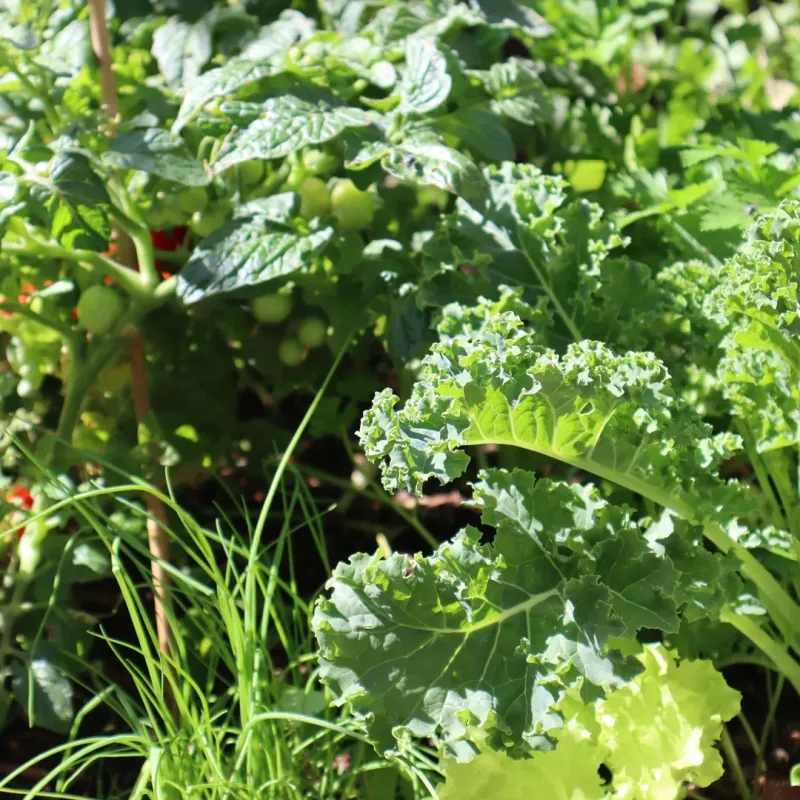
Oregon winters might slow down most vegetables, but kale laughs at cold weather and keeps producing through frosts that send other plants into dormancy.
This hardy green matures in about 50 to 65 days, providing nutrient-dense leaves that actually taste sweeter after experiencing some chilly nights.
Gardeners across the state rely on kale for year-round harvests with minimal fuss.
Plant seeds half an inch deep and space them 12 to 18 inches apart, or start with transplants for even faster results. Kale tolerates various soil types but performs best in rich, well-draining beds amended with compost.
It needs consistent moisture, especially during dry summer months, though established plants handle brief dry spells reasonably well.
Full sun produces the most vigorous growth, but kale tolerates partial shade better than many vegetables, making it useful for those tricky garden spots under trees or beside fences.
Harvest outer leaves when they reach usable size, leaving the central growing point intact for continuous production.
Many Oregon gardeners make the mistake of harvesting entire plants instead of individual leaves, ending production unnecessarily early. Baby leaves taste milder and work beautifully in salads, while mature leaves suit cooking better.
Watch for aphids and cabbage worms, common pests easily managed with insecticidal soap or row covers. Kale planted in late summer produces through winter in most Oregon zones, providing fresh greens when little else grows.
8. Bush Beans
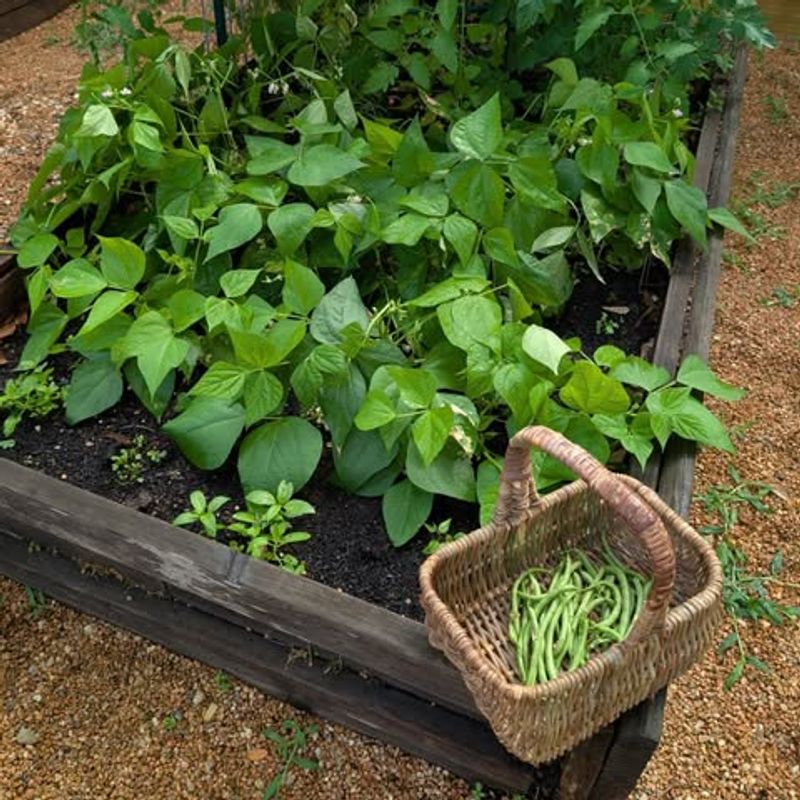
Nothing announces summer quite like the sight of green beans dangling from compact plants, ready to pick just 50 to 60 days after planting.
Bush varieties grow without needing trellises or supports, making them perfect for Oregon gardeners working with limited space or anyone wanting simple, productive crops.
These reliable producers thrive in our warm summers once soil temperatures rise above 60 degrees.
Plant seeds an inch deep and three inches apart after the last frost date passes, usually mid-April in the Willamette Valley and later in higher elevations. Bush beans prefer well-draining soil enriched with compost, though they’re less fussy than many vegetables.
Their roots fix nitrogen from the air, actually improving soil for crops planted afterward.
Full sun produces the heaviest yields, and consistent moisture keeps pods tender and productive. Beans planted in Oregon’s clay-heavy soils benefit from raised beds or heavily amended planting areas to improve drainage.
Water at soil level rather than overhead to prevent disease issues common in our humid climate.
Harvest beans when pods reach four to six inches long but before seeds inside bulge noticeably. Pick frequently – every two to three days – to keep plants producing.
Many gardeners forget that letting pods mature signals the plant to stop flowering and setting new beans. Succession planting every three weeks extends your harvest through September, providing fresh beans for months.
9. Swiss Chard
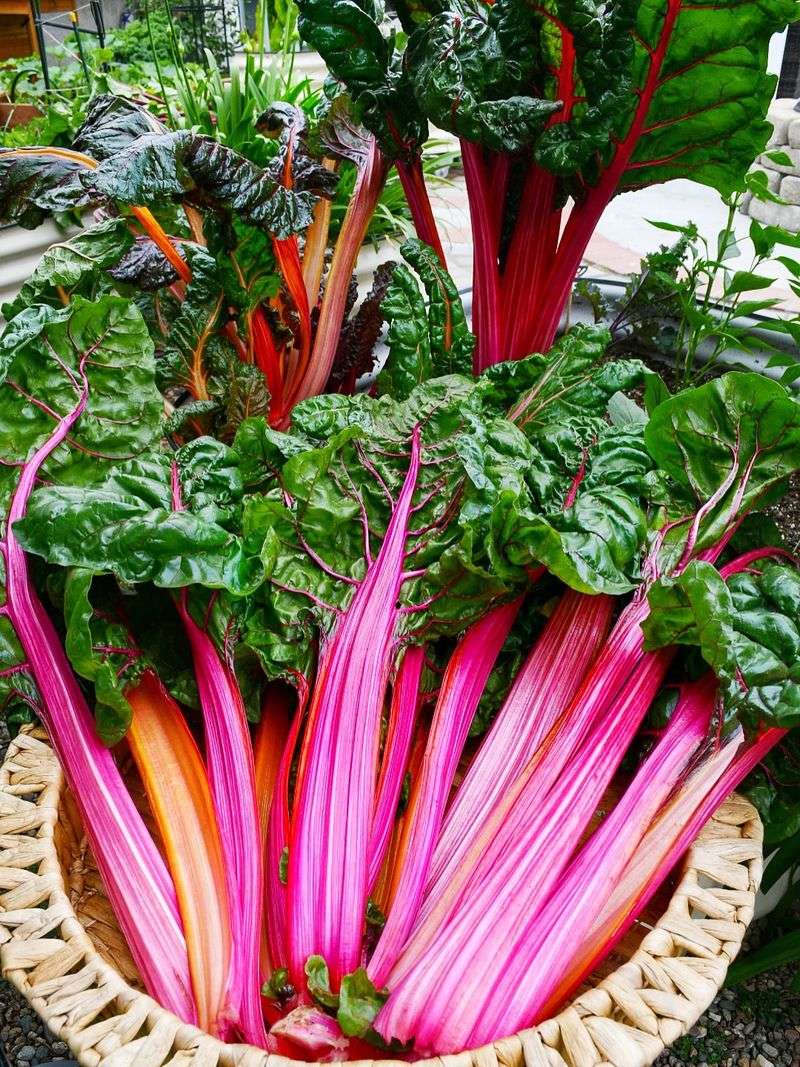
Bright stems in shades of red, yellow, orange, and white catch your eye from across the garden, making Swiss chard as ornamental as it is productive.
This underrated green matures in about 50 to 60 days and tolerates both heat and cold better than most leafy vegetables.
Oregon gardeners appreciate chard’s forgiving nature – it keeps producing even when you forget to water occasionally or temperatures swing unexpectedly.
Plant seeds half an inch deep and six inches apart in rows. Like beets (they’re related), each seed contains multiple seeds, so thin clusters to one strong plant per spot.
Chard grows in various soil types but prefers rich, well-draining beds with plenty of organic matter mixed in.
Full sun produces the most vigorous growth, though chard tolerates partial shade reasonably well, especially during hot summer months.
Water regularly to keep leaves tender and prevent bolting, though established plants handle dry spells better than lettuce or spinach.
Chard rarely suffers from serious pest problems in Oregon gardens, making it wonderfully low-maintenance.
Harvest outer leaves when they reach six to eight inches long, leaving the central growing point to produce more. The stems and leaves cook separately since stems need longer cooking times.
Many Oregon gardeners plant chard in spring and harvest continuously through the first frosts of fall. Rainbow varieties add stunning color to both gardens and dinner plates, making vegetables exciting even for picky eaters.
10. Cilantro
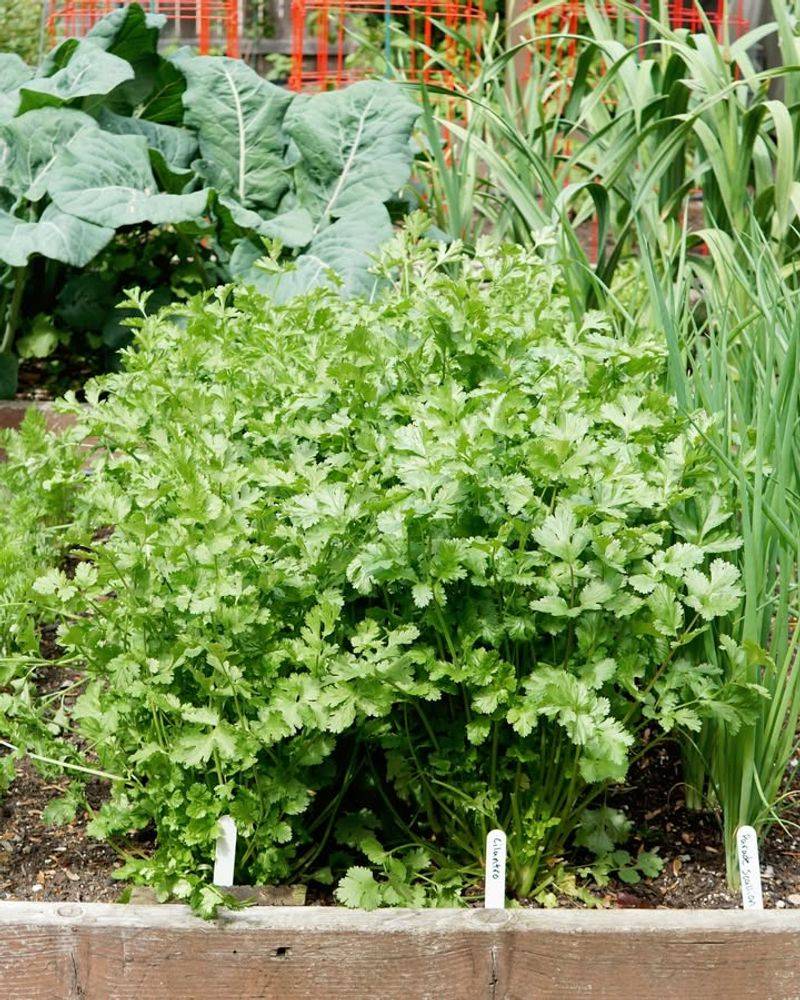
Salsa lovers and taco enthusiasts celebrate when cilantro seedlings emerge in their Oregon gardens, knowing fresh herbs will be ready in just 40 to 50 days.
This quick-growing herb thrives in our cool springs and falls, though it bolts rapidly once temperatures climb into the 80s.
Smart gardeners plant it early and often, succession planting every three weeks to maintain steady supplies through the growing season.
Scatter seeds directly in garden beds or containers, covering them lightly with about a quarter inch of soil. Cilantro develops a taproot that dislikes transplanting, so direct seeding works better than starting plants indoors.
Space plants about six inches apart, or grow them more densely if harvesting entire plants rather than individual leaves.
Partial shade helps prevent bolting during warmer months, making cilantro perfect for spots that don’t receive all-day sun. It tolerates various soil types common in Oregon but prefers well-draining beds that don’t stay soggy.
Water consistently, especially during dry spells, as drought stress triggers flowering.
Harvest leaves once plants reach six inches tall, cutting outer stems and leaving the center to keep growing. Many Oregon gardeners struggle with cilantro bolting too quickly, planting slow-bolt varieties helps, as does providing afternoon shade in late spring.
Let a few plants flower and set seed (coriander) for both next year’s crop and culinary use. Cilantro planted in late August often overwinters in mild Oregon zones, providing early spring harvests.
11. Bok Choy
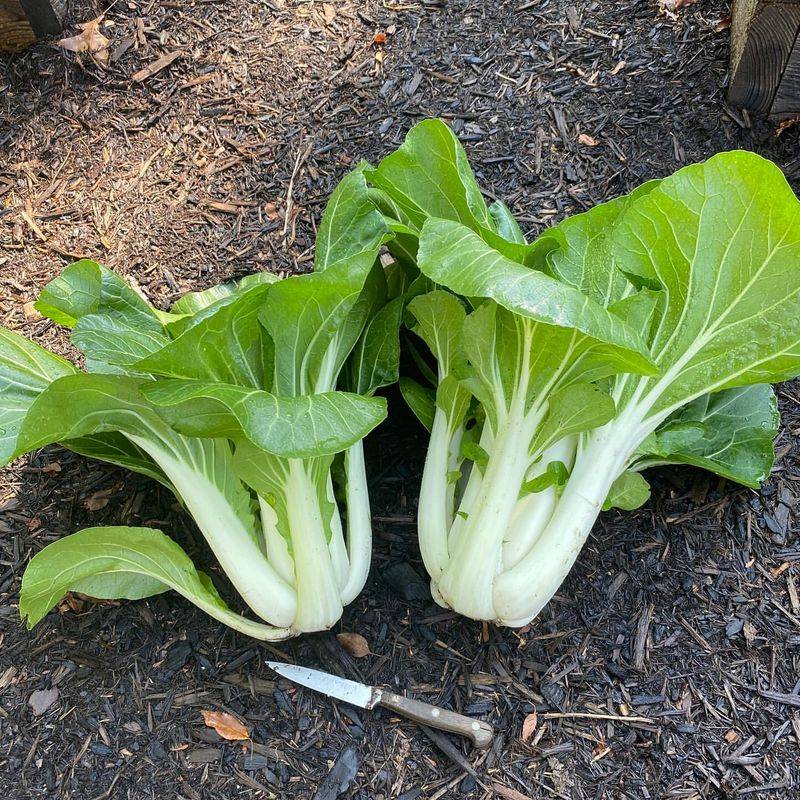
Asian greens have quietly become favorites among Oregon gardeners who appreciate vegetables that mature quickly and tolerate cool weather beautifully. Bok choy delivers both, producing tender, mild-flavored heads in just 45 to 60 days from seed.
Its compact size works perfectly for raised beds, containers, or tucking between slower-growing crops, maximizing every inch of garden space.
Plant seeds half an inch deep and thin seedlings to eight inches apart once they emerge. Bok choy prefers rich, well-draining soil kept consistently moist throughout the growing season.
It thrives in Oregon’s cool spring and fall weather, tolerating light frosts that would damage more tender vegetables.
Full sun works well during cooler months, but provide afternoon shade if growing in late spring or summer. Bok choy grows quickly, so it benefits from soil amended with compost or a balanced organic fertilizer applied at planting.
Water regularly, as drought stress causes plants to bolt before forming proper heads.
Harvest entire plants when they reach six to ten inches tall, cutting at soil level. Baby bok choy varieties mature even faster, ready in as few as 30 days.
Watch for flea beetles and aphids, common pests easily managed with row covers or insecticidal soap. Many Oregon gardeners plant bok choy in late summer for fall harvests, taking advantage of cooling temperatures that produce the sweetest, most tender greens.
Succession planting every three weeks keeps fresh bok choy available for stir-fries and salads throughout the season.