Oregon Grape vs. Holly: Which One Thrives Better In Oregon Yards?
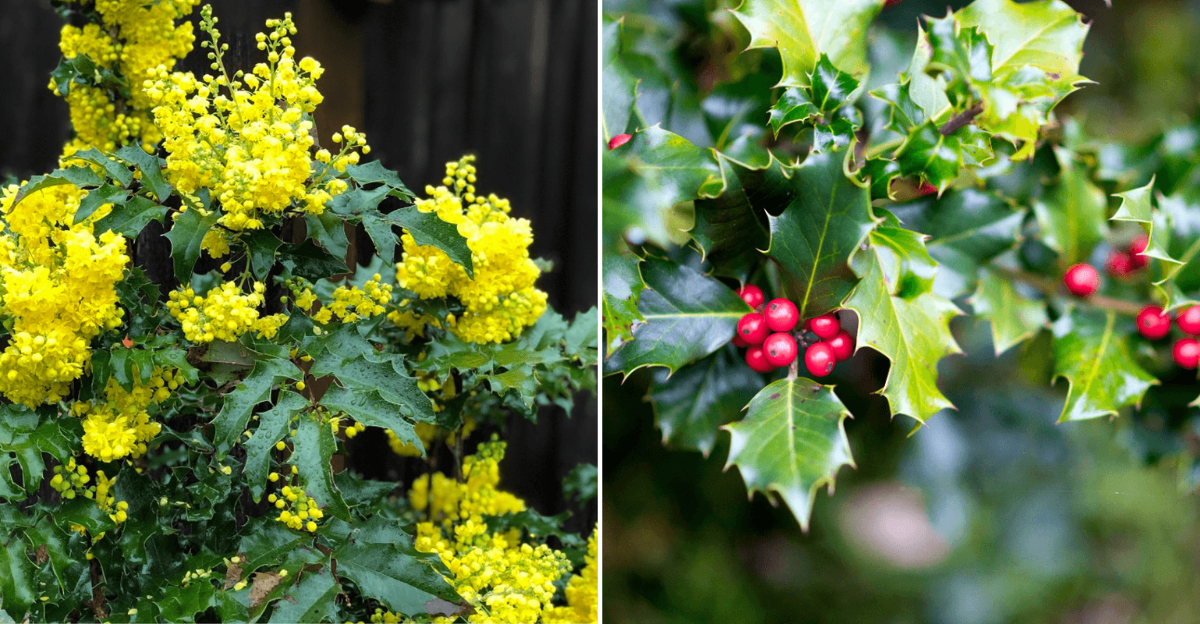
Oregon grape and holly are both popular choices for Oregon yards, but they’re very different in how they grow and thrive. Choosing the right one can make a big difference in your garden’s success.
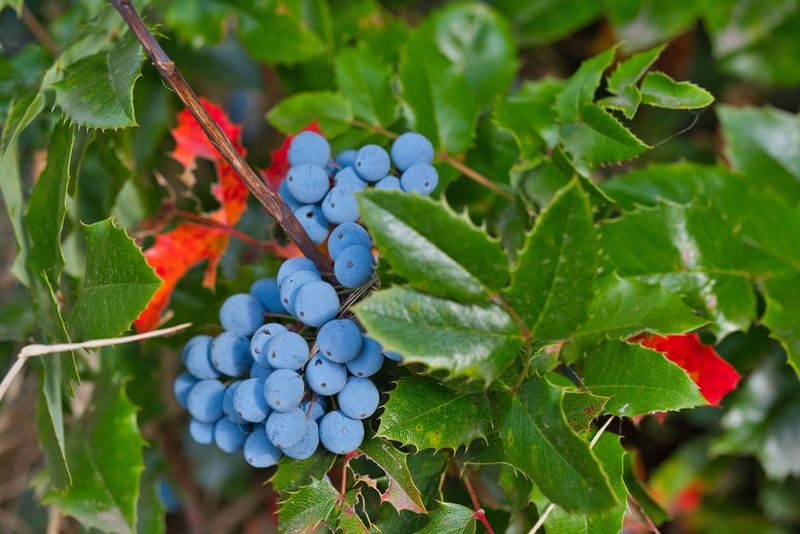
Oregon grape is native, hardy, and low-maintenance. It handles shade, tolerates poor soil, and produces bright yellow flowers and blue berries that attract birds.
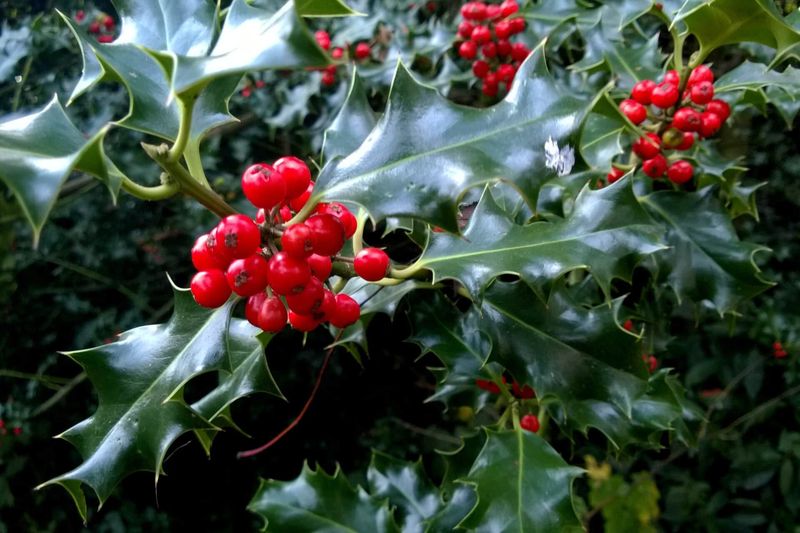
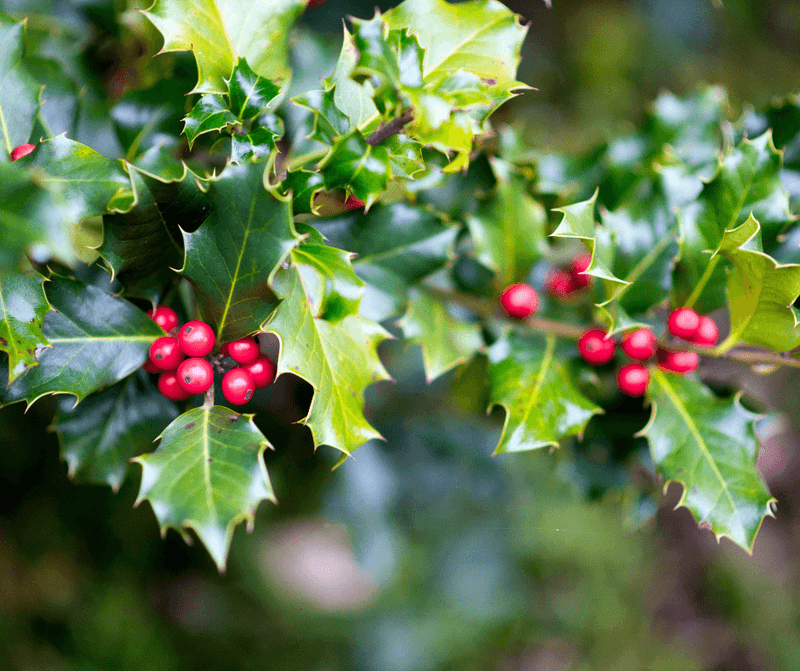
Holly, on the other hand, is often showier with glossy leaves and red berries, but it can require more care, proper pruning, and attention to soil and sunlight conditions.
Understanding their strengths helps you pick a plant that fits your yard, lifestyle, and local climate. Oregon’s wet winters and dry summers favor some plants over others, so placement and care matter.
Comparing Oregon grape and holly side by side shows which one is easier to grow, more resilient, and better suited for long-term success in local gardens.
Sunlight Preferences
Let’s say you have two shrubs planted side by side in your backyard. One basks happily in dappled shade under a Douglas fir, while the other stretches toward every bit of sunlight it can find.
Oregon Grape and Holly have very different ideas about what makes a perfect sunny spot, and understanding these preferences can mean the difference between a thriving plant and a struggling one.
Oregon Grape is a shade-loving native that actually prefers filtered light or partial shade. In full sun, especially during hot summer months, its leaves can scorch and turn bronze or yellow.
This makes it ideal for planting under trees, along north-facing walls, or in woodland garden settings common throughout Oregon.
Holly, on the other hand, tends to perform best in full sun to partial shade. Most holly varieties appreciate at least four to six hours of direct sunlight daily to produce their best berry displays and maintain dense, glossy foliage.
However, they can tolerate some shade, though growth may slow and berries may be less abundant.
If your yard has lots of mature trees and shaded corners, Oregon Grape is your friend. For sunny borders, hedges, or open garden beds, holly will reward you with robust growth and vibrant color year-round.
Soil Needs
Dig a hole in your yard and you might find sticky clay, sandy loam, or something in between. Oregon soils vary widely, and knowing what each shrub prefers can help you avoid constant amendments and frustration.
Oregon Grape is remarkably adaptable to a range of soil types, but it thrives best in well-drained, slightly acidic to neutral soil rich in organic matter. It tolerates clay better than many ornamentals, which is great news for Willamette Valley gardeners dealing with heavy soils.
Adding compost at planting time can improve drainage and provide nutrients without much fuss.
Holly also prefers well-drained, slightly acidic soil but can be pickier about drainage than Oregon Grape. Soggy, compacted clay can lead to root rot and poor growth in holly.
If your yard has heavy clay, consider amending the planting area generously with compost and bark mulch, or plant holly on a slight mound to improve drainage.
Your Oregon Garden Changes Every Week. Your Plan Should Too.
Gardening in Oregon changes quickly throughout the season. Every Friday you’ll receive a simple weekly plan showing exactly what to plant, prune, fertilize, harvest, and protect so you never miss the right timing.
Both plants benefit from mulching to retain moisture and regulate soil temperature. However, Oregon Grape is generally more forgiving if you forget to amend or if your soil is less than ideal.
Holly may need a bit more attention to soil prep upfront to ensure long-term success.
Growth Habit & Size
Imagine planting a small shrub and watching it spread into a low thicket or grow tall and upright like a living fence. Growth habit matters when planning your landscape, and Oregon Grape and Holly have distinct personalities in this regard.
Oregon Grape typically grows as a low to medium-height shrub, reaching about three to six feet tall and spreading slowly through underground rhizomes. Over time, it can form attractive colonies, filling in shaded areas with glossy, pinnate leaves.
This spreading habit makes it excellent for naturalizing, erosion control, or creating layered woodland plantings. However, if you want a tight, formal hedge, Oregon Grape may not cooperate.
Holly varies widely by species, but many common varieties grow upright and dense, reaching six to fifteen feet or more. English holly, for example, can become a substantial evergreen screen or hedge with proper pruning.
Holly generally stays where you plant it, without spreading through rhizomes, making it easier to control in formal garden settings.
Consider your space and goals. Oregon Grape suits informal, naturalistic designs and shaded understory plantings.
Holly excels as a hedge, specimen plant, or formal evergreen accent in sunnier spots where you want height and structure.
Watering Requirements
Stand in your yard during a typical Oregon summer and you might wonder if your plants remember what rain feels like. While our winters are wet, summers can be surprisingly dry, and watering needs vary between these two shrubs.
Oregon Grape is a true Pacific Northwest native, adapted to our wet winters and dry summers. Once established, it requires minimal supplemental watering, even during extended dry spells.
This drought tolerance makes it a low-maintenance choice for water-wise gardens or areas where irrigation is impractical. Young plants benefit from occasional watering during their first summer, but mature Oregon Grape can often go weeks without a drink.
Holly, depending on the species, generally needs more consistent moisture, especially during establishment and dry summer months. English holly and other ornamental varieties appreciate regular watering to maintain lush foliage and berry production.
Without adequate moisture, holly leaves may yellow or drop, and growth can slow significantly.
If you prefer a plant-it-and-forget-it approach, Oregon Grape wins hands down. Holly is not high-maintenance, but it does appreciate a bit more attention during dry periods, particularly in sunnier locations or sandy soils that drain quickly.
Flowering & Fruit
Walk through your garden in spring and you might spot clusters of cheerful yellow blooms on one shrub and inconspicuous flowers on another. Both Oregon Grape and Holly produce berries, but their floral displays and fruiting habits are quite different.
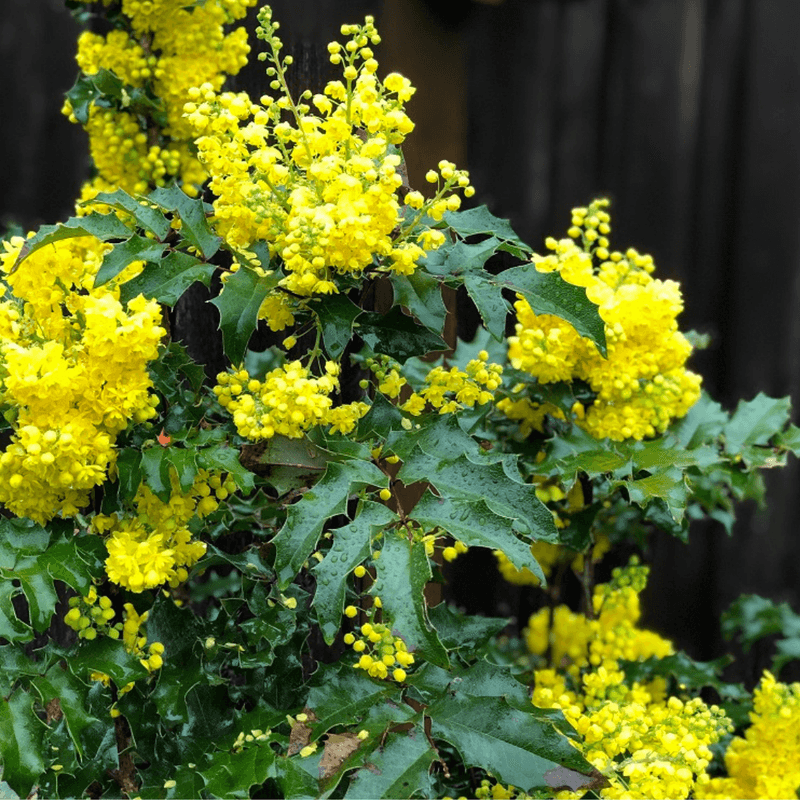
Oregon Grape bursts into bloom in early spring, usually March or April, with showy clusters of bright yellow flowers that stand out beautifully against its dark green foliage. These flowers are fragrant and attract early pollinators like bees.
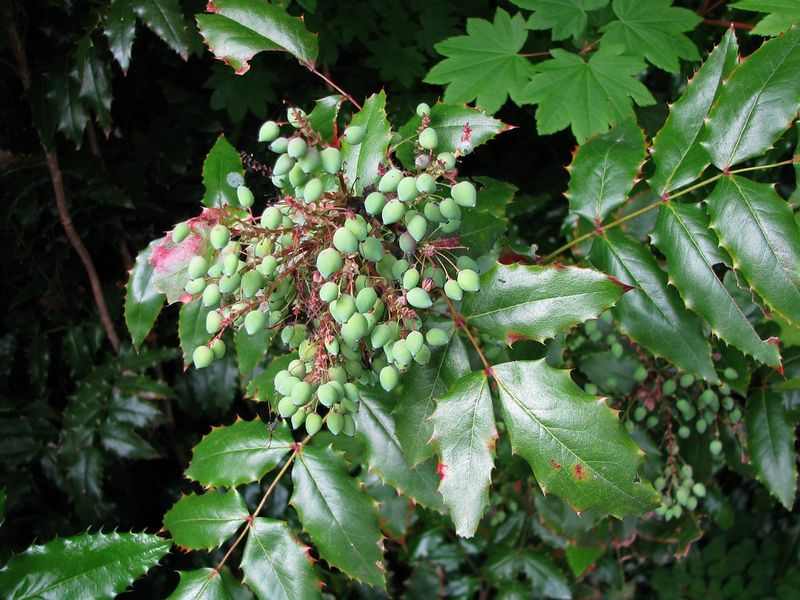
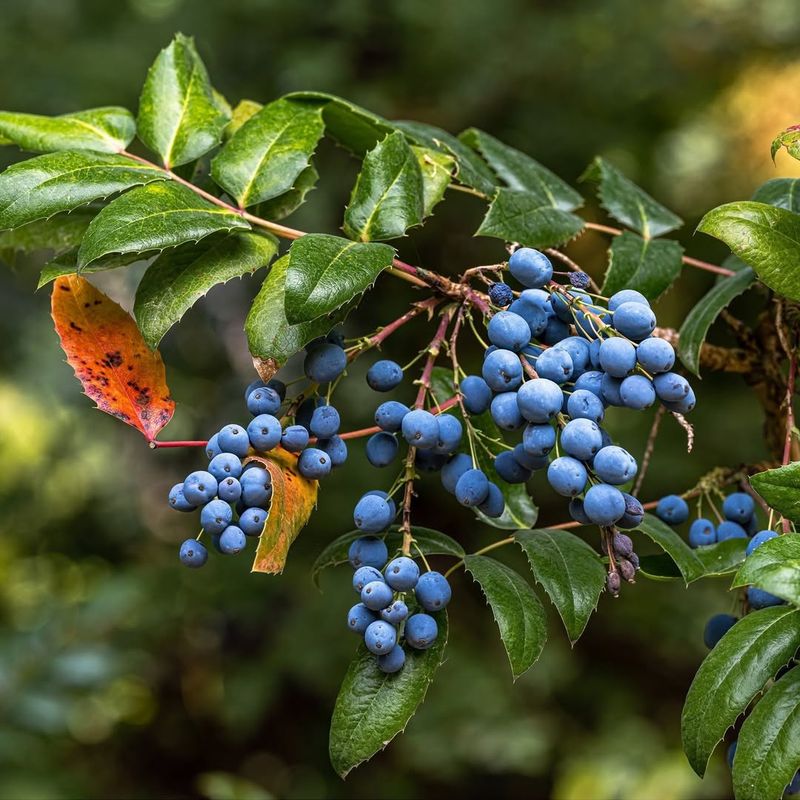
By summer, the flowers give way to clusters of small, blue-purple berries that resemble tiny grapes. The berries are edible, though tart, and can be used for jams or wine.
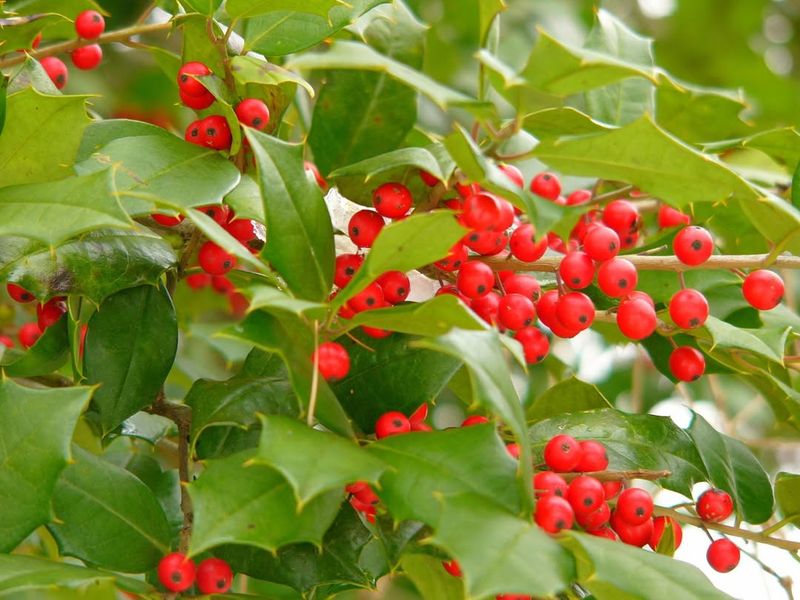
Holly flowers are small, white or greenish, and often overlooked. They appear in late spring, and only female plants produce the iconic red berries that brighten winter landscapes.
You need both male and female holly plants nearby for pollination and berry production, which can be a surprise for new gardeners.
If you want vibrant spring color and easy fruiting, Oregon Grape delivers without requiring a pollinator partner. Holly offers classic winter berries, but you may need to plan for multiple plants to ensure a good berry display.
Wildlife Benefits
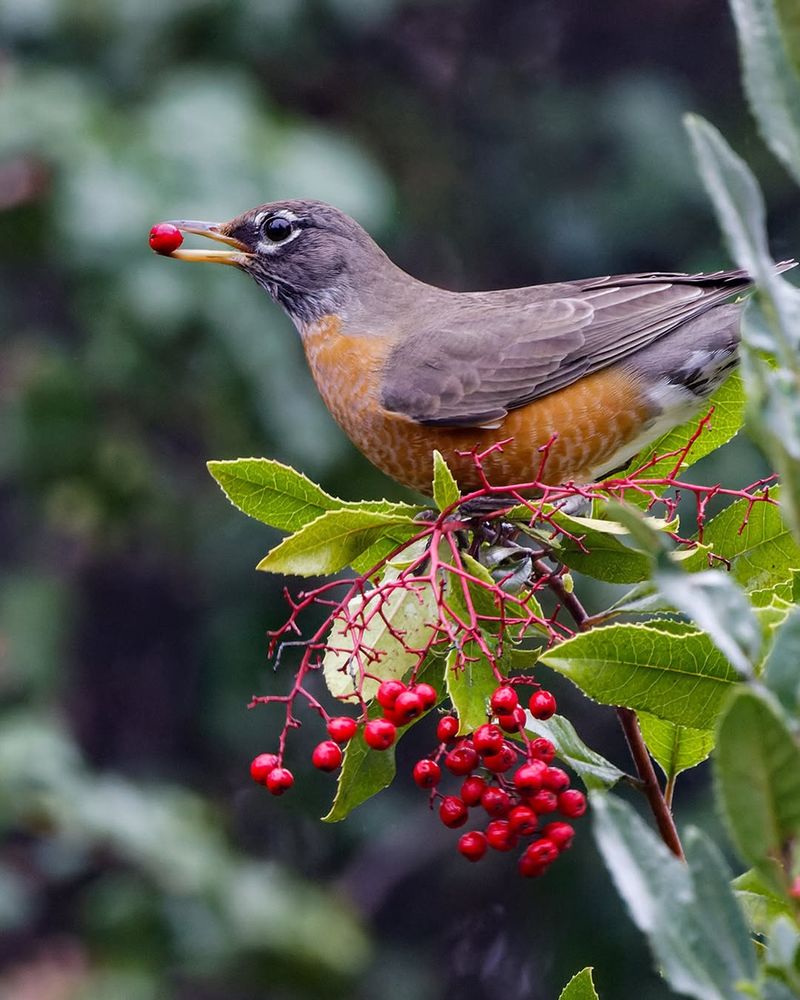
Sit quietly in your yard on a winter morning and you might see a varied thrush hopping among the berries or a hummingbird visiting early blooms. Both Oregon Grape and Holly support wildlife, but in different ways and seasons.
Oregon Grape is a native plant powerhouse for local wildlife. Its early spring flowers provide nectar for native bees and other pollinators emerging from winter dormancy.
The berries feed birds like robins, waxwings, and thrushes throughout summer and fall. Additionally, the dense foliage offers cover and nesting sites for small birds and beneficial insects.
Supporting native plants like Oregon Grape helps maintain healthy ecosystems in your yard.
Holly berries are a favorite winter food source for birds, particularly during cold snaps when other food is scarce. Species like American robin, cedar waxwing, and even occasional migratory birds feast on holly berries.
However, holly is not native to Oregon, so it provides fewer benefits to native insect populations compared to Oregon Grape.
If supporting native biodiversity is important to you, Oregon Grape is the clear winner. Holly still offers valuable winter food for birds, making it a good choice if your priority is attracting feathered visitors during the colder months.
Pest And Disease Resistance
Notice yellowing leaves or chewed foliage on your shrubs and you might start worrying about pests or diseases. Fortunately, both Oregon Grape and Holly are relatively tough, but they face different challenges in Oregon gardens.
Oregon Grape is remarkably resistant to most pests and diseases. Its thick, spiny leaves deter browsing deer and rabbits, and it rarely suffers from serious insect problems.
Occasionally, you might see minor leaf spot or rust, especially in overly wet or shaded conditions, but these issues are rarely severe enough to require treatment. Overall, Oregon Grape is a low-worry plant that thrives without much intervention.
Holly can be susceptible to a few more issues. Leaf miners, scale insects, and holly leaf spot can occasionally appear, particularly on stressed plants or in humid conditions.
Proper spacing, good air circulation, and avoiding overhead watering can help prevent most problems. Deer tend to avoid holly due to its spiny leaves, which is a bonus in areas with heavy browsing pressure.
Both shrubs are generally healthy and resilient, but Oregon Grape requires less vigilance. Holly may need occasional monitoring and care, especially if you notice unusual leaf damage or discoloration during the growing season.
Maintenance & Longevity
Think about how much time you want to spend pruning, feeding, and fussing over your shrubs. Some plants practically take care of themselves, while others need regular attention to look their best.
Oregon Grape is a true low-maintenance champion. Once established, it requires little to no pruning, fertilizing, or special care.
It can live for decades, slowly spreading and filling in shaded areas without becoming invasive or unruly. If it gets too large, you can trim it back lightly after flowering, but many gardeners simply let it do its thing.
This makes Oregon Grape ideal for busy homeowners or those who prefer a naturalistic, hands-off gardening style.
Holly benefits from occasional pruning to maintain shape, encourage dense growth, and remove dead or damaged branches. Annual feeding with a balanced fertilizer can improve berry production and foliage color.
With proper care, holly can also live for many years, often becoming a long-term landscape anchor. However, it does require more regular attention than Oregon Grape to look its best.
If you want a plant that thrives with minimal input, Oregon Grape is hard to beat. Holly is rewarding and beautiful but asks for a bit more of your time and effort over the years.