These Flowers Attract Early Pollinators To Your Arizona Garden
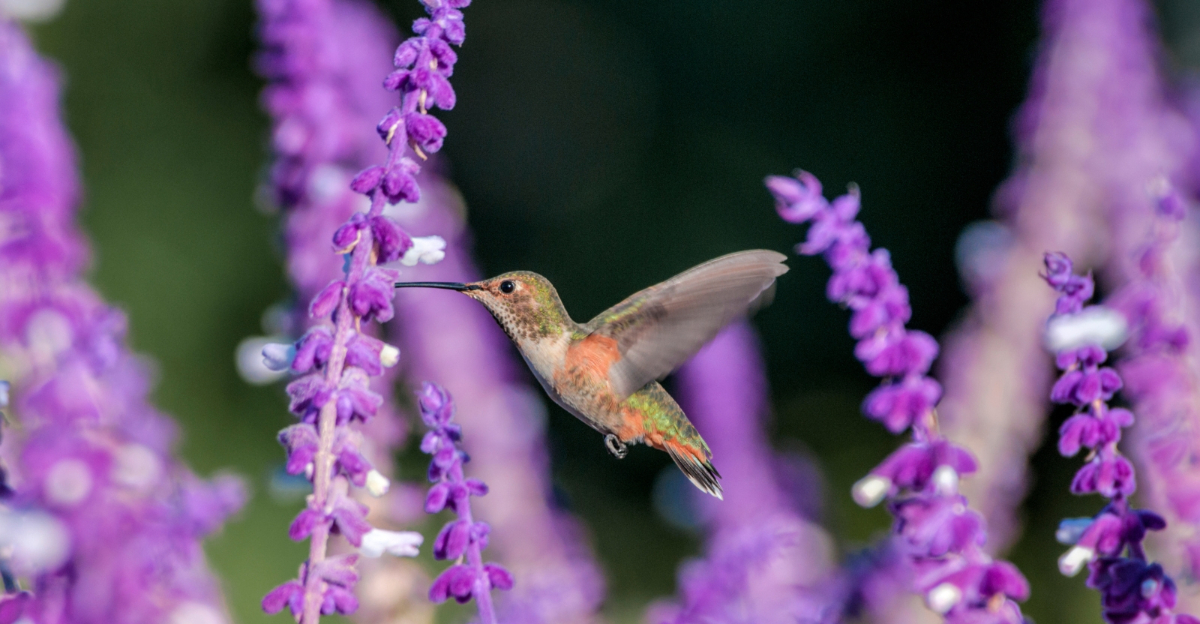
Early in the season, before your Arizona garden feels fully awake, you might notice a quiet moment where almost nothing seems to be moving yet.
Then one morning, a bee drifts past, a butterfly pauses, and suddenly the space feels alive again. That first activity is a good sign, especially after winter, because pollinators are quick to follow what’s ready for them.
In Arizona, those early visitors matter more than many gardeners realize, since heat arrives fast and flowering windows can be short.
Not every plant draws attention right away, and some flowers stay unnoticed until conditions line up just right.
When pollinators show up early and consistently, it’s usually because certain plants are offering exactly what they need at that moment. Adding the right flowers helps create that early welcome without extra effort.
A few thoughtful choices can turn your Arizona garden into a place pollinators return to again and again as the season builds.
1. California Poppy
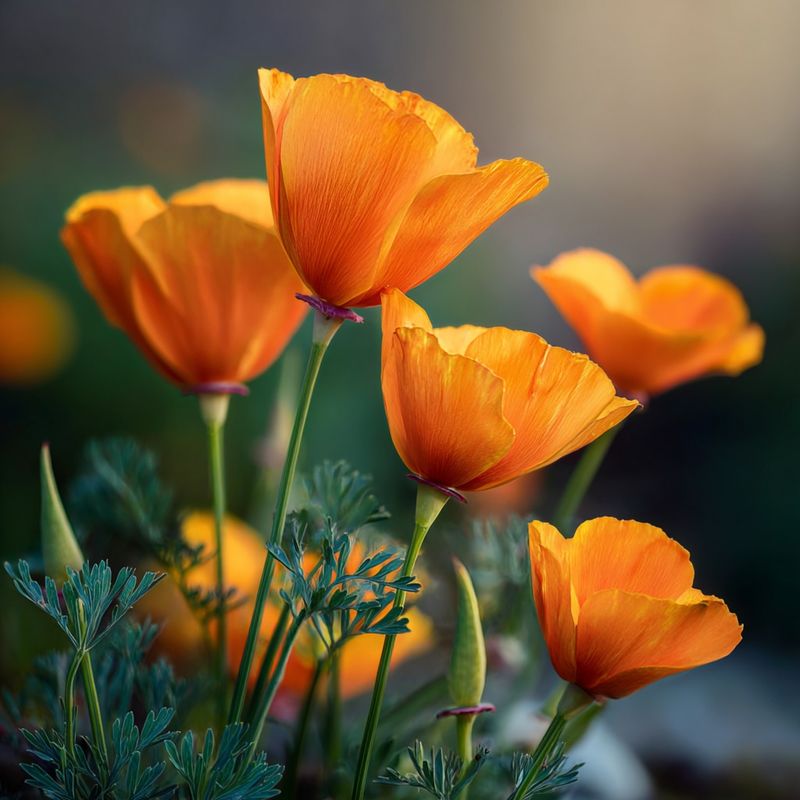
Bright orange petals catch the morning sun and signal bees from yards away.
Your garden will transform into a pollinator paradise when you plant these cheerful blooms across your Arizona landscape.
Native to the Southwest, California poppies handle heat better than most flowers.
They open early in the season and keep producing blooms for months, giving pollinators a reliable food source.
Bees absolutely love the pollen these flowers produce. You’ll notice honeybees and native bees visiting throughout the day, collecting what they need to feed their colonies.
Plant them in full sun for the best results. These flowers don’t need much water once established, making them perfect for Arizona’s dry climate.
Seeds sprout quickly when scattered directly in your garden bed. Within weeks, you’ll see green shoots pushing through the soil, ready to grow.
California poppies reseed themselves naturally.
This means you’ll enjoy their beauty year after year without replanting, creating a self-sustaining pollinator haven.
Pair them with other desert-friendly plants for a stunning display. Their golden color contrasts beautifully with purple and blue flowers, adding visual interest to your space.
Early spring brings the first blooms, attracting pollinators when food sources are scarce. Your garden becomes a lifeline for bees and butterflies emerging from winter.
These flowers thrive in poor soil conditions. You don’t need to amend your Arizona dirt much, which saves time and effort while still supporting local wildlife.
2. Desert Marigold
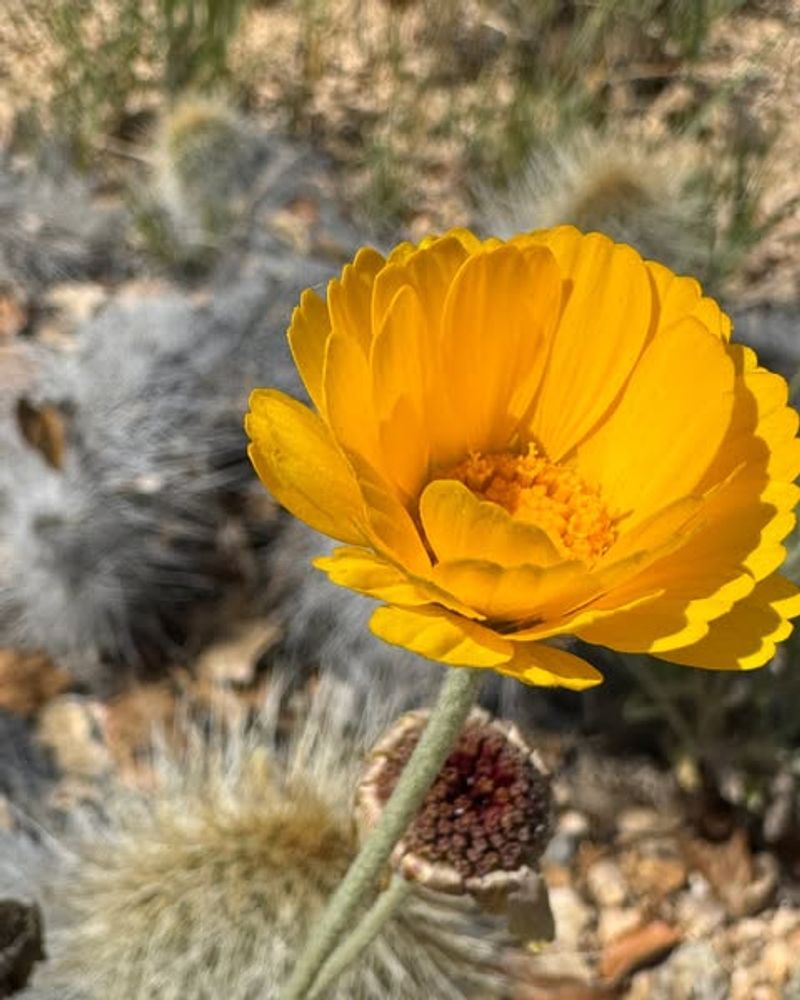
Golden yellow petals create a carpet of sunshine across your Arizona yard.
Pollinators spot these cheerful flowers from far distances, drawn by their vibrant color and sweet scent.
Desert marigolds bloom almost year-round in Arizona’s mild climate.
This extended flowering period provides consistent nourishment for bees and butterflies when other plants aren’t producing.
Native bees prefer these flowers over many imported species. You’ll see solitary bees and bumblebees working the blooms from sunrise to sunset, gathering nectar and pollen.
Drought tolerance makes desert marigolds ideal for water-conscious gardeners. Once your plants establish roots, they need minimal irrigation, thriving on Arizona’s natural rainfall patterns.
Your Arizona Garden Changes Every Week. Your Plan Should Too.
Gardening in Arizona changes quickly throughout the season. Every Friday you’ll receive a simple weekly plan showing exactly what to plant, prune, fertilize, harvest, and protect so you never miss the right timing.
Plant them along pathways or garden borders for maximum impact.
Their low-growing habit creates neat edges while providing accessible food sources for ground-nesting bees.
These flowers self-sow readily in Arizona gardens.
New plants pop up each season, expanding your pollinator buffet without extra work on your part.
Butterflies visit desert marigolds frequently during migration seasons. Your garden becomes a rest stop where monarchs and painted ladies refuel for their long journeys.
Cut flowers last surprisingly well in vases. Bring some indoors to enjoy while leaving plenty outside for your pollinator friends to visit.
Desert marigolds handle Arizona’s intense summer sun without wilting. Their tough nature means you can count on them to keep feeding pollinators even during the hottest months.
3. Penstemon
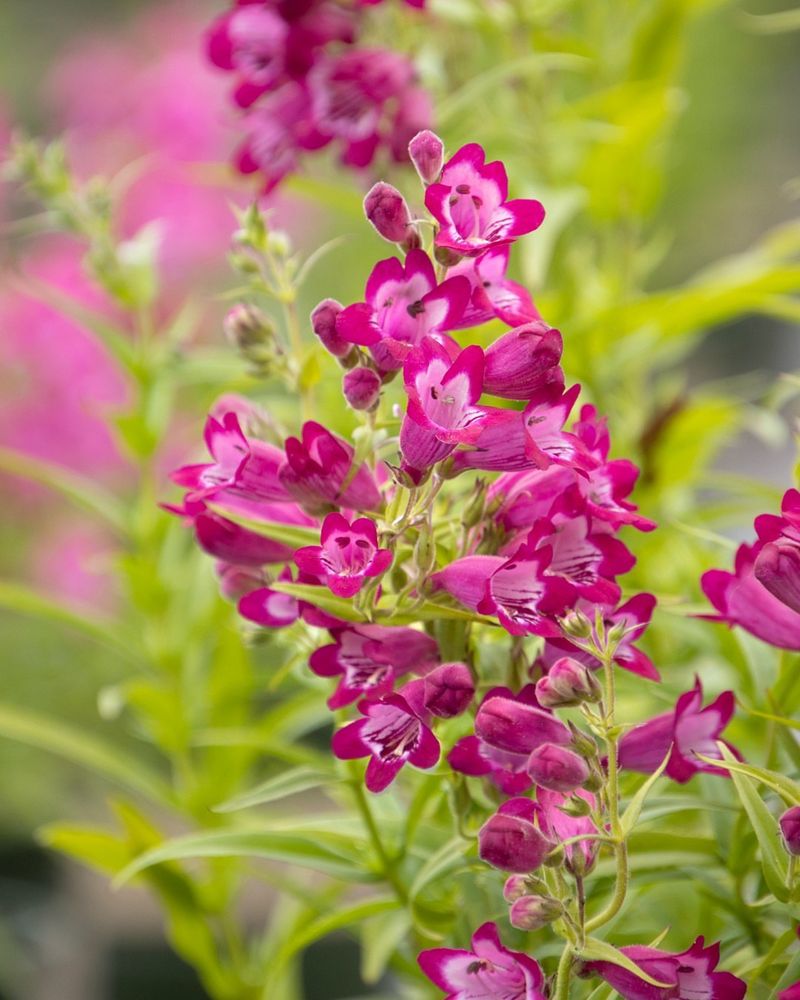
Tubular blooms in shades of pink, purple, and red create a hummingbird magnet in your Arizona garden. These flowers appear early in spring, providing critical nectar when hummingbirds return from their winter travels.
Hummingbirds have long beaks perfectly suited for penstemon flowers.
You’ll watch these tiny birds hover and feed, their wings beating rapidly as they extract sweet nectar.
Bees also visit penstemon despite the flower’s shape.
Bumblebees especially find ways to access the nectar, sometimes landing on the lower petals and working their way inside.
Arizona’s native penstemon species adapt perfectly to local conditions. They handle temperature swings and occasional frost better than many garden varieties, ensuring reliable blooms.
Plant several varieties for a longer blooming season. Different species flower at different times, extending the food supply for pollinators from early spring through fall.
These perennials return year after year, getting stronger with age. Your initial investment pays off as plants mature and produce more flower stalks each season.
Penstemon flowers come in color ranges that attract different pollinators.
Red varieties appeal most to hummingbirds, while purple and blue shades draw more bees and butterflies.
Water needs are moderate once plants establish in Arizona soil. A deep watering once weekly during hot months keeps them healthy and blooming continuously.
Deadheading spent flowers encourages more blooms. Simply pinch off faded flowers, and your penstemon will produce fresh ones, keeping pollinators fed longer throughout the season.
4. Verbena
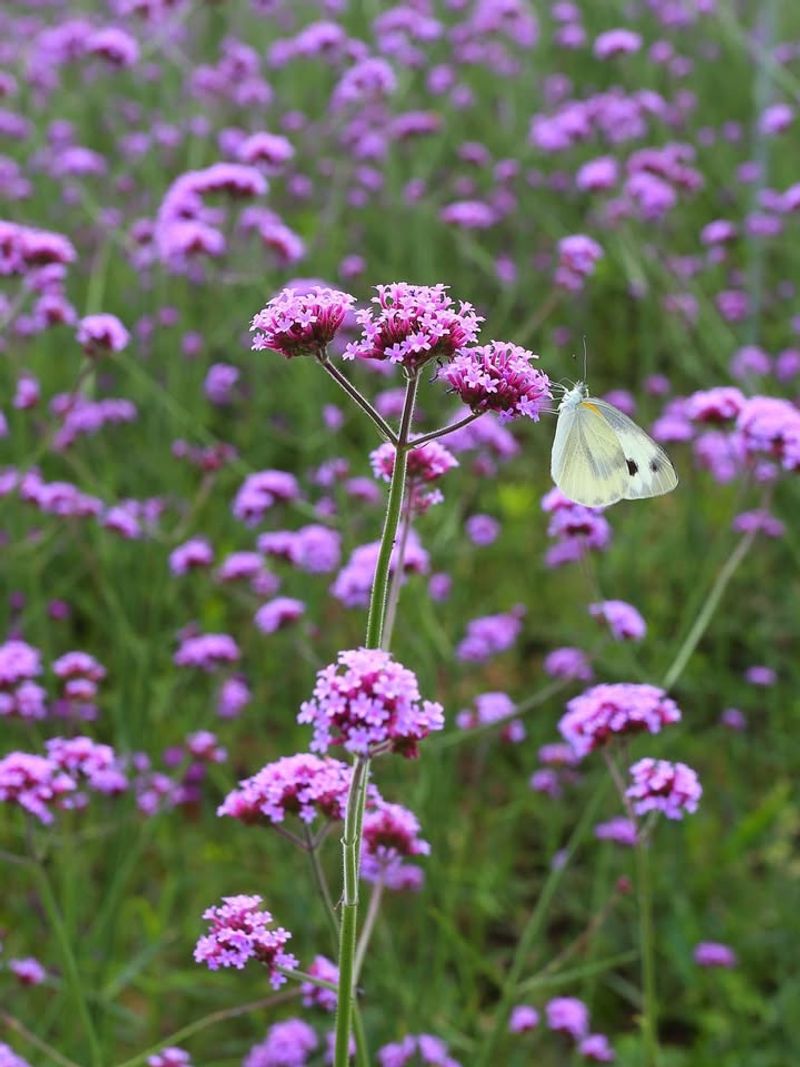
Clusters of tiny flowers pack together in purple, pink, and white arrangements. Butterflies land on these flat-topped blooms, using them as convenient feeding platforms while sipping nectar.
Verbena blooms continuously in Arizona’s climate when given proper care.
Your garden will have constant color from spring through fall, providing reliable food for pollinators during their active seasons.
These flowers handle Arizona’s heat remarkably well.
Even during scorching summer days, verbena keeps producing blooms while many other plants slow down or stop flowering.
Plant verbena in containers or directly in garden beds. Both methods work well in Arizona, giving you flexibility in how you design your pollinator-friendly space.
Butterflies seem to prefer verbena over many other nectar sources. You’ll notice swallowtails, skippers, and painted ladies spending extended time on these flowers, often returning multiple times daily.
Native bees also appreciate verbena’s abundant nectar. Small native species visit frequently, working the tiny individual flowers that make up each cluster.
Verbena spreads naturally, filling gaps in your Arizona garden.
This spreading habit creates larger pollinator feeding areas without requiring you to plant additional specimens.
Regular trimming keeps plants compact and encourages more blooms. Cut back leggy stems by a few inches, and new growth will emerge with fresh flower buds.
These flowers attract pollinators even in partial shade. If you have areas in your Arizona yard that don’t receive full sun, verbena still performs well and brings in helpful visitors.
5. Alyssum
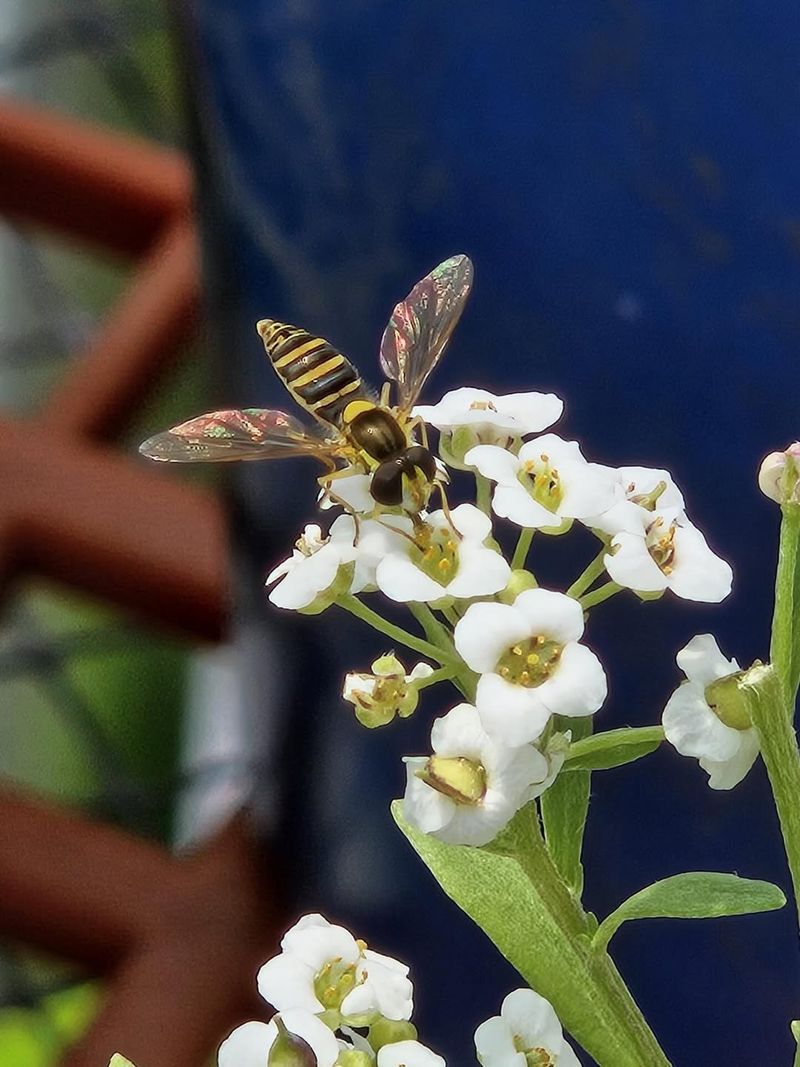
Tiny white or purple flowers form dense mats that release a honey-like fragrance. This sweet scent travels on Arizona breezes, drawing pollinators from surrounding areas to your garden.
Alyssum blooms early in the season, often appearing before many native plants wake up.
This early flowering provides essential food for pollinators emerging from winter dormancy in Arizona’s mild climate.
Honeybees visit alyssum constantly throughout the day. You’ll hear a gentle buzzing sound as multiple bees work the flowers simultaneously, collecting nectar and pollen.
These flowers tolerate Arizona’s cooler nights better than heat-loving species.
Plant them in fall for winter and spring blooms, or in early spring for a quick pollinator boost.
Alyssum grows well as a ground cover or border plant. Its low height makes it perfect for edging garden beds while creating accessible feeding stations for small native bees.
Beneficial insects beyond pollinators also appreciate alyssum. Ladybugs and lacewings visit these flowers, helping control pest populations while also seeking nectar.
Reseeding happens naturally in Arizona gardens. Once you plant alyssum, expect it to return in subsequent seasons, spreading slowly to fill available spaces.
These flowers need regular water to keep blooming in Arizona’s dry air. Consistent moisture helps them produce the maximum number of flowers, supporting more pollinators over longer periods.
Combine alyssum with taller flowers for a layered effect. The low-growing alyssum creates a base layer while taller plants rise above, giving your Arizona garden depth and attracting diverse pollinator species.
6. Phacelia
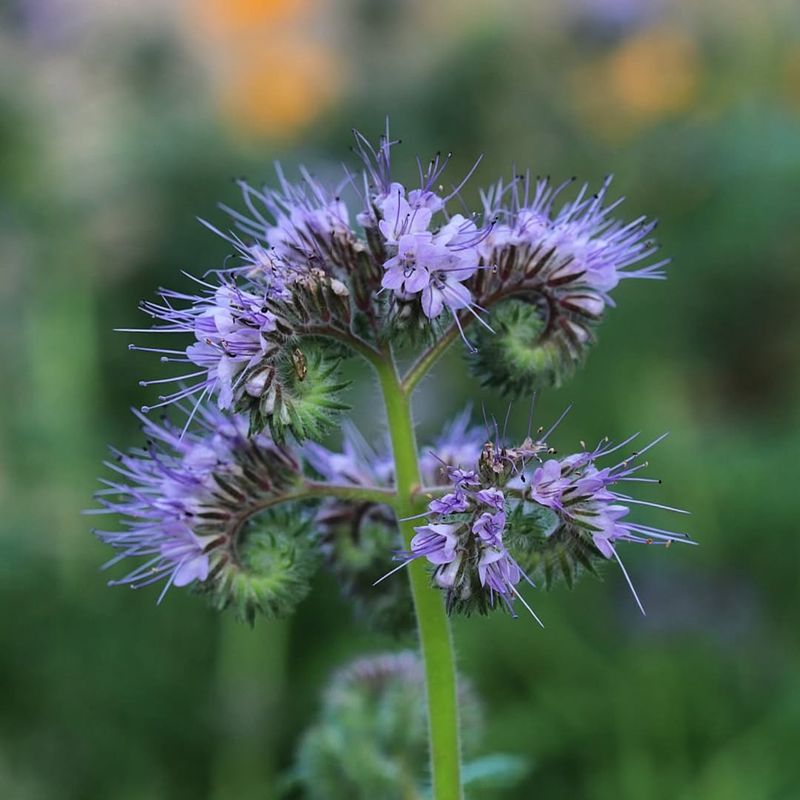
Purple-blue flowers spiral outward in fascinating coils that catch every pollinator’s attention.
Bees seem particularly mesmerized by phacelia, often ignoring nearby flowers to focus exclusively on these blooms.
Arizona’s native phacelia species perform exceptionally well in desert gardens.
They’ve adapted over centuries to local conditions, making them reliable performers that need little maintenance once established.
Phacelia ranks among the top nectar producers for its size. A single plant can feed dozens of bees daily, making it an efficient choice for small Arizona gardens with limited space.
Plant phacelia in fall for spectacular spring displays. Seeds germinate with winter rains, and plants mature quickly, producing abundant flowers just when early pollinators need them most.
Native bees show a strong preference for phacelia over exotic flowers. You’ll observe specialist bees that specifically seek out these blooms, sometimes traveling considerable distances to reach your Arizona garden.
These flowers reseed aggressively in favorable conditions. While some gardeners appreciate this trait, you can control spreading by removing spent flowers before seeds mature and scatter.
Phacelia’s fernlike foliage adds texture even before flowering begins.
The attractive leaves create visual interest in your Arizona garden while plants develop their impressive flower spikes.
Honeybees work phacelia so intensely that commercial beekeepers sometimes plant it.
Your backyard plantings support both wild pollinators and any managed hives in your Arizona neighborhood.
Water requirements are minimal once plants establish roots. Phacelia tolerates Arizona’s dry conditions well, though occasional deep watering during extended droughts helps maintain bloom production.
7. Lantana
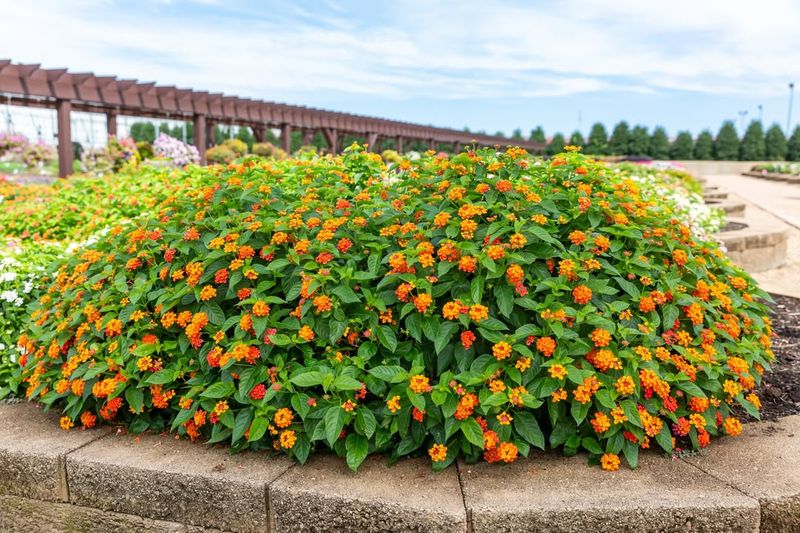
Multicolored flower clusters change shades as they age, creating rainbow effects in your Arizona garden. Butterflies flock to lantana like nowhere else, making it essential for any pollinator-focused landscape.
Lantana blooms nonstop in Arizona’s long growing season.
From spring through late fall, these tough plants produce fresh flowers daily, ensuring pollinators always find food in your yard.
Heat doesn’t slow lantana down at all.
While other flowers struggle during Arizona’s brutal summer months, lantana thrives, often blooming most prolifically when temperatures soar highest.
Butterflies prefer lantana over almost any other garden flower.
Monarchs, swallowtails, and fritillaries visit repeatedly throughout the day, sometimes with multiple individuals feeding on a single plant.
Hummingbirds also appreciate lantana’s abundant nectar. You’ll see them darting between flower clusters, their tiny bodies hovering perfectly still while their beaks probe each bloom.
Plant lantana in the hottest, sunniest spots in your Arizona garden. These locations challenge most plants, but lantana considers them ideal, rewarding you with maximum blooms and pollinator activity.
Prune lantana lightly to maintain shape and encourage branching.
More branches mean more flower clusters, which translates to more feeding opportunities for your pollinator visitors.
These plants handle Arizona’s alkaline soil without complaint.
You won’t need to amend your soil or adjust pH levels, making lantana a low-maintenance choice for busy gardeners.
Lantana’s drought tolerance is legendary among Arizona gardeners. Established plants survive on rainfall alone in many areas, though occasional watering keeps them looking their absolute best and blooming most heavily.
8. Salvia
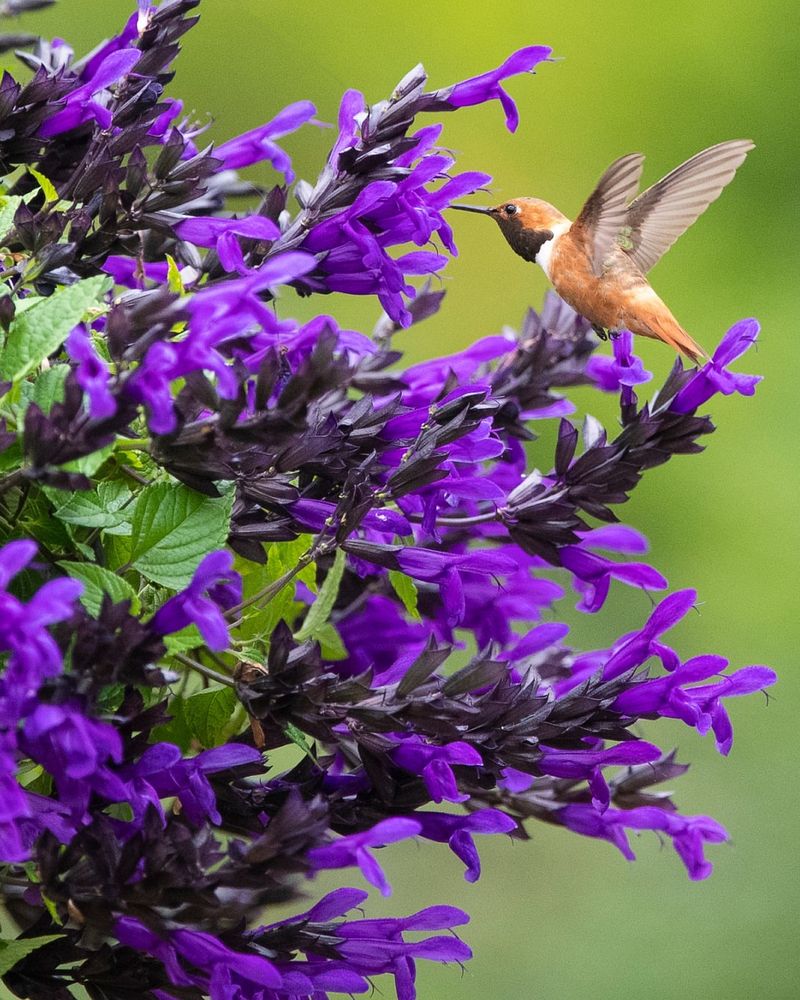
Spiky flower stalks rise above silvery foliage, creating vertical interest in your Arizona landscape.
Hummingbirds zoom straight to salvia, often claiming individual plants as their personal territory and defending them from rivals.
Arizona’s climate suits salvia perfectly, with many species native to similar environments. These plants handle temperature extremes and low humidity without showing stress, blooming reliably season after season.
Salvia flowers come in colors ranging from deep purple to bright red. Different shades attract different pollinators, so planting multiple varieties brings greater diversity to your Arizona garden.
Bumblebees work salvia flowers efficiently despite their tubular shape.
These large bees land on flower spikes and methodically visit each bloom, their weight sometimes bending entire stalks.
Plant salvia in groups for maximum pollinator appeal. A cluster of several plants creates a larger visual target that pollinators spot more easily than single specimens scattered across your Arizona yard.
These perennials develop extensive root systems over time. Mature plants survive Arizona’s occasional cold snaps and bounce back quickly when warm weather returns, providing reliable early-season blooms.
Salvia’s aromatic foliage releases fragrance when brushed or touched. This scent doesn’t just please human noses—it also helps guide pollinators to your garden from considerable distances.
Cut back spent flower stalks to encourage repeat blooming. Many salvia varieties will produce a second or even third flush of flowers if you remove the old ones promptly.
Water needs vary by species, but most salvias prefer Arizona’s drier conditions. Overwatering causes more problems than underwatering, so err on the side of less frequent irrigation for healthiest plants and best pollinator support.