8 Versatile Plants You Can Train As Vines, Shrubs, Or Trees In Pennsylvania
Not all plants have to stick to one role in your landscape, and that’s great news if you love flexibility in your Pennsylvania garden.
Some plants are surprisingly adaptable and can be trained to grow as vines, kept neatly as shrubs, or even shaped into small trees depending on your needs.
Whether you’re working with limited space, designing a layered garden bed, or just want something you can change over time, these versatile plants give you options.
From flowering favorites to evergreen stunners, certain species respond well to pruning and training, letting you customize their shape and structure as they grow.
And in a state like Pennsylvania, where the seasons change dramatically, having adaptable plants means you can better manage your garden’s appearance year-round.
Here are standout plant choices that offer flexibility and beauty – and how to train them for the look you want.
1. Wisteria
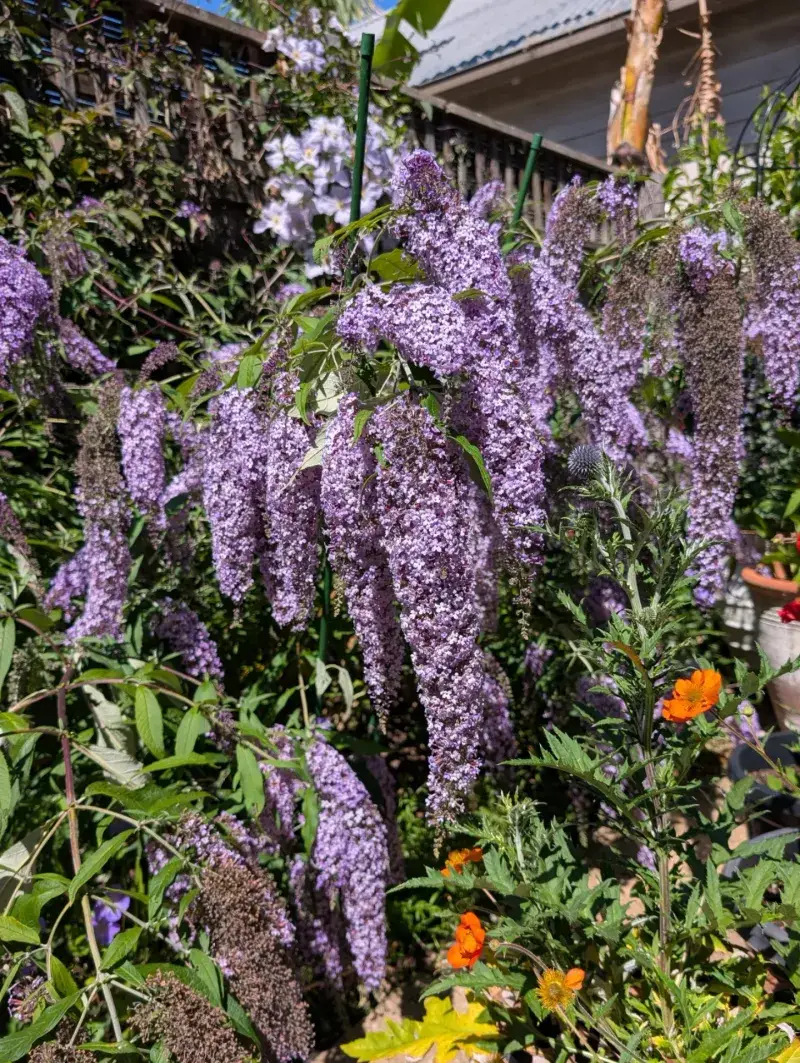
Wisteria brings stunning purple blooms that drape like curtains in spring, making it a favorite across Pennsylvania gardens. You can train this plant to climb up arbors and pergolas, where its cascading flower clusters create a magical canopy overhead.
With regular pruning, wisteria also works as a free-standing shrub or even a small tree with a sturdy trunk. The key is consistent shaping during the growing season to guide its natural vigor into the form you want.
Pennsylvania’s climate suits wisteria well, especially in zones 5 through 7, where winters provide the necessary chill period for blooming. This plant loves full sun and well-drained soil, so choose a spot that gets at least six hours of direct light daily.
When training wisteria as a vine, install strong supports because mature plants become quite heavy. If you prefer a shrub shape, prune back side shoots and keep the main stems compact each summer.
Training wisteria as a tree requires patience but delivers impressive results. Select one strong stem as the trunk and remove all others at the base.
Stake it upright and prune away lower branches as it grows taller. Once the trunk reaches your desired height, allow the top to branch out and form a rounded canopy.
Regular maintenance keeps the tree shape tidy and encourages abundant flowering each spring across Pennsylvania landscapes.
2. Climbing Hydrangea
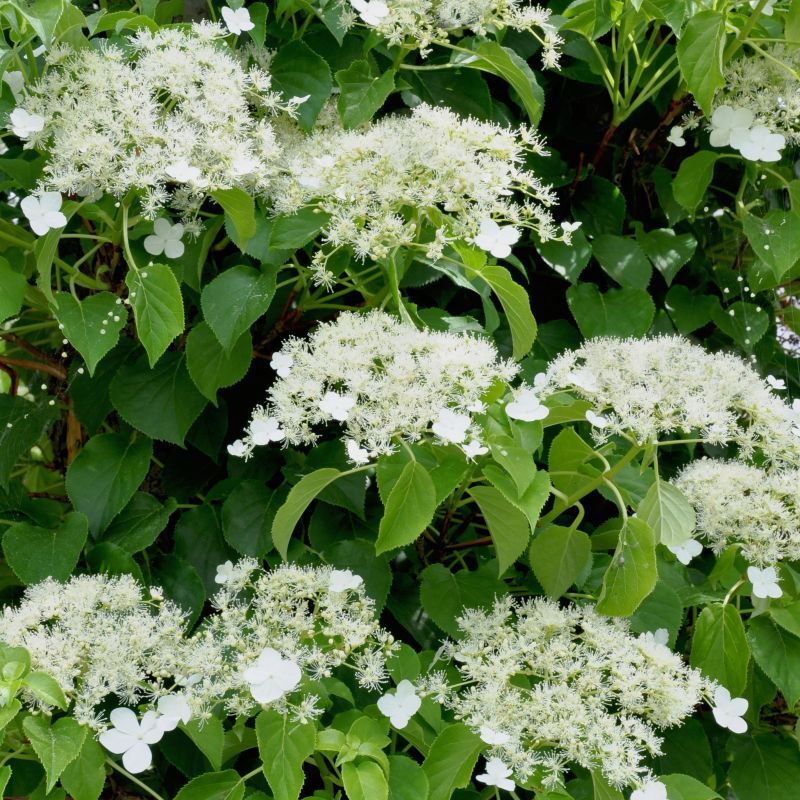
Few plants offer the shade tolerance and elegance that climbing hydrangea brings to Pennsylvania yards. This woody vine clings to brick, stone, and tree trunks using aerial rootlets, creating a lush green wall that blooms with creamy white flowers in early summer.
Left to its own devices, it will climb up to 50 feet, but you can easily train it as a sprawling ground cover or a mounded shrub with strategic pruning. The plant’s ability to adapt makes it a smart choice for tricky spots where other plants struggle.
In Pennsylvania’s varied climate, climbing hydrangea thrives in partial to full shade, though it tolerates some morning sun. The plant prefers moist, well-drained soil rich in organic matter, so amend your planting area with compost before installation.
Your Pennsylvania Garden Changes Every Week. Your Plan Should Too.
Gardening in Pennsylvania changes quickly throughout the season. Every Friday you’ll receive a simple weekly plan showing exactly what to plant, prune, fertilize, harvest, and protect so you never miss the right timing.
Growth starts slowly during the first few years as the root system establishes, but patience pays off with vigorous growth later. When training as a vine, provide a sturdy structure and guide young stems toward it using soft ties.
For a shrub form, prune climbing hydrangea back hard each spring to encourage bushy growth close to the ground. Remove any stems that try to climb and keep the overall shape compact and rounded.
You can even train it as a small weeping tree by staking a single stem upright and allowing the top to cascade down.
This unique form works beautifully as a focal point in Pennsylvania gardens, especially near patios or along walkways where its fragrant blooms can be enjoyed up close.
3. Trumpet Vine
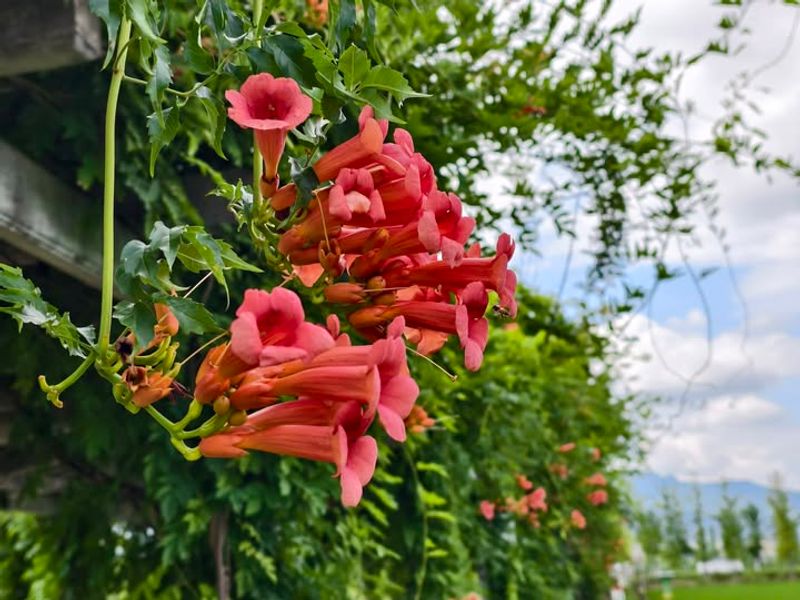
Hummingbirds flock to trumpet vine’s bright orange and red tubular flowers, making summer gardens in Pennsylvania come alive with activity. This vigorous grower can cover a fence or trellis in just a few seasons, creating a dense screen of foliage and blooms.
But trumpet vine isn’t limited to climbing. With regular pruning, you can shape it into a sprawling shrub or even a small ornamental tree that stands on its own.
The plant’s aggressive nature means you need to stay on top of pruning, but the payoff is a stunning display that attracts pollinators all season long.
Pennsylvania’s warm summers and cold winters suit trumpet vine perfectly, as it thrives in zones 4 through 9. This plant tolerates poor soil, drought, and full sun, making it ideal for tough spots where other plants fail.
When training as a vine, provide a strong support structure because mature plants become heavy and woody.
If you want a shrub form, cut back all stems to about two feet each spring before new growth begins. This encourages thick, bushy growth and keeps the plant contained.
Training trumpet vine as a tree requires dedication but creates a striking focal point. Choose one strong stem as the trunk and remove all others at ground level.
Stake it firmly and prune away side branches until the trunk reaches four to five feet tall. Then allow the top to branch out into a rounded canopy.
Keep removing suckers that sprout from the base throughout the growing season to maintain the tree form across your Pennsylvania landscape.
4. Virginia Creeper
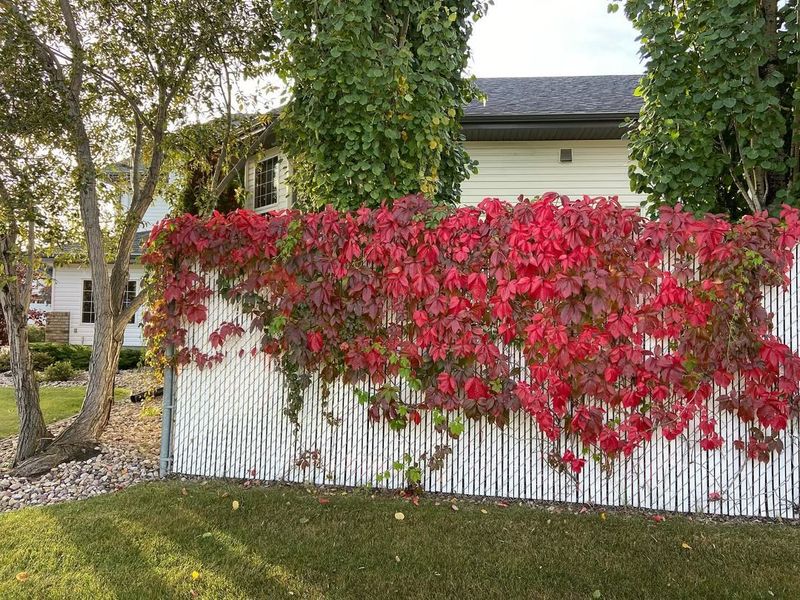
Virginia creeper transforms into a fiery red spectacle each fall, blanketing walls and fences across Pennsylvania with brilliant autumn color. This native vine climbs using adhesive discs, much like climbing hydrangea, and can cover large areas quickly.
Beyond its climbing habit, Virginia creeper also works as a ground cover that prevents erosion on slopes, or you can train it as a dense shrub with regular pruning.
The plant’s adaptability and low maintenance needs make it perfect for both experienced and beginning gardeners throughout the state.
Pennsylvania’s native plant, Virginia creeper thrives in zones 3 through 9 and tolerates a wide range of soil conditions. It grows well in full sun to full shade, though the best fall color develops with more sunlight.
When training as a vine, guide young stems toward your support structure, and they’ll quickly attach on their own.
For ground cover use, simply let the plant sprawl across the soil, where it will root along the stems and form a dense mat. This method works especially well on banks and hillsides where mowing is difficult.
Creating a shrub form requires more effort but delivers a neat, controlled appearance. Prune Virginia creeper back hard each spring, removing any stems that try to climb or spread too far.
Keep the overall shape rounded and compact by cutting back new growth throughout summer. You can even train it as a small tree by selecting one main stem and removing all others.
Stake the chosen stem upright and prune away lower branches as it grows, allowing the top to form a leafy canopy that glows red each fall in Pennsylvania gardens.
5. Bittersweet
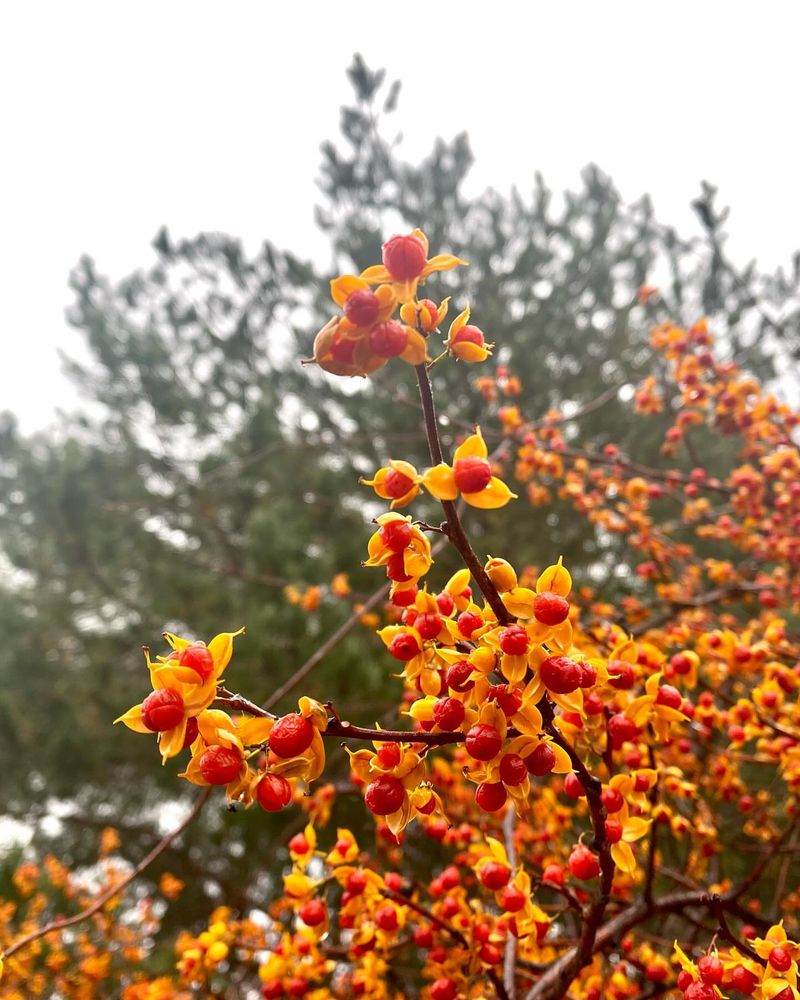
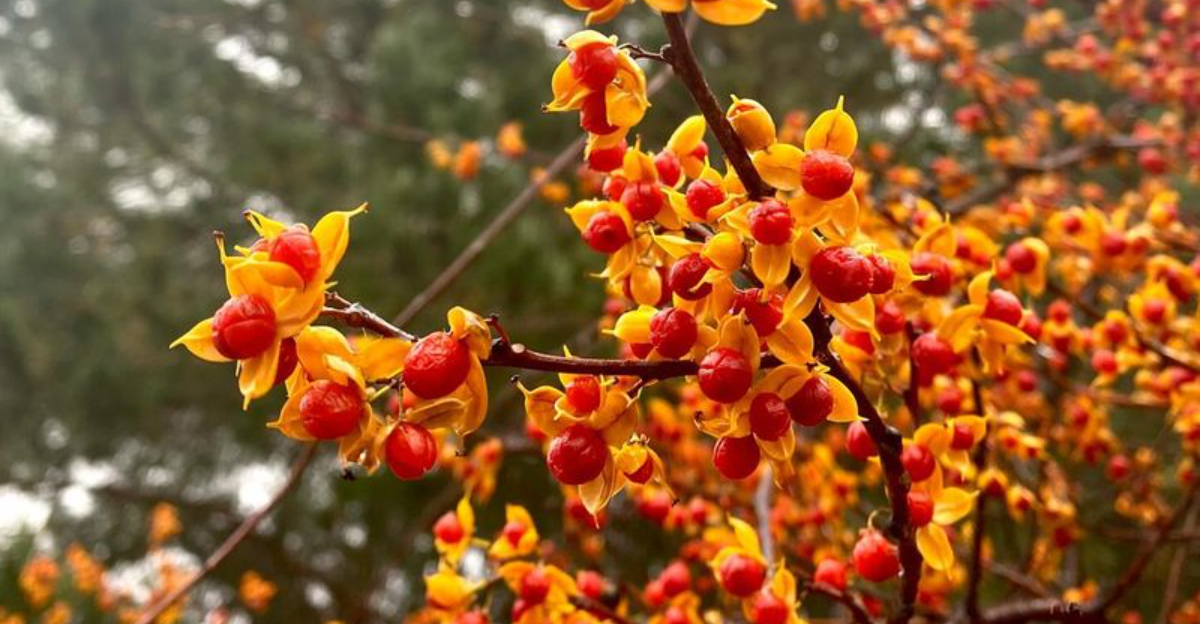
American bittersweet produces cheerful orange and yellow berries that brighten Pennsylvania landscapes from fall through winter. This native vine climbs by twisting around supports, creating a rustic look on fences, trellises, and arbors.
But bittersweet isn’t just for vertical spaces. With consistent pruning, you can shape it into a mounded shrub that provides habitat for birds, or train it as a small ornamental tree that showcases its colorful fruit at eye level.
The plant’s berries attract wildlife and add long-lasting color when most other plants have finished their show.
Growing well in zones 3 through 8, American bittersweet adapts to Pennsylvania’s varied climate zones with ease. It prefers full sun to partial shade and well-drained soil, though it tolerates some drought once established.
When training as a vine, provide a sturdy support and guide young stems by wrapping them around the structure.
For berry production, you need both male and female plants, so check with your nursery before purchasing. Female plants produce the showy fruit, while males provide necessary pollen.
For a shrub form, prune bittersweet back to about three feet each spring before new growth starts. This encourages bushy growth and keeps the plant contained in a rounded shape.
Remove any stems that try to climb or spread too far throughout the growing season. Training bittersweet as a tree requires selecting one strong stem as the trunk and removing all others.
Stake it firmly and prune away lower branches as it grows taller, allowing the top to branch out. This tree form showcases the colorful berries beautifully in Pennsylvania gardens, making them easy to see and enjoy.
6. Boston Ivy
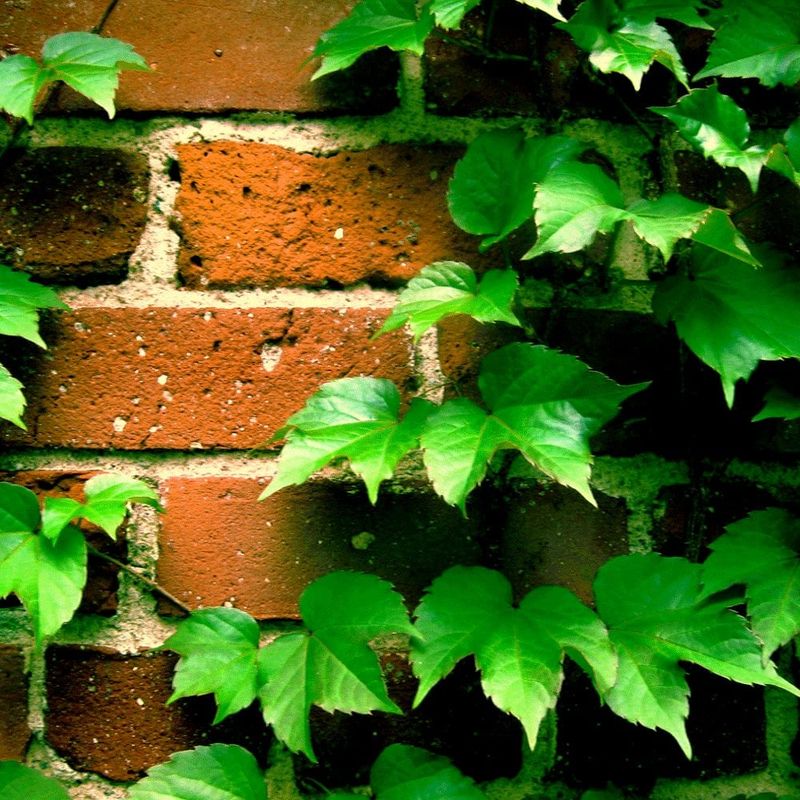
Boston ivy creates the classic ivy-covered look on brick buildings and stone walls throughout Pennsylvania, with leaves that turn brilliant crimson each fall.
This deciduous vine climbs using adhesive discs, clinging tightly to vertical surfaces without needing additional support.
Beyond its climbing habit, Boston ivy also works as an erosion-controlling ground cover on slopes, or you can train it as a compact shrub with regular pruning.
The plant’s ability to adapt to different forms makes it valuable for solving various landscape challenges across the state.
Thriving in zones 4 through 8, Boston ivy suits Pennsylvania’s climate perfectly. It grows in full sun to full shade, though the best fall color develops with more sunlight exposure.
The plant tolerates urban conditions, pollution, and poor soil, making it ideal for city gardens and challenging sites. When training as a vine, simply plant it near your chosen surface and guide young stems toward it.
The plant will attach on its own within weeks. For ground cover use, let Boston ivy sprawl across the soil, where it will root along the stems and prevent erosion.
Creating a shrub form requires consistent pruning throughout the growing season. Cut back all stems that try to climb, and shape the plant into a rounded mound about three feet tall and wide.
This works especially well in Pennsylvania foundation plantings where you want the texture of ivy without the climbing habit. You can even train Boston ivy as a small tree by selecting one main stem and staking it upright.
Remove all other stems at the base and prune away lower branches as the trunk grows taller, allowing the top to form a cascading canopy of foliage.
7. Honeysuckle
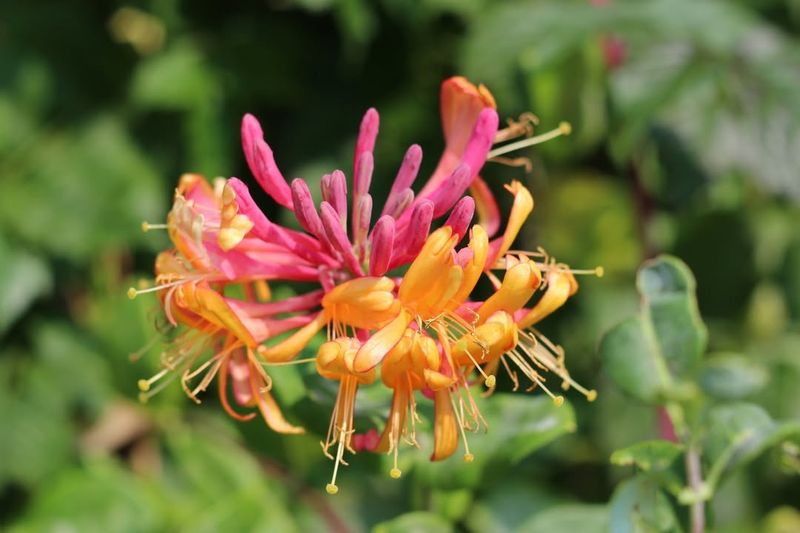
Honeysuckle’s sweet fragrance fills Pennsylvania gardens on warm summer evenings, attracting moths and other nighttime pollinators.
This fast-growing vine twines around supports, creating a thick screen of tubular flowers in shades of yellow, orange, pink, or white. But honeysuckle offers more than just climbing potential.
With regular pruning, you can shape it into a flowering shrub that fits neatly into borders, or train it as a small tree that becomes a fragrant focal point. The plant’s versatility and easy care make it popular throughout the state.
Pennsylvania’s climate in zones 4 through 9 supports many honeysuckle varieties, both native and non-native species. Choose native varieties when possible to support local wildlife and avoid invasive problems.
Honeysuckle grows in full sun to partial shade and tolerates various soil types, though it blooms best with at least six hours of sunlight daily.
When training as a vine, provide a trellis or fence and guide young stems toward it. The plant will quickly twine around the support and cover it with flowers.
For a shrub form, prune honeysuckle back hard each spring to encourage bushy growth close to the ground. Remove any stems that try to climb and keep the overall shape compact and rounded.
This works beautifully in Pennsylvania hedges and mixed borders where you want fragrant flowers without the climbing habit. Training honeysuckle as a tree requires selecting one strong stem as the trunk and removing all others.
Stake it firmly upright and prune away lower branches as it grows, allowing the top to branch out into a rounded, flowering canopy. This unique form creates a stunning focal point that perfumes the air across your Pennsylvania landscape.
8. Clematis
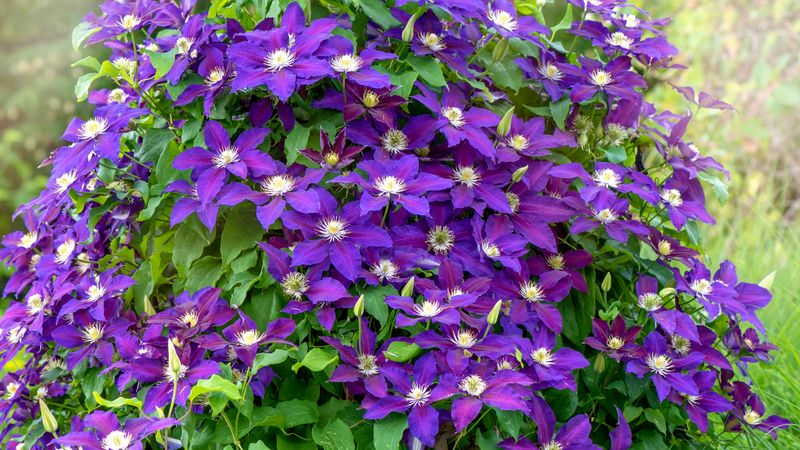
Clematis earns the nickname “queen of climbers” with its spectacular flowers that range from tiny bells to dinner-plate-sized blooms in every color imaginable.
This elegant vine climbs by wrapping leaf stems around supports, creating a delicate curtain of flowers across Pennsylvania gardens. But clematis isn’t limited to climbing.
With careful training and support, you can grow it as a sprawling shrub in borders, or even shape it into a small flowering tree that becomes a conversation piece. The plant’s stunning blooms and graceful habit make it worth the extra effort.
Growing in zones 4 through 9, clematis adapts well to Pennsylvania’s climate with proper variety selection. The plant likes its roots cool and shaded but its flowers in full sun, so mulch the root zone well and plant low-growing perennials around the base.
Clematis needs well-drained soil rich in organic matter, so amend your planting area before installation.
When training as a vine, provide a trellis or other support and guide young stems toward it using soft ties. The plant will wrap its leaf stems around the structure as it grows.
For a shrub form, choose herbaceous clematis varieties that naturally grow in mounds rather than climbing types. These work beautifully in Pennsylvania borders where they bloom all summer without needing support.
Training clematis as a tree requires selecting a large-flowered variety and staking a single stem upright. Remove all other stems at the base and prune away lower growth as the trunk develops.
Allow the top to branch out and cascade down, creating a weeping form covered in spectacular blooms that draws attention across your Pennsylvania landscape each season.