Pennsylvania Homeowners Are Replacing These Popular Plants For A Reason
Some of the most popular plants in Pennsylvania gardens are quietly being replaced, and for good reason. While these favorites might look nice or be easy to find at the local garden center, many homeowners are realizing they’re not always the best long-term fit.
Whether it’s because they demand too much water, struggle with pests, or simply don’t thrive in local soil and weather conditions, certain plants are falling out of favor. In their place?
Tougher, more sustainable options that offer the same visual appeal – without all the fuss. If you’ve been frustrated by plants that seem to constantly underperform, or if you’re just ready for a change, you’re not alone.
Pennsylvania gardeners are making smarter choices, and their landscapes are healthier and easier to care for because of it.
Curious to know which plants are on the way out and what’s replacing them? Let’s dig into the smart swaps worth considering.
1. Boxwood Shrubs
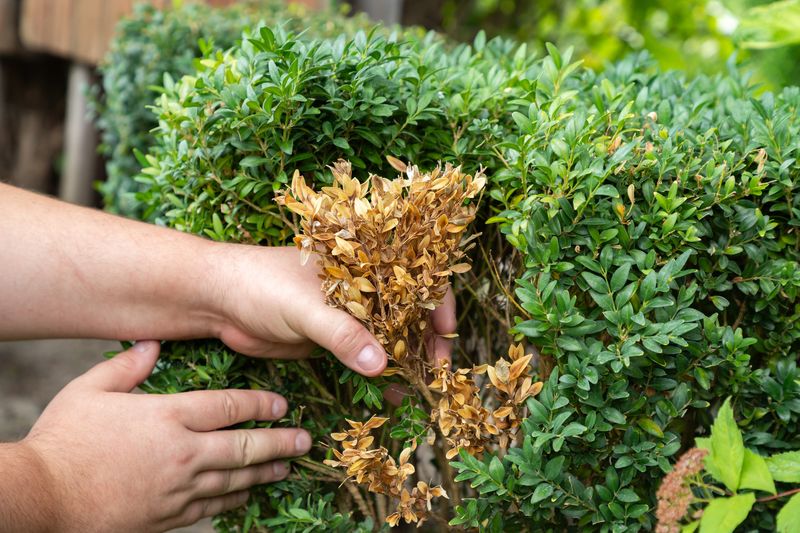
Boxwood blight has become the nightmare that won’t go away for Pennsylvania gardeners. This fungal disease spreads like wildfire through boxwood hedges, turning lush green leaves brown and causing them to drop off in alarming numbers.
Once blight takes hold in your yard, it’s nearly impossible to eliminate completely, and the spores can survive in soil for years.
Many homeowners have watched their carefully manicured boxwood borders turn into patchy, unsightly messes despite spending hundreds of dollars on fungicides and treatments.
Beyond blight, boxwoods attract leafminer insects that create ugly tan blotches all over the foliage. These pests tunnel through leaves, leaving behind trails that make even healthy plants look sick and neglected.
The boxwood psyllid is another common pest in Pennsylvania that causes new growth to cup and distort, creating a permanently damaged appearance that no amount of pruning can fix.
The maintenance costs add up quickly when you factor in regular fungicide applications, insecticide treatments, and the labor involved in removing infected branches.
Many Pennsylvania homeowners are discovering that keeping boxwoods looking decent requires professional help, which can run into thousands of dollars annually for larger properties.
The constant vigilance needed to catch problems early makes these shrubs feel more like high-maintenance pets than simple landscaping.
Gardeners across Pennsylvania are replacing their boxwoods with inkberry holly or Japanese plum yew, which offer similar formal appearances without the disease headaches.
These alternatives thrive in local conditions and resist most pests naturally, saving both money and frustration in the long run.
2. Hybrid Tea Roses
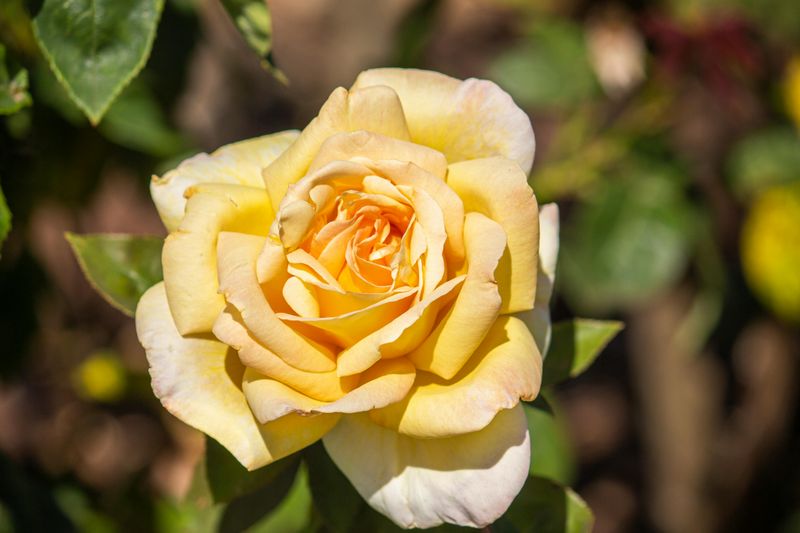
Few plants promise beauty quite like hybrid tea roses, but Pennsylvania gardeners know the dark side of these demanding divas.
Black spot disease thrives in the state’s humid summer weather, covering rose leaves with distinctive dark circles before they yellow and fall off completely.
By mid-summer, many hybrid tea roses look like bare sticks with a few sad flowers on top, hardly the romantic vision most people had in mind when they planted them.
Your Pennsylvania Garden Changes Every Week. Your Plan Should Too.
Gardening in Pennsylvania changes quickly throughout the season. Every Friday you’ll receive a simple weekly plan showing exactly what to plant, prune, fertilize, harvest, and protect so you never miss the right timing.
Powdery mildew joins the party soon after, coating leaves and buds with a fuzzy white substance that stunts growth and ruins flower production.
Japanese beetles arrive right on schedule to chew through any foliage that managed to survive the fungal attacks, leaving behind skeletonized leaves that photograph terribly.
Aphids cluster on new growth, sucking plant juices and spreading even more diseases while secreting sticky honeydew all over everything.
The spray schedule required to keep hybrid tea roses looking decent would make a professional farmer tired.
Fungicides every week or two, insecticides for various pests, fertilizers to keep them blooming, and special winter protection to prevent freeze damage all add up to serious money and time investments.
Many Pennsylvania homeowners find themselves spending entire weekends just caring for a small rose bed.
Shrub roses like the Knock Out series have become the go-to replacement across Pennsylvania because they bloom just as beautifully without requiring a chemistry degree to maintain.
These tough alternatives shrug off diseases and pests while producing flowers all season long with minimal fussing required.
3. Ash Trees
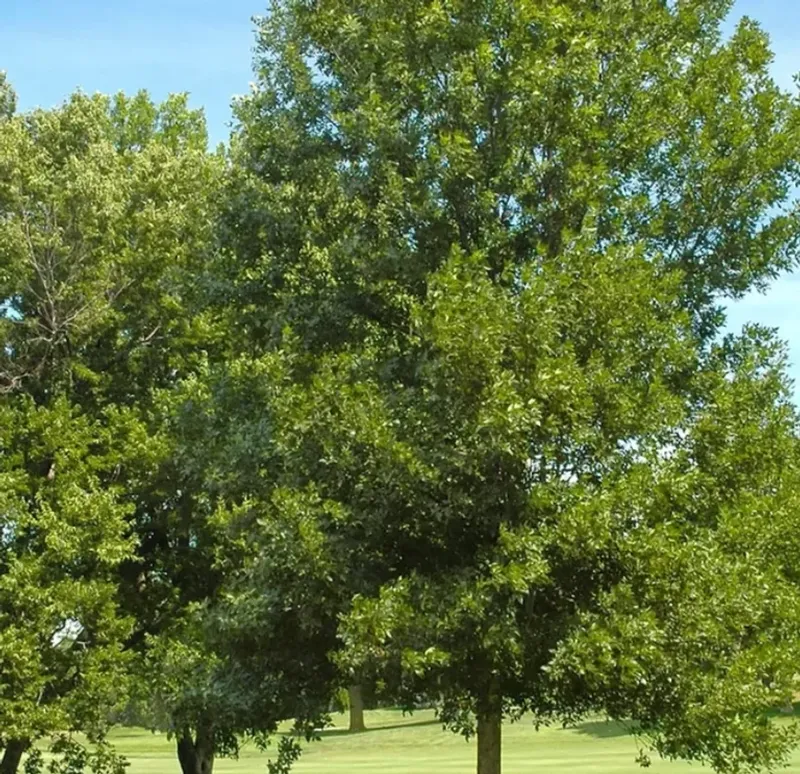
The emerald ash borer turned Pennsylvania’s ash trees into ticking time bombs that homeowners can no longer afford to ignore.
This invasive beetle has destroyed millions of ash trees across the state, and treatment costs can easily exceed several hundred dollars per tree annually.
Even with professional treatments, there’s no guarantee the tree will survive, making ash trees one of the riskiest landscaping investments you can maintain.
Homeowners face an impossible choice when they discover emerald ash borer in their neighborhood.
They can spend thousands of dollars on preventive insecticide treatments that must be repeated every year indefinitely, or they can watch their beautiful shade trees decline rapidly and become safety hazards.
Many Pennsylvania residents have learned the hard way that waiting too long means paying for expensive emergency tree removal when infested ash trees become structurally unsound and threaten homes or power lines.
The signs of infestation are heartbreaking to watch. Woodpeckers strip bark while searching for beetle larvae, creating distinctive patterns that signal serious trouble underneath.
The tree canopy thins out as branches lose their ability to support leaves, and distinctive D-shaped exit holes appear in the bark where adult beetles emerged. By the time these symptoms are obvious, the tree is usually too far gone to save.
Smart Pennsylvania homeowners are replacing ash trees with native alternatives like oak, maple, or tulip poplar before the emerald ash borer forces their hand.
Proactive removal and replacement costs less than years of treatments followed by emergency removal, and it eliminates the constant worry about whether the tree will survive another season.
4. Rhododendrons
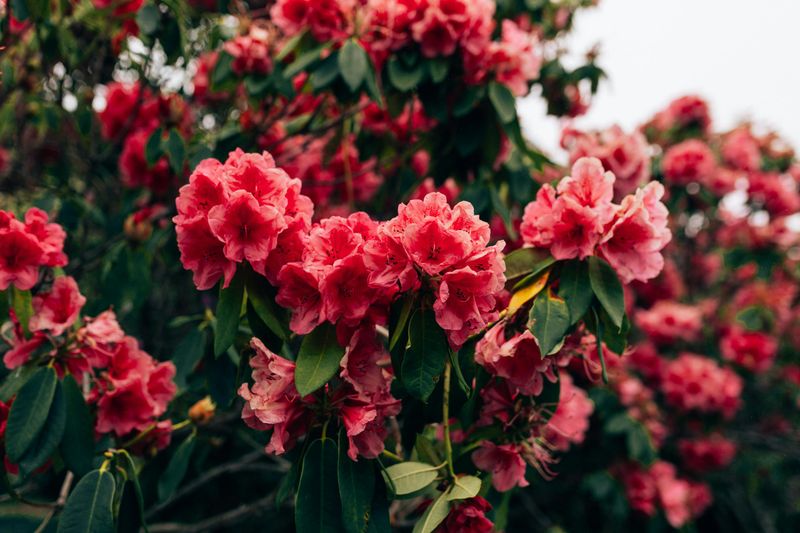
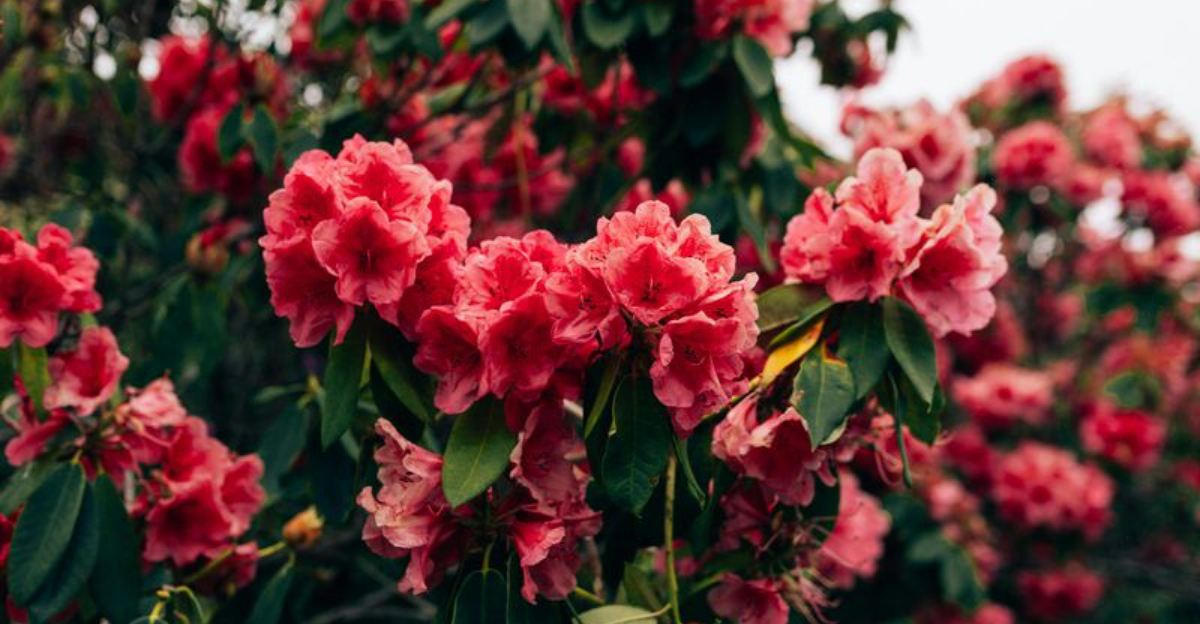
Rhododendrons look absolutely stunning when they’re healthy and blooming, but keeping them that way in Pennsylvania requires constant attention and expense.
Root rot caused by Phytophthora fungi strikes frequently in the state’s heavy clay soils, especially after periods of rain or overwatering.
Once this disease takes hold, even expensive fungicide treatments rarely save the plant, and homeowners are left with brown, wilted shrubs that need complete replacement.
Lace bugs have become increasingly problematic for Pennsylvania rhododendrons in recent years. These tiny insects feed on leaf undersides, creating a stippled, bleached appearance on top that makes the entire plant look sick and faded.
Heavy infestations can seriously weaken rhododendrons, making them more susceptible to winter damage and other diseases. The repeated insecticide applications needed to control lace bugs add up quickly, especially for homeowners with multiple large specimens.
Winter damage presents another expensive challenge for rhododendron owners in Pennsylvania. Cold, dry winds can desiccate leaves even when temperatures don’t drop low enough to freeze plant tissues.
Many homeowners wake up to find their rhododendrons looking crispy and brown after harsh winter weather, requiring extensive pruning or complete removal of damaged plants.
Building protective structures or applying anti-desiccant sprays adds more tasks to an already lengthy maintenance list.
Pennsylvania gardeners are switching to native alternatives like mountain laurel or deciduous azaleas that handle local conditions without constant intervention.
These replacements offer beautiful spring blooms and attractive foliage without the disease susceptibility and winter protection headaches that make rhododendrons such expensive landscape choices.
5. Flowering Dogwood Trees
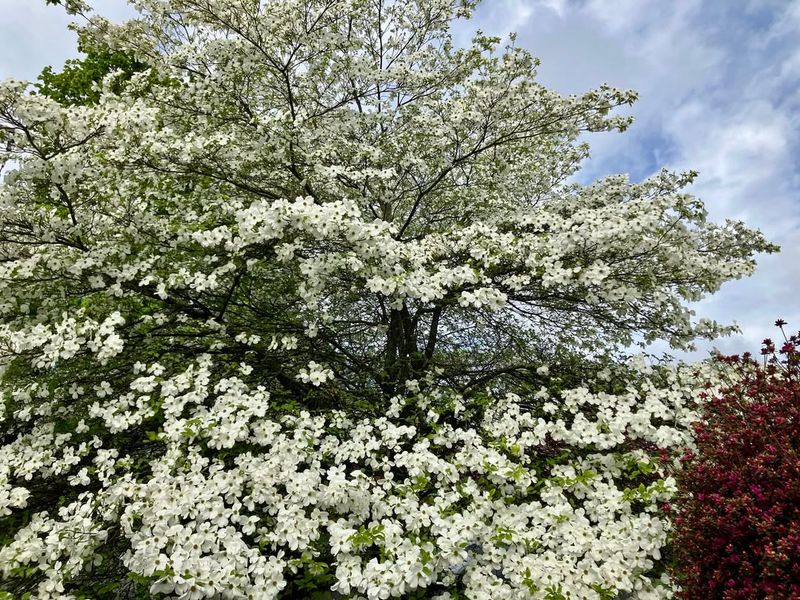
Dogwood anthracnose has devastated Pennsylvania’s flowering dogwood population, turning these beloved native trees into high-risk landscape investments.
This fungal disease causes leaf spots, twig blight, and cankers that can eventually compromise the entire tree structure.
Homeowners watch helplessly as their dogwoods decline over several years despite expensive fungicide applications and careful pruning of infected branches.
The emotional attachment people have to these spring-blooming beauties makes their slow decline even more painful to witness.
Powdery mildew covers dogwood leaves with white fungal growth during Pennsylvania’s humid summers, making trees look dusty and unhealthy throughout the growing season.
While this disease rarely ends a tree’s life outright, it weakens the plant and makes it more vulnerable to other problems.
The cosmetic damage alone bothers many homeowners who planted dogwoods specifically for their ornamental value and attractive appearance.
Dogwood borers add insult to injury by tunneling into stressed trees and creating entry points for additional diseases and decay.
These clearwing moth larvae are difficult to detect until damage is already extensive, and controlling them requires precisely timed insecticide applications that most homeowners struggle to manage correctly.
The combination of multiple diseases and insect pests creates a perfect storm of maintenance challenges that drain both wallets and enthusiasm.
Kousa dogwood has emerged as the smart replacement choice across Pennsylvania because it resists anthracnose and other diseases while offering similar ornamental qualities.
These Asian relatives bloom later in spring and produce interesting fruits that add fall interest, all without requiring the intensive disease management that makes flowering dogwood such an expensive landscape choice in modern Pennsylvania gardens.
6. Hostas
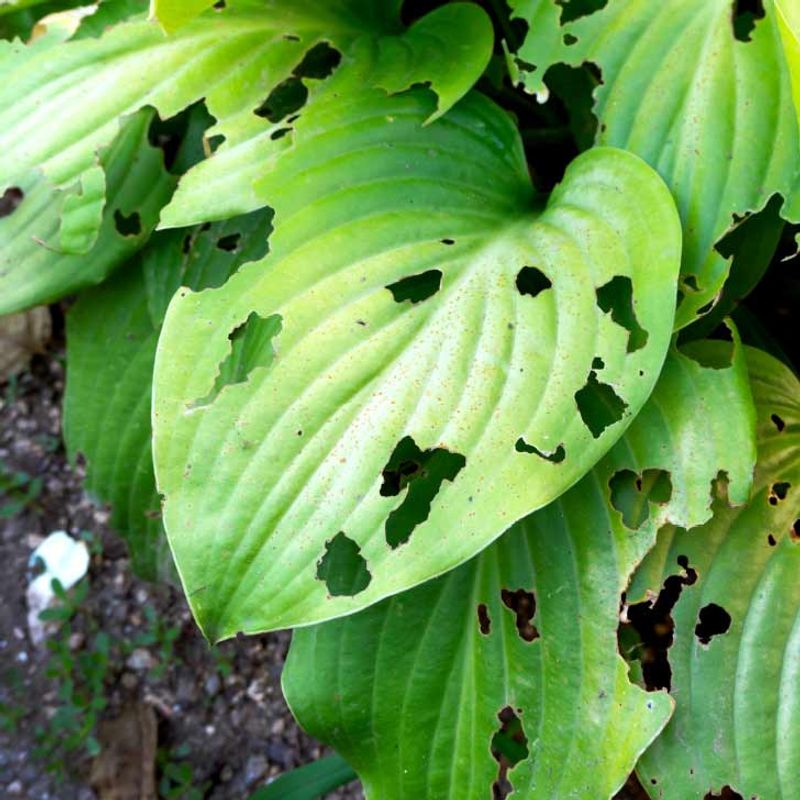
Slugs have declared war on Pennsylvania hostas, and homeowners are losing the battle despite spending ridiculous amounts on control methods.
These slimy pests chew irregular holes through hosta leaves, turning expensive specimen plants into Swiss cheese by mid-summer.
Night patrols with flashlights and salt shakers might work for small gardens, but larger hosta collections require constant applications of slug bait, beer traps, or copper barriers that add up to significant annual expenses.
Deer treat hosta beds like all-you-can-eat salad bars, often consuming entire plants down to the ground overnight. Pennsylvania’s healthy deer population means that unprotected hostas rarely survive long enough to reach their full ornamental potential.
Installing deer fencing costs thousands of dollars for typical suburban yards, and even then, determined deer sometimes find ways through or over barriers.
Spray repellents need frequent reapplication and become expensive for homeowners with extensive hosta plantings.
Foliar nematodes have become an increasingly serious problem for Pennsylvania hosta collectors in recent years. These microscopic worms cause distinctive browning between leaf veins that starts at the bottom of the plant and works upward.
Infected hostas look progressively worse as the season advances, and there’s no practical treatment available for home gardeners. The disease spreads easily through water splash, so one infected plant can quickly contaminate an entire collection.
Pennsylvania gardeners are replacing their hostas with ferns, heucheras, or brunnera that offer similar shade-garden appeal without attracting every pest in the neighborhood.
These alternatives provide attractive foliage and textures while requiring minimal intervention to stay looking their best throughout the growing season, making them far more practical choices for modern low-maintenance landscapes.
7. Tomato Plants
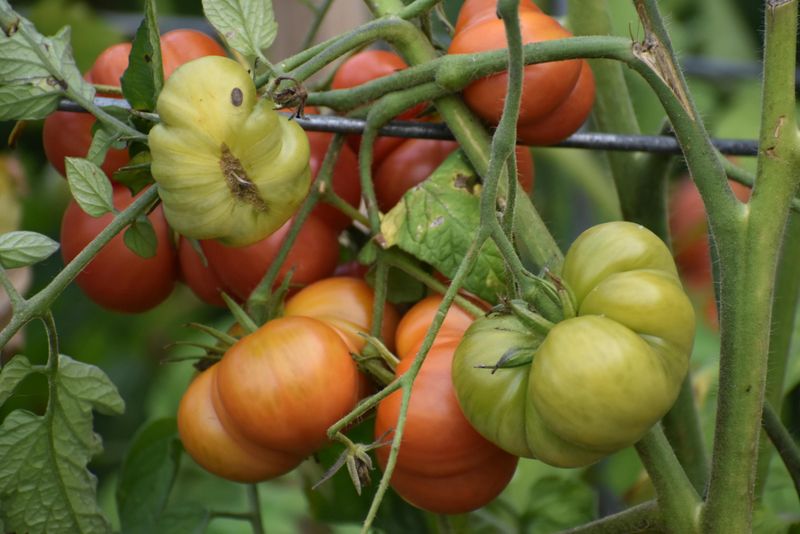
Late blight strikes fear into the hearts of Pennsylvania tomato growers because this devastating disease can destroy an entire crop within days once conditions turn favorable.
The same pathogen that caused the Irish potato famine thrives in the state’s cool, wet spring weather, spreading rapidly from plant to plant and even traveling on the wind from neighboring gardens.
Homeowners who invested in expensive heirloom varieties and quality cages watch helplessly as their plants turn brown and mushy despite preventive fungicide applications.
Early blight, septoria leaf spot, and various other fungal diseases create a gauntlet that Pennsylvania tomatoes must survive to produce a decent harvest.
The constant pruning of infected leaves, applications of copper or synthetic fungicides, and monitoring for new symptoms turns tomato growing into a part-time job.
Many gardeners spend more money on disease prevention than they would spend buying organic tomatoes at farmers markets all summer long.
Hornworms can strip a tomato plant bare in just a few days if left unchecked, and these camouflaged caterpillars are masters at hiding among the foliage.
Stink bugs pierce developing fruits and inject enzymes that create hard, white spots under the skin, ruining the eating quality even though the tomatoes might look acceptable from the outside.
Aphids, whiteflies, and spider mites add to the pest pressure, requiring regular inspections and interventions throughout the growing season.
Some Pennsylvania gardeners are giving up on traditional tomatoes entirely and switching to disease-resistant cherry tomato varieties that produce reliably without intensive management.
Others are embracing container growing with fresh potting soil each year to avoid soilborne diseases, though this approach adds expense and limits the number of plants you can reasonably maintain in a typical backyard setting.