10 Cold-Hardy Plants Ohio Gardeners Can Plant This Season
Ohio gardeners, spring can still surprise with frost and chilly nights, but some plants do not mind the cold. These hardy varieties thrive even when temperatures dip, giving your garden a jump start on growth.
Gardeners across Ohio are planting them now to enjoy earlier blooms, fresh greens, and strong roots before the busy season hits.
Choosing the right cold-tolerant plants makes beds look full, adds flavor to early harvests, and keeps the garden growing while others wait for warmer weather.
This is the time to pick plants that handle frost, stay productive, and set the stage for a vibrant, healthy garden. Starting with the tough varieties now means stronger plants, bigger yields, and more success when summer finally arrives.
Get these cold-hardy favorites in the ground and watch your Ohio garden come alive sooner than expected.
1. Spinach That Survives Frost
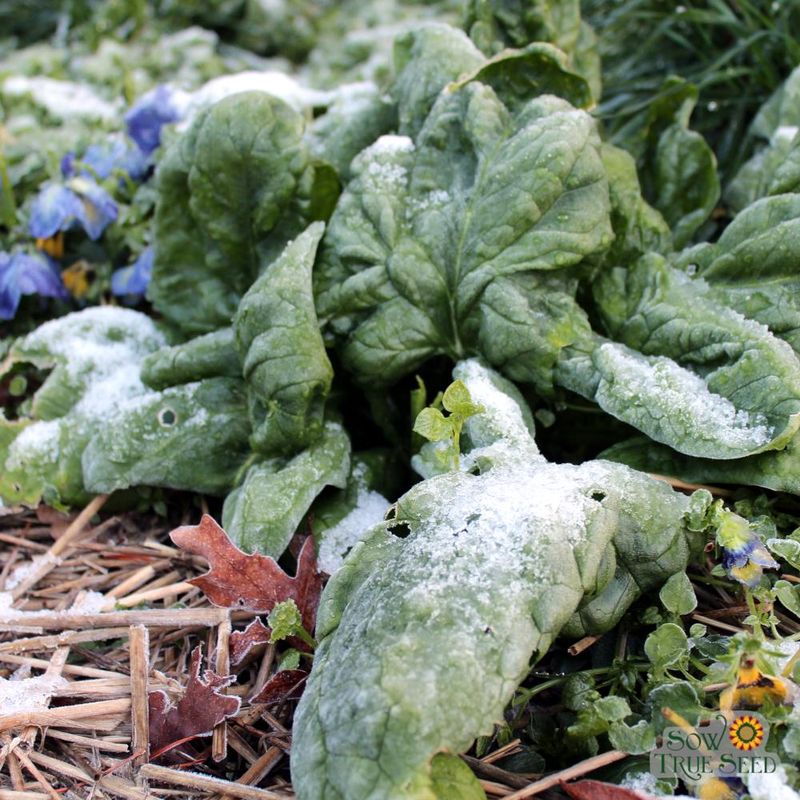
Walk into your garden on a frosty March morning and you might spot something surprising. Tiny green shoots poke through the cold soil, their leaves coated in a thin layer of ice that melts as the sun climbs higher.
Spinach handles Ohio’s unpredictable spring better than almost any other crop, tolerating brief dips into the upper twenties, especially when hardened off or lightly protected.
Your spinach seeds can go directly into the ground as soon as you can work the soil, often late February in southern Ohio and mid-March farther north. The seeds germinate slowly in cold soil, but patience pays off.
Space them about two inches apart in rows, and keep the soil moist but not waterlogged.
Many gardeners make the mistake of waiting too long to plant spinach. By the time warm weather arrives in late May, spinach bolts quickly and turns bitter.
Early planting gives you tender, sweet leaves for salads and cooking. You’ll notice the first true leaves appearing within two weeks, and you can start harvesting baby spinach in about a month.
Frost actually sweetens the flavor, making those chilly mornings worthwhile.
2. Kale For Early Spring Greens
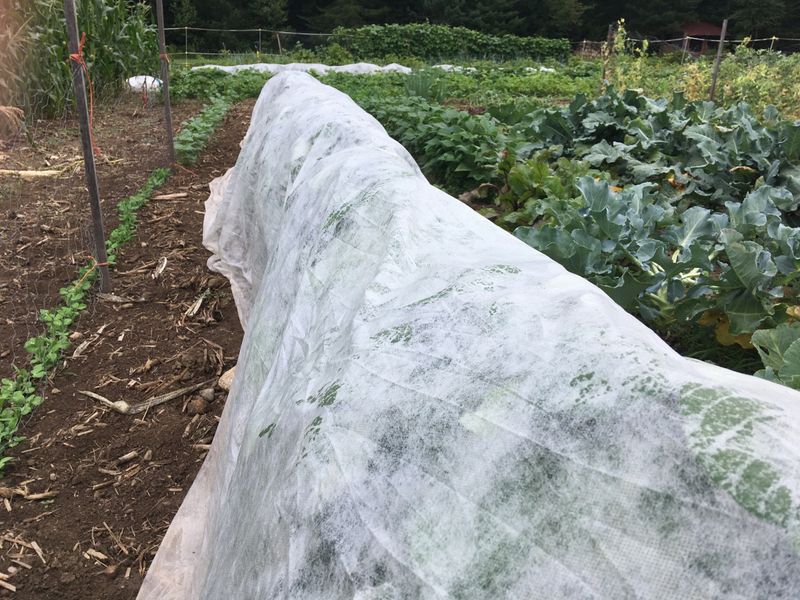
Row covers flutter in the March wind, anchored at the edges with stones and garden stakes. Underneath, kale seedlings stand firm against the cold, their blue-green leaves already developing that characteristic ruffled texture.
Kale laughs at light frosts, and while growth slows, plants can survive brief freezes into the twenties at night.
You can start kale indoors about six weeks before your last frost date, or direct-sow seeds outdoors in early spring. Northern Ohio gardeners often wait until mid-March, while southern counties can plant in late February.
Plant seeds half an inch deep and thin seedlings to twelve inches apart once they develop their first true leaves.
One common mistake is planting kale too thickly. Crowded plants compete for nutrients and sunlight, resulting in smaller leaves and increased disease pressure.
Give each plant room to spread, and mulch around the base once the soil warms slightly. You’ll harvest your first leaves in about fifty days, but kale’s flavor improves after light frost.
Your Ohio Garden Changes Every Week. Your Plan Should Too.
Gardening in Ohio changes quickly throughout the season. Every Friday you’ll receive a simple weekly plan showing exactly what to plant, prune, fertilize, harvest, and protect so you never miss the right timing.
A light frost actually makes the leaves sweeter and less bitter, transforming kale from a tough green into something tender and flavorful for your kitchen.
3. Lettuce You Can Sow Under Covers
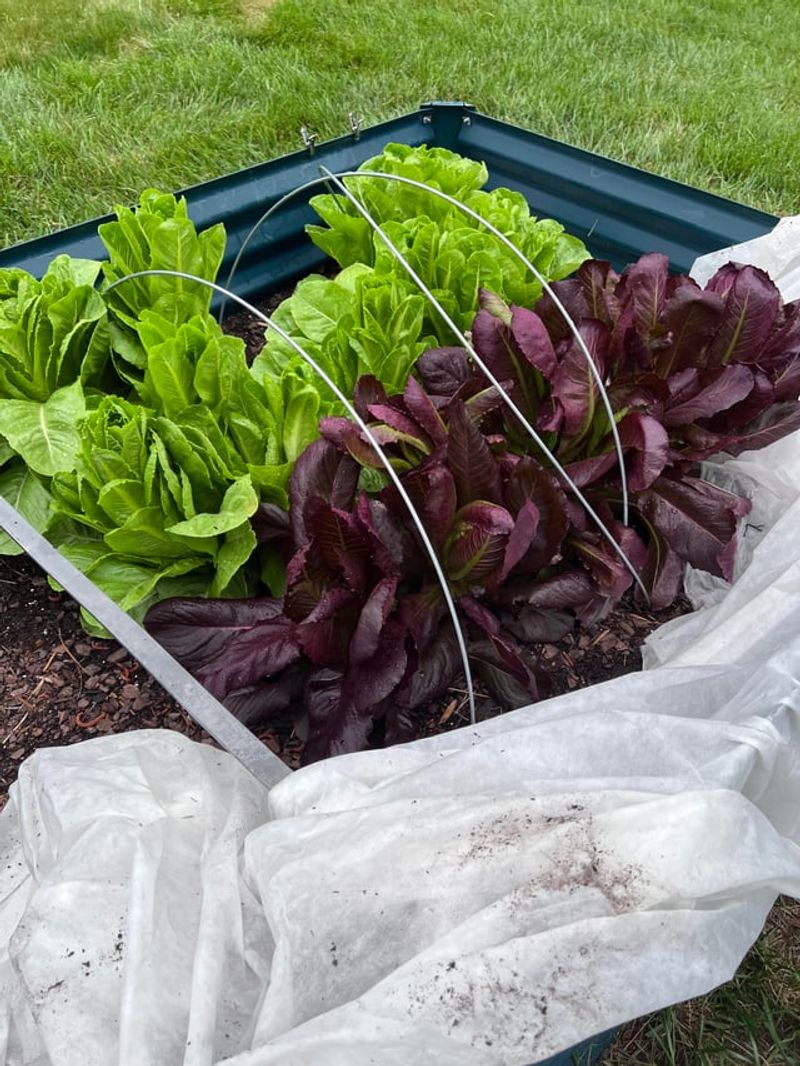
Sunlight filters through translucent row covers, warming the soil beneath while protecting tender lettuce seedlings from harsh winds. The microclimate under those covers can be ten degrees warmer than the surrounding air, giving lettuce the gentle conditions it needs to germinate and grow.
Lettuce tolerates frost well, but it appreciates a little extra protection during those unpredictable Ohio cold snaps.
Sow lettuce seeds directly into prepared garden beds starting in late February in southern Ohio or early March farther north. Scatter seeds thinly in rows or broadcast them across a bed, then cover lightly with soil.
Lettuce seeds germinate best when planted very shallow, so don’t bury them too deeply. Water gently and cover with floating row covers or a cloche to trap warmth and block wind.
Many gardeners plant lettuce all at once and then face a glut of leaves that bolt before they can eat them all. Instead, sow small amounts every two weeks for a continuous harvest.
You can start picking baby lettuce leaves in about three weeks, and full heads mature in six to eight weeks. Watch for warm spells in late April and May, as lettuce bolts quickly once temperatures stay above seventy degrees.
4. Arugula For Peppery Winter Harvest
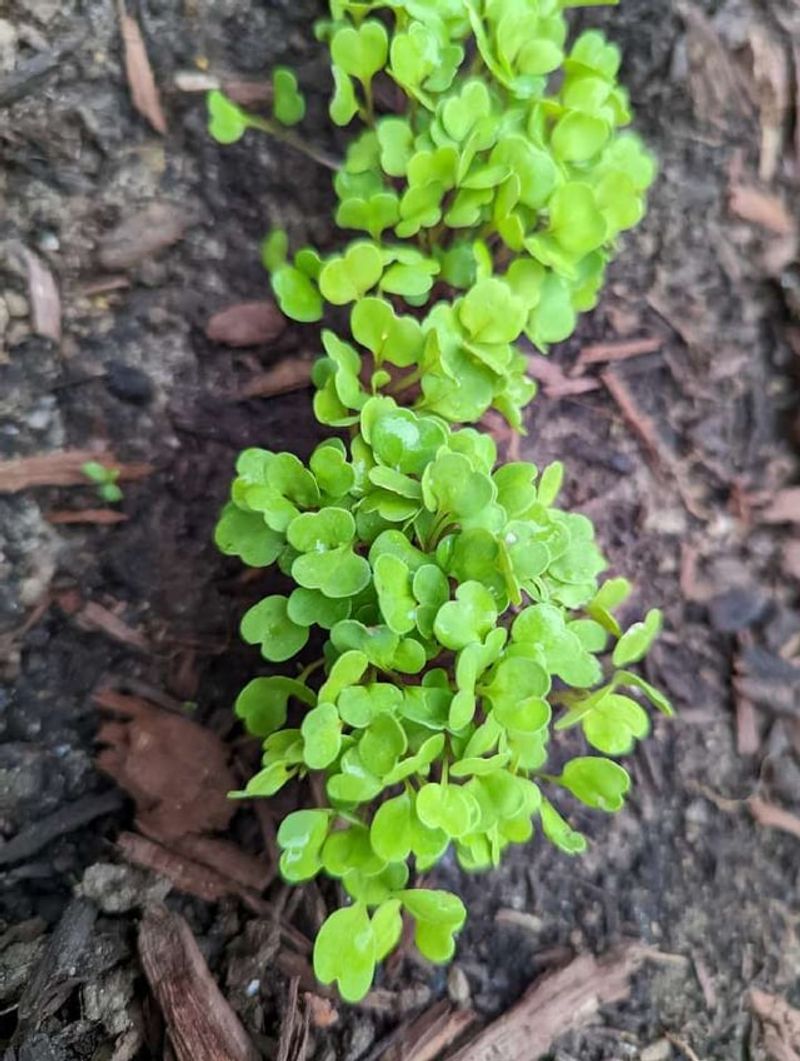
Bite into a fresh arugula leaf and you taste something bold and peppery, a sharp contrast to the mild greens of summer. Arugula thrives in cool weather, and Ohio’s chilly springs bring out the best in this fast-growing green.
Cold temperatures temper arugula’s spiciness, making it perfect for salads and sandwiches without overwhelming other flavors.
You can plant arugula seeds as early as late February in southern Ohio or early March in the northern counties. The seeds germinate quickly in cold soil, often sprouting within a week.
Scatter seeds thinly in rows or broadcast them across a bed, then cover with a quarter inch of soil. Arugula doesn’t need much space, so you can tuck it into corners or plant it between slower-growing crops.
One mistake gardeners make is waiting too long to harvest arugula. The leaves are best when young and tender, usually about three weeks after planting.
As the plants mature and the weather warms, the leaves become tougher and more intensely flavored. Harvest regularly by cutting outer leaves, leaving the center to keep producing.
Arugula also reseeds readily, so you might find volunteer plants popping up in your garden year after year, a delightful surprise in early spring.
5. Chard That Handles Ohio Cold
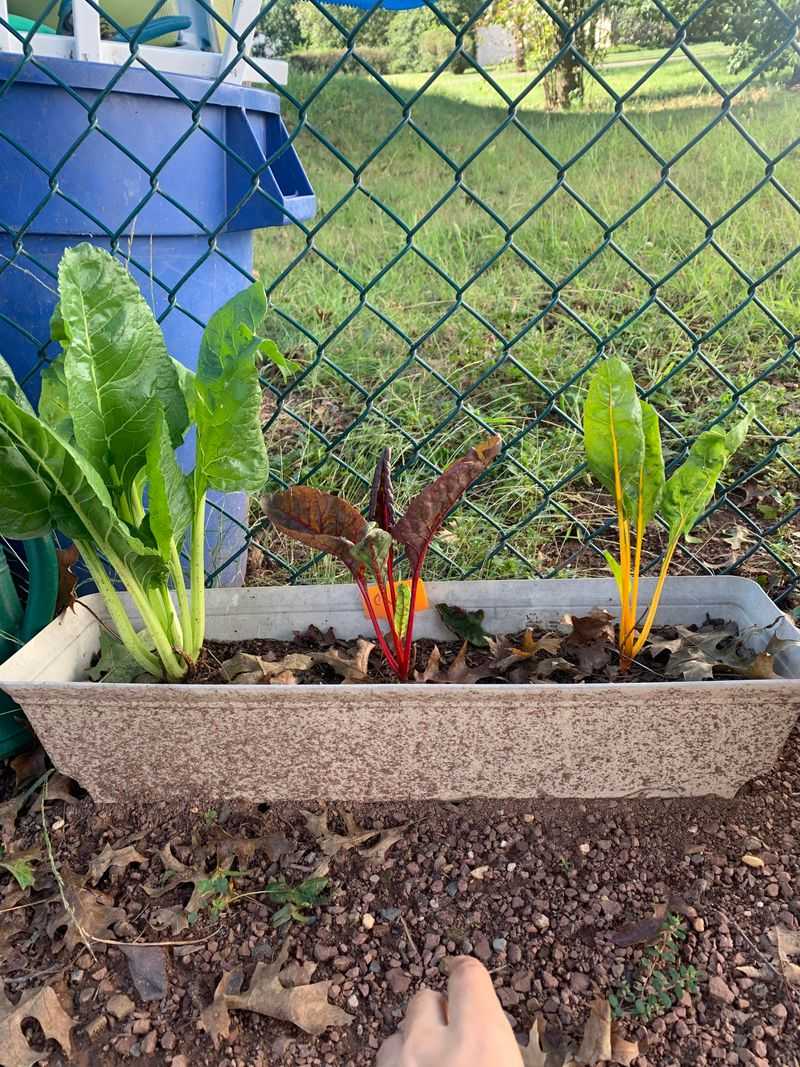
Bright stems in shades of red, yellow, and white stand out against the brown soil of early spring. Chard brings color to your garden when everything else looks drab and dormant.
This hardy green tolerates light frost and cool temperatures, but growth slows when temperatures dip into the twenties, making it a reliable choice for Ohio gardeners who want fresh greens before summer arrives.
Plant chard seeds directly into the garden in early spring, about two to four weeks before your last frost date. Southern Ohio gardeners can start in late February, while northern counties should wait until mid-March.
Sow seeds an inch apart and half an inch deep, then thin seedlings to six inches apart once they develop their first true leaves. Chard appreciates consistent moisture, so water regularly if spring rains don’t cooperate.
Many gardeners overlook chard in favor of spinach or kale, but chard offers advantages both plants lack. It doesn’t bolt as quickly as spinach when warm weather arrives, and it’s less prone to aphid problems than kale.
You can start harvesting outer leaves about six weeks after planting, and the plant keeps producing all season long. Chard’s mild flavor works well in both raw salads and cooked dishes, and those colorful stems add visual appeal to any meal.
6. Peas You Can Start Indoors Or Early Outdoors
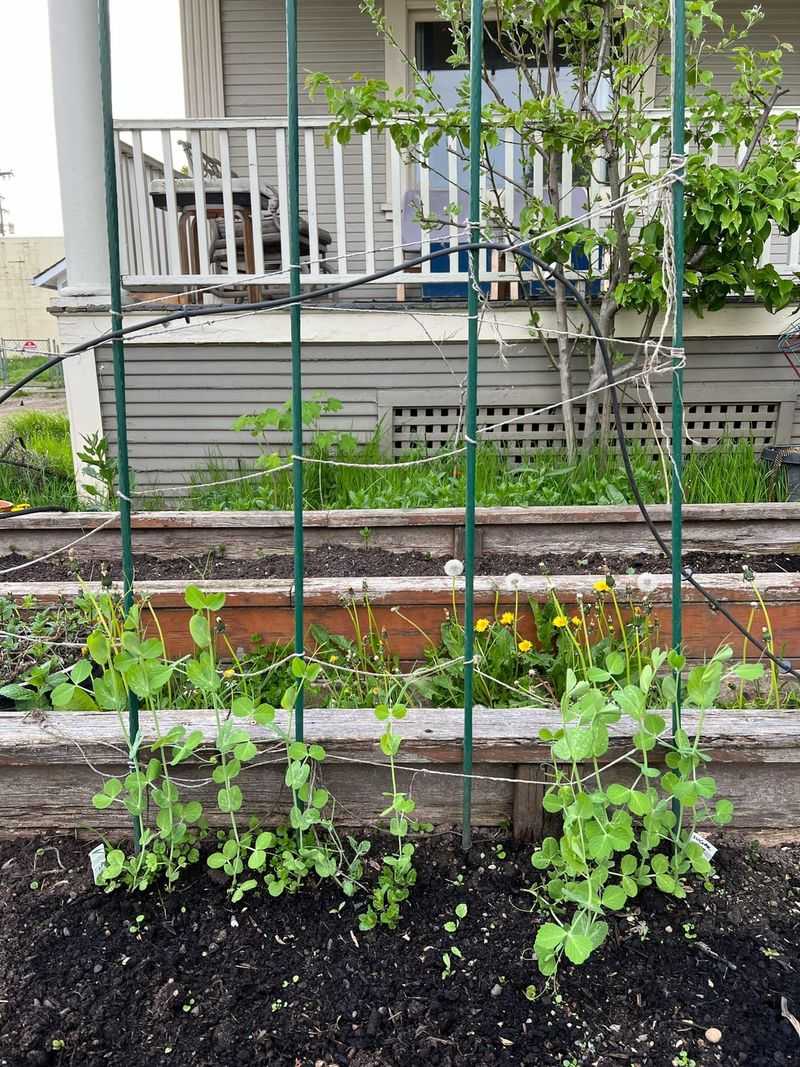
Tendrils reach upward, grasping for support as pea vines climb trellises and fences in Ohio gardens. Peas are among the first crops you can plant each spring, tolerating frost and cool soil better than almost any other vegetable.
They actually prefer cold weather, producing the sweetest pods when temperatures stay in the fifties and sixties.
You have two options for starting peas. Direct-sow seeds outdoors as soon as the soil can be worked, often late February in southern Ohio and mid-March farther north.
Plant seeds an inch deep and two inches apart, then provide a trellis or support for vining varieties. Alternatively, start seeds indoors in biodegradable pots about four weeks before your last frost date, then transplant the entire pot into the garden to avoid disturbing the roots.
A common mistake is planting peas too late. If you wait until April or May, the plants will mature during hot weather, resulting in tough, starchy pods.
Early planting ensures your peas produce during cool spring weather, giving you tender, sweet pods by late May or early June. Harvest regularly to encourage more production, picking pods when they’re plump but still bright green.
Peas stop producing once summer heat arrives, so enjoy them while they last.
7. Radishes For Quick Early Harvest
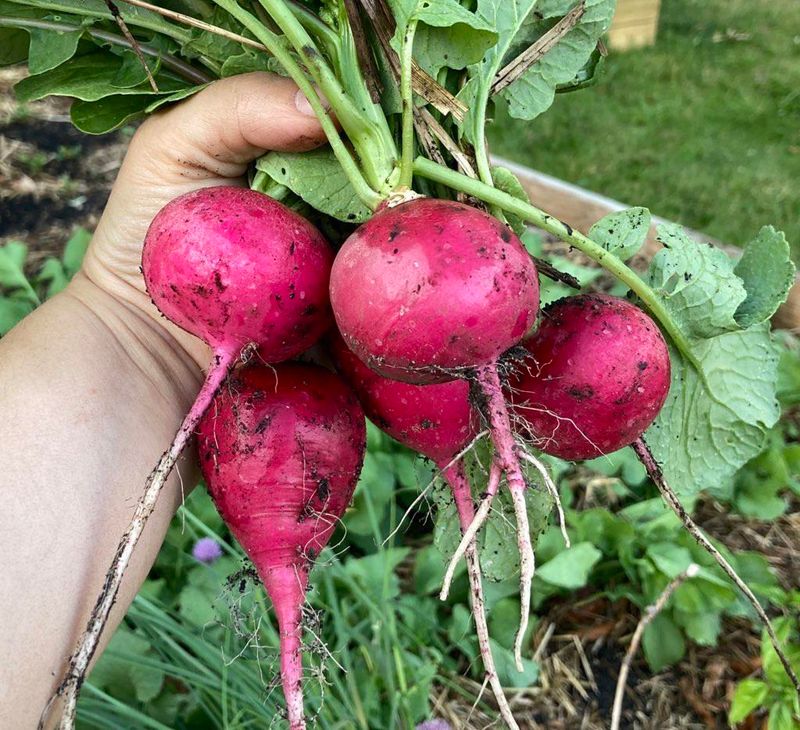
Pull a radish from the soil and you feel a satisfying pop as the root breaks free from the earth. Radishes are the sprinters of the vegetable garden, maturing in as little as three weeks and providing instant gratification for impatient gardeners.
They thrive in Ohio’s cool spring weather, tolerating light frosts and growing quickly in soil that’s barely warmed.
Sow radish seeds directly into the garden starting in late February in southern Ohio or early March in the northern counties. Plant seeds half an inch deep and an inch apart, then thin to two inches once seedlings emerge.
Radishes need consistent moisture to prevent splitting and bitterness, so water regularly if spring rains don’t provide enough. You can succession plant radishes every week or two for a continuous harvest throughout spring.
Many gardeners plant radishes once and then forget about them, only to discover oversized, woody roots a few weeks later. Radishes are best when harvested young and tender, usually about three weeks after planting.
Check your radishes frequently by gently brushing away soil to see the size of the root. Once they reach about an inch in diameter, pull them promptly.
Radishes left in the ground too long become tough and pithy, losing that crisp, peppery bite that makes them so appealing in salads and snacks.
8. Garlic Planted Now For Summer Harvest
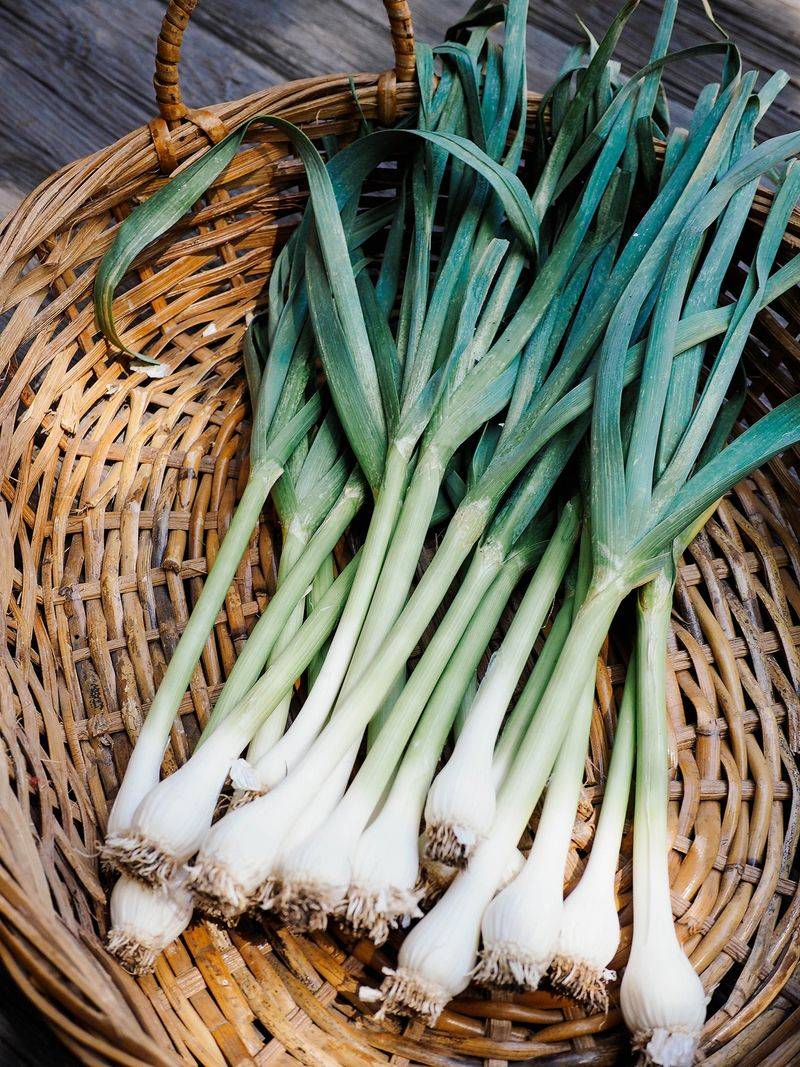
Green shoots emerge from mulched beds, each one marking a garlic clove planted months earlier. Garlic requires patience, growing slowly through winter and spring before bulking up in early summer.
Ohio gardeners typically plant garlic in October, but if you missed that window, you can still plant in late winter or very early spring for a smaller but still worthwhile harvest.
Break apart a garlic bulb into individual cloves, keeping the papery skin intact. Plant cloves four inches apart and two inches deep, with the pointed end facing up.
Choose a sunny spot with well-drained soil, as garlic dislikes wet feet. Mulch heavily with straw or shredded leaves to protect the cloves from temperature fluctuations and suppress weeds.
One mistake gardeners make is planting grocery store garlic, which may be treated to prevent sprouting or may not be suited to Ohio’s climate. Instead, buy seed garlic from a reputable supplier or save cloves from a previous harvest.
Garlic planted in spring won’t form bulbs as large as fall-planted garlic, but you may get smaller bulbs or single-clove rounds by July, depending on variety and spring temperatures. Watch for scapes, the curly flower stalks that emerge in late spring.
Snip these off and use them in cooking, as removing scapes directs the plant’s energy into bulb formation rather than seed production.
9. Onions And Leeks For Long-Season Growth
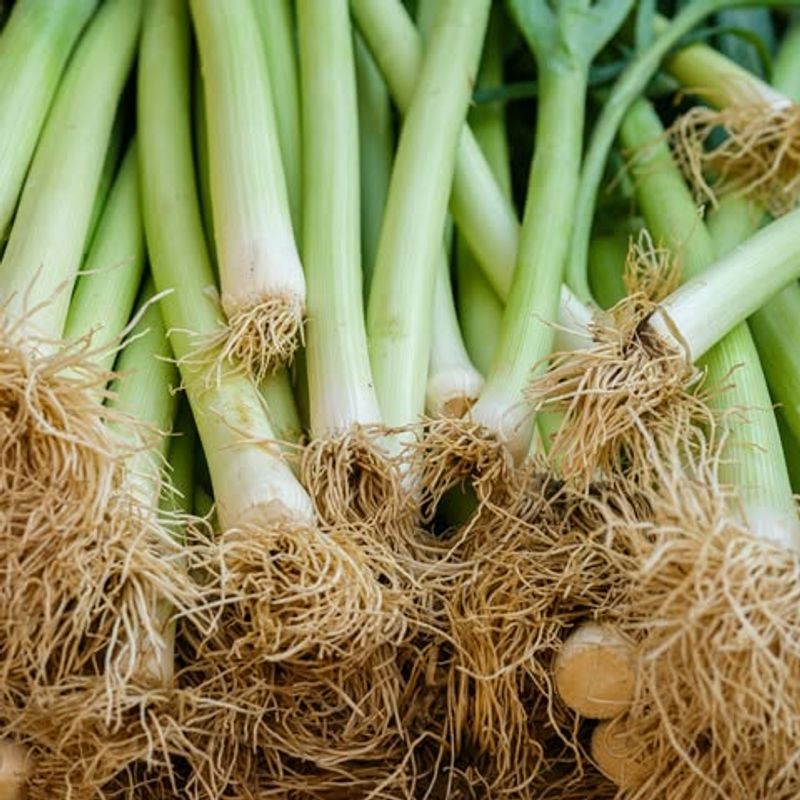
Rows of slender green shoots stand at attention in the garden, each one a baby onion or leek working its way toward maturity. These alliums need a long growing season to develop full-sized bulbs, so starting them early gives them the time they need.
Ohio’s cool springs are ideal for establishing onions and leeks, which prefer steady, moderate temperatures over sudden heat.
You can start onions and leeks from seeds indoors about ten weeks before your last frost date, or plant sets and transplants directly into the garden in early spring. Southern Ohio gardeners can plant in late February, while northern counties should wait until mid-March.
Space onions four inches apart and leeks six inches apart in rows, planting them in loose, well-drained soil enriched with compost.
A common mistake is planting onions too deeply. Onion sets and transplants should be planted shallowly, with just the roots and base covered by soil.
The bulb forms at or just below the soil surface, so deep planting results in long, skinny onions instead of round bulbs. Leeks, on the other hand, benefit from hilling soil around the stems as they grow, which blanches the lower portion and creates that tender white section.
Both crops need consistent moisture and regular weeding, as their shallow roots can’t compete with aggressive weeds.
10. Broad Beans That Love Cool Weather
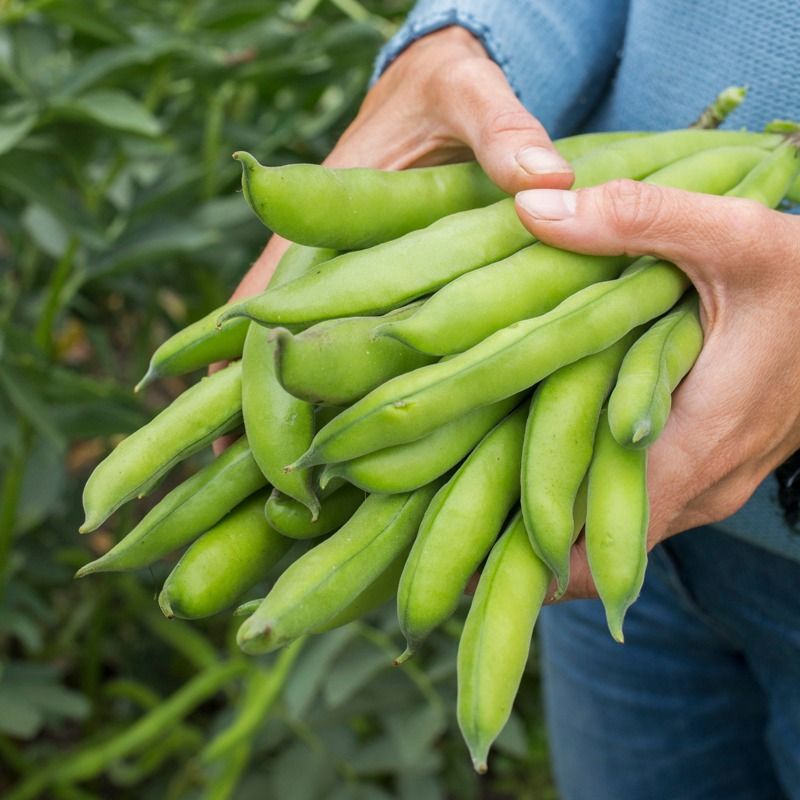
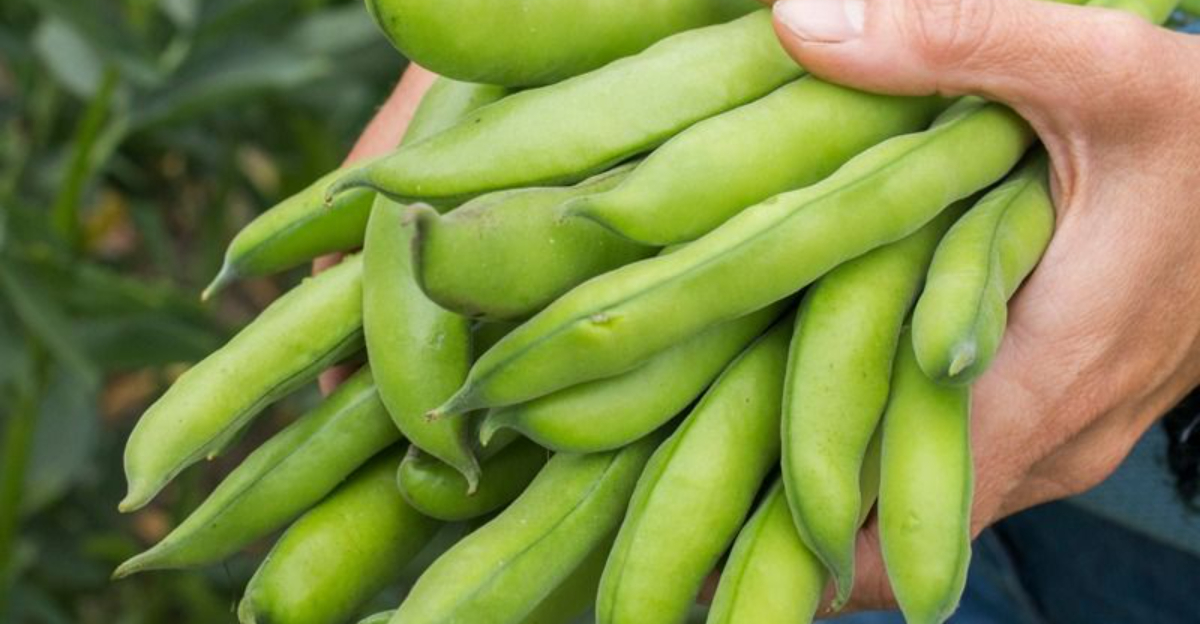
Thick stems and blue-green leaves set broad beans apart from their cousins in the legume family. Also called fava beans, these robust plants tolerate cold better than any other bean, thriving in Ohio’s cool springs when snap beans would struggle.
Broad beans actually prefer temperatures in the fifties and sixties, making them perfect for early planting.
In southern Ohio, rising spring heat can shorten the harvest window, so early planting is especially important.
Sow broad bean seeds directly into the garden in late February in southern Ohio or early March farther north. Plant seeds two inches deep and six inches apart, in rows spaced about two feet apart.
Broad beans develop deep taproots, so they don’t transplant well and prefer to be started where they’ll grow. The seeds germinate slowly in cold soil, but once they sprout, the plants grow quickly.
Many Ohio gardeners have never tried broad beans, assuming all beans need warm weather. Broad beans prove that assumption wrong, producing pods filled with large, meaty beans by late May or early June.
The plants grow tall, often reaching three or four feet, and may need staking in windy areas. Harvest the pods when they’re plump and bright green, before the beans inside become tough and starchy.
Broad beans have a unique, slightly earthy flavor that works well in soups, stews, and salads, offering something different from the usual spring vegetables.