The Old Rosemary Tradition Some Ohio Families Still Follow Without Realizing It
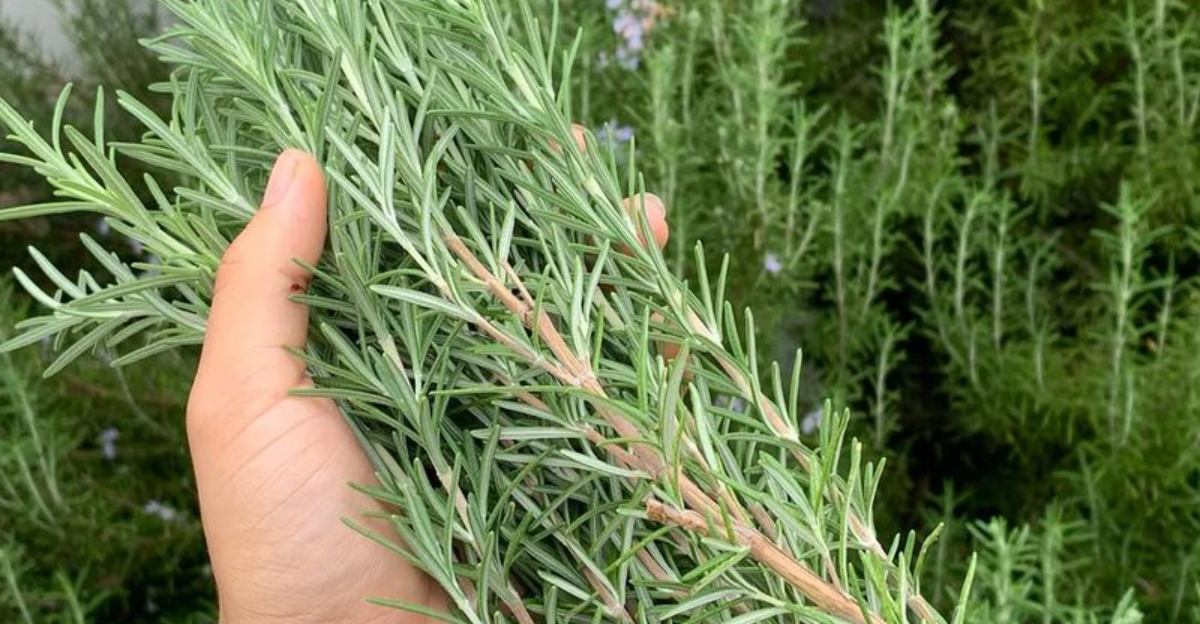
Rosemary has been in Ohio kitchens and gardens for generations, but many families don’t realize the old traditions tied to it. Some plant it for luck, others hang sprigs to protect the home, and a few keep it around for memories of ancestors who swore by its power.
The interesting part is most people continue these practices without knowing why, passing them along almost by habit. Rosemary isn’t just a fragrant herb; it carries stories, history, and a quiet connection to the past.
Learning about these traditions can turn a simple plant into a meaningful part of your home and garden. Ohio families are keeping this tradition alive, sometimes without even noticing, blending practicality with a touch of old-world charm.
Whether for cooking, memory, or a little garden magic, rosemary quietly shapes homes and gardens across the state even today.
1. The Reason Rosemary Spread Through Many Ohio Homes
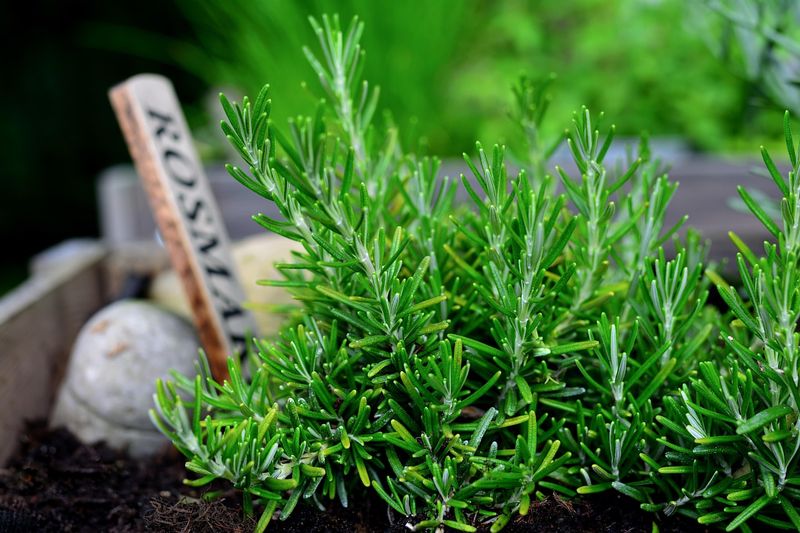
Walk into any older Ohio home and you’ll often spot a small potted herb near the kitchen window. That’s usually rosemary, and it’s been there longer than most families remember.
Your great-grandmother probably tended one in the same spot, and her mother before that.
Rosemary arrived in Ohio with European settlers who brought seeds and cuttings across the Atlantic. They planted it not just for flavor but because it represented something much bigger.
In their homeland, rosemary symbolized remembrance, loyalty, and protection, values that mattered deeply when families were building new lives far from everything familiar.
Ohio’s climate isn’t naturally perfect for rosemary, which prefers Mediterranean warmth. But resourceful homeowners learned to grow it indoors during harsh winters, keeping pots on sunny windowsills where the herb could thrive year-round.
This practice became common in many families, especially among households with European roots.
The tradition stuck because rosemary served multiple purposes. Families used it in cooking, yes, but they also valued its strong fragrance and symbolic meaning.
Over generations, the practice became automatic. You kept rosemary in your home because that’s what many families passed down, even if the original reasons faded from memory.
2. The Secret Grandparents Never Explained
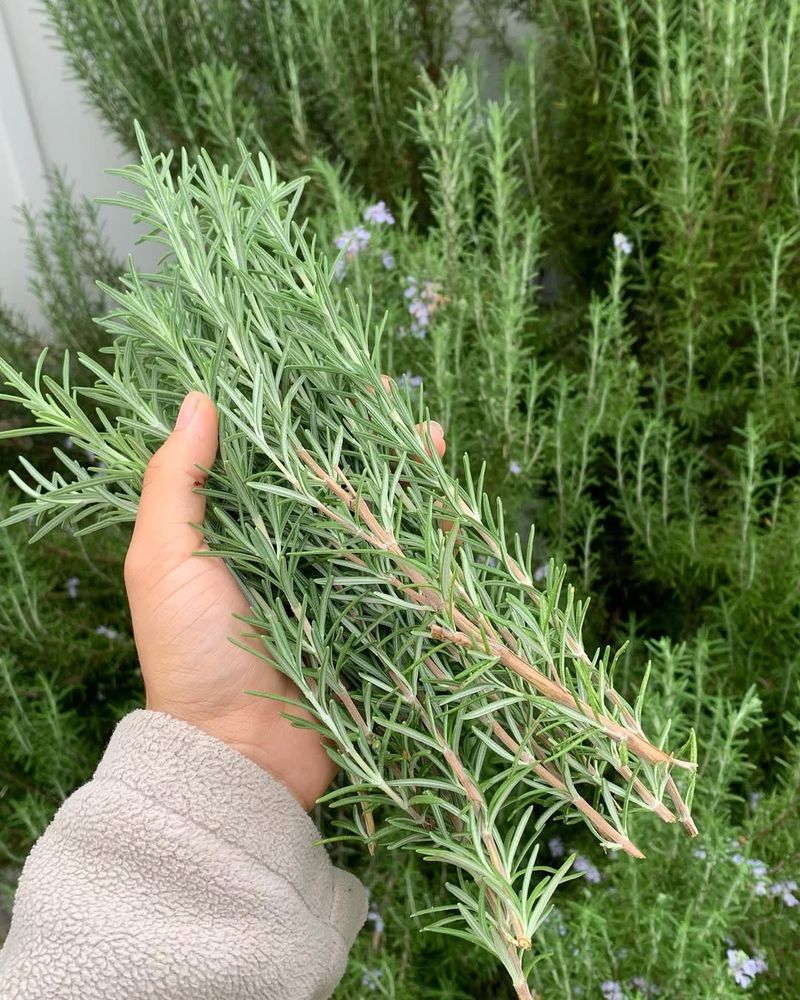
Your grandparents probably kept rosemary around the house but never really told you why. They’d water it, trim it occasionally, and maybe tuck a sprig into your pocket before you left for school.
The gesture felt sweet but puzzling, and most grandkids never thought to ask what it meant.
That silence wasn’t accidental. Many Ohio families stopped explaining the tradition because it felt old-fashioned or superstitious.
In earlier generations, parents taught children that rosemary helped with memory and focus, which is why some families believed students should carry sprigs to school or during important exams. The herb became a quiet good luck charm, passed along without much ceremony.
Some grandparents also believed rosemary offered spiritual protection. They’d place sprigs near doorways or windows, not because they believed in magic exactly, but because their parents did it and it brought comfort.
Your Ohio Garden Changes Every Week. Your Plan Should Too.
Gardening in Ohio changes quickly throughout the season. Every Friday you’ll receive a simple weekly plan showing exactly what to plant, prune, fertilize, harvest, and protect so you never miss the right timing.
The practice became muscle memory, something you did because it felt right, even if you couldn’t articulate why.
This unspoken tradition created a generational gap. Younger Ohioans see rosemary as just another cooking herb, while older family members still feel a deeper connection.
The secret wasn’t hidden on purpose. It simply got lost in translation as families stopped sharing the stories that gave the tradition its original meaning and emotional weight.
3. Old Superstitions Still Linger
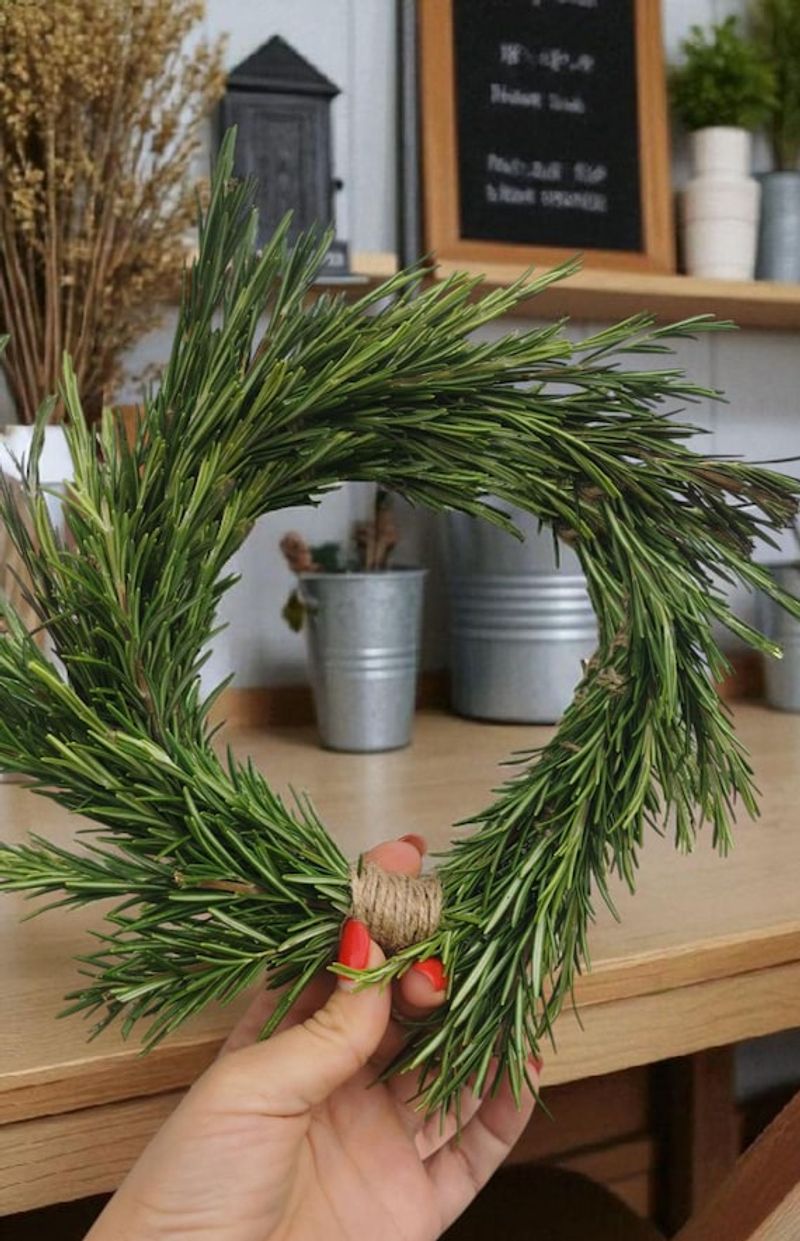
Look closely at older Ohio homes and you’ll sometimes find dried rosemary tucked into unexpected places. Above doorframes, near fireplace mantels, or woven into small wreaths that hang year-round.
These placements aren’t decorative accidents. They’re remnants of old superstitions that many families still follow without knowing the original beliefs behind them.
European folklore taught that rosemary could ward off negative energy and protect households from misfortune. When Ohio settlers brought these beliefs with them, the superstitions adapted to Midwest life.
Families hung rosemary to keep their homes safe, especially during difficult seasons like harsh winters or economic hardships.
Some believed rosemary prevented illness from entering the house. Others thought it discouraged unwanted visitors or bad intentions.
The herb’s strong scent made it seem powerful, almost medicinal, which reinforced these protective associations. Even families who didn’t fully believe in the superstition continued the practice because it had become tradition.
Today, some Ohio homeowners still place rosemary near entryways without understanding why. They might say it smells nice or looks charming, but they’re actually continuing a protective ritual that’s centuries old.
The superstition has softened into habit, but the behavior remains surprisingly consistent within families who preserved these customs.
4. How Rosemary Protected Homes Without Magic

Rosemary’s protective reputation wasn’t entirely based on superstition. The herb actually offered real, practical benefits that helped Ohio families maintain healthier homes.
Its strong essential oils contain compounds that naturally repel certain insects, including moths and mosquitoes, which made it useful in kitchens and storage areas.
Families would hang dried rosemary bundles in pantries where they stored grains, flour, and fabrics. The scent helped discourage pests without chemical treatments, which weren’t available or affordable for most households.
This practical use got blended with folklore, creating a tradition that served both symbolic and functional purposes.
Rosemary also has mild antimicrobial properties. While families didn’t understand the science, they noticed that spaces where rosemary hung seemed fresher and cleaner.
Some families occasionally burned small amounts of dried rosemary for fragrance, especially in winter when homes stayed closed up for months. The smoke and scent made indoor spaces feel more pleasant.
Modern research shows rosemary contains natural compounds that may help deter some insects and bacteria, though effects are mild compared to commercial products. Still, for generations of Ohioans living without access to commercial solutions, rosemary provided genuine household benefits.
The tradition persisted because it actually worked, not just because people believed it did.
5. From Kitchen Herb To Household Must-Have
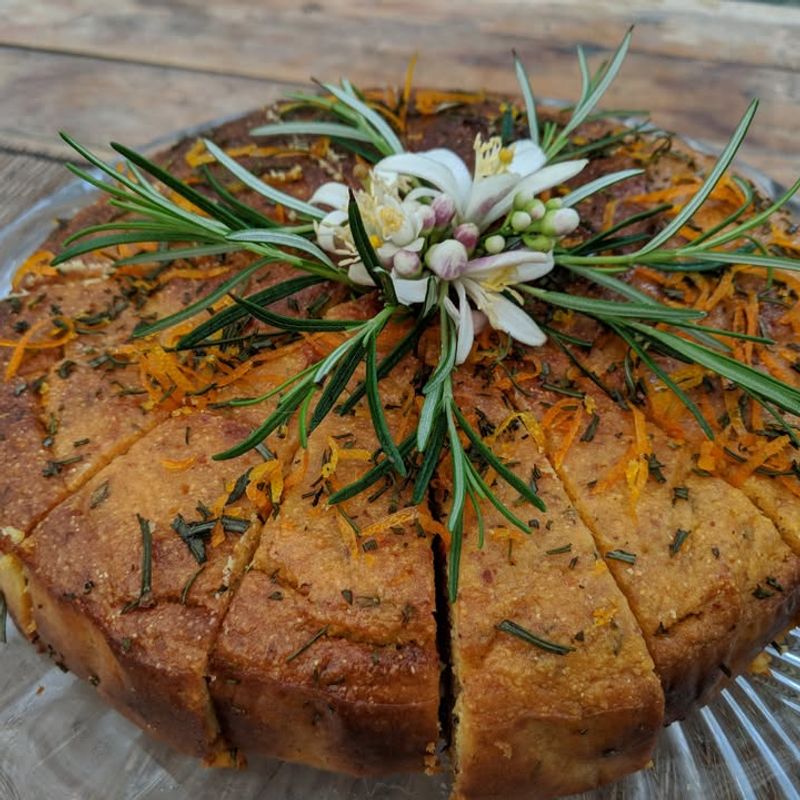
Rosemary’s journey in Ohio homes started in the kitchen but quickly expanded beyond cooking. Your ancestors used it to flavor roasted meats, soups, and breads, especially during winter when fresh herbs were scarce.
The plant’s woody stems and needle-like leaves held up well when dried, making it one of the few herbs that maintained strong flavor year-round.
As families recognized rosemary’s versatility, they found more uses for it. Women made rosemary-infused vinegar for cleaning and hair rinses.
The herb’s natural oils gave household cleaners a pleasant scent while providing mild disinfecting properties. These homemade solutions became common in certain households long before commercial cleaning products existed.
Rosemary also appeared in home remedies. Families brewed rosemary tea to help with digestion or headaches, and they made poultices for sore muscles.
Whether these treatments actually worked is debatable, but the practice created a deeper connection between families and their rosemary plants. The herb became essential, not optional.
This expansion from kitchen herb to household necessity explains why rosemary plants received such careful attention. Families couldn’t just run to the store for replacements, so they learned proper care techniques.
They shared cuttings with neighbors, traded growing tips, and passed down knowledge about overwintering the plants. Rosemary became woven into daily Ohio home life in dozens of small ways.
6. Family Stories That Keep It Alive
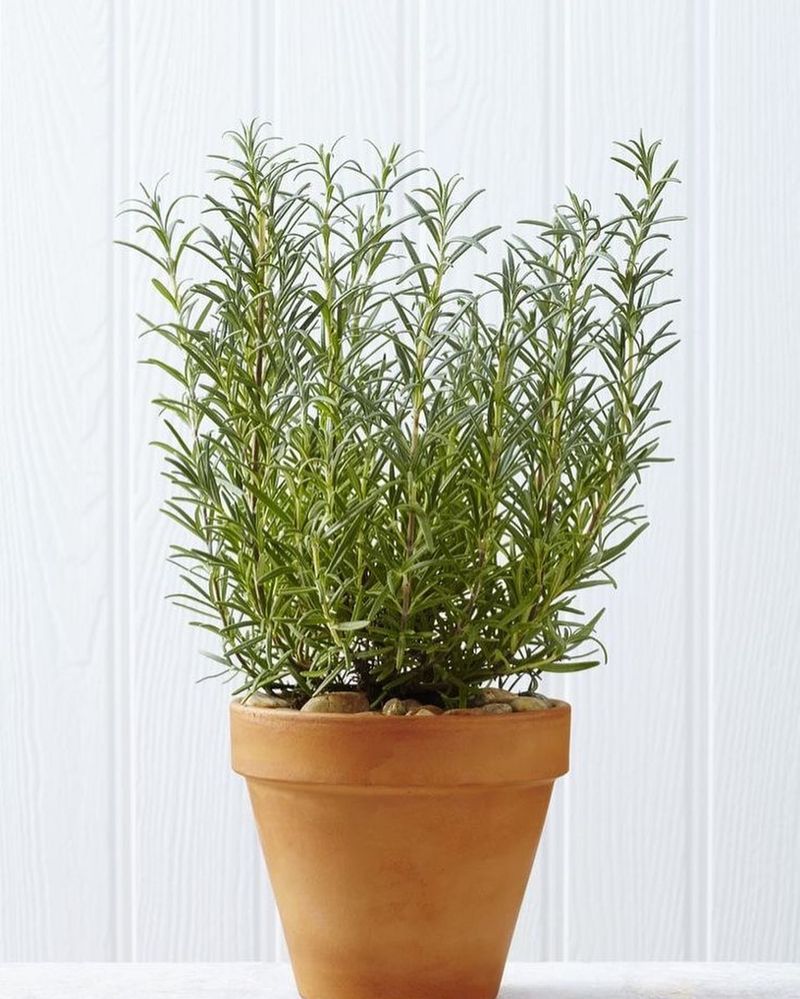
The rosemary tradition survives in Ohio because families keep telling stories about it. Maybe your aunt mentions how her mother always sent her to school with rosemary in her lunch bag.
Or your neighbor explains that his grandmother insisted on planting rosemary near the front steps of every house she lived in. These personal narratives give the tradition emotional weight that transcends its practical origins.
In northern Ohio, some families tell stories about rosemary helping ancestors through difficult times. During economic depressions or personal hardships, tending a rosemary plant gave people something to nurture and control when everything else felt uncertain.
The plant became a symbol of persistence and hope, qualities that mattered deeply in challenging circumstances.
Some Central Ohio families share stories connecting rosemary to weddings and celebrations. Brides carried rosemary sprigs in their bouquets, and families tucked it into gifts for newlyweds.
The herb represented the wish that the couple would always remember their love and commitment. These ceremonial uses created memories that people retold for generations.
Southern Ohio storytelling frequently links rosemary to holiday traditions. Families added it to Christmas wreaths or Thanksgiving centerpieces, connecting the herb to seasonal gatherings and shared meals.
Each story reinforces the tradition differently, but they all accomplish the same thing. They transform rosemary from a simple plant into something meaningful that deserves preservation and continuation.
7. Modern Ohioans Still Follow This Tradition

You might think this rosemary tradition belongs only to older generations, but modern Ohio homeowners continue aspects of it in surprising numbers. Visit any farmers market or garden center in spring and you’ll see young families buying rosemary plants alongside their tomatoes and peppers.
They’re often continuing a practice without fully understanding its historical roots.
Today’s Ohioans give different reasons for keeping rosemary. Some focus on cooking, wanting fresh herbs for their culinary experiments.
Others appreciate the plant’s low maintenance requirements and pleasant fragrance. Still others admit they keep rosemary because their parents or grandparents did, and it feels like honoring family tradition.
Social media has actually helped preserve the tradition in unexpected ways. Ohio gardening groups share tips for overwintering rosemary, and food bloggers post recipes featuring the herb.
These modern platforms create new ways to pass down old knowledge, connecting younger Ohioans to practices their ancestors followed for entirely different reasons.
The tradition has also evolved. Modern homeowners might keep rosemary in decorative pots that match their kitchen decor, or they grow multiple varieties for different purposes.
Some use rosemary essential oils in diffusers rather than burning dried sprigs. The core practice remains consistent, keeping rosemary present in Ohio homes, but the specific methods adapt to contemporary lifestyles and preferences.
8. The Hidden Reason You See Rosemary Everywhere
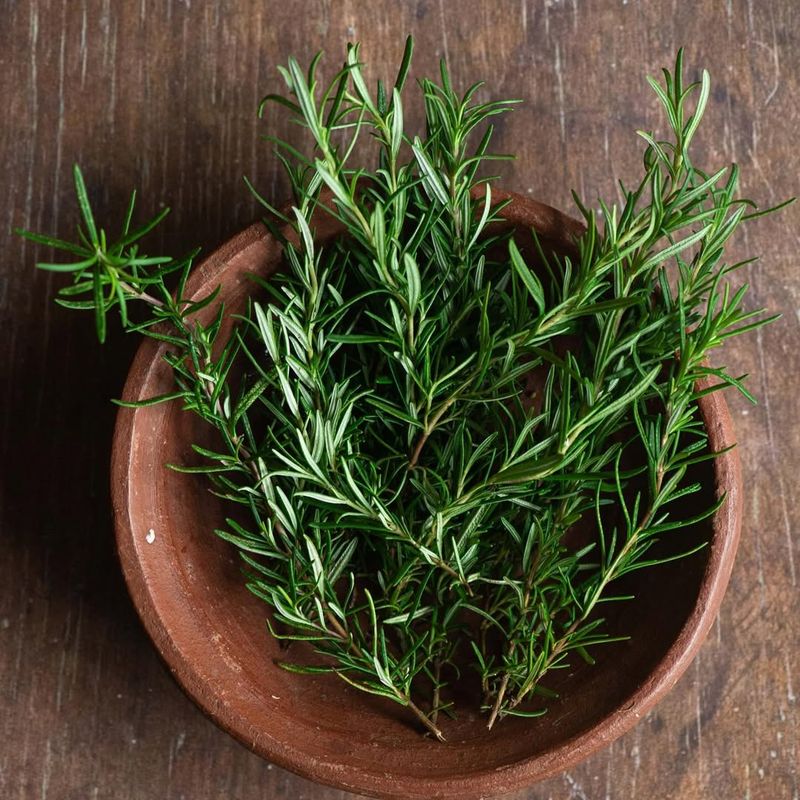
Rosemary appears in Ohio homes, gardens, and markets with such frequency that you might wonder why this particular herb became so dominant. The answer combines practical gardening realities with cultural momentum that’s been building for generations.
Once enough families adopted the tradition, it became self-reinforcing through community sharing and local nursery practices.
Ohio garden centers stock rosemary heavily because they know it sells consistently. Customers request it by name more than most other herbs, creating reliable demand that nurseries are happy to meet.
This commercial availability makes it easy for new homeowners to start or continue the tradition without much effort or expense.
The herb’s resilience also contributes to its popularity. While Ohio’s climate challenges rosemary growing outdoors year-round, the plant tolerates indoor conditions better than many Mediterranean herbs.
It doesn’t require perfect care to survive, which means even novice gardeners can maintain the tradition successfully. This accessibility helped rosemary spread across different economic and social groups.
Perhaps most importantly, rosemary carries cultural meaning for many families. When you see it in multiple homes on your street, you’re more likely to get some yourself.
The tradition perpetuates through observation and imitation, even when people don’t know the full history. Rosemary has become part of many Ohio families’ household traditions, a small green thread connecting past and present in kitchens across the state.