Here’s How To Tell If Your Ohio Lawn Is Dormant Or Just Waking Up
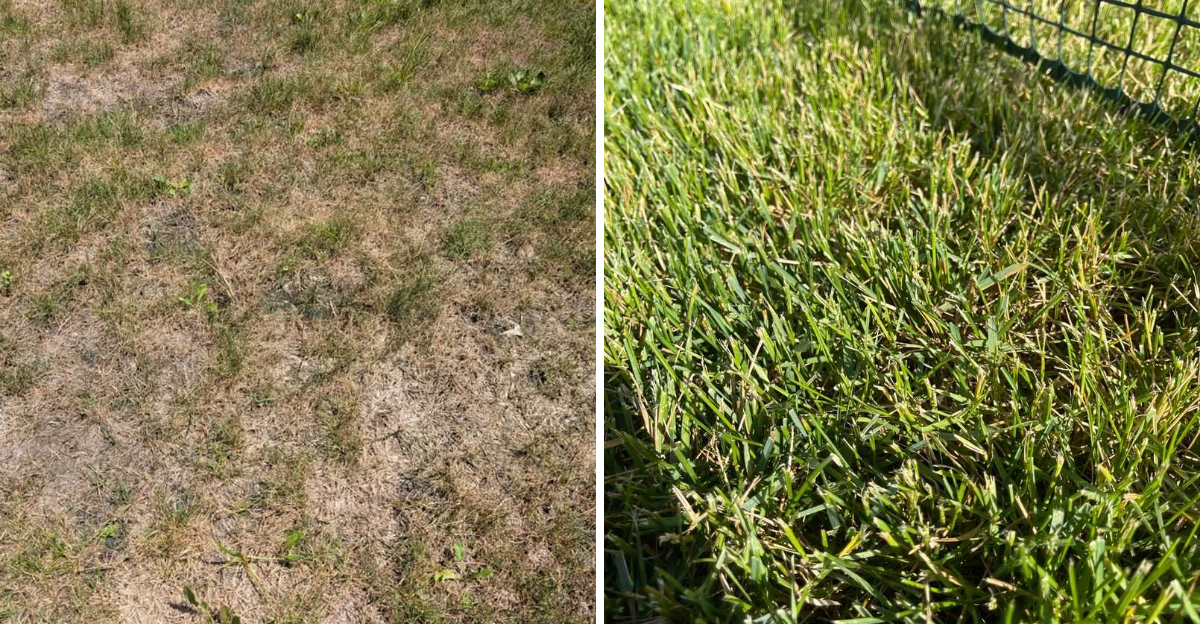
Ohio lawns hide secrets under winter’s brown blanket. Some are quietly resting, storing energy for a strong comeback, while others are already stirring, reaching for the sun as spring inches closer.
The difference can be subtle, but spotting it matters. A few simple checks reveal whether roots are ready to push new shoots or still gathering strength beneath the surface.
Knowing what’s happening allows homeowners to feed the soil, time the first mowing, and encourage a thick, healthy lawn that stands out all season. Overlook these signals, and lawns may struggle to reach their full potential.
Pay attention now, and you can guide your yard to recover faster, stay lush longer, and handle Ohio’s changing weather with ease. The right timing transforms a plain, patchy yard into a vibrant, green space ready to impress neighbors and support every outdoor activity this spring.
1. Check The Color For Signs Of Life
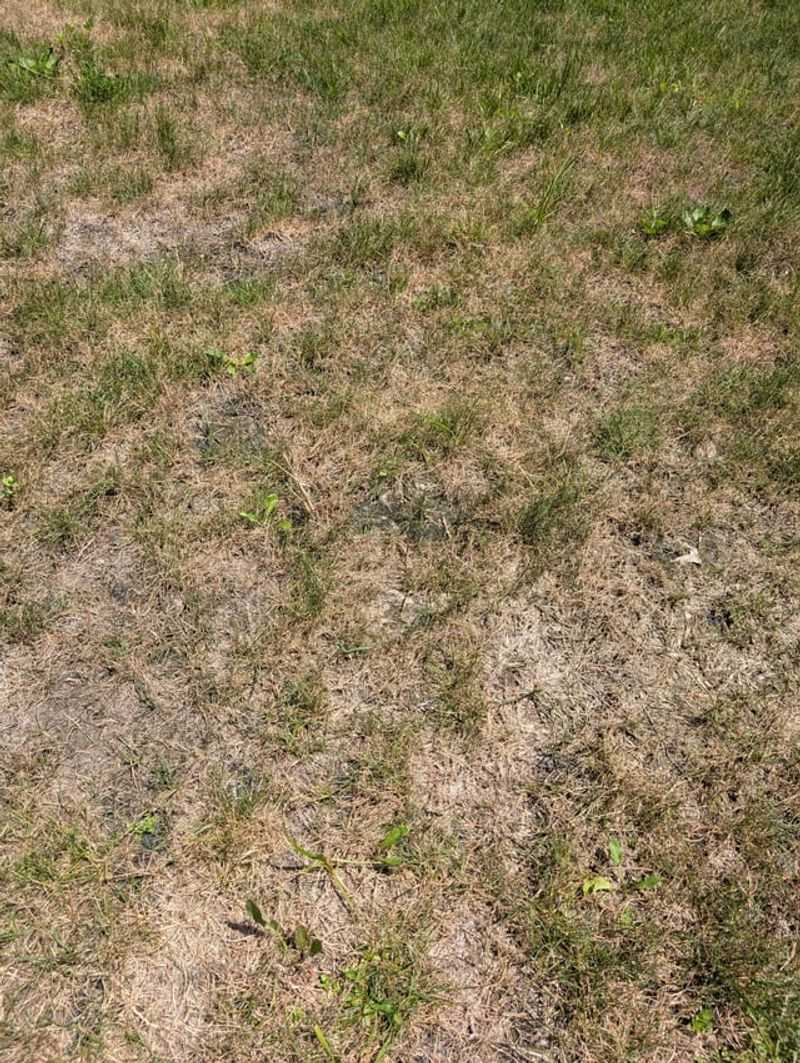
You walk outside on a March morning and notice your lawn looks like a patchwork quilt. Some areas show tan or straw-colored grass while others hint at green beneath the surface.
This color variation tells a story about what your turf experienced through winter and how it’s responding to warmer days.
Ohio lawns typically turn brown during dormancy as a protective response to cold temperatures and reduced sunlight. Cool-season grasses like Kentucky bluegrass and tall fescue enter this rest phase as soil temperatures fall into the low to mid-40s and growth slows significantly below 50 degrees.
The brown appearance doesn’t indicate trouble but rather shows your grass conserving energy until conditions improve.
Look closely at individual grass blades rather than judging from a distance. Dormant grass maintains a uniform tan or beige color throughout each blade.
Grass beginning to wake up shows green at the base near the crown where new growth emerges first. Northern Ohio lawns often stay brown longer into April compared to southern counties where soil warms faster.
Many homeowners mistake dormant grass for something more serious and rush to overseed or apply treatments too early. The key is patience combined with observation.
Run your hand through different sections of your lawn and compare blade colors in sunny spots versus shaded areas. Sunny sections typically green up first because soil temperatures rise faster there.
This simple color check gives you the first clue about whether your lawn is still sleeping or starting its spring awakening.
2. Press On Blades To Test Growth
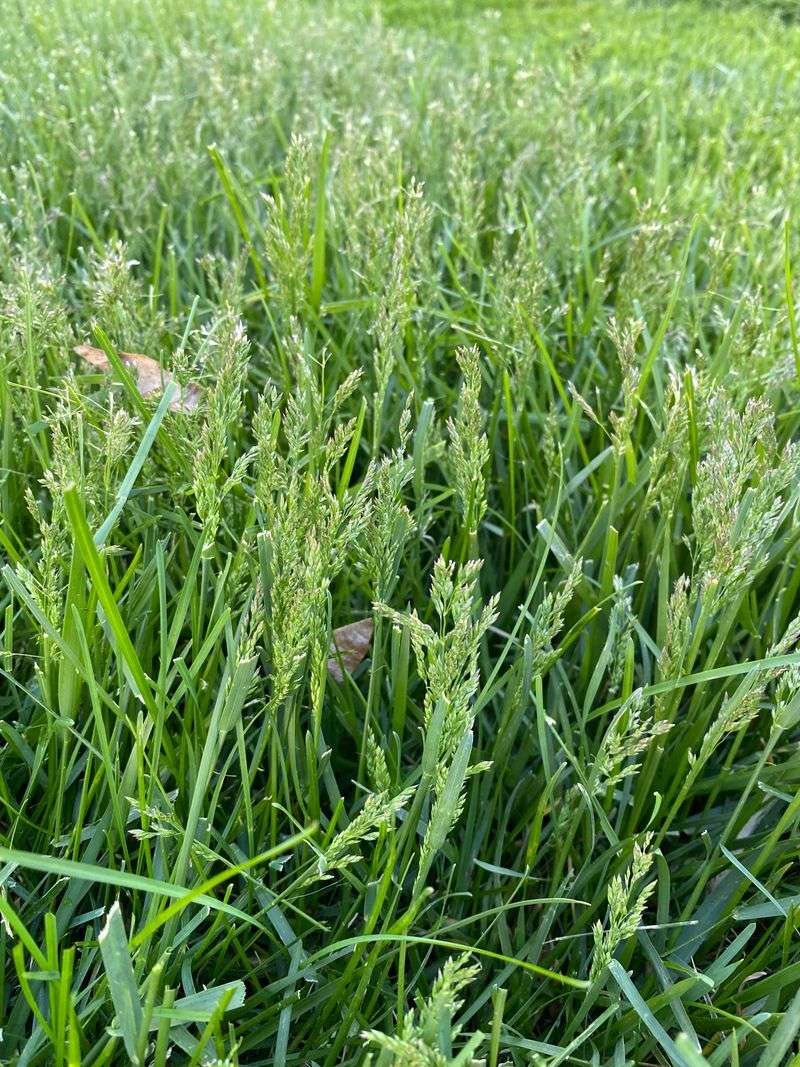
After checking color, reach down and press a few grass blades between your fingers. This simple touch test reveals more than any visual inspection alone.
Dormant grass feels crisp and somewhat brittle, almost like dried straw that’s been sitting in the sun. Active grass shows flexibility and a slight bounce when you release pressure.
The texture difference comes from water movement within the plant. During dormancy, grass blades contain minimal moisture as the plant directs resources to roots and crowns below ground.
Once growth resumes, water moves up through the plant tissue again, creating that familiar supple feel of healthy turf. Central Ohio homeowners often notice this transition happening in late March or early April depending on that year’s weather patterns.
Your Ohio Garden Changes Every Week. Your Plan Should Too.
Gardening in Ohio changes quickly throughout the season. Every Friday you’ll receive a simple weekly plan showing exactly what to plant, prune, fertilize, harvest, and protect so you never miss the right timing.
Try this test in multiple locations across your yard. Press blades near your house foundation where reflected heat accumulates compared to open areas that stay colder longer.
You’ll likely find variation showing some sections waking up while others remain dormant. This happens because microclimates exist even in small yards based on sun exposure, drainage patterns, and wind protection.
Avoid confusing brittleness from dormancy with brittleness from winter damage or disease. Dormant grass often feels dry and less flexible, though brittleness varies depending on species and moisture levels.
Grass affected by snow mold or freeze injury feels mushy or matted rather than crisp.
Southern Ohio lawns typically pass this flexibility test earlier than northern regions where frost lingers into mid-spring and soil temperatures stay cooler longer.
3. Spot Bare Or Patchy Areas
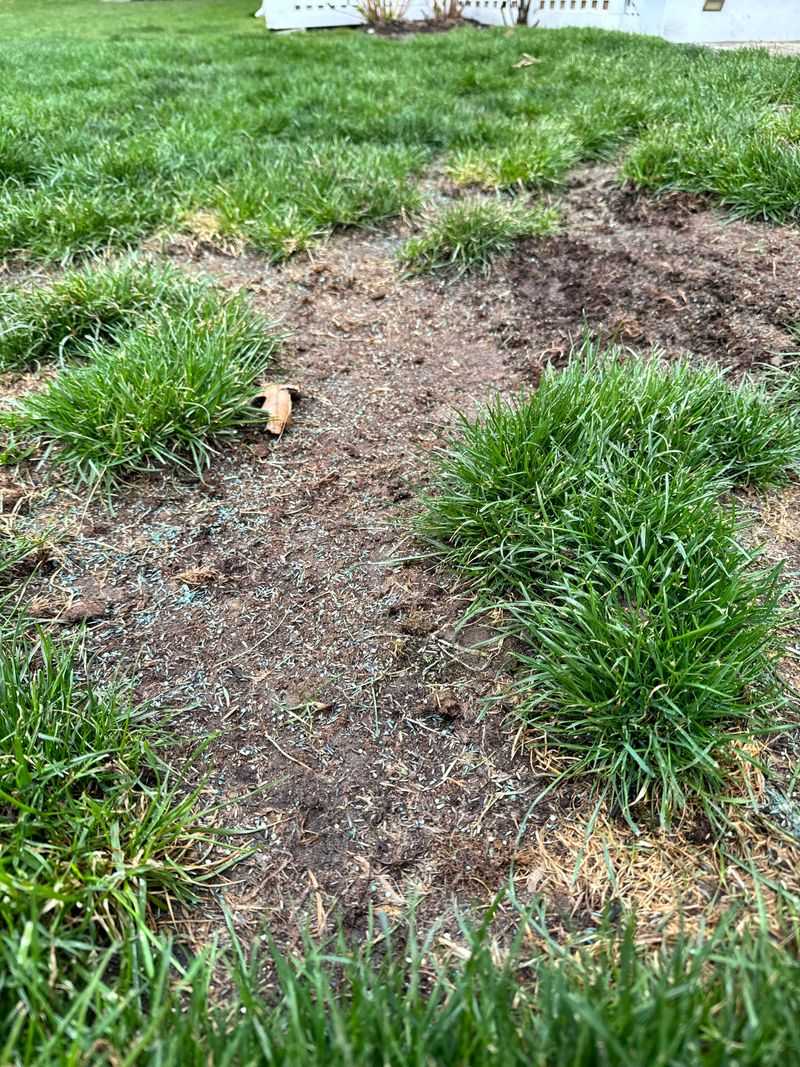
Bare spots catch your eye immediately when you survey your lawn in early spring. These areas look different from simple dormancy because no grass blades exist there at all, just exposed soil or matted remnants from winter.
Understanding why these patches appear helps you determine whether your lawn is waking up or struggling with damage.
Winter creates stress on Ohio lawns through freeze-thaw cycles that heave soil and expose grass crowns to harsh conditions. Heavy snow piles from plowing or shoveling compact soil and smother grass beneath.
Salt runoff from driveways and sidewalks burns grass roots and prevents spring regrowth. These factors create bare areas that won’t green up no matter how long you wait.
Walk your entire yard and note where bare patches appear. Patterns tell you what happened.
Bare strips along walkways suggest salt damage. Circular bare spots might indicate snow mold or pet urine from winter.
Larger bare areas in low spots could mean poor drainage led to ice formation that suffocated grass roots. Northern Ohio lawns face more freeze-thaw cycles than southern regions, often resulting in more winter injury and bare patches.
Distinguish between truly bare soil and grass that’s simply slow to green up. Crouch down and look closely at questionable areas.
Dormant grass shows crowns and blade bases even when brown. Bare soil shows nothing but dirt and maybe some weed seeds beginning to sprout.
This assessment guides your spring plan because bare areas need overseeding while dormant areas just need time and proper care as growth resumes.
4. Look For Early Green Tips
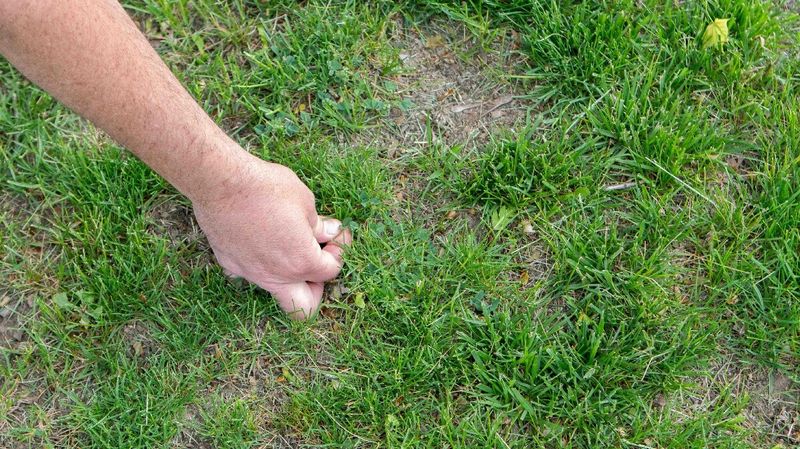
Get down on your knees and examine grass blades up close. The most exciting sign of spring growth appears as tiny green tips emerging from brown blade bases.
These green tips represent new leaf tissue pushing upward as your grass exits dormancy and begins active photosynthesis again. Spotting them confirms your lawn is definitely waking up.
This greening pattern starts at the crown where the growing point stays protected just below soil level through winter. As soil temperatures climb into the mid-40s and toward 50 degrees and daylight hours increase, grass plants sense conditions are right for growth.
New cells form at the crown and push upward, creating those green tips while older brown tissue remains on outer portions of blades. Central Ohio typically sees this transition in late March through early April, though timing varies by microclimate and grass species.
Check multiple areas because greening happens unevenly across your lawn. South-facing slopes and areas near buildings warm faster and show green tips first.
Shaded sections under trees or on north-facing slopes lag behind by a week or more. Tall fescue often greens up slightly earlier than Kentucky bluegrass in Ohio lawns because it tolerates cooler soil temperatures better.
Many homeowners wonder whether to mow when they see green tips but mostly brown blades. The answer is wait a bit longer.
Let new growth reach about three inches before that first spring mowing. Cutting too early removes precious green tissue your grass needs for photosynthesis and energy production.
Southern Ohio lawns typically reach mowing height earlier than northern counties where cooler temperatures slow growth rates through April.
5. Examine Soil Moisture And Firmness
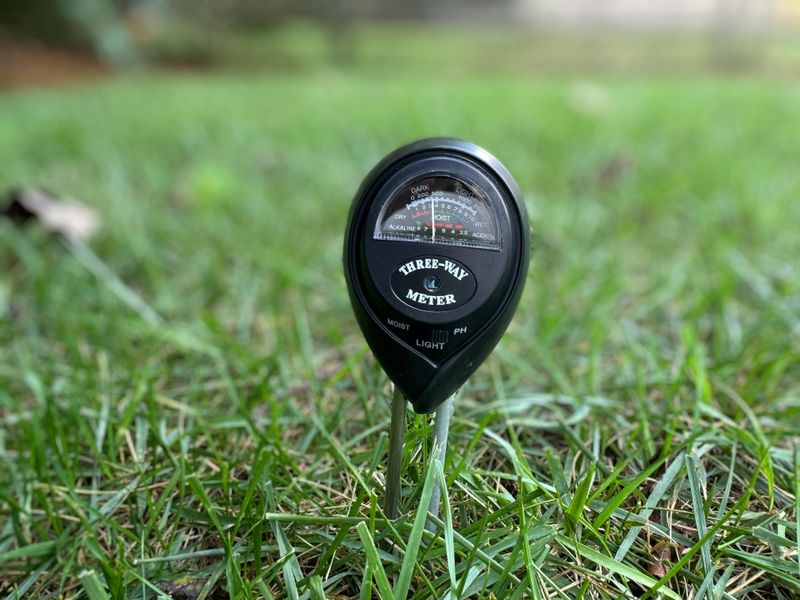
Soil condition tells you as much about lawn status as the grass itself. Press your finger into the soil in several locations across your yard.
Dormant lawns in late winter often sit above frozen or very firm soil that resists penetration. Lawns waking up typically have softer, more yielding soil as frost leaves and moisture becomes available for root uptake.
Ohio experiences dramatic soil changes from February through April. Frozen ground gradually thaws from the surface downward, creating a transitional period where the top few inches feel soft while deeper soil remains hard.
This thawing process varies significantly across the state. Northern Ohio soil often stays frozen into mid-March while southern counties thaw by late February.
These regional differences directly affect when grass can resume growth regardless of air temperature.
Squeeze a handful of soil from different areas. Soil that’s too wet forms a muddy ball and indicates poor drainage or excessive moisture from snowmelt.
Soil that’s crumbly and slightly moist shows ideal conditions for root activity and grass growth. Completely dry soil that won’t hold together suggests your lawn might need irrigation even this early if winter precipitation was limited and spring has been dry.
Watch how soil moisture changes over several days. While grass water uptake is minimal during dormancy, early spring soil moisture is mostly influenced by rainfall, snowmelt, and drainage rather than plant activity.
Lawns beginning active growth may gradually show slightly drier surface soil as roots resume water uptake alongside normal evaporation. This moisture change happens subtly but confirms your grass is transitioning from dormancy to growth.
The timing of this shift varies across Ohio based on local weather patterns and soil type.
6. Watch For Weeds Pushing Through
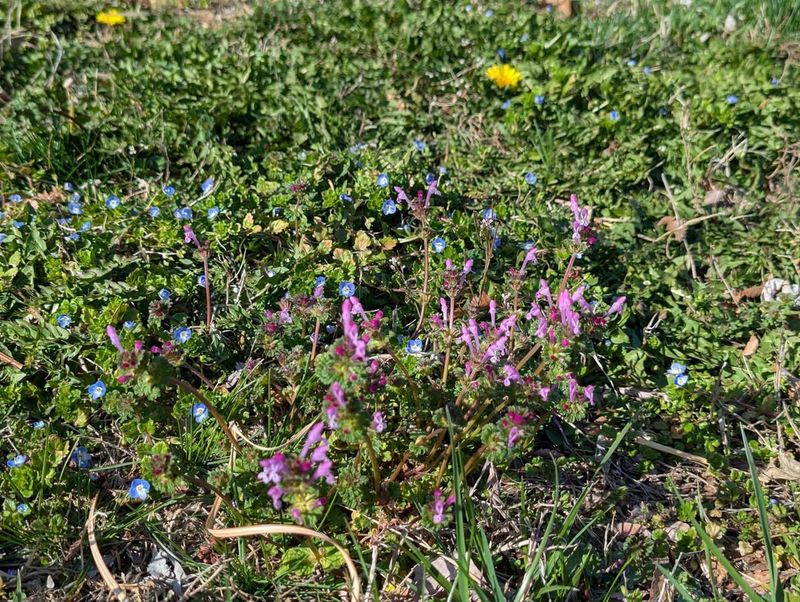
Weeds often serve as your lawn’s alarm clock. These opportunistic plants frequently break dormancy before desirable grass species, giving you a clear signal that growing conditions have arrived.
When you spot chickweed, henbit, or early dandelion rosettes pushing through brown grass, you know soil temperatures have warmed enough to support plant growth.
Many Ohio homeowners feel frustrated seeing weeds appear while grass stays brown. This happens because common lawn weeds are remarkably cold-tolerant.
Chickweed and henbit can begin growing in soil temperatures in the mid-40s, while Kentucky bluegrass and tall fescue usually need closer to 50 degrees for consistent visible growth. Those few degrees make weeds the first green you see each spring, especially in central and southern Ohio where soil warms earlier.
Use weed emergence as a timing guide rather than a problem to solve immediately. When weeds start growing, your grass will follow within a week or two as soil temperatures continue climbing.
This makes early spring an awkward time for weed control because your grass isn’t growing vigorously enough to compete or recover from herbicide applications. Most Ohio State University Extension recommendations suggest waiting until grass greens up substantially before applying broadleaf weed controls.
Notice where weeds appear first. Bare or thin areas show weed growth earliest because less competition exists there.
Dense areas of dormant grass typically suppress weed emergence better. This pattern helps you identify weak spots in your lawn that might need overseeding once soil conditions allow.
Northern Ohio sees later weed emergence than southern regions, with timing differences of two weeks or more in early springs.
7. Notice How Quickly Grass Responds To Sun
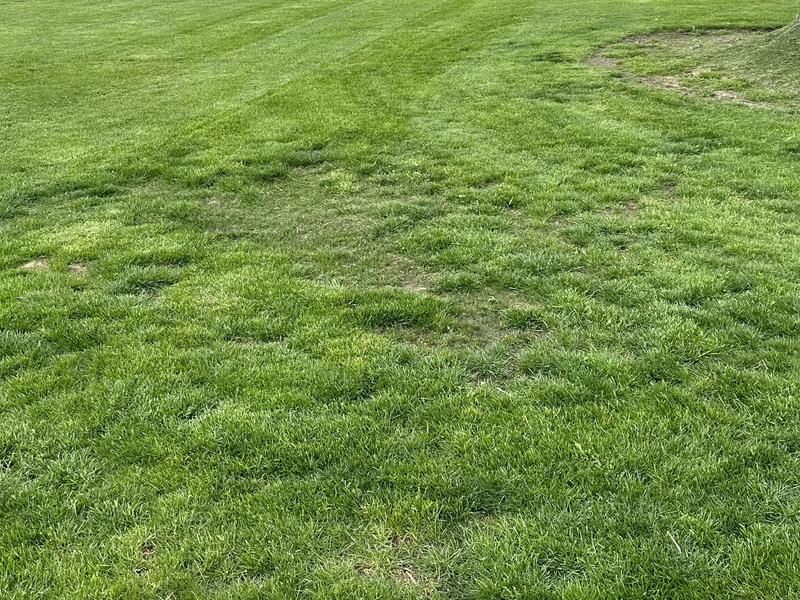
Spend a few days observing how your lawn responds to sunny weather. Grass truly waking from dormancy shows visible color change within days of warm, sunny conditions.
Dormant grass that’s not ready to grow yet stays brown regardless of sunshine. This response time helps you gauge whether your lawn is actively growing or still resting.
Sunshine does more than warm air on spring days in Ohio. Direct sunlight can heat soil surfaces well above air temperature on clear days.
This soil warming triggers growth responses in grass plants even when overnight temperatures still dip toward freezing. Southern-facing lawn areas receive more direct sunlight and warm faster, often greening up a week ahead of northern exposures or shaded sections.
Track changes over three or four sunny days. Take photos of the same lawn areas each morning to document subtle color shifts you might miss with daily observation alone.
Grass beginning active growth shows progressive greening that’s obvious when comparing photos. Grass still dormant looks essentially the same across multiple days despite warm sunshine.
Central Ohio lawns typically show this solar response in late March while northern counties often wait until early or mid-April.
Consider cloud cover and temperature patterns too. A string of cloudy, cool days slows grass response even when calendar dates suggest spring has arrived.
Ohio weather swings wildly in March and April, with warm stretches followed by cold snaps. Grass may begin responding to warmth then pause growth when temperatures drop again.
This stop-and-start pattern is completely normal and doesn’t harm your lawn. Patience during these transitions serves you better than rushing to fertilize or overseed before consistent growth begins.
8. Decide If It’s Time To Feed Or Wait
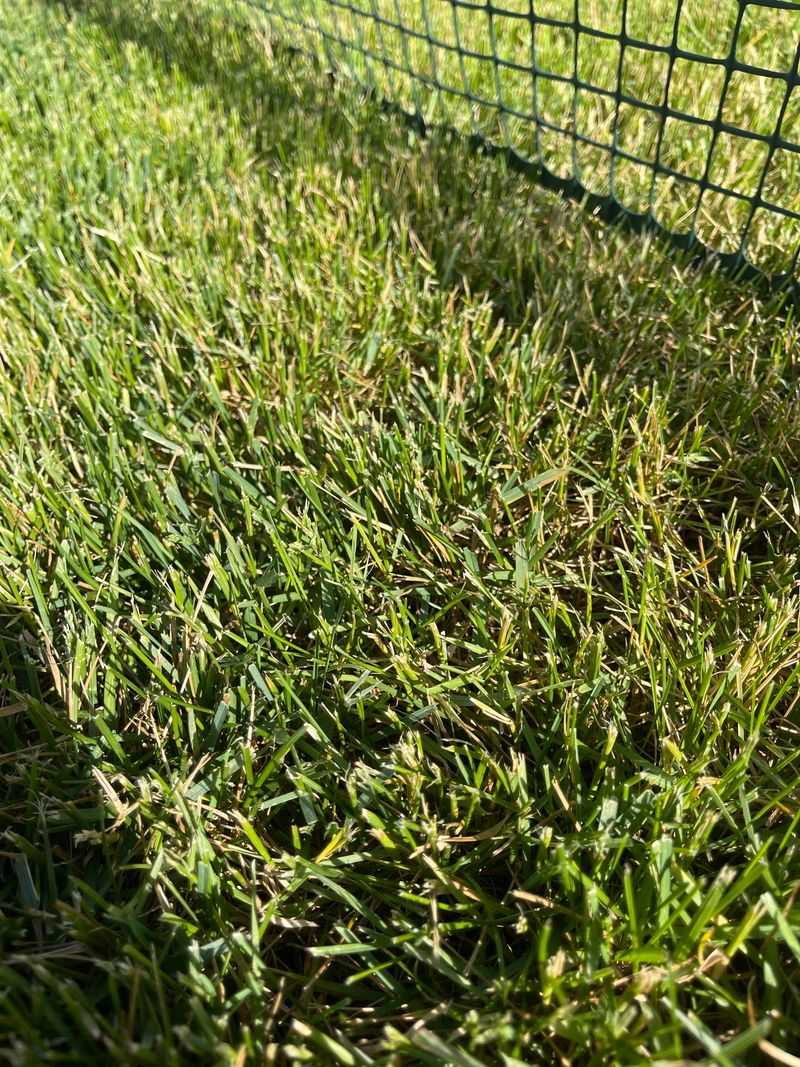
All your observations lead to this practical decision point. Should you fertilize now or wait a bit longer?
The answer depends on what your assessments revealed about your lawn’s current state. Fertilizing dormant grass wastes money and risks nutrient runoff because grass can’t use nitrogen it’s not actively growing.
Fertilizing grass that’s clearly greening up and growing provides the boost it needs for healthy spring development.
Ohio State University Extension recommends waiting until grass shows sustained green growth and regular mowing has begun before applying fertilizer. Depending on spring weather, this usually occurs sometime in April across most of Ohio.
The key word is sustained, meaning growth continues for a week or more rather than a brief green-up followed by dormancy again when cold weather returns. Central Ohio’s transitional climate makes timing tricky because warm spells alternate with cold snaps through April.
Look for multiple signs occurring together before fertilizing. Your lawn should show green color in most areas, flexible blades that bounce back when pressed, visible new growth at blade tips, and active response to sunny weather.
Soil should be soft enough to penetrate easily and moist but not soggy. Weeds will likely be growing already.
When all these indicators align, your lawn is ready for its first spring feeding.
Consider splitting your spring fertilizer application if you’re uncertain about timing. Apply half the recommended amount when you see definite growth beginning, then apply the second half three to four weeks later when grass is growing vigorously.
This approach reduces risk while still supporting your lawn’s nutritional needs. OSU Extension also emphasizes that fall remains the most important fertilization window for long-term lawn health.