Why You Should Consider Rosemary Near Your Front Door In Georgia

That small area right by your front door gets more attention than any other part of your Georgia yard, whether you realize it or not.
It’s the first thing you see when you come home, the last thing you pass on your way out, and the space guests linger in for a moment before stepping inside.
In Georgia, front-door plantings have to handle heat, reflected sunlight, and constant movement without looking worn out or neglected.
Not every plant thrives in that kind of spotlight, and some lose their appeal faster than expected.
When an entryway feels inviting day after day, it’s usually because one plant is quietly pulling more weight than the rest. Rosemary does exactly that, offering scent, structure, and resilience in one place.
Planted near the front door, it changes how the space feels without adding extra work.
1. Built To Handle Georgia Heat And Sticky Summer Humidity
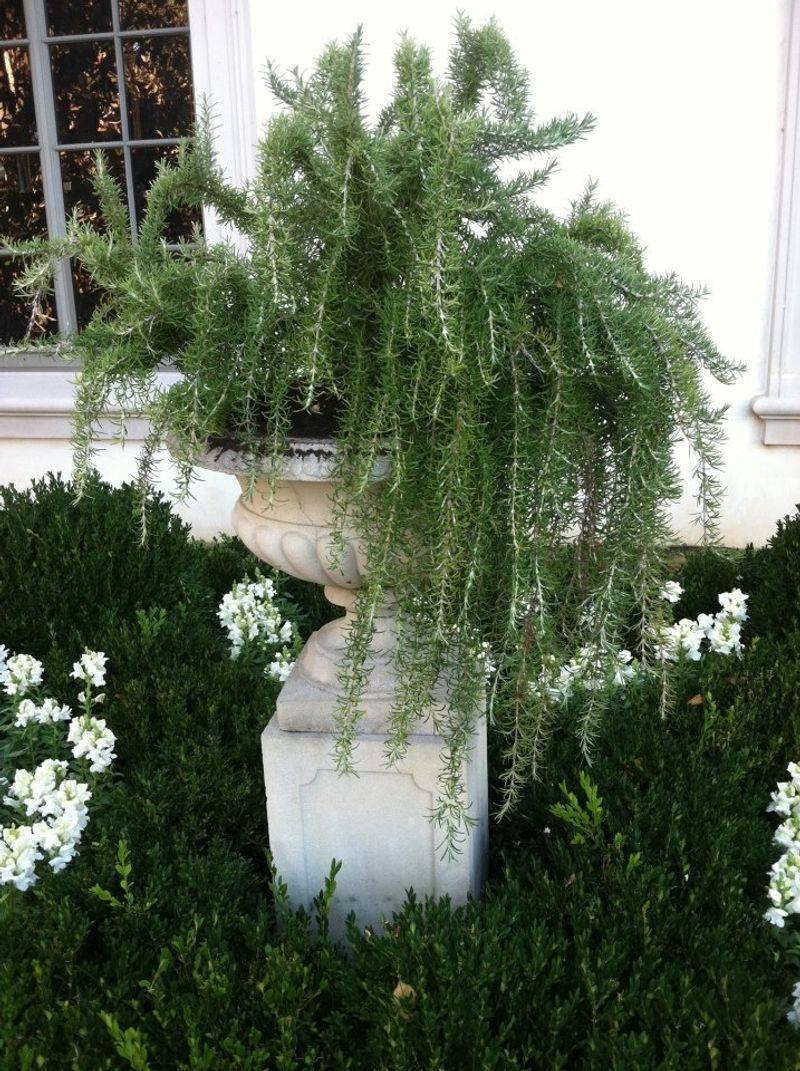
Georgia summers test every plant in your yard, but rosemary faces the challenge without flinching. Temperatures regularly climb into the 90s across the state, and humidity wraps around everything like a wet blanket.
Most herbs wilt or struggle when conditions get this intense, yet rosemary keeps its silvery-green needles looking fresh and vibrant. Your front door area gets extra heat from reflected sunlight off walls and pavement, making plant selection even trickier.
Rosemary actually prefers warmth and handles it better than almost any other culinary herb you could choose.
Mediterranean origins prepared this plant for exactly these conditions. Wild rosemary grows on sunny hillsides where summer heat bakes the soil and rain stays scarce for months.
Georgia’s climate feels familiar to this tough herb, even when July and August push temperatures higher. You won’t see drooping leaves or stressed growth during heat waves.
The plant’s needle-like foliage reduces water loss, keeping it healthy even when your thermometer hits peak readings.
Humidity doesn’t bother rosemary the way it affects other plants. Many herbs develop fungal problems when moisture hangs in the air day after day, but rosemary’s structure prevents most of these issues.
Air circulates easily around the thin leaves, and water doesn’t pool on foliage surfaces. Your front entrance stays attractive all summer without you needing to treat diseases or remove damaged growth.
Georgia gardeners appreciate plants that don’t require constant intervention during the hottest months.
2. Once Established It Gets Through Dry Spells With Little Fuss
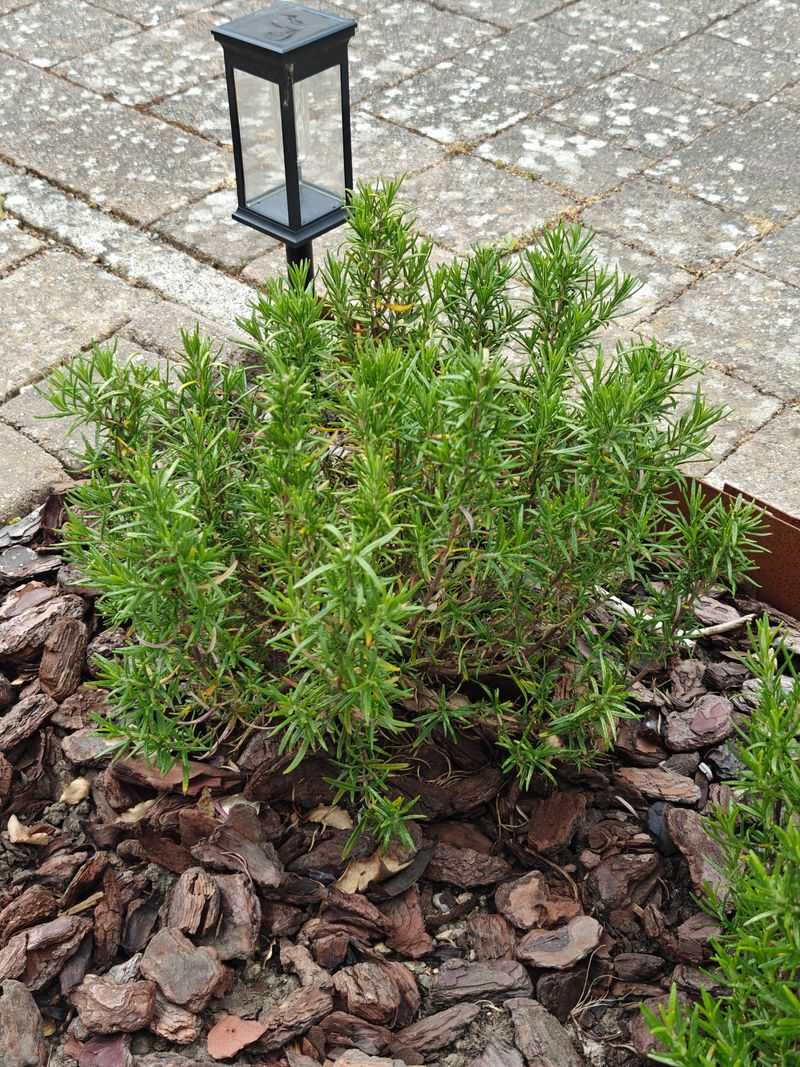
Water restrictions hit many Georgia communities during summer, making drought-tolerant landscaping more than just convenient. Rosemary handles dry conditions better than nearly any flowering or foliage plant you might choose for your front entrance.
Once the root system develops over the first growing season, this herb requires minimal supplemental watering. You’re not tied to a rigid watering schedule or worried about short trips away from home.
Your front door plantings survive and even thrive with less attention than traditional landscape choices demand.
Deep roots develop quickly in Georgia’s soil when you give rosemary proper drainage. These roots reach down to moisture that surface-rooted plants never access.
Your Georgia Garden Changes Every Week. Your Plan Should Too.
Gardening in Georgia changes quickly throughout the season. Every Friday you’ll receive a simple weekly plan showing exactly what to plant, prune, fertilize, harvest, and protect so you never miss the right timing.
During dry weeks, your rosemary keeps pulling water from deeper soil layers while nearby plants show stress. The visual difference becomes obvious by mid-summer.
Front door areas often have limited irrigation, making this self-sufficiency especially valuable. You get reliable performance without installing complicated watering systems.
Native to regions with long, rainless summers, rosemary developed survival strategies that serve Georgia gardeners perfectly. The plant’s needle-like leaves minimize water loss through transpiration.
Waxy coatings on foliage surfaces further reduce moisture escape. These adaptations mean rosemary doesn’t wilt or drop leaves when rainfall stays scarce.
Your landscaping maintains its appearance through typical Georgia dry spells without emergency watering sessions. That resilience translates to less work and more confidence in your plant choices.
Many Georgia homeowners travel during summer months, leaving gardens to fend for themselves. Rosemary near your front door won’t greet you with brown, crispy foliage when you return from vacation.
The plant’s drought tolerance covers typical absence periods without special preparation. You might ask neighbors to water more delicate plants, but rosemary handles itself just fine.
That independence makes it perfect for the entry area where you want consistent good looks regardless of your schedule.
Established rosemary in Georgia often goes weeks between watering during fall and spring. Summer might require occasional deep soaking, but nothing like the daily attention many herbs demand.
You save time and water while still enjoying fresh herbs right outside your door. The plant’s efficiency with moisture doesn’t compromise its growth or appearance.
Stems stay green and full, and new growth continues even when rain stays away. That balance between toughness and beauty defines excellent landscaping choices.
3. Evergreen Foliage Keeps The Front Entry Looking Full All Year
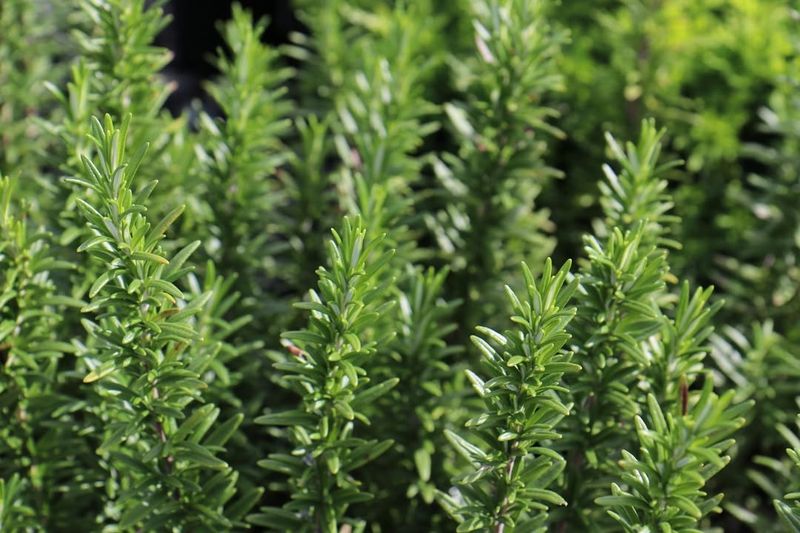
Most landscape plants in Georgia go through awkward phases when they lose leaves or look sparse. Rosemary keeps its needle-covered stems clothed and attractive twelve months a year.
Your front door never faces the bare, empty look that deciduous shrubs create in winter. Visitors see consistent greenery and texture regardless of season.
That year-round presence makes rosemary incredibly valuable for entrance plantings where first impressions matter every single day.
Winter can leave Georgia landscapes looking tired and brown. Perennials retreat underground, and many shrubs drop foliage or turn dull.
Rosemary stands out during these months with vibrant green that catches the eye. Your front entrance maintains color and life when surrounding plants offer little visual interest.
The contrast makes your home look cared for and welcoming even in January and February. That seasonal reliability justifies the space rosemary occupies near your door.
Evergreen structure means rosemary provides privacy and screening year-round. If your front door faces the street or neighbors, rosemary offers a natural, attractive barrier without seasonal gaps.
You’re not waiting for spring growth to restore coverage. The plant’s dense branching and thick foliage create effective screening that works in all seasons across Georgia.
Your entrance feels more private and protected without harsh fences or walls.
Holiday decorating becomes easier with established evergreen rosemary at your front door. The plant’s structure supports seasonal additions like lights, ribbons, or natural ornaments.
You have attractive, living greenery that enhances decorations instead of competing with them. Georgia’s mild winters mean rosemary stays healthy and green right through the holiday season.
Your entrance looks festive and natural, with the plant providing perfect backdrop for seasonal touches.
Texture matters in landscape design, and rosemary delivers interesting visual detail throughout the year. The fine, needle-like foliage contrasts beautifully with broader-leafed plants nearby.
Your front door area gains depth and complexity from this textural variety. Evergreen foliage means that texture remains visible in all seasons, not just during peak growing months.
Georgia gardens benefit from plants that contribute multiple design elements simultaneously.
4. That Strong Scent Can Help Discourage Pests Near The Door
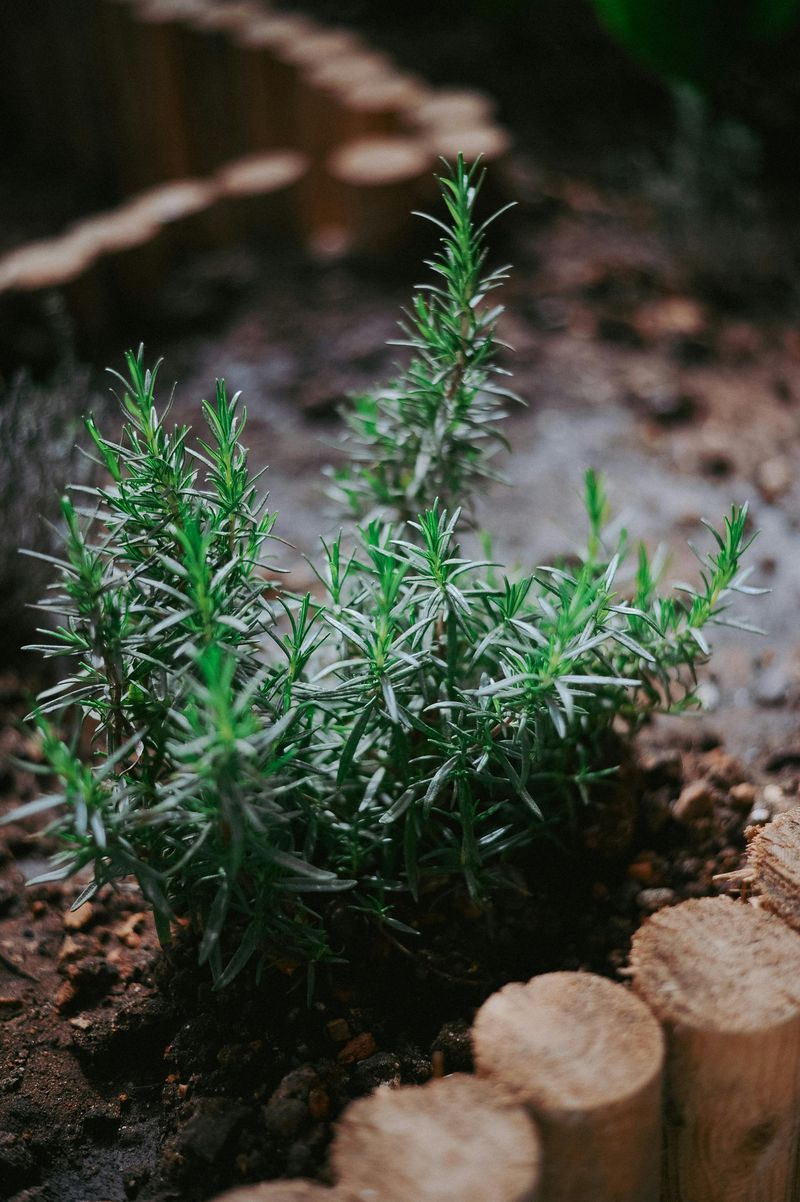
Brushing past rosemary releases an intense, aromatic burst that makes the plant instantly recognizable. That powerful fragrance does more than smell pleasant—it actively discourages many insects from hanging around your front entrance.
Georgia summers bring mosquitoes, flies, and other pests that make outdoor time less enjoyable. Rosemary’s essential oils contain compounds that many insects find unpleasant.
Your front door area becomes naturally less attractive to bugs without chemical sprays or plug-in devices.
Mosquitoes particularly dislike rosemary’s scent, which contains compounds similar to commercial repellents. Planting rosemary where people brush against it creates a natural barrier effect.
Every time someone enters or exits your home, they disturb the plant and release fresh scent into the air. That ongoing fragrance release helps keep mosquitoes from congregating near your entrance.
Georgia’s mosquito season runs long, making this natural deterrent especially valuable for outdoor comfort.
Many aromatic herbs repel insects, but rosemary’s woody structure and year-round foliage provide constant protection. Annual herbs lose effectiveness once frost hits, but rosemary keeps working through Georgia’s mild winters.
Your front door benefits from pest discouragement twelve months a year. The plant doesn’t stop producing essential oils during cooler months, so the protective effect continues even when mosquitoes aren’t active.
You’re building long-term pest resistance into your landscaping design.
Flies often gather near entry doors, especially in warmer months when food smells drift outside. Rosemary’s strong scent interferes with their ability to track food odors.
The plant creates a scent barrier that makes your front entrance less appealing to these nuisance insects. Georgia homeowners notice fewer flies buzzing around when rosemary grows nearby.
That subtle improvement makes coming and going more pleasant without constant fly swatting or door-dashing.
Deer occasionally browse landscape plants in suburban and rural Georgia areas. Rosemary’s pungent scent and resinous taste make it unappealing to deer and rabbits.
Your front door plantings stay intact while other, tastier plants might get nibbled. The herb’s pest-resistant qualities extend beyond insects to larger garden visitors.
You avoid the frustration of damaged landscape plants right where appearance matters most.
5. Foundation Areas With Sharp Drainage Suit Rosemary Perfectly

Foundation plantings face unique challenges that frustrate many gardeners across Georgia. Soil near building foundations often contains construction debris, compacted layers, and drainage issues.
Rosemary actually prefers the fast-draining, lean conditions that foundations frequently provide. Your front door area might have soil that other plants find difficult, but rosemary sees it as ideal habitat.
The herb’s Mediterranean origins prepared it for rocky, quick-draining ground that holds little organic matter.
Overhangs and eaves near front doors create dry zones where rain rarely reaches. Many plants struggle in these protected spots, requiring constant hand-watering to survive.
Rosemary thrives in these drier microclimates, needing less moisture than surrounding landscape areas. Georgia homeowners appreciate plants that work with architectural features instead of fighting them.
Your foundation beds become assets rather than problem areas when you choose appropriately adapted plants.
Heavy clay soil in parts of Georgia holds water and stays soggy after rain. Rosemary hates wet feet and quickly develops root problems in poorly drained ground.
Foundation areas often have better drainage than open garden beds thanks to gravel backfill and sloped grading. That improved drainage makes foundations ideal for rosemary even when your yard has heavier soil.
You’re matching plant needs to site conditions for maximum success.
Amending soil near foundations requires less effort when you’re planting rosemary. The herb doesn’t need rich, heavily composted ground like vegetables or annual flowers.
Simple additions of sand or grit improve drainage enough to make rosemary happy. Georgia gardeners save time and money on soil preparation while still achieving excellent results.
Your front door gets professional-looking plantings without professional-level soil work.
Raised beds near front entrances provide perfect conditions for rosemary throughout Georgia. The elevated planting area ensures excellent drainage while keeping roots away from any foundation moisture issues.
You gain precise control over soil conditions without extensive excavation or amendment. Rosemary in raised beds near your door grows vigorously and looks outstanding.
The combination of good drainage and proper placement creates ideal growing conditions.
6. Early Spring Blooms Give Pollinators A Head Start
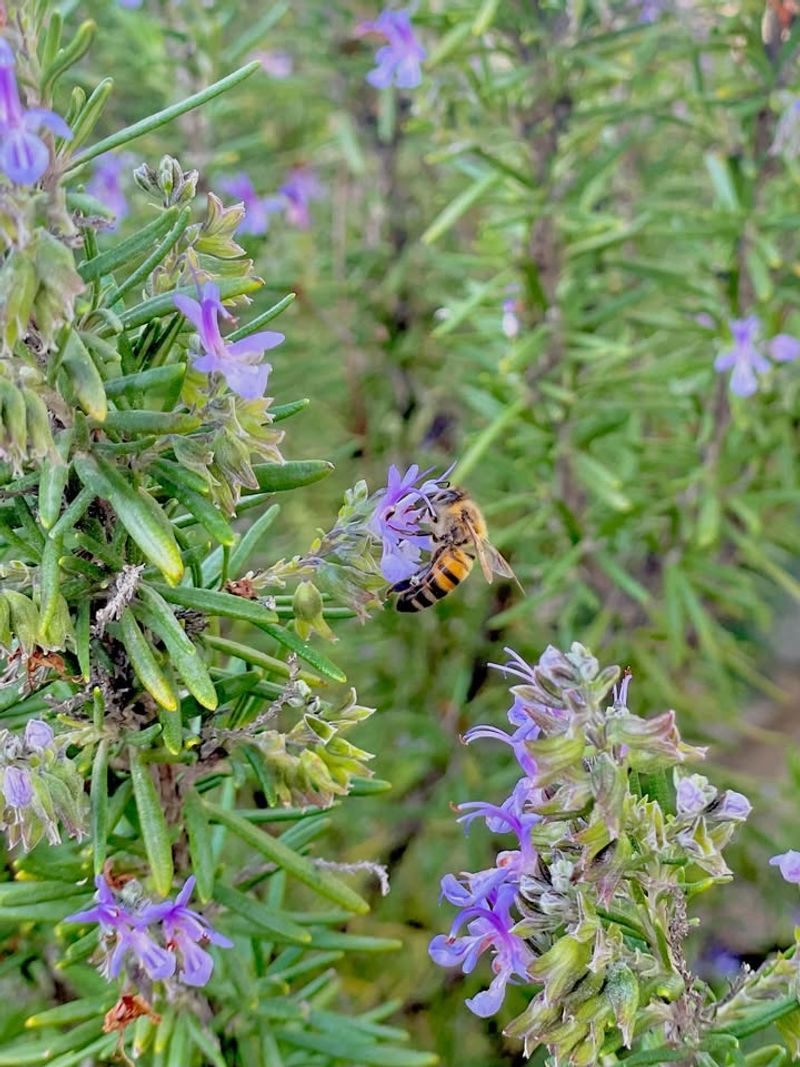
Bees emerge from winter dormancy searching desperately for nectar sources. Rosemary blooms appear in late winter and early spring across Georgia, often when little else offers pollen or nectar.
Your front door becomes a pollinator service station exactly when bees need it most. Small blue or purple flowers cover rosemary stems, creating a buzzing, active display that signals spring’s arrival.
Those early blooms support struggling bee populations during a critical transition period.
Native bees in Georgia face food scarcity in late winter and early spring. Many ornamental plants bloom later, leaving a gap when pollinators most need nutrition.
Rosemary fills that gap perfectly, providing abundant flowers weeks before most landscape plants wake up. Your front entrance supports local ecosystems while looking beautiful.
The ecological benefit happens automatically—you don’t need special care or timing to make it work.
Honeybees visit rosemary flowers enthusiastically, working blooms from dawn until dusk. The plant produces nectar that makes excellent honey with distinctive herbal notes.
Backyard beekeepers across Georgia value early-blooming plants that give hives a strong start to the season. Your front door planting contributes to local honey production while supporting pollinator health.
That connection between your landscaping and local food systems creates meaningful impact beyond simple curb appeal.
Butterflies also visit rosemary flowers, though bees dominate the blooms. Early spring butterflies need nectar after emerging from chrysalises or overwintering sites.
Georgia’s diverse butterfly populations benefit from any early nectar source. Your front entrance becomes part of a network of pollinator resources that sustains insect populations.
The visual reward comes when butterflies add motion and color to your doorway plantings.
Rosemary’s bloom period extends several weeks in Georgia, not just a brief flush. The plant produces flowers gradually, keeping nectar available as different pollinator species become active.
Your front door supports a succession of insects rather than just one brief moment. That extended bloom time maximizes ecological benefit while giving you lasting beauty.
You get more value from every square foot of planting space.
7. Low Maintenance Growth Matches Georgia’s Long Growing Season
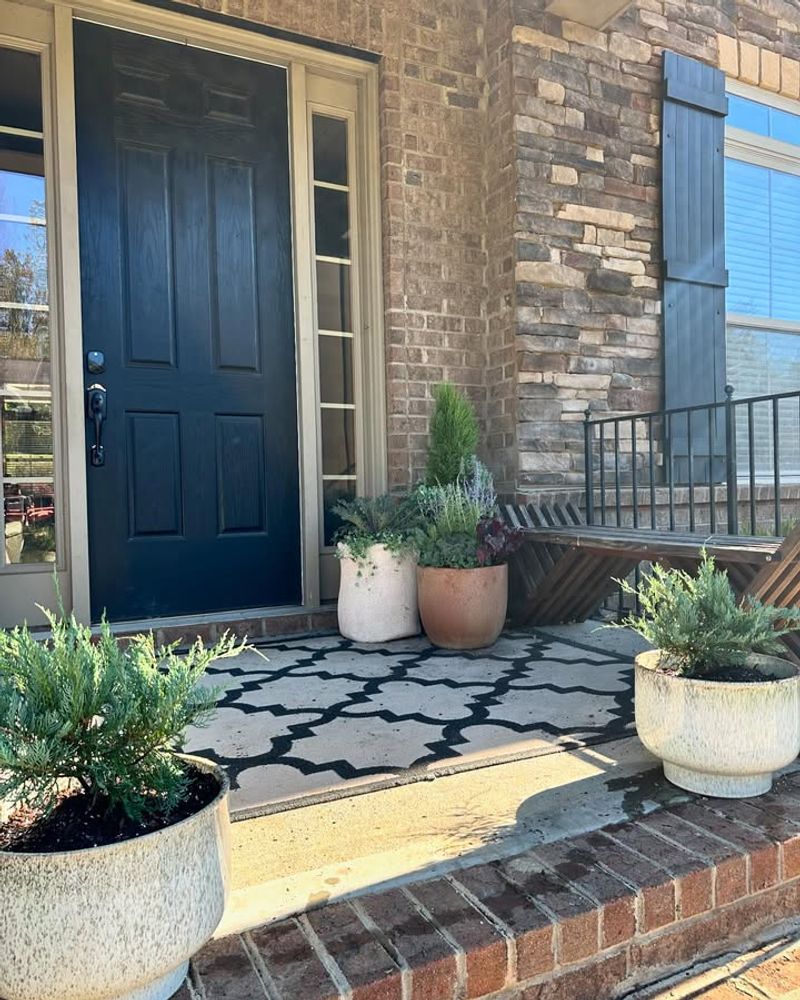
Georgia’s extended growing season means landscape plants stay active from March through November or later. Rosemary matches this long season perfectly, growing steadily without requiring constant intervention.
Your front door plantings develop and fill in naturally, reaching attractive size and shape with minimal pruning or fussing. The herb’s growth rate suits the state’s climate, neither racing out of control nor sitting dormant when conditions favor activity.
You get steady, manageable development that keeps your entrance looking intentional and well-maintained.
Fertilizing needs stay minimal for rosemary throughout Georgia’s growing season. The plant evolved on lean soils and doesn’t demand rich feeding schedules.
Your front door plantings thrive without monthly applications or complicated feeding programs. Simple annual topdressing with compost provides plenty of nutrition for vigorous growth.
Georgia homeowners appreciate plants that don’t require constant inputs or expensive specialty products. Rosemary’s self-sufficiency reduces both cost and labor.
Pruning rosemary combines maintenance with harvest—every trim provides fresh herbs for your kitchen. Your front door plant stays shapely while supplying culinary ingredients.
Georgia’s long season means multiple harvests without compromising plant appearance. You accomplish two tasks simultaneously, making efficient use of gardening time.
That dual purpose makes rosemary especially valuable compared to purely ornamental plants that require similar care.
Pest problems rarely affect rosemary in Georgia landscapes. The plant’s aromatic oils deter most insects that might otherwise cause damage.
Your front entrance stays healthy and attractive without pesticide applications or constant monitoring. Disease resistance remains high when rosemary gets proper drainage and air circulation.
You avoid the treatment cycles that many landscape plants demand, saving time and reducing chemical use around your home’s entrance.
Established rosemary near your front door in Georgia can last many years with proper placement. The plant develops woody stems and substantial root systems that anchor it firmly.
You’re making a long-term investment rather than replanting annually or every few seasons. That permanence reduces ongoing costs and effort while building mature, impressive specimens.
Your entrance gains character and presence as rosemary ages and develops structure.