How You Should Prune Peach Trees In Georgia For Bigger Harvests
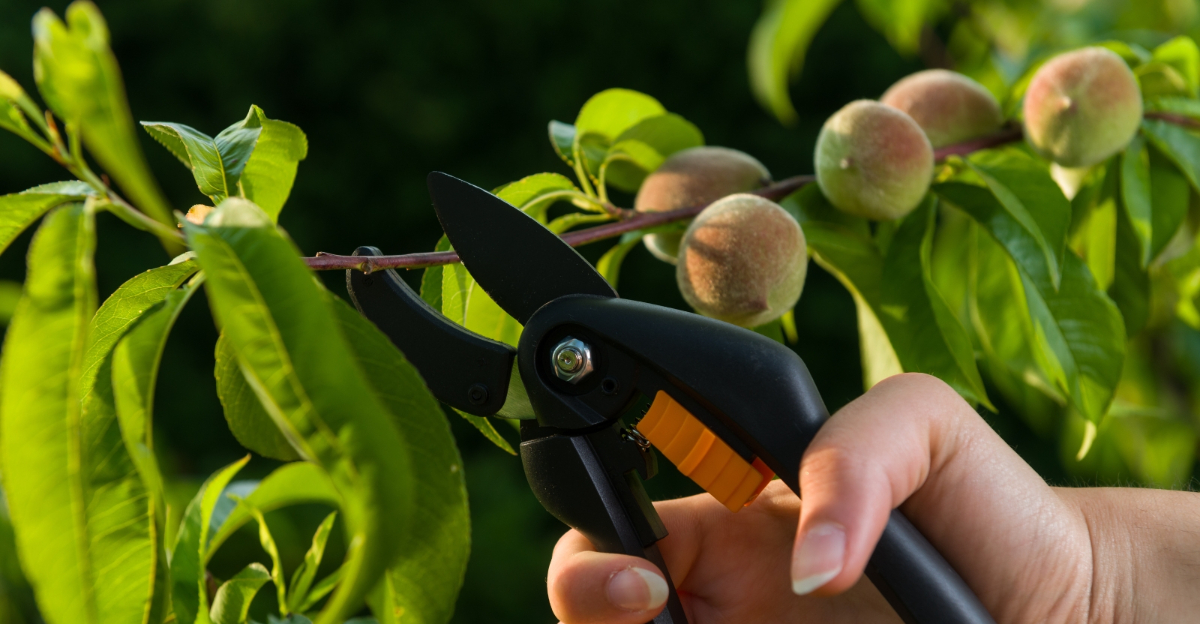
You step into your Georgia yard in late winter and look up at your peach tree, already picturing branches heavy with fruit later in the season.
That picture is exciting, but it can also bring hesitation when it’s time to prune, because every cut feels like it might change the outcome.
Peach trees grow with enthusiasm here, and that growth can either support bigger harvests or quietly work against them.
Not every branch needs to go, and pruning isn’t about cutting as much as possible.
When harvests come up lighter than expected, though, it’s often tied to how the tree was shaped before growth kicked into high gear.
In Georgia’s long growing season, early pruning decisions influence airflow, sunlight, and how energy is shared across the tree. Handled the right way, pruning encourages fruiting instead of excess wood.
Getting this step right sets the stage for fuller branches and a more rewarding peach season ahead.
1. Prune In Late Winter Before Buds Begin To Swell
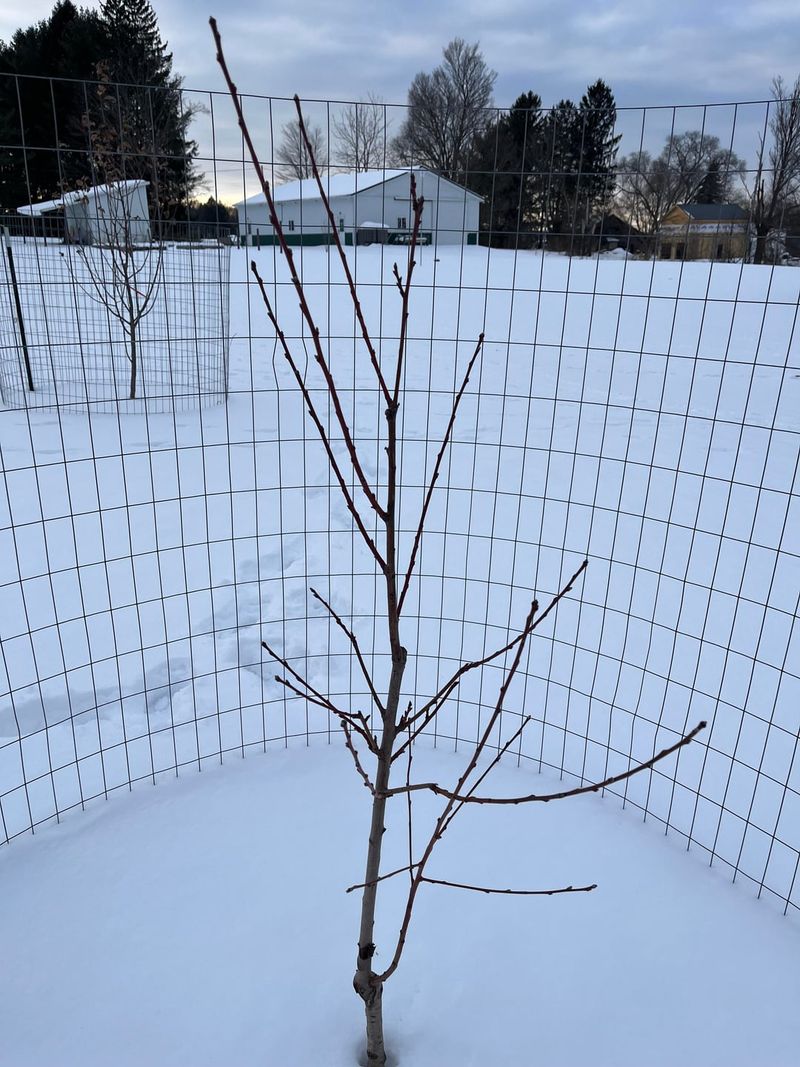
Timing makes all the difference when you’re working with peach trees. You want to catch that perfect window when your tree is still dormant but spring is just around the corner.
Most growers in Georgia aim for late January through early March, depending on where you live in the state.
Your peach tree needs this rest period to heal properly after you make cuts. Cold weather slows down disease spread, which protects your tree from infections that could weaken it.
When buds start swelling, sap begins flowing faster, and cuts made then can cause excessive bleeding.
Look closely at the branches before you start cutting. Buds should still be tight and compact, not showing pink or green tissue.
Once color appears, you’ve waited too long and risk reducing fruit production for the coming season.
Weather patterns across Georgia vary quite a bit from north to south. If you’re in the northern counties, late February often works best.
Southern growers might prune earlier, sometimes in mid-January when temperatures stay milder.
Pruning during dormancy also lets you see the tree’s structure clearly. Without leaves blocking your view, you can identify which branches need removal and which ones should stay.
This visibility helps you make better decisions about shaping your tree.
Avoid pruning during warm spells in winter. Sudden temperature drops after cutting can damage exposed wood.
Wait for a stretch of consistently cool but not freezing weather.
Your tree will respond better to pruning when it’s not actively growing. Energy stored in the roots gets redirected to the branches you leave behind.
This boost helps produce stronger growth and more fruiting wood for the next harvest.
Mark your calendar each year so you don’t miss this critical window. Consistent timing leads to consistent results.
Your peach trees will develop a reliable pattern of growth and fruit production.
2. Train Peach Trees To An Open Center Shape
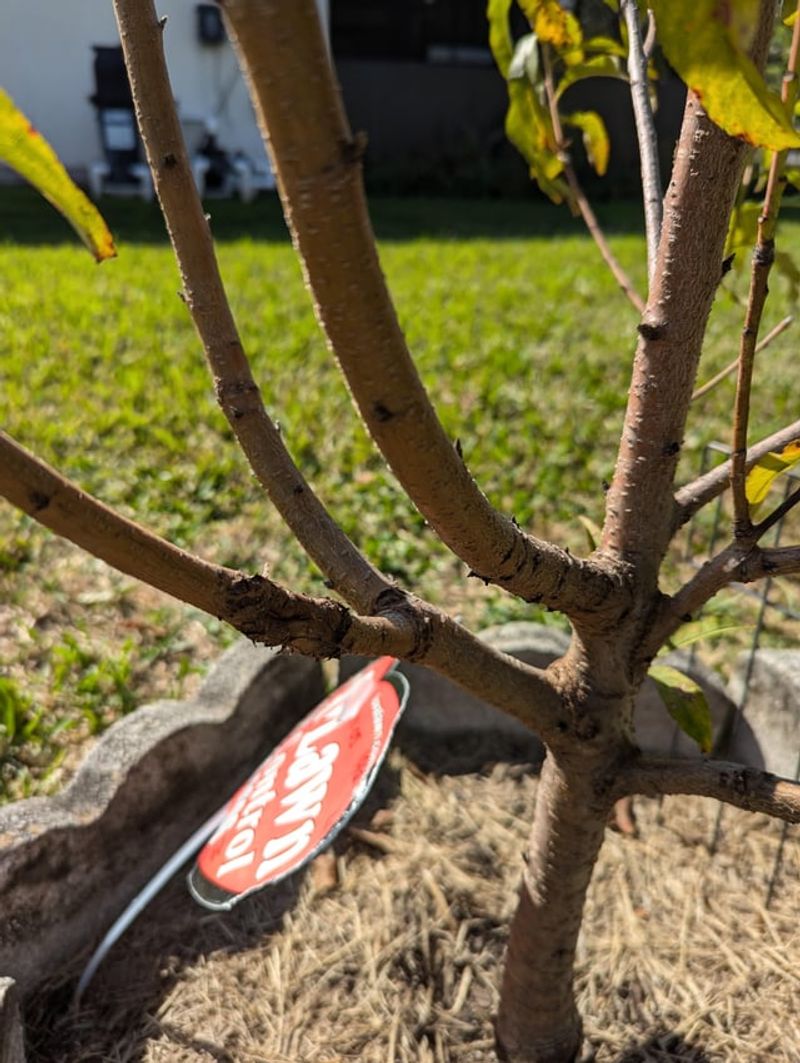
Picture a vase or bowl shape when you think about your peach tree’s ideal form. This structure creates space in the middle of the tree where sunlight can reach every branch.
Your Georgia Garden Changes Every Week. Your Plan Should Too.
Gardening in Georgia changes quickly throughout the season. Every Friday you’ll receive a simple weekly plan showing exactly what to plant, prune, fertilize, harvest, and protect so you never miss the right timing.
Without an open center, inner branches stay shaded and produce little to no fruit.
Start shaping your tree during its first year after planting. Select three or four main scaffold branches that angle outward from the trunk at different heights.
These branches form the foundation of your tree’s structure and should be spaced evenly around the trunk.
Remove the central leader completely once your scaffold branches are established. This might feel wrong at first, but peach trees don’t naturally grow well with a central trunk like apple trees do.
Georgia growers have used this method for generations with excellent results.
Each scaffold branch should point outward at roughly a 45-degree angle. Branches growing too upright will compete for dominance, while branches angling too low may break under heavy fruit loads.
Adjust angles early by using spreaders or ties if needed.
Keep the center of your tree empty as it grows. Any shoots sprouting from the middle should be removed during pruning.
This openness allows air to circulate freely, which reduces humidity and fungal disease problems common in Georgia’s humid summers.
Sunlight penetration improves fruit color and sugar content. Peaches growing on shaded branches often stay pale and lack the sweetness that makes Georgia peaches famous.
Your open center design ensures every peach gets adequate light exposure.
Watch how your tree responds to this training over several years. Scaffold branches will develop their own secondary branches, creating layers of fruiting wood.
Maintain the vase shape by removing any growth that fills in the center.
This structure also makes harvesting easier since you can reach into the tree from multiple angles. You won’t need tall ladders for most of your fruit.
Everything stays accessible and manageable.
3. Remove Weak Or Crossing Branches First
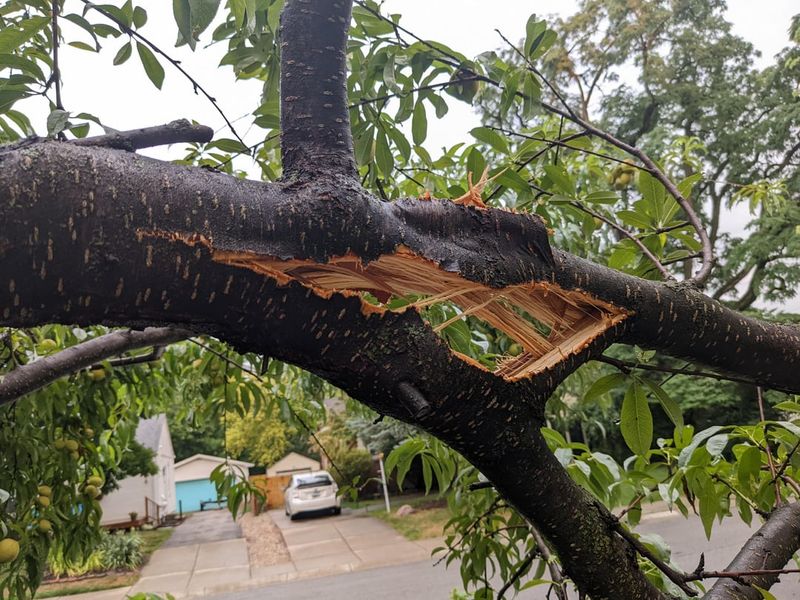
Branches rubbing against each other create wounds that invite disease and pests. Every time wind moves the tree, those branches grind bark away, exposing vulnerable tissue underneath.
Your first priority during pruning should be identifying and eliminating these problem areas.
Walk around your tree and look for branches growing inward toward the center. These rarely produce quality fruit and usually block light from reaching better-positioned branches.
Cutting them out opens up space for productive wood to thrive.
Weak branches show themselves through thin diameter and poor vigor. They often grow at odd angles or seem to struggle compared to surrounding branches.
These won’t support heavy fruit loads and tend to break during Georgia’s summer storms.
Start your pruning session by tackling the obvious problems first. This approach prevents you from getting overwhelmed by too many decisions at once.
Once the worst offenders are gone, you can see the tree’s true structure more clearly.
Crossing branches create confusion in the tree’s growth pattern. One branch will eventually dominate while the other weakens or becomes damaged.
Save yourself future problems by choosing the stronger, better-positioned branch and removing its competitor.
Look for branches growing downward or hanging too low. These rarely receive enough sunlight to produce quality peaches.
They also make mowing and orchard maintenance more difficult throughout the growing season.
Thin, spindly growth indicates branches that won’t contribute much to your harvest. Your tree wastes energy maintaining these weak branches that could go toward strengthening productive areas.
Be ruthless about removing them.
Disease often enters through damaged bark where branches cross. Georgia’s humid climate makes fungal infections spread quickly once they gain entry.
Preventing these wounds through smart pruning protects your entire tree.
4. Limit Tree Height To Keep Fruit Within Reach
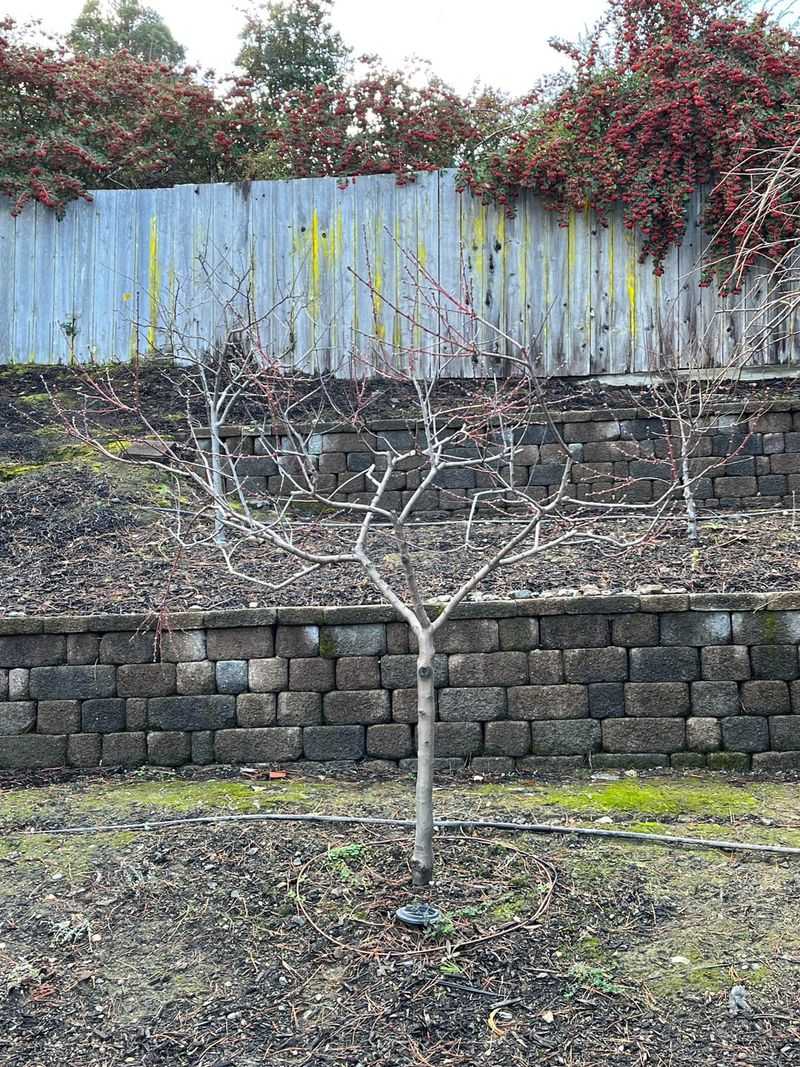
Tall trees create more problems than they solve in a home orchard. You’ll struggle to harvest fruit, spray for pests, and perform annual pruning when branches tower overhead.
Keeping your peach trees at a manageable height makes every aspect of care easier and safer.
Most experienced Georgia growers maintain their trees between eight and ten feet tall. This height allows you to reach most fruit from the ground or with a short stepladder.
You can also spot problems like disease or insect damage more easily.
Cut back the tallest branches during your annual pruning session. Make your cuts to outward-facing buds or lateral branches that grow horizontally.
This technique redirects growth sideways rather than upward, maintaining your desired height.
Young trees naturally want to shoot upward quickly. Don’t let this happen unchecked.
Begin height control during the second or third year after planting. Early training is much easier than trying to reduce an overgrown tree later.
Fruit growing high in the tree often goes unharvested and falls to the ground. This waste attracts pests and creates a mess in your orchard.
Keeping fruit within reach means you can pick everything at peak ripeness.
Lower tree height also improves spray coverage when you need to control pests or diseases. Spray droplets reach all parts of the tree more effectively.
This complete coverage matters in Georgia where brown rot and other fungal diseases can devastate unprotected peaches.
Pruning to control height stimulates new growth lower on the tree. This creates more fruiting wood at accessible levels.
Your harvest actually increases when you keep trees shorter because you can manage them better.
Wind resistance decreases with lower tree height. Shorter trees suffer less damage during Georgia’s spring and summer storms.
Branches stay intact, protecting developing fruit from being knocked to the ground.
5. Thin Out Excess Growth To Improve Sunlight And Airflow
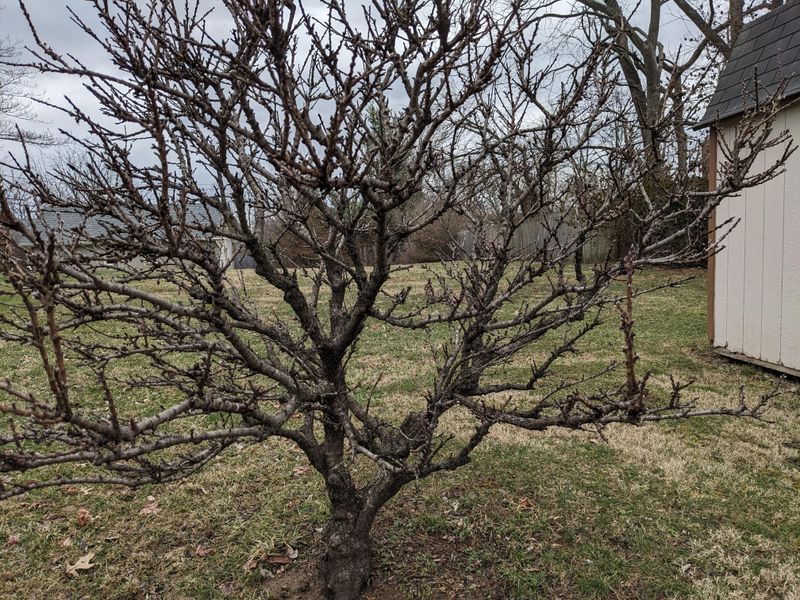
Dense canopies trap moisture and create perfect conditions for fungal diseases. Your peach tree needs air moving through its branches to dry off morning dew and rain quickly.
Thinning cuts make this possible by reducing the number of branches without changing the tree’s overall size.
Look for areas where branches grow too close together. Even if individual branches seem healthy, crowding reduces productivity for all of them.
Remove some branches entirely to create breathing room for those that remain.
Sunlight powers fruit development and sugar production. Shaded peaches never reach their full potential for flavor and color.
By thinning excess growth, you ensure every remaining branch receives adequate light throughout Georgia’s long growing season.
Interior branches often become unproductive when outer growth shades them completely. Rather than let these branches waste your tree’s energy, remove them during pruning.
Focus resources on branches positioned to receive good light exposure.
Good airflow reduces humidity around leaves and fruit. This matters tremendously in Georgia where summer humidity stays high.
Lower humidity means fewer disease problems and healthier trees that produce better crops.
Make thinning cuts at the branch collar where the branch connects to a larger limb or trunk. Clean cuts at this point heal faster and reduce the chance of disease entering the wound.
Never leave stubs, which invite rot and pest problems.
Step back periodically while thinning to view your progress. You should be able to see through the tree’s canopy somewhat.
If the interior looks like a tangled thicket, you need to remove more growth.
Thinning differs from heading cuts that shorten branches. Thinning removes entire branches or shoots back to their point of origin.
This type of cut doesn’t stimulate excessive regrowth the way heading cuts do.
6. Focus Cuts On One-Year-Old Fruiting Wood
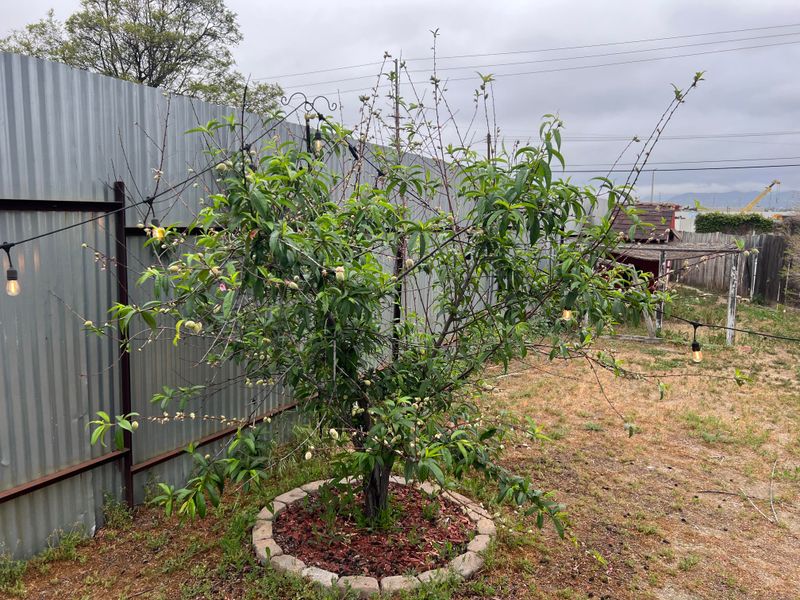
Understanding where peaches actually grow changes everything about how you approach pruning. Peach trees produce fruit on shoots that grew the previous summer.
This one-year-old wood is your most valuable asset and deserves protection during pruning.
One-year-old shoots appear reddish and smooth compared to older gray bark. They’re usually pencil-thick or slightly larger.
Learning to recognize this wood helps you avoid cutting away your potential harvest.
Older branches that have fruited for several years become less productive over time. These limbs develop rough, dark bark and produce fewer new shoots.
Removing some older wood makes room for young, vigorous growth that will bear heavily.
Georgia peach growers know that renewal pruning keeps trees productive year after year. This means regularly removing older sections and encouraging new shoots to replace them.
Your tree stays young and vigorous rather than becoming tired and unproductive.
When making cuts, look for places where young shoots emerge from older wood. Keep these productive areas intact while removing sections that show little new growth.
This selective approach maintains a good balance between structure and fruit production.
Each one-year-old shoot can produce multiple peaches along its length. Protecting these shoots during pruning directly impacts your harvest size.
Remove only enough to maintain tree structure and light penetration.
Avoid cutting back one-year-old wood unnecessarily. Every time you shorten these shoots, you remove potential fruiting sites.
Make your cuts on older wood instead, leaving the young growth intact whenever possible.
Some shoots grow too vigorously and become water sprouts that produce little fruit. These upright, thick shoots usually need removal despite being one year old.
They consume resources without contributing much to your harvest.
7. Avoid Heavy Summer Pruning That Reduces Next Season’s Crop
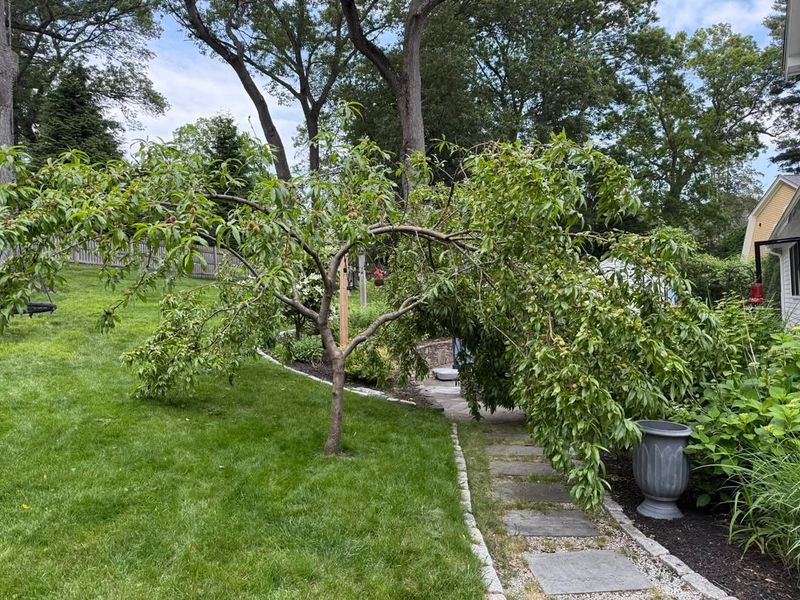
Summer pruning tempts many growers when they see vigorous shoots sprouting everywhere. Resist the urge to do major cutting during the growing season.
Those shoots developing now will produce your fruit next year, and removing them means sacrificing future harvest.
Light maintenance pruning in summer is acceptable for specific purposes. You might remove a broken branch or cut away water sprouts that clearly won’t be productive.
Keep these cuts minimal and focused on obvious problems only.
Heavy pruning during active growth stimulates even more vegetative shoots. Your tree responds to major cuts by pushing out new growth, which uses energy better spent on fruit development.
This creates a cycle where excessive summer pruning leads to excessive summer growth.
Fruit buds form on shoots during their first growing season. When you prune heavily in summer, you remove shoots before they can develop these buds.
Georgia growers have learned this lesson through experience: summer pruning costs them the following year’s crop.
Exposed bark and fruit suffer from sunscald when you suddenly remove too much foliage. Summer sun in Georgia is intense enough to damage tissue that was previously shaded.
This damage weakens trees and can reduce fruit quality.
Timing matters more than technique when it comes to pruning success. Save major pruning work for late winter when the tree is dormant.
Summer should be reserved for harvesting, monitoring for pests, and light corrective cuts only.
Some growers remove small shoots competing directly with developing fruit. This type of thinning can improve fruit size and quality.
Keep it light and strategic rather than removing large amounts of wood.
Watch how your tree responds to any summer pruning you do. If you notice excessive regrowth or reduced crop the following year, you’ve done too much.
Adjust your approach based on these observations.