Garden Jobs You Should Finish Before Spring Arrives In Georgia
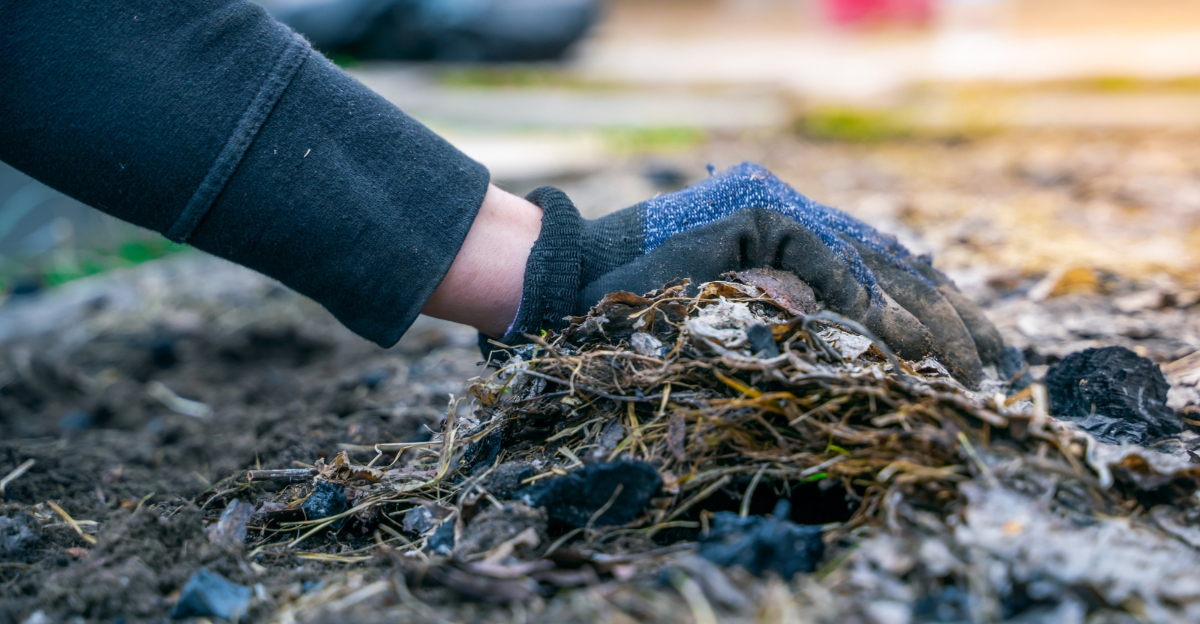
Late winter in Georgia has a way of making you look at the garden differently, especially when signs of spring start showing up before you feel fully ready.
You might notice buds swelling, weeds waking up, or soil drying out faster than expected, which creates that quiet pressure to act without rushing.
Georgia’s climate moves quickly once spring arrives, and what gets done now often decides how smooth the season feels later.
Not every task needs attention right away, and some things are better left alone until warmth settles in.
When spring feels chaotic or overwhelming, though, it’s often because a few important jobs were left unfinished during this calmer window. Taking care of them now helps spread out the work and avoids last minute stress.
Wrapping up the right garden jobs before spring arrives sets your Georgia garden up for a more confident and manageable season ahead.
1. Finish Winter Pruning On Shrubs And Trees
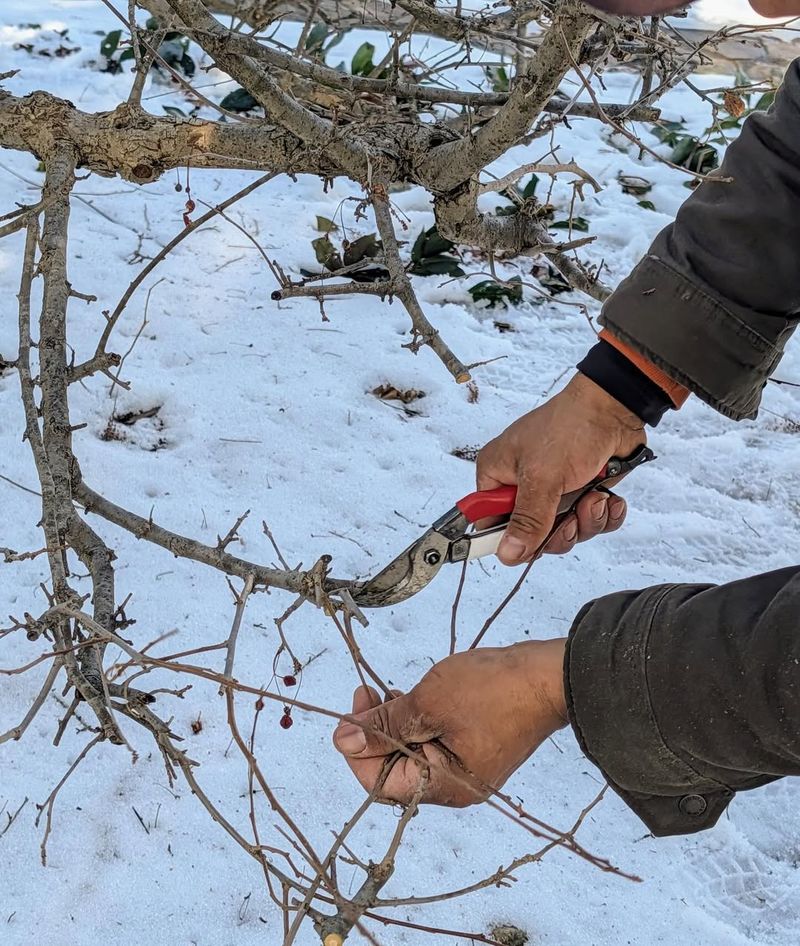
Your shrubs and trees are still sleeping, which makes late winter the perfect window for cutting back overgrown branches. Pruning now helps shape your plants before they wake up and start pushing out new leaves.
Georgia gardeners know that timing matters, and waiting too long means you’ll accidentally snip off flower buds that were supposed to bloom this year.
Look for branches that cross over each other or rub together, since those spots can cause damage over time. Remove any limbs that look weak, broken, or out of place.
Your goal is to open up the center of the plant so air and sunlight can reach all the way through.
Tools should be clean and sharp before you start working. Dull blades crush stems instead of making clean cuts, which slows down healing.
Wipe your pruners with rubbing alcohol between plants to avoid spreading diseases from one shrub to another.
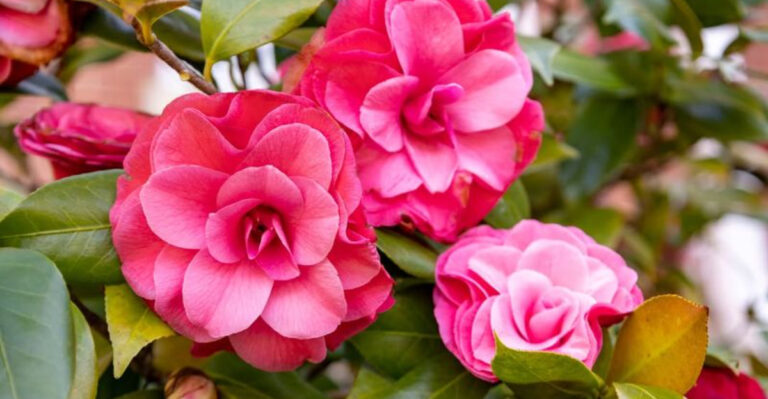
Some flowering shrubs, like azaleas and camellias, should be left alone until after they bloom. Cutting them now means you’ll lose this year’s flowers.
Check what type of plant you have before you grab your shears.
Taller trees might need a pole pruner or even a professional if branches are high up. Safety comes first, so don’t climb ladders if you’re not comfortable.
Georgia weather can be unpredictable, and a sudden gust of wind makes pruning dangerous.
Step back every few minutes to see how your plant is shaping up. It’s easy to get carried away and cut too much.
Remember, you can always remove more later, but you can’t put branches back once they’re gone.
Dispose of all the trimmings properly. Don’t leave piles of branches sitting around, since they can harbor pests or diseases.
Chip them up for mulch or haul them away.
Your garden will look tidier immediately after pruning. Plants will grow stronger and healthier because you’ve removed the weak spots.
Spring growth will be more vigorous and better shaped.
2. Clean Up Beds Without Removing Protective Mulch
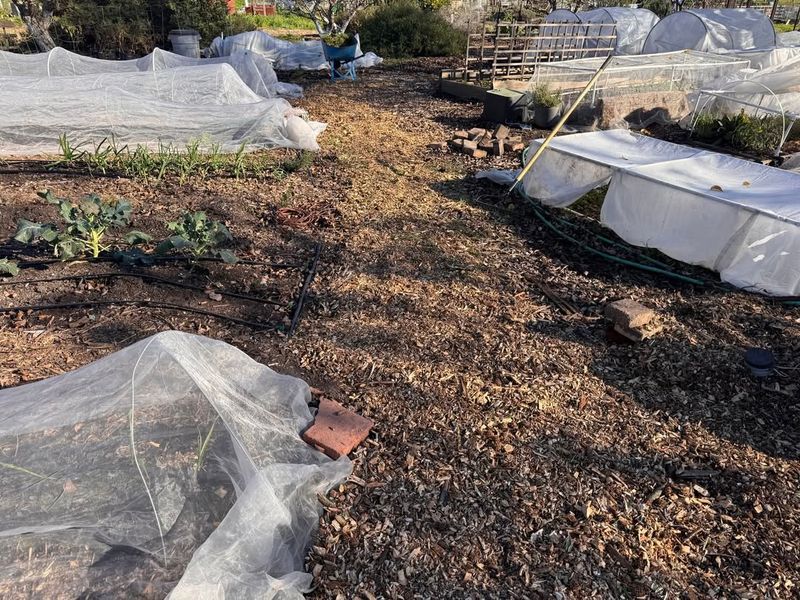
Garden beds collect all kinds of debris over winter, from fallen leaves to broken twigs and random trash blown in by the wind. Cleaning up this mess makes your yard look better and helps prevent problems later.
Your Georgia Garden Changes Every Week. Your Plan Should Too.
Gardening in Georgia changes quickly throughout the season. Every Friday you’ll receive a simple weekly plan showing exactly what to plant, prune, fertilize, harvest, and protect so you never miss the right timing.
Georgia winters are mild, so you might find more growth and clutter than gardeners in colder states.
Start by picking up any large items like sticks, pine cones, or leaves that have piled up. Use a rake to gently pull debris off the top of your mulch layer.
Be careful not to scrape away the mulch itself, since it’s protecting your plant roots.
That mulch layer is doing important work even though it doesn’t look fancy. It keeps soil temperatures steady, holds in moisture, and prevents weeds from sprouting.
Removing it too early exposes your plants to temperature swings that can stress them out.
Check around the base of your perennials and shrubs for any matted leaves or thick clumps. These spots can trap moisture and create perfect hiding places for pests.
Pull them away gently so air can circulate.
Your beds should look neat but not bare. You want to see clean mulch between plants, not exposed dirt.
If some areas look thin, make a note to add fresh mulch later, but don’t do it yet.
Weeds might already be popping up in Georgia’s mild climate. Pull them now while they’re small and easy to remove.
Waiting lets them grow bigger and stronger, making your job harder down the road.
Keep an eye out for any emerging bulbs or perennials as you work. You don’t want to accidentally damage new growth that’s just starting to poke through.
Mark these spots mentally or with small stakes.
Gather all the debris into bags or your compost pile. Don’t leave it sitting in piles around your yard.
Decomposing leaves can smother grass or create soggy spots that attract bugs.
3. Test And Amend Soil Before Planting Season Starts
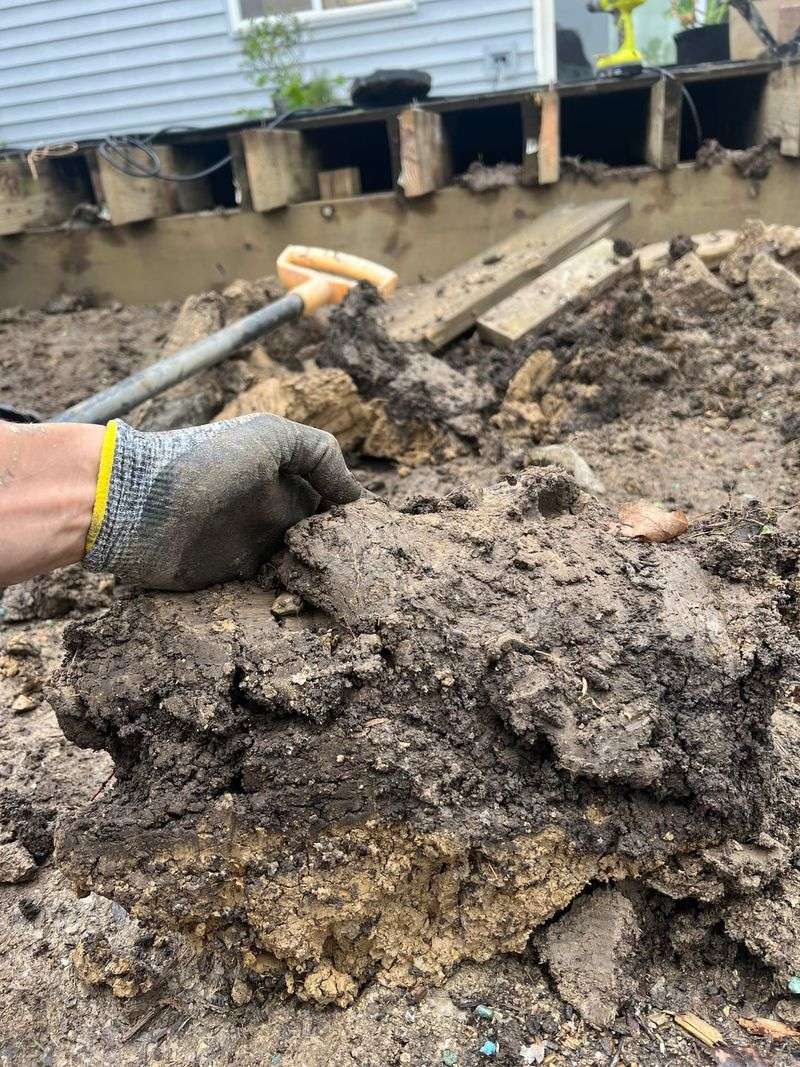
Healthy soil grows healthy plants, but you can’t fix problems if you don’t know what’s wrong. Testing your soil now gives you time to make changes before you start planting.
Georgia’s red clay can be tricky, so knowing your soil’s pH and nutrient levels is essential.
Pick up a soil test kit from your local extension office or garden center. These kits are inexpensive and easy to use.
You’ll collect small samples from different spots in your garden, mix them together, and send them off for analysis.
Results usually come back within a week or two. They’ll tell you your pH level, which measures how acidic or alkaline your soil is.
Most vegetables and flowers prefer slightly acidic soil, which is common in Georgia.
The report will also show nutrient levels like nitrogen, phosphorus, and potassium. These are the building blocks your plants need to grow strong.
If any are low, you’ll know exactly what to add.
Amendments work slowly, so adding them now gives them time to break down and blend into your soil. Lime raises pH if your soil is too acidic.
Sulfur lowers it if you need more acidity for plants like blueberries.
Organic matter improves almost every soil problem. Compost, aged manure, or leaf mold add nutrients and help clay soil drain better.
Spread a layer over your beds and work it in lightly with a garden fork.
Don’t guess about what your soil needs. Adding the wrong amendments wastes money and can actually harm your plants.
Test results take the guesswork out of the equation.
Georgia’s growing season starts earlier than many other states. If you wait until March or April to test, you’ll be rushing to fix problems while you’re trying to plant.
Doing it now gives you breathing room.
4. Prepare Vegetable Beds For Early Spring Crops
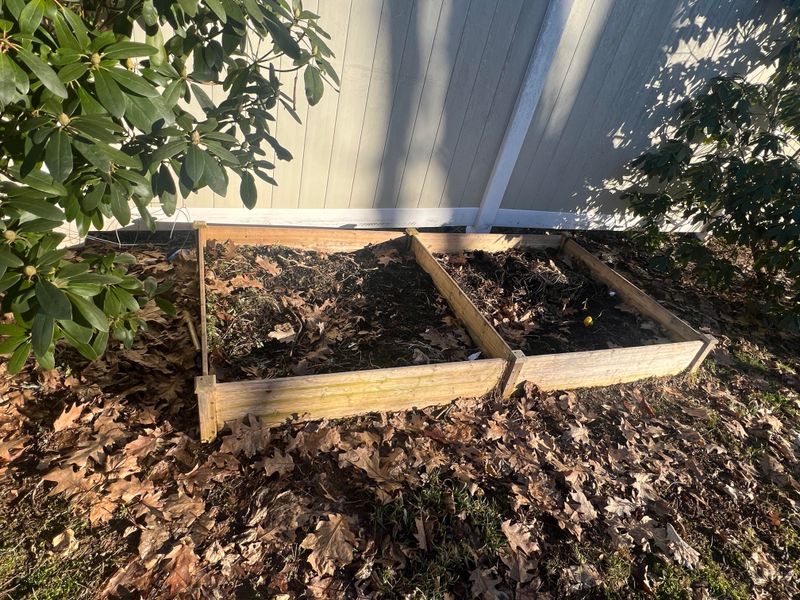
Georgia’s mild climate means you can plant cool-season vegetables earlier than most places. Getting your beds ready now means you’ll be harvesting fresh lettuce and peas while other gardeners are still planning.
Preparation makes all the difference between a productive garden and a disappointing one.
Start by clearing out any leftover plant material from last season. Old tomato vines, pepper plants, or dried-up annuals should all go.
These can harbor diseases or pests that will attack your new crops.
Turn your soil with a shovel or garden fork to loosen it up after winter. Georgia clay gets compacted easily, and hard soil makes it tough for roots to spread.
Work when the soil is slightly moist, not soaking wet or bone dry.
Add compost or well-rotted manure to boost fertility. Vegetables are hungry plants that need lots of nutrients to produce well.
Spread a two-inch layer over your bed and mix it into the top six inches of soil.
Smooth the surface with a rake so it’s level and ready for planting. Remove any rocks, roots, or clumps that could interfere with seeds or transplants.
Your bed should look neat and feel loose when you run your hand through the soil.
Consider adding raised beds if drainage is a problem in your yard. Georgia’s winter rains can leave soil soggy, and most vegetables hate wet feet.
Raised beds dry out faster and warm up sooner in spring.
Plan where each crop will go before you plant. Some vegetables need full sun, while others tolerate a bit of shade.
Tall plants like peas should go on the north side so they don’t shade shorter crops.
Check your seed packets or transplant labels for planting dates. Georgia’s last frost date varies by region, but many cool-season crops can go in the ground in late February or early March.
Being ready means you won’t miss the window.
5. Check Drainage After Winter Rains
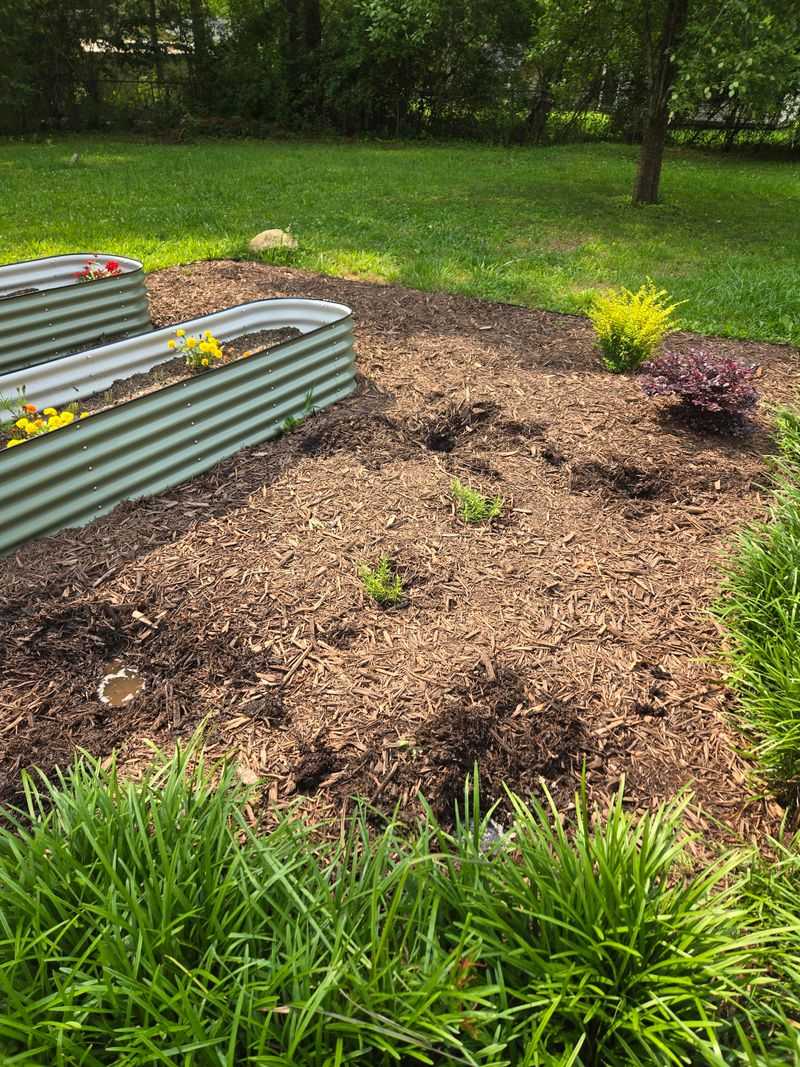
Winter storms can reveal drainage problems you didn’t know existed. Puddles that stick around for days signal trouble for your plants.
Georgia’s heavy winter rains put drainage systems to the test, and fixing issues now prevents bigger headaches later.
Walk your property after a good rain to see where water collects. Look for low spots, areas where water flows toward your house, or places where it just sits without draining.
Take notes or photos so you remember problem areas.
Plants can’t survive in waterlogged soil for long. Roots need oxygen, and standing water pushes all the air out.
Even tough plants will struggle if their roots are constantly soaked.
Simple fixes work for minor drainage issues. Adding soil to low spots raises the grade so water flows away.
Digging shallow channels directs water toward better drainage areas or storm drains.
Check your gutters and downspouts while you’re at it. Clogged gutters overflow and dump water right next to your foundation.
Downspouts should extend at least six feet from your house to keep water away from basements and crawl spaces.
French drains solve bigger problems by collecting water underground and moving it away. These consist of a gravel-filled trench with a perforated pipe at the bottom.
They’re more work to install but handle serious drainage issues effectively.
Clay soil makes drainage worse because it holds water like a sponge. Adding organic matter helps, but sometimes you need to create drainage pathways with sand or gravel.
Mix these amendments deeply into the soil, not just on the surface.
Georgia’s spring planting season comes fast, and you need dry soil to work in. Fixing drainage now means your beds will be ready when it’s time to plant.
Waiting leaves you standing in mud while everyone else is gardening.
6. Apply Compost To Improve Soil Structure
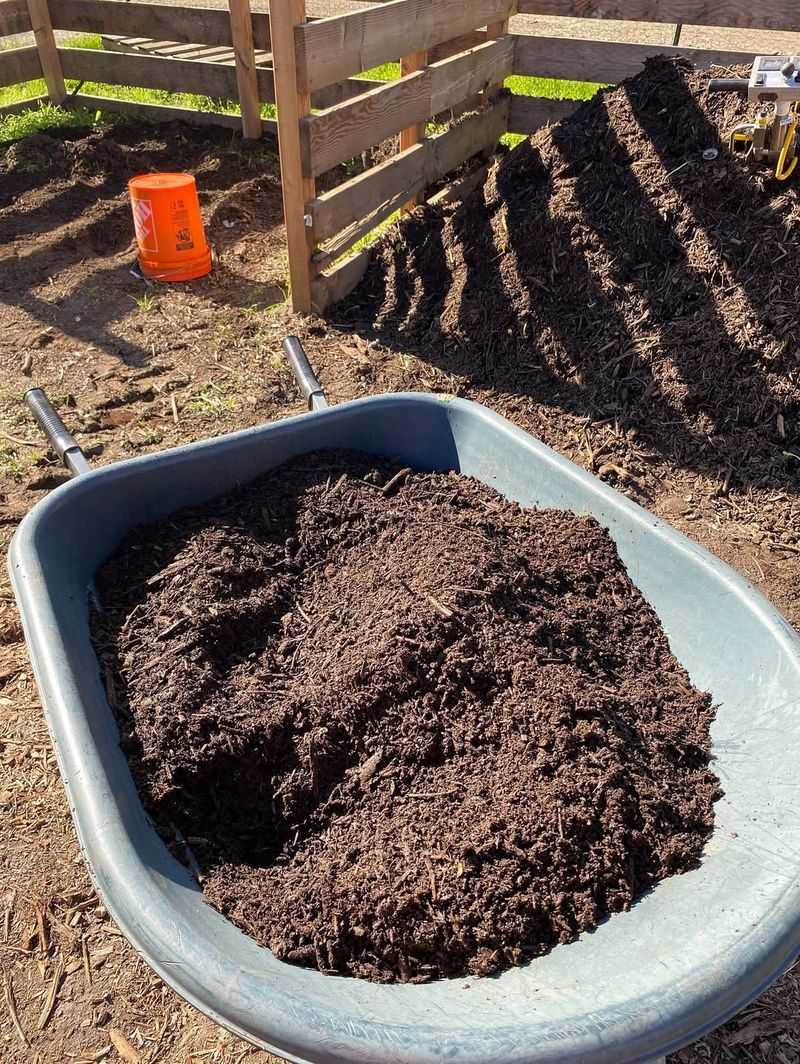
Compost is like magic for Georgia gardens, especially if you’re battling heavy clay soil. Spreading it now gives it time to work its way into your beds before planting season kicks into gear.
Your plants will thank you with stronger growth and better yields.
Good compost looks dark and crumbly, smells earthy, and feels slightly damp. You shouldn’t see recognizable chunks of the original materials.
If it’s slimy or smells bad, it’s not finished yet and shouldn’t be used.
Spread a two-to-three-inch layer over all your garden beds. You can apply it right on top of existing mulch or work it into the soil with a garden fork.
Both methods work, so choose whichever fits your garden style.
Compost improves soil in multiple ways at once. It adds nutrients that plants need, helps clay soil drain better, and helps sandy soil hold moisture.
It also feeds beneficial microorganisms that keep your soil healthy.
You don’t need to buy expensive bags from the store. Many Georgia cities offer free compost to residents, made from yard waste collected at the curb.
Check with your local government to see what’s available.
Making your own compost is even better. You’ll have a steady supply and save money while recycling kitchen scraps and yard waste.
Start a bin or pile now, and you’ll have finished compost by next winter.
Layer compost around perennials, shrubs, and trees, but keep it a few inches away from stems and trunks. Piling it right against plants can cause rot or attract pests.
Leave a small gap for air circulation.
Spring vegetables grow fast and need plenty of nutrients. Compost gives them a slow, steady supply instead of the quick burst you get from synthetic fertilizers.
Your crops will be healthier and taste better.
7. Inspect Perennials For New Growth And Damage
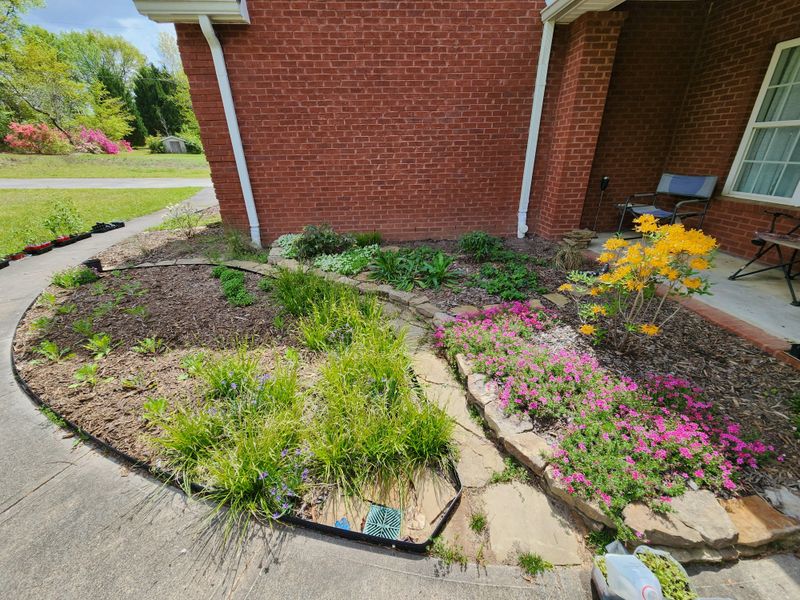
Perennials are starting to wake up from their winter rest, and now’s the time to check on them. Georgia’s mild winters mean some plants never really went dormant, so you might see more activity than expected.
A quick inspection catches problems early when they’re easier to fix.
Look for new shoots pushing up through the soil or emerging from the crown of the plant. These tender tips are the first sign that spring is coming.
Mark where you see growth so you don’t accidentally step on plants or dig them up.
Check for damage from winter weather, animals, or diseases. Broken stems, chewed leaves, or discolored growth all signal problems.
Remove damaged parts carefully to keep issues from spreading.
Some perennials develop mushy or blackened crowns if they stayed too wet over winter. This is a serious problem that can spread quickly.
Dig out affected plants and improve drainage in that spot before replanting.
Divide overcrowded perennials while they’re just starting to grow. Plants that have spread too wide or developed empty centers need splitting to stay healthy.
Dig up the whole clump, separate it into smaller sections, and replant with more space between them.
Cut back any remaining old foliage from last year if you haven’t already. Brown leaves and stems left over from fall can hide new growth and trap moisture.
Remove them carefully to avoid damaging emerging shoots.
Watch for weeds sprouting around your perennials. They compete for water and nutrients, and they’re easier to pull now than later.
Get them while they’re small, before their roots get established.
Georgia’s variable spring weather can confuse plants. A warm spell might trigger growth, then a cold snap can damage tender shoots.
Keep frost blankets handy to protect valuable perennials if temperatures drop suddenly.
8. Service Garden Tools And Irrigation Systems
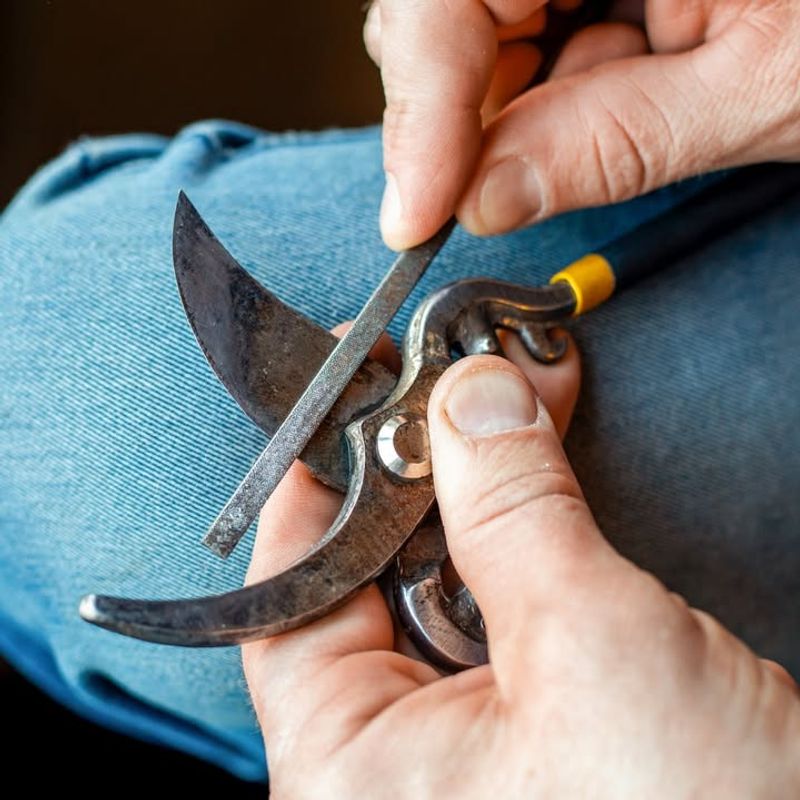
Your tools worked hard last season, and they need attention before you put them back to work. Rusty blades, clogged sprayers, and broken handles make gardening frustrating instead of fun.
Georgia’s humid climate is tough on metal and wood, so maintenance is extra important here.
Start with your hand tools like shovels, rakes, and hoes. Scrub off any dried mud or rust with a wire brush.
Sharpen cutting edges with a file so they slice through soil and roots cleanly instead of requiring extra muscle.
Oil metal parts with a light coating of machine oil or mineral oil to prevent rust. Wipe wooden handles with linseed oil to keep them from drying out and splintering.
Replace broken handles now instead of waiting until you’re in the middle of a job.
Check your pruning shears and loppers carefully. These tools need to be sharp and clean to make proper cuts.
Take them apart if possible, sharpen the blades, and tighten any loose bolts. A drop of oil on the pivot point keeps them operating smoothly.
Power tools like mowers, tillers, and trimmers need more involved maintenance. Change the oil, replace spark plugs, and clean or replace air filters.
Fresh gas makes starting easier, since old fuel can gum up carburetors.
Irrigation systems often develop problems over winter that you won’t discover until you turn them on. Check all the lines for cracks, leaks, or damage from freezing temperatures.
Replace worn washers in hose connections to prevent annoying drips.
Run your system for a few minutes to flush out any debris. Check each sprinkler head or drip emitter to make sure water flows properly.
Adjust spray patterns so water hits plants instead of sidewalks or driveways.
Georgia gardens need consistent water once spring heat arrives. Making sure your irrigation system works now means you won’t be scrambling to fix it during a hot, dry spell.
Your plants will stay healthier with reliable watering.