8 Hydrangea Tasks You Must Do In February For Better Blooms In Georgia
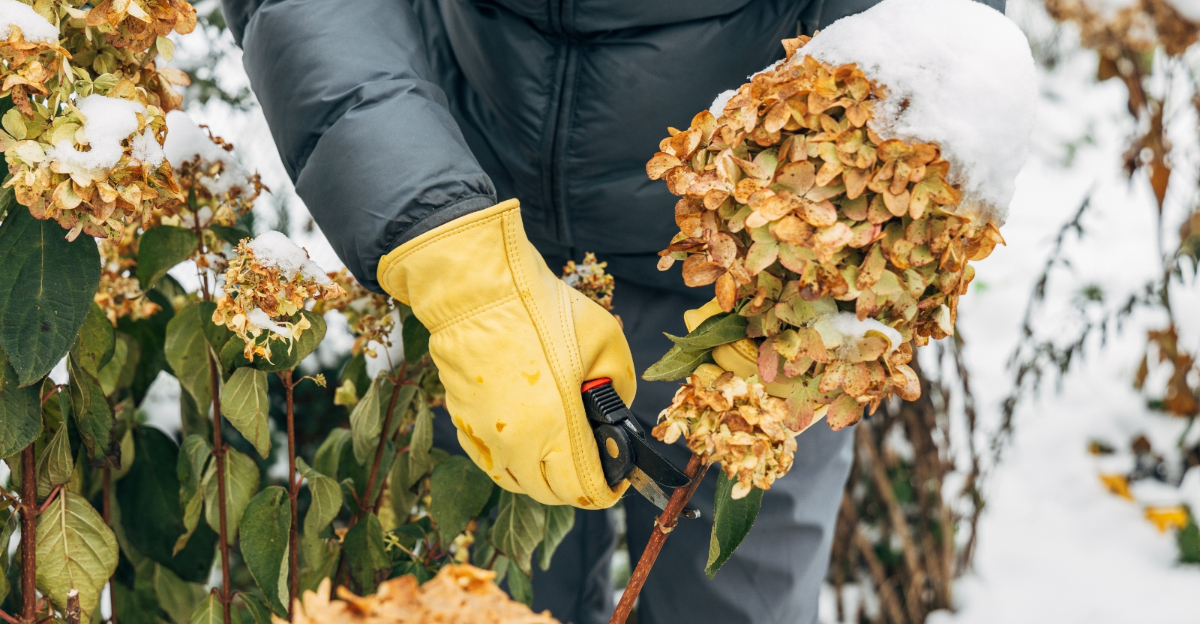
February arrives in Georgia with bare hydrangea branches and just enough warmth to make you wonder if it’s time to do something or leave them alone a little longer.
That pause is understandable, especially when past blooms felt underwhelming and you’re not sure what really made the difference.
Hydrangeas are already responding to the season now, even if nothing obvious is happening above ground yet.
Not every task is urgent, and rushing can be just as unhelpful as doing nothing at all.
When blooms disappoint later in the year, though, it’s often because a few key steps were missed during this quiet window. February is when structure, energy, and future flowering start lining up behind the scenes.
Small, well-timed actions now influence how confidently hydrangeas grow and bloom once spring fully arrives.
Taking advantage of this moment helps Georgia hydrangeas put their energy where it matters most when bloom season comes.
1. Check For Winter Damage After Cold Snaps
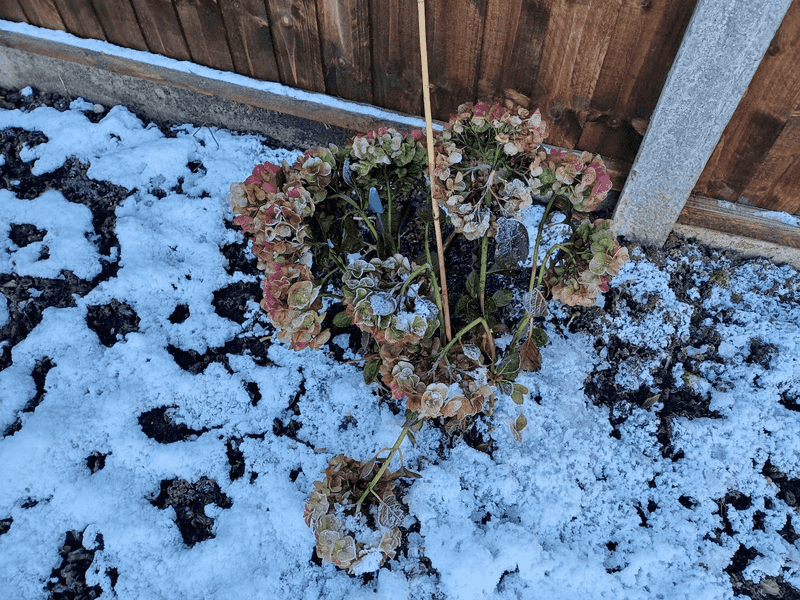
Georgia winters can surprise you with sudden temperature drops that leave your hydrangeas looking worse for wear. Walking around your plants after a cold spell gives you a clear picture of what survived and what needs attention.
You might notice brown, shriveled stems or sections that look different from the rest of the plant.
Your hydrangeas respond differently depending on their variety and how harsh the winter was in your area. Some stems might appear brittle and lifeless, while others still show signs of green underneath the bark.
Gently scratching a small section of stem with your fingernail reveals whether there’s still living tissue beneath the surface.
Temperature swings in Georgia can be especially tough on newer growth that started forming too early. Buds that began swelling during a warm January week might have gotten zapped by a late freeze.
Inspecting these carefully helps you understand what to expect come spring.
Look closely at the base of your plants where new shoots typically emerge. Healthy buds at ground level mean your hydrangea can bounce back even if the upper stems took a hit.
This resilience is one reason hydrangeas remain such popular garden plants across the state.
Pay attention to discoloration on leaves that may have held on through winter. Damaged foliage often shows brown edges or black spots.
Removing these helps prevent disease from taking hold as warmer weather arrives.
Check around the crown of the plant where stems meet the soil. Mushy or soft areas here signal trouble that needs addressing quickly.
Healthy crowns feel firm and show no signs of rot or unusual softness.
Your inspection should include looking at the overall shape and structure. Winter winds and ice can bend or break branches in ways that affect how the plant grows.
Noting these issues now lets you plan your approach for the rest of the month.
Georgia gardeners know that February can still bring cold nights, so don’t rush to conclusions after just one inspection. Give your plants a few weeks to show their true condition.
Your Georgia Garden Changes Every Week. Your Plan Should Too.
Gardening in Georgia changes quickly throughout the season. Every Friday you’ll receive a simple weekly plan showing exactly what to plant, prune, fertilize, harvest, and protect so you never miss the right timing.
Some stems that look questionable early in the month may prove viable as temperatures stabilize.
2. Remove Weak Or Broken Stems Carefully
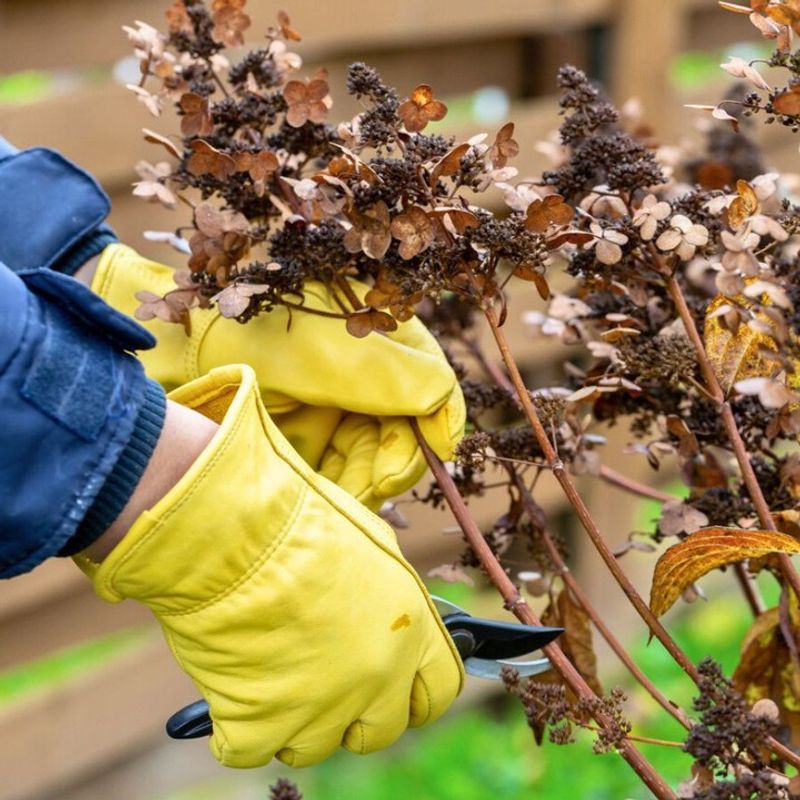
Pruning away damaged wood seems straightforward, but timing and technique matter tremendously for hydrangeas. You want to clean up obvious problems without accidentally cutting away this year’s flower buds.
Start by removing stems that are clearly broken, hanging loose, or completely brown throughout.
Use sharp, clean pruning shears to make smooth cuts that heal quickly. Ragged cuts from dull blades create entry points for disease and pests.
Wiping your blades with rubbing alcohol between plants prevents spreading any issues from one hydrangea to another across your Georgia landscape.
Cut damaged stems back to just above a healthy bud or all the way to the base if the entire stem is compromised. Making your cut at a slight angle helps water run off rather than pooling on the cut surface.
This small detail reduces the chance of rot developing.
Weak, spindly growth that developed late last season won’t produce quality blooms. These thin stems often lack the strength to support heavy flower heads.
Removing them now directs the plant’s energy toward stronger, more productive branches.
Look for stems that cross over each other or grow toward the center of the plant. These create congestion that reduces air circulation and increases humidity around the foliage.
Better airflow means fewer problems with fungal diseases during Georgia’s humid summers.
Old, woody stems that haven’t produced much growth in recent years can be candidates for removal. However, be cautious with this on certain hydrangea types that bloom on old wood.
When in doubt, remove only the obviously damaged portions and leave questionable stems for now.
Collect and dispose of all pruned material rather than leaving it around the base of your plants. Diseased or damaged plant tissue can harbor problems that resurface as conditions warm up.
Keeping your garden clean prevents these issues from spreading.
Step back periodically during your pruning session to assess the overall shape. You want a balanced, open structure that allows light to reach all parts of the plant.
This promotes even growth and flowering throughout the entire shrub.
3. Hold Off On Major Pruning Until You Know The Type
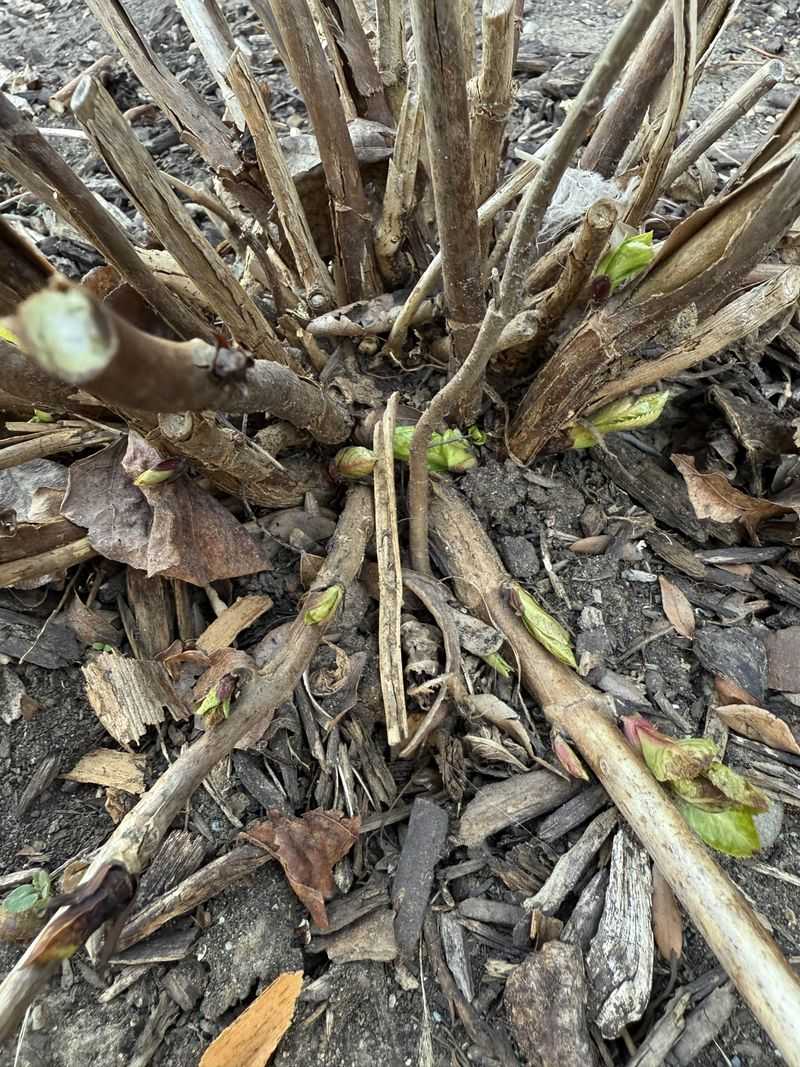
Hydrangea varieties bloom on different types of wood, and cutting at the wrong time can eliminate your entire flower display. Bigleaf and oakleaf hydrangeas typically form their flower buds on old wood from the previous season.
Panicle and smooth hydrangeas bloom on new wood that grows in spring.
Many Georgia gardeners make the mistake of treating all hydrangeas the same way. This results in beautiful, healthy plants that mysteriously refuse to bloom.
Understanding which type you have growing in your yard is the first step toward proper care.
If you’re unsure about your hydrangea’s identity, February is too early for major shaping or size reduction. Wait until you see where flower buds begin forming.
Old wood bloomers will show buds swelling along last year’s stems, while new wood bloomers produce flowers on fresh growth.
Observing your plants through spring before making big pruning decisions protects your bloom potential. You can always cut back later if needed, but you cannot restore removed buds.
Patience in February pays off with abundant flowers in summer.
Bigleaf hydrangeas, the most common type in Georgia landscapes, need special consideration. These plants set their buds in late summer and carry them through winter.
Heavy pruning in February removes these dormant buds before they ever have a chance to open.
Some newer hydrangea varieties bloom on both old and new wood, giving you more flexibility. Even with these, conservative pruning in February is wise.
Let the plant show you where it’s putting its energy before making significant cuts.
Check plant tags or records from when you purchased your hydrangeas. Knowing the specific variety guides your pruning approach.
If you’ve lost this information, local garden centers in Georgia can often help identify your plants from photos or leaf samples.
Marking your plants with tags that note their type prevents future confusion. This simple step helps you remember which hydrangeas can be pruned hard and which need a lighter touch.
Your future self will thank you for this organizational effort.
Focus February efforts on removing only clearly damaged or diseased wood rather than reshaping.
4. Clear Old Mulch Without Exposing Roots
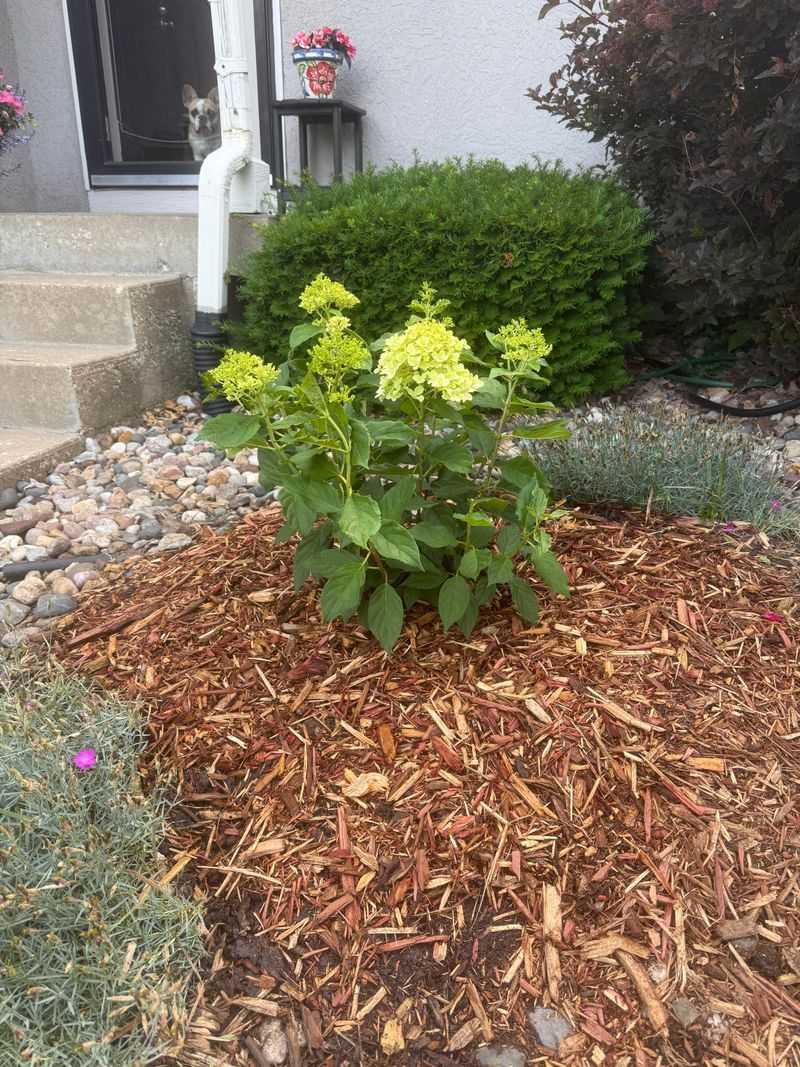
Mulch that’s been sitting around your hydrangeas all winter has likely compacted and broken down. Refreshing this layer improves soil health and prevents disease, but you need to approach the task thoughtfully.
Pulling back every bit of old material can expose tender roots to temperature fluctuations and drying winds.
Start by gently raking the top layer of mulch away from direct contact with the stems. Mulch piled against woody stems creates a moist environment where rot and pests thrive.
Creating a small gap between mulch and plant base allows air circulation while still protecting roots.
Georgia’s February weather can be unpredictable, with warm days followed by cold snaps. Maintaining some mulch coverage over the root zone provides insulation during these temperature swings.
Roots appreciate the buffer that prevents rapid freezing and thawing cycles.
Examine the old mulch as you work with it. Material that’s turned gray, feels slimy, or smells sour should be removed completely.
This decomposed mulch has lost its effectiveness and may harbor fungal problems. Fresh material will serve your hydrangeas much better.
Look for signs of pests or disease in the old mulch layer. Unusual discoloration, white fuzzy growth, or concentrations of insects indicate problems that need addressing.
Removing contaminated mulch prevents these issues from affecting your plants as they begin growing.
Avoid digging or cultivating deeply around hydrangea roots. These plants have relatively shallow root systems that spread near the soil surface.
Aggressive raking or digging can damage these feeder roots and stress the plant just as it’s preparing for spring growth.
Leave a thin layer of old mulch in place if it’s still in decent condition. This base layer contains beneficial organisms that help break down organic matter and improve soil structure.
Completely stripping it away removes these helpful allies.
Pay attention to areas where mulch has washed away completely. Low spots or areas on slopes often lose their mulch cover during winter rains common in Georgia.
These exposed areas need attention to prevent erosion and protect roots.
5. Test Soil Moisture Before Watering Again
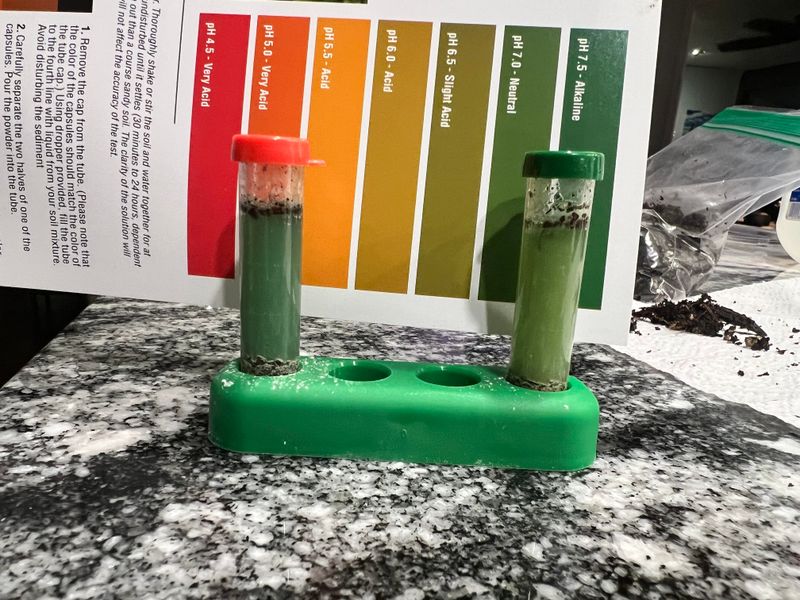
Winter rainfall in Georgia can be deceptive, leaving soil either waterlogged or surprisingly dry. Your hydrangeas’ water needs in February are minimal compared to summer, but they still need adequate moisture.
Checking soil conditions before adding water prevents both drought stress and overwatering problems.
Push your finger into the soil about three inches deep near your hydrangea’s root zone. The soil should feel slightly moist but not soggy or wet.
If your finger comes out muddy or water pools in the hole you made, your plant has plenty of moisture.
Dormant or semi-dormant hydrangeas use very little water during cool weather. Their reduced metabolic activity means roots aren’t actively taking up moisture the way they do during active growth.
Overwatering during this period can lead to root problems that don’t become apparent until spring.
Georgia’s clay soils tend to hold moisture longer than sandy soils. Understanding your soil type helps you judge how often to check and water.
Clay stays wet for extended periods, while sandy areas might need occasional watering even in winter.
Look at the overall appearance of your plants for clues about moisture levels. Hydrangeas suffering from too much water may show yellowing leaves or mushy stems near the base.
Extremely dry conditions might cause stems to look shriveled or bark to appear wrinkled.
Consider recent rainfall when evaluating moisture needs. If Georgia has experienced its typical winter rains, your hydrangeas probably don’t need supplemental water.
Checking anyway ensures you’re not making assumptions that could harm your plants.
Newly planted hydrangeas from last fall need more attention to moisture than established plants. Their root systems haven’t fully developed yet, making them more vulnerable to both drying out and staying too wet.
Monitor these plants more frequently throughout February.
Early morning is the best time to check soil moisture. Temperatures are stable, and you get an accurate reading of what’s happening in the root zone.
Checking during the heat of a sunny afternoon can give misleading results.
If you do need to water in February, apply it slowly and deeply. Let water soak into the root zone rather than running off the surface.
6. Apply A Light Layer Of Fresh Mulch
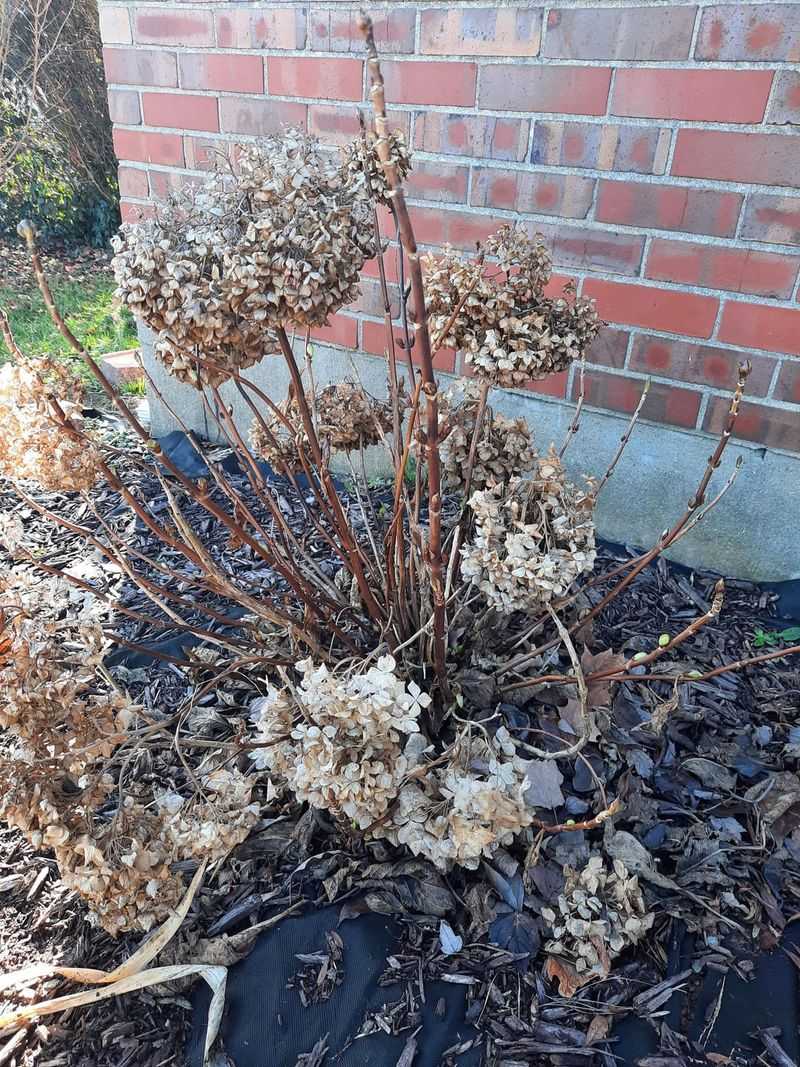
Fresh mulch in February sets your hydrangeas up for success through the growing season. A proper layer regulates soil temperature, retains moisture, and suppresses weeds that compete with your plants.
The key is applying the right amount in the right way.
Aim for a two to three-inch layer of mulch spread evenly around the root zone. This depth provides adequate insulation and weed control without smothering roots or holding excessive moisture against stems.
More is not better when it comes to mulching hydrangeas.
Choose organic mulch materials like shredded hardwood bark, pine bark nuggets, or composted leaves. These materials break down gradually, improving your Georgia soil as they decompose.
Avoid fresh wood chips, which can temporarily tie up nitrogen as they break down.
Spread mulch in a doughnut shape around each plant, keeping it several inches away from the stems. This gap prevents moisture accumulation against the woody tissue while still protecting the root zone.
Think of creating a protective ring rather than a volcano piled around the base.
Extend your mulch layer out to the drip line of the plant or beyond. Hydrangea roots spread wider than most people realize, often reaching well past the visible canopy.
Covering this entire area protects the full root system.
February is an ideal time for this task in Georgia because plants are still dormant and you can work around them easily. Mulching now means one less job competing for your attention during the busy spring planting season.
Your hydrangeas benefit from the protection right as they begin their growth cycle.
Fresh mulch also improves the appearance of your landscape. Clean, uniform mulch creates a tidy look that shows you care about your garden.
This aesthetic benefit is a nice bonus alongside the practical advantages for plant health.
Consider using mulch that slightly acidifies the soil as it breaks down. Many hydrangeas, particularly bigleaf types common in Georgia, prefer slightly acidic conditions.
Pine bark and pine needles naturally lower pH over time, creating more favorable growing conditions.
7. Protect Buds If Late Freezes Are Forecast
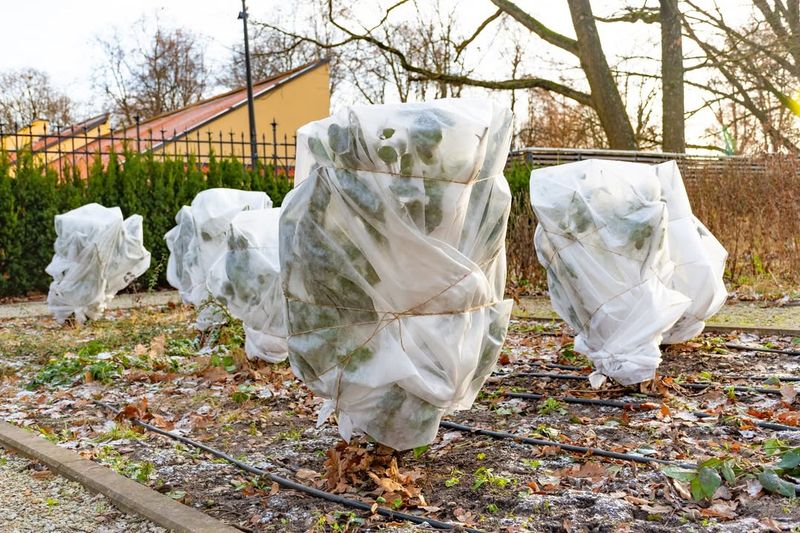
Georgia’s weather in late February can turn harsh without warning. A forecast calling for temperatures in the low twenties or below means your hydrangea buds need protection.
These tender growing points represent your entire flower display for the season on many varieties.
Covering plants before a freeze makes a significant difference in bud survival. Use frost blankets, old sheets, or burlap draped over the entire plant.
Avoid plastic, which can trap moisture and actually make cold damage worse. Fabric materials allow some air circulation while trapping warmth from the ground.
Secure your covering material so it doesn’t blow away during windy conditions that often accompany cold fronts. Use stakes, rocks, or landscape staples to hold fabric in place.
Make sure the covering reaches all the way to the ground to trap as much warmth as possible.
Apply covers in the late afternoon before temperatures drop. This traps daytime warmth around your plants.
Remove covers once morning temperatures rise above freezing to prevent overheating during sunny February days in Georgia.
Mulch provides some insulation for the lower portions of your hydrangeas. Extra mulch temporarily piled around the base during an extreme cold snap offers additional protection.
Just remember to pull it back away from the stems once the danger passes.
Container-grown hydrangeas need special attention during freezes. Roots in pots are more exposed to temperature extremes than those in the ground.
Moving containers against a south-facing wall or into an unheated garage protects them from the worst cold.
Watch weather forecasts closely throughout February. Georgia can experience sudden cold snaps that catch gardeners off guard.
Having protection materials ready to deploy quickly saves you from scrambling at the last minute.
Young or newly planted hydrangeas are more vulnerable to freeze damage than established plants. Give these extra attention and protection.
Their less-developed root systems and smaller size make them susceptible to temperature stress.
8. Plan Fertilizing For Early Spring, Not February
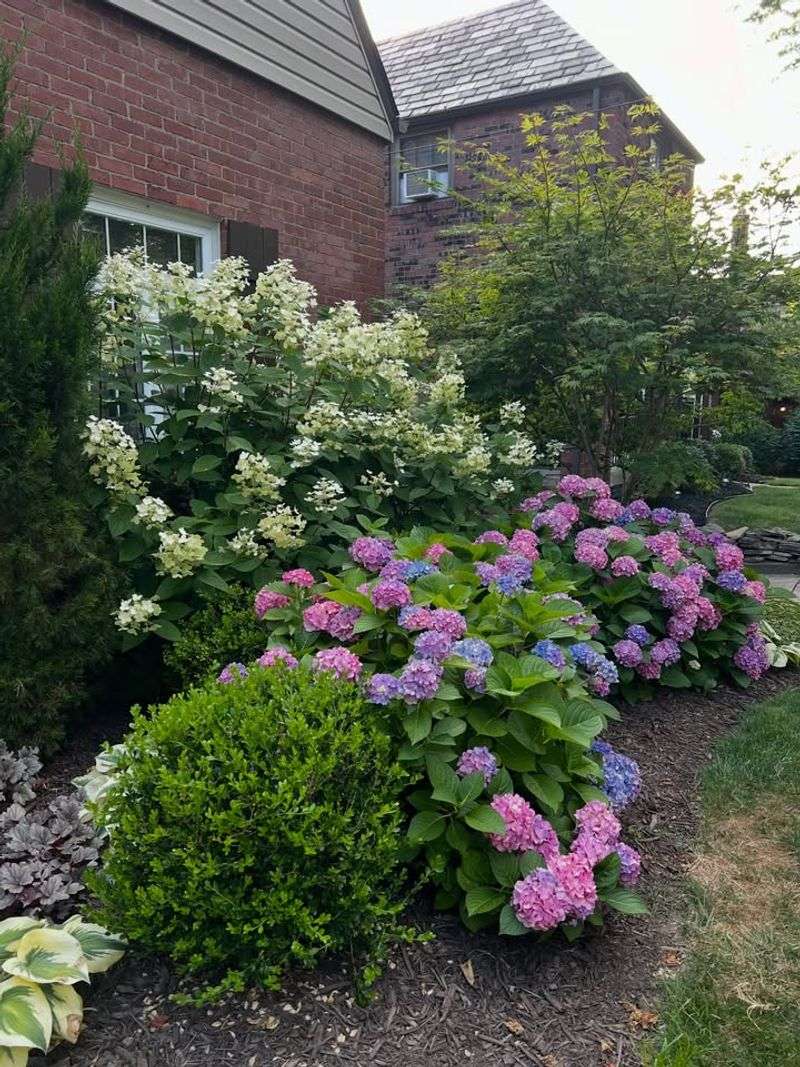
Fertilizing too early can cause more harm than good for your Georgia hydrangeas. February applications push plants to produce tender new growth that’s extremely vulnerable to late freezes.
This premature growth wastes the plant’s energy and often results in damaged shoots that need removing.
Your hydrangeas are still mostly dormant in February, with minimal metabolic activity happening. Roots aren’t actively taking up nutrients at this time of year.
Applied fertilizer can wash away in winter rains or sit unused in the soil where it might cause imbalances.
Wait until you see clear signs of new growth beginning, typically in mid to late March for most of Georgia. Swelling buds and emerging leaves signal that your plants are ready to use the nutrients you provide.
Timing your fertilization with active growth ensures maximum benefit.
Use this planning time to decide what type of fertilizer suits your hydrangeas best. Slow-release formulas provide steady nutrition over several months.
Organic options like compost or well-aged manure improve soil structure while feeding plants gradually.
Consider getting a soil test done in February if you haven’t tested in a few years. Results tell you exactly what nutrients your soil needs rather than guessing.
Georgia Extension offices provide this service, giving you specific recommendations for your landscape.
Make note of how your hydrangeas performed last season. Plants that showed yellowing leaves might need iron or nitrogen.
Poor bloom production could indicate phosphorus deficiency or improper pruning. These observations guide your fertilization strategy for the coming year.
Purchase your chosen fertilizer now while you’re thinking about it. Having supplies on hand means you’re ready to act when the right time arrives.
This prevents delays that might occur if you wait until spring when garden centers get busy.