8 Cold-Hardy Vegetables You Can Start Planting Early in Georgia
You walk past your garden beds in Georgia and feel that itch to start, even though the calendar says it’s still early.
Nothing looks active yet, but you know the season doesn’t wait for perfect timing.
Georgia’s weather opens a quiet opportunity right here, when cooler days can actually work in your favor instead of slowing you down.
Not every vegetable belongs in the ground now, and planting the wrong ones can feel discouraging fast. Some crops, though, are built for this moment and respond better to early starts than to sudden spring heat.
They grow steadily, without rushing, while the rest of the garden catches up. Starting them now spreads the workload and takes pressure off the busy weeks ahead.
This early planting window rewards patience with stronger growth and a smoother start to the season.
1. Spinach
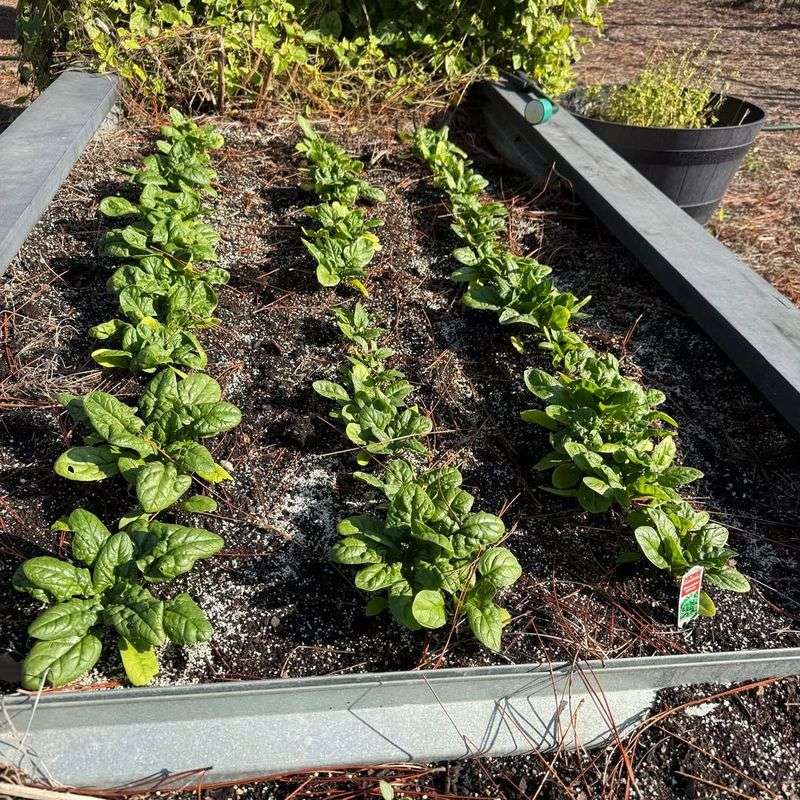
Your spring garden in Georgia can get off to a fantastic start with one of the most frost-tolerant greens available. Spinach seeds germinate when soil temperatures reach just 35 to 40 degrees Fahrenheit, which means you can sow them as early as late January in south Georgia and through February in northern parts of the state.
Most varieties handle temperatures down to 20 degrees without any damage to leaves. You’ll want to plant seeds about half an inch deep and space them two inches apart in rows.
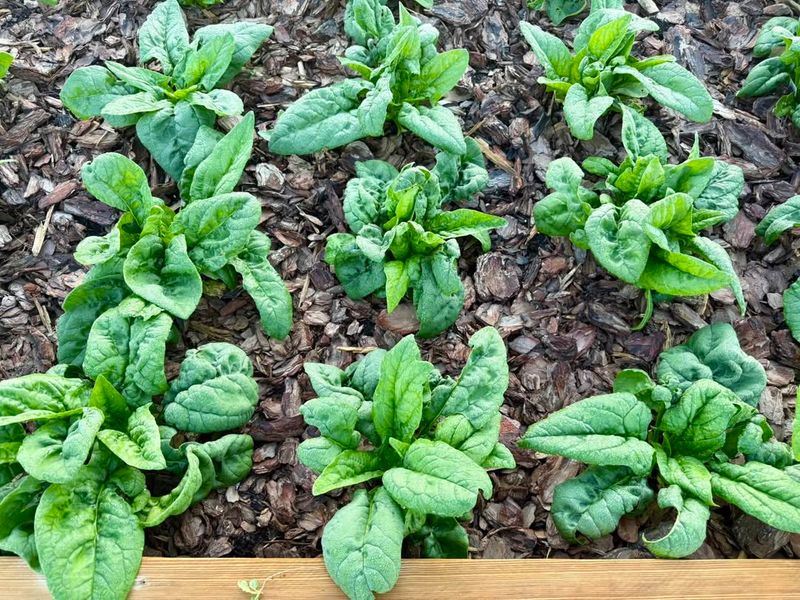
Once seedlings emerge, thin them to give each plant four to six inches of growing room.
Georgia’s mild spring weather creates ideal conditions for spinach to develop tender, flavorful leaves before summer heat arrives. Direct sunlight works best, though plants tolerate partial shade during warmer days.
Rich, well-drained soil with plenty of organic matter helps your crop thrive.
Water consistently to keep soil moist but never waterlogged. Baby spinach leaves become ready for harvest in just 30 days, while full-sized leaves take 40 to 50 days.
You can pick outer leaves continuously or harvest the entire plant at once.
Successive plantings every two weeks extend your harvest window throughout spring across Georgia.
Adding a light layer of mulch after planting helps regulate soil temperature and slows moisture loss during Georgia’s unpredictable late-winter warm spells.
Because spinach grows quickly in cool conditions, paying attention to consistent watering and spacing early on prevents stress that can lead to bitter leaves later.
Planting early also lets spinach mature before longer days and rising temperatures trigger bolting, which is especially important in Georgia’s fast-warming spring climate.
2. Kale
Few vegetables match the toughness of this nutritional powerhouse when cold weather strikes Georgia gardens. Kale actually tastes sweeter after experiencing a light frost, as the cold triggers the plant to convert starches into sugars.
Plant seeds or transplants in late winter, and you’ll enjoy harvests well into spring.
Seeds go directly into garden beds starting in February across most of Georgia, though south Georgia gardeners can start even earlier. Space plants 12 to 18 inches apart to allow for their substantial leaf spread.
Kale prefers full sun but tolerates some afternoon shade during warmer periods.
Your Georgia Garden Changes Every Week. Your Plan Should Too.
Gardening in Georgia changes quickly throughout the season. Every Friday you’ll receive a simple weekly plan showing exactly what to plant, prune, fertilize, harvest, and protect so you never miss the right timing.
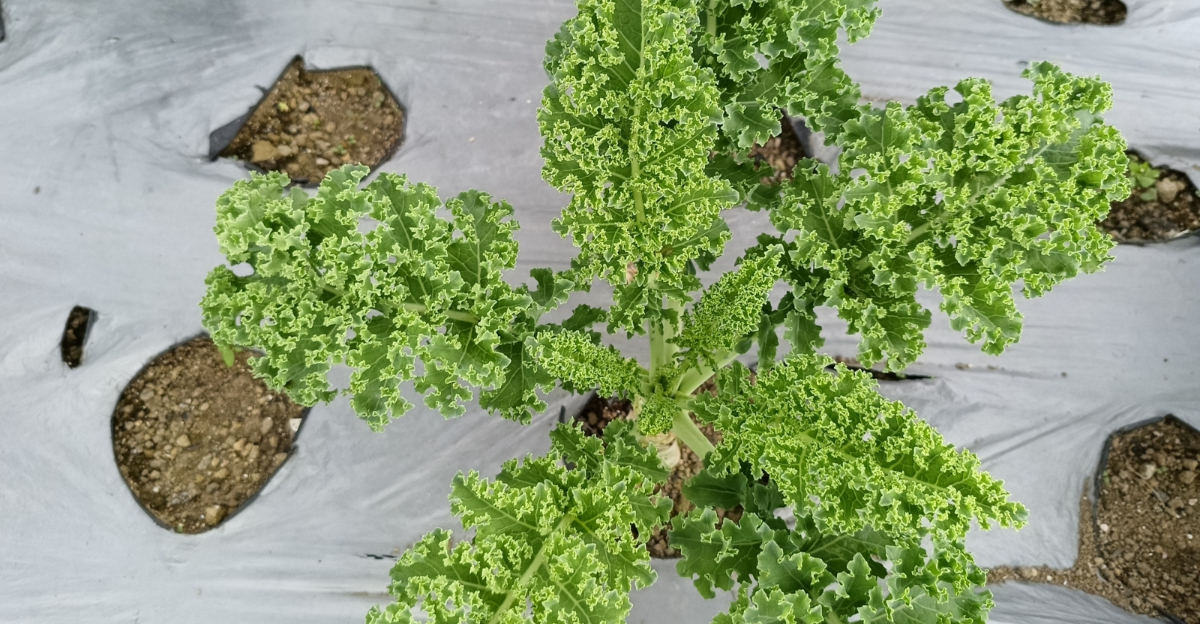
The crop grows best in soil enriched with compost and maintains steady moisture throughout the growing season. Multiple varieties thrive in Georgia, from curly types to flat-leafed dinosaur kale.
Each offers slightly different flavors and textures for your kitchen.
Harvest begins when leaves reach the size of your hand, typically 55 to 75 days after planting. Pick lower leaves first, allowing the plant to continue producing from the top.
Your kale plants can produce for months when temperatures stay moderate.
Georgia’s spring climate provides an extended harvest period before summer heat slows production.
Because kale develops a strong root system early, planting it during late winter helps the plant handle temperature swings and short cold snaps without slowing growth.
Providing steady moisture during dry spells is especially important in Georgia springs, when rainfall can fluctuate and young plants dry out faster than expected.
Starting kale early also allows plants to size up before rising temperatures encourage tougher leaves, giving you better texture and flavor during peak harvest weeks.
3. Collard Greens
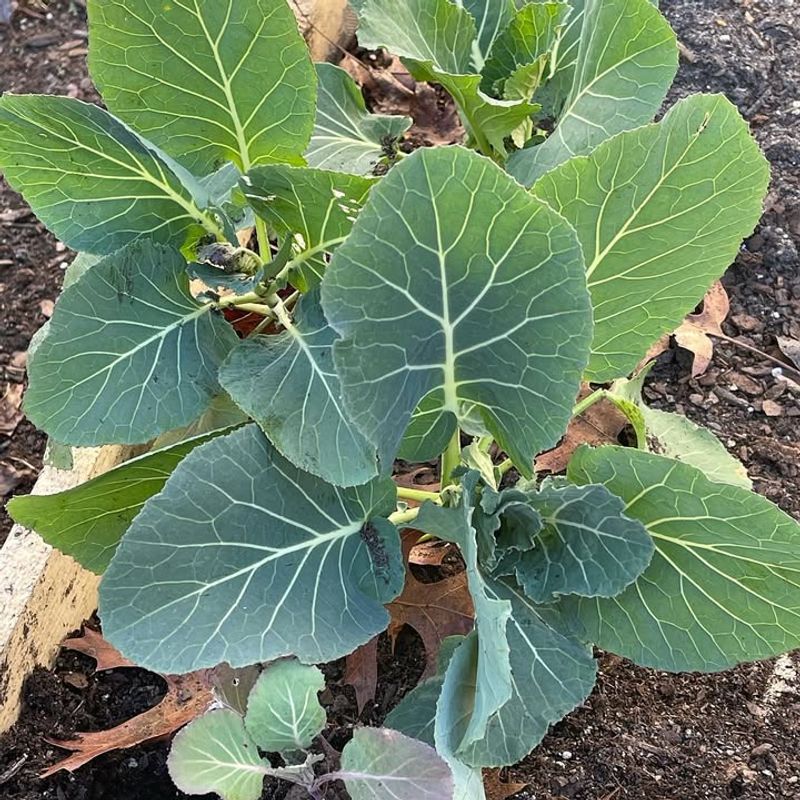
Southern gardens wouldn’t be complete without this traditional staple that handles Georgia winters with ease. Collards withstand temperatures down to 15 degrees and actually improve in flavor after frost touches their broad leaves.
February through March represents prime planting time across most of the state.
Start seeds indoors six weeks before your last expected frost, or direct-sow them in garden beds when soil can be worked. Space transplants 18 to 24 inches apart in rows separated by three feet.
Plants develop large leaves that need room to spread without crowding neighbors.
Full sun exposure produces the best growth, though collards manage reasonably well in partial shade. Georgia’s clay-heavy soils benefit from amendments like compost to improve drainage and nutrient content.
Regular watering keeps leaves tender and prevents bitterness.
Young collard leaves taste milder and more tender than mature ones, so harvest timing depends on your preference. Leaves become ready for picking 60 to 80 days after planting.
Remove lower leaves first, and the plant continues producing new growth from the top.
Your collard plants in Georgia can produce from early spring through late fall with proper care and successive plantings.
Planting during this late-winter window gives collards time to establish strong roots before temperatures fluctuate, which helps them grow steadily instead of stalling.
Because collards stay in the ground for months, maintaining even moisture and good airflow early on prevents stress that can affect leaf quality later.
Starting them before spring fully settles in also reduces pressure from pests that become more active as Georgia’s weather warms.
4. Mustard Greens
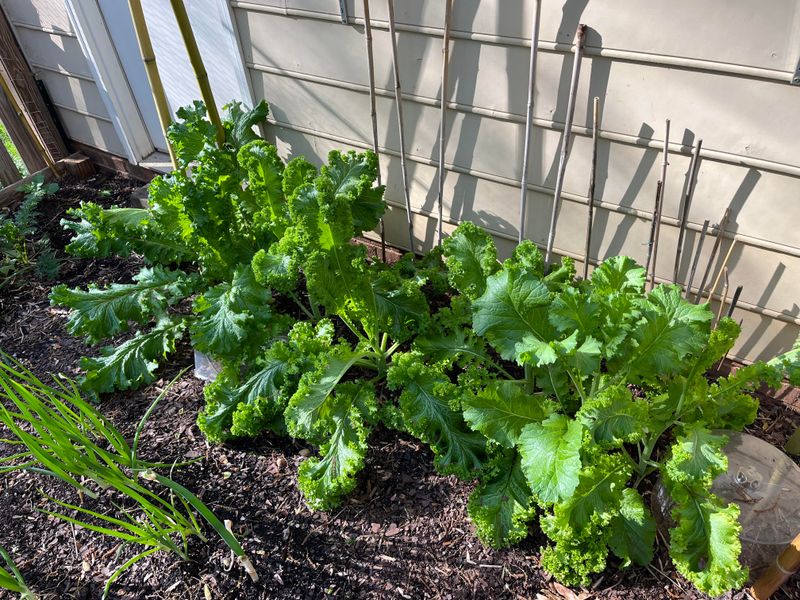
Fast-growing and packed with peppery flavor, mustard greens give Georgia gardeners quick results in cool weather. Seeds germinate rapidly when soil temperatures reach 45 degrees, often sprouting within just five to ten days of planting.
Late winter through early spring provides perfect conditions across the state.
Broadcast seeds thinly across prepared beds, then cover with a quarter-inch of soil. Thin seedlings to six inches apart once they develop their first true leaves.
Mustard greens tolerate closer spacing than many other crops, making them efficient for smaller Georgia gardens.
These greens prefer full sun but appreciate some afternoon shade as spring temperatures climb. Soil should drain well while retaining enough moisture to support rapid leaf development.
Mix compost into beds before planting to provide nutrients for fast growth.
Baby mustard greens become ready for salads in just 21 days, while mature leaves for cooking take 40 to 50 days. Harvest outer leaves continuously to encourage new growth from the center of each plant.
Georgia’s spring weather allows multiple successions if you plant every two weeks.
Hot weather causes mustard greens to bolt and turn bitter, so early planting ensures the best flavor and texture for your harvest.
Planting early lets mustard greens take full advantage of cool nights and mild days, which keeps their flavor sharp without becoming overpowering.
Getting seeds in the ground before spring heat builds also helps plants mature quickly and evenly, reducing stress that can shorten the harvest window in Georgia gardens.
5. Turnips
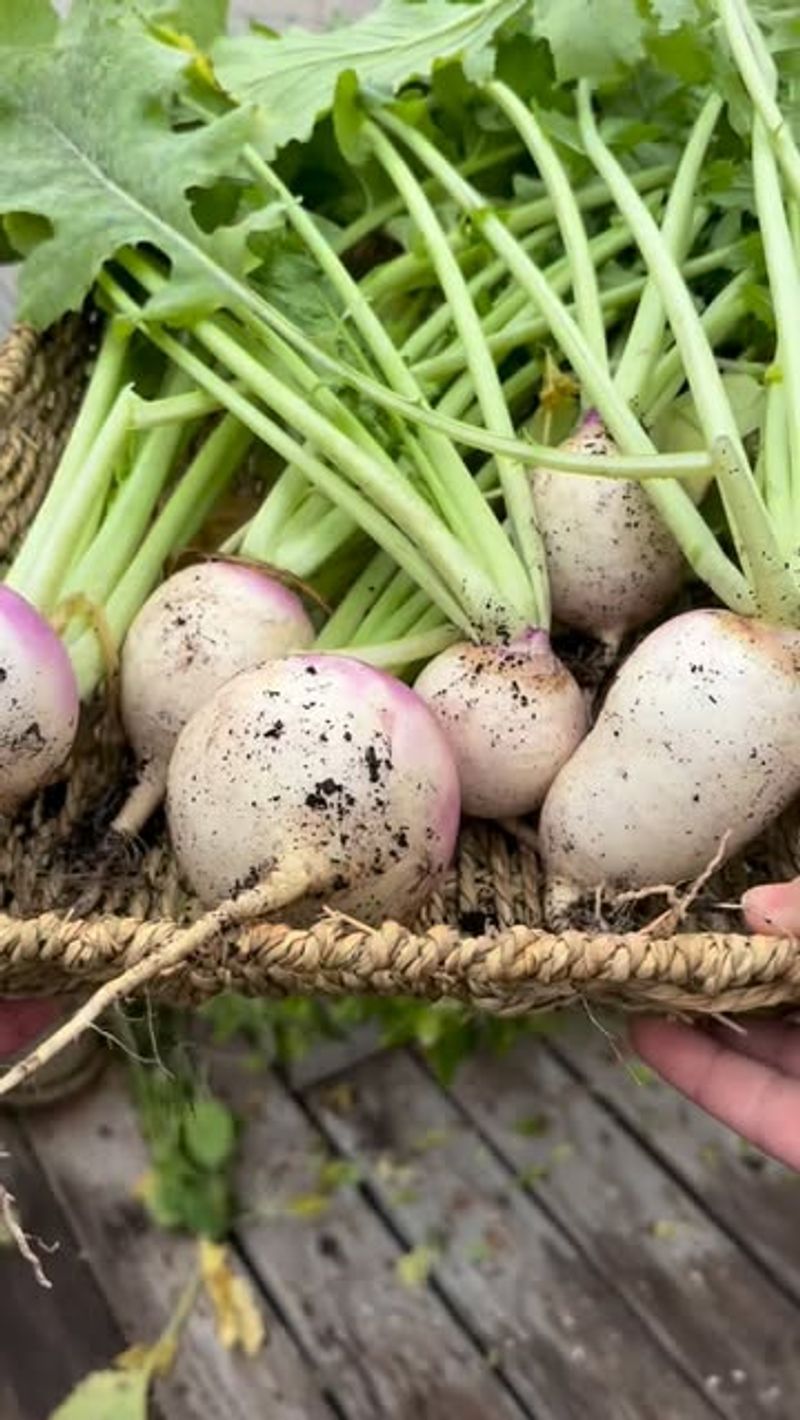
Both roots and greens make turnips a dual-purpose crop for early Georgia gardens. Cool soil temperatures between 40 and 75 degrees create ideal growing conditions, allowing February plantings across much of the state.
Turnips handle light frosts without complaint and actually develop better flavor in cool weather.
Sow seeds directly in garden beds half an inch deep and two inches apart in rows. Thin seedlings to four inches apart for root development, or leave them closer if you primarily want to harvest greens.
Georgia’s spring weather provides enough time for roots to size up before heat arrives.
Full sun exposure works best, though plants tolerate some shade during the warmest part of the day. Well-drained soil rich in organic matter supports healthy root formation.
Consistent moisture prevents roots from becoming woody or developing a harsh taste.
Turnip greens become ready for harvest in just 30 days, while roots need 50 to 60 days to reach full size. Harvest roots when they measure two to three inches in diameter for the best flavor and texture.
Larger roots often turn woody and bitter.
Succession planting every three weeks extends your turnip harvest throughout spring in Georgia gardens.
Planting turnips during late winter allows both roots and greens to develop steadily before rising temperatures interfere with texture and flavor.
Getting them established early also reduces pressure from pests that become more active later in spring, which helps keep foliage clean and growth consistent across Georgia gardens.
6. Radishes
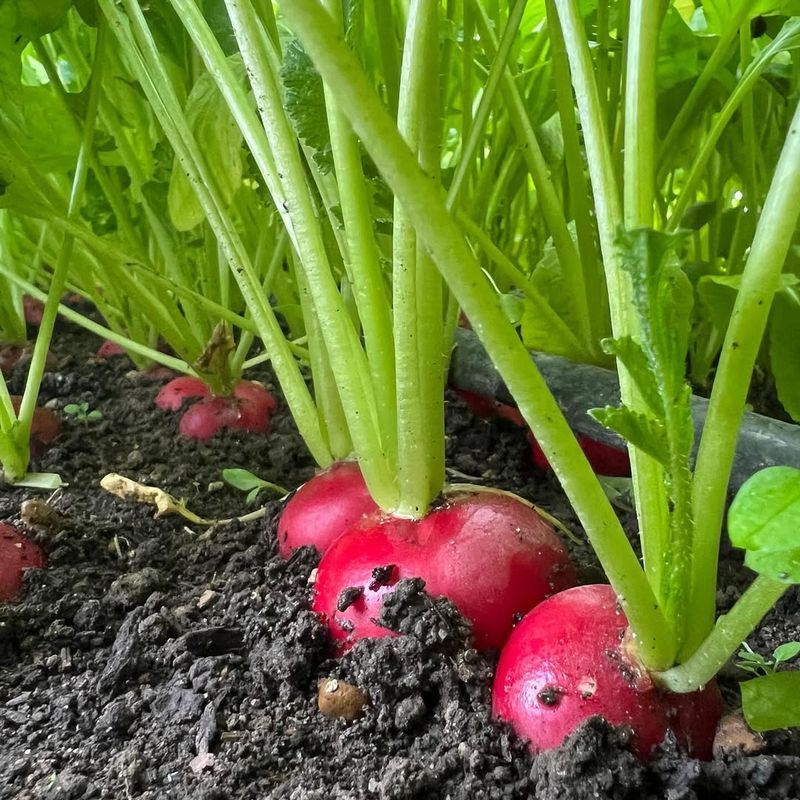
Nothing beats radishes for speed and simplicity in Georgia’s early spring garden. Seeds germinate within three to seven days when soil temperatures reach 40 degrees, and roots become ready for harvest in just 22 to 30 days.
Plant them in late January through February in south Georgia, or wait until March in northern areas.
Sow seeds half an inch deep and one inch apart in rows or broadcast them across wide beds. Thin seedlings to two inches apart once they emerge for proper root development.
Radishes make excellent companion plants and can mark rows where slower-germinating vegetables grow.
Full sun produces the crispest, mildest radishes, though plants manage in partial shade. Loose, well-drained soil allows roots to expand without restriction or deformity.
Quick, even moisture throughout the growing period prevents radishes from becoming pithy or overly hot.
Harvest when roots reach the size indicated on your seed packet, usually about an inch in diameter. Leaving radishes in the ground too long results in tough, hollow roots with excessive heat.
Georgia’s cool spring weather provides perfect conditions for multiple successive plantings.
Plant new radish seeds every week for a continuous supply of crisp, fresh roots throughout the spring season.
Planting early lets radishes grow quickly in cool conditions, which keeps roots crisp and mild instead of overly spicy.
Because they mature so fast, radishes fit easily between slower crops and help make the most of limited garden space in Georgia beds.
Getting them harvested before temperatures climb prevents texture problems that often show up once spring begins warming quickly across the state.
7. Carrots
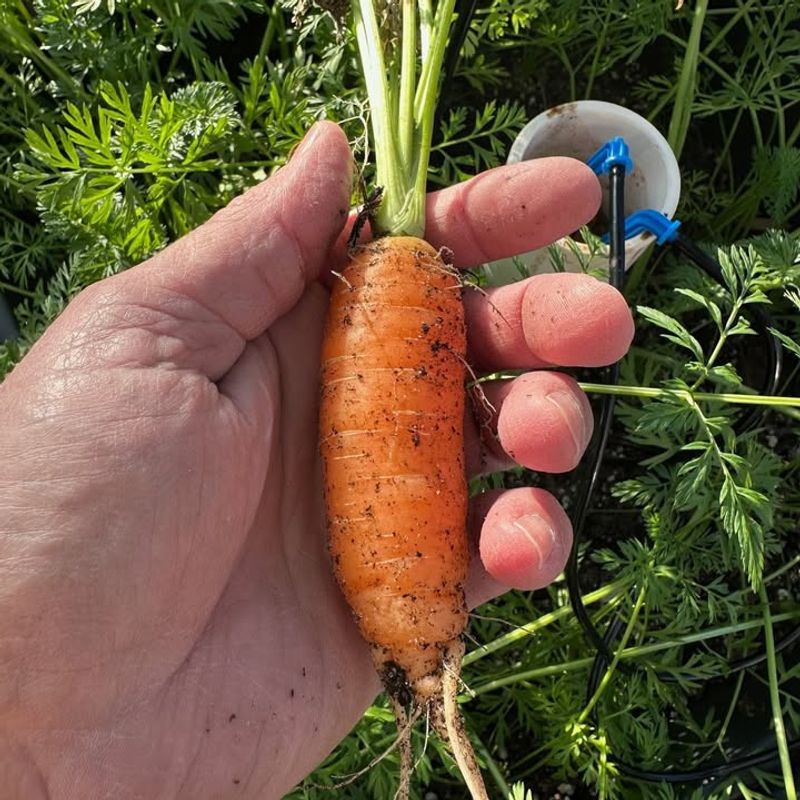
Georgia gardeners can grow sweet, crunchy carrots by planting them during the cool season. Seeds germinate slowly when soil temperatures range from 45 to 85 degrees, taking up to three weeks to sprout.
Late winter plantings in February and March give roots time to develop before summer heat arrives.
Sow seeds thinly in rows about a quarter-inch deep in loose, rock-free soil. Carrot seeds are tiny, so mixing them with sand helps achieve even spacing.
Thin seedlings to two inches apart once they reach two inches tall to allow proper root formation.
Full sun and deeply worked soil produce the straightest, longest carrots. Remove rocks and break up clay clumps that might cause roots to fork or twist.
Georgia’s heavier soils often benefit from raised beds filled with loose, sandy loam for carrot growing.
Keep soil consistently moist during germination, as drying out prevents sprouting. Once established, carrots tolerate some dryness but grow best with regular watering.
Harvest begins 60 to 80 days after planting, depending on variety.
Pull carrots when they reach the desired size, as leaving them too long can cause splitting or toughness in Georgia’s warming spring weather.
Starting carrots in late winter gives them a slow, steady growth period that improves sweetness and reduces the risk of misshapen roots.
Early planting also helps carrots mature before Georgia’s spring temperatures rise enough to affect texture and overall quality.
8. Peas
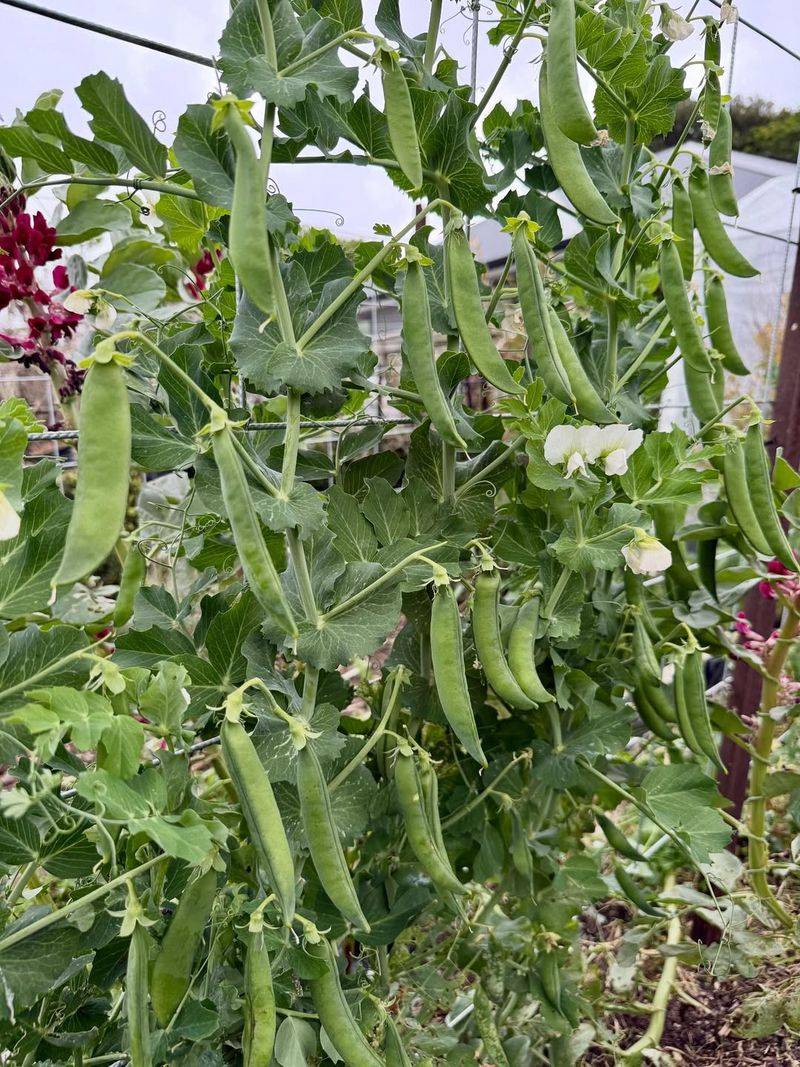
Sweet garden peas and snap peas thrive in Georgia’s cool spring weather before temperatures climb too high. Seeds tolerate soil temperatures as low as 40 degrees and germinate best between 40 and 75 degrees.
Plant them in late January through February in south Georgia, or wait until March in northern regions.
Sow seeds one inch deep and two inches apart along supports or trellises. Bush varieties need less space but still benefit from some support to keep pods off the ground.
Pea roots fix nitrogen in the soil, improving it for crops that follow later in the season.
Full sun exposure produces the heaviest harvests, though plants appreciate some afternoon shade as spring progresses. Well-drained soil with moderate fertility works best, as overly rich soil produces more foliage than pods.
Peas need consistent moisture, especially during flowering and pod development.
Harvest begins 60 to 70 days after planting, depending on variety and weather conditions. Pick pods regularly to encourage continued production and prevent plants from shutting down.
Georgia’s spring weather provides an ideal window for pea production before heat causes plants to decline.
Plant peas early for the best yields, as production drops significantly once temperatures regularly exceed 75 degrees across the state.
Getting peas established early allows them to flower and set pods while nights stay cool, which plays a big role in both yield and pod quality before Georgia’s spring warmth accelerates.