Plants That Benefit From Late-Winter Cleanup In Your Georgia Yard
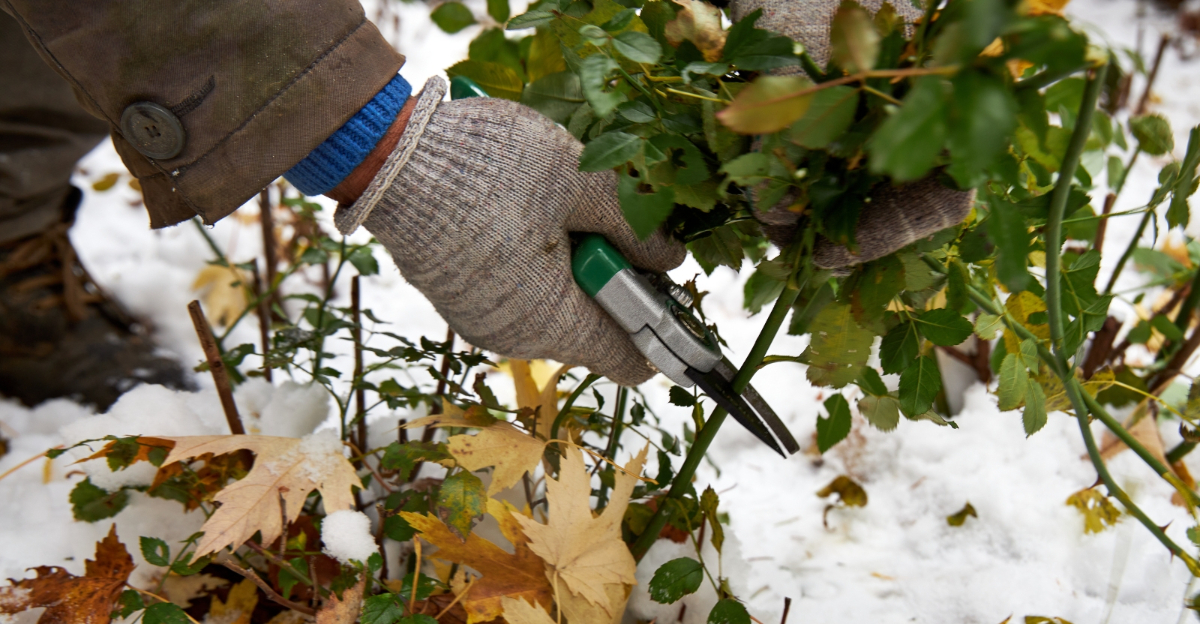
Late winter has a way of making your Georgia yard look paused, with last season’s stems, leaves, and faded growth still lingering even as signs of spring start to peek through.
You might feel unsure whether it’s better to leave everything alone a little longer or finally step in and tidy things up.
In Georgia, this in-between season matters more than it appears, because plants are already responding below the surface even when growth hasn’t fully resumed.
Not every plant needs attention right now, and some are better left untouched until warmer days arrive.
When certain plants struggle to rebound or look messy well into spring, though, it’s often because old material was holding them back.
A timely late-winter cleanup can clear space, redirect energy, and support healthier growth without rushing the season. Knowing which plants benefit most makes the process feel purposeful instead of guesswork.
With the right approach, this quiet window can set your Georgia yard up for a smoother, stronger start to the growing season.
1. Roses
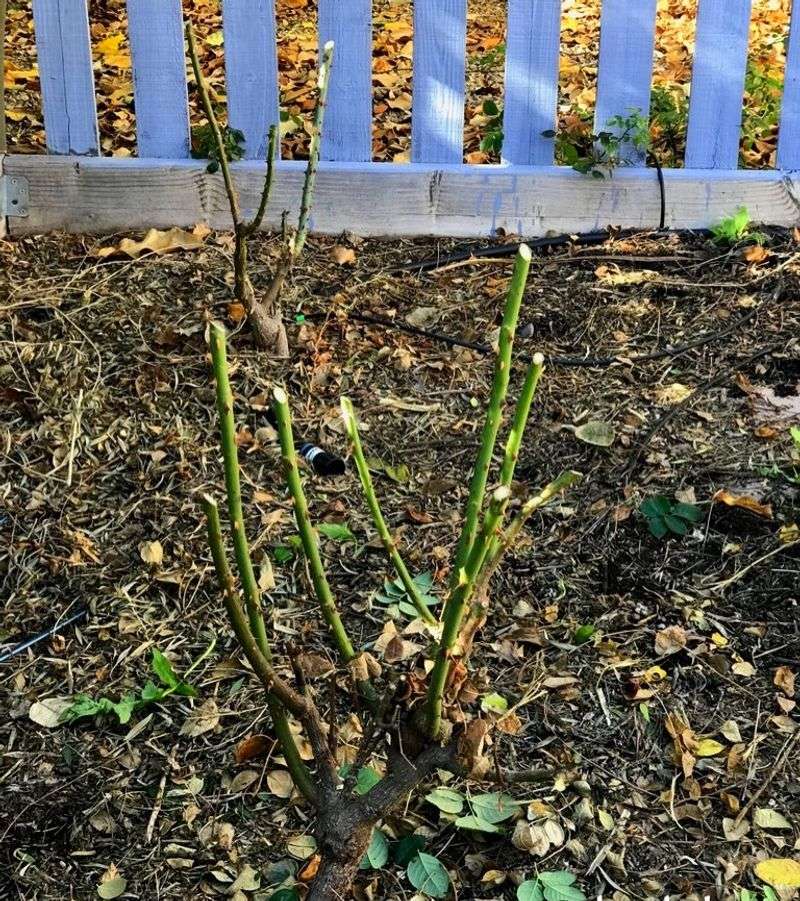
Your rose bushes need a fresh start before spring growth begins in Georgia gardens. Removing old leaves and debris around the base prevents fungal problems from spreading when temperatures rise.
Pruning away damaged canes gives your roses room to produce healthy new shoots.
Cut back to outward-facing buds at a forty-five-degree angle for the best results.
Georgia’s mild winters mean roses often keep some foliage through the cold months. Stripping away these older leaves helps you spot any issues hiding underneath.
Clearing out the center of each bush improves air circulation throughout the plant.
Better airflow reduces moisture buildup that encourages disease development during humid spring weather.
Mulch renewal around your roses provides fresh protection for roots as they wake up. Pull back old mulch first, then add a new two-inch layer after cleanup finishes.
Rake up every fallen leaf and petal from around your rose beds.
These materials often harbor fungal spores that can reinfect plants when conditions turn favorable.
Inspect canes carefully for any swelling or discoloration while you work.
Early detection of problems gives you time to address them before serious damage occurs.
Your roses will reward this late-winter attention with vigorous growth and abundant blooms. A little effort now sets the stage for a spectacular display in your Georgia landscape throughout the growing season ahead.
2. Ornamental Grasses
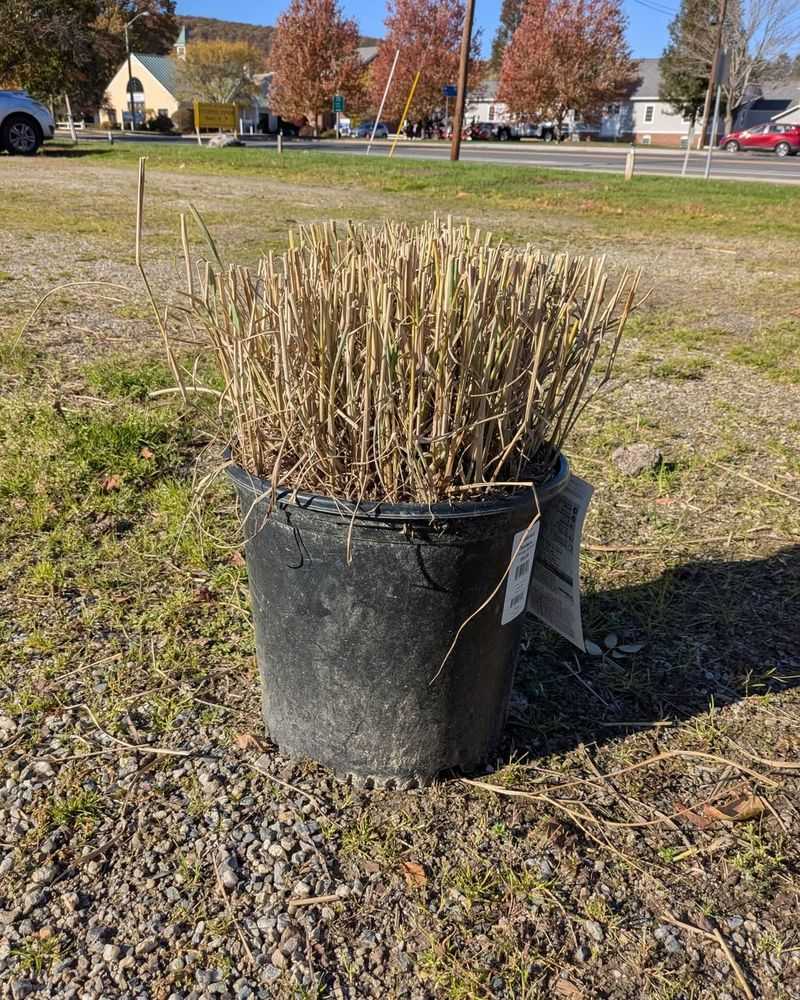
By the time winter starts loosening its grip, those once-structured clumps turn into barriers that new growth struggles to push through.
Cutting back these grasses before new growth emerges prevents you from accidentally damaging tender shoots.
Use sharp pruning shears or hedge trimmers to make clean cuts about four to six inches above the ground.
The dried blades and seed heads provide winter interest but can smother fresh growth if left too long. Timing your cleanup just right ensures the plant channels energy into new foliage rather than pushing through old material.
Bundle the cut material and add it to your compost pile for later use.
Your Georgia Garden Changes Every Week. Your Plan Should Too.
Gardening in Georgia changes quickly throughout the season. Every Friday you’ll receive a simple weekly plan showing exactly what to plant, prune, fertilize, harvest, and protect so you never miss the right timing.
These dried grasses break down nicely and contribute valuable organic matter to your soil.
Some varieties in Georgia gardens can grow quite large and dense over the season. Removing last year’s growth opens up the center and allows light to reach the crown where new shoots develop.
Wear gloves while working because grass blades can have sharp edges that irritate skin. Long sleeves also protect your arms from scratches during the cutting process.
Check the base of each clump for any debris or matted material that might trap moisture.
Clearing this away helps prevent rot issues as spring rains arrive in your Georgia landscape and temperatures begin climbing steadily upward.
3. Daylilies
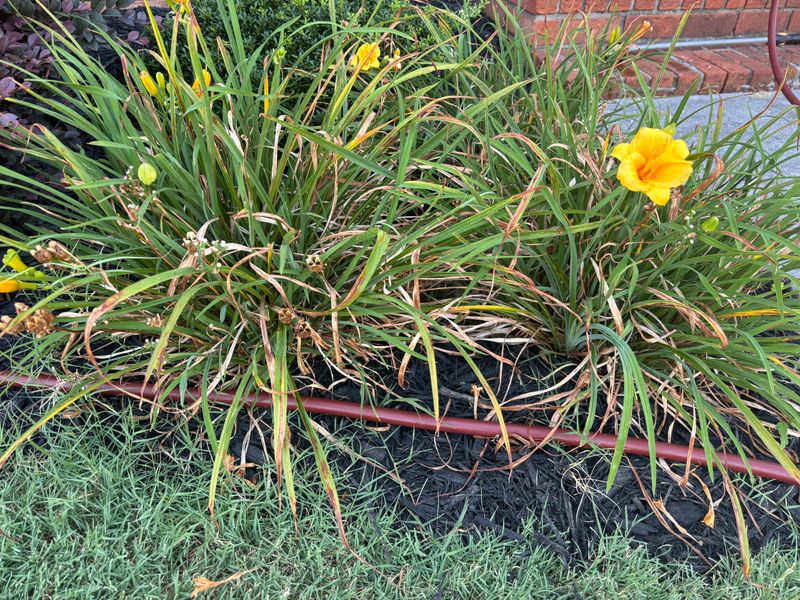
When winter debris piles up around the crown, these dependable perennials lose the clean start they rely on to surge forward in spring.
Late winter offers an ideal window to tidy up their foliage before spring growth kicks in.
Old leaves often turn brown and mushy after cold snaps hit your area.
Pulling away this spent foliage prevents it from becoming a breeding ground for pests and diseases.
Grab handfuls of the dried leaves near the base and tug gently to remove them. Most will come away easily, leaving the crown clean and ready for new shoots.
Daylily clumps can accumulate quite a bit of debris between their tightly packed fans.
Taking time to clean this out improves air movement around the plants and reduces moisture-related problems.
Georgia’s unpredictable late-winter weather means some green growth might already be visible. Work carefully around these emerging shoots to avoid breaking them off during your cleanup efforts.
Rake away any fallen leaves or mulch that has piled up against the plants over winter.
This material can trap excess moisture against the crown and cause rot issues as temperatures fluctuate.
Inspect the base of each clump for signs of soft spots or unusual discoloration.
Catching problems early allows you to address them before they spread through your entire daylily bed and compromise the health of surrounding plants in your Georgia garden space.
4. Coneflowers
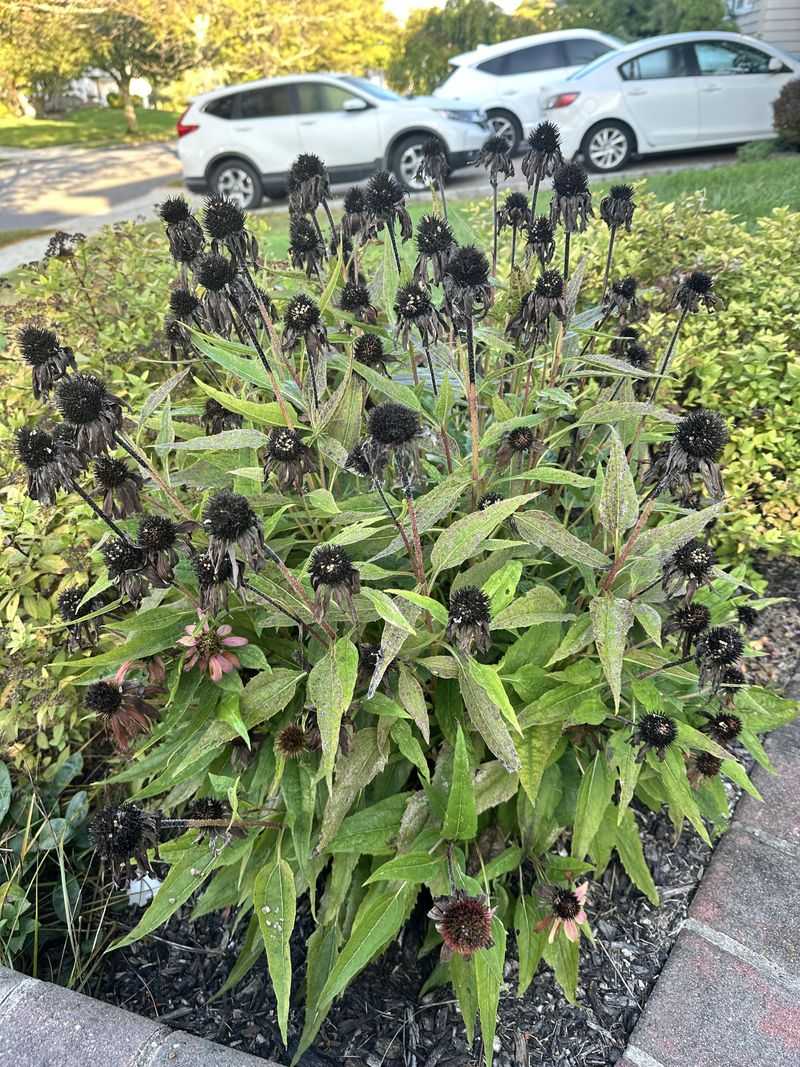
What stood tall and useful for birds all winter can quickly become an obstacle once the growing season tries to get moving.
These dried stalks serve a purpose during cold months but should be removed before spring.
Cutting back old stems prevents the plant from wasting energy trying to support them.
Use clean pruning shears to snip stems down to just above the basal foliage at ground level.
Many gardeners leave coneflower seed heads up for winter bird feeding. Once late winter arrives, those seeds are mostly gone and the stalks become obstacles to new growth.
The basal leaves often stay green through Georgia winters, forming low rosettes near the soil. Be careful not to damage these when removing the old flowering stems above them.
Clearing away debris from around the base of each plant improves conditions for spring emergence. Coneflowers appreciate good drainage, and removing matted material helps water move through the soil more effectively.
Check the crown area for any signs of rot or mushiness while you work.
These tough plants rarely have serious problems, but catching issues early prevents bigger headaches later in the season.
Rake up all the cut stems and seed heads from your bed.
Composting this material recycles nutrients back into your garden while eliminating potential hiding spots for pests that might overwinter in your Georgia landscape and emerge when conditions warm up again.
5. Black-Eyed Susan
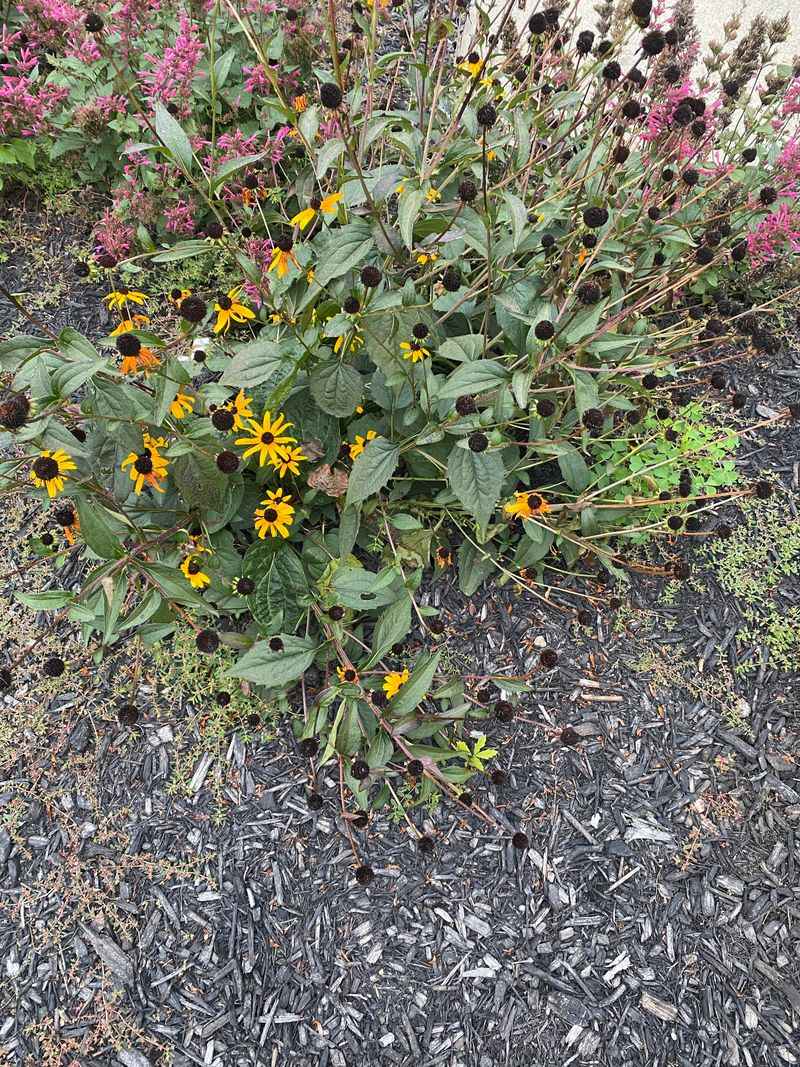
As temperatures begin to rise, last season’s stems stop being charming and start competing with the growth that’s ready to take over.
By late winter, their dried stems and seed heads need removal to make way for fresh growth.
These vigorous perennials can self-sow readily if you leave seed heads in place too long.
Cutting them back now prevents unwanted seedlings from popping up everywhere in your beds.
Use pruning shears to cut stems down to the basal foliage, which often remains somewhat green through mild Georgia winters.
This low growth will fill out quickly once warmer weather arrives.
Black-eyed Susans can spread into large clumps over time.
Late winter cleanup gives you a chance to assess whether division is needed to keep plants vigorous and prevent overcrowding.
Remove any leaves that look damaged or diseased during your cleanup work.
Disposing of this material reduces the chance of problems carrying over into the new growing season.
Clearing debris from around the base improves air circulation as spring humidity increases.
These plants tolerate tough conditions but perform better when their crowns stay relatively dry.
Check for any weeds that might have sprouted among your black-eyed Susans during winter. Pulling them now while they are small saves you effort later when they become established and harder to remove from your Georgia garden beds without disturbing desirable plants growing nearby.
6. Salvia
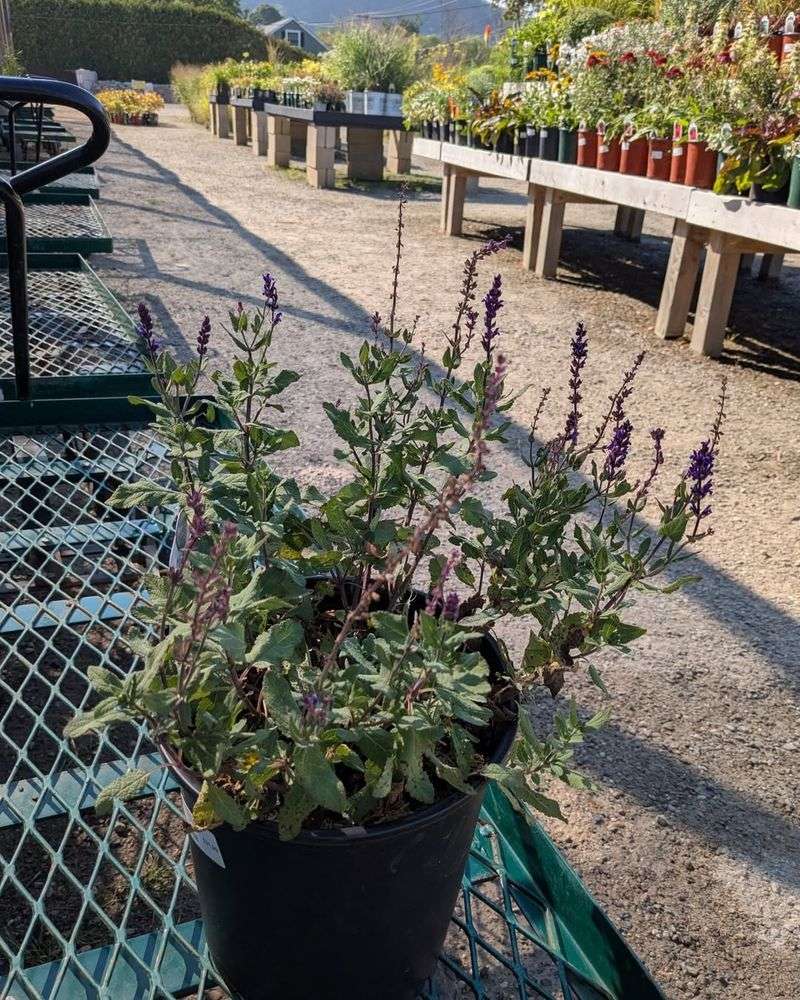
A little hesitation now can lead to tall, woody plants later that never quite regain their shape or energy.
Late winter pruning encourages bushy, compact growth when spring arrives.
Woody stems from last season can become leggy and unproductive if left unpruned.
Cutting them back by about one-third to one-half promotes fresh branching from lower on the plant.
Many salvia types are semi-evergreen in Georgia’s climate, retaining some foliage through winter.
Trim away any frost-damaged leaves and stems to clean up the plant’s appearance.
Shape each plant while you prune, removing any crossing branches or stems growing toward the center. This opens up the structure and allows light to penetrate throughout the entire plant.
Salvias respond well to aggressive pruning and often look better after a good haircut.
Cut them back selectively, removing woody or damaged growth, and wait for new growth to guide further pruning.
Rake away all the trimmings and debris from around the base of each plant.
Old leaves and stems can harbor pests and diseases that might affect new growth as it emerges.
Some salvia varieties can become woody and sparse over several years.
Late winter cleanup in your Georgia garden gives you an opportunity to evaluate whether replacement or division might be necessary to maintain an attractive display throughout the upcoming season ahead.
7. Sedum
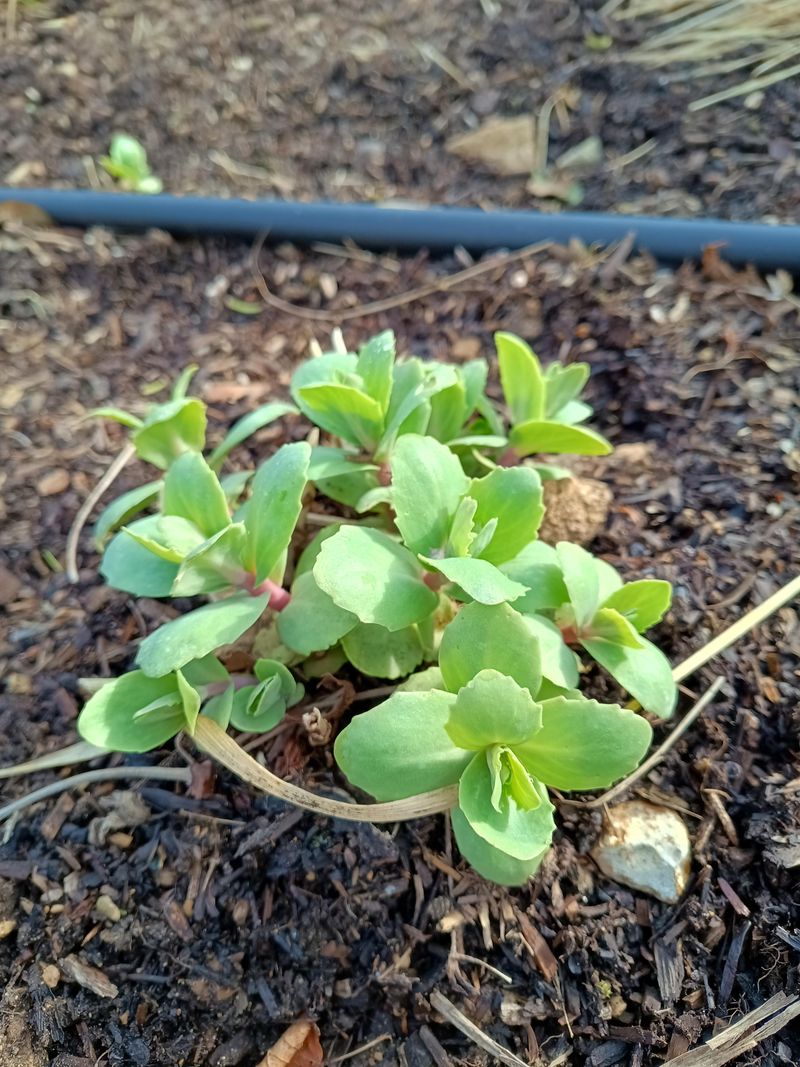
That sculptural winter look only works for so long before it starts blocking the fresh growth waiting underneath.
Their dried flower heads and foliage create architectural interest during cold months but need removal before new growth begins.
Upright sedum varieties develop thick stems that dry to a tan color by late winter.
Cut these back to just above the ground where you can see new buds beginning to swell.
Timing matters with sedum cleanup because they start growing earlier than many other perennials. Wait too long and you risk cutting off emerging shoots along with the old stems.
The dried flower clusters can look attractive covered in frost or snow.
Once late winter arrives in Georgia, though, they become brittle and messy, so removal improves the bed’s appearance.
Low-growing sedum varieties may need less aggressive cleanup than tall types.
Simply remove any damaged or mushy foliage and let the plants fill in naturally as temperatures rise.
Check the soil around your sedum for drainage issues while you clean up.
These plants prefer drier conditions and can develop problems if water pools around their crowns during spring rains.
Pull away any leaves or debris that has accumulated around the base of the plants.
Sedum crowns benefit from exposure to air and light, which helps prevent rot and encourages strong growth as your Georgia garden transitions into the active growing season with warmer weather and longer days.
8. Phlox
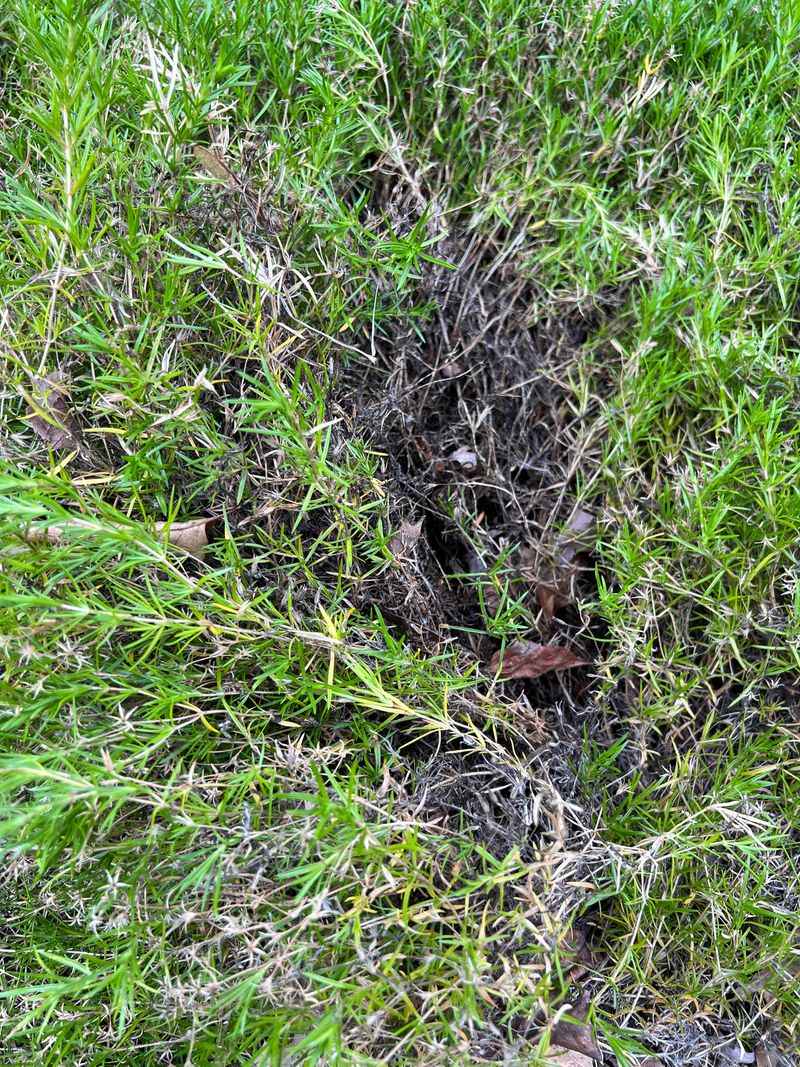
If lingering debris stays in place too long, spring growth steps straight into the conditions that cause problems later.
Late winter cleanup helps prevent the powdery mildew problems these plants often face during the growing season.
Cut back tall garden phlox stems to ground level, removing all the dried foliage and flower stalks.
This eliminates overwintering fungal spores that could infect new growth as it emerges.
Creeping phlox varieties need less intensive cleanup but still benefit from attention.
Remove any brown or damaged patches and rake out debris that has settled into the mat of foliage.
Improving air circulation around phlox plants is key to keeping them healthy in Georgia’s humid climate.
Thin out crowded clumps and remove weak or spindly stems during your late winter work.
Rake away all fallen leaves and plant debris from around the base of each phlox clump.
This material can trap moisture and create perfect conditions for disease development when spring rains arrive.
Consider dividing overcrowded phlox clumps during late winter cleanup. This rejuvenates the plants and gives you extras to fill in other areas of your garden or share with friends.
Inspect plants carefully for any signs of problems while you work.
Early detection allows you to address issues before they become serious and affect the overall health and appearance of your phlox display throughout the upcoming growing season in your Georgia landscape and surrounding garden areas.
9. Butterfly Bush
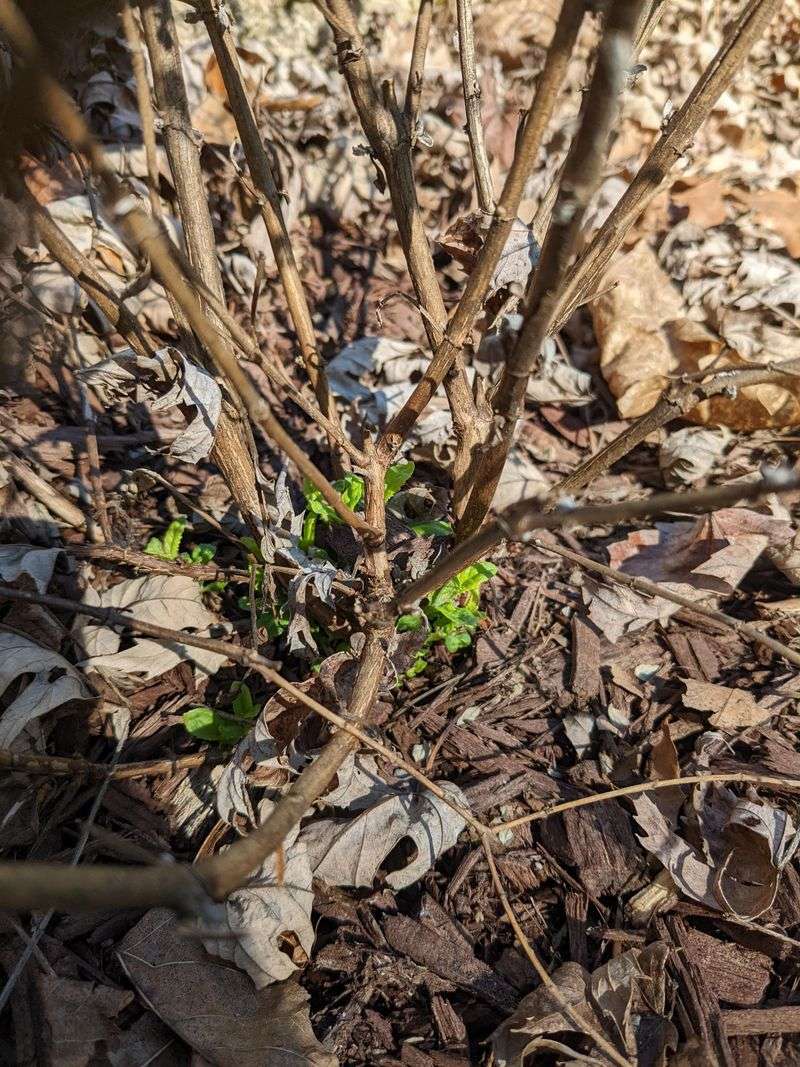
Without a firm reset before spring, fast growth can quickly turn into an oversized, awkward shrub by early summer.
Late winter pruning controls their size and encourages abundant flowering on new wood.
Cut stems back to about twelve to eighteen inches above the ground using sharp pruning tools.
This might seem severe, but butterfly bushes respond with vigorous, bushy growth and more blooms.
These fast-growing shrubs can become leggy and bare at the base if not pruned regularly. Aggressive late winter cutting forces new branches to emerge from lower on the plant, creating a fuller appearance.
Remove all the old wood and dried flower spikes during your cleanup work.
These serve no purpose once spring arrives and only clutter up the plant’s structure.
Some butterfly bush varieties can spread by seed if you leave old flower heads in place.
Cutting everything back eliminates this concern and keeps the plants where you want them in your Georgia beds.
Rake up all the pruned material and dispose of it properly. Composting woody stems takes longer than softer plant material, so you might want to bundle them for yard waste collection instead.
Check the base of each plant for any winter damage or signs of trouble while you prune.
Butterfly bushes are generally tough, but extreme cold snaps can occasionally cause issues that need attention before the growing season begins in your Georgia landscape and surrounding outdoor spaces.