These Are The Top Plants Ohio Gardeners Should Prune During February Dormancy
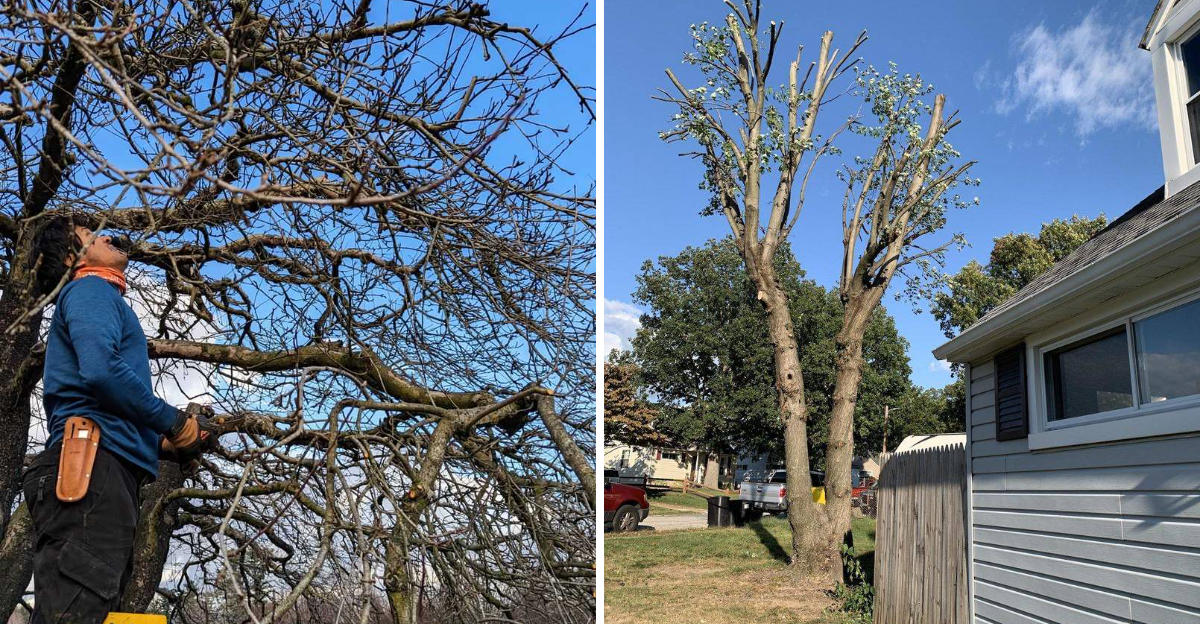
Winter is still holding your garden, but some of your plants are ready for a little attention. February is the perfect time to trim certain trees, shrubs, and perennials while they rest.
By making the right cuts now, you give branches a chance to grow stronger, open up space, and let flowers bloom fully in spring. Miss this window, and your plants can end up crowded, messy, or weak later on.
Focus on the right targets, and you will make your yard look neat, healthy, and ready for the season. A few careful snips this month pay off with fuller, more vibrant plants and bigger blooms when the weather warms.
Your Ohio garden can start spring with a real head start, looking lively and well-prepared before the first green shoots even appear.
1. Shape Apple Trees While Dormant
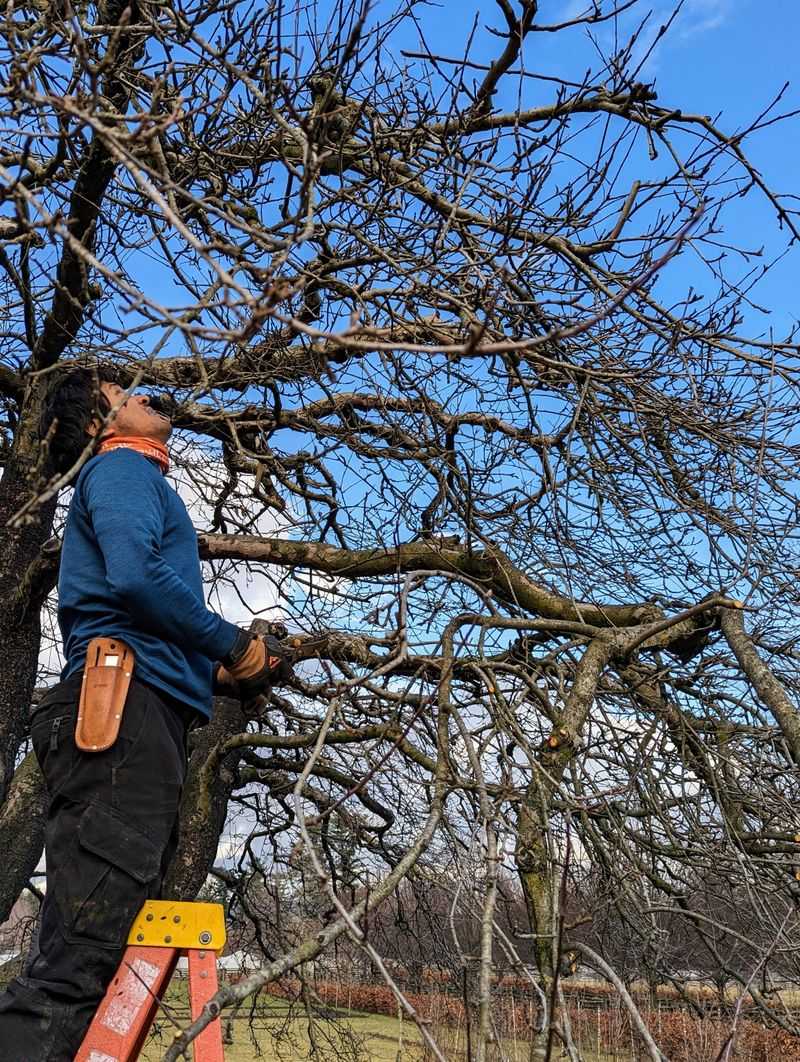
Apple trees stand with gnarled branches reaching toward February skies, their bark textured and rough against the cold. You can see every branch angle, every crossing limb, and every spot where growth went sideways instead of up.
This clarity makes February the ideal month for shaping your apple trees.
Dormant pruning removes competing branches before spring energy pushes new growth. You prevent the tree from wasting resources on limbs that crowd the center or rub against each other.
Ohio winters keep sap flow minimal, so cuts heal cleanly without heavy bleeding that attracts pests or encourages infection.
Many homeowners wait until March, but warmer southern Ohio temperatures can trigger early bud swell. Northern gardeners have more flexibility, yet central Ohio sits right in the sweet spot for late February work.
Remove water sprouts, thin dense canopies, and open the tree’s center to sunlight.
Apple trees pruned now develop stronger scaffolds and produce better fruit by summer. You’ll notice improved air circulation, fewer disease problems, and branches that carry weight without splitting.
Use clean, sharp tools and make cuts just above outward-facing buds.
2. Prune Pears Before Spring Sap Flows
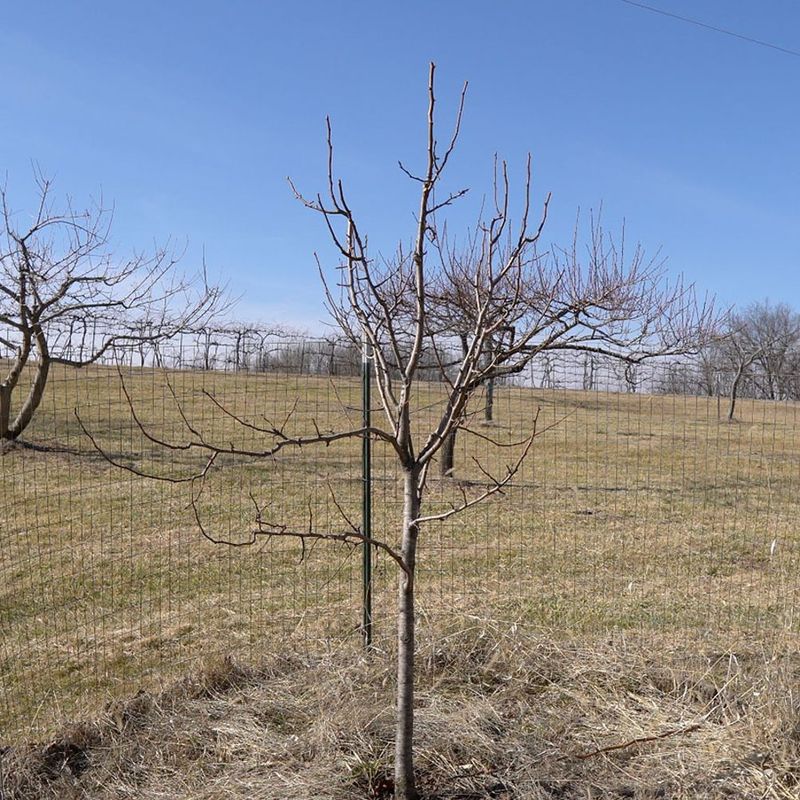
Pear trees show off smooth, almost silvery bark in winter light, their upright branches forming elegant shapes even without leaves. February dormancy lets you see the tree’s natural architecture and identify where cuts will improve structure.
Pears benefit tremendously from pruning before sap begins moving upward.
Fire blight poses a serious threat to pears in Ohio, and pruning during active growth spreads this bacterial disease rapidly. Winter cuts made while trees rest reduce infection risk dramatically.
You remove last year’s damaged wood, thin crowded branches, and shape the canopy for balanced growth.
Central Ohio gardeners should finish pear pruning by late February, while northern regions can extend into early March. Southern Ohio orchards often start earlier to beat the warming trend.
Pears grow vigorously, so controlling height and spread now prevents summer battles with overgrown trees.
Homeowners often overlook how much pear trees benefit from careful branch selection. You want strong, wide-angled scaffolds that support heavy fruit without splitting.
Prune away narrow crotches, vertical shoots, and branches competing for the same space. Your pear tree responds with healthier growth and abundant harvests.
Your Ohio Garden Changes Every Week. Your Plan Should Too.
Gardening in Ohio changes quickly throughout the season. Every Friday you’ll receive a simple weekly plan showing exactly what to plant, prune, fertilize, harvest, and protect so you never miss the right timing.
3. Trim Peach Trees For Better Summer Fruit
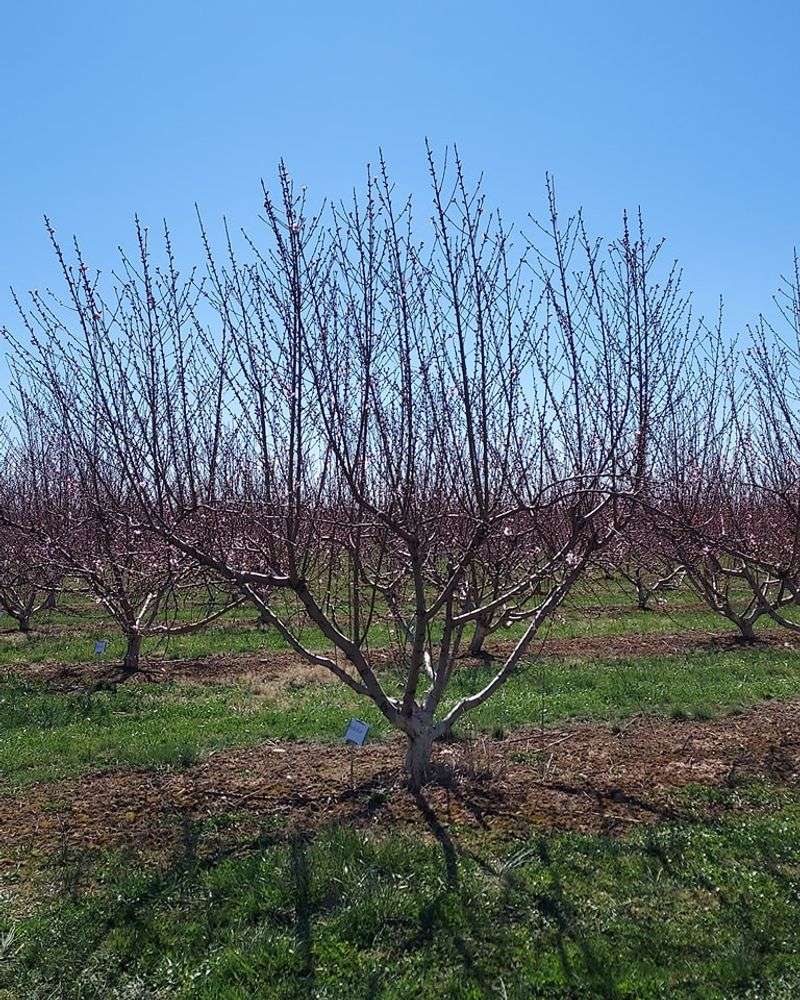
Peach trees carry a reddish tint in their bark that catches your eye even on cloudy February days. Their spreading branches form open crowns naturally, but without pruning, they become tangled messes that produce small, disappointing fruit.
Dormancy gives you the perfect chance to shape peaches for maximum production.
Ohio peach growers know that annual pruning separates successful harvests from wasted effort. You remove older wood that no longer fruits well, encourage new growth that bears heavily, and keep the tree at a manageable height.
Northern gardeners have slightly more time, but waiting too long risks pruning during active sap flow. Peaches bleed heavily when cut after dormancy breaks, weakening the tree and inviting pests.
You want to finish cuts while buds remain tight but after the coldest winter temperatures have passed.
Proper peach pruning opens the center completely, creating a vase shape that allows sunlight to reach every branch. You’ll thin fruiting wood to about six inches apart, remove water sprouts, and cut back last year’s growth by one-third.
Summer brings larger, sweeter peaches with better color and flavor.
4. Cut Maples To Boost Growth
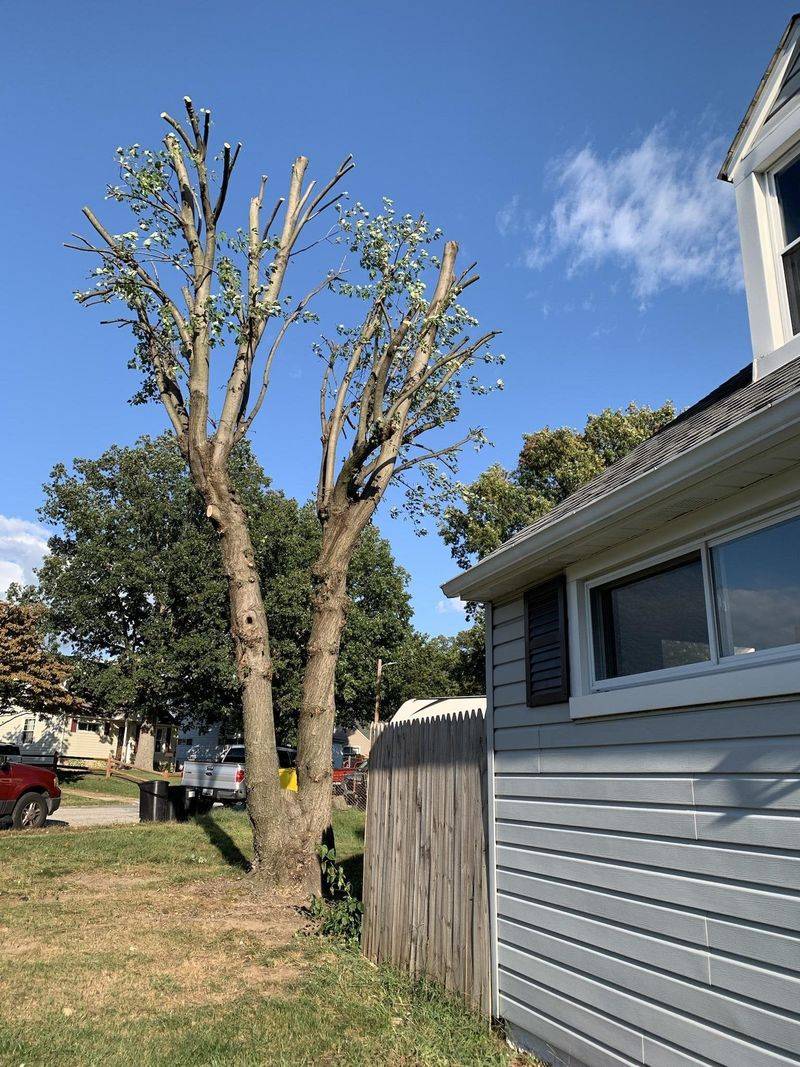
Maples tower over Ohio yards with thick trunks and spreading canopies that provide summer shade. February dormancy reveals their branch structure clearly, showing you where limbs cross, where storm damage occurred, and where growth needs redirecting.
But maples have a reputation for heavy sap flow that makes timing crucial.
You might have heard that maples bleed excessively when pruned, and that’s true once temperatures warm and sap begins rising. February keeps maples fully dormant in most Ohio regions, allowing you to make structural cuts without the dramatic sap loss that happens in March or April.
Excessive bleeding is mostly cosmetic but can be messy and undesirable on young or newly planted trees.
Northern Ohio maples stay dormant longer, giving you flexibility into early March. Central and southern regions should complete maple pruning by late February to avoid the sap run.
You remove broken branches, thin dense areas, and eliminate limbs that threaten roofs or power lines.
Maples pruned during dormancy respond with vigorous spring growth. You’ll notice the tree putting energy into remaining branches rather than repairing cuts made during active growth.
Use proper pruning techniques, avoid leaving stubs, and never remove more than one-quarter of the canopy in a single year.
5. Tidy Oaks Without Risking Disease
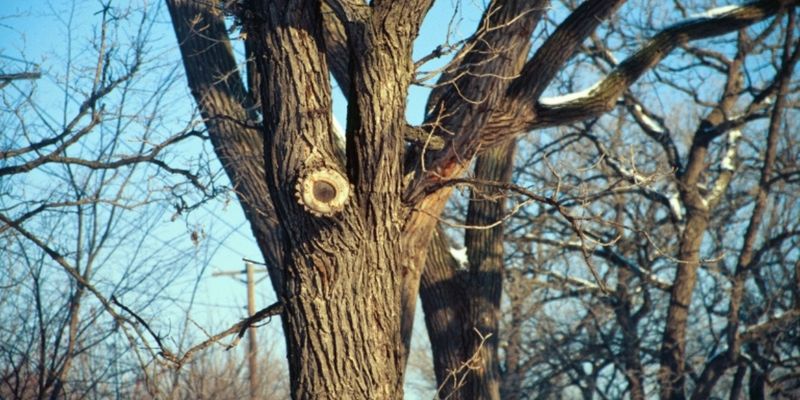
Oak trees command attention with their massive trunks and deeply furrowed bark that tells decades of growth. February finds them completely dormant, branches bare and still, creating the safest window for pruning.
Oak wilt disease makes timing absolutely critical for these beloved trees.
Ohio oak wilt spreads through sap beetles attracted to fresh cuts during warm weather. February’s cold temperatures keep these beetles inactive, making dormant pruning the safest option.
You can remove storm-damaged limbs, thin crowded branches, and shape young trees without risking infection that could destroy the entire oak.
Northern Ohio gardeners have the longest safe pruning window, extending into March in colder years. Central Ohio should finish by late February, while southern regions need to complete oak work earlier in the month.
Once temperatures consistently reach fifty degrees, beetles become active and pruning becomes risky.
Homeowners often wait until spring to address oak problems, but that delay can prove costly. Dormant pruning protects your investment in these long-lived trees.
Make clean cuts, avoid pruning paint or wound sealers, and never top or severely reduce oak canopies. Your oak responds with healthy growth and continues providing shade for generations.
6. Clean Up Birches With Winter Cuts
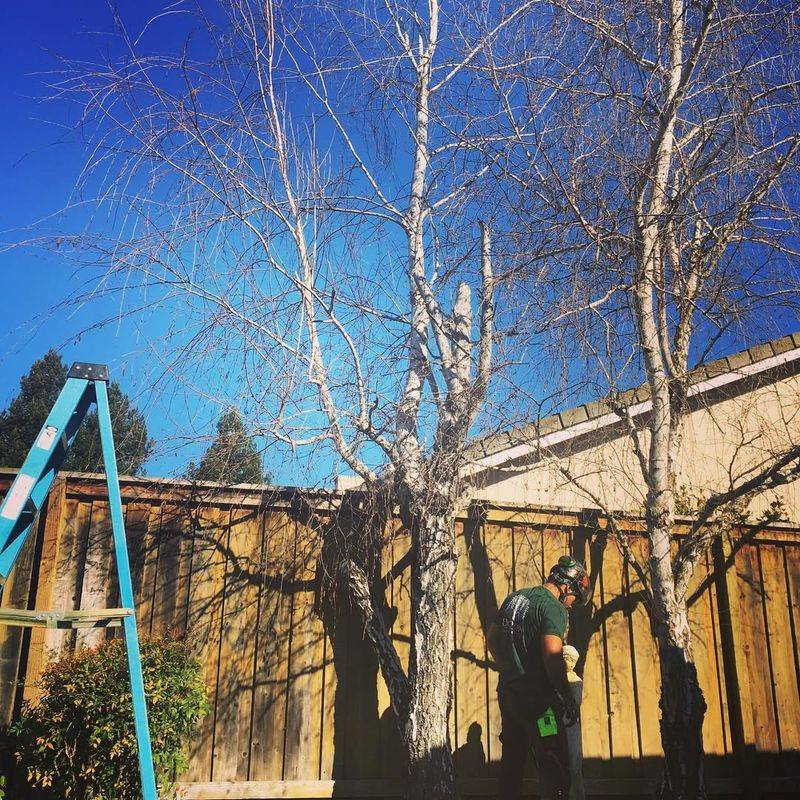
Birch trees stand out in winter landscapes with their distinctive white bark peeling in papery strips. Their delicate branches create beautiful patterns against gray skies, but they also tend to develop crowded growth that needs attention.
February dormancy provides the right moment for cleaning up birches without excessive sap loss.
Like maples, birches bleed heavily when pruned after dormancy breaks. You want to finish cuts before buds swell but after extreme cold snaps have passed.
Northern Ohio birches stay dormant longer, but central and southern regions should complete pruning by late February to avoid the spring sap run.
Birches often develop multiple stems, crossing branches, and weak crotches that split under ice or wind load. You remove problematic growth now, thin dense areas for better air circulation, and eliminate branches that rub against each other.
The tree’s natural grace shows through when you remove clutter.
Many homeowners worry that birches are fragile, but proper dormant pruning actually strengthens them. You’re redirecting energy into the best branches and preventing future storm damage.
Make cuts carefully to preserve the tree’s elegant form, avoid over-pruning, and step back frequently to assess your work. Spring brings fresh growth that fills in gaps naturally.
7. Hard-Prune Butterfly Bushes Now
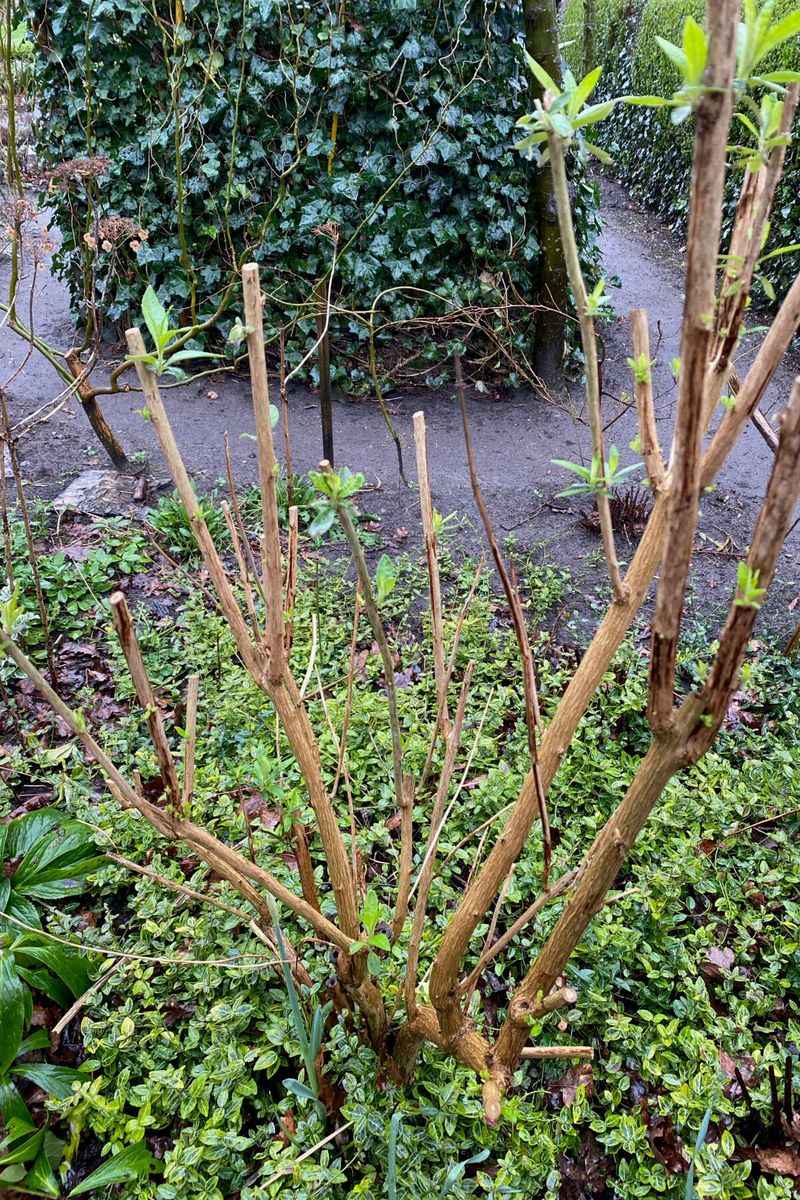
Butterfly bushes look almost skeletal in February, their woody stems bare and their summer blooms long gone. You might wonder if they survived winter at all.
February dormancy gives you the perfect opportunity to cut these shrubs back hard, setting them up for explosive spring growth and abundant summer flowers.
Many Ohio gardeners leave butterfly bushes unpruned, resulting in tall, leggy plants with flowers only at the tips. Hard pruning in February forces new growth from the base, creating fuller, more compact shrubs that bloom heavily.
Note: Traditional butterfly bush is considered invasive in parts of Ohio — choose sterile or native alternatives when possible. You cut stems back to twelve to eighteen inches above ground, removing last year’s growth completely.
Northern Ohio gardeners can wait until late February or early March, while central and southern regions should prune earlier in the month. The key is cutting before new growth emerges but after the worst winter cold passes.
Butterfly bushes tolerate severe pruning because they bloom on new wood produced each spring.
Homeowners often fear cutting back so drastically, but butterfly bushes respond beautifully. You’ll see vigorous shoots emerging in spring, followed by massive flower clusters that attract butterflies and hummingbirds all summer.
Use sharp loppers, make clean cuts, and remove all old stems without leaving tall stubs. Your butterfly bush transforms into a garden showpiece.
8. Crape Myrtles Need February Shaping
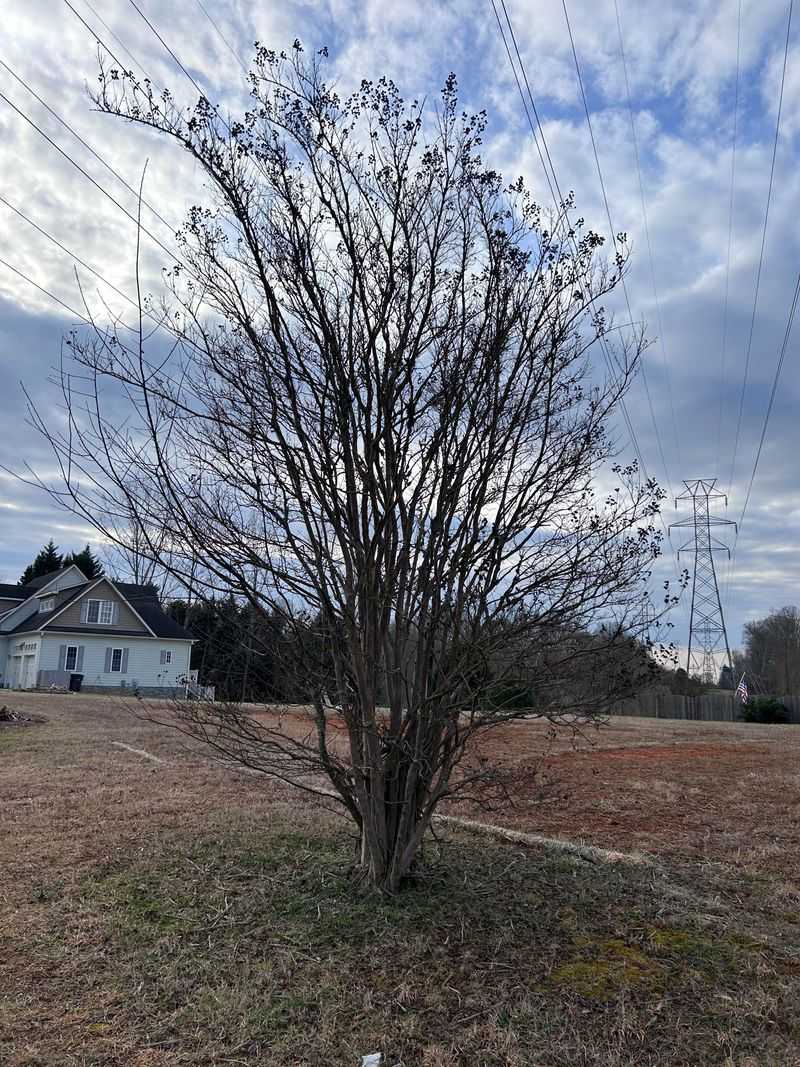
Cold-hardy crape myrtle varieties bring southern charm to parts of Ohio gardens with their smooth, multi-toned bark that looks beautiful even in winter. February dormancy allows you to shape these shrubs without interfering with their summer bloom cycle.
Southern Ohio gardeners have the most success with cold-hardy crape myrtle varieties, while most of central and northern Ohio experience winter dieback.
Many homeowners commit crape murder by topping these shrubs severely, creating ugly knobs and weak growth. Proper February pruning removes only crossing branches, thin stems, and spent flower clusters from last year.
You’re enhancing the natural shape rather than butchering it.
Crape myrtles bloom on new wood, so light pruning now encourages better flowering without sacrificing the plant’s elegant form. Southern Ohio can prune throughout February, while central regions should wait until late month to avoid late freeze damage.
Northern Ohio gardeners often treat crape myrtles as perennials that come back from roots each year.
You’ll notice improved branching structure and larger flower clusters when you prune correctly. Remove stems smaller than pencil thickness, eliminate inward-growing branches, and maintain an open center.
Avoid the temptation to cut everything back to stubs. Your crape myrtle rewards proper care with stunning summer blooms and year-round beauty from its distinctive bark.