The 9 Flowers You Have To Plant Under Your Oregon Trees
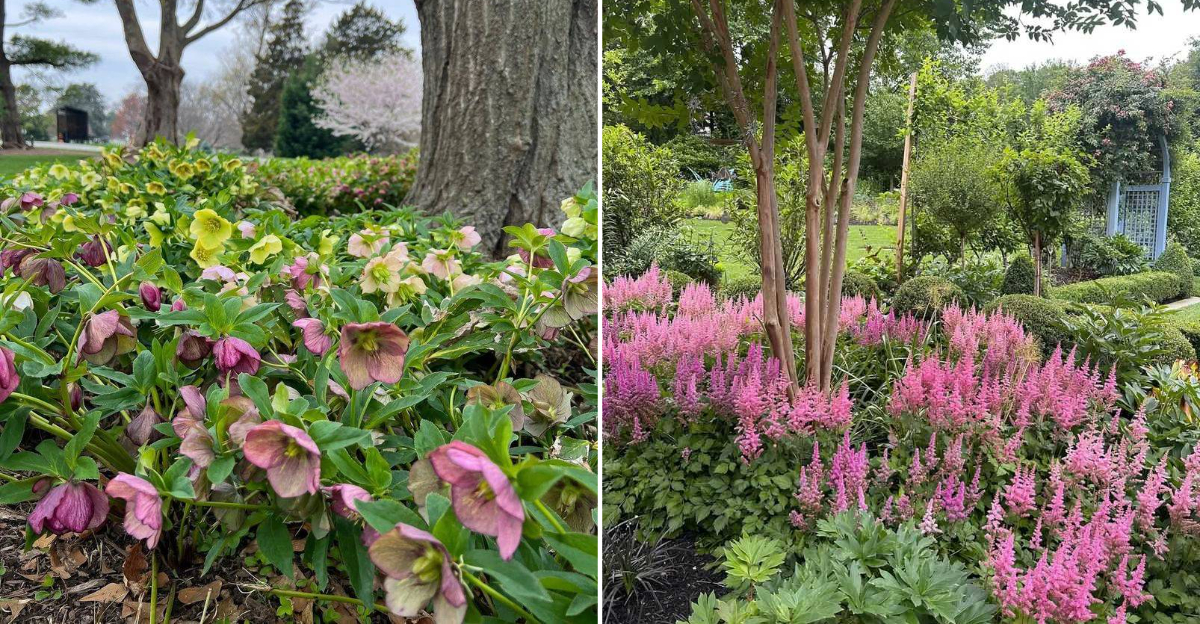
Planting flowers under trees can be tricky, but the right choices thrive in the shade and add beauty to your Oregon garden.
Many flowers struggle under tree canopies because of competition for water, nutrients, and sunlight.
Choosing carefully makes all the difference.
I’ve tried filling the space under my own trees, and some plants quickly faded while others flourished. The winners are low‑maintenance, shade-tolerant, and tough enough to handle dry summer soil.
Oregon’s climate, wet winters and dry summers, means only certain flowers can survive under trees without constant care. Picking the right species keeps your garden colorful and healthy year after year.
1. Bleeding Heart (Dicentra formosa)
Let’s say there is a shaded corner under your Douglas fir where nothing seems to grow. The soil is rich with leaf litter, the light is dappled, and the ground stays cool even in summer.
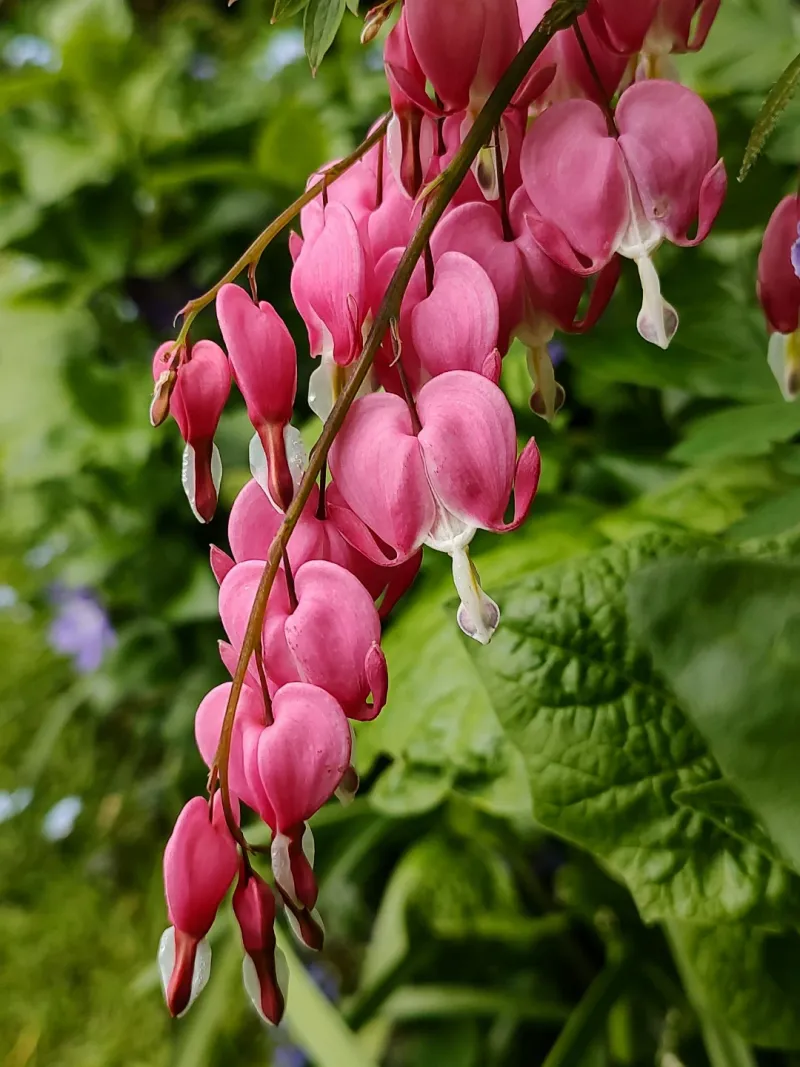
This is where bleeding heart shines, bringing delicate pink or white blooms that dangle like tiny hearts from arching stems.
Native to the Pacific Northwest, this perennial feels right at home in Oregon gardens. It thrives in partial to full shade and prefers moist, well-draining soil enriched with organic matter.
Blooming from late spring into early summer, bleeding heart offers a soft, romantic look that pairs beautifully with ferns and hostas.
One thing to keep in mind is that bleeding heart can go dormant by midsummer, especially if the soil dries out. Mulching around the base helps retain moisture and keeps roots cool.
Avoid planting it too close to shallow tree roots that compete for water.
Companion planting works well with trillium, primrose, and hardy fuchsia, creating layers of texture and bloom times. Pollinators love the nectar-rich flowers, and the foliage adds a lacy, elegant touch even before blooms appear.
Once established, bleeding heart spreads gently, filling in gaps without becoming invasive, making it a reliable choice for low-maintenance shade gardens under Oregon trees.
2. Hellebore (Lenten Rose)
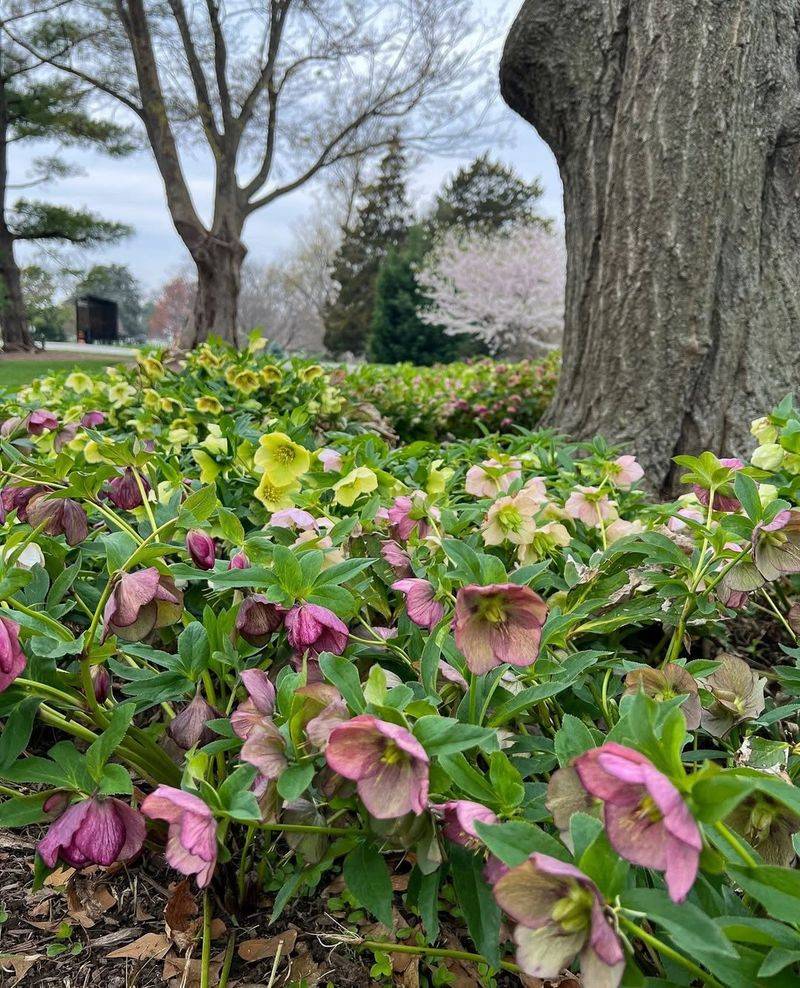
When winter rain soaks your Oregon garden and most plants are still asleep, hellebores are already waking up. These tough perennials bloom as early as February, offering nodding flowers in shades of white, pink, purple, and even speckled patterns.
They bring color when you need it most, right under the bare branches of deciduous trees.
Hellebores tolerate dry shade better than most flowers, making them ideal for planting near tree roots that hog moisture. They prefer well-draining soil with plenty of compost and thrive in partial to full shade.
Once established, they require little care and can live for decades, slowly forming impressive clumps.
Avoid cutting back the evergreen foliage too early, as it protects the emerging buds. Wait until new growth appears in late winter, then trim away any tattered leaves.
Hellebores pair wonderfully with snowdrops, crocuses, and early-blooming primroses, creating a succession of color from winter into spring.
One common mistake is planting hellebores too deep; keep the crown at soil level to prevent rot. These flowers are deer-resistant and attract early pollinators like bumblebees.
Your Oregon Garden Changes Every Week. Your Plan Should Too.
Gardening in Oregon changes quickly throughout the season. Every Friday you’ll receive a simple weekly plan showing exactly what to plant, prune, fertilize, harvest, and protect so you never miss the right timing.
Their long bloom period and low-maintenance nature make them a favorite for Oregon gardeners looking to brighten up shady spots with minimal fuss.
3. Columbine (Aquilegia)
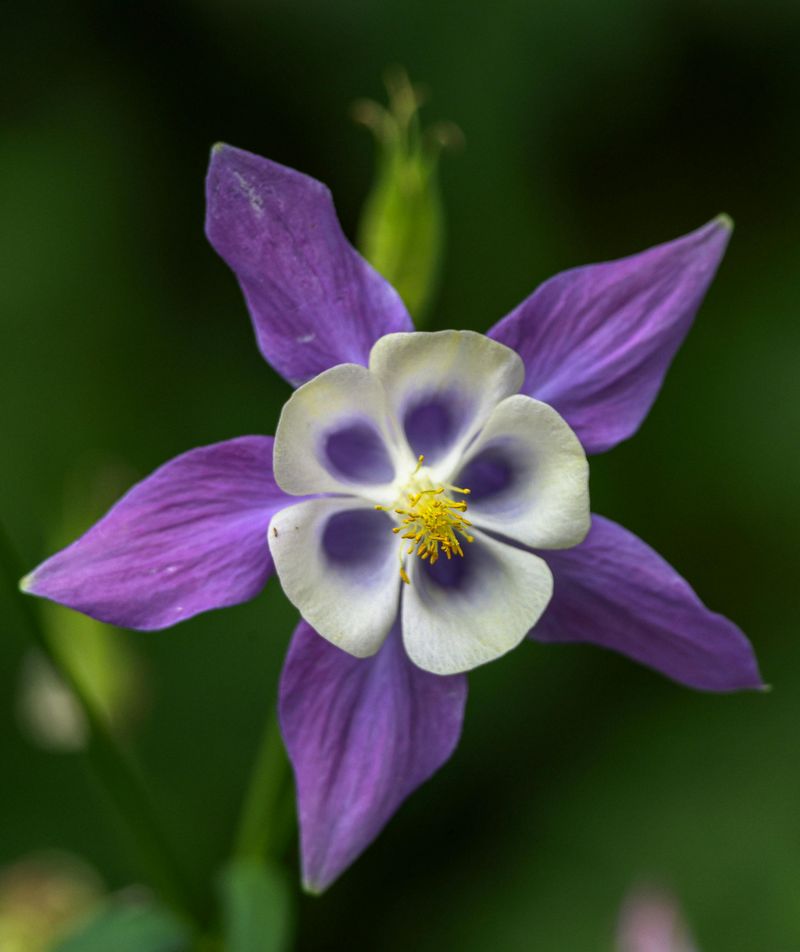
There’s something magical about watching columbine blooms dance in the breeze under a canopy of trees. With their distinctive spurred petals and airy foliage, columbines add whimsy and charm to shaded gardens.
They bloom in late spring and early summer, offering a rainbow of colors from deep purple to soft yellow and bicolor combinations.
Oregon’s cool, moist climate suits columbines perfectly. They prefer partial shade and well-draining soil rich in organic matter.
While they tolerate some sun, the filtered light under trees helps prevent leaf scorch and keeps blooms lasting longer. Columbines self-seed readily, so you’ll find new plants popping up in surprising places year after year.
Pairing columbines with bleeding hearts, ferns, and hardy geraniums creates a cottage garden feel. Hummingbirds and bees flock to the nectar-rich flowers, adding movement and life to your garden.
One tip: deadhead spent blooms if you want to control reseeding, or let them go to enjoy the natural spread.
Watch out for leaf miners, which create squiggly lines on foliage. While unsightly, they rarely harm the plant’s overall health.
Simply remove affected leaves. Columbines are short-lived perennials, typically lasting three to four years, but their enthusiastic self-seeding ensures you’ll have columbines gracing your shady spots for years to come.
4. Foxglove (Digitalis purpurea)
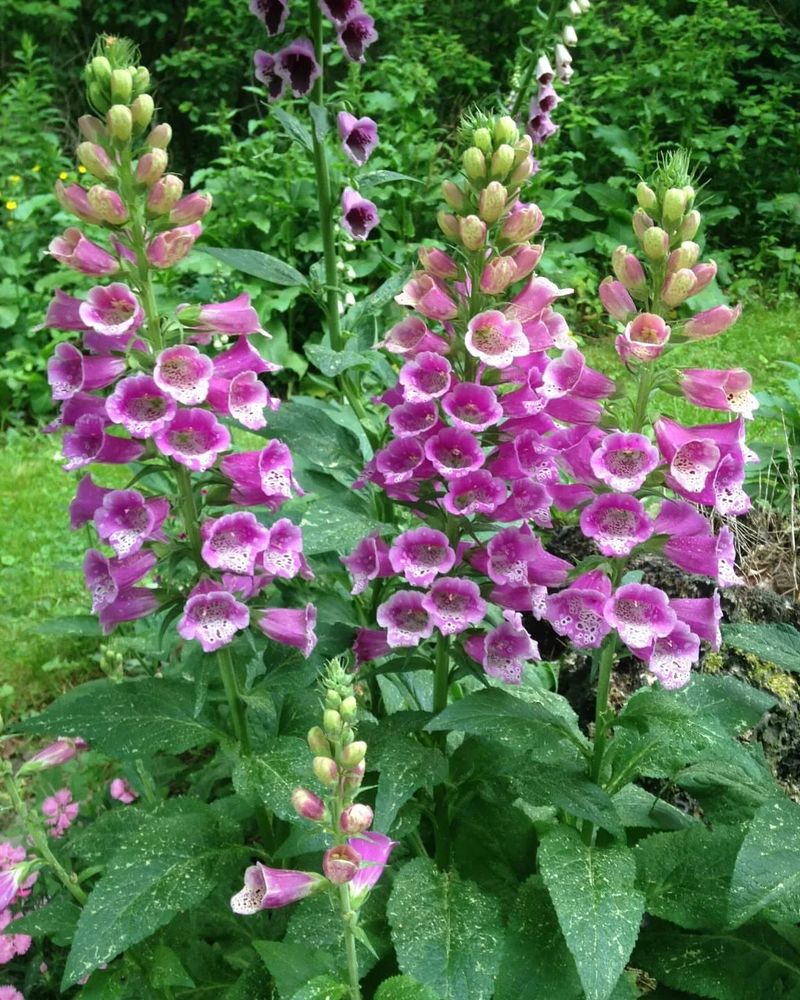
Walk through any Oregon woodland in early summer and you’ll likely spot tall spires of foxglove reaching toward the sky. These biennial beauties bring vertical drama to shaded gardens, with tubular flowers in shades of pink, purple, white, and apricot that line sturdy stems.
They’re a classic choice for cottage gardens and naturalized plantings under trees.
Foxgloves thrive in partial shade and moist, well-draining soil enriched with compost. They bloom in their second year, sending up flower stalks that can reach four to five feet tall.
After flowering, they self-seed generously, ensuring new plants appear each year. Oregon’s mild winters and wet springs create perfect conditions for foxglove to flourish.
Plant foxgloves alongside ferns, hostas, and astilbe to create layers of height and texture. Bumblebees love crawling inside the tubular blooms, making them excellent pollinator plants.
One important note: all parts of foxglove are toxic if ingested, so plant them away from areas where children or pets play.
Avoid planting foxgloves in heavy clay that stays waterlogged, as this can lead to root rot. Mulch around the base to retain moisture and suppress weeds.
Staking may be necessary in windy spots. The towering blooms create a fairy-tale atmosphere, and their ability to thrive in shade makes them a standout choice for filling vertical space under Oregon trees.
5. Astilbe
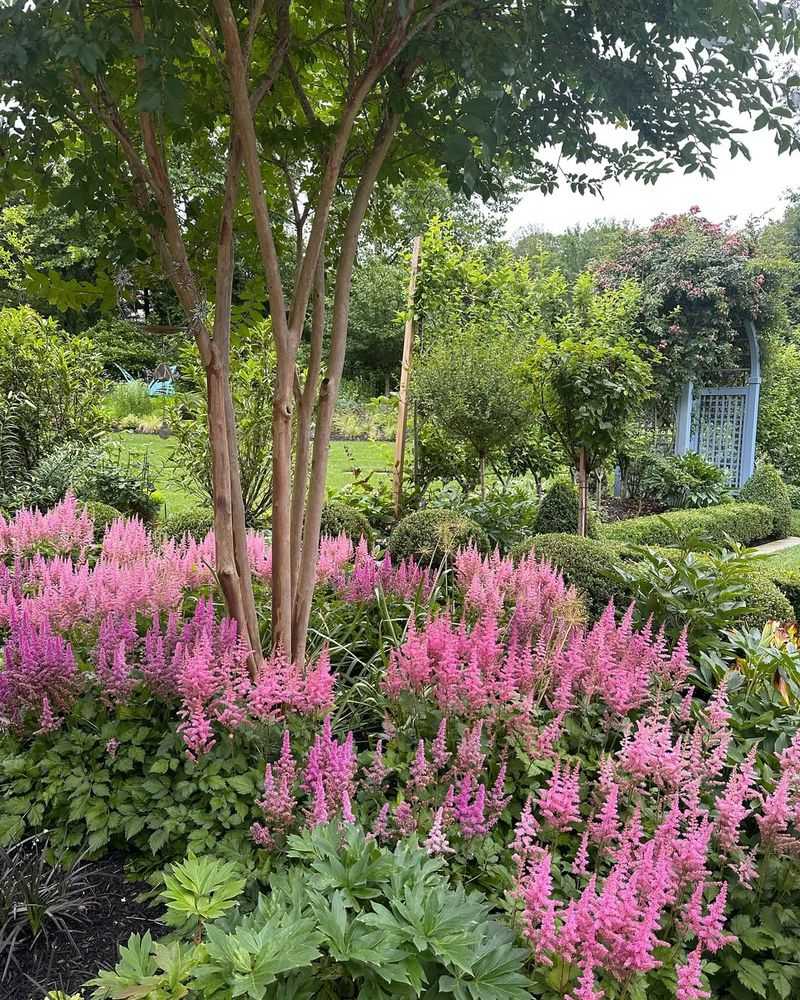
If you’re searching for a flower that brings both color and texture to shady spots, astilbe delivers beautifully. With feathery plumes in shades of pink, red, white, and lavender, astilbe blooms from late spring through summer, depending on the variety.
The fern-like foliage stays attractive even after blooms fade, providing structure and interest throughout the growing season.
Astilbe thrives in partial to full shade and prefers consistently moist soil, making it ideal for planting near trees that create cool, damp conditions. Oregon’s rainy climate suits astilbe perfectly, though supplemental watering may be needed during dry summer spells.
Amend the soil with compost to improve moisture retention and provide nutrients.
Companion planting with hostas, ferns, and hardy geraniums creates a lush, layered look. Astilbe’s plumes attract butterflies and other pollinators, adding movement and life to your garden.
Deadheading isn’t necessary, as the dried flower heads add winter interest and texture to the garden.
One common mistake is letting astilbe dry out, which causes leaf scorch and stunted growth. Mulching heavily around the base helps keep roots cool and moist.
Divide clumps every three to four years to maintain vigor. With its reliable blooms and low-maintenance nature, astilbe is a go-to choice for Oregon gardeners looking to fill shady spaces with color and elegance.
6. Trillium (Oregon native wildflower)
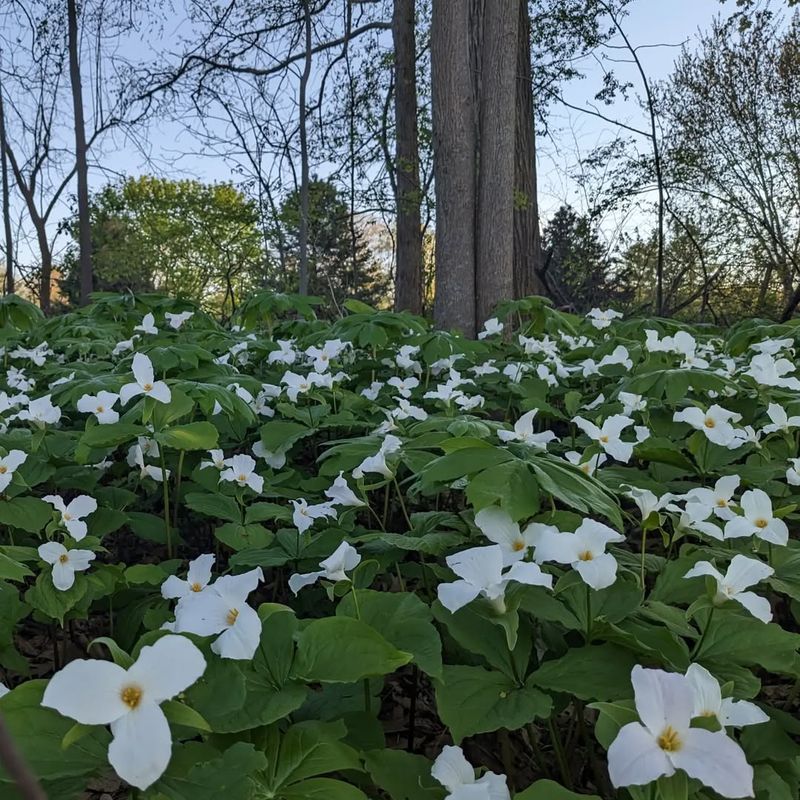
Few flowers capture the essence of Oregon’s woodlands like trillium. This native wildflower emerges in early spring, unfolding three-petaled white blooms above whorls of three leaves.
Watching trillium bloom under your trees feels like bringing a piece of the forest into your own backyard. It’s a plant that connects you to the natural landscape and supports local ecosystems.
Trillium thrives in deep shade and moist, acidic soil rich with leaf litter, conditions commonly found under Oregon’s native trees like Douglas fir and western red cedar. It blooms in April and May, creating a carpet of white that brightens the forest floor.
Trillium spreads slowly, so patience is key, but once established, it forms long-lived colonies.
Pair trillium with bleeding heart, ferns, and native Oregon grape for an authentic woodland garden. Avoid disturbing the roots, as trillium is slow to recover from transplanting.
Purchase plants from reputable nurseries rather than collecting from the wild, as wild populations are protected and slow to regenerate.
One tip: leave the foliage intact until it yellows naturally, as this allows the plant to store energy for next year’s blooms. Trillium requires little care beyond occasional watering during dry spells.
Its quiet beauty and ecological value make it a treasured addition to any shade garden, celebrating Oregon’s native flora while supporting local pollinators and wildlife.
7. Primrose (Primula)
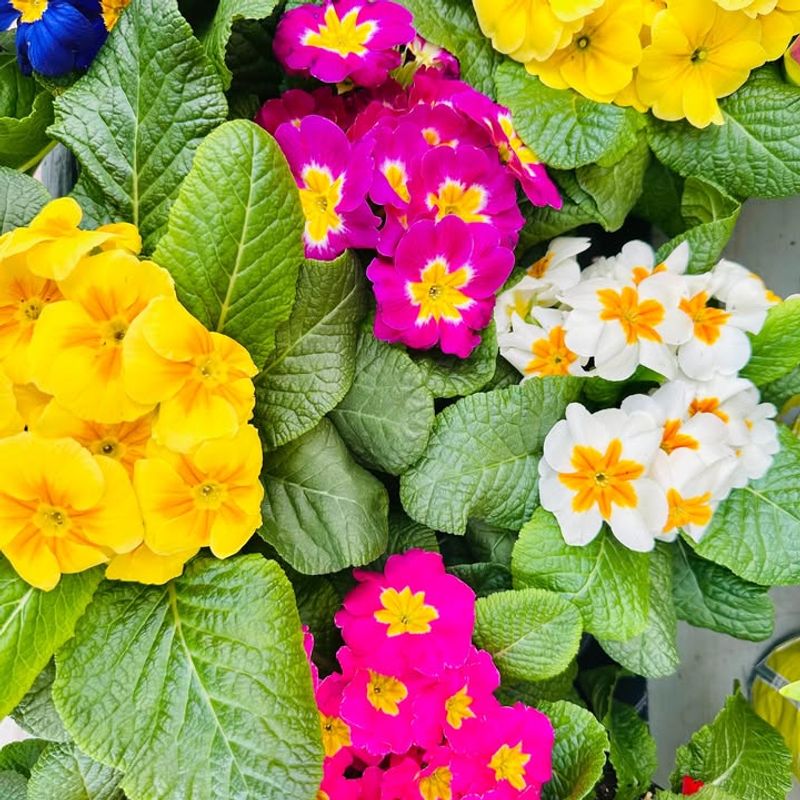
When spring arrives in Oregon, primroses burst into bloom with cheerful clusters of flowers in nearly every color imaginable. From bright yellows and pinks to deep purples and whites, primroses bring joy to shady spots under trees.
They’re one of the first perennials to bloom, often appearing alongside hellebores and snowdrops, signaling that warmer days are ahead.
Primroses prefer partial shade and moist, well-draining soil enriched with compost. They thrive in the cool, damp conditions found under Oregon trees, where filtered light and consistent moisture keep them happy.
Some varieties, like candelabra primrose, bloom later in the season, extending the color show into early summer.
Companion planting with ferns, columbine, and bleeding heart creates a layered, naturalistic look. Primroses attract early pollinators like bees and butterflies, providing crucial nectar sources when few other flowers are blooming.
Deadheading spent blooms encourages more flowers and keeps plants looking tidy.
One common mistake is letting primroses dry out, which causes wilting and stunted growth. Mulch around the base to retain moisture and keep roots cool.
Divide clumps every few years to prevent overcrowding and maintain vigor. Primroses can be short-lived in hot, dry conditions, but Oregon’s climate offers ideal growing conditions.
Their bright blooms and early flowering make them a delightful choice for adding color to shady spaces under trees.
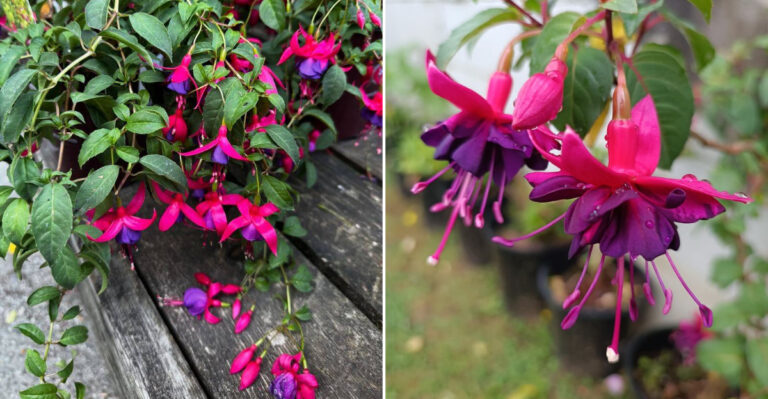
8. Hardy Fuchsia (Fuchsia magellanica)
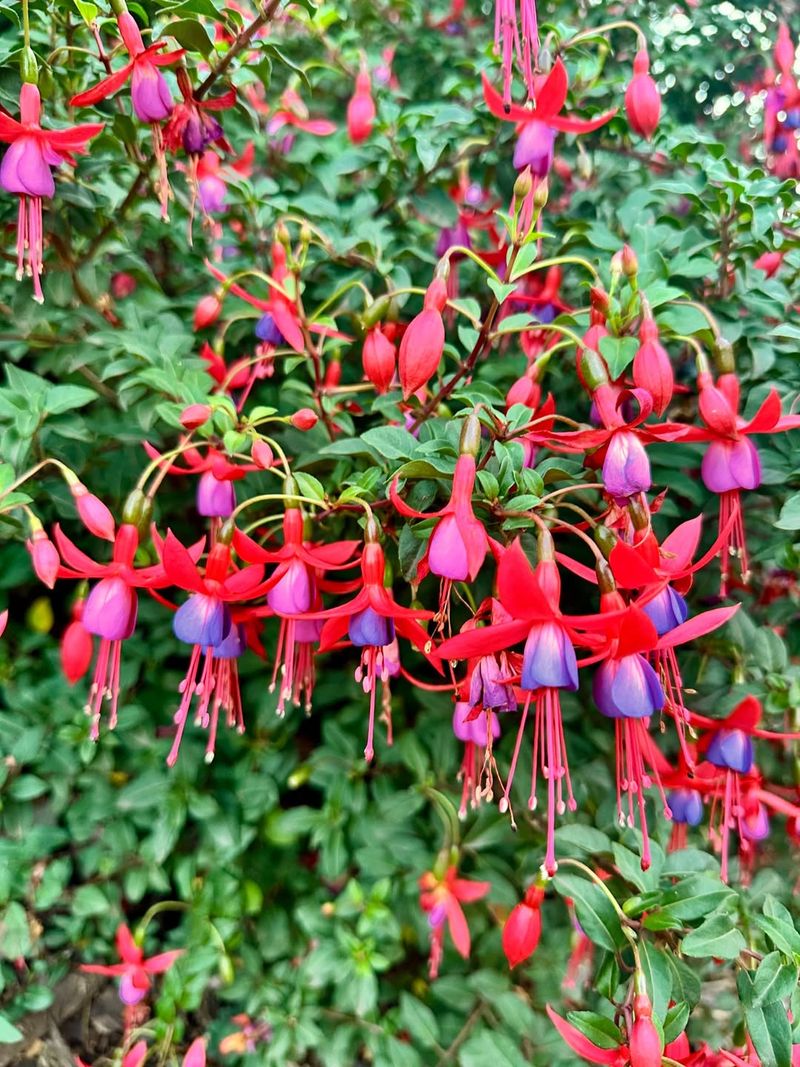
Imagine delicate, dangling blooms in shades of red and purple swaying beneath your trees, attracting hummingbirds throughout summer and into fall. Hardy fuchsia brings tropical flair to Oregon shade gardens, offering months of color when many other shade plants have finished blooming.
Unlike tender fuchsias grown in hanging baskets, hardy fuchsia survives Oregon winters and returns year after year.
Hardy fuchsia thrives in partial shade and well-draining soil enriched with compost. It prefers consistent moisture but tolerates some drought once established.
In milder parts of Oregon, hardy fuchsia remains semi-evergreen, while in colder areas, it dies back to the ground and re-emerges in spring. Blooms appear from midsummer through the first frost, providing late-season color.
Pair hardy fuchsia with astilbe, hostas, and ferns for a lush, layered garden. Hummingbirds are irresistibly drawn to the tubular flowers, making your garden a wildlife hotspot.
Prune back any winter-damaged stems in early spring to encourage fresh growth.
Avoid planting hardy fuchsia in heavy, waterlogged soil, as this can lead to root rot. Mulching around the base helps retain moisture and protect roots during cold snaps.
Hardy fuchsia can grow three to four feet tall and wide, so give it room to spread. Its long bloom period and hummingbird appeal make it a standout choice for bringing late-season color to shady spots under Oregon trees.
9. Forget-Me-Not (Myosotis)
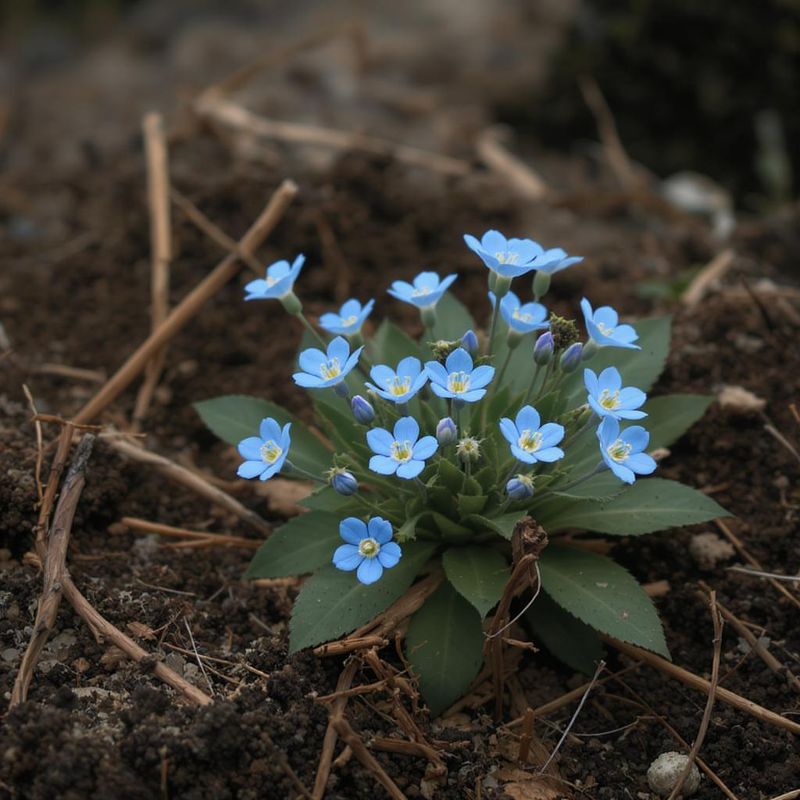
Few flowers spread joy quite like forget-me-nots, with their tiny blue blooms carpeting shaded areas under trees. These charming biennials self-seed with abandon, creating drifts of sky-blue flowers that weave through other plantings.
They bloom in late spring and early summer, offering a soft, romantic look that complements larger shade perennials.
Forget-me-nots thrive in partial shade and moist, well-draining soil. Oregon’s cool, damp springs provide ideal conditions for these cheerful flowers to flourish.
They tolerate a range of soil types and grow happily under trees where other plants struggle. Once established, forget-me-nots require little care beyond occasional weeding if they spread too enthusiastically.
Pair forget-me-nots with bleeding heart, ferns, and primroses for a cottage garden feel. The blue blooms create a soft backdrop for brighter flowers, adding depth and interest.
Pollinators like bees and butterflies visit the small flowers, contributing to a healthy garden ecosystem.
One thing to watch: forget-me-nots can become aggressive self-seeders, popping up in unexpected places. If you prefer a more controlled garden, deadhead spent blooms before seeds mature.
Otherwise, enjoy their cheerful wandering habit. Forget-me-nots are short-lived, but their generous self-seeding ensures you’ll have blooms year after year.
Their delicate beauty and easy-care nature make them a beloved choice for filling shady spaces under Oregon trees with waves of blue.