Meet The Mysterious Oregon Plant That Traps Its Own Food
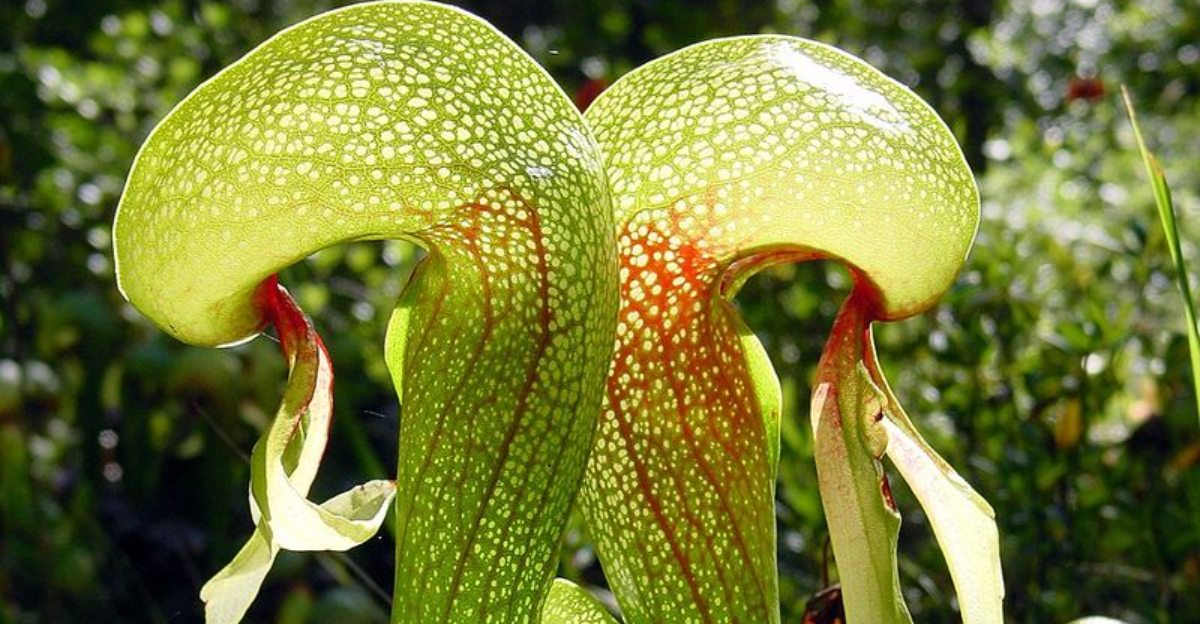
There’s a plant in Oregon that looks like something out of a storybook, and it’s not just for show. The cobra lily is mysterious, striking, and a little spooky.
Its tall, hooded flowers aren’t just beautiful; they’re built to trap and digest insects, giving the plant extra nutrients in the nutrient-poor wetlands where it grows.
The first time you see a cobra lily in bloom, you won’t believe how alien it looks. The flower’s shape, patterns, and secret trap make it one of Oregon’s most fascinating native plants.
It’s a reminder that nature can be clever, dramatic, and efficient all at once.
These unusual carnivorous plants thrive in boggy areas, soaking up water while supplementing their diet with insects. Observing one in the wild is an uncommon and memorable experience, and learning about its tricks makes it even more intriguing.
1. The Nature’s Little Predator
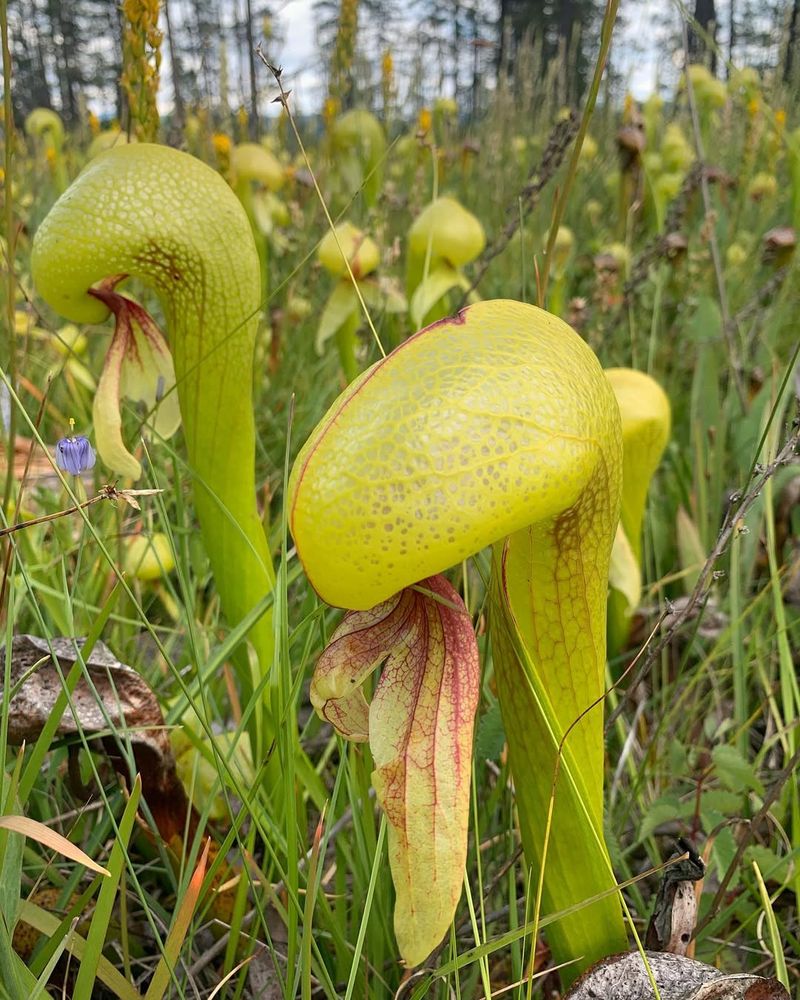
Native to southwestern Oregon and northern California, the cobra lily stands as one of North America’s most fascinating carnivorous plants. Its tubular leaves curve upward and form a bulbous hood that resembles a striking cobra, complete with a forked appendage that mimics a serpent’s tongue.
You’ll find this remarkable plant growing in cold, oxygen-rich seeps and fens where few other species can thrive.
The cobra lily typically reaches twelve to thirty inches tall, though exceptional specimens can grow taller. Unlike Venus flytraps or sundews, this plant doesn’t snap shut or use sticky surfaces.
Instead, it employs a sophisticated pitfall trap that confuses and exhausts insects until they tumble into digestive fluids below.
What makes Darlingtonia particularly special is its rarity. While other carnivorous plants have wide distributions, the cobra lily occupies a narrow geographic range along the Pacific Coast.
Oregon hosts some of the healthiest populations, especially in Josephine, Douglas, and Curry counties.
This plant evolved its carnivorous lifestyle to compensate for the nutrient-deficient soils of its bog habitat. By supplementing photosynthesis with insect digestion, the cobra lily thrives where conventional plants would struggle to survive.
2. How The Cobra Lily Traps Its Prey
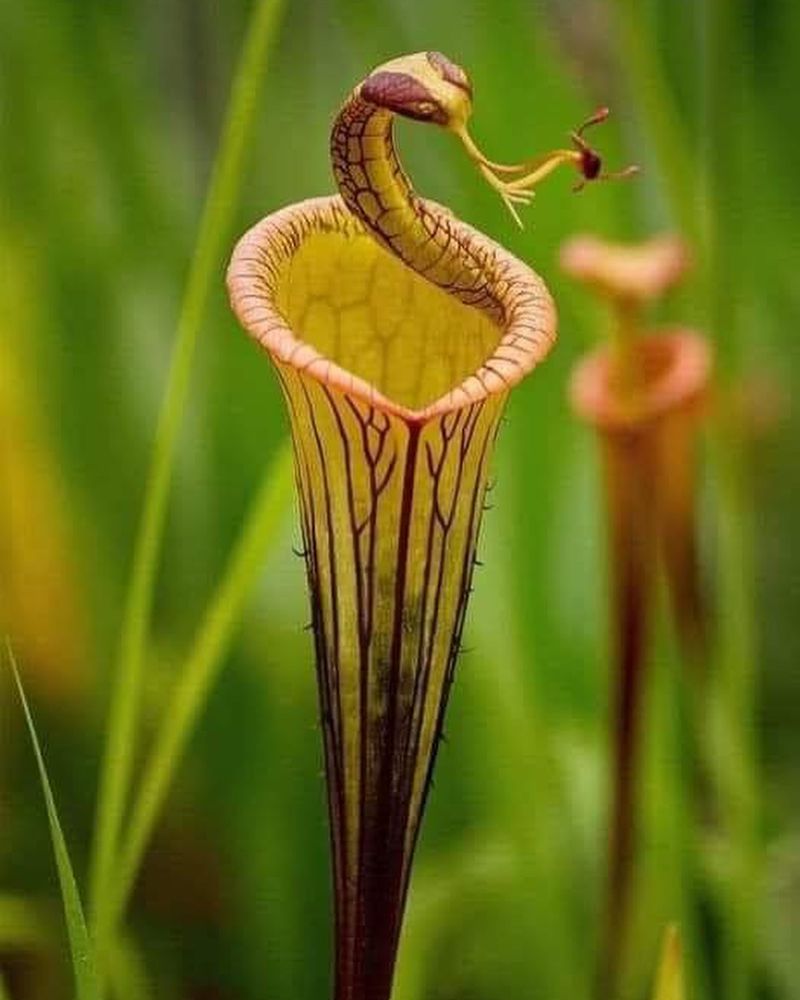
The trapping mechanism of Darlingtonia californica represents evolutionary engineering at its finest. When flying insects approach the plant, they’re attracted by nectar glands located around the pitcher opening and on the forked appendage.
Once they land and begin feeding, the real deception begins.
Light filtering through translucent patches on the hood confuses insects into thinking they’ve found an escape route. They fly repeatedly toward these false exits, exhausting themselves in the process.
Meanwhile, downward-pointing hairs prevent upward movement, creating a one-way passage deeper into the pitcher.
Eventually, tired insects fall into the narrow tube below the hood where digestive enzymes and bacteria break down their bodies. The plant absorbs nitrogen, phosphorus, and other essential nutrients from this insect soup, supplementing what it cannot obtain from poor soil conditions.
Interestingly, the cobra lily produces very few digestive enzymes and relies mainly on bacteria and microorganisms, unlike some other carnivorous plants. Instead, it relies on a community of bacteria and other microorganisms living inside the pitcher to decompose prey.
Your Oregon Garden Changes Every Week. Your Plan Should Too.
Gardening in Oregon changes quickly throughout the season. Every Friday you’ll receive a simple weekly plan showing exactly what to plant, prune, fertilize, harvest, and protect so you never miss the right timing.
This symbiotic relationship demonstrates the complex ecological interactions at work.
Most pitchers remain functional for one growing season before gradually declining, with new pitchers emerging each spring to continue the cycle.
3. Oregon Habitats Where It Thrives
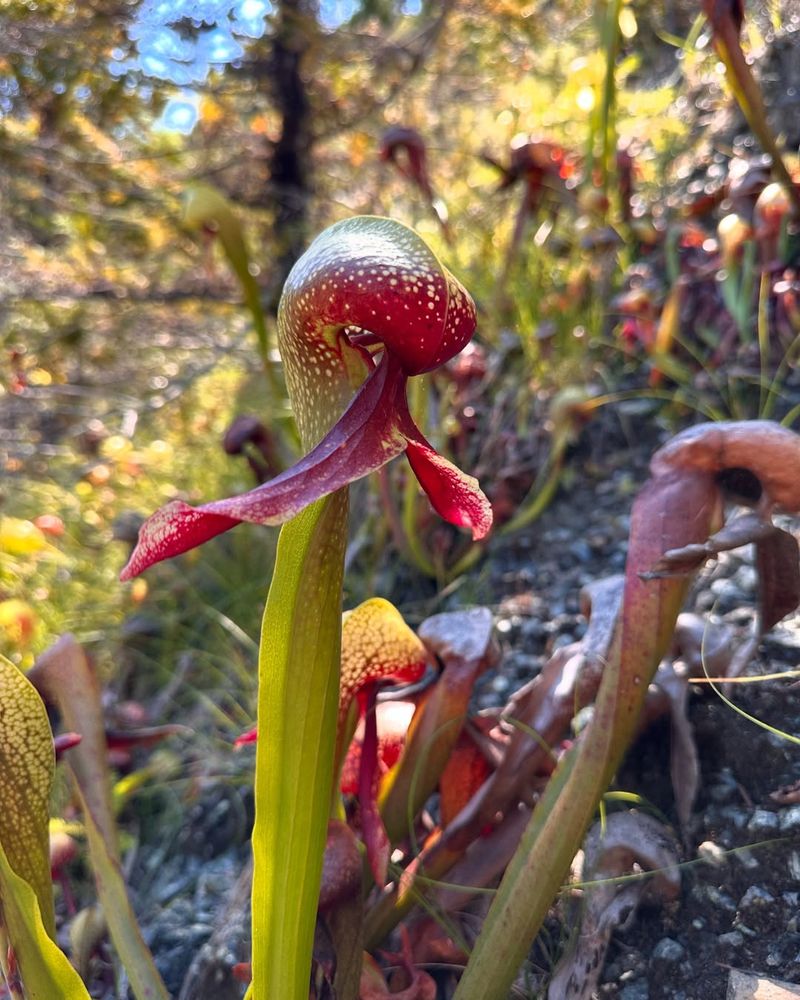
Cobra lilies occupy highly specific habitats that limit their distribution across Oregon. You’ll encounter them in cold-water seeps, bogs, and fens where groundwater continuously flows through serpentine or other mineral-rich substrates.
These environments remain cool even during summer months, which is critical for the plant’s survival.
In Oregon, prime cobra lily territory includes the Siskiyou Mountains and coastal ranges of the southwestern region. Notable populations exist near Eight Dollar Mountain, along the Illinois River corridor, and in various wetlands throughout Josephine and Curry counties.
Some accessible viewing sites include roadside seeps along Highway 199 and designated botanical areas.
The plant requires year-round moisture but cannot tolerate stagnant water. Flowing seeps provide constant hydration while preventing root rot, a delicate balance that explains why cobra lilies grow in such limited areas.
Water temperatures usually remain cool, often staying below sixty degrees Fahrenheit throughout the growing season.
Elevation ranges from near sea level to approximately seven thousand feet, though most populations occur between one thousand and five thousand feet. The surrounding vegetation often includes Darlingtonia’s companions: sundews, butterworts, bog orchids, and various sedges adapted to similar conditions.
Human disturbance, mining activities, and water diversion threaten these specialized habitats, making habitat protection essential for the species’ long-term survival.
4. Seasonal Growth And Flowering
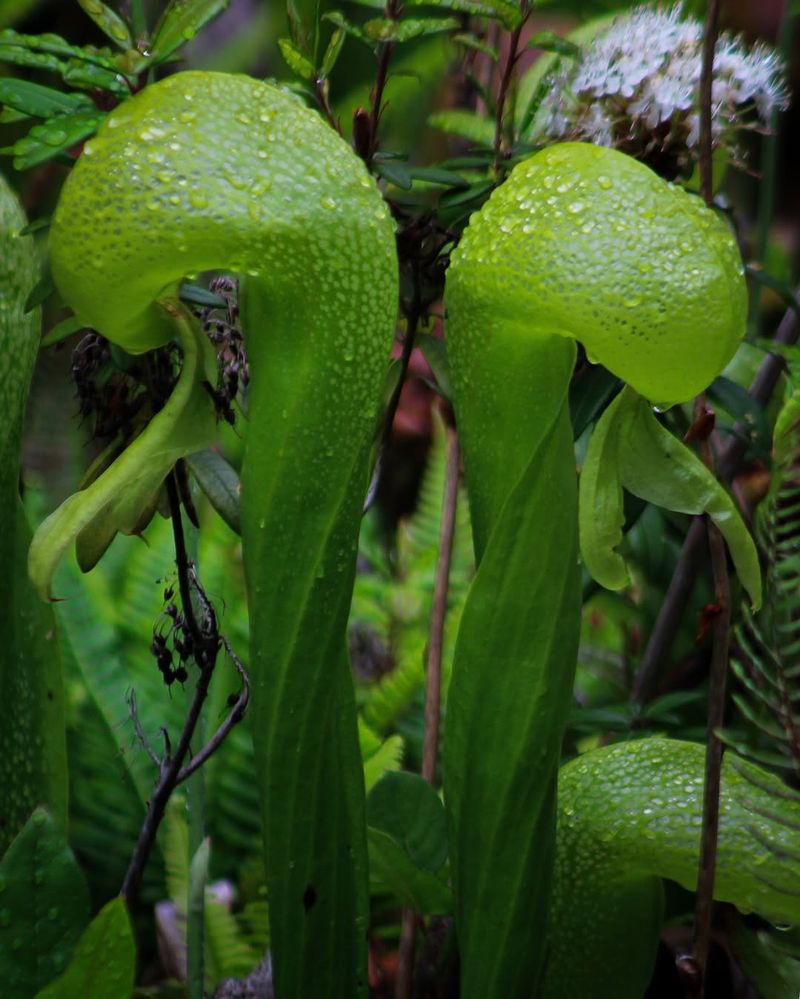
Cobra lilies follow a distinct seasonal rhythm tied to Oregon’s climate patterns. New pitcher growth begins in early spring as temperatures warm and daylight increases.
Fresh pitchers emerge tightly coiled, gradually unfurling over several weeks until the characteristic hood fully develops by late spring.
Flowering occurs between April and June, depending on elevation and local weather conditions. The plant sends up leafless flower stalks that tower above the pitchers, reaching two to three feet tall.
Each stalk bears a single nodding flower with five dark red to yellowish-green sepals and five purplish-red petals.
The unusual flower structure serves an important purpose. Its downward-facing orientation and dull coloration attract specific pollinators while discouraging casual visitors.
Native bees and flies navigate the complex flower architecture to reach nectar and pollen, inadvertently transferring pollen between plants during their visits.
After successful pollination, seed capsules develop through summer and split open in fall, releasing hundreds of tiny seeds. These seeds require specific conditions to germinate, including constant moisture, cool temperatures, and exposure to light.
Germination rates in nature remain relatively low.
As autumn arrives and temperatures drop, older pitchers begin deteriorating while the plant’s rhizome enters dormancy. Winter snows and rains don’t harm the hardy rootstock, which awaits spring to produce another generation of insect-trapping leaves.
5. Pollination And Reproduction Strategies
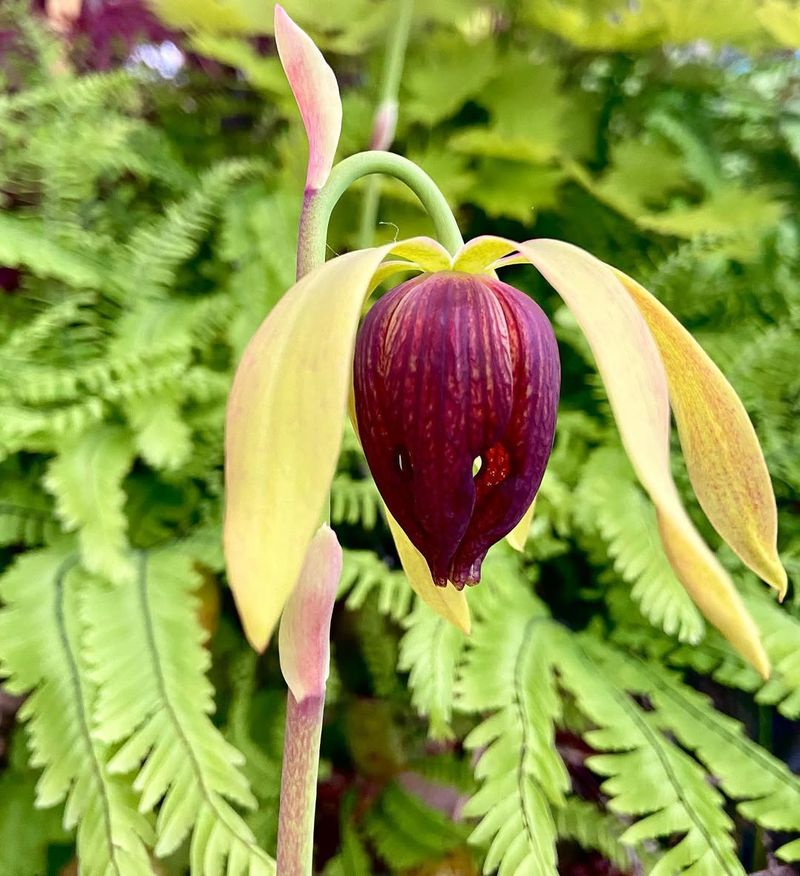
The plant’s unusual flowers have evolved specifically to attract effective pollinators while excluding inefficient visitors who might steal nectar without transferring pollen.
Small native bees and certain fly species serve as primary pollinators. These insects must be strong enough to push past the flower’s protective structures and persistent enough to visit multiple plants.
The nodding flower orientation means pollinators work against gravity, ensuring only determined insects complete pollination.
Seeds produced from successful pollination are tiny and dust-like, adapted for wind and water dispersal. When conditions align perfectly, seedlings may establish in suitable microsites near parent plants.
However, seed germination requires very specific conditions that don’t occur every year, making sexual reproduction somewhat unpredictable.
More reliably, cobra lilies spread through rhizome growth and division. The underground stem system slowly expands outward, producing new rosettes of pitchers around the parent plant.
This vegetative reproduction creates dense colonies over time, which is why you’ll often see clusters of cobra lilies rather than isolated individuals.
This dual reproductive strategy provides resilience. Even if flowering fails or seeds don’t germinate, established plants continue expanding their territory through rhizome growth, maintaining population stability across generations.
6. Conservation Status And Protection
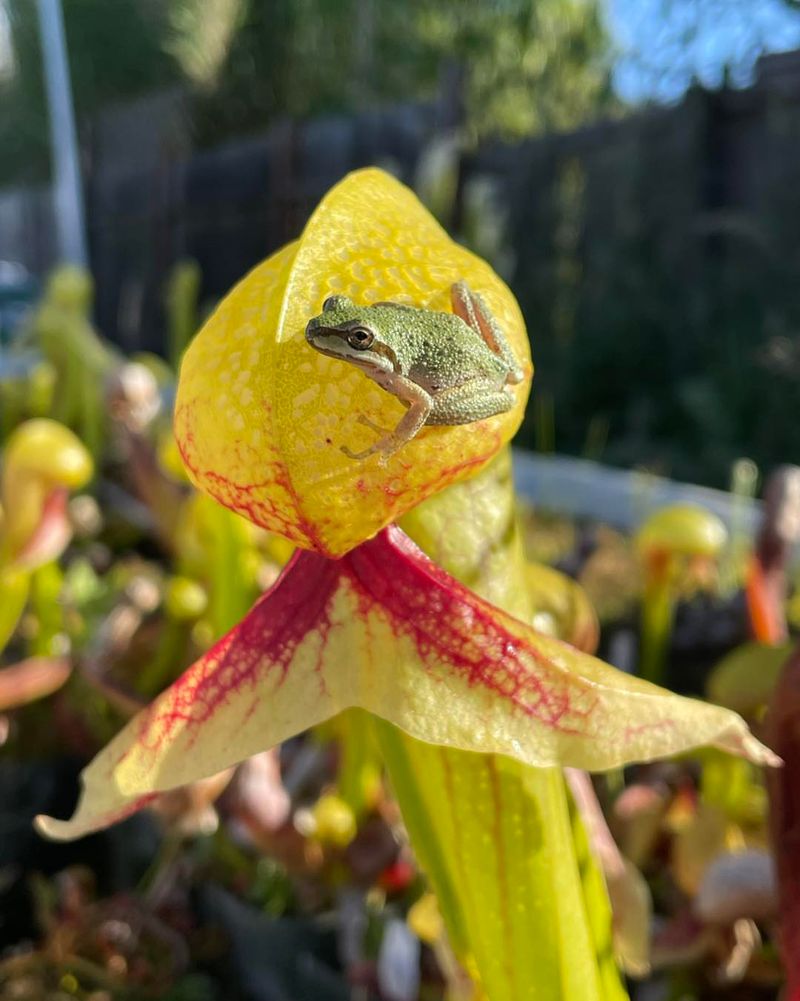
While not federally listed as endangered, the cobra lily faces significant conservation challenges throughout its limited range. Oregon populations receive various levels of protection depending on land ownership and local regulations.
Many sites occur on federal lands managed by the Bureau of Land Management or Forest Service, where botanical areas provide some safeguards.
Habitat loss represents the primary threat to cobra lily populations. Mining operations, particularly for minerals in serpentine soils, can destroy entire colonies.
Water diversion for agriculture or development disrupts the constant seepage these plants require. Off-road vehicle use damages fragile bog ecosystems and compacts soil around sensitive root systems.
Climate change poses emerging concerns. Altered precipitation patterns and increasing temperatures may affect the cold-water seeps cobra lilies depend upon.
Extended droughts could dry up marginal habitats, while extreme weather events might damage plants or their surroundings.
Illegal collection for horticulture remains problematic despite legal protections. Some plant enthusiasts remove wild specimens, not realizing this practice threatens already vulnerable populations.
Most collected plants die anyway because home conditions cannot replicate their specialized habitat requirements.
Conservation efforts focus on habitat protection, population monitoring, and public education. Several botanical areas in Oregon specifically protect cobra lily colonies.
Organizations conduct regular surveys to track population health and identify threats requiring intervention. Educational programs help visitors appreciate these plants without disturbing them.
7. Cultivation Challenges And Tips
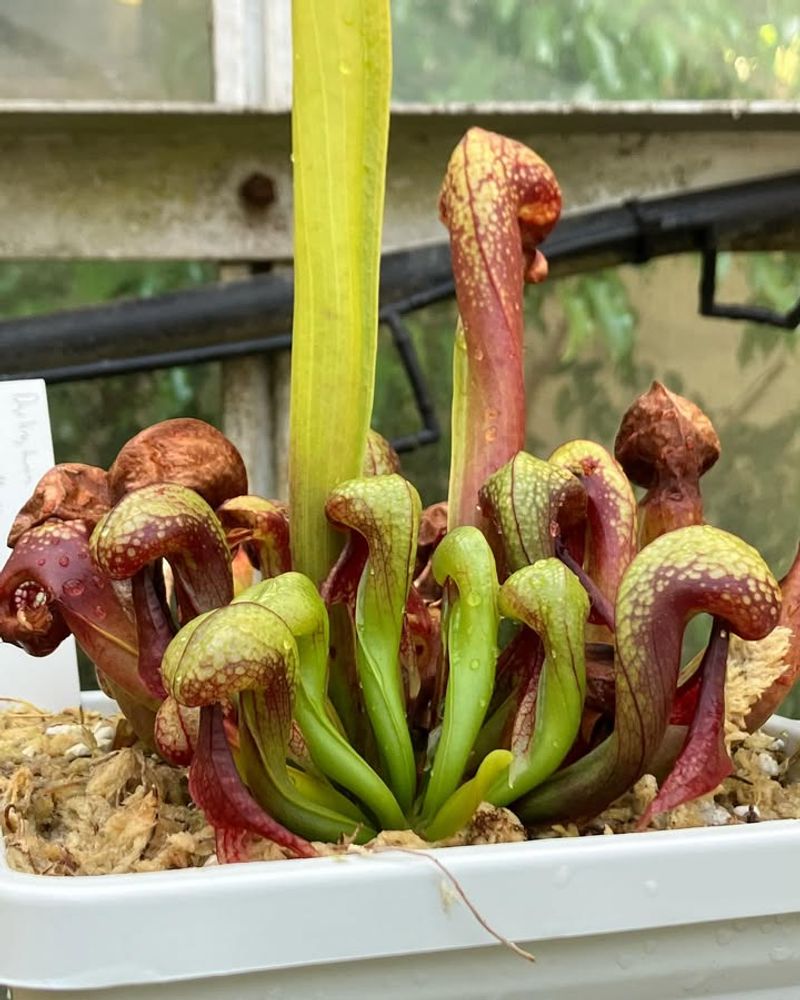
Growing cobra lilies outside their native range presents considerable challenges, even for experienced carnivorous plant enthusiasts. These plants have very specific requirements that differ from most other carnivorous species.
Understanding their needs helps explain why wild collection is both unnecessary and harmful.
Temperature control is perhaps the greatest challenge. Cobra lily roots require constant cooling, ideally staying below sixty degrees Fahrenheit year-round.
Many growers use innovative techniques like running cold water through tubing in the soil or placing pots in cooled water baths. Without cool roots, plants quickly decline regardless of other care factors.
Water quality matters tremendously. Use only pure water sources like rainwater, distilled water, or reverse osmosis water.
Tap water contains minerals that accumulate in soil and poison carnivorous plants over time. The growing medium should stay constantly moist but never waterlogged, mimicking natural seep conditions.
Soil composition requires careful attention. A mixture of peat moss, perlite, and coarse sand provides drainage while retaining moisture.
Some growers attempt to replicate mineral substrates using inert gravel, but most rely on low-nutrient peat-based mixes to replicate the mineral content of natural serpentine habitats. Avoid fertilizers entirely since carnivorous plants obtain nutrients from insects.
Light requirements include bright, indirect sunlight or partial shade. Full sun may overheat plants, while insufficient light weakens growth.
Patience is essential because cobra lilies grow slowly and may take years to reach flowering size from seed.
8. Ecological And Educational Importance
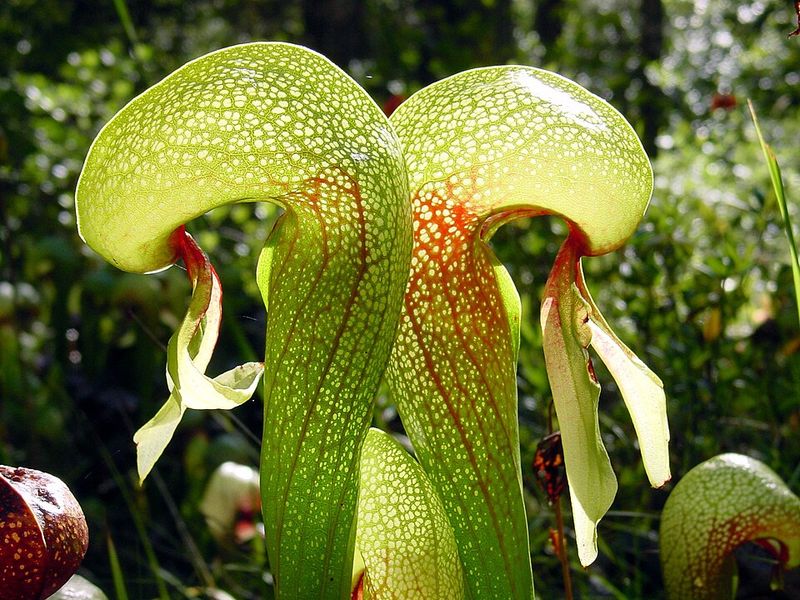
Beyond their botanical curiosity, cobra lilies play important ecological roles and offer valuable educational opportunities.
These plants support specialized insect communities, provide research subjects for evolutionary biology, and inspire conservation awareness among people who encounter them.
Ecologically, cobra lilies contribute to nutrient cycling in bog ecosystems. By capturing insects and releasing nutrients through decomposition, they help make nitrogen and phosphorus available to surrounding plants.
Their presence indicates healthy seep ecosystems with intact hydrology and water quality.
Some insects have evolved resistance to cobra lily traps. Certain fly larvae live inside pitchers, feeding on trapped insects without becoming prey themselves.
Small spiders spin webs near pitcher openings to catch insects attracted to the plant. These relationships demonstrate how organisms adapt to exploit even specialized ecological niches.
Educational value extends from elementary classrooms to university research programs. Children fascinated by carnivorous plants often develop broader interests in botany, ecology, and conservation.
Researchers study cobra lilies to understand carnivorous plant evolution, plant-insect interactions, and adaptation to extreme environments.
Field trips to cobra lily sites provide memorable outdoor experiences that connect people with native Oregon ecosystems. Interpretive signs and guided walks help visitors appreciate these plants without causing damage.
Photography and observation offer non-destructive ways to enjoy these remarkable organisms while leaving them undisturbed for future generations to discover and study.