How To Prune Hydrangeas In Oregon For Bigger Blooms
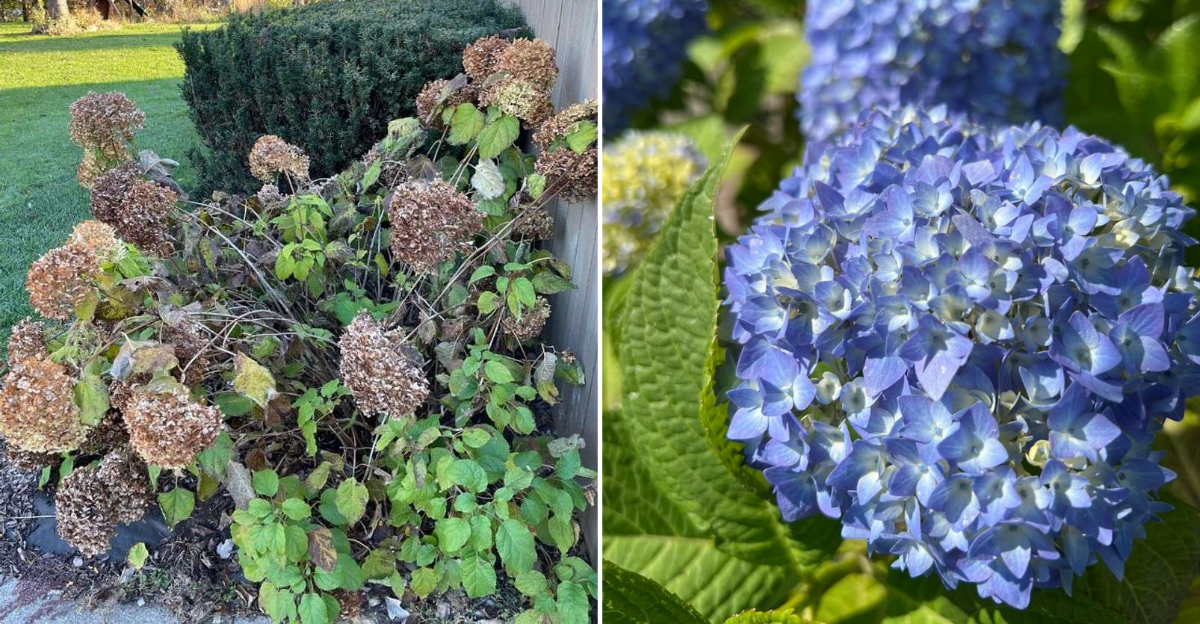
Hydrangeas are a favorite in Oregon gardens, but getting big, beautiful blooms takes more than just planting them. Proper pruning is the key to strong flowers and healthy growth.
Many gardeners make the mistake of pruning at the wrong time or cutting too much, which can reduce the number and size of blooms. Understanding when and how to prune makes a huge difference in results.
Oregon’s mild winters and wet climate create perfect conditions for hydrangeas, but timing is critical. Cutting at the right moment helps the plant focus energy on producing bigger, more vibrant flowers.
With a few simple pruning techniques, you can encourage stronger stems, fuller plants, and larger blooms. These tips make hydrangea care easier and more rewarding for any Oregon gardener.
1. Identify Your Hydrangea Type
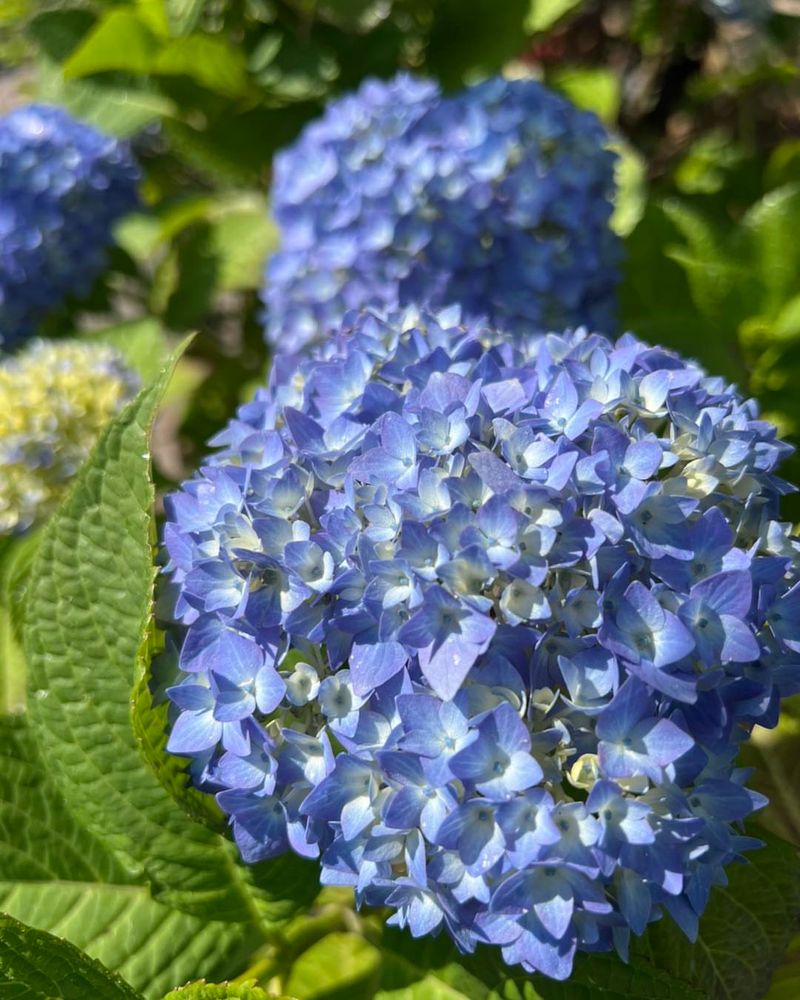
Before you grab those pruning shears, take a moment to figure out exactly which type of hydrangea is growing in your Oregon yard. Different varieties have completely different pruning needs, and cutting at the wrong time can wipe out an entire season of blooms.
Bigleaf hydrangeas (Hydrangea macrophylla) set their flower buds on old wood from the previous year, meaning they need careful handling.
Panicle hydrangeas (Hydrangea paniculata) bloom on new wood that grows each spring, giving you more flexibility with timing. Smooth hydrangeas (Hydrangea arborescens) also flower on new growth and can handle more aggressive pruning.
Oakleaf hydrangeas (Hydrangea quercifolia) bloom on old wood and prefer minimal cutting.
Check the leaf shape, bloom style, and growth pattern to identify your variety. Bigleaf types typically have rounded flower clusters and glossy leaves.
Panicle varieties show cone-shaped blooms and can grow quite tall. Smooth hydrangeas produce rounded white flowers and die back significantly in Oregon winters.
If you’re unsure, snap a photo during peak bloom and compare it with online guides or ask at your local Oregon nursery. Getting this identification right is the foundation for successful pruning.
Once you know your type, you can tailor your approach to maximize bloom production without accidentally removing next year’s flower buds.
2. Understand Bloom Timing
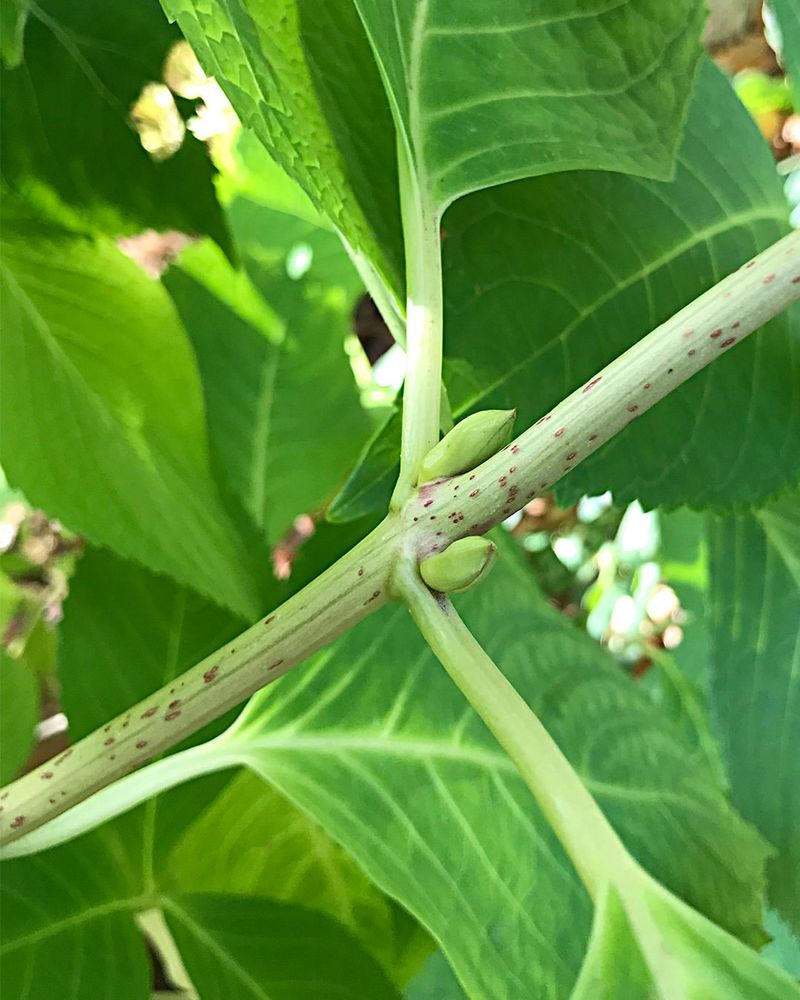
Knowing when your hydrangeas produce flower buds makes all the difference between spectacular blooms and disappointing bare stems. Old-wood bloomers like bigleaf and oakleaf hydrangeas form their buds in late summer and fall, then hold them through Oregon’s mild but occasionally frosty winters.
These buds sit dormant until spring warmth triggers them to open into gorgeous flowers.
New-wood bloomers such as panicle and smooth hydrangeas develop their flower buds on stems that grow fresh each spring. This timing gives them a built-in advantage in Oregon’s climate zones, where late frosts can damage early buds.
They start producing blooms later in the season but deliver reliable color year after year.
Understanding this timing helps you avoid the heartbreak of cutting off buds before they bloom. If you prune old-wood varieties in spring, you’re removing the very buds that would have flowered that summer.
New-wood types can be cut back hard in late winter or early spring without losing blooms since they haven’t formed buds yet.
Your Oregon Garden Changes Every Week. Your Plan Should Too.
Gardening in Oregon changes quickly throughout the season. Every Friday you’ll receive a simple weekly plan showing exactly what to plant, prune, fertilize, harvest, and protect so you never miss the right timing.
Much of western Oregon has mild enough winters for old-wood bloomers to survive, though cold snaps anywhere in the state can damage exposed buds. Observing your plants through a full season helps you understand their individual rhythm.
Pay attention to when buds swell and when flowers appear to build your pruning strategy around their natural cycle.
3. Choose The Right Pruning Season
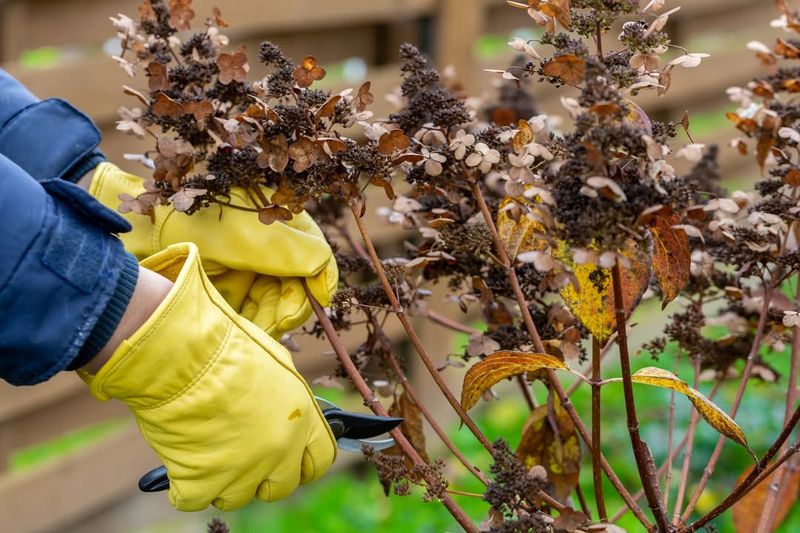
Timing your pruning session correctly can mean the difference between abundant blooms and a disappointing summer.
New-wood bloomers offer more flexibility since they develop buds on current-season growth. Late winter or very early spring works beautifully for these varieties, typically between February and early March in most Oregon locations.
Pruning before new growth emerges lets you see the plant’s structure clearly and removes winter-damaged wood before the growing season kicks in.
Avoid major pruning during active growth in late spring or early summer. Cutting during this energetic phase wastes the plant’s resources and can reduce bloom size significantly.
The plant has already invested energy into those stems, and removing them forces it to start over.
Consider your local Oregon microclimate when choosing your pruning date. Coastal areas with milder winters can often prune a bit earlier than inland valleys where late frosts linger.
Higher elevation gardens might need to wait until April to avoid cutting just before a cold snap damages fresh wounds.
Keep an eye on weather forecasts and avoid pruning right before a hard freeze or during extended wet periods that can promote disease in fresh cuts.
4. Remove Damaged Wood
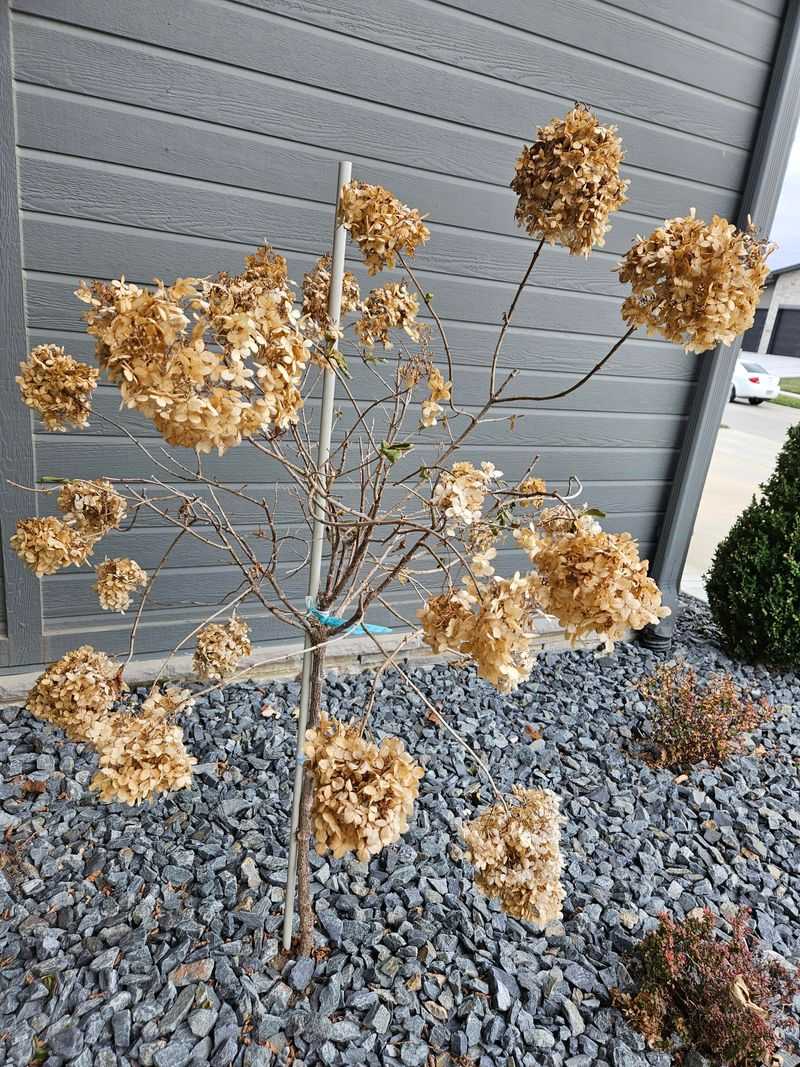
Withered and damaged stems rob your hydrangea of energy that could be going toward producing bigger, healthier blooms. Start every pruning session by walking around your plant and identifying stems that didn’t survive Oregon’s winter or suffered damage from wind, disease, or pests.
These stems are typically brown, brittle, and show no signs of green tissue when you scratch the bark lightly with your thumbnail.
Cut dead wood back to where you find healthy green growth, making your cut just above a node or bud. If a stem is completely dead to the ground, remove it entirely at the base.
This cleanup work improves air circulation through the plant’s center and reduces hiding spots for pests and disease.
Damaged stems that are cracked, broken, or showing signs of disease should also be removed. Make clean cuts with sharp, sterilized pruning shears to prevent spreading problems to healthy tissue.
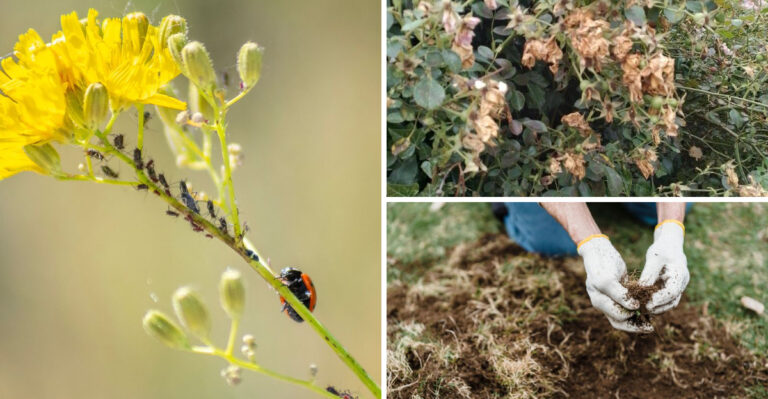
Oregon’s wet winters can sometimes cause fungal issues on hydrangeas, so removing affected wood early helps protect the rest of the plant.
Don’t worry if you need to remove quite a bit of dead material, hydrangeas are resilient and will bounce back quickly. Focus on leaving the strongest, healthiest stems that show vigorous bud development.
This selective removal channels the plant’s energy into fewer but more productive stems, resulting in larger, more impressive blooms throughout the growing season.
5. Shape And Thin For Airflow
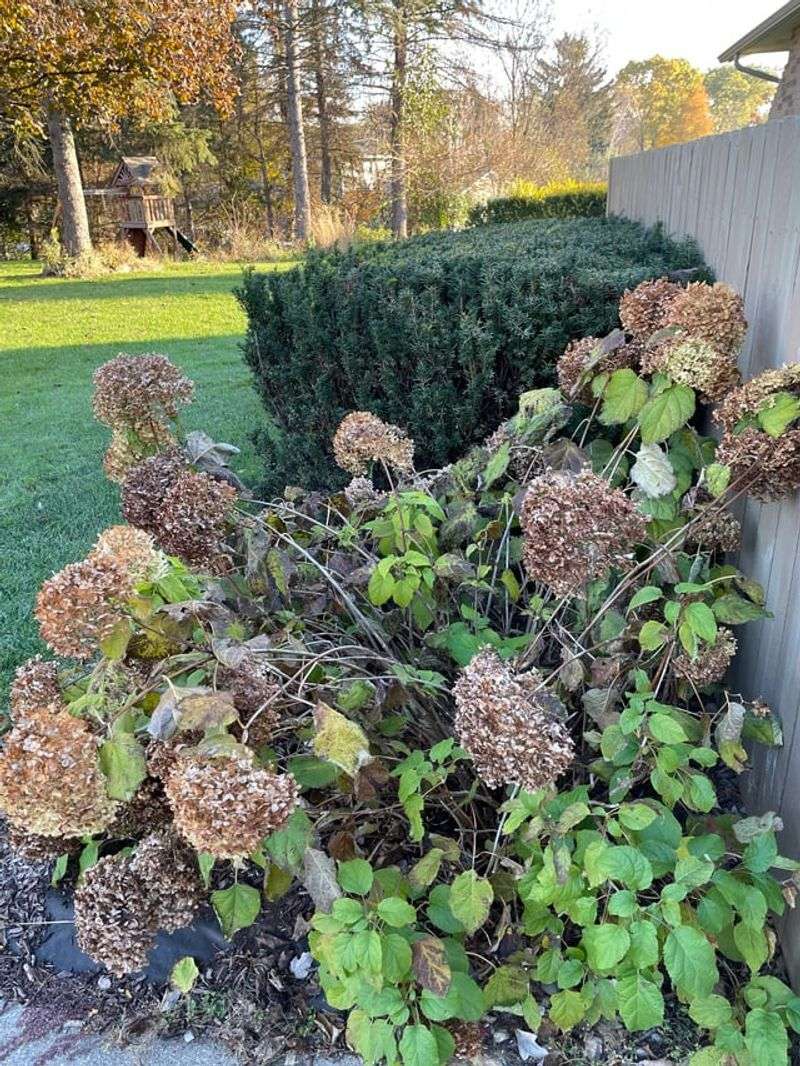
Creating good airflow through your hydrangea prevents disease and encourages stronger bloom production. Oregon’s mild, wet climate can promote fungal problems if your shrub becomes too dense and crowded.
Thinning removes older, weaker stems from the center of the plant, allowing light and air to reach all parts of the structure.
Start by identifying stems that cross over each other or grow toward the plant’s center rather than outward. Remove these at their base to open up the middle.
Aim to keep your hydrangea looking natural rather than creating a formal shape, these plants bloom best when allowed to maintain their graceful, rounded form.
For mature plants, consider removing about one-third of the oldest stems each year. This gradual renewal keeps the plant vigorous without shocking it with excessive pruning.
Older stems often produce smaller blooms, so removing them makes room for younger, more productive growth.
Step back frequently while thinning to assess the overall shape. You want a balanced appearance with stems evenly distributed around the plant.
Good structure means each remaining stem has space to develop full-sized flower clusters without competing with neighbors.
Oregon gardeners dealing with powdery mildew or other fungal issues will notice significant improvement after proper thinning. Better airflow helps foliage dry quickly after rain or morning dew, reducing conditions that favor disease.
The result is a healthier plant that puts more energy into creating those spectacular blooms you’re working toward.
6. Cut Back Flowering Stems Correctly
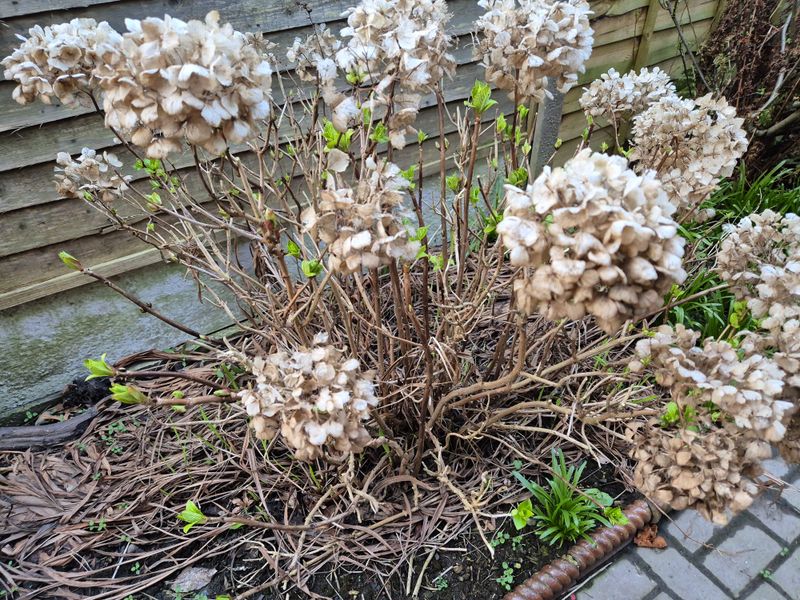
How you cut individual flowering stems determines next year’s bloom potential. For old-wood bloomers, deadheading spent flowers in late summer should be your only stem cutting during the growing season.
Remove faded blooms by cutting just above the first set of large, healthy leaves below the flower head. This light trimming tidies the plant without removing buds forming further down the stem.
Avoid cutting old-wood varieties back hard in spring or you’ll sacrifice the entire season’s blooms. If you need to reduce height, do so gradually over several years, removing only a few of the tallest stems each season after flowering.
This patient approach maintains bloom production while slowly bringing the plant to a manageable size.
New-wood bloomers can handle more aggressive cutting since they develop flowers on current-season growth. Cut these varieties back to a sturdy framework in late winter before new growth starts, usually leaving 18–24 inches of growth.
Make each cut just above a pair of healthy buds, angling your shears slightly to encourage water runoff.
Sharp, clean tools make all the difference in cut quality. Ragged cuts heal slowly and can invite disease, especially in Oregon’s damp climate.
Sterilize your shears between plants using rubbing alcohol or a bleach solution.
When cutting, consider the plant’s natural shape and growth habit. Panicle hydrangeas can be pruned more severely if you want a compact form, while smooth hydrangeas benefit from cutting back to the strongest framework stems each year.
7. Aftercare: Mulch, Water, And Fertilize
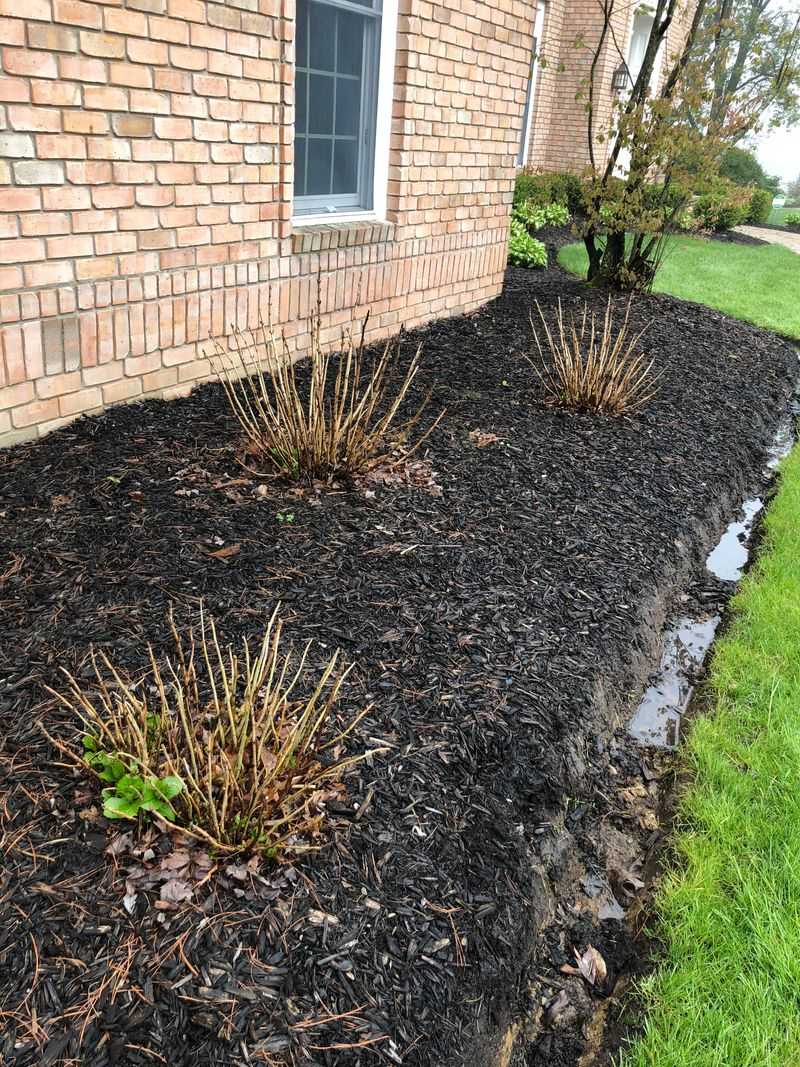
Proper aftercare following pruning helps your hydrangeas recover quickly and channel energy into producing those bigger blooms. Start by applying a 2-3 inch layer of organic mulch around the base of your plant, keeping it a few inches away from the main stems.
Mulch conserves moisture, moderates soil temperature, and slowly releases nutrients as it breaks down, all beneficial for Oregon hydrangeas.
Water deeply after pruning to help the plant recover from the stress of being cut. Oregon’s spring rains often provide adequate moisture, but if you’ve pruned during a dry spell, give your hydrangeas a thorough soaking.
Consistent moisture supports strong new growth and bud development throughout the growing season.
Fertilizing at the right time gives your pruned hydrangeas the nutrients they need for vigorous regrowth. Apply a balanced, slow-release fertilizer in early spring as new growth emerges.
Oregon’s naturally acidic soils typically suit hydrangeas well, but a soil test can reveal if amendments would help.
For blue-flowered bigleaf varieties, maintaining acidic soil with aluminum sulfate encourages vibrant color. Pink-flowered types prefer slightly less acidic conditions.
Avoid over-fertilizing, which can produce excessive foliage at the expense of blooms.
Monitor your plants through the growing season, adjusting water during dry summer months. Oregon’s wet winters mean you rarely need to water from fall through early spring, but summer drought can stress hydrangeas and reduce bloom size.
Consistent care after pruning sets the stage for spectacular flowering all season long.