Why North Carolina Azaleas Look Amazing In April And How You Can Copy It
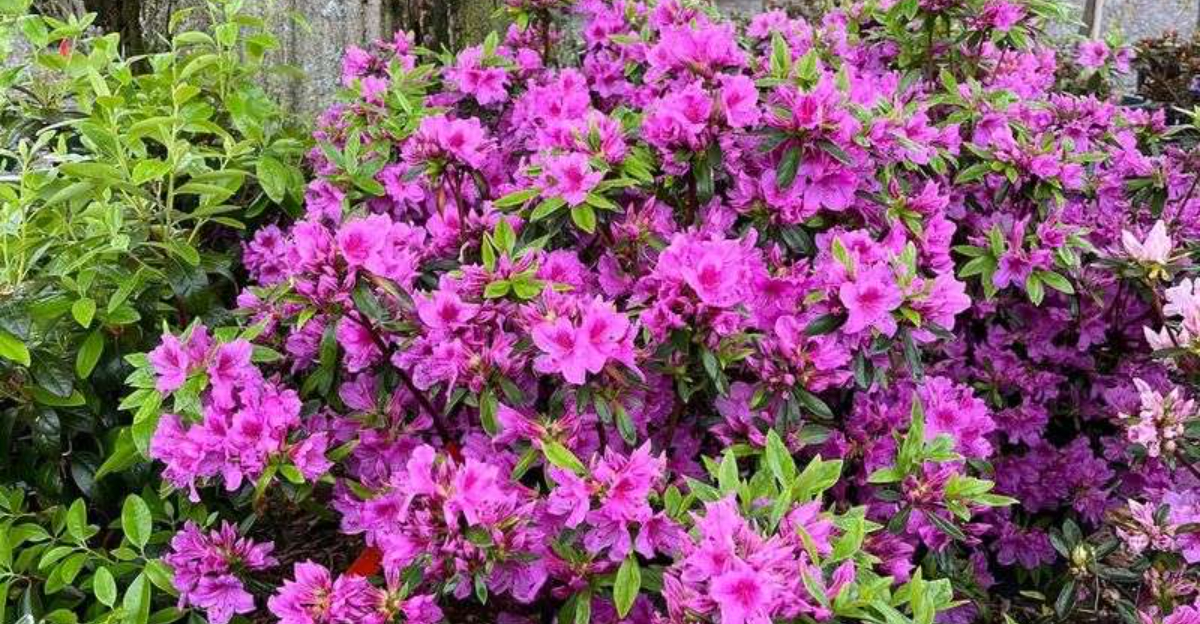
Every April in North Carolina, neighborhoods suddenly explode with color. Azaleas light up front yards, line sidewalks, and turn ordinary streets into something that feels almost festive.
It looks effortless, yet there is a quiet routine happening behind the scenes that makes this spring show possible. Weather plays a role, but smart care habits matter even more.
Small timing tweaks, simple feeding choices, and a few pruning rules help these shrubs store energy all year long. When done right, the payoff is bold blooms and healthier plants that return strong season after season.
Many gardeners assume azaleas are just lucky bloomers, but there is a repeatable pattern that anyone can follow. If you have ever admired those April displays and wished your own shrubs looked half as good, you are about to learn how to make it happen.
Timing Of Cool Spring Temperatures
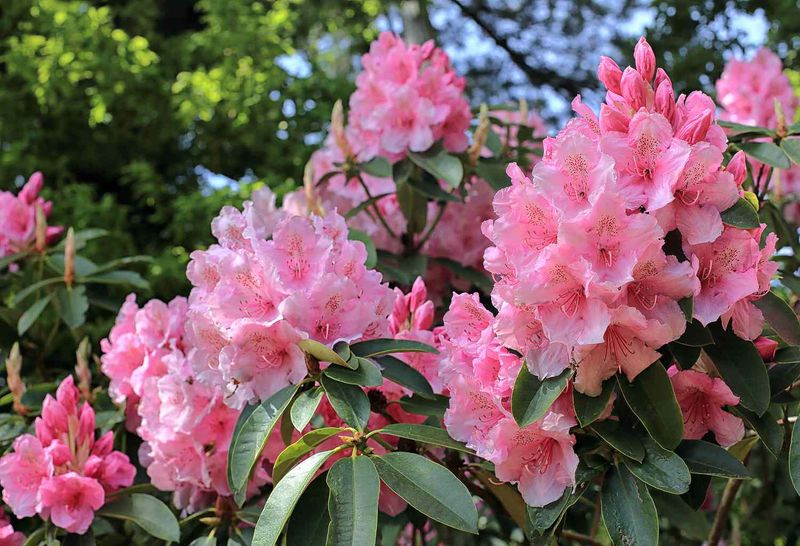
April weather in North Carolina creates a sweet spot for azaleas. Temperatures hover between 50 and 70 degrees Fahrenheit most days. This range keeps flowers fresh and vibrant for weeks.
Heat stress can cause azalea blooms to wilt prematurely or fade quickly. Cool mornings and mild afternoons protect delicate petals from damage. The flowers maintain their size and intensity throughout the blooming period.
You can replicate these conditions by choosing your planting location carefully. Morning sun with afternoon shade helps regulate temperature around your plants. Avoid south-facing walls that trap excessive heat during warmer days.
Consider your local climate zone when selecting azalea varieties for planting. Some cultivars handle heat better than others do naturally. Check hardiness ratings before purchasing any new shrubs for your garden.
Watering during warm spells helps cool the soil around roots effectively. A light mist on foliage during hot afternoons refreshes plants without overwatering.
Mulch acts as insulation, keeping soil temperatures more stable throughout the day. Monitoring weather forecasts helps you prepare for unexpected temperature swings that might stress your azaleas.
Dormancy Break After Winter Chill
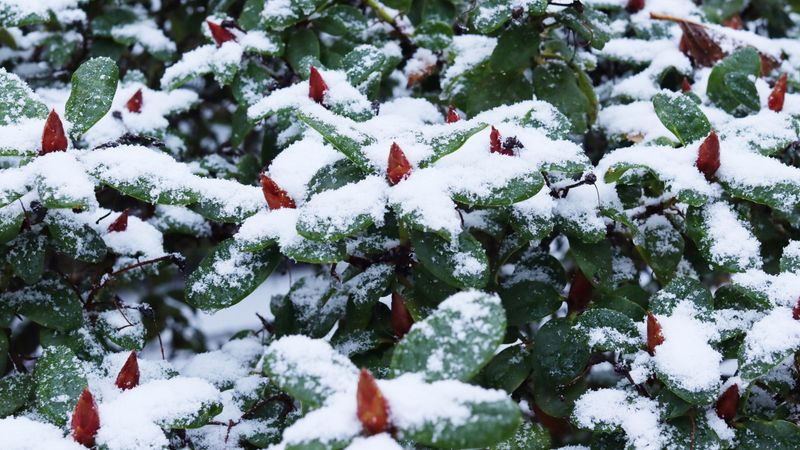
Winter chill hours work like an alarm clock for azaleas. These shrubs need cold temperatures to trigger their internal flowering mechanisms. North Carolina winters provide exactly the right amount of exposure.
Without adequate chilling, azaleas produce fewer flowers or skip blooming altogether. The cold period signals plants to prepare for spring growth. Buds form during late summer but require winter cold to develop properly.
Most azalea varieties need between 400 and 800 chill hours below 45 degrees. North Carolina typically delivers this requirement between November and February. Tracking chill hours helps you understand your garden’s blooming potential each year.
If you live in warmer regions, select low-chill azalea cultivars specifically. These varieties need fewer cold hours to bloom successfully in spring. Southern Indica azaleas often perform well in milder winter climates.
Creating microclimates in your yard can help marginal areas meet chill requirements. Planting on north-facing slopes provides additional cold exposure during winter months. Avoid planting near heat sources that might reduce effective chilling time for your shrubs.
Well-Drained Acidic Soil
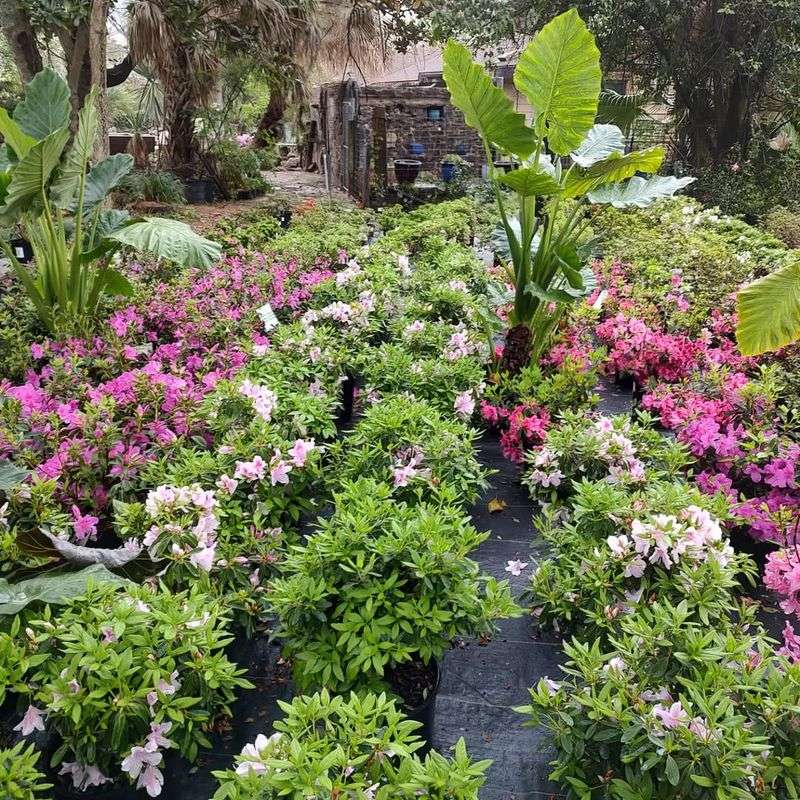
Soil chemistry makes all the difference for azalea success and bloom quality. These shrubs absolutely thrive when pH levels fall between 5.5 and 6.0. North Carolina soils naturally lean acidic, especially in forested areas with pine trees.
Your North Carolina Garden Changes Every Week. Your Plan Should Too.
Gardening in North Carolina changes quickly throughout the season. Every Friday you’ll receive a simple weekly plan showing exactly what to plant, prune, fertilize, harvest, and protect so you never miss the right timing.
Acidic conditions allow azaleas to absorb essential nutrients like iron and manganese efficiently. When pH rises too high, leaves turn yellow despite adequate fertilization. The flowers also become smaller and less vibrant in alkaline conditions.
Testing your soil takes just minutes with an inexpensive kit from garden centers. Results guide you in making necessary amendments before planting new azaleas. Retest annually to maintain optimal conditions for continued flowering success.
Elemental sulfur lowers pH gradually when mixed into planting beds several months ahead. Aluminum sulfate works faster but requires careful application to avoid plant damage.
Organic matter like composted pine bark also acidifies soil while improving drainage simultaneously.
Pine straw mulch gradually releases acids as it decomposes over time naturally. This creates a self-maintaining system that keeps pH levels stable for years. Avoid limestone gravel or concrete residue near azalea beds, as these raise pH levels significantly.
Partial Shade Conditions
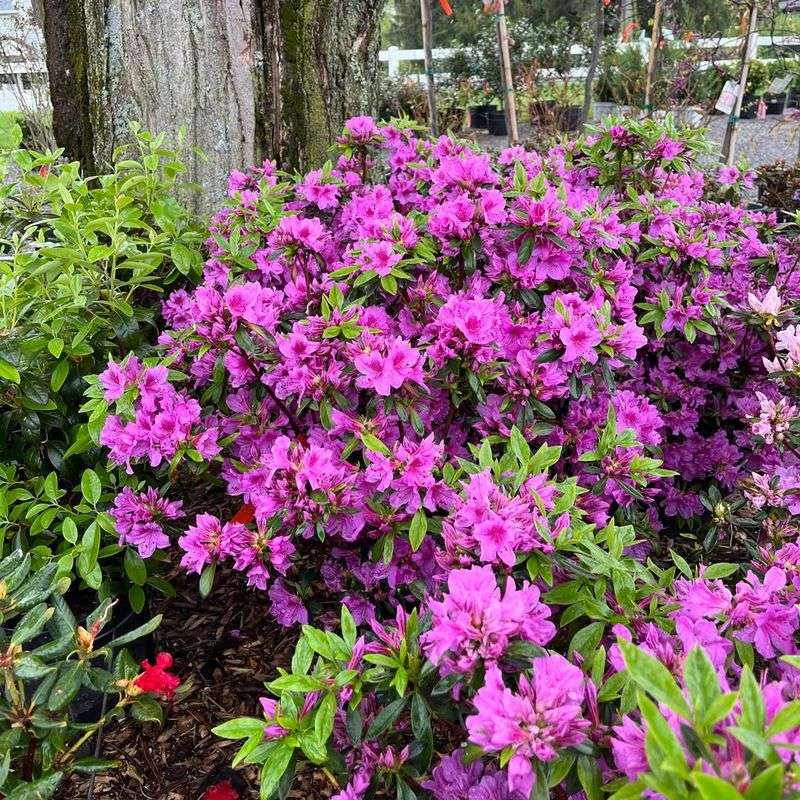
Azaleas evolved as understory plants beneath towering forest trees in their native habitats. Dappled sunlight filters through leaves above, creating perfect growing conditions below.
North Carolina’s mature hardwood forests replicate this environment beautifully across residential landscapes.
Too much direct sun bleaches flower colors and scorches delicate foliage quickly. Leaves develop brown edges and flowers fade within days of opening. Full shade produces leggy growth with minimal blooming each spring season.
Morning sun with afternoon shade offers the ideal balance for most varieties. Three to four hours of direct light encourages flowering without causing stress. Eastern exposures work exceptionally well for azalea plantings in home gardens.
Observe how sunlight moves across your yard throughout different seasons before planting. Deciduous trees provide summer shade while allowing winter sun to reach plants.
This seasonal variation supports healthy growth patterns and abundant spring blooms. Create shade structures if natural canopy is lacking in your landscape design. Shade cloth on frames or pergolas filters harsh afternoon rays effectively.
Plant taller shrubs on the south side to cast protective shadows during peak heat hours of the day.
Consistent Moisture Without Waterlogging
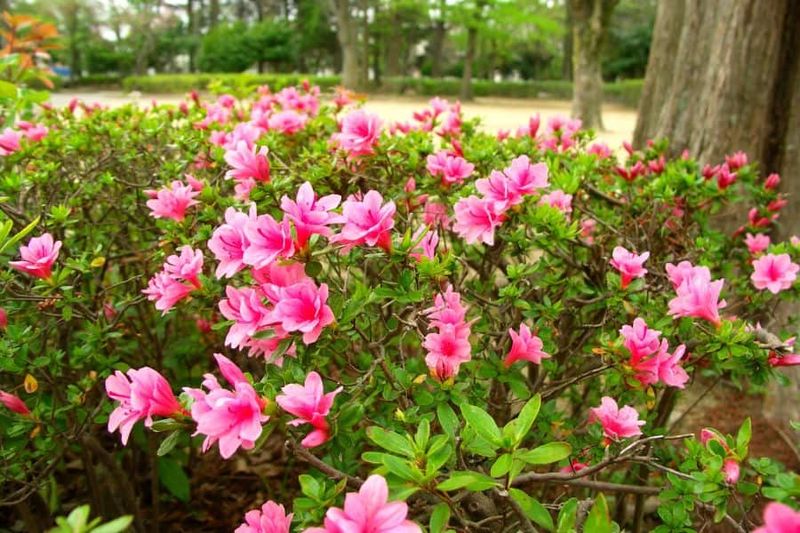
April showers bring more than May flowers to North Carolina azalea gardens. Regular rainfall keeps soil consistently moist without creating standing water problems.
This balance supports vigorous root growth and spectacular flower production simultaneously.
Azalea roots grow shallow and fibrous rather than deep and woody. They dry out quickly during drought periods but rot in soggy conditions. The sweet spot requires attention to both watering and drainage considerations.
Well-prepared beds drain freely while retaining adequate moisture between rain events naturally. Adding organic matter improves soil structure for better water management overall.
Raised beds work wonderfully in areas with heavy clay or poor drainage. Water deeply but infrequently to encourage roots to grow outward and downward. Shallow, frequent watering creates weak root systems vulnerable to stress and disease.
One inch per week from rain or irrigation meets most azalea needs. Soaker hoses deliver water directly to root zones without wetting foliage unnecessarily. This reduces disease problems while conserving water through reduced evaporation rates.
Mulch holds moisture in soil longer between watering sessions, reducing your maintenance time considerably throughout the growing season.
Pruning Done Right After Blooming
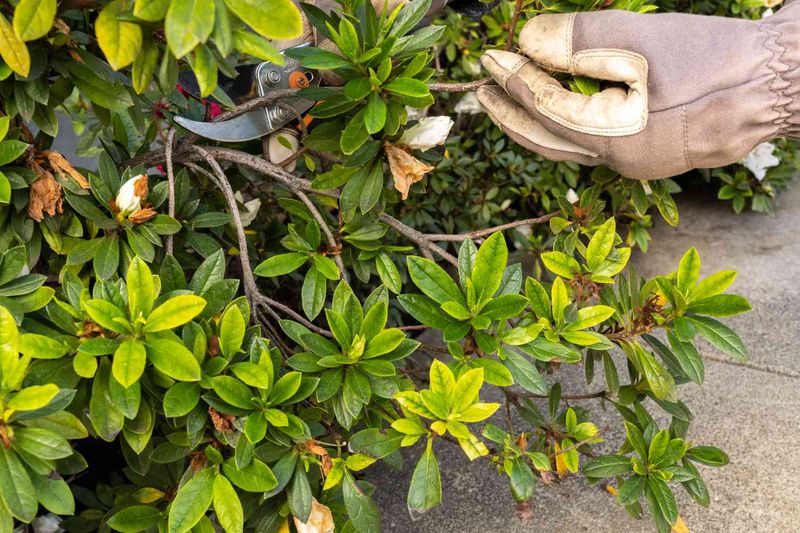
Timing separates successful azalea pruning from disappointing results the following spring season. These shrubs set next year’s flower buds shortly after current blooms fade. Pruning too late removes those developing buds and eliminates future flowers entirely.
Late May through early June provides the ideal pruning window in North Carolina. Flowers have finished but new buds haven’t formed yet on branches. This narrow timeframe allows shaping without sacrificing next spring’s spectacular display.
Remove crossing branches and stems growing toward the plant’s center for better air circulation. Thin crowded areas to allow sunlight penetration throughout the entire shrub. Shape plants lightly rather than shearing them into unnatural forms or shapes.
Prune selectively by cutting just above outward-facing buds on each branch. This encourages spreading growth rather than upright, congested stems in the center. Remove no more than one-third of total growth in any single season.
Sanitize pruning tools between cuts when working with multiple plants to prevent disease spread. Sharp, clean cuts heal faster than ragged tears from dull blades.
Avoid fall or winter pruning completely, as this removes flower buds and reduces spring bloom dramatically for the coming year.
Mulching For Soil Temperature And Moisture
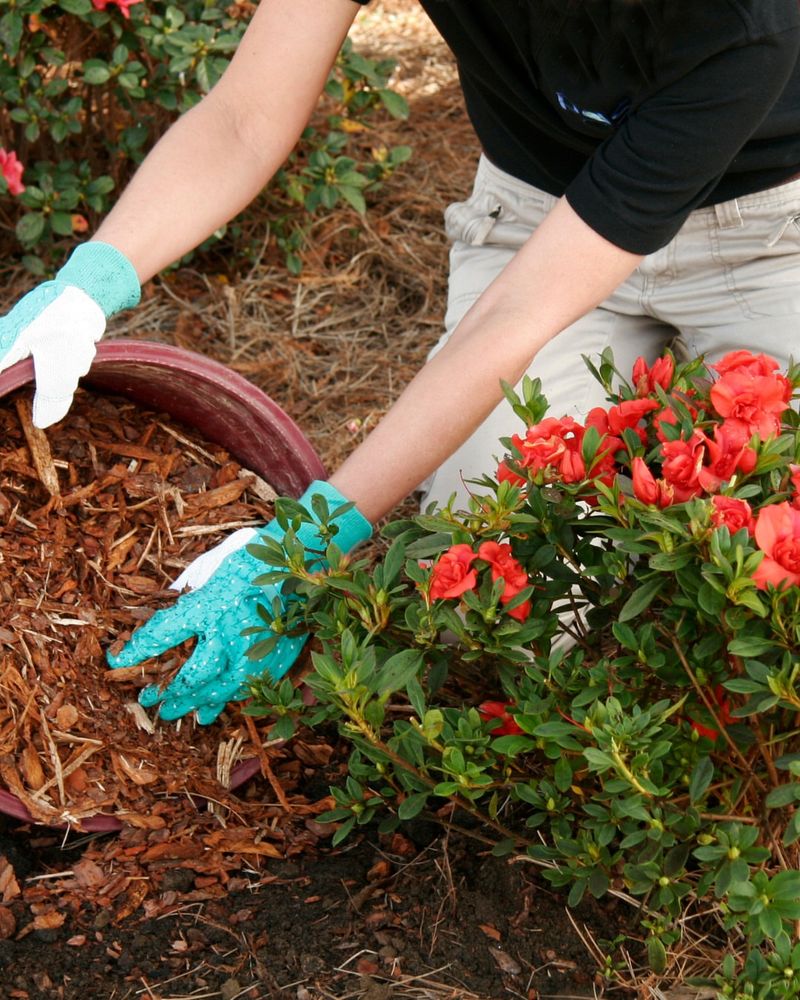
Pine straw blankets azalea beds across North Carolina like a protective quilt for good reason. This natural mulch moderates soil temperature swings between day and night effectively.
Roots stay cooler during warm afternoons and warmer during chilly nights. A three-inch layer suppresses weeds that compete for water and nutrients with azaleas. Organic mulches break down gradually, adding valuable organic matter to soil over time.
Pine products maintain acidity as they decompose, benefiting acid-loving azaleas perfectly. Shredded hardwood bark offers another excellent mulching option for azalea beds in gardens. It lasts longer than pine straw but costs more initially at purchase.
Both materials allow water and air to penetrate soil freely without creating barriers. Pull mulch back slightly from stems to prevent moisture-related diseases and rot. Leave a small gap around the base of each plant for air circulation.
Refresh mulch annually to maintain proper depth and appearance in beds. Avoid cypress mulch, as harvesting practices harm sensitive wetland ecosystems in many regions. Rock or gravel mulches raise soil pH over time, making them poor choices.
Grass clippings mat down and prevent water penetration, so skip those as well for azalea plantings.
Fertilization With Acid-Loving Plant Feed
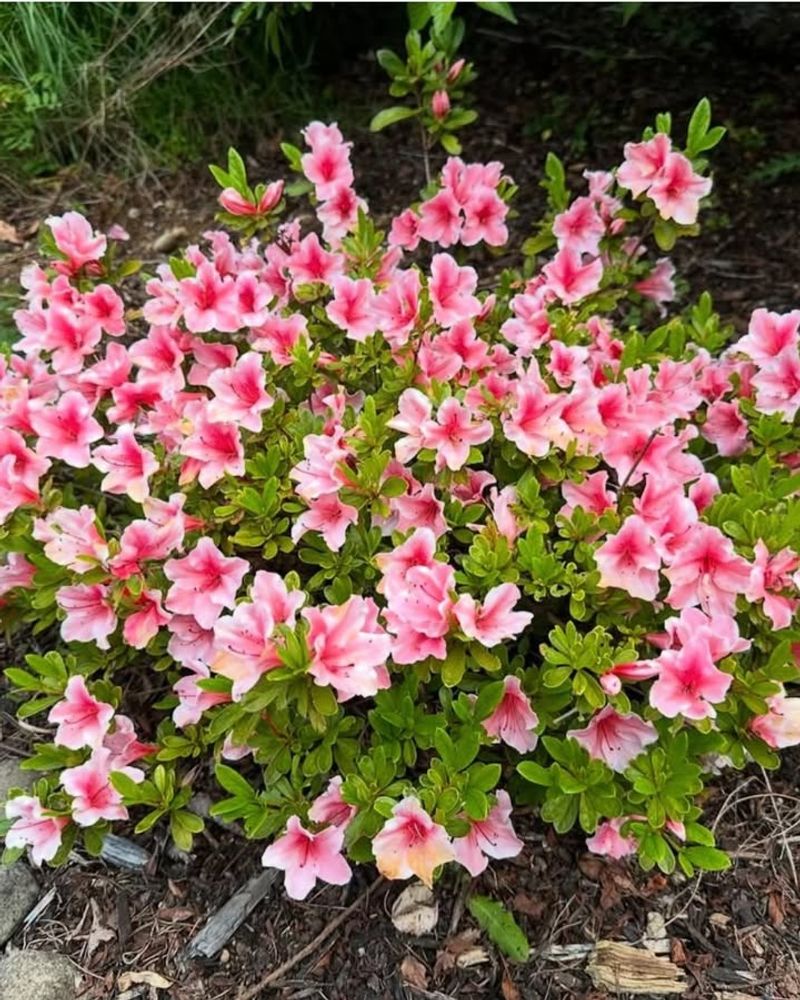
Specialized fertilizers formulated for azaleas deliver nutrients in forms these plants absorb most efficiently. Standard lawn fertilizers contain too much nitrogen and wrong pH levels for shrubs.
Acid-loving plant foods maintain soil chemistry while providing balanced nutrition for optimal growth.
Slow-release formulations feed plants gradually over several months with single applications. This prevents nutrient spikes that encourage excessive foliage at the expense of flowers.
Granular products work into soil easily and activate with moisture from rain.
Apply fertilizer in early spring just as new growth begins emerging from buds. A second light feeding after flowering supports healthy leaf development through summer. Avoid fertilizing after July, as this encourages tender growth vulnerable to winter damage.
Follow package directions carefully, as over-fertilization damages roots and reduces flowering significantly. More is definitely not better when feeding azaleas in any garden situation.
Measure accurately rather than estimating amounts for best results with your plants. Organic options like cottonseed meal release nutrients slowly while improving soil structure simultaneously.
Fish emulsion provides quick nutrition but requires more frequent applications throughout the season. Combine organic and synthetic fertilizers for comprehensive nutrition programs that support spectacular April blooms year after year in your landscape.
Disease And Pest Management
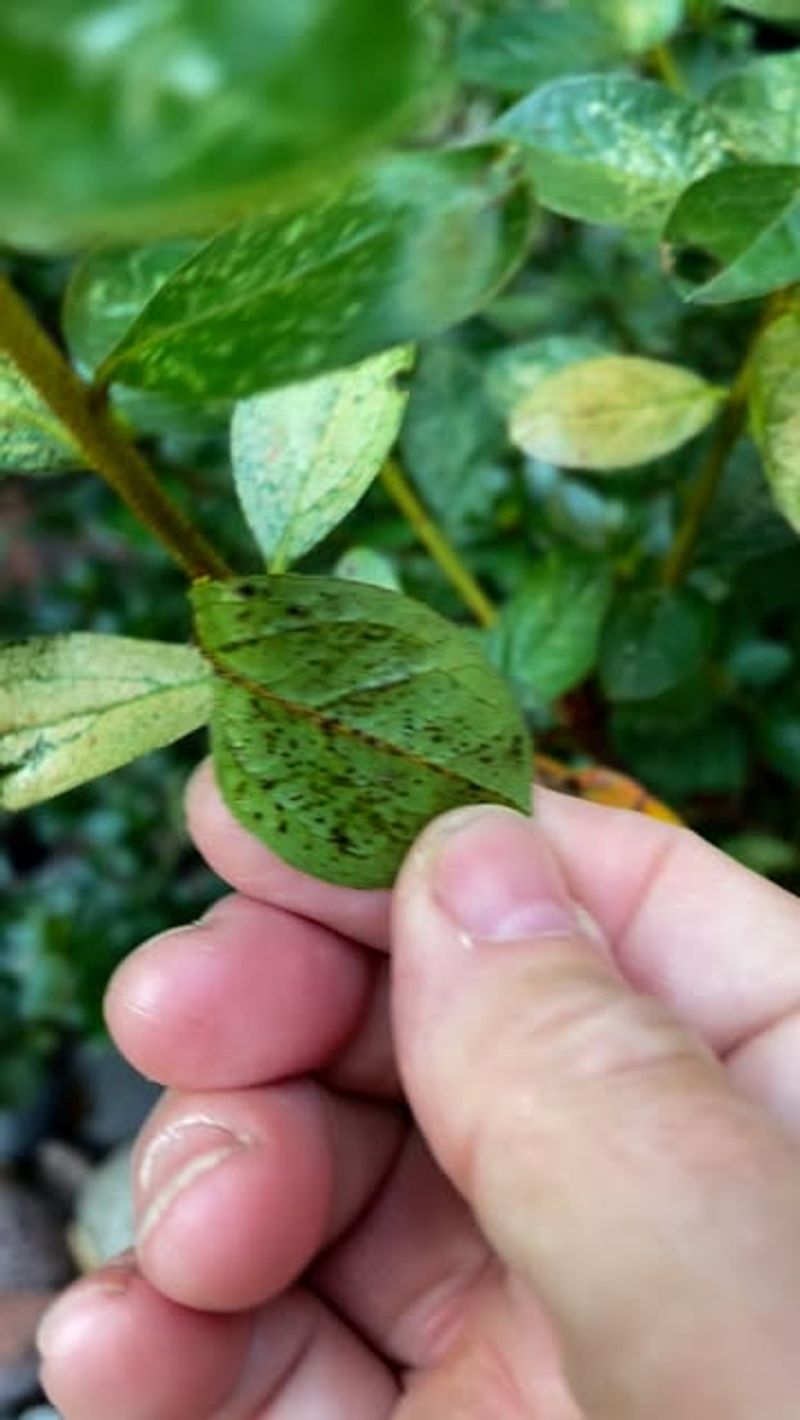
Vigilant monitoring catches problems before they escalate into serious threats to bloom quality. Lace bugs leave stippled, silvery foliage that weakens plants over time if unchecked. Spider mites cause similar damage during hot, dry periods in summer months.
Leaf spots appear as brown or black blotches on foliage from various fungal pathogens. These rarely threaten plant survival but reduce aesthetic appeal and vigor noticeably. Good air circulation and proper watering practices prevent most disease issues naturally.
Inspect plants weekly during the growing season for early problem detection and treatment. Check leaf undersides where many pests hide from casual observation and predators.
Yellow leaves or stunted growth signal potential issues requiring closer investigation immediately.
Horticultural oils smother soft-bodied insects without harsh chemicals that harm beneficial insects too. Apply early in the morning or evening to prevent leaf burn from sun.
Neem oil provides both insecticidal and fungicidal properties in one organic treatment option.
Remove and dispose of infected leaves to reduce disease spread throughout your garden. Space plants properly to ensure adequate air movement between shrubs and branches.
Healthy, vigorous azaleas resist pests and diseases far better than stressed plants struggling in poor conditions or wrong locations.
Selecting Cultivars Adapted To NC Climate
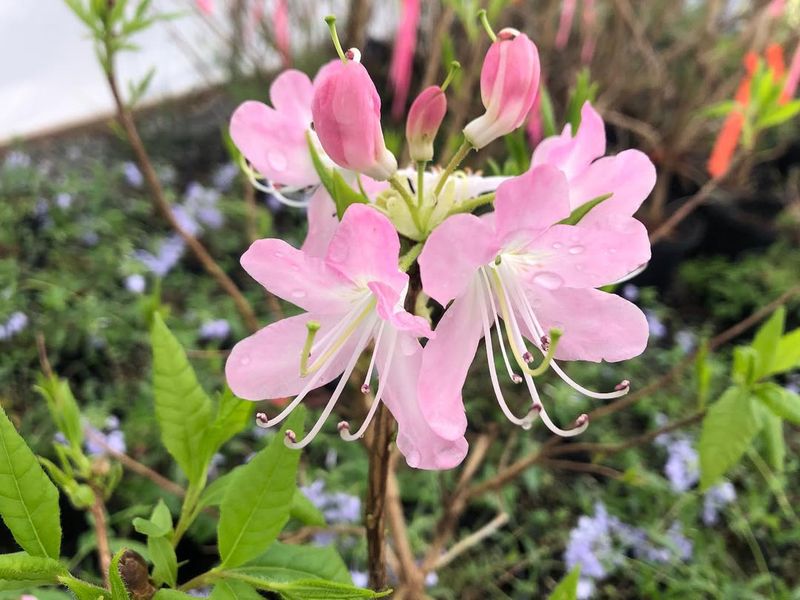
Native North Carolina azaleas evolved specifically for regional climate conditions over thousands of years. Piedmont azalea and flame azalea thrive naturally in local environments without special care.
These varieties offer reliable performance and stunning spring displays year after year.
Southern Indica hybrids handle North Carolina summers better than many northern varieties struggle to. Formosa and George Tabor produce massive flowers in brilliant colors each April.
These tough plants tolerate heat and humidity that challenge less-adapted cultivars significantly.
Encore azaleas bloom in spring and again in fall for extended color. These modern hybrids combine heat tolerance with repeat flowering characteristics gardeners love. They work beautifully in North Carolina landscapes from mountains to coast successfully.
Local nurseries stock varieties proven to perform well in your specific area reliably. Staff can recommend cultivars based on your site conditions and color preferences.
Purchasing locally grown plants ensures better adaptation than shipped specimens from distant climates.
Experiment with different bloom times to extend your azalea season from March through May. Early, midseason, and late varieties create continuous color for months in gardens.
Mix native species with modern hybrids for diverse textures, colors, and bloom periods that keep your landscape interesting throughout spring flowering season in North Carolina.