Why So Many Michigan Gardens Struggle In Early Spring Weather
Early spring in Michigan can feel like a tease. One day the sun is warm, birds are loud, and everything looks ready to grow.
Two days later the ground is cold again and plants seem to hit pause. This back and forth weather is the main reason so many gardens struggle right out of the gate.
Soil stays chilly, roots slow down, and sudden rain turns beds into soggy messes. Add strong winds and surprise frost nights, and even healthy plants can look stressed.
The frustrating part is that most gardeners blame themselves instead of the conditions. The truth is that early spring success depends more on timing and preparation than effort.
When you understand what Michigan weather is really doing beneath the surface, you can work with it instead of fighting it. If you want stronger starts and fewer setbacks, this is the season to outsmart.
Late Frosts Damage Young Plants
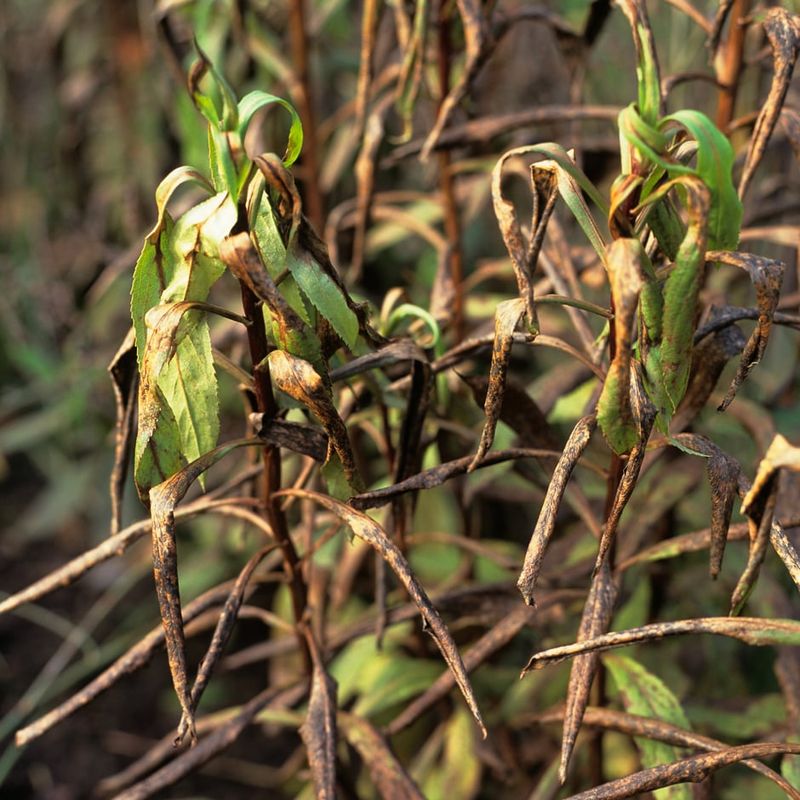
Nothing crushes gardening dreams faster than a surprise frost wiping out weeks of careful nurturing. Michigan’s spring weather behaves unpredictably, swinging from balmy afternoons to freezing nights without warning.
That tomato plant you carefully transplanted last week might look perfectly healthy one evening, only to appear wilted and blackened by morning.
Tender vegetables like tomatoes, peppers, and squash are especially vulnerable to these temperature drops. Even hardy plants can suffer setback when exposed to unexpected cold snaps.
The damage isn’t always immediately visible either, sometimes showing up days later as stunted growth or increased disease susceptibility.
Protection strategies make all the difference for early plantings. Row covers, cold frames, and cloches create protective microclimates around vulnerable plants.
Keep frost blankets handy and monitor weather forecasts religiously during April and May. Many experienced Michigan gardeners wait until after Memorial Day to plant frost-sensitive crops, reducing risk significantly.
Consider starting with cold-tolerant vegetables like peas, lettuce, and spinach for early planting. These crops actually prefer cooler temperatures and can handle light frosts.
Save your tender plants for later when nighttime temperatures consistently stay above fifty degrees, ensuring better survival rates and healthier growth throughout the season.
Cold Soil Slows Germination
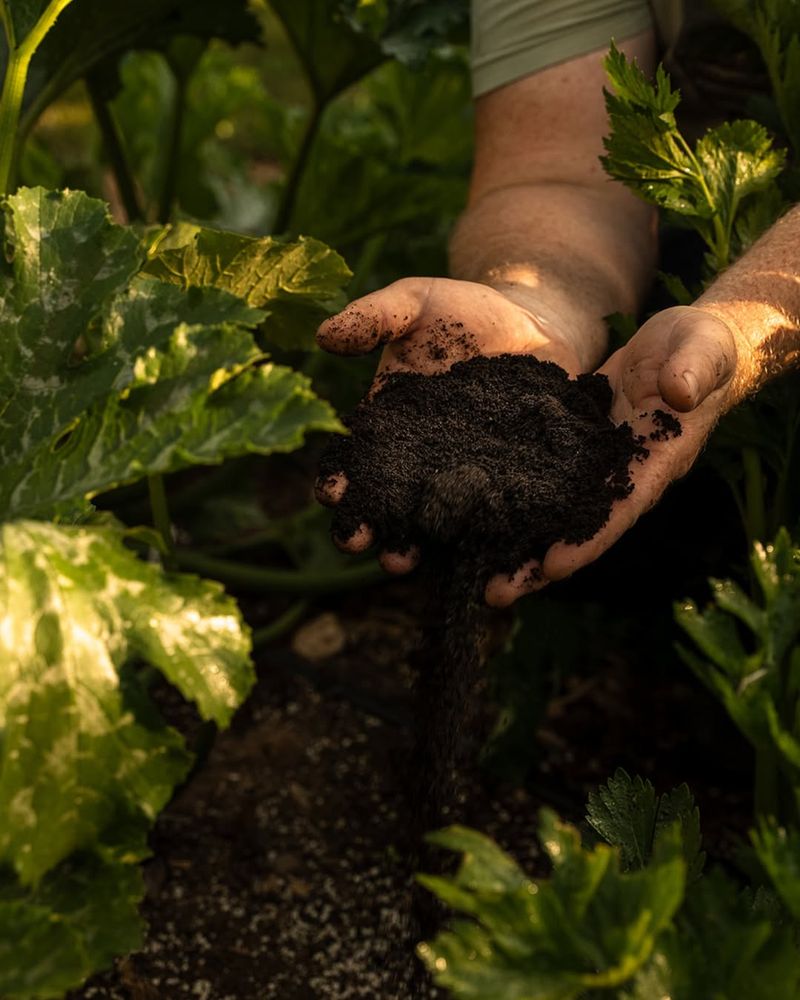
Air temperature tells only half the story when planning spring plantings. Soil temperature matters far more for seed germination and root development.
Seeds sitting in cold ground simply won’t sprout, no matter how warm the afternoon sunshine feels on your face.
Most vegetable seeds need soil temperatures between fifty and seventy degrees to germinate properly. Michigan soil often stays stubbornly cold well into spring, especially in clay-heavy areas or shaded locations.
Beans planted in fifty-degree soil might take three weeks to emerge instead of the usual seven days.
Cold soil creates additional problems beyond slow germination rates. Seeds sitting dormant in chilly, damp conditions become vulnerable to rot and fungal diseases. Root growth stalls even after shoots emerge, leaving plants weak and struggling.
Smart gardeners invest in an inexpensive soil thermometer to guide planting decisions. Check temperatures at seed depth in the morning when soil is coolest.
Your Michigan Garden Changes Every Week. Your Plan Should Too.
Gardening in Michigan changes quickly throughout the season. Every Friday you’ll receive a simple weekly plan showing exactly what to plant, prune, fertilize, harvest, and protect so you never miss the right timing.
Black plastic mulch or landscape fabric can warm beds faster in spring, raising temperatures by several crucial degrees.
Raised beds offer another advantage for Michigan gardeners dealing with cold soil. Elevated beds warm up faster than ground-level plots because air circulates around all sides.
Building beds just eight to twelve inches high can advance your planting schedule by one to two weeks safely.
Excess Moisture Leads To Root Rot
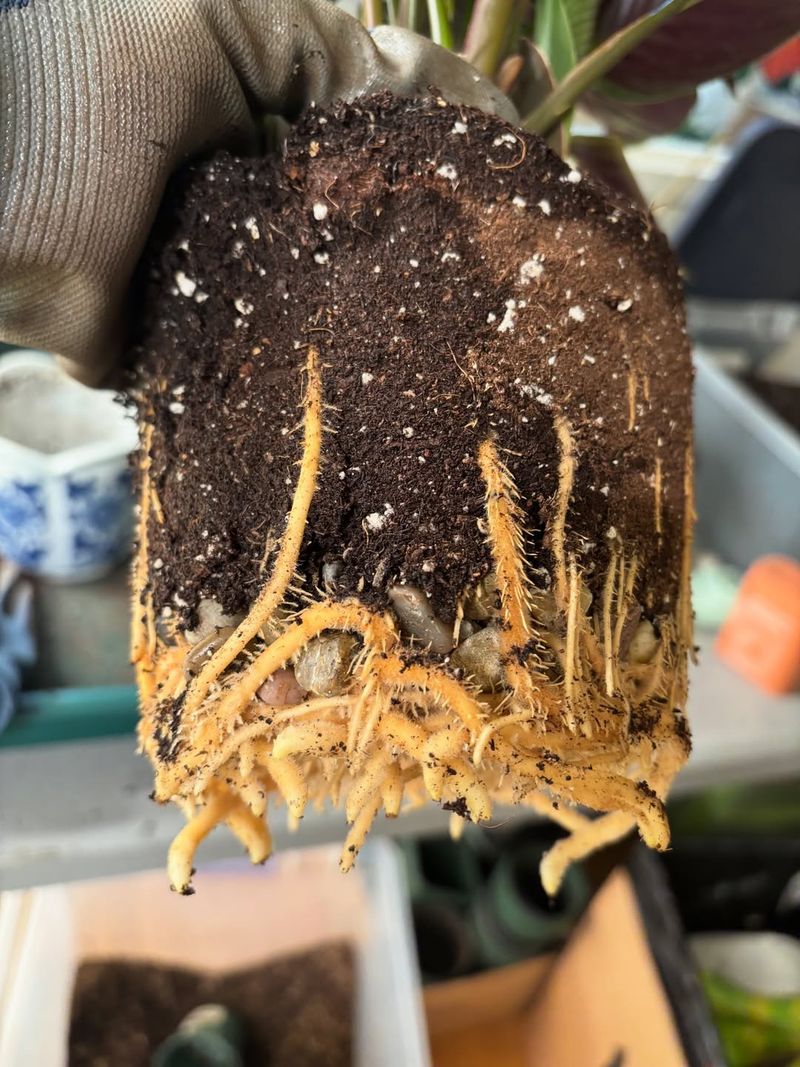
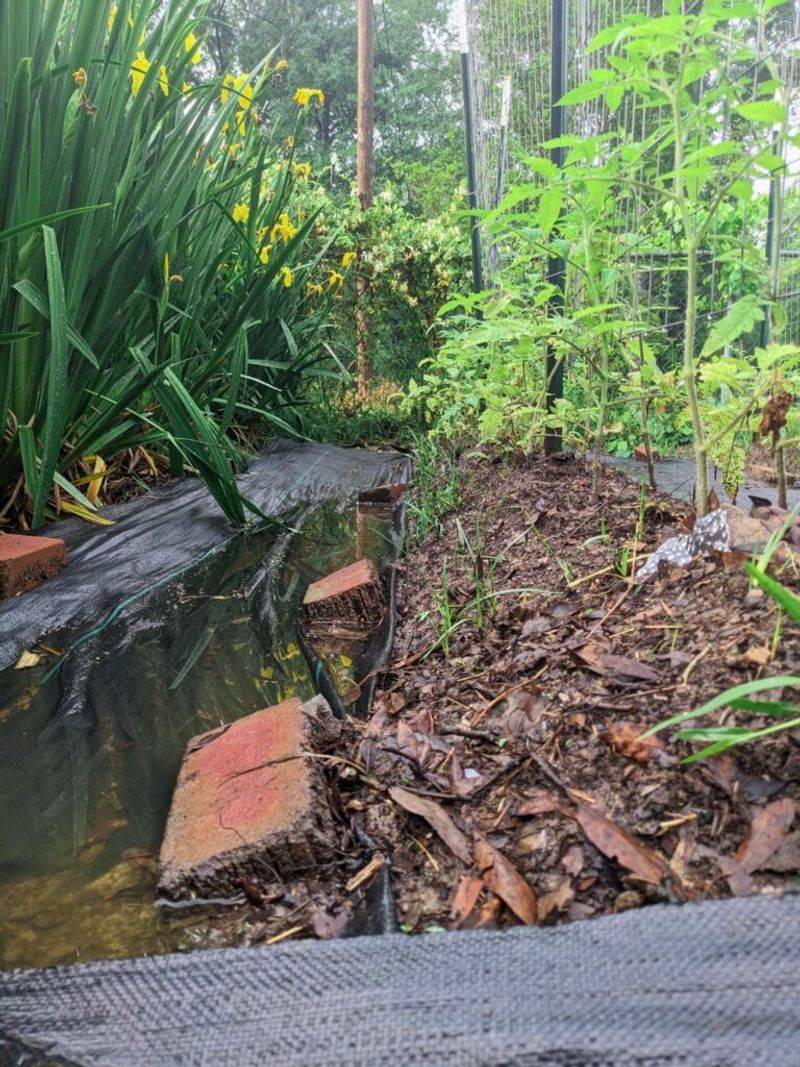
Snowmelt and spring rains turn many Michigan gardens into temporary swamps each year. Plants need water to thrive, but too much creates serious problems.
Waterlogged soil suffocates roots by displacing oxygen, and seedlings quickly succumb to various fungal diseases.
Clay soil, common throughout Michigan, compounds moisture problems by draining slowly. Water sits at root level for days after heavy rains.
Young plants with developing root systems are particularly vulnerable, often rotting before they establish themselves properly.
Symptoms of overwatering and root rot include yellowing leaves, wilting despite wet soil, and stunted growth. By the time these signs appear, significant damage has already occurred.
Prevention works better than treatment for moisture-related problems. Improving drainage should be every Michigan gardener’s priority before planting season begins. Work compost and other organic matter into heavy clay soil to improve structure.
Create slight mounds or raised rows for planting, allowing excess water to drain away from root zones.
Avoid working wet soil, which causes compaction and worsens drainage issues long-term. Wait until soil crumbles easily in your hand before digging or planting.
Installing French drains or creating swales can redirect water away from garden beds in chronically wet areas, protecting your plants throughout the growing season.
Heavy Spring Rains Cause Compaction
Repeated downpours transform fluffy garden soil into something resembling concrete. Each raindrop impacts the surface with surprising force, breaking apart soil aggregates and pushing particles tightly together.
Compacted soil becomes nearly impenetrable to delicate seedling roots trying to establish themselves.
Walking on wet garden beds makes compaction exponentially worse. Even a single pass across saturated soil can compress it significantly, creating hard layers that persist throughout the growing season.
Plant roots simply cannot penetrate these dense zones effectively. Oxygen levels drop dramatically in compacted soil, and water infiltration slows to a crawl.
Plants growing in compacted ground show stunted growth, yellowed leaves, and increased disease susceptibility. Root vegetables become deformed or fail to develop properly in compressed soil.
Prevention starts with staying out of garden beds when soil is wet. Install permanent pathways between planting areas to eliminate the need for walking on growing beds.
Mulching bare soil protects the surface from raindrop impact while improving overall soil structure.
Fixing existing compaction requires patience and organic matter. Broadfork tools can break up compressed layers without inverting soil structure.
Annual additions of compost gradually improve soil texture and reduce compaction tendency. Cover crops with deep taproots help break up hard layers naturally between growing seasons.
Unstable Temperatures Stress Plants
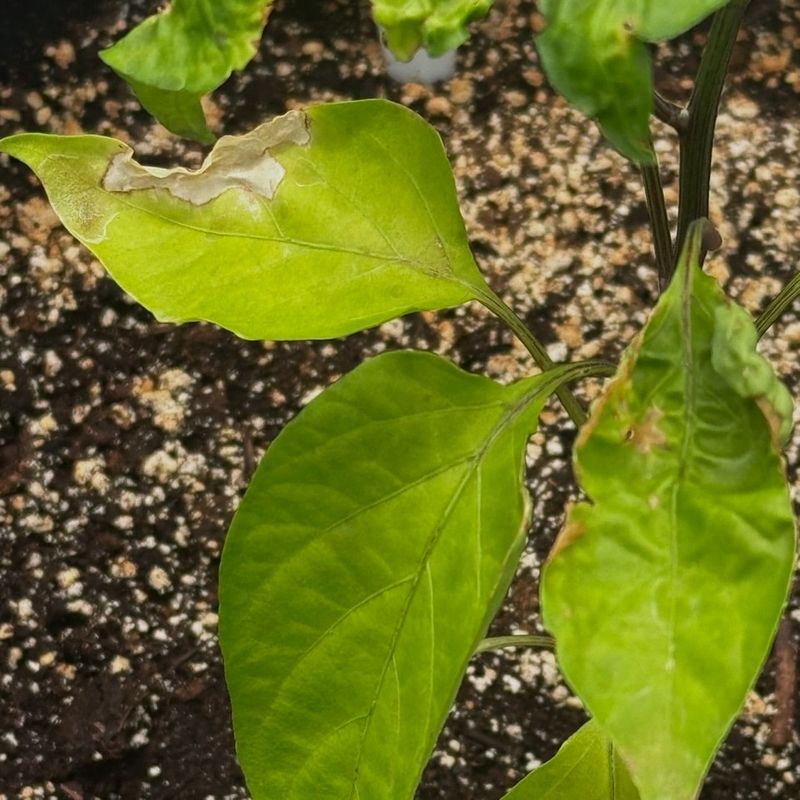
Michigan spring weather feels like a roller coaster ride for both gardeners and plants. Temperatures might reach seventy degrees one afternoon, then plummet to thirty-five overnight.
These wild swings confuse plants and trigger stress responses that slow growth significantly.
Plants have evolved to respond to temperature cues for various developmental processes. Erratic temperatures send mixed signals, causing plants to start and stop growth cycles repeatedly.
Energy gets wasted on false starts rather than steady development. Temperature stress makes plants more susceptible to diseases and pest problems. Weakened plants cannot mount effective defenses against pathogens or insect attacks.
Growth slows dramatically as plants divert resources toward survival rather than thriving. Cold-hardy vegetables tolerate temperature fluctuations better than tender crops. Lettuce, kale, and other brassicas handle spring’s unpredictability with minimal stress.
Save heat-loving plants like tomatoes and peppers for stable late-spring conditions. Creating microclimates helps buffer plants from extreme temperature swings.
South-facing walls absorb daytime heat and radiate it back at night, moderating temperatures nearby.
Water-filled containers placed near plants act as thermal mass, stabilizing temperatures in their immediate vicinity. Mulching also insulates soil, preventing rapid temperature changes that stress shallow roots throughout unpredictable spring weather patterns.
Timing Mistakes With Seedlings
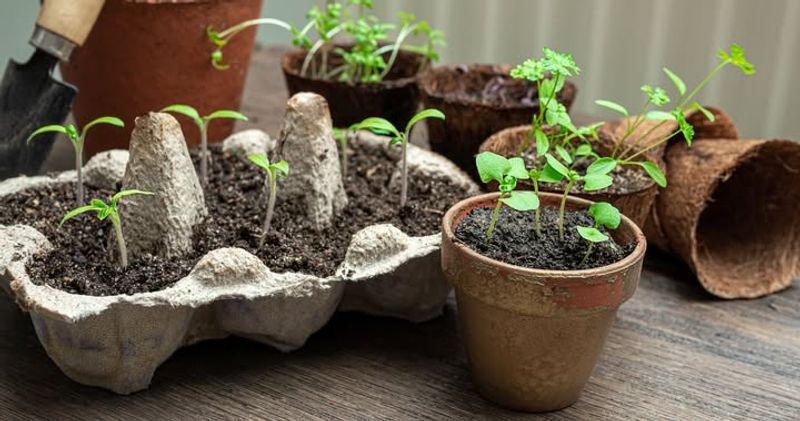
Enthusiasm often overrides common sense when warm spring days arrive early. Gardeners rush to transplant seedlings outdoors, convinced winter has finally released its grip.
But Michigan weather rarely cooperates with our optimistic timelines, and premature planting usually ends in disappointment.
Seedlings started indoors grow in pampered conditions with consistent temperatures and protection from wind. Transplanting them directly into harsh outdoor conditions without proper preparation causes severe shock.
Leaves may wilt, growth stops completely, and plants sometimes never fully recover. Hardening off is the gradual acclimation process that prepares indoor seedlings for outdoor life. Start by placing plants outside for just one hour in a sheltered location.
Gradually increase exposure time and intensity over ten to fourteen days before final transplanting. Timing matters as much as hardening off procedures. Each crop has specific temperature requirements for outdoor success.
Cool-season vegetables can go out earlier, while warm-season crops need consistently warm conditions. Planting calendars specific to Michigan growing zones provide reliable guidance.
Watch for signs your seedlings are ready for transplanting beyond just calendar dates. Plants should have several sets of true leaves and sturdy stems.
Check long-range weather forecasts to avoid planting right before cold snaps. Patience during this crucial transition period pays dividends with healthier, more productive plants throughout the entire growing season.
Pest Activity Begins Early
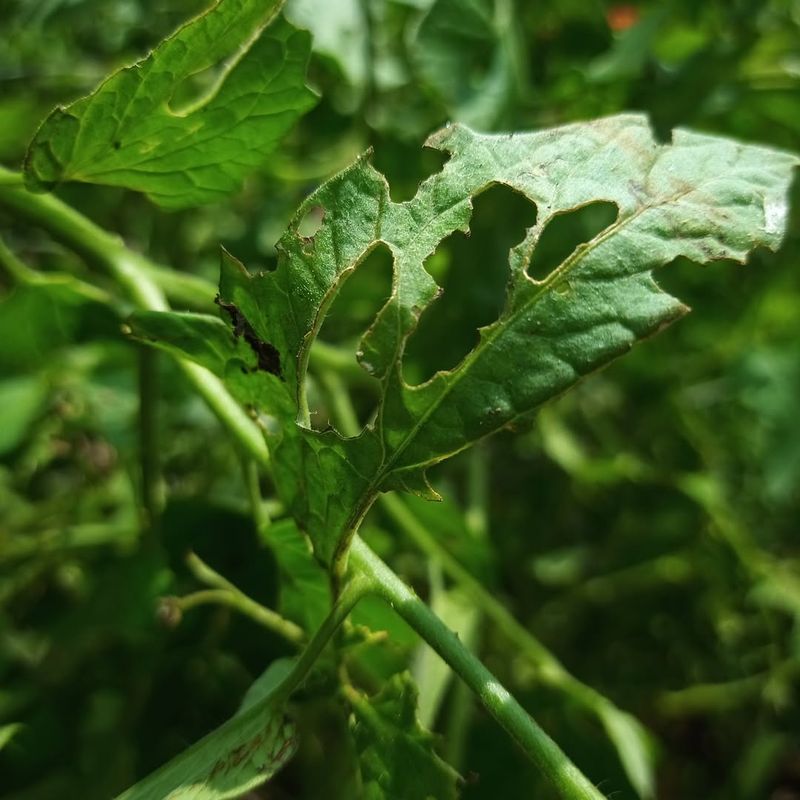
Warming soil temperatures wake hungry pests from winter dormancy long before most gardeners expect them. Slugs emerge from hiding spots on the first mild, damp evenings of spring.
These slimy creatures can decimate an entire row of tender seedlings in a single night. Cutworms present another early-season threat that catches gardeners off guard.
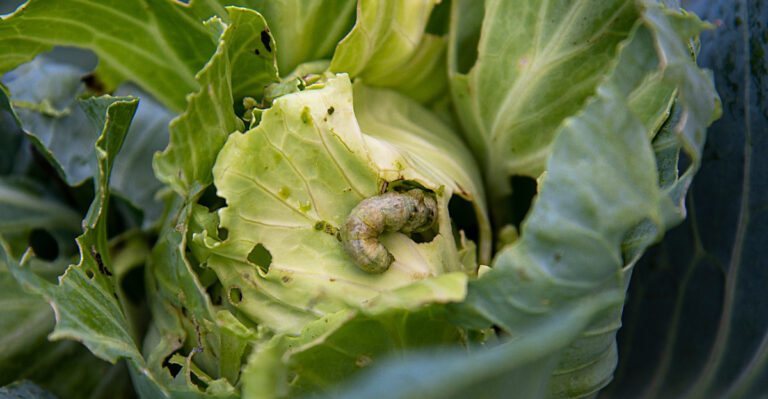
These caterpillars hide in soil during daytime and emerge after dark to chew through seedling stems at ground level. You might find perfectly healthy-looking plants toppled over at dawn with no obvious explanation.
Flea beetles appear as soon as temperatures climb above fifty degrees consistently. These tiny jumping insects riddle brassica leaves with countless small holes, weakening young plants significantly.
Heavy infestations can stunt growth or even eliminate entire plantings before they establish themselves properly.
Early monitoring makes pest management much more effective than waiting for visible damage. Check gardens every morning for slug trails, chewed leaves, or toppled seedlings.
Identifying problems early allows for targeted interventions before populations explode. Physical barriers work well for spring pest control without chemicals. Copper tape repels slugs effectively around garden bed edges.
Cardboard collars placed around transplant stems prevent cutworm damage. Floating row covers exclude flea beetles and other flying pests while allowing light and water through to protected plants underneath.
Poor Sun Exposure In Shady Areas
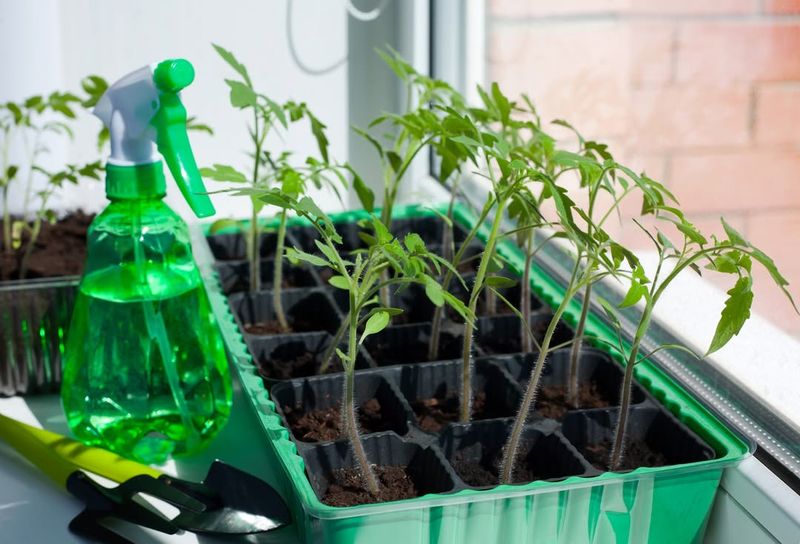
Spring sunshine hits the earth at a much lower angle than summer’s direct rays. This creates longer shadows that shift throughout the day in unexpected patterns. Garden spots that receive full sun in July might sit in shade for most of April and May.
Deciduous trees haven’t fully leafed out yet, which seems like an advantage for nearby garden beds. But the trees themselves still cast significant shadows from their branches and trunks.
Buildings, fences, and other structures create extended shade zones during low-angle spring sunlight hours.
Photosynthesis drives all plant growth, and insufficient light severely limits this crucial process. Seedlings growing in inadequate light become leggy and weak as they stretch desperately toward available sunshine.
Growth slows dramatically compared to plants receiving proper light exposure. Observe your garden at different times throughout early spring before committing to planting locations. Note where shadows fall during morning, midday, and afternoon hours.
Areas that seem sunny at noon might spend most of the day in shade. South-facing locations receive maximum spring sunlight in Michigan gardens. These prime spots should be reserved for early plantings that need every advantage to succeed.
Consider delaying plantings in shadier areas until trees fully leaf out and summer sun angle improves conditions naturally for better growing results.
Nutrient Availability Is Low In Cold Soil
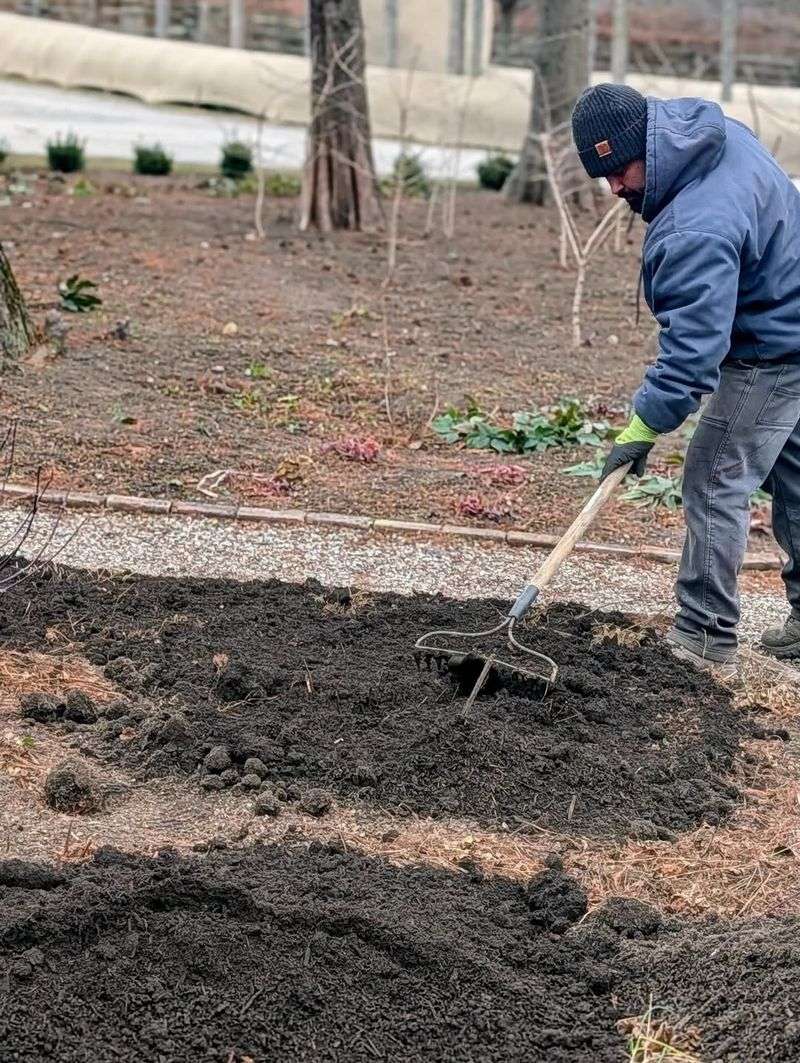
Soil contains plenty of nutrients even after winter, but cold temperatures lock them away from plant roots. Beneficial soil microorganisms that convert nutrients into plant-available forms become dormant when temperatures drop below fifty degrees.
Plants essentially starve despite being surrounded by potential food. Nitrogen availability suffers most dramatically in cold spring soil. This essential nutrient drives leafy green growth and overall plant vigor.
Seedlings planted in cold ground show characteristic yellowing and stunted growth from nitrogen deficiency, even in previously fertilized beds.
Chemical fertilizers don’t solve cold soil nutrient problems effectively. Plants still cannot absorb nutrients efficiently when soil temperatures remain low.
Adding more fertilizer just wastes money and potentially harms beneficial soil organisms once conditions warm up later.
Organic matter improves nutrient availability in cool soil better than synthetic fertilizers. Compost and aged manure provide slow-release nutrition that becomes available gradually as soil warms.
These amendments also feed beneficial microorganisms that help unlock soil nutrients naturally.
Foliar feeding provides emergency nutrition for struggling seedlings in cold spring conditions. Diluted liquid fertilizer sprayed directly on leaves bypasses cold soil limitations entirely.
Plants absorb nutrients through leaf surfaces quickly, providing a temporary boost until soil temperatures rise enough for normal root uptake.
This technique works particularly well for transplants establishing themselves during unpredictable Michigan spring weather patterns.