If You See This Bug In North Carolina Do Not Touch It
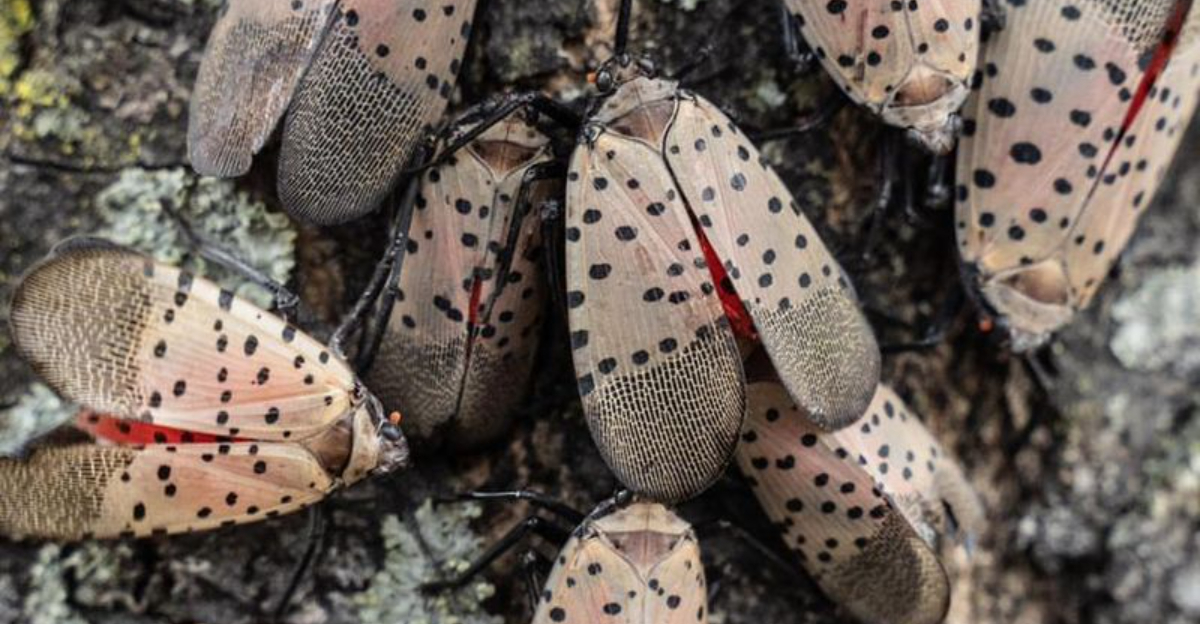
Walking through a North Carolina yard on a warm afternoon, you might notice a colorful insect hopping along a fence or tree trunk. At first glance it looks interesting, even harmless, which is exactly why so many people get curious and move closer.
That is the moment to pause. The spotted lanternfly has started showing up in more areas, and touching it can cause problems for your plants and your landscape.
This insect feeds on sap, weakens trees and vines, and spreads fast when left unchecked. What makes it tricky is that it does not look like a typical garden pest, so many homeowners do not recognize the warning signs right away.
Learning how to spot it, what to avoid, and what steps actually help can protect your yard and your neighborhood. If you care about keeping North Carolina gardens healthy, this is one bug you need to know about now.
Highly Invasive Pest Threatening North Carolina Agriculture
Agriculture across North Carolina faces mounting pressure from this aggressive planthopper species. Spotted lanternflies feed on plant sap from over 70 different species. Their feeding habits weaken host plants significantly over time.
Vineyards and orchards experience particularly severe damage from these pests. Grapevines become stressed and produce lower quality fruit after infestation. Hardwood trees like maple, walnut, and oak also suffer from repeated attacks.
Ornamental plants in home gardens aren’t safe from these hungry insects either. They pierce plant tissue with needle-like mouthparts to extract vital nutrients. This feeding behavior disrupts normal plant growth and development.
The honeydew they excrete creates additional problems for affected vegetation. This sticky substance coats leaves and stems, blocking sunlight from reaching plants. Black sooty mold grows on the honeydew, further harming plant health.
Economic losses mount quickly when spotted lanternflies establish populations in agricultural regions. Farmers face reduced crop yields and increased management costs annually.
Homeowners watch their landscape plants decline despite regular care and maintenance. Early detection helps prevent widespread establishment of this destructive species.
Communities working together can slow the spread through proper reporting. Your vigilance protects local farms, forests, and gardens from serious harm.
Distinctive Identification Features Across Life Stages
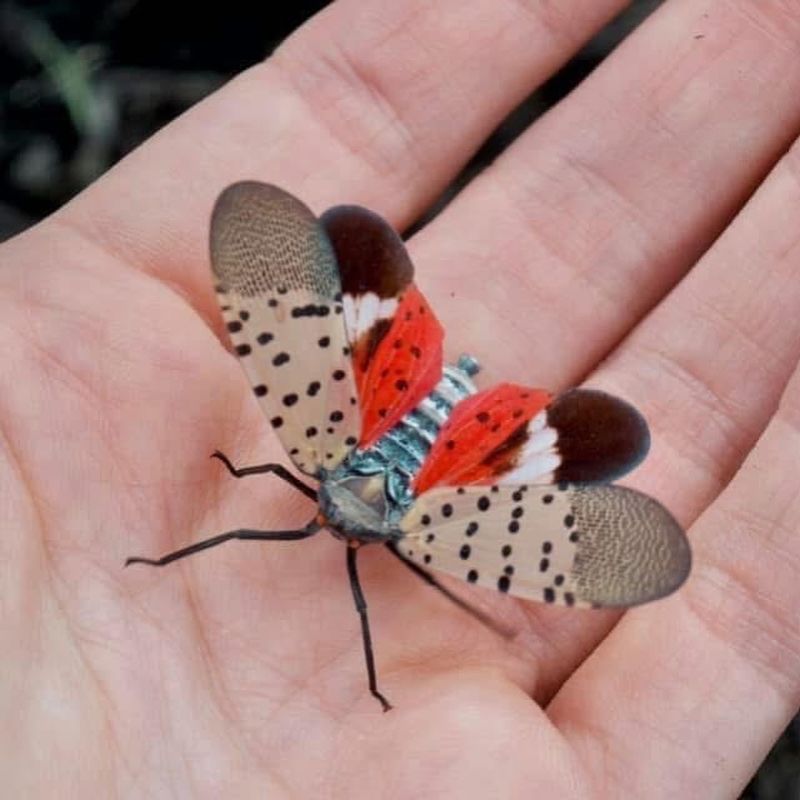
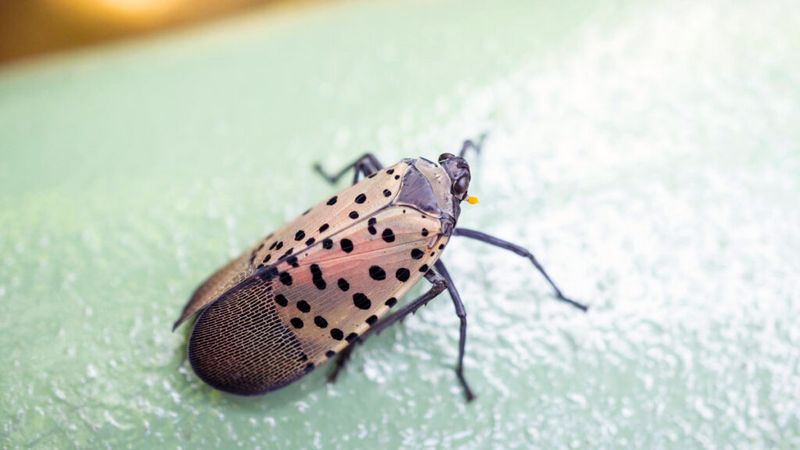
Recognizing this pest requires understanding its changing appearance throughout development. Adult spotted lanternflies measure about one inch long when fully grown. Their folded wings display a grayish color with irregular black spots.
Flight reveals their most striking feature hidden beneath those outer wings. Bright red hindwings with black spots and white bands flash dramatically. This sudden color display makes them unmistakable during warm weather activity.
Young nymphs look completely different from their adult form in appearance. Early instars appear black with contrasting white spots covering their bodies. These small nymphs move quickly across bark and plant stems.
Later-stage nymphs develop vibrant red coloring that catches your attention immediately. Black and white markings remain visible alongside the new red patches. This transformation occurs during summer months as they mature toward adulthood.
Wing development distinguishes the final nymph stage from fully mature adults. Immature insects lack the ability to fly between host plants. Adults gain mobility, spreading infestations across greater distances more rapidly.
Your North Carolina Garden Changes Every Week. Your Plan Should Too.
Gardening in North Carolina changes quickly throughout the season. Every Friday you’ll receive a simple weekly plan showing exactly what to plant, prune, fertilize, harvest, and protect so you never miss the right timing.
Seasonal timing affects which life stage you’ll encounter in your yard. Eggs remain dormant through winter, hatching when spring temperatures warm consistently. Nymphs emerge from April through July, while adults appear from July onward.
Critical Reasons To Avoid Direct Contact
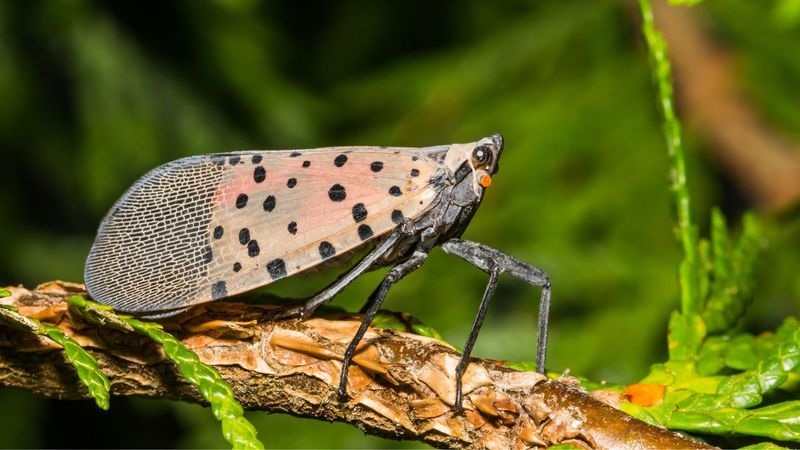
Physical contact with spotted lanternflies creates unintended consequences that worsen the problem. Touching these insects might transfer eggs or nymphs to your clothing. Your shoes, bags, and outdoor gear become accidental transportation for hitchhikers.
Moving between locations unknowingly carries the pest to previously unaffected areas. A single trip with hidden eggs can establish a new infestation. Your vehicle, camping equipment, or gardening tools might harbor unseen passengers.
Handling attempts often fail to control the insect population effectively anyway. Spotted lanternflies jump quickly when approached, making capture difficult without proper tools.
Squashing individual bugs doesn’t address the larger population threatening your neighborhood.
Reporting sightings to proper authorities provides far more effective management results. Trained professionals use coordinated strategies to control spreading populations systematically.
Your observation helps officials track movement patterns and target treatment efforts. Children should learn to observe these insects from a safe distance. Their natural curiosity might lead them to touch or collect specimens.
Teaching proper response protocols protects both kids and the broader community. Photography offers a safer way to document spotted lanternfly encounters meaningfully.
Clear images assist officials in confirming identification and tracking spread patterns. Keeping your distance while recording observations benefits everyone’s control efforts.
Recognizing And Reporting Egg Mass Locations
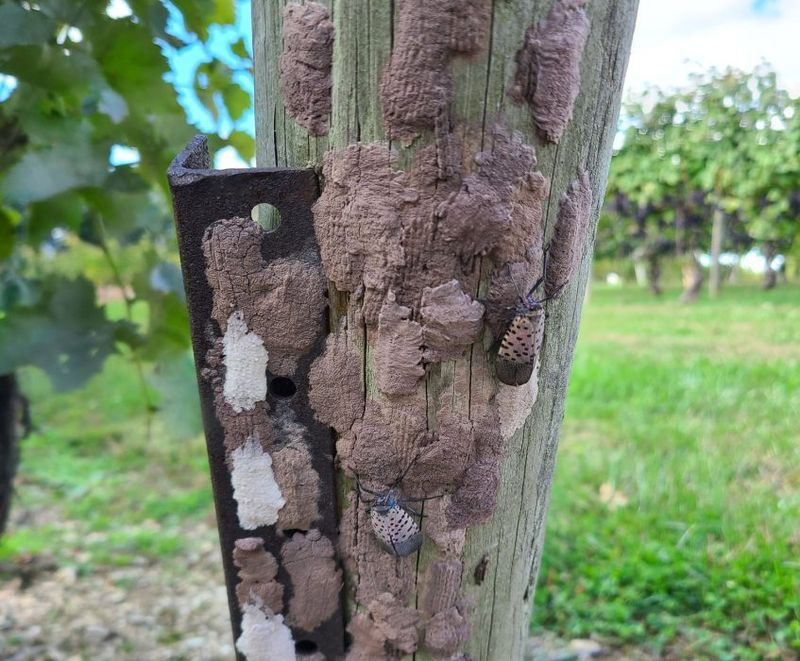
Egg masses present a deceptive appearance that many people overlook completely. These clusters resemble dried mud or modeling clay smeared on surfaces. Female lanternflies cover their eggs with a protective gray waxy coating.
Tree bark serves as the most common egg-laying site in natural areas. Smooth-barked trees attract females seeking protected spots for their offspring. Rough bark provides crevices where egg masses remain hidden from view.
Outdoor furniture, vehicles, and recreational equipment also host egg masses frequently. Picnic tables, grills, and playground equipment require careful inspection during fall. Trailers, boats, and campers parked outside become mobile egg transport systems.
Each mass contains between 30 and 50 individual eggs waiting for spring. Females lay multiple masses throughout their adult lifespan each season. A single property might harbor dozens of these hidden time bombs.
Scraping egg masses requires specific techniques to prevent accidental spread elsewhere. Improper removal can scatter eggs into surrounding areas inadvertently.
Officials recommend reporting locations rather than attempting removal without proper training.
Fall and winter months provide the best opportunity for egg mass detection. Leaves have dropped from deciduous trees, improving visibility of bark surfaces. Systematic inspection of outdoor items before spring prevents hatching in new locations.
Understanding North Carolina Reporting Requirements
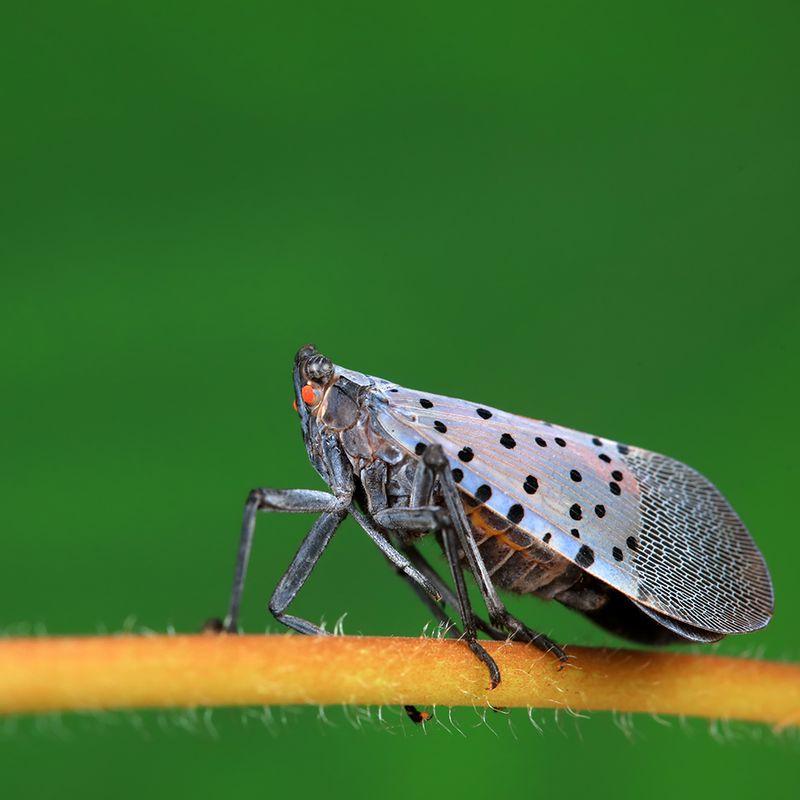
North Carolina classifies spotted lanternfly as a regulated quarantine pest officially. State law requires residents to report confirmed sightings to agricultural authorities.
The North Carolina Department of Agriculture and Consumer Services coordinates all response efforts.
Reporting helps officials map the current distribution of this invasive species. Accurate location data guides targeted management strategies and resource allocation decisions. Your single observation contributes to statewide tracking and control planning.
Multiple reporting methods make the process convenient for all residents. Online submission forms accept detailed information and supporting photographs easily. Phone hotlines connect you directly with knowledgeable staff who answer questions.
Providing specific location details improves the usefulness of your report significantly. Street addresses, GPS coordinates, or detailed landmarks help responders locate infestations.
Noting the host plant species adds valuable ecological information to databases.
Photographs strengthen reports by confirming identification before deploying response teams. Clear images showing key features help distinguish spotted lanternflies from similar insects.
Multiple angles capture important details that single shots might miss. Follow-up communication from officials may request additional information or site access. Cooperation with survey teams allows proper assessment of infestation severity levels.
Your participation directly supports efforts to protect North Carolina’s agricultural economy.
Explosive Reproduction Rates Demand Quick Action
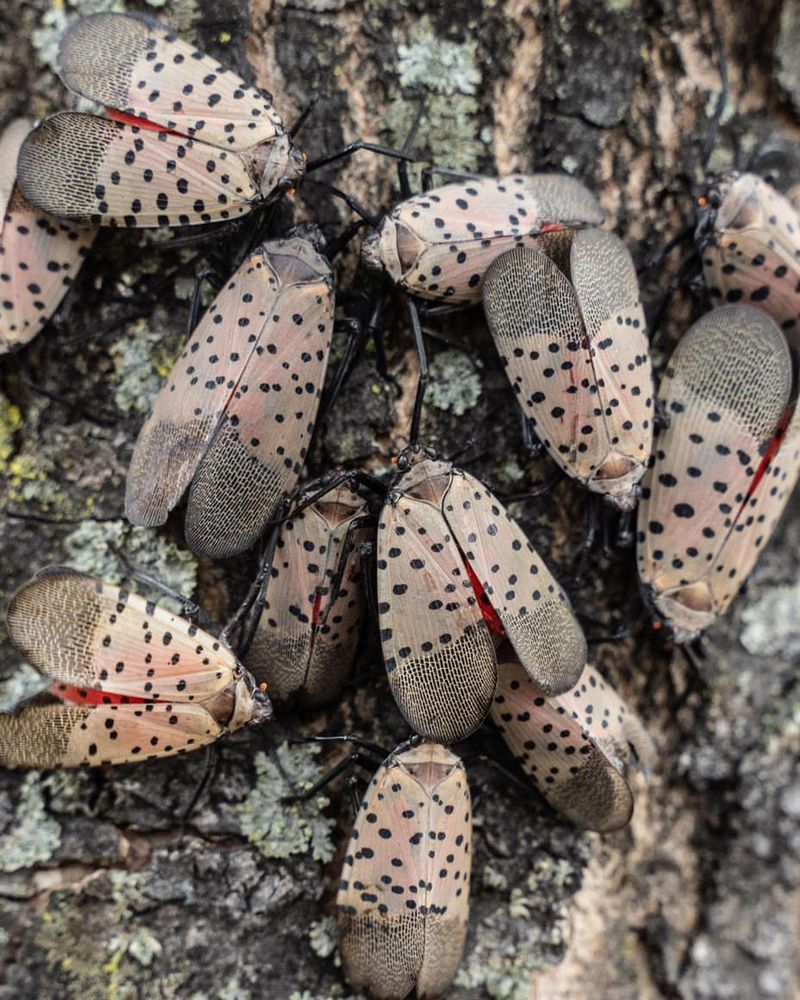
Female spotted lanternflies possess remarkable reproductive capacity that fuels rapid expansion. Each mature female produces one to two egg masses per season. Those masses contain enough offspring to establish thriving populations quickly.
Mathematical projections reveal how fast unchecked populations can grow exponentially. Hundreds of eggs per female multiply across multiple generations annually. Within a few seasons, small infestations explode into landscape-wide problems.
Favorable conditions accelerate population growth beyond normal expectations in some areas. Abundant host plants support larger numbers of surviving nymphs through development.
Mild winters reduce natural mortality rates that normally limit population sizes. Early detection becomes increasingly important as populations establish and spread outward.
Small, newly arrived groups can be managed more effectively than mature infestations. Delayed response allows populations to reach levels requiring extensive control efforts.
Your timely report might catch an infestation before it becomes unmanageable. First sightings in new counties trigger immediate investigation and response protocols.
Quick action prevents the need for widespread treatment programs later. Understanding this urgency motivates proper response when you encounter these pests. Every day counts when dealing with such prolific reproducers in agriculture.
Community awareness and rapid reporting create the best defense against establishment.
Recognizing Plant And Tree Damage Patterns
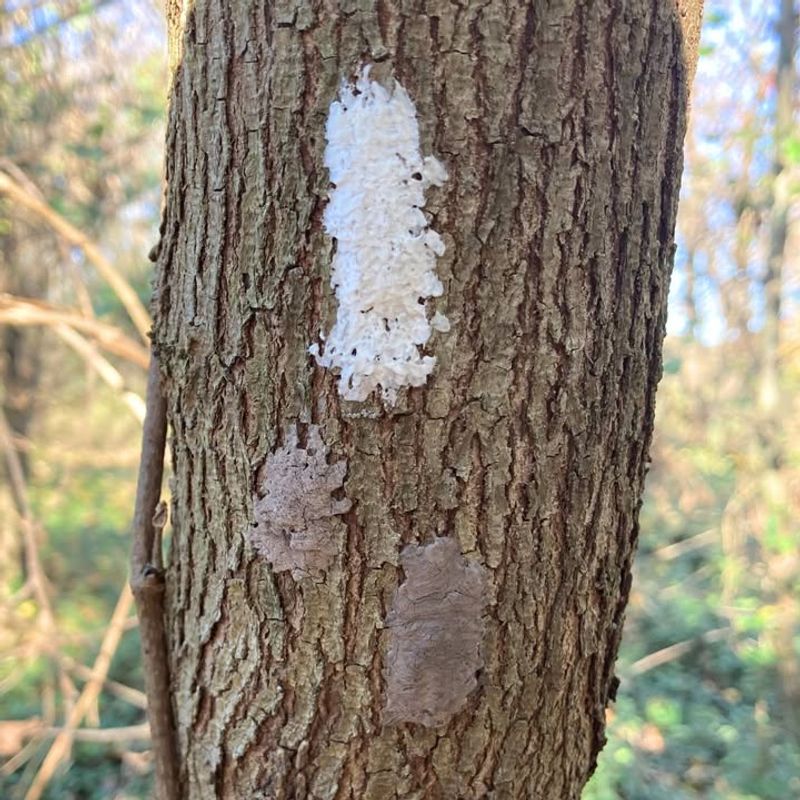
Feeding damage from spotted lanternflies creates distinctive symptoms on affected vegetation. Weakened trees show reduced vigor, with stunted growth and yellowing leaves.
Repeated attacks over multiple seasons can compromise tree health severely. Grapevines suffer particularly devastating impacts that affect fruit production and quality. Vines experience stress that reduces grape yields and sugar content noticeably.
Vineyard owners face significant economic losses when infestations go unmanaged. The honeydew secreted during feeding causes secondary problems beyond direct damage. This sugary liquid drips onto leaves, branches, and anything below infested plants.
Surfaces become sticky, attracting wasps, ants, and other insects to feed. Black sooty mold colonizes honeydew-covered surfaces within days of accumulation. This fungal growth blocks sunlight from reaching leaf surfaces underneath.
Photosynthesis declines, further weakening already stressed plants struggling with sap loss. Home landscapes show damage on ornamental trees, shrubs, and flowering plants. Maples, birches, and willows display symptoms when populations reach high densities.
Even plants that aren’t preferred hosts can suffer from honeydew contamination. Outdoor living spaces become unpleasant when honeydew rains down from infested trees. Patio furniture, decks, and vehicles develop sticky coatings that attract insects.
The mess creates additional motivation for reporting and managing nearby populations.
Common North Carolina Locations To Inspect Carefully
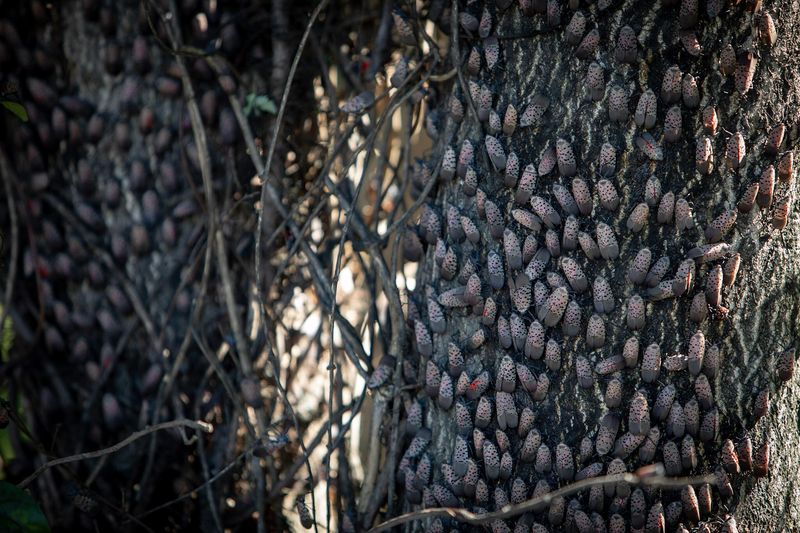
Tree-of-heaven stands out as the strongly preferred host for spotted lanternflies. This invasive tree species grows commonly along roadsides and disturbed areas. Its compound leaves and distinctive smell help identify it in landscapes.
Maples of various species attract large numbers of feeding adults and nymphs. Red maples, silver maples, and sugar maples all host significant populations.
These valuable shade trees face serious stress when infestations reach peak levels. Oak trees provide another favored feeding site throughout North Carolina woodlands. Both red oak and white oak species support lanternfly development successfully.
Forest health concerns mount as populations spread into natural areas. Grapevines in commercial vineyards and backyard arbors require especially vigilant monitoring. Spotted lanternflies congregate on vines in large numbers during summer.
Early detection in vineyard settings prevents crop loss and quality problems. Outdoor objects often harbor eggs or resting adults that escape notice. Firewood piles stacked against buildings provide perfect hiding spots year-round.
Moving firewood between properties accidentally transports eggs to new locations. Picnic tables, swing sets, and garden sheds should receive regular inspection. These structures offer protected surfaces where females lay egg masses freely.
Recreational equipment stored outdoors needs checking before moving it elsewhere.
Professional Management And Regulatory Control Protocols
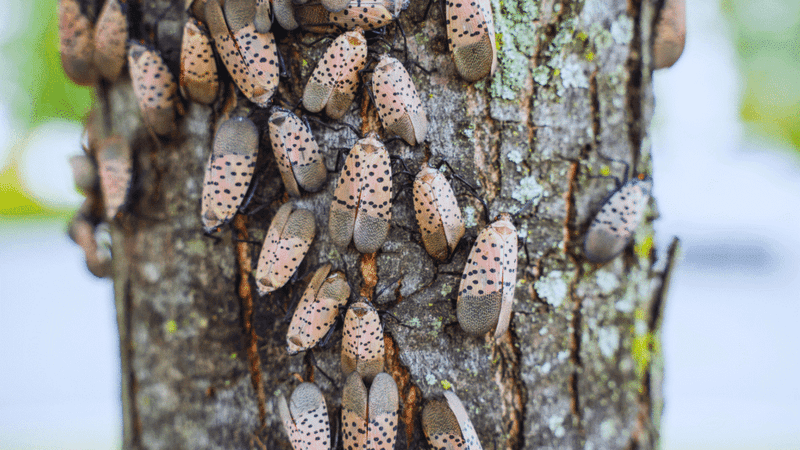
Homeowners should resist the temptation to apply pesticides without professional guidance. Improper chemical use can harm beneficial insects and pollinators unnecessarily.
State-recommended integrated pest management strategies provide safer, more effective approaches.
Licensed pest control professionals understand proper product selection and application timing. They know which insecticides target spotted lanternflies while minimizing environmental impact.
Professional training ensures treatments comply with state and federal regulations. Integrated pest management combines multiple tactics for long-term population suppression.
Cultural controls include removing tree-of-heaven and other highly attractive host plants. Physical barriers like sticky bands trap nymphs climbing tree trunks.
Biological control research continues exploring natural enemies that might help manage populations.
Parasitic wasps and fungal pathogens show promise in laboratory and field studies. These options may eventually reduce reliance on chemical treatments alone.
State quarantine regulations restrict movement of certain items from infested counties. Outdoor materials like firewood, nursery stock, and landscaping equipment require inspection. Compliance with these rules prevents accidental spread to unaffected regions.
Coordinated community efforts achieve better results than individual property treatments alone. Neighborhood-wide management reduces reinfestation from adjacent untreated properties constantly.
Working together through official programs protects everyone’s investment in their landscapes.